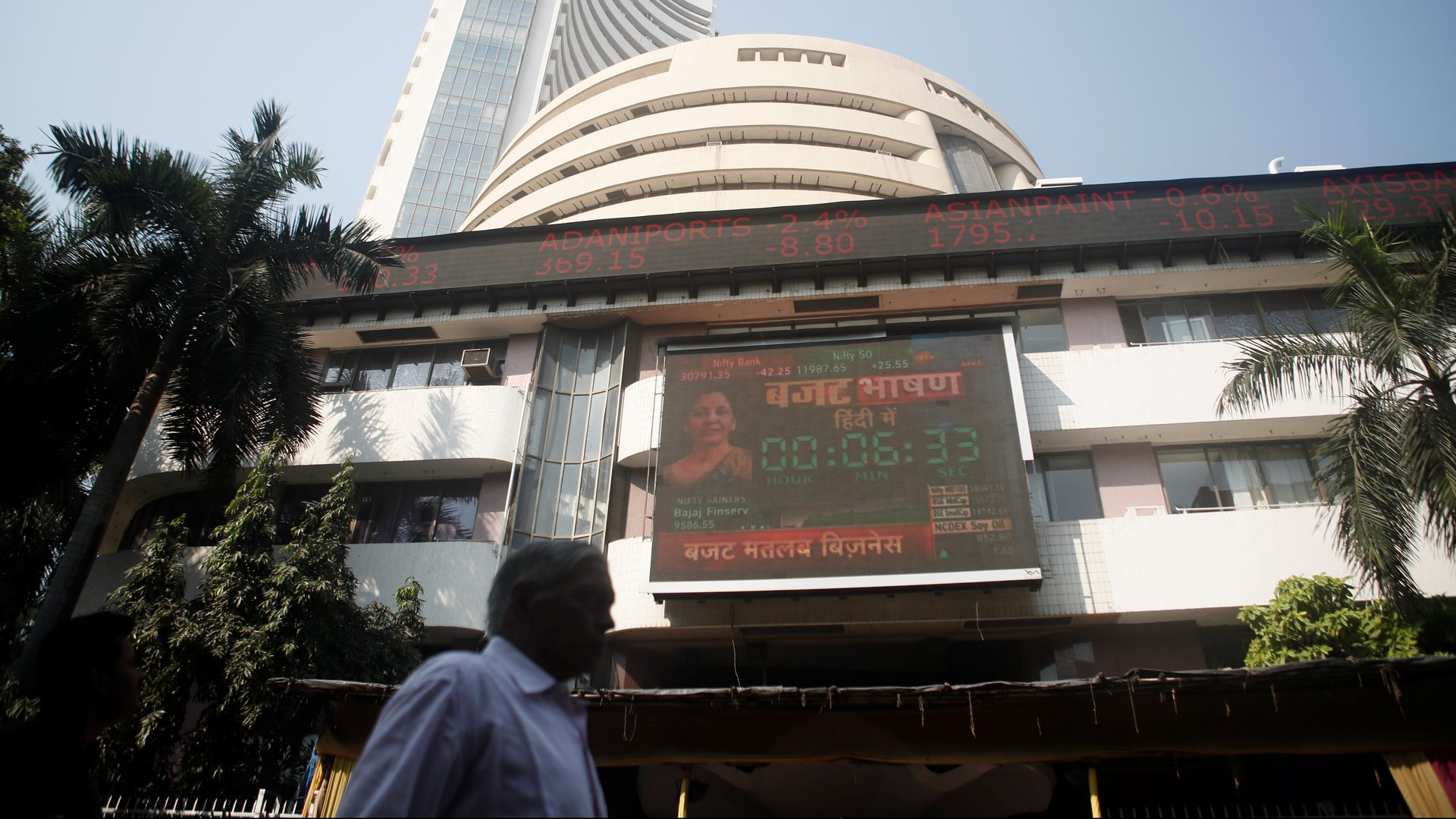
The performance of India’s stock markets in recent weeks has proved, yet again, that there is little connection between what happens to the real economy and how investors bet on shares.

The performance of India’s stock markets in recent weeks has proved, yet again, that there is little connection between what happens to the real economy and how investors bet on shares.

The Indian economy is going through one of its worse phases in living memory. Yet, not all is lost.

In the Netflix documentary China Hustle, fraud-hunting investor Carson Block explains the significance of a Chinese proverb: Muddy water makes it easy to catch fish. It means “in clear water, you catch no fish”. But as Block, who exposed corporate malpractice in China in 2011, aptly puts it, “opacity (muddy water) creates opportunities for people to make money — that’s China’s view.”

The Covid-19 outbreak and ensuing lockdown have hurt almost all industries in India, but for the country’s $370 billion shadow banking sector, this might be the last nail in the coffin.

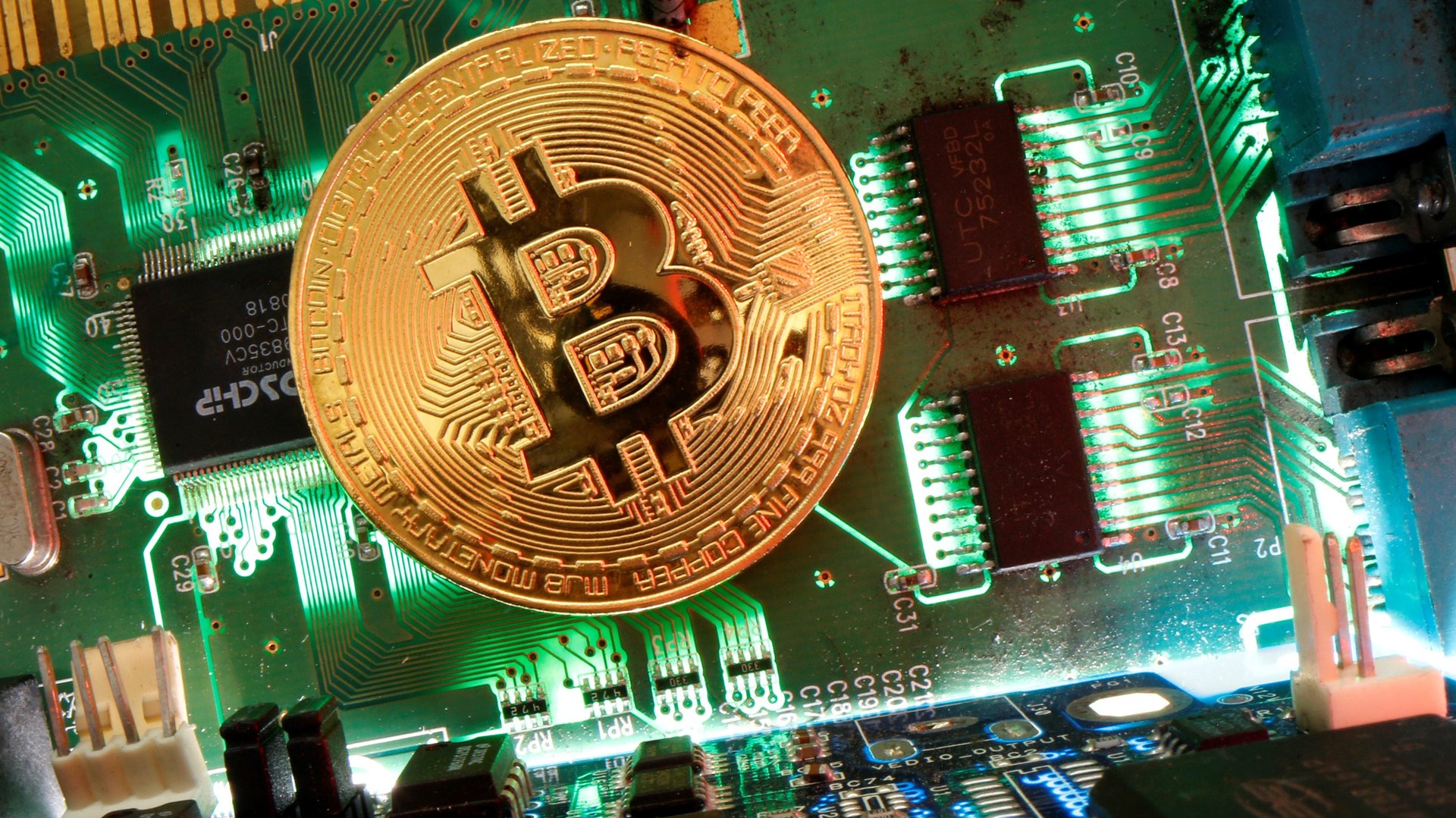
Indian investors are back in the cryptocurrency game and how.

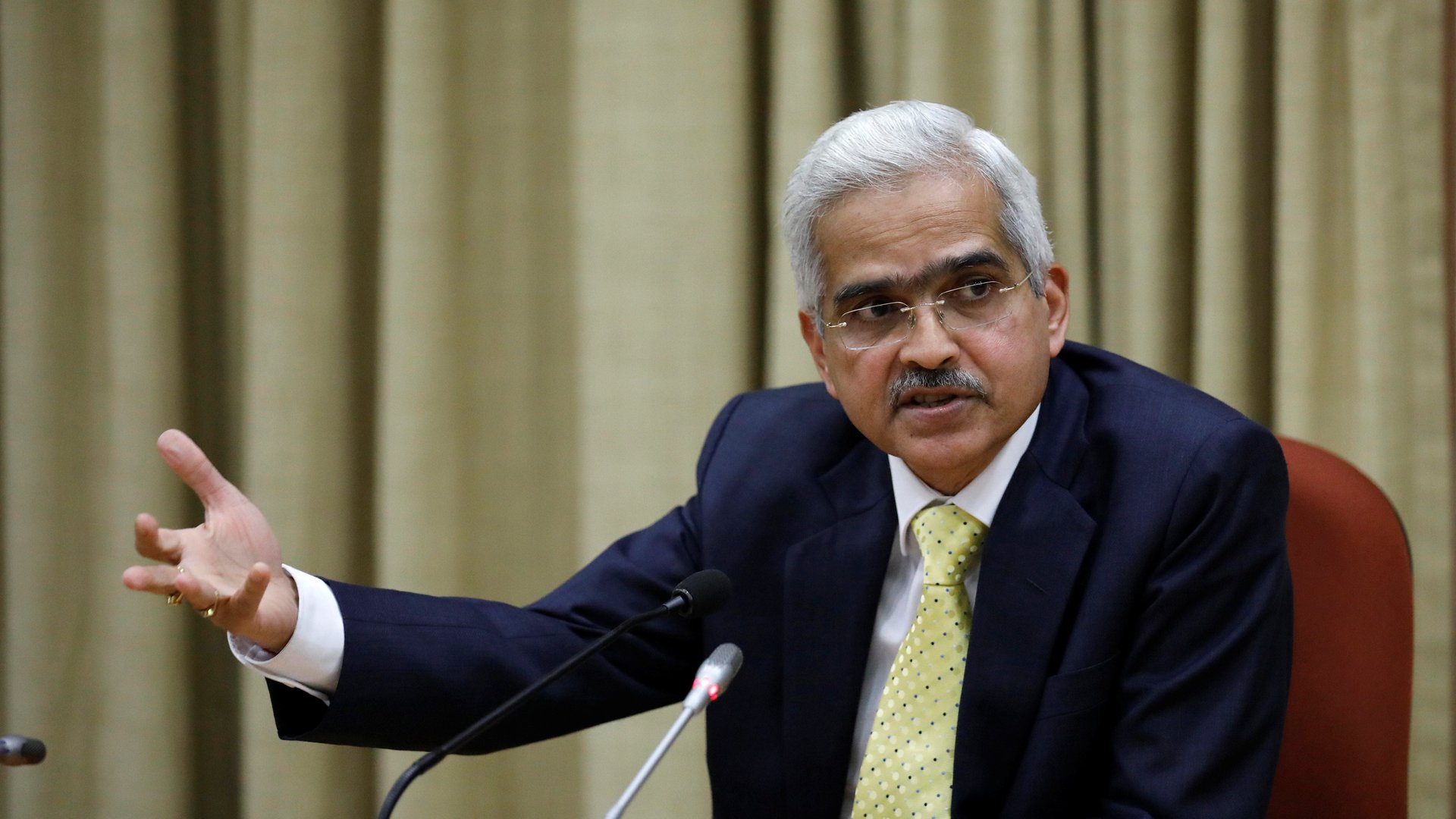
In a surprising move last Friday (May 22), India’s central bank announced yet another steep cut in repo rate. This is the second reduction in the rate at which banks borrow money from the Reserve Bank of India (RBI) since the spread of Covid-19 started hurting the country’s businesses and economy in March.

A lesser-known brother duo has beaten some of India’s most infamous loan defaulters.

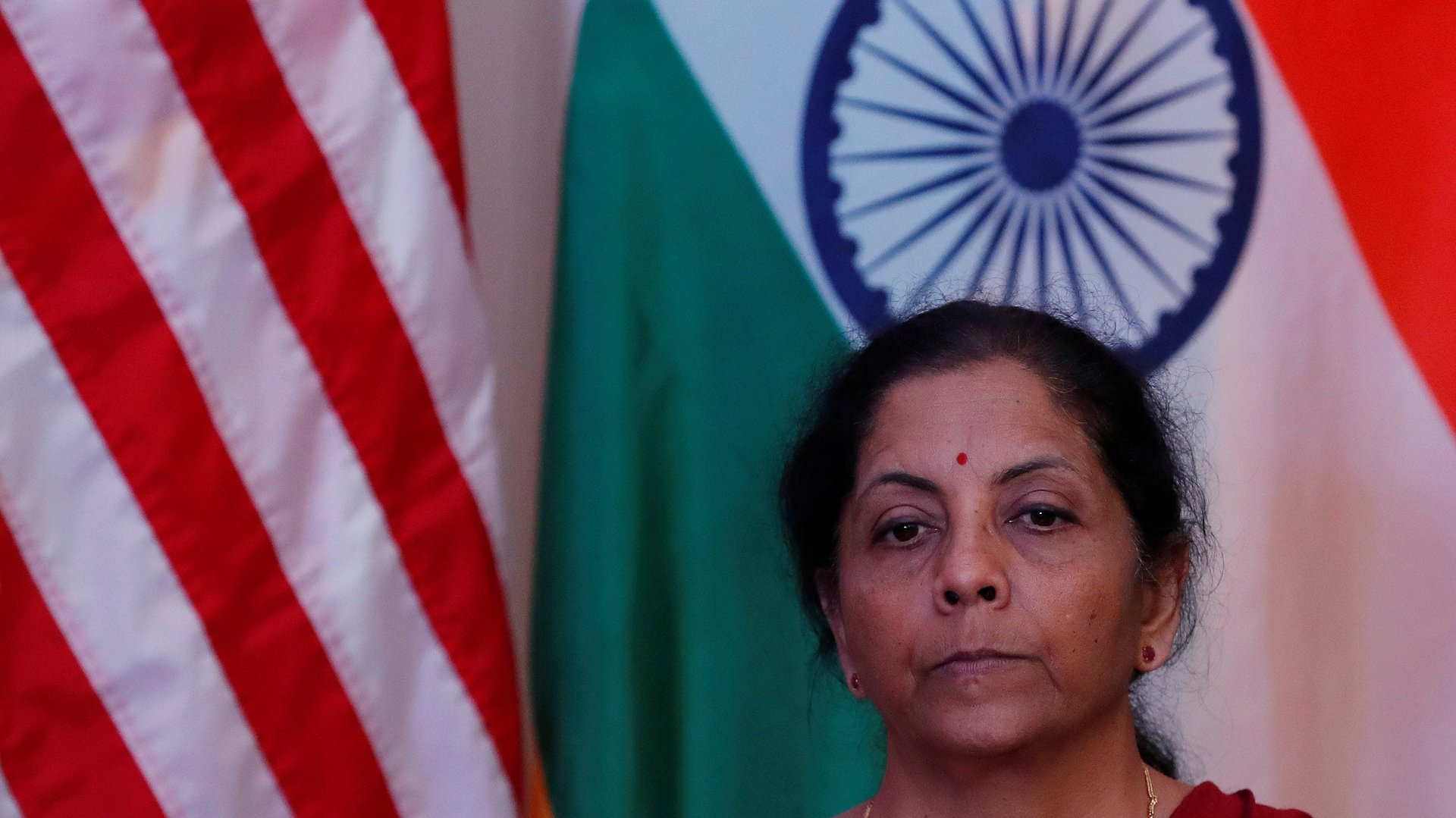
India has begun unveiling, tranche by tranche, a Rs20 lakh crore ($266 billion) stimulus package to help its coronavirus-hit economy get back on its feet.

Cash transfers to India’s poor are the right thing to do “not just morally but also economically,” believes Nobel laureate Esther Duflo.

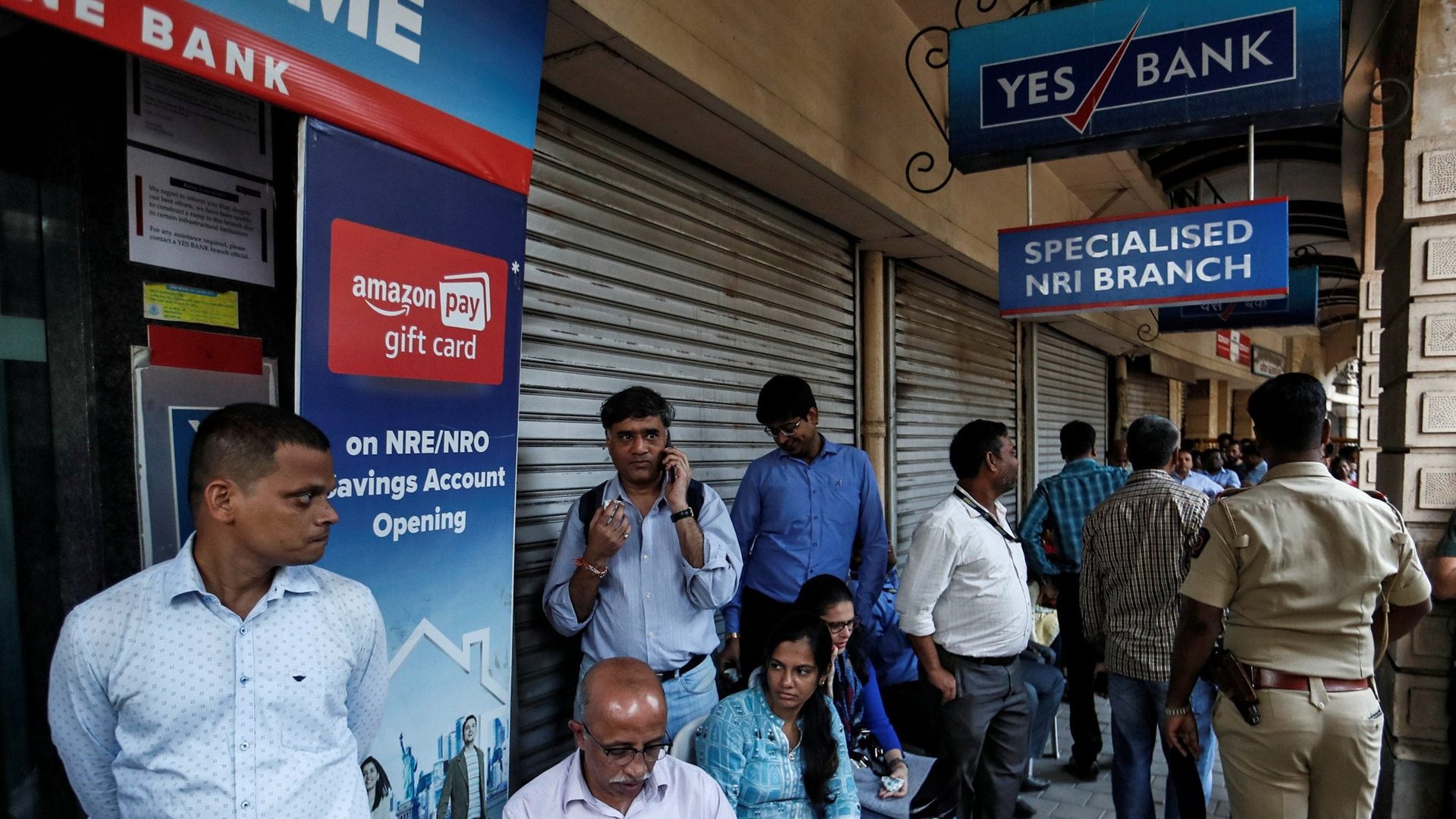
Corporate and institutional clients are losing their faith in India’s small- and mid-sized banks, triggering a flight of deposits to the perceived safety of bigger lenders.

In April 2020, India’s manufacturing and services sectors recorded the sharpest contraction among the world’s top 10 economies.

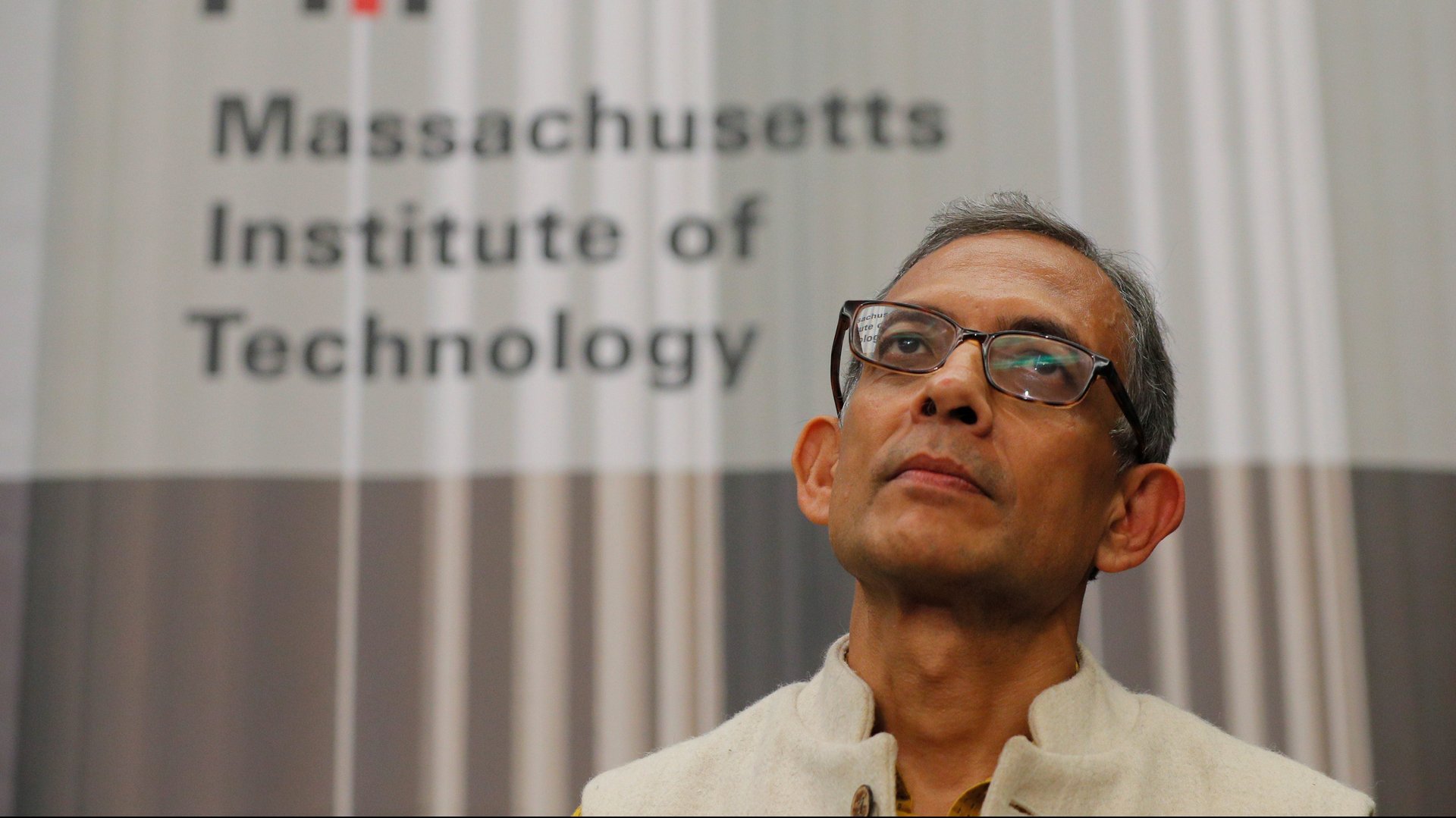
Economics Nobel laureate Abhijit Banerjee feels that in order to revive its coronavirus-hit economy, India needs a stimulus package much bigger than the $23 billion one announced in March.

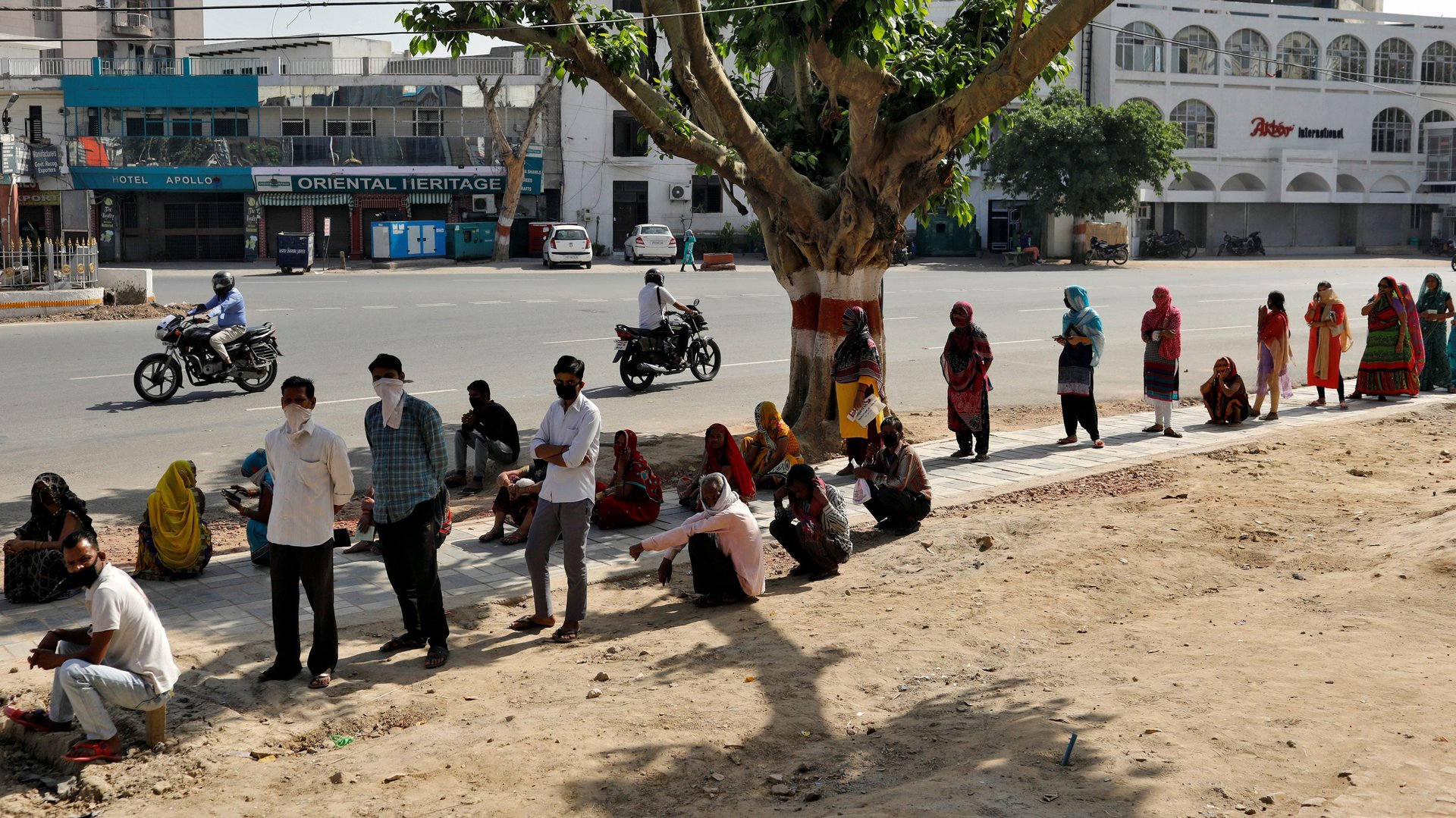
The first signs of the macroeconomic disruption caused by Covid-19 in India are here.

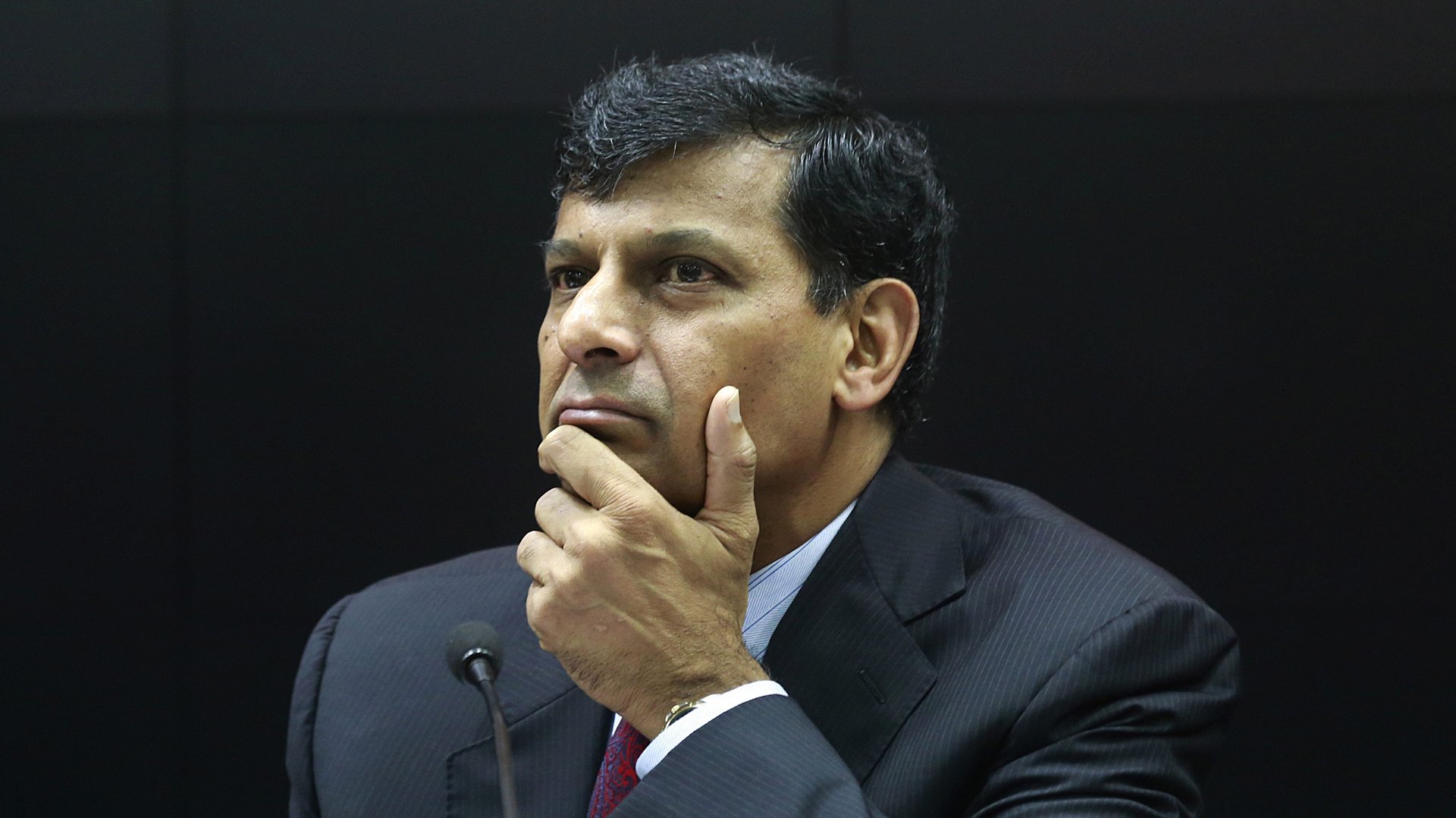
“Decentralisation of power” is the cure for India’s coronavirus-induced economic slowdown, according to the country’s former central bank governor Raghuram Rajan.

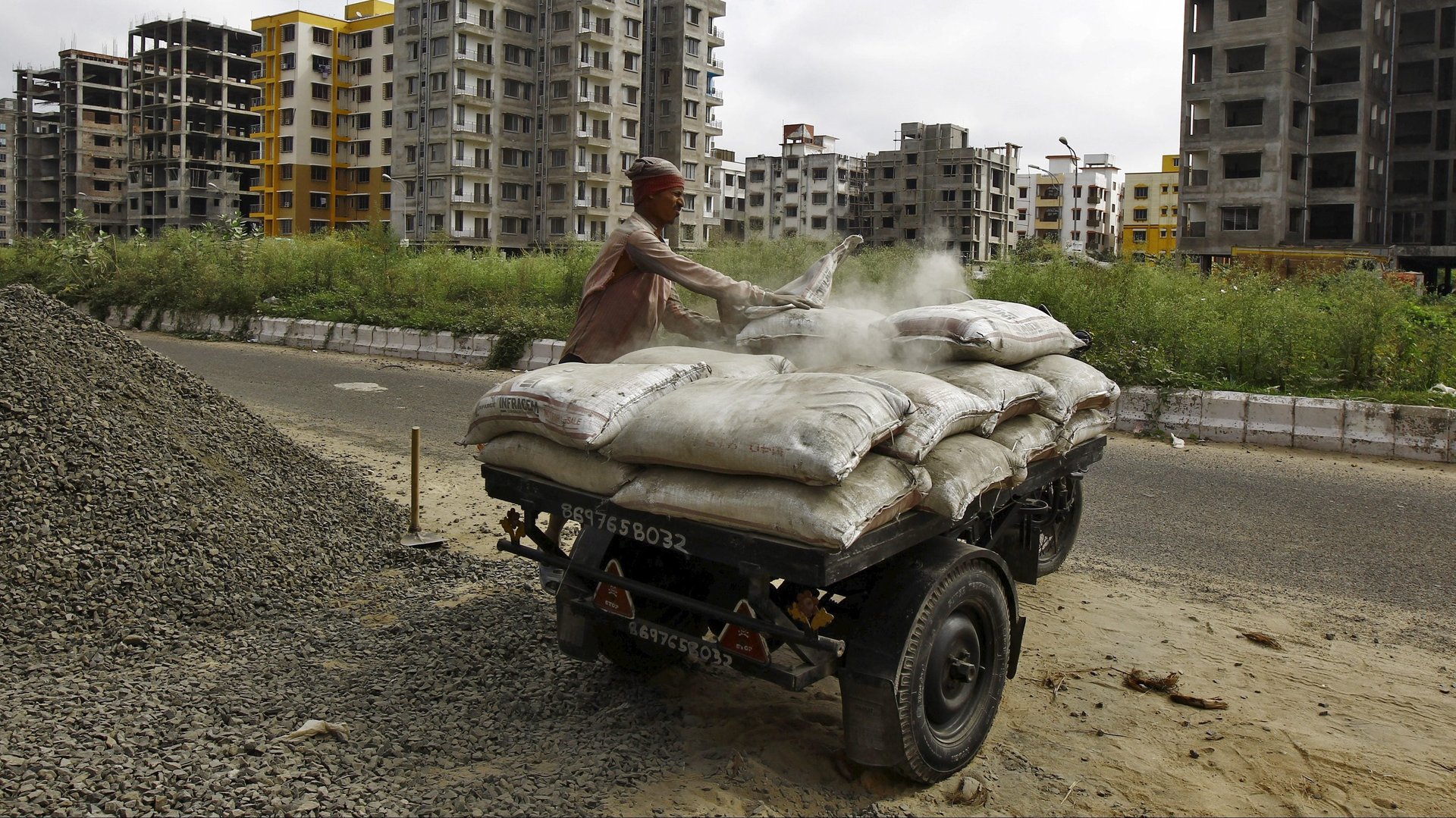
The Indian economy, which was already in the midst of a major slowdown, is now facing a severe deceleration due to the Covid-19 pandemic.

Global crude prices may have crashed to historic levels but Indians may not benefit directly from this.

India’s banks are bracing for a new wave of loan defaults, this time from retail customers.