
Money & Markets
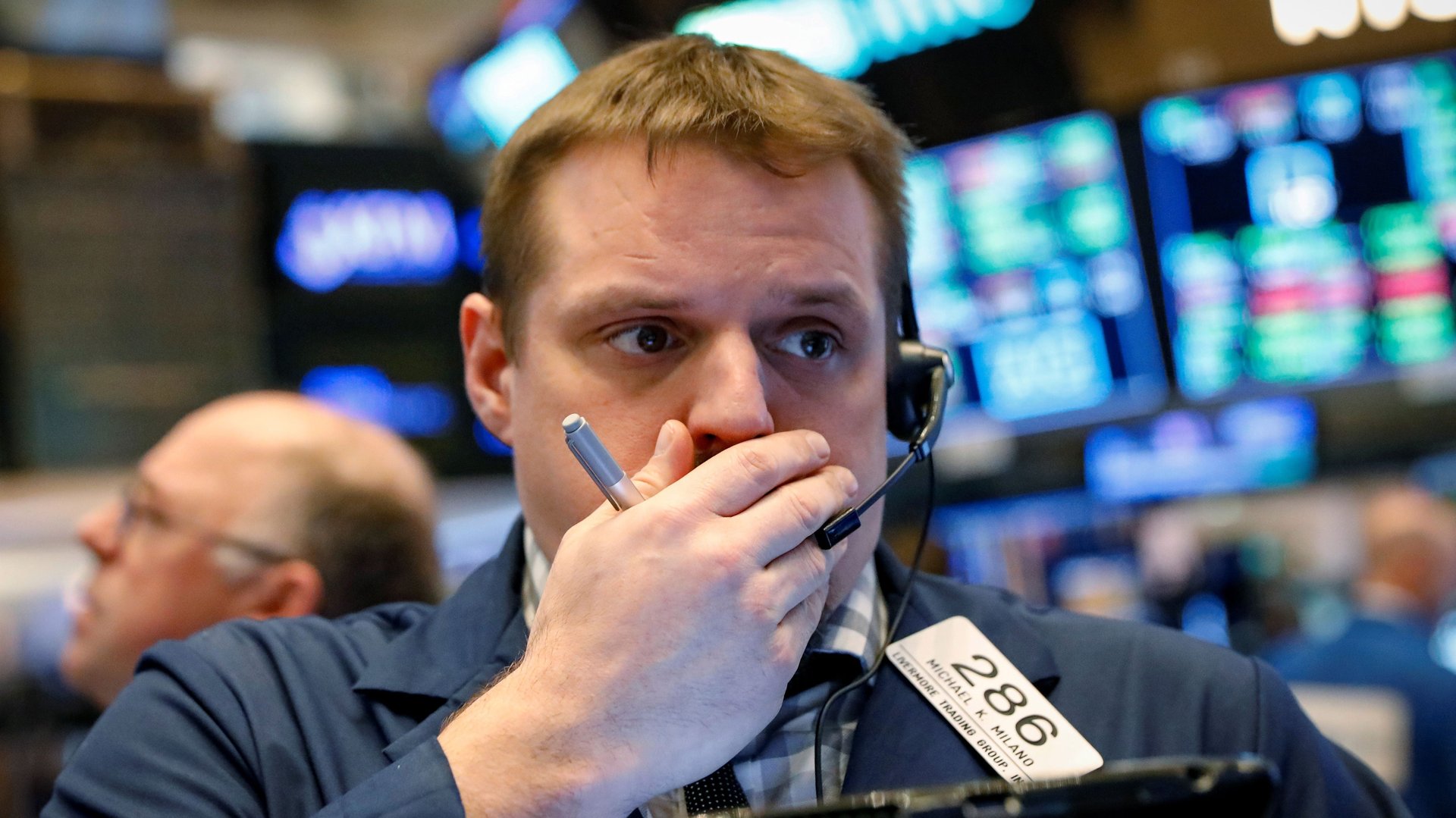
Tech stocks are so high now, they’re breaking the NYSEAmazon’s share price closed at $1,460 today (April 25). Alphabet closed at $1,023. And shares in Booking Holdings reached $2,078 a pop.
Updated March 24, 20252 min read
Amazon’s share price closed at $1,460 today (April 25). Alphabet closed at $1,023. And shares in Booking Holdings reached $2,078 a pop.
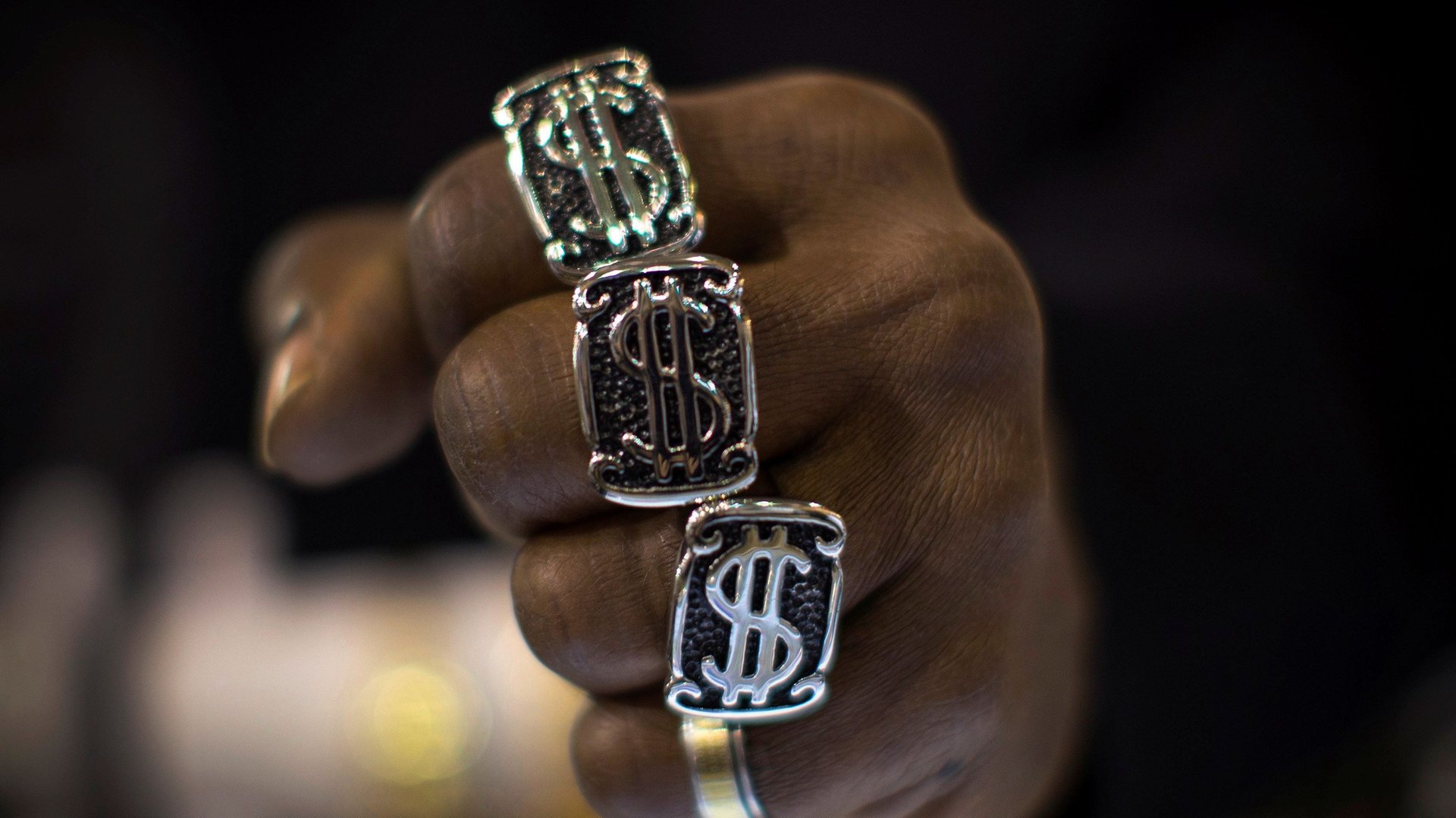
In the 2013 film Wolf of Wall Street, New York brokers pay to toss people with dwarfism across the room—a scene meant to illustrate the exploitative, ostentatious world of finance. The controversial practice of “dwarf-tossing” is quite real. In places like Detroit, Michigan, and Ottawa, Ontario, you can throw another human being onto a mattress or against a padded wall—for a price.
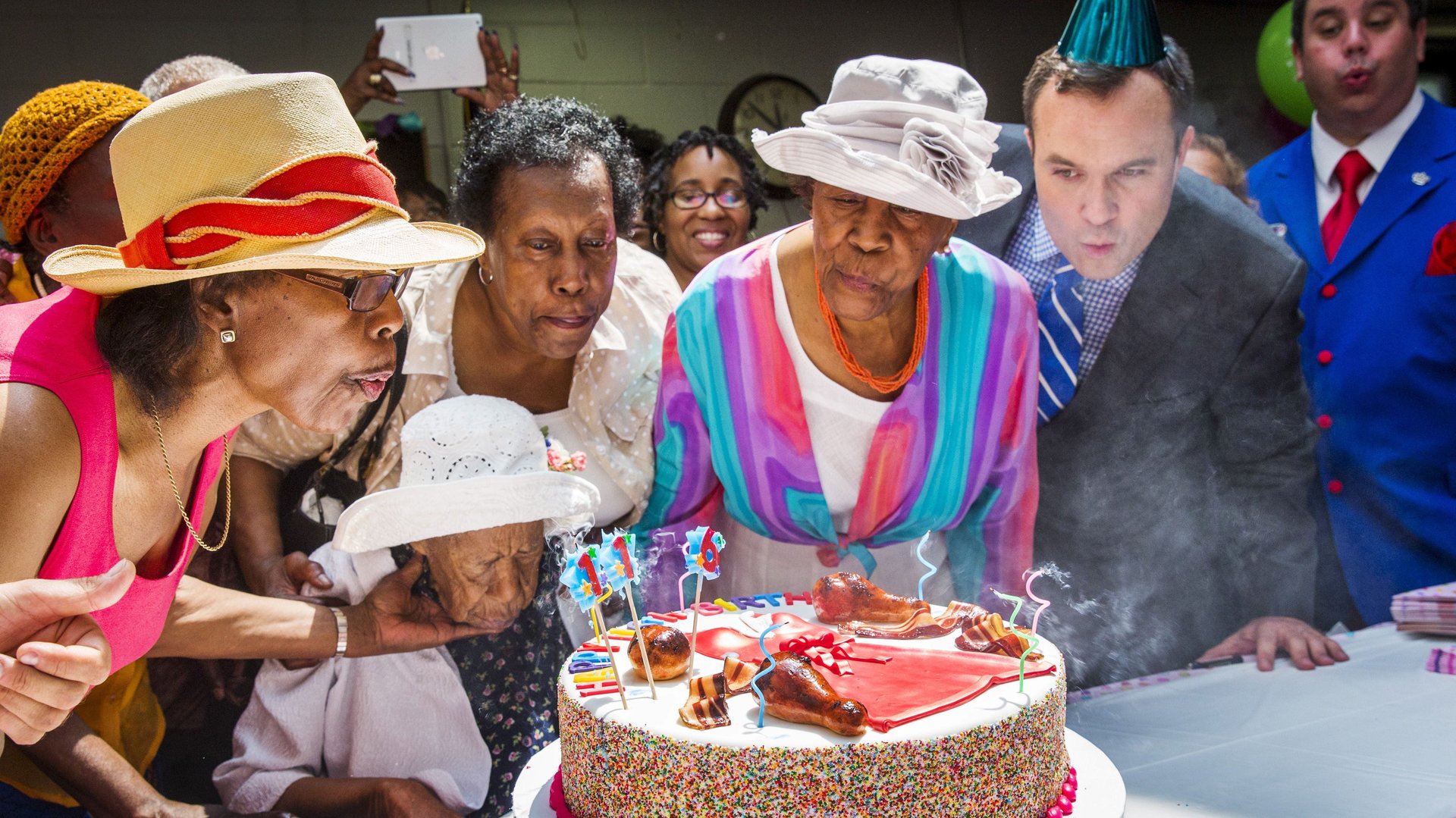
Two out of three women in the US want to live to 100, but 60% of them worry that they’ll run out of money if they live that long. (Maybe that’s why not all of them find an exceptionally advanced age appealing.)

Until this month, Dennis Rodman—the former NBA player—was the highest-profile American to have met Kim Jong-un.

Philip Morris International, one of the largest tobacco companies, wants to design a smoke-free future. That’s a tall order for a company that made its name selling Marlboros.
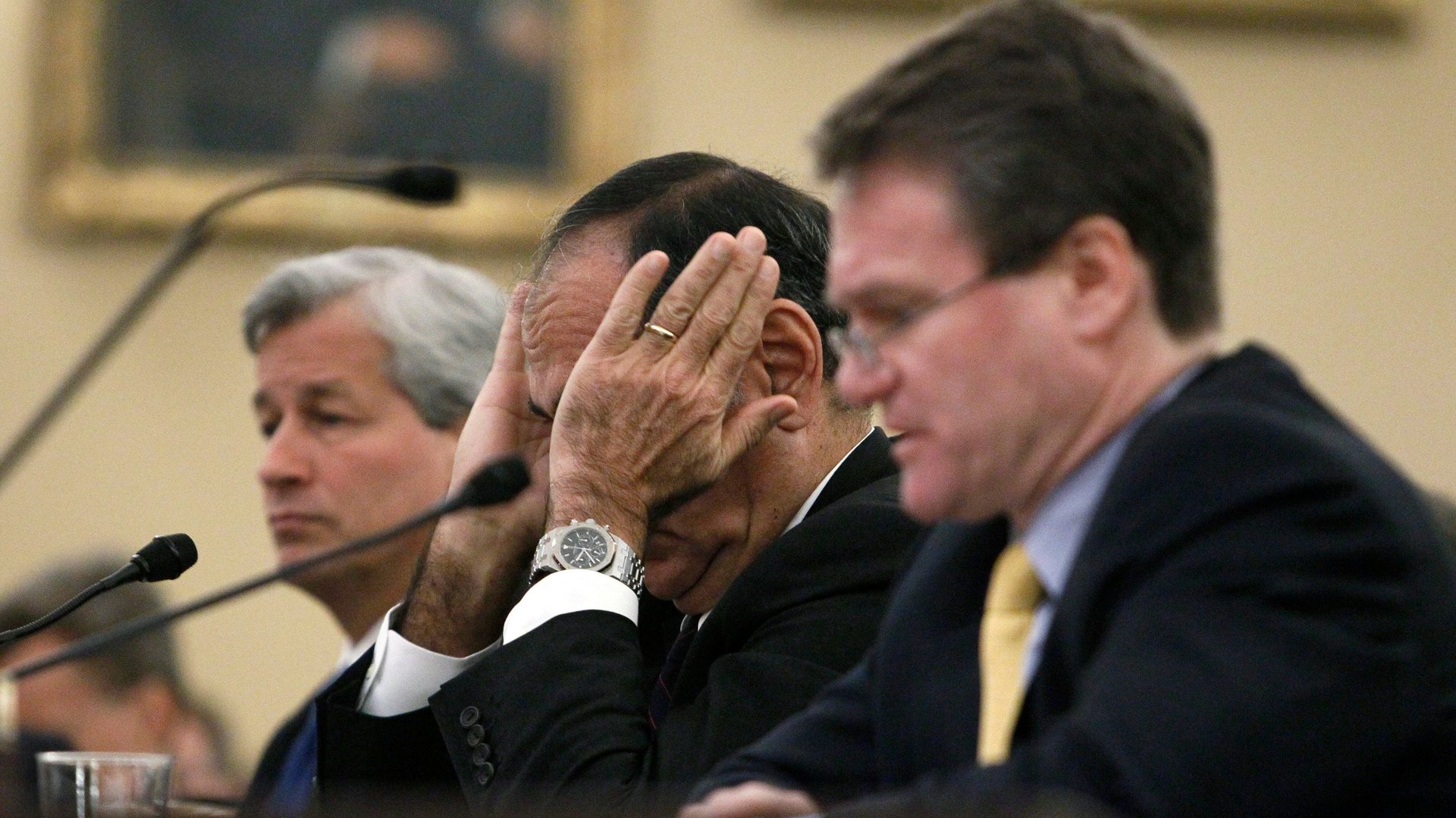
No big bank will remember 2008 fondly. That was the year that Lehman Brothers blew up, subprime mortgage-backed securities soured, and the global financial system was generally brought to its knees. Bailouts and strict new regulations followed, with policymakers pushing to rein in the profitable but risky behavior that flourished before the crash. In the future, banking would be a safer but leaner business.
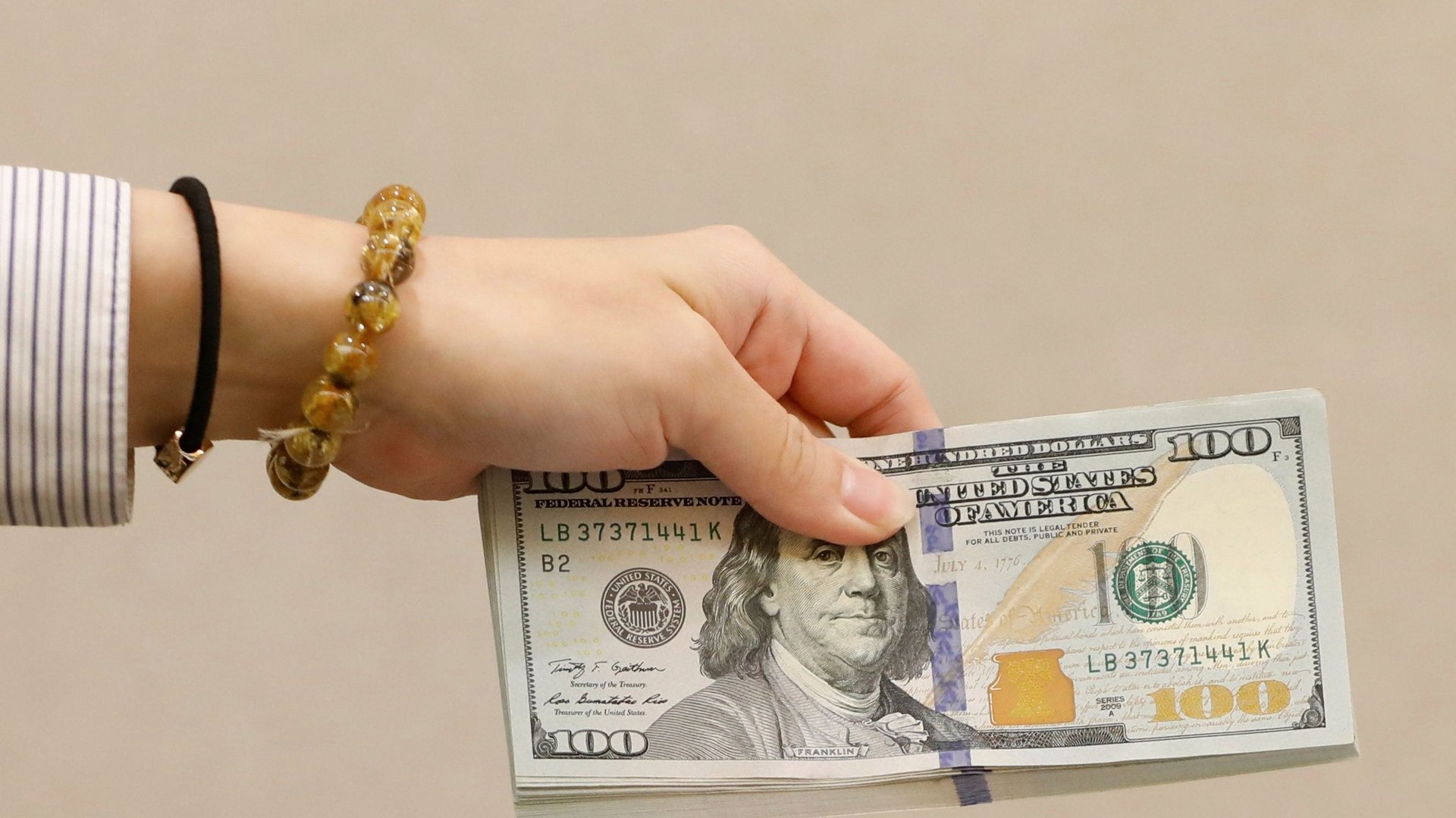
Goldman Sachs is making a comeback.
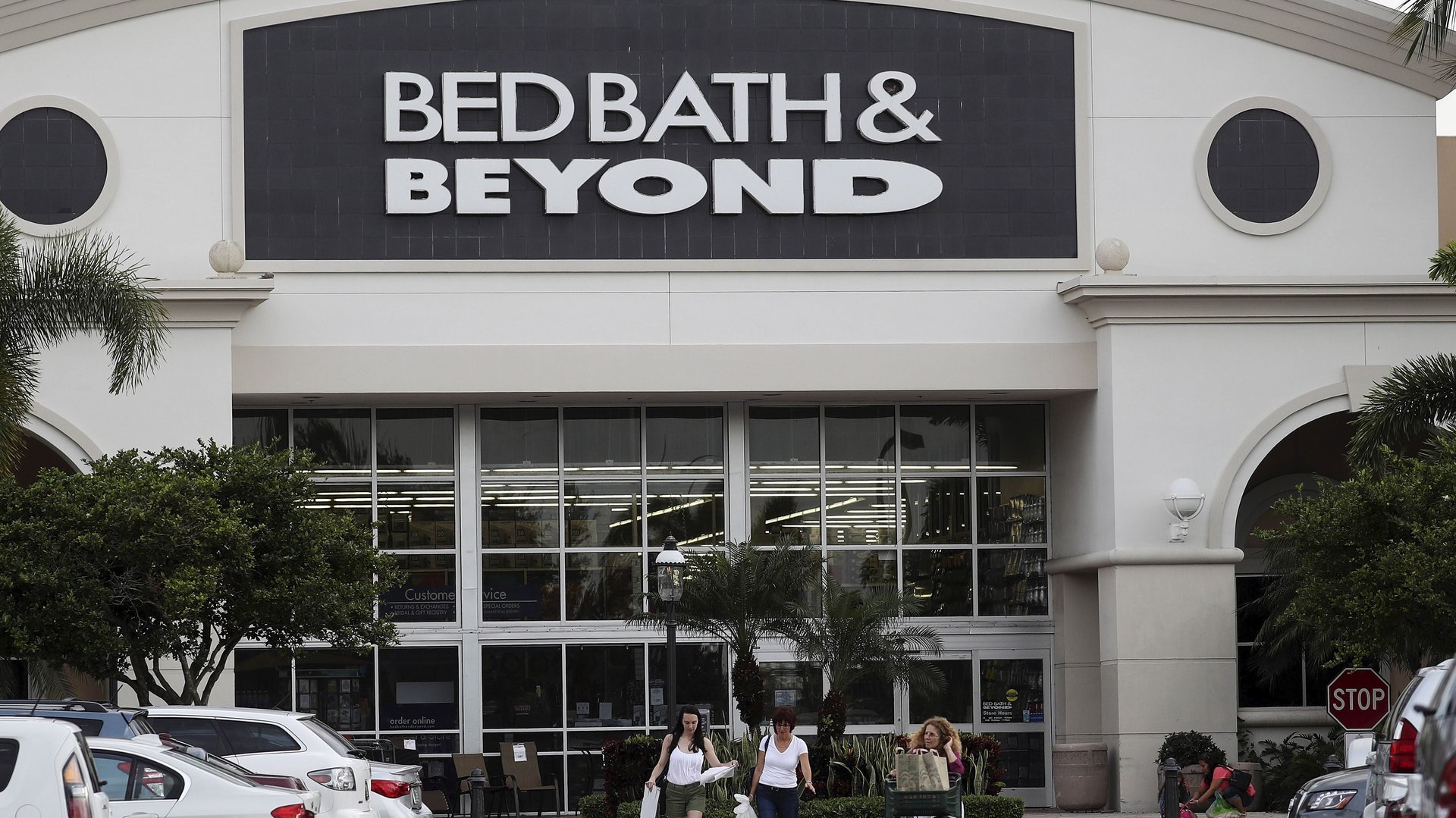
One of America’s most beloved home retailers faced a hard day in the market on April 12—Bed Bath and Beyond shares tumbled to a 10-year low, trading down to $17.21.

The latest numbers from the US Labor Department show that the jobs picture in America is largely unchanged. Overall, that’s positive—except for that nagging problem of slow growth in wages.
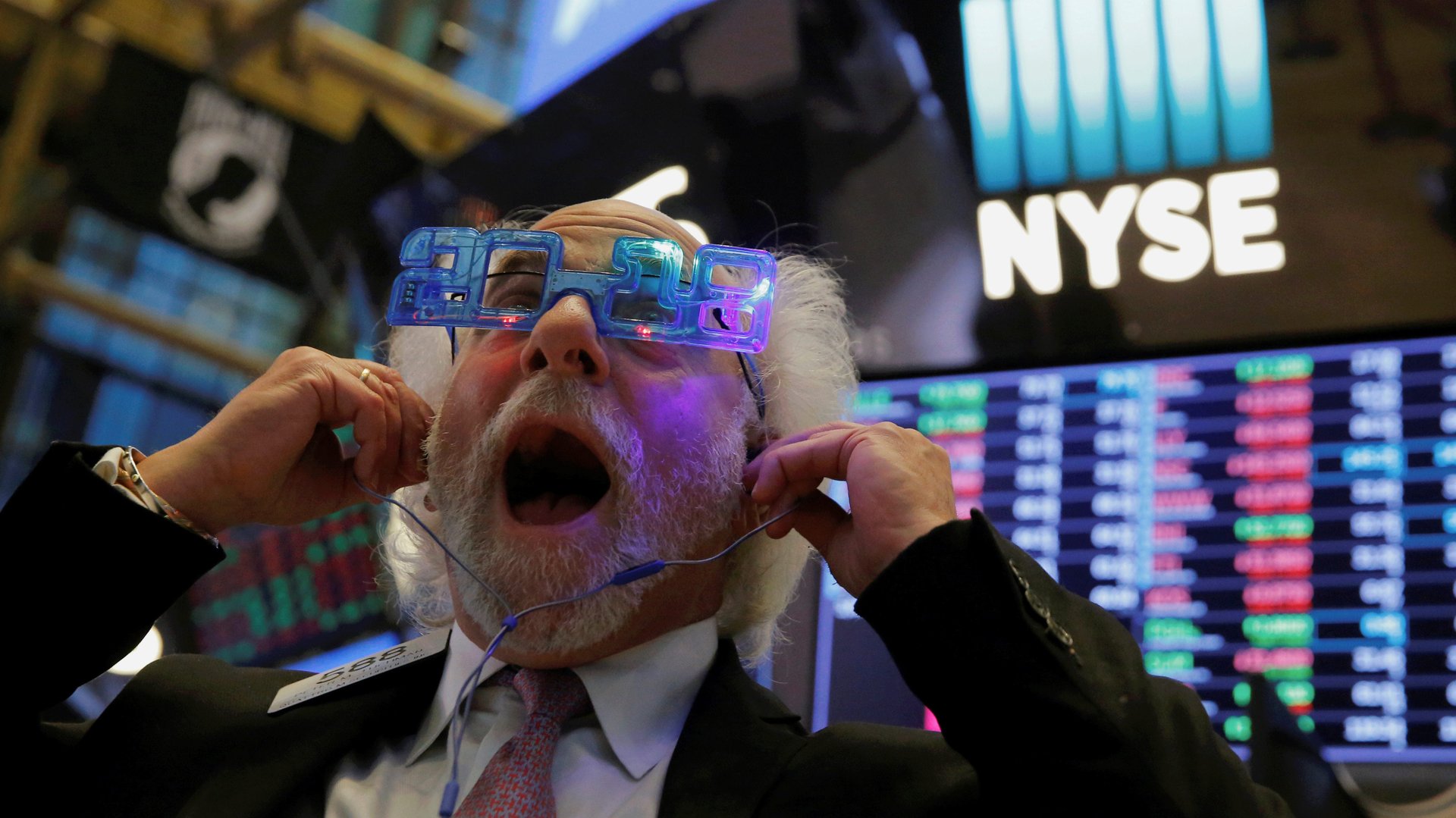
Fears over Donald Trump’s tariffs seem to have sent markets tumbling toward their next “correction”—the term economists and traders like to use to describe a 10% or higher decline from a stock index’s most recent peak.
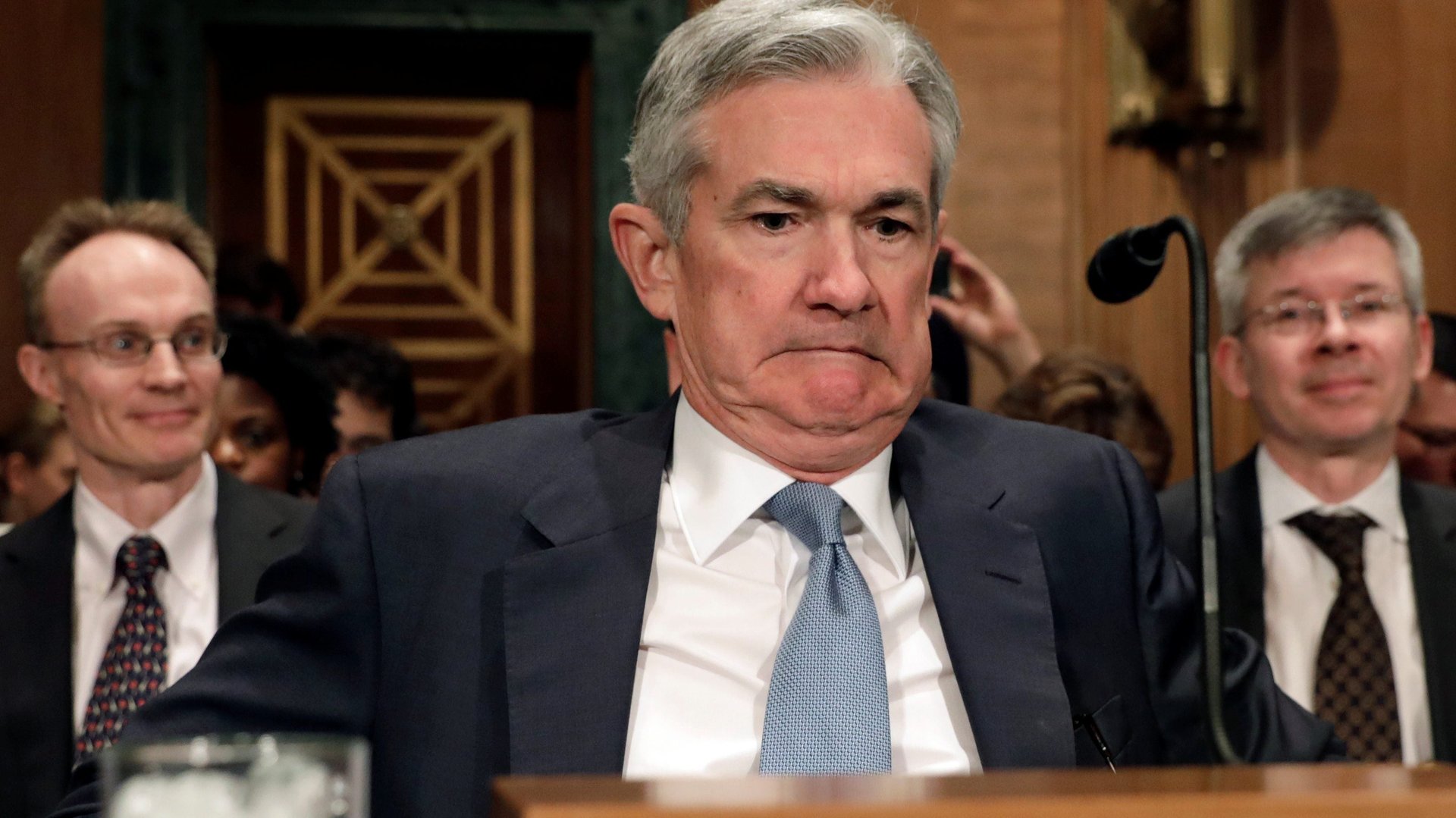
Jerome Powell’s work finally begins.
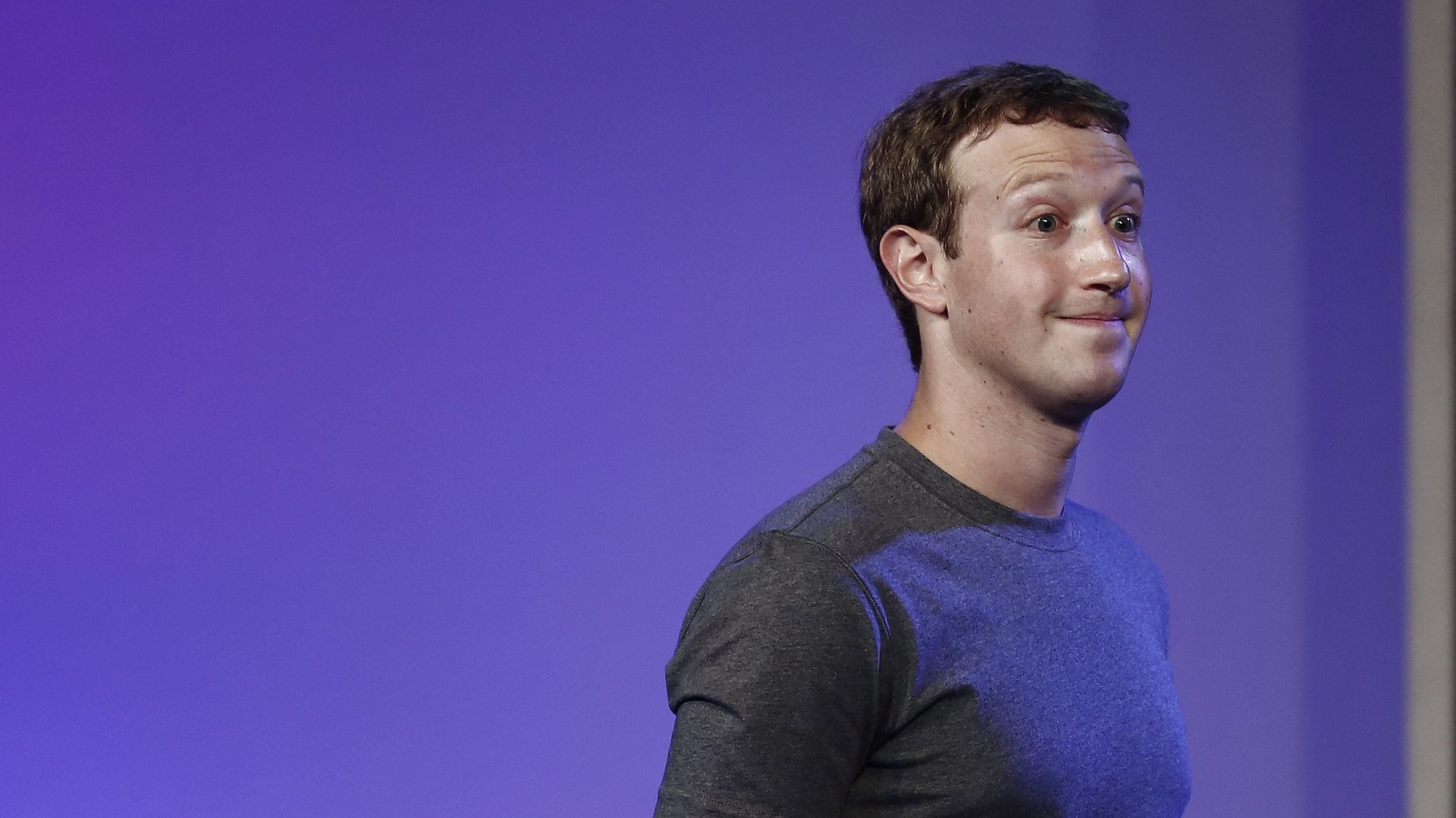
It’s been a tough 24 hours for Facebook CEO Mark Zuckerberg.
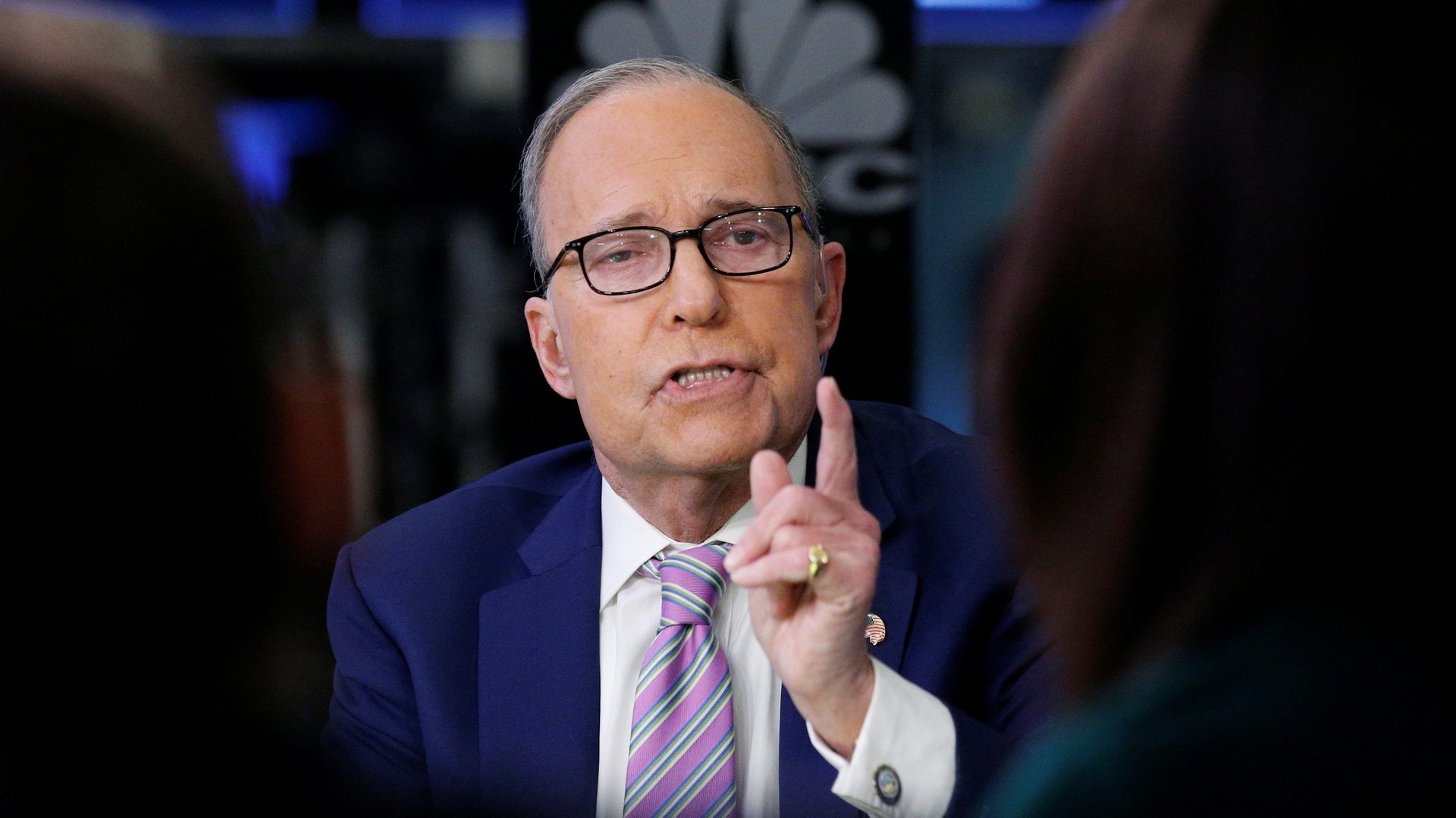
Larry Kudlow has a history of making poor calls when the economy looks to be hot. In late 2007, a time the National Bureau of Economic Research would later decide was the start of the recession, the cable-TV pundit argued that the “Bush Boom” was alive and well.
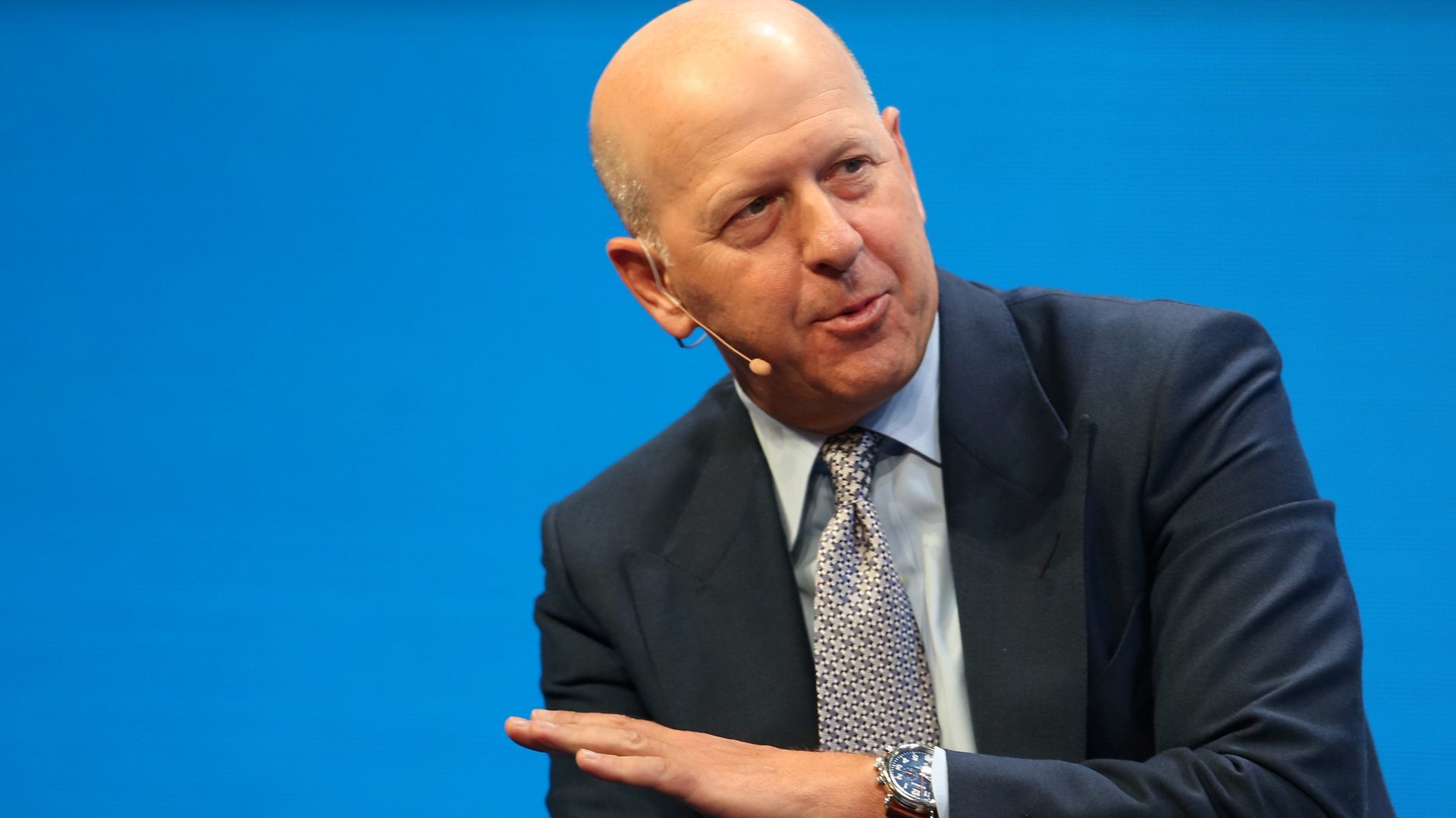
Just days after the Wall Street Journal reported that Goldman Sachs CEO Lloyd Blankfein is preparing to step down by the end of the year, one of the two main candidates to succeed him is out.
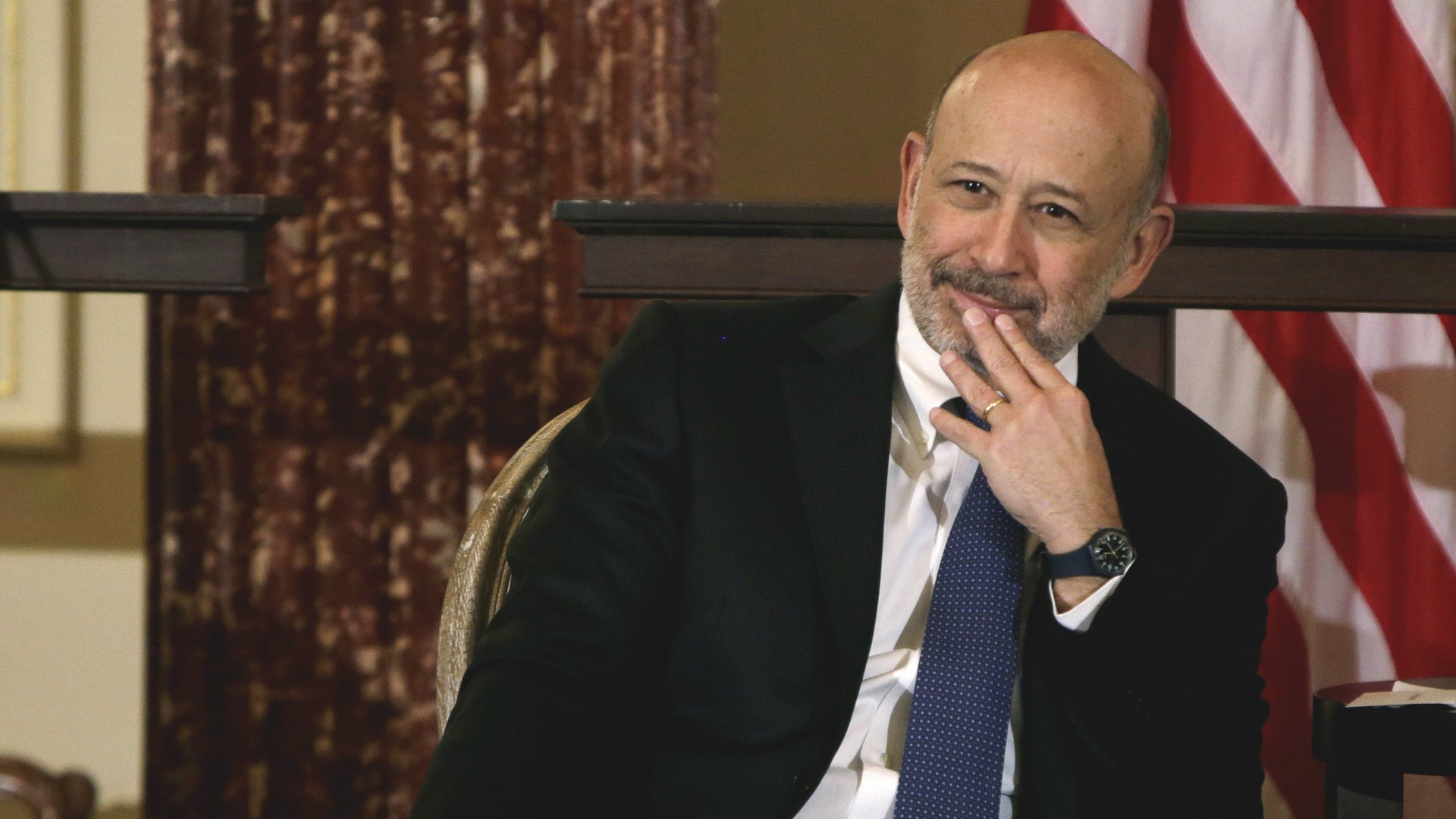
Perhaps the ultimate ego boost for a long-serving CEO is a plunging stock price when your impending retirement is revealed, while a rally would be the market’s way of slapping you in the face. News that Goldman Sachs CEO Lloyd Blankfein will step down by the end of the year was neither.
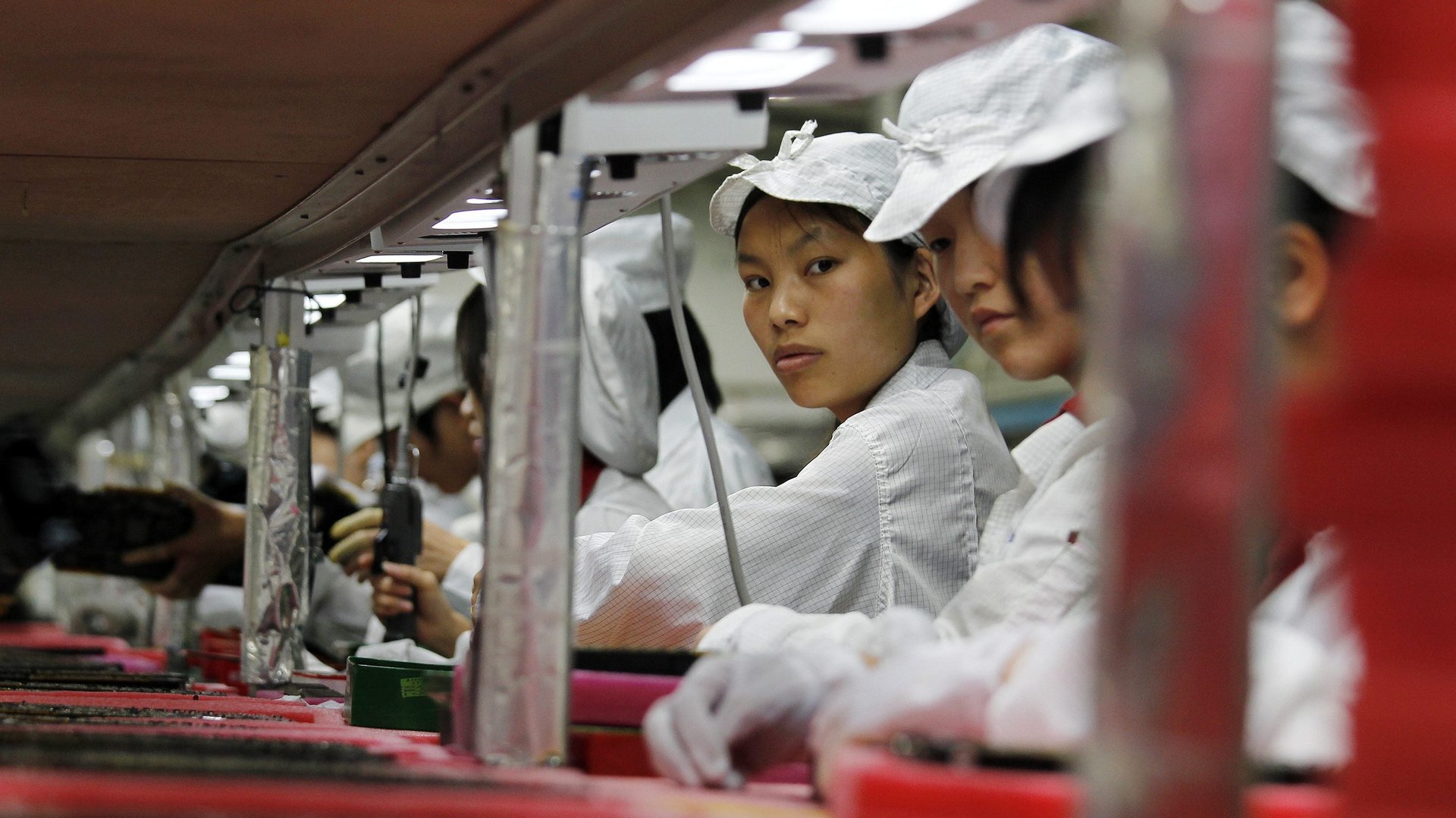
A growing number of Apple suppliers are violating the company’s labor policies.
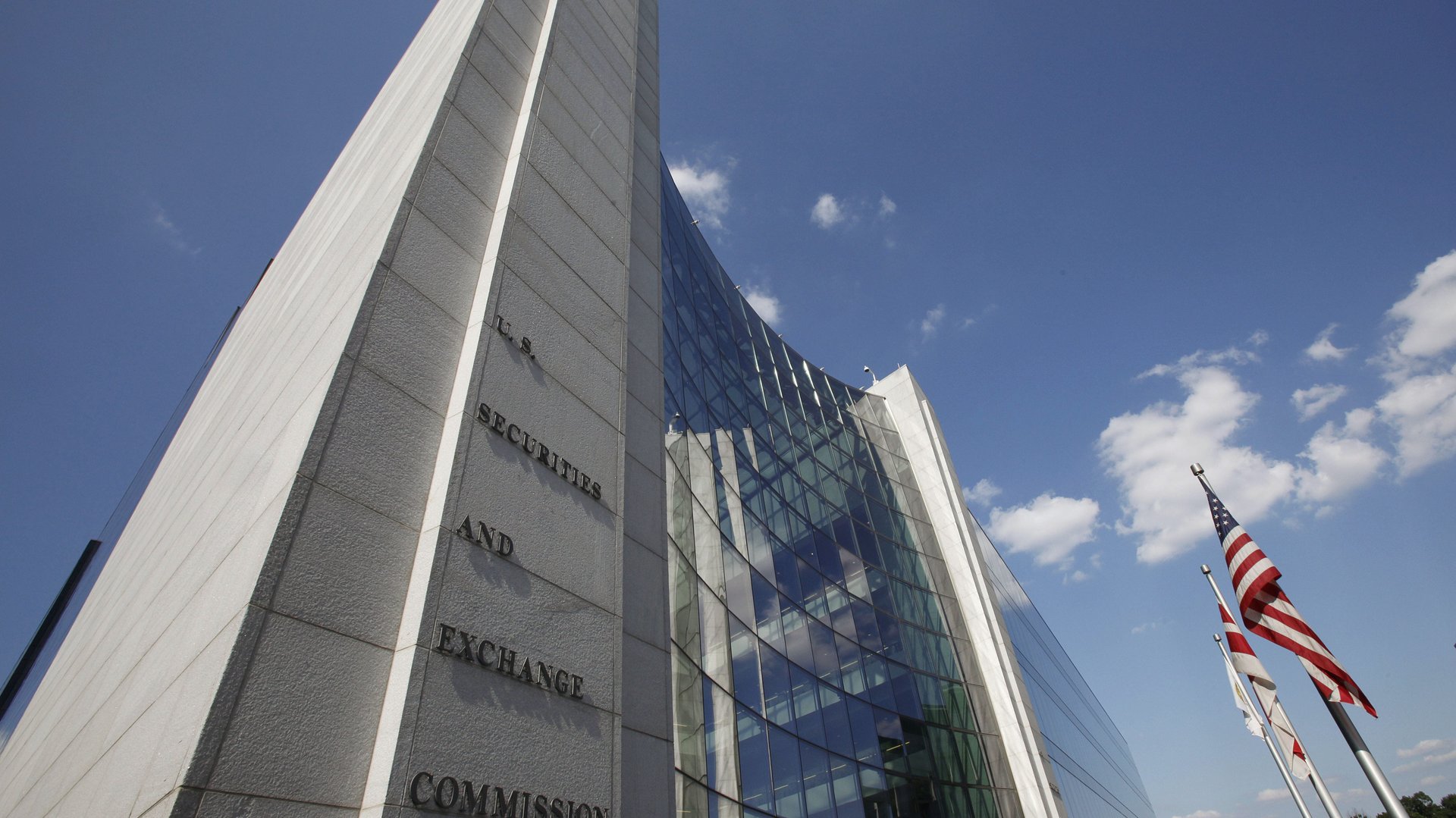
After months of rumors that US financial regulators might come for cryptocurrencies, the Security and Exchange Commission (SEC) has issued dozens of subpoenas (paywall) and information requests to companies involved in crypto markets.

Donald Trump’s plan for tariffs of 25% on imported steel and 10% on imported aluminum should be a boon to domestic producers, whose output will now be relatively cheaper. The markets have agreed: Share prices of large American aluminum companies rose on last week’s news.
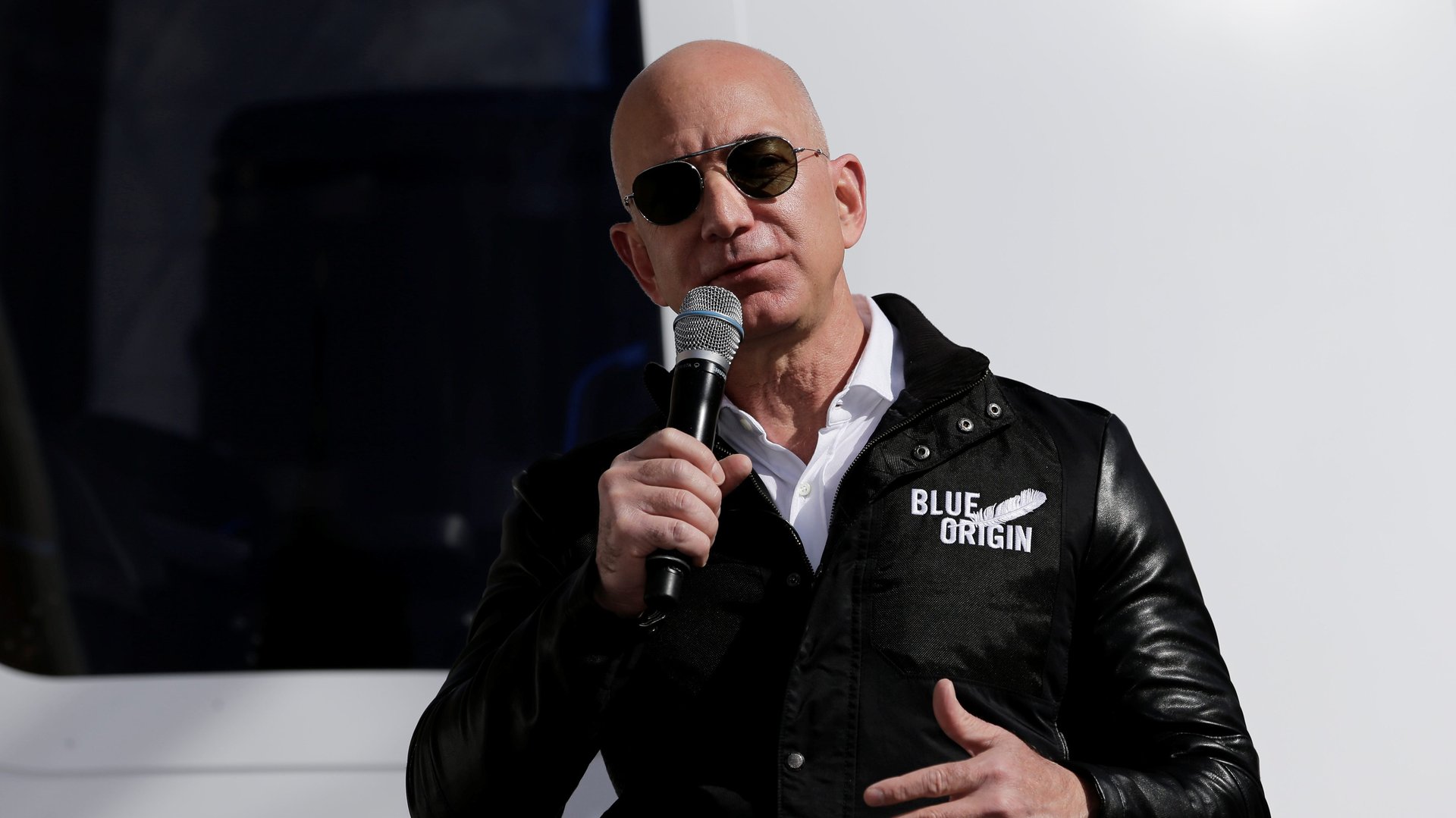
Today (March 6), Forbes published its list of the world’s billionaires in 2018. The 2,208 men and women are from 72 countries and territories, and, together, they’re worth $9.1 trillion. The top 20 alone are worth $1.2 trillion, or roughly Mexico’s yearly economic output.
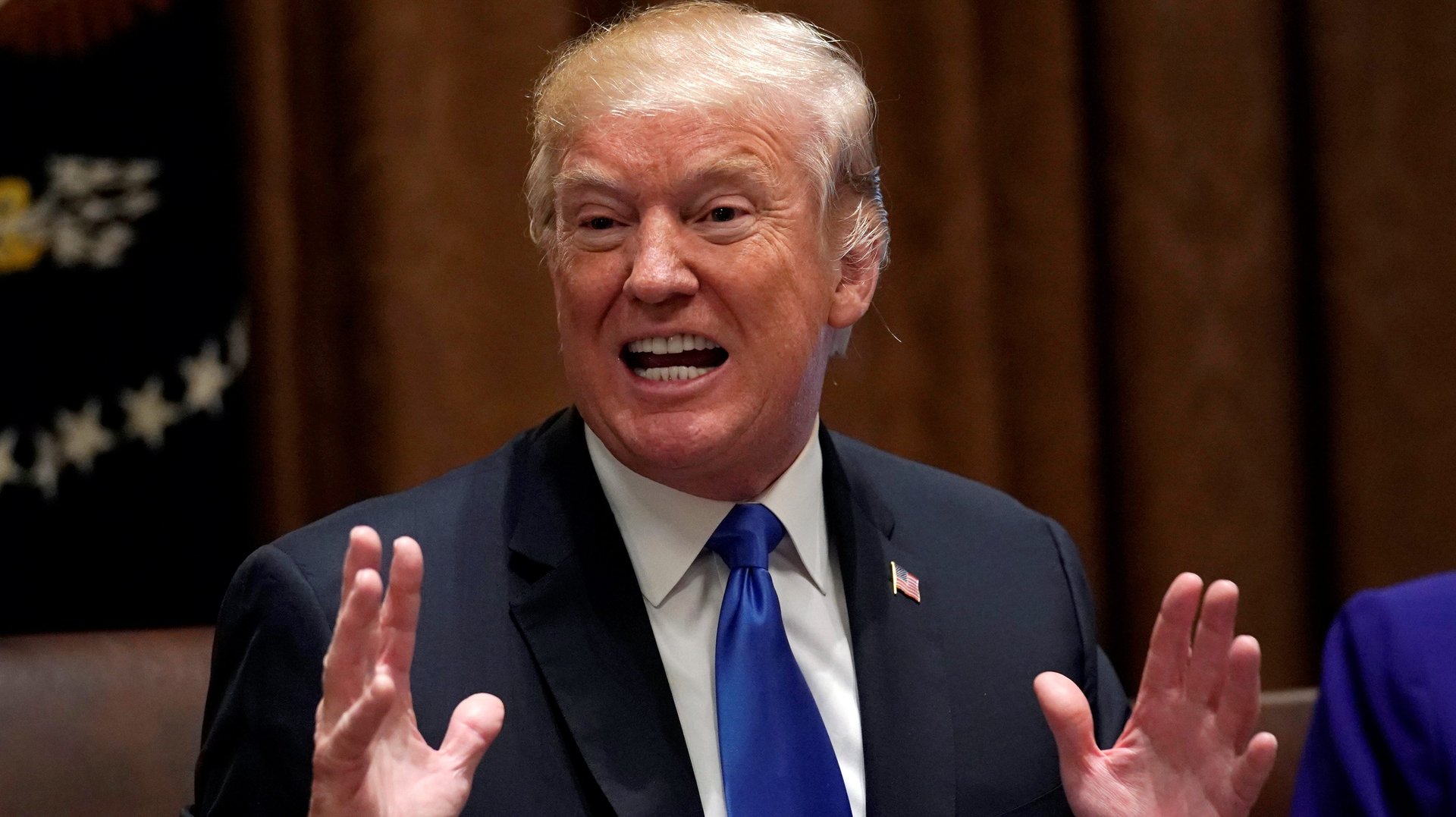
For the last three decades, Donald Trump has ranted that America is getting stiffed on trade. But as president, he’s done little to back up his “America First” slogan—until now.
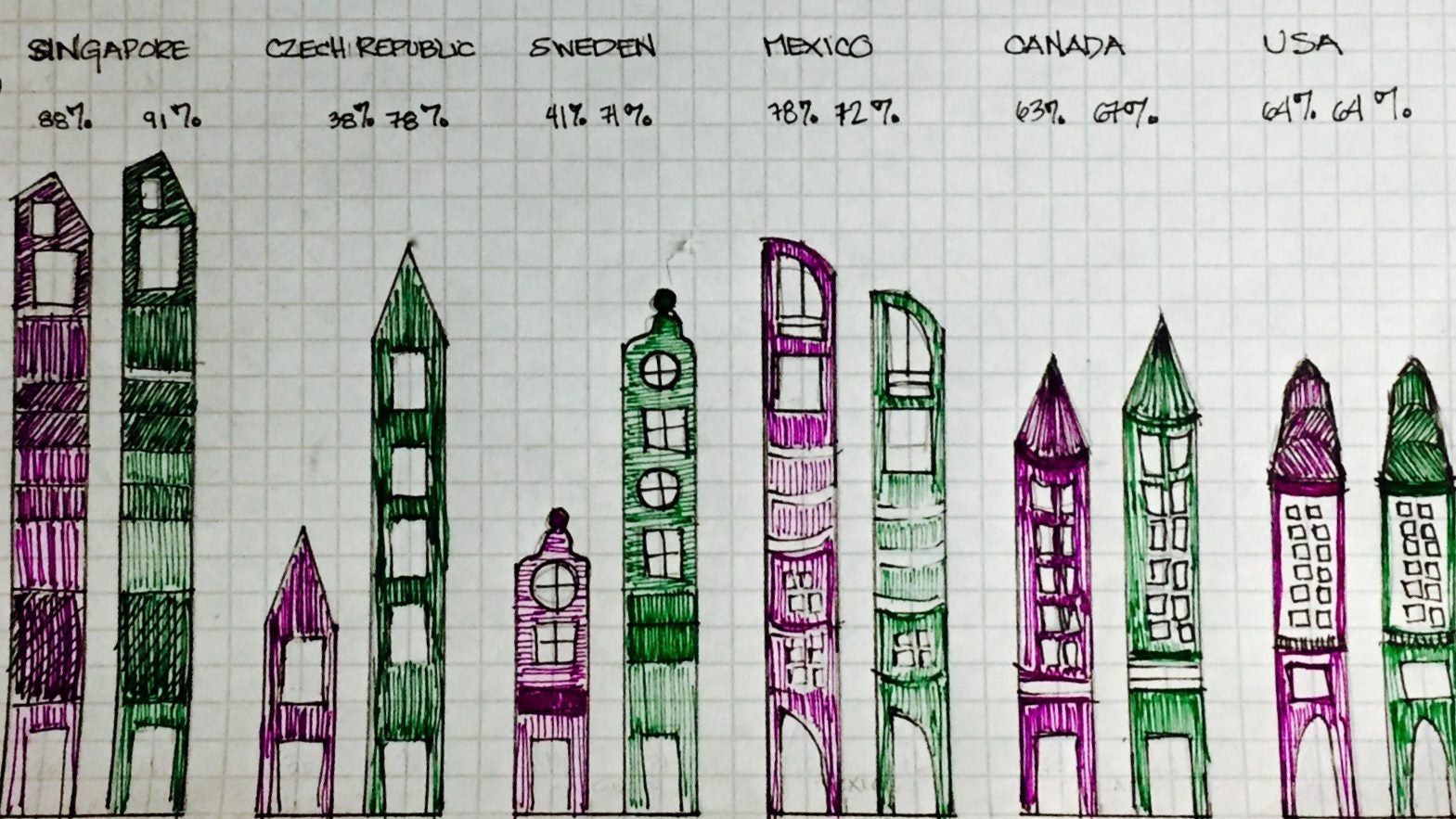
It’s often said that the 2008 US housing crisis marked the death of the American Dream, in which widespread homeownership stood as a marker of the prosperity and stability associated with the country’s middle class. But it turns out that the American Dream is alive and well elsewhere in the world.

To a small but dedicated group of people, one question dominates their lives—when will we discover a one-billion digit prime?

Only a third of working millennials in the US are contributing to a retirement plan, according to a new report (pdf) from the National Institute of Retirement Security (NIRS).
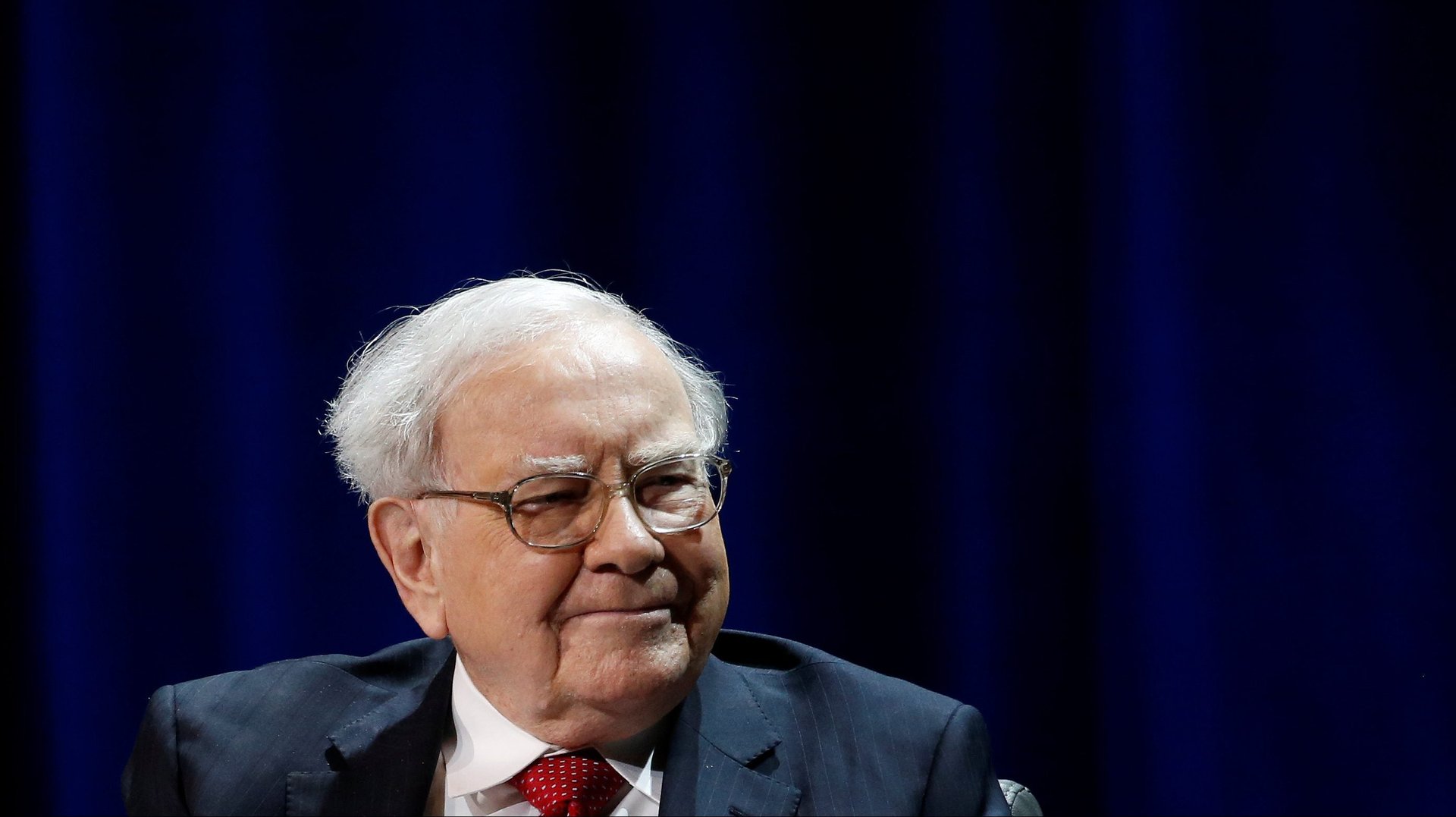
Warren Buffett is worth upwards of $86 billion, runs a $500-billion financial services company, is an avowed philanthropist and was a vocal supporter of Hillary Clinton in the 2016 US presidential campaign.