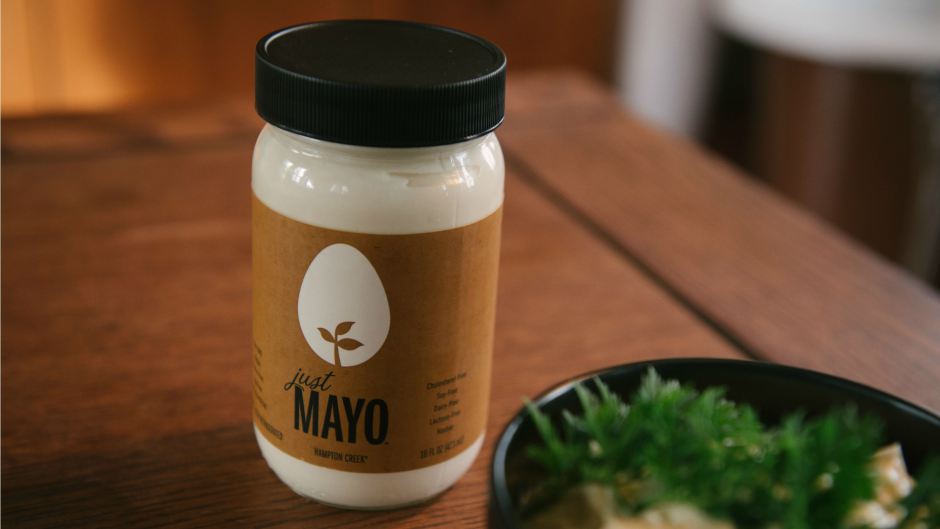
Walmart, the store where shoppers can go to buy shampoo, baseball bats, and flat-panel televisions in one trip, now sells more of Hampton Creek’s vegan mayonnaise than any other retailer—including Whole Foods.

Walmart, the store where shoppers can go to buy shampoo, baseball bats, and flat-panel televisions in one trip, now sells more of Hampton Creek’s vegan mayonnaise than any other retailer—including Whole Foods.

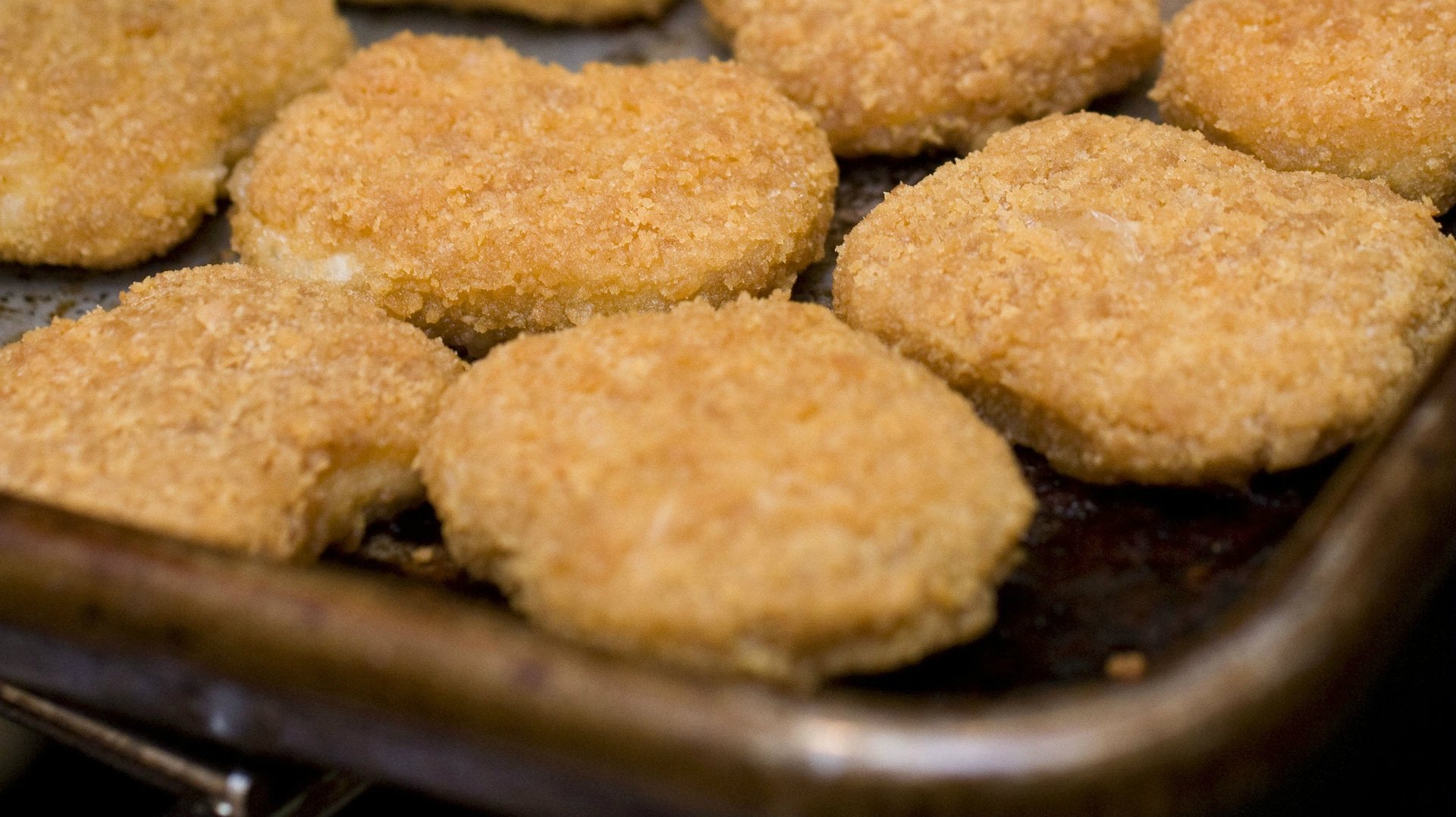
Americans love chicken. On a sandwich, in a nugget, or even as a bread replacement, in the past 50 to 60 years, chicken has gone from a seasonal food usually enjoyed in the summer to an ever-present one. Its availability, a proxy for consumption, has nearly tripled since 1965, making it now the most popular meat in the US.

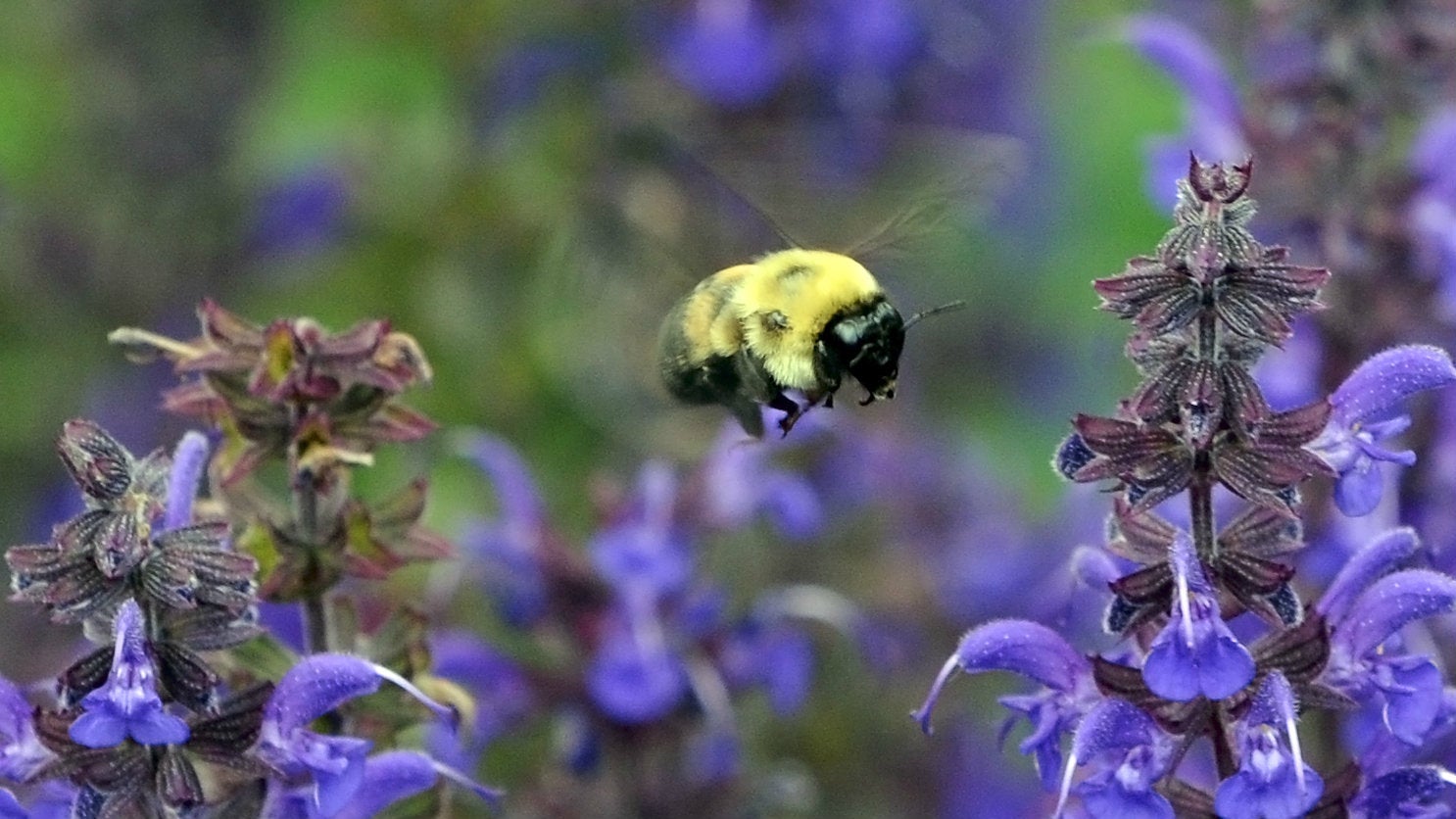
A government scientist has accused the United States Department of Agriculture (USDA) of suppressing his research that criticized a commonly used kind of pesticide that’s been linked to the widespread death of bees, Harvest Public Media reports.

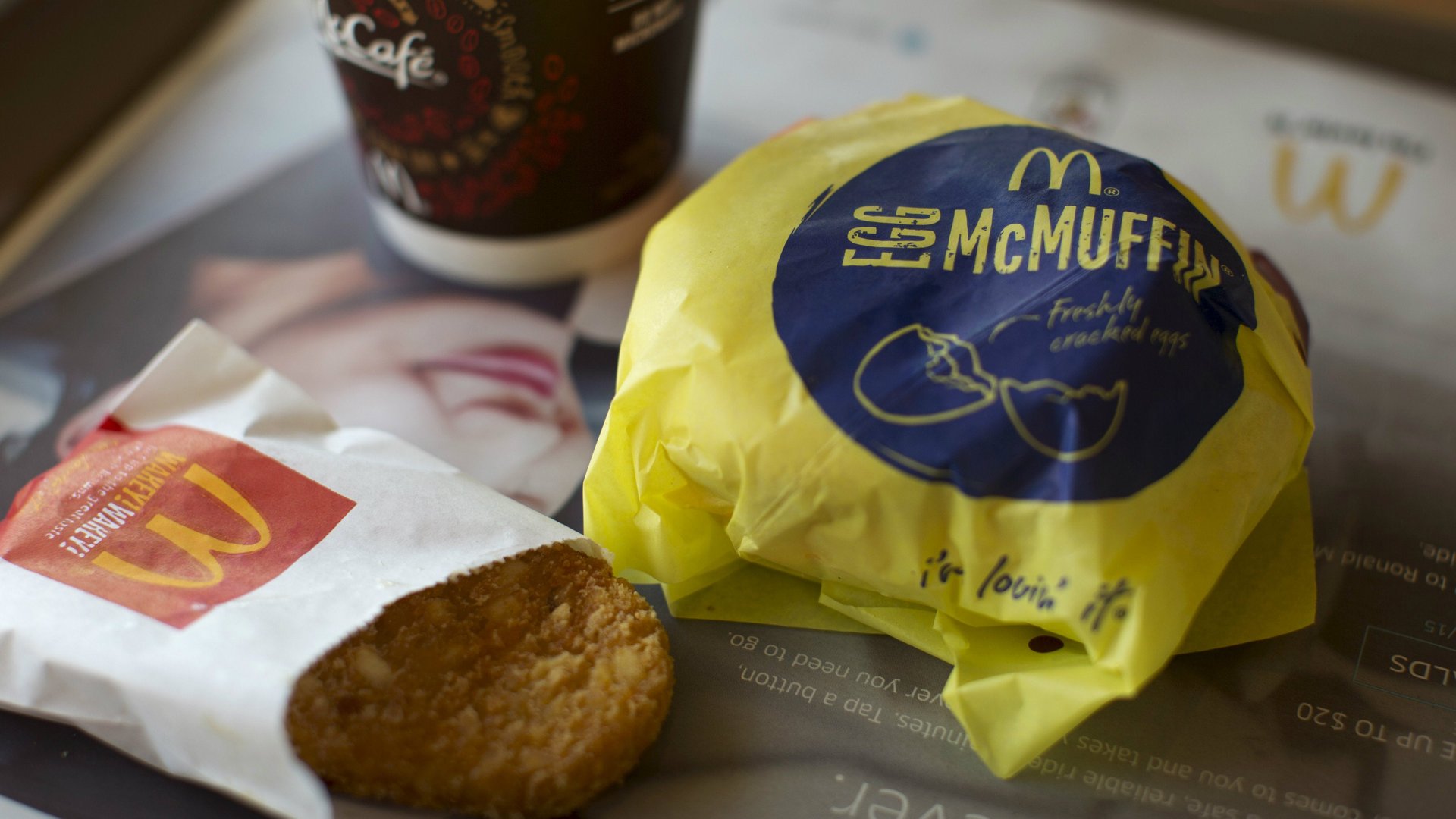
Last week, while basking in the glow of (finally!) having a positive sales quarter, McDonald’s CEO Steve Easterbrook noted that the growth was driven, at least in part, by a simple recipe change: putting butter, instead of margarine, back in Egg McMuffins.

The World Health Organization’s International Agency for Research on Cancer (IARC) has, as expected, delivered a damning report linking meat consumption and cancer, in particular a strong link between processed meats and colorectal cancers.

A long-delayed report on the impact of sugar on England’s public health and economy has finally been published, but the government isn’t planning on doing much with it.

Donald Trump loves hurling insults—and what better place to do it than Twitter, where he can not only fire off his own, but also retweet the nasty missives other Twitter users send to him.

This post has been updated and clarified.

Boiling an egg seems like it should be one of the easiest culinary feats to master. But as anyone who has tried knows, it isn’t. You can end up with rubbery whites, chalky yolks or half the white taken off with the shell.

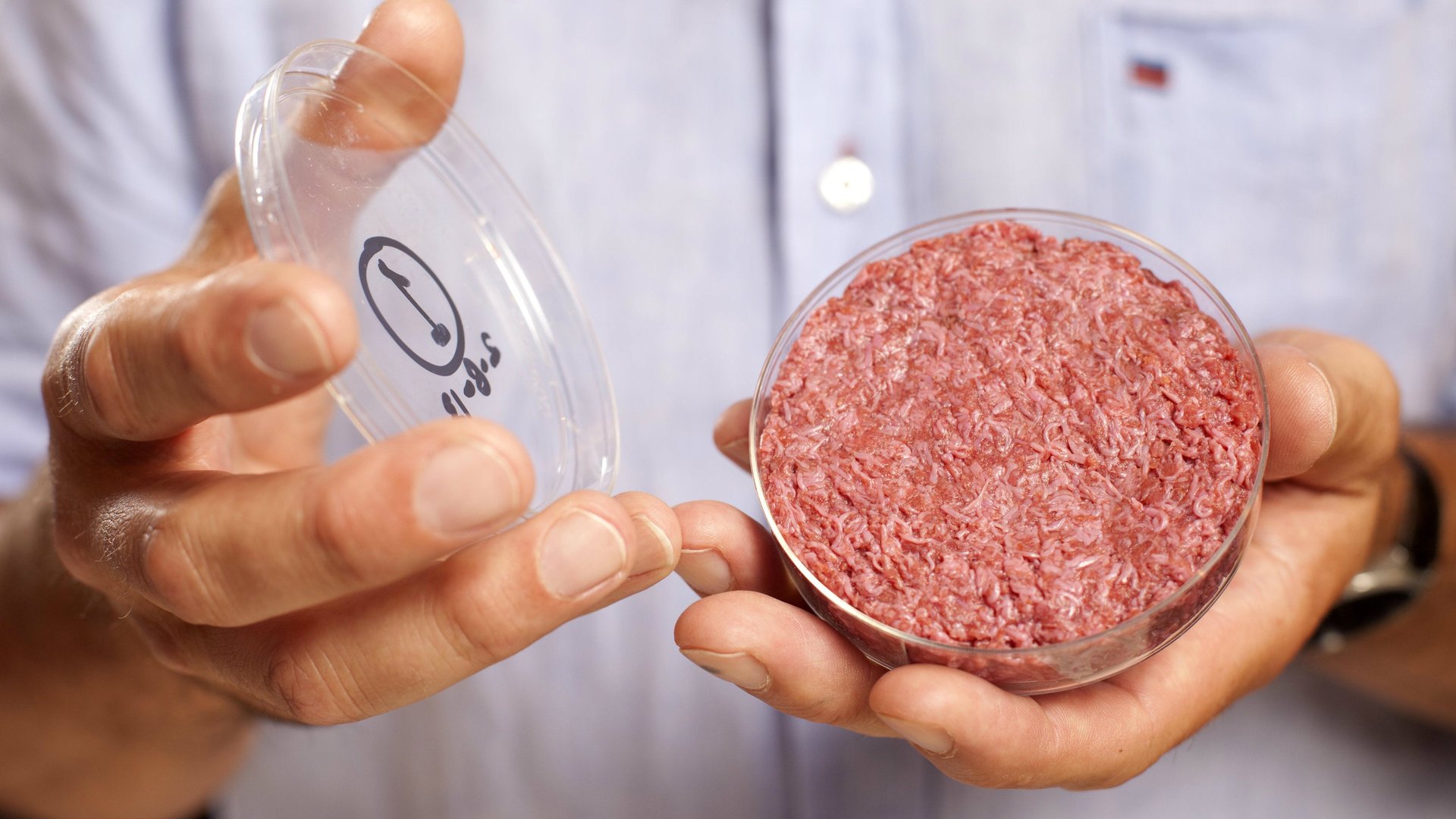
For anyone who loves a juicy burger, but not its impact on animals or the environment, there’s good news from the Dutch: A lab grown burger is on its way, maybe even as early as 2020.

That extra drink or three you had last night may cost more than just your bar tab.

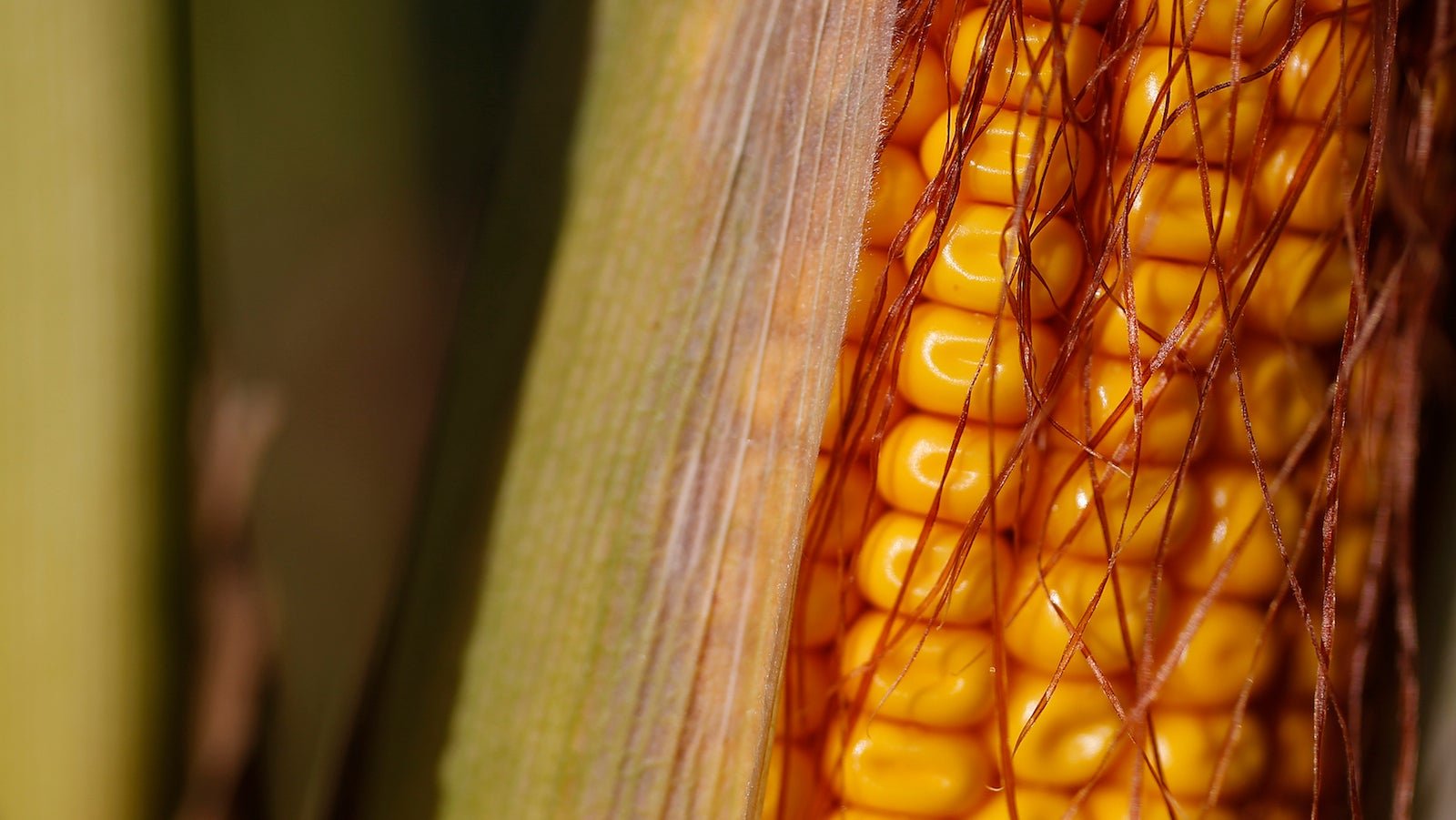
Corn and soy are in nearly every meal that Americans eat. From high-fructose corn syrup sweetening sodas to soy-based livestock feed transformed into steaks and nuggets, a few major crops dominate the US food chain. Now, new research highlights just how worrisome this trend is for the country’s food security.

Eating a healthy, varied diet can be expensive. But for people on a tight budget, a new study in the Journal of Hunger & Environmental Nutrition has some simple advice: Ditch the meat.

This post has been updated.

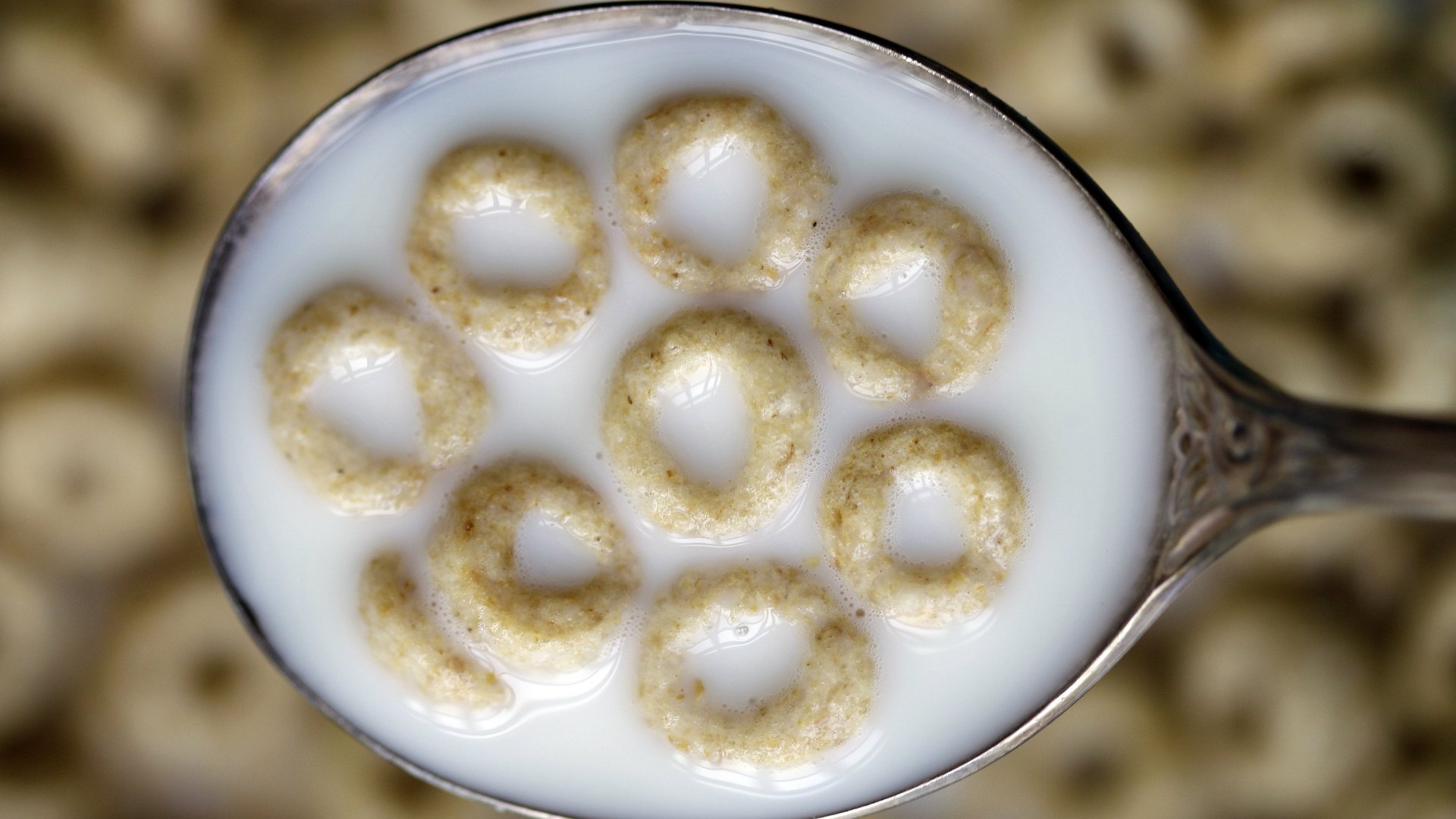
General Mills issued a major recall yesterday: 1.8 million boxes of gluten-free Cheerios and Honey Nut Cheerios were accidentally made with wheat.

This morning, Americans are finally able to wake up and take their sweet time getting ready for the day ahead: McDonald’s has begun serving all-day breakfast nationwide. Egg McMuffins for everyone, not just those who can get there before 10:30am.

“All natural” fixes for erectile dysfunction could hurt you a lot more than they could ever help, says the US Food and Drug Administration.

There are many reasons not to make your own dinner: It takes so much time. Seamless is so easy. Pizza is so delicious. But anyone blaming cost will have to find a new excuse.

This post has been updated.

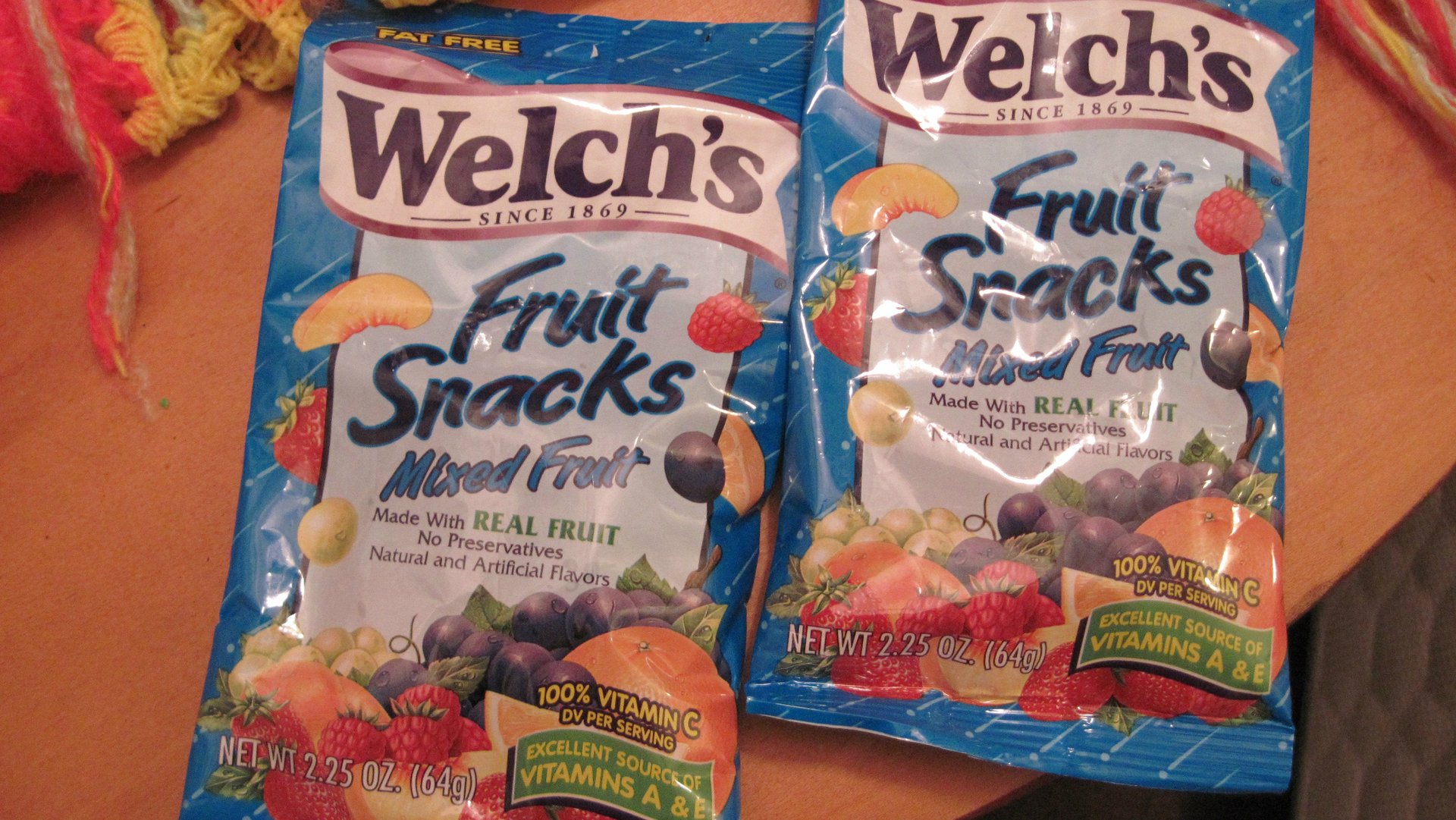
If a snack box is decorated with pictures of fruit, says its contents are made with real fruit, but only has a little bit of actual fruit inside, can it call itself a fruit snack?

Anyone who says “love don’t cost a thing” probably doesn’t own a pet.

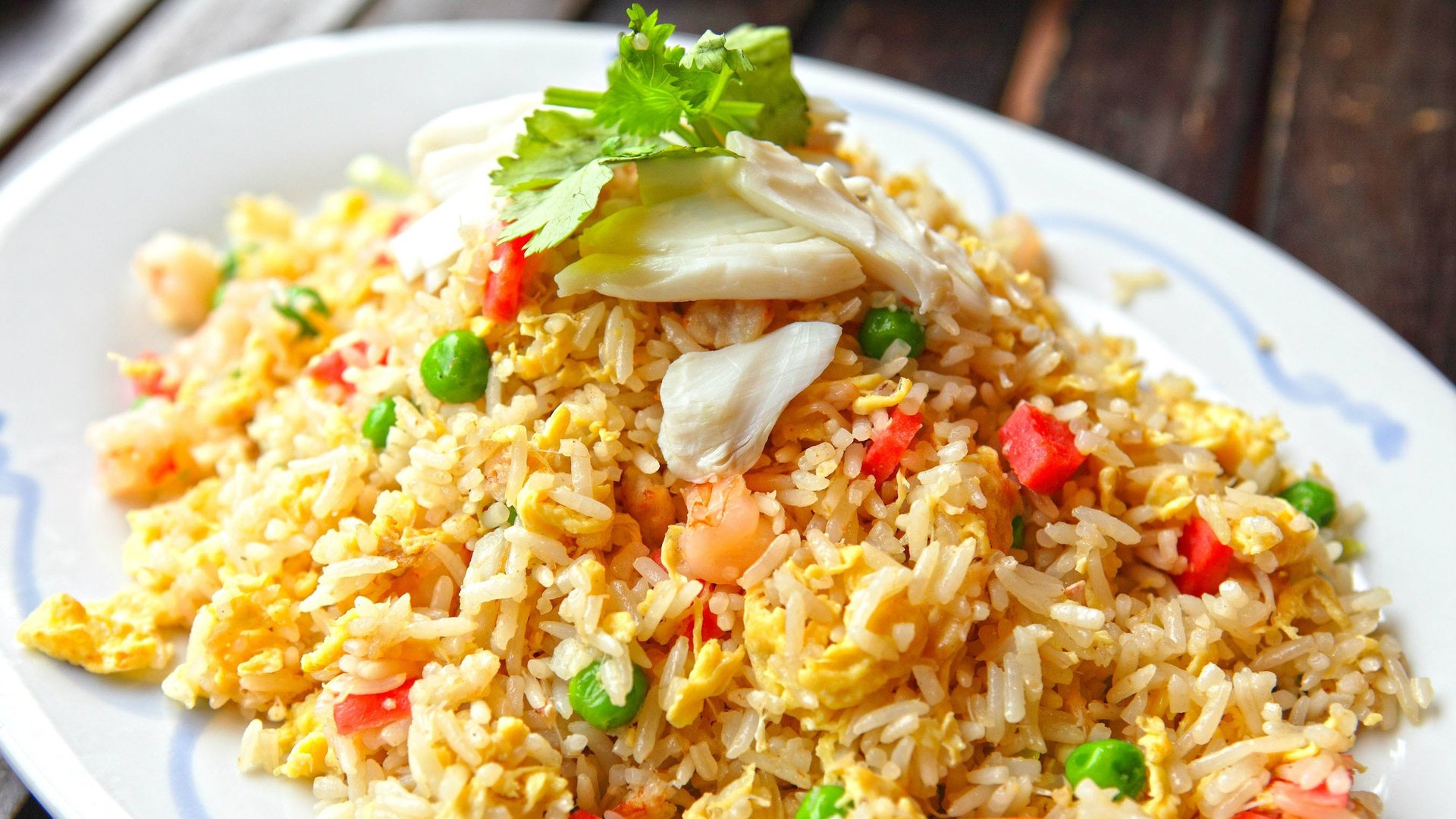
Rice is delicious, inexpensive, naturally gluten-free… and, as a 2012 Consumer Reports investigation uncovered to the dismay of many, full of arsenic. The magazine’s investigation tested a range of common rice products and found the poison in basically all (white rice, brown rice, organic rice products and infant rice cereal among them), and it details how it finds its way into these foods (man-made pollution -> soil -> plants). Although the US Food and Drug Administration says that the levels of arsenic in rice are too low to impact your health negatively in the short term, it has plans to focus on the “long-term risk and ways to manage it with a focus on long-term exposure.”

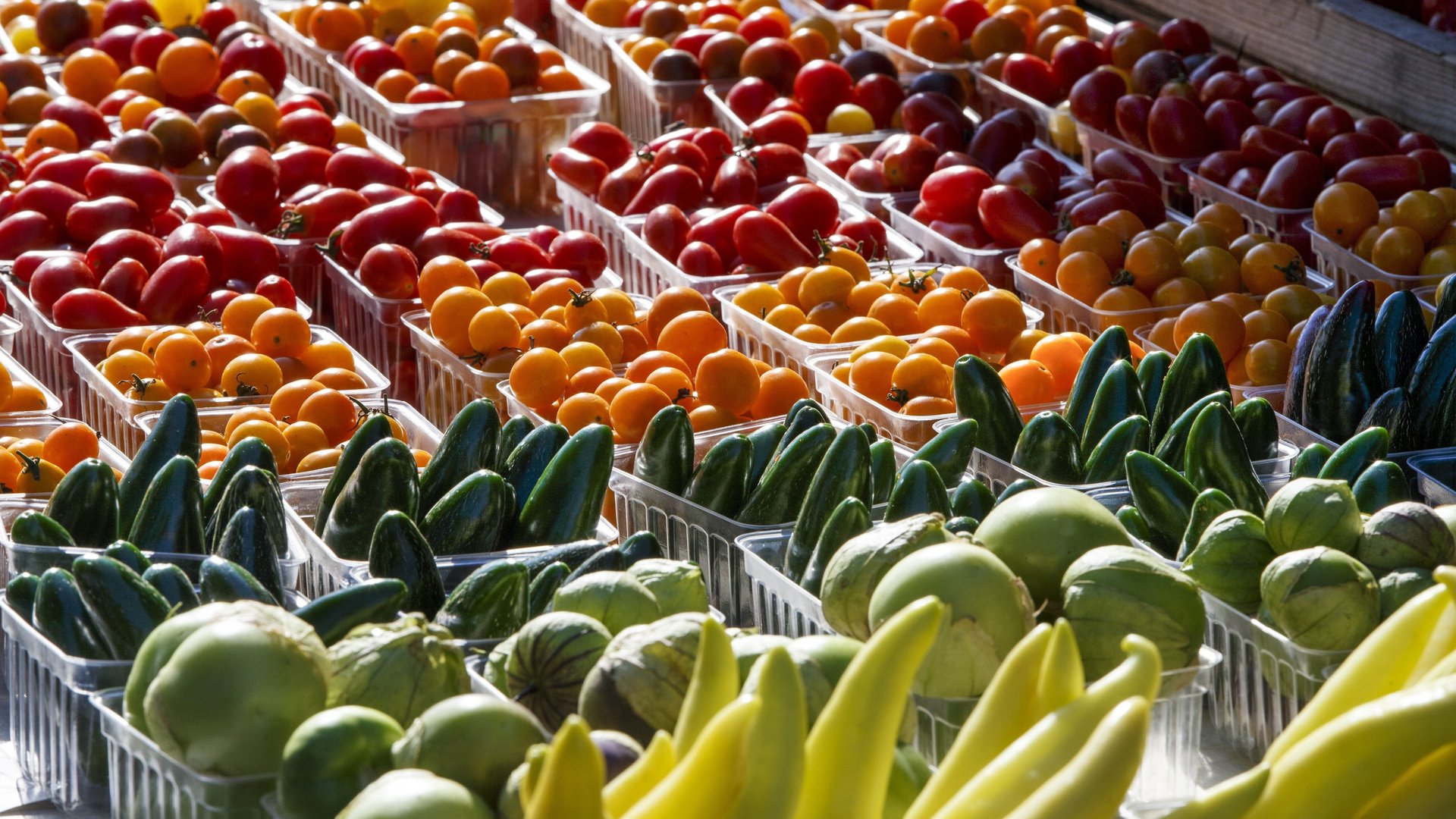
Americans don’t eat enough vegetables—this is not news. But even if every American woke up tomorrow determined to get their recommended 2.5-3 cups of vegetables each day, they wouldn’t be able to.

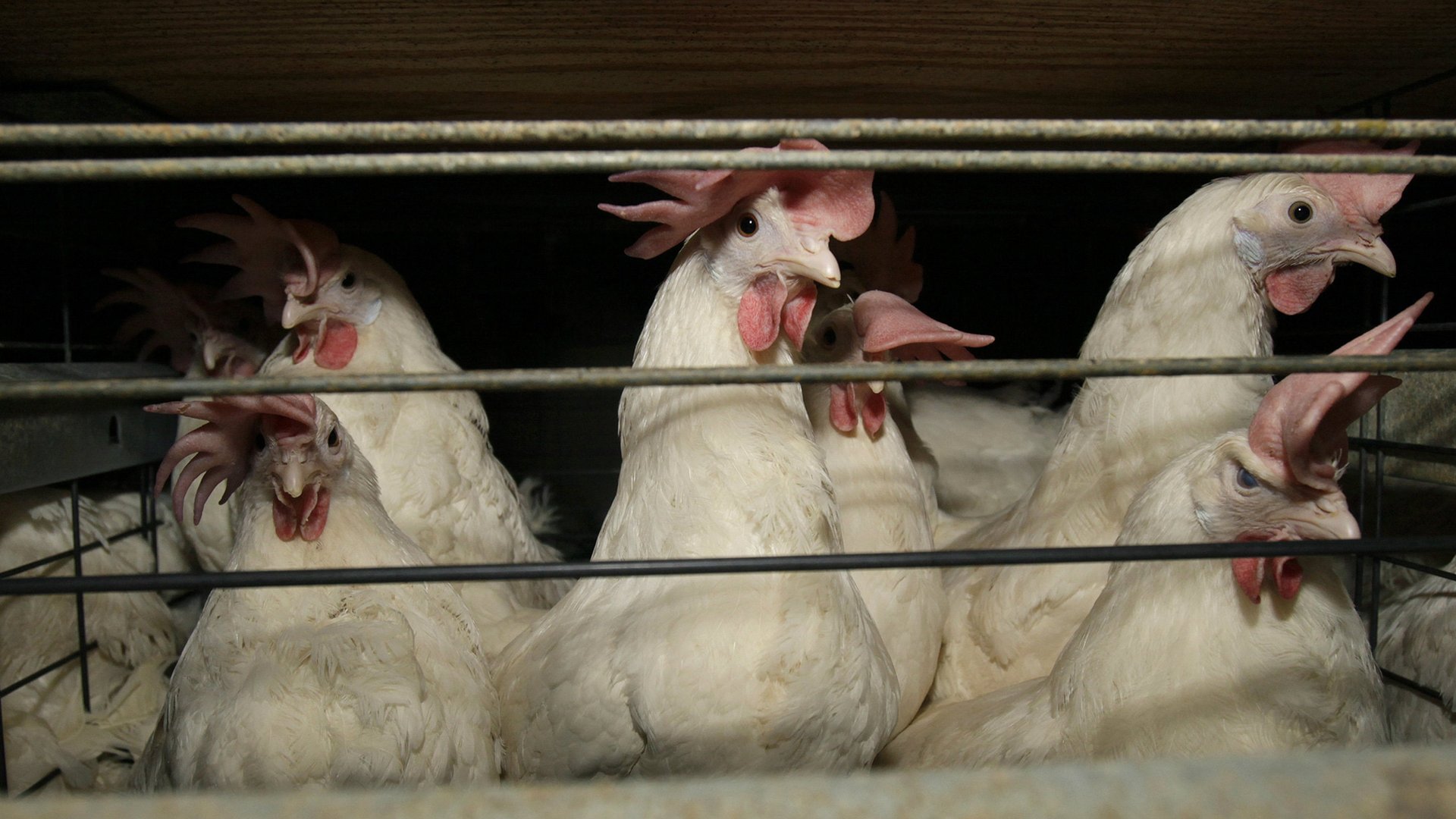
Things are starting to look up for the US’s flock of nearly 300 million egg-laying hens. Right now, approximately 96% of those chickens live in cages, with only about 67 to 86 square inches (170 to 220 cm) of usable space per bird. But that may soon change.