When the novel coronavirus hit the United Kingdom, rugby announcer Nick Heath was among those who suddenly found himself without a job. Rugby matches were all cancelled and they wouldn’t be back anytime soon.

When the novel coronavirus hit the United Kingdom, rugby announcer Nick Heath was among those who suddenly found himself without a job. Rugby matches were all cancelled and they wouldn’t be back anytime soon.

If you want to keep up with the gaming industry and how it’s influencing other aspects of our lives, we’ve got you covered. Here’s a toolkit of resources to read, watch, listen to, and follow in order to better understand how games are changing the world.

Ian Bogost has a job that wouldn’t have existed a generation ago: He’s a professor at the Georgia Institute of Technology focused on games, and founding partner of Persuasive Games, a design studio that makes games about social and political issues. Bogost is also the author of a dozen books about the gaming world, and is teaching many of the next crop of game designers. We picked his brain about myriad issues he’s facing in the trenches, including the future of gamification.

On a recent Wednesday in Manhattan, game designers, lobbyists, aficionados, educators, and technologists gathered at the gleaming, glassy, modern offices of the World Economic Forum. They weren’t there to talk impeachment, Brexit, or the S&P 500.

In the age of Google, it feels harder than ever for anyone to disappear. Even the most mundane of digital trails are left behind us. Yet none other than the parent company’s very own co-founder and chief executive Larry Page seems to be pulling off the ultimate vanishing act.

It wasn’t long after Michael Maleshliyski received his commercial driver’s license in 2014 when he realized there was more to trucking than driving his rig across highways near and far from his home in Arlington Heights, Illinois.

The hauling and delivery industry employs 3.2 million people in the US. Trucking is the number one job in 28 states.

You’ve gotten the state of play on trucking, heard firsthand from a driver, learned about other industries disrupted by automation, gone down a pop-culture rabbit hole, seen truckers and their trucks, and analyzed trucking’s changing demographics. Want to know even more? Here’s a comprehensive list of resources you can use to stay in the fast lane.

Trucking is among the top three most common jobs in 29 US states in 2018 according to the US census data, but it wasn’t always that way.

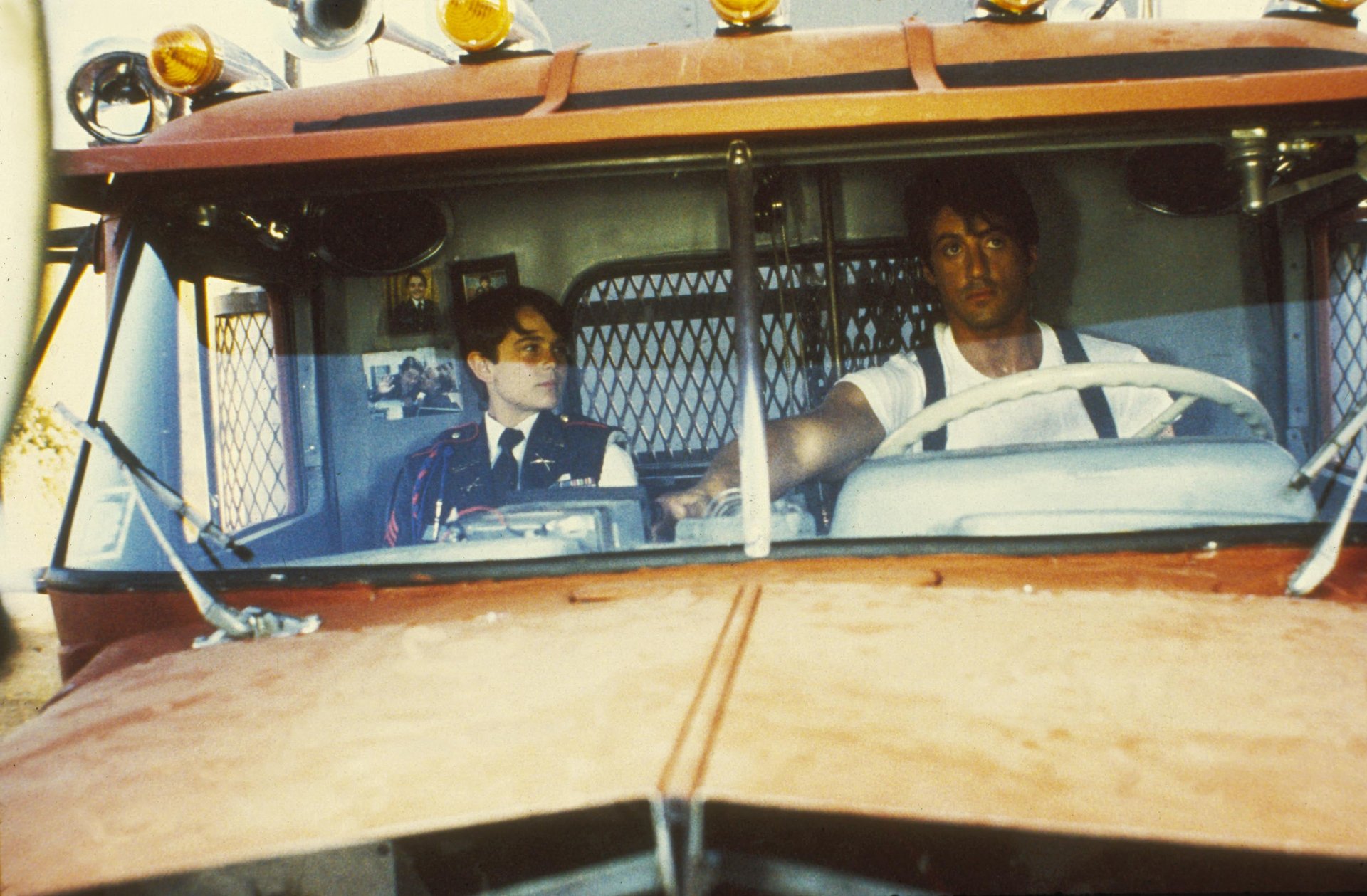
For better or for worse, much of our perception of American truckers has been shaped by Hollywood and song. Let’s take a look.

Finn Murphy received his commercial drivers license in 1980 and has been schlepping across the US ever since. Much has changed since his first haul, which he recounts in his memoir, “The Long Haul: A Trucker’s Tales of Life on the Road,” but he’s also spent a lot of time pondering the future of the industry he loves. We caught up with Finn recently to discuss everything from automation to wages to his love of really long podcasts.

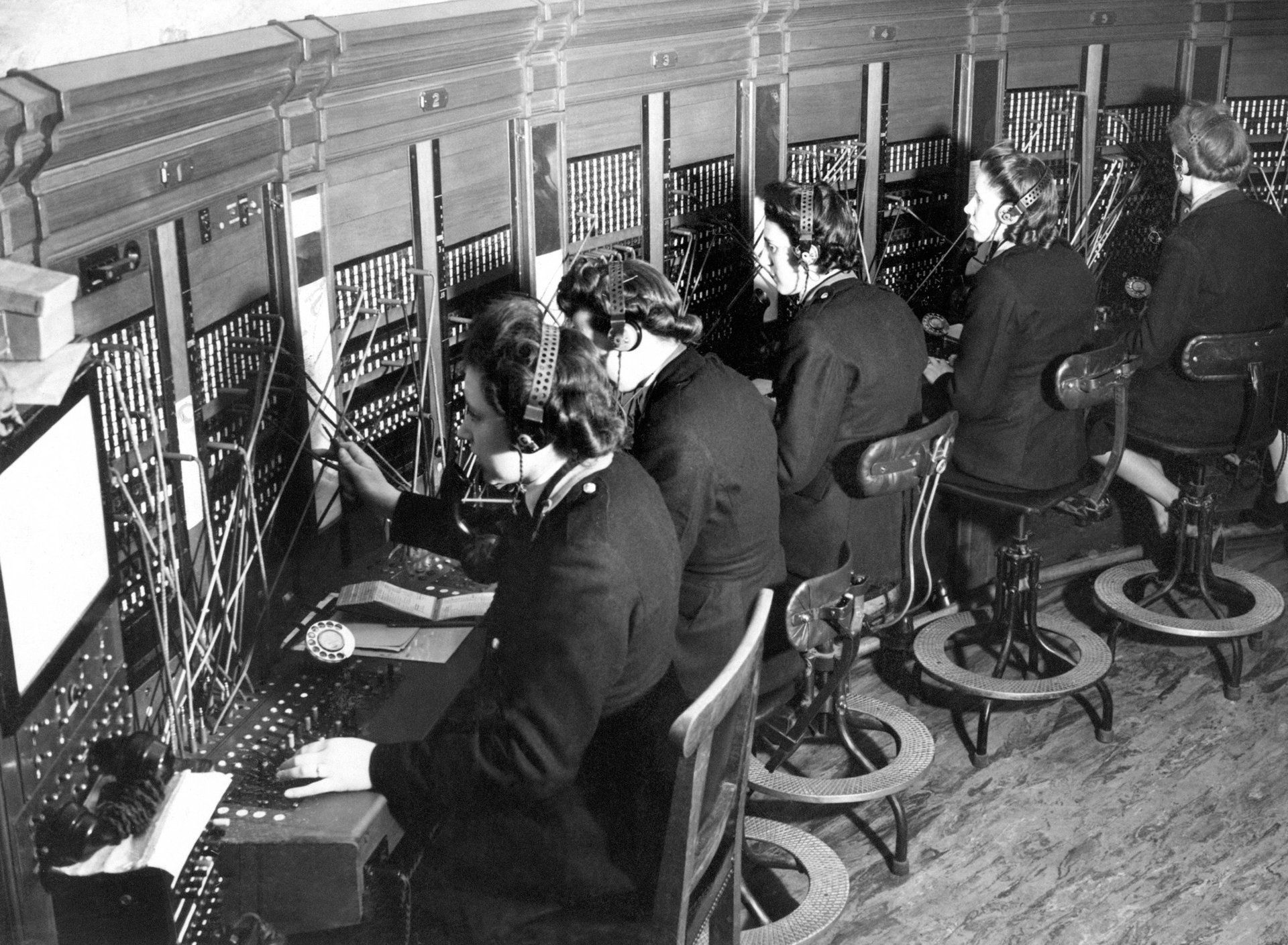
Trucking is likely to be transformed by self-driving vehicles and artificial intelligence. What can we learn from other industries that have already been automated?

At first blush, the red Budweiser truck rolling down the Colorado interstate bound for Colorado Springs looked like any other big rig making a delivery. It was October 2016, and the red-and-white tractor trailer, loaded with beer, had traveled 120 miles.

For many years, the story of Monopoly’s origins began with a man during the Great Depression. However, the game actually dates back to a left-wing woman, Lizzie Magie, who received a patent for her Landlord’s Game back in 1904. In this excerpt from her book “The Monopolists,” Mary Pilon explains who Magie was and what she was trying to say with her revolutionary game.