

Money & Markets
Square has a full-time job listing for a manager of office seatingTo figure out where its employees should sit, the mobile payments startup Square is hiring a full-time employee.
Updated July 20, 20221 min read
To figure out where its employees should sit, the mobile payments startup Square is hiring a full-time employee.

Performance reviews at JP Morgan Chase may soon look more like Uber ratings than what comes out of the traditional annual HR process.

By the time the Teamsters starts organizing Uber drivers in Seattle next month, the ride-sharing company will have already spent a year fighting the effort.
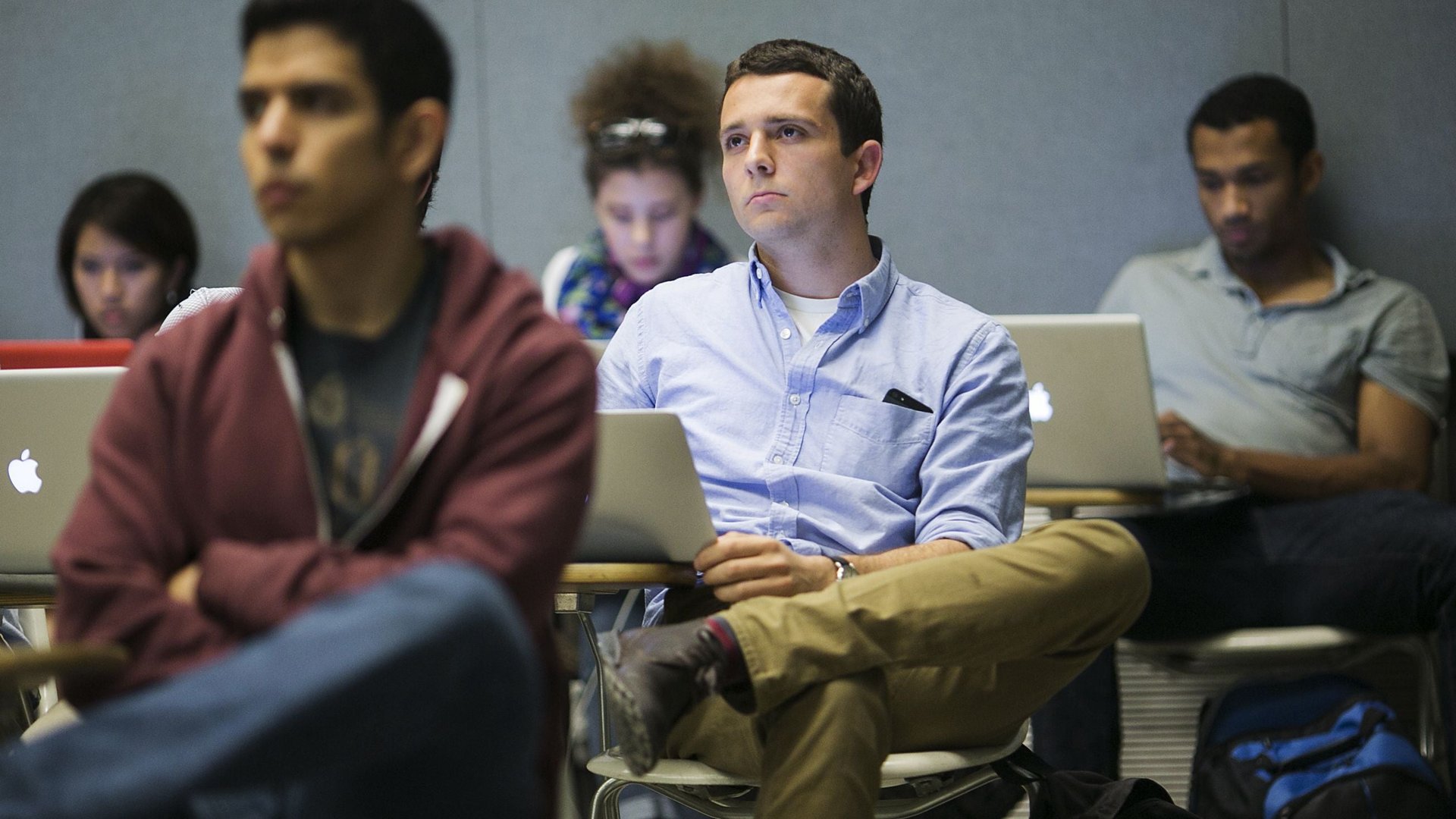
If you’re looking for a college major that gives you an incredible job outlook, we have two words for you: computer science.
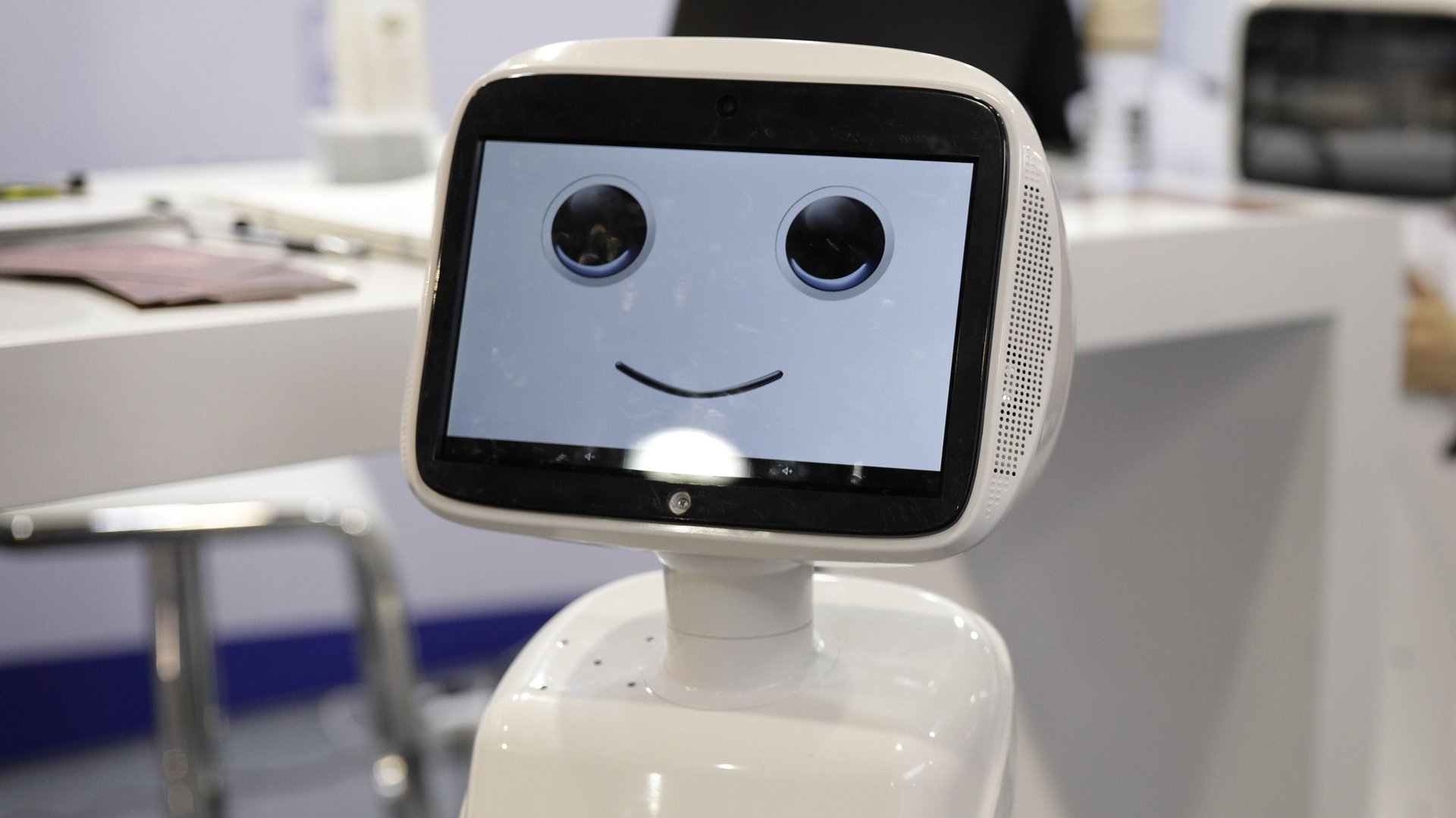
Machines, you may have heard, are coming for all the jobs.

Benefits of a healthy sex life extend to work, new research published in the Journal of Management suggests.
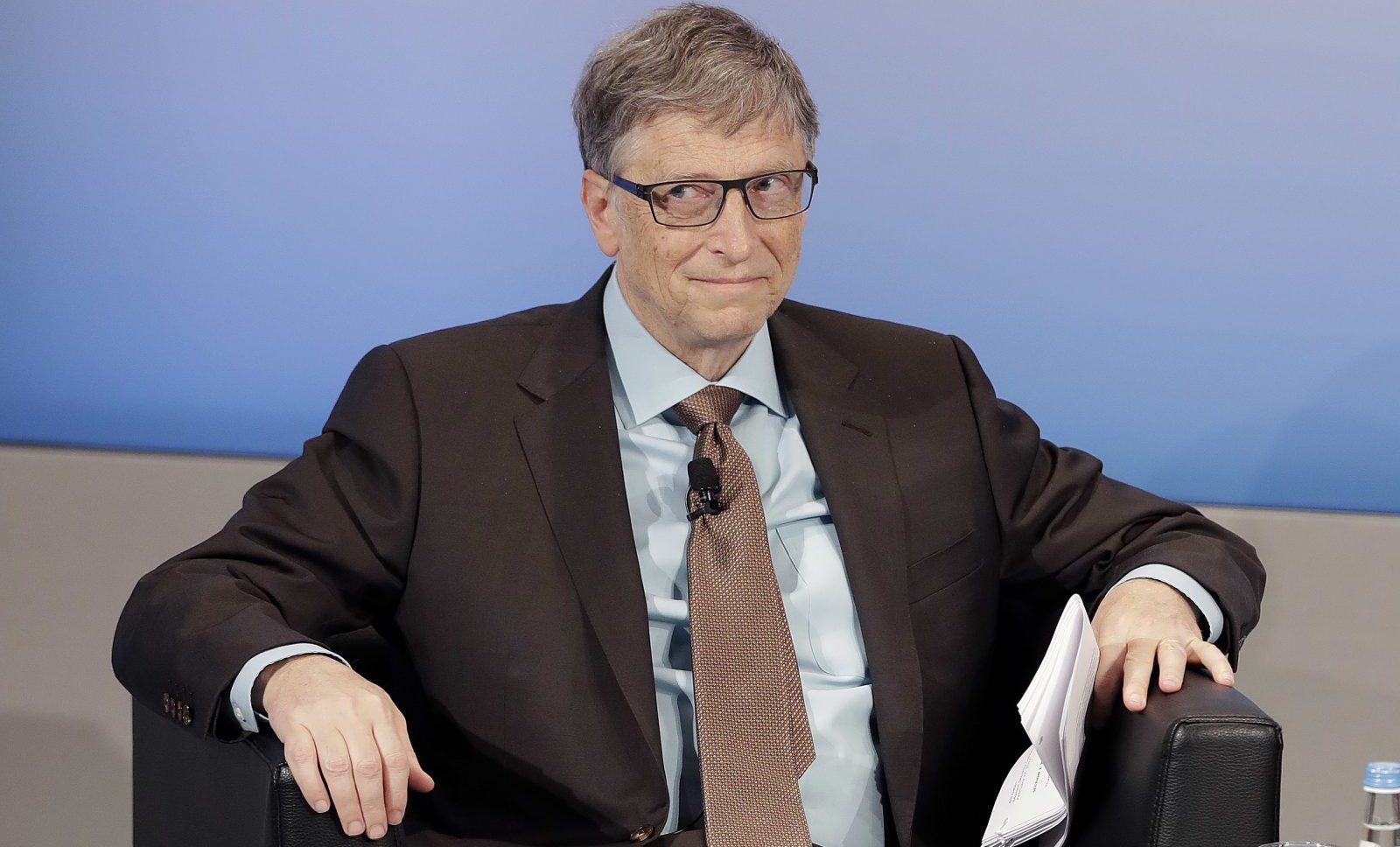
In a recent interview with Quartz, Bill Gates floated an idea for mitigating the impact of automation technology on human jobs: tax the robots. Governments could use the revenue, he argued, to fund social safety-net programs and support jobs that still require human empathy and understanding.

LinkedIn, Monster.com, and other job websites have revolutionized the way that companies look for new hires. But they’ve also made it easier for those companies to sort candidates based on factors like where they went to school and which companies they’ve worked at in the past—which can narrow the pool of candidates and contribute to diversity problems.

As Barack Obama was leaving office, he told Donald Trump that North Korea would likely be his most urgent problem as president, according to an investigation by the New York Times.
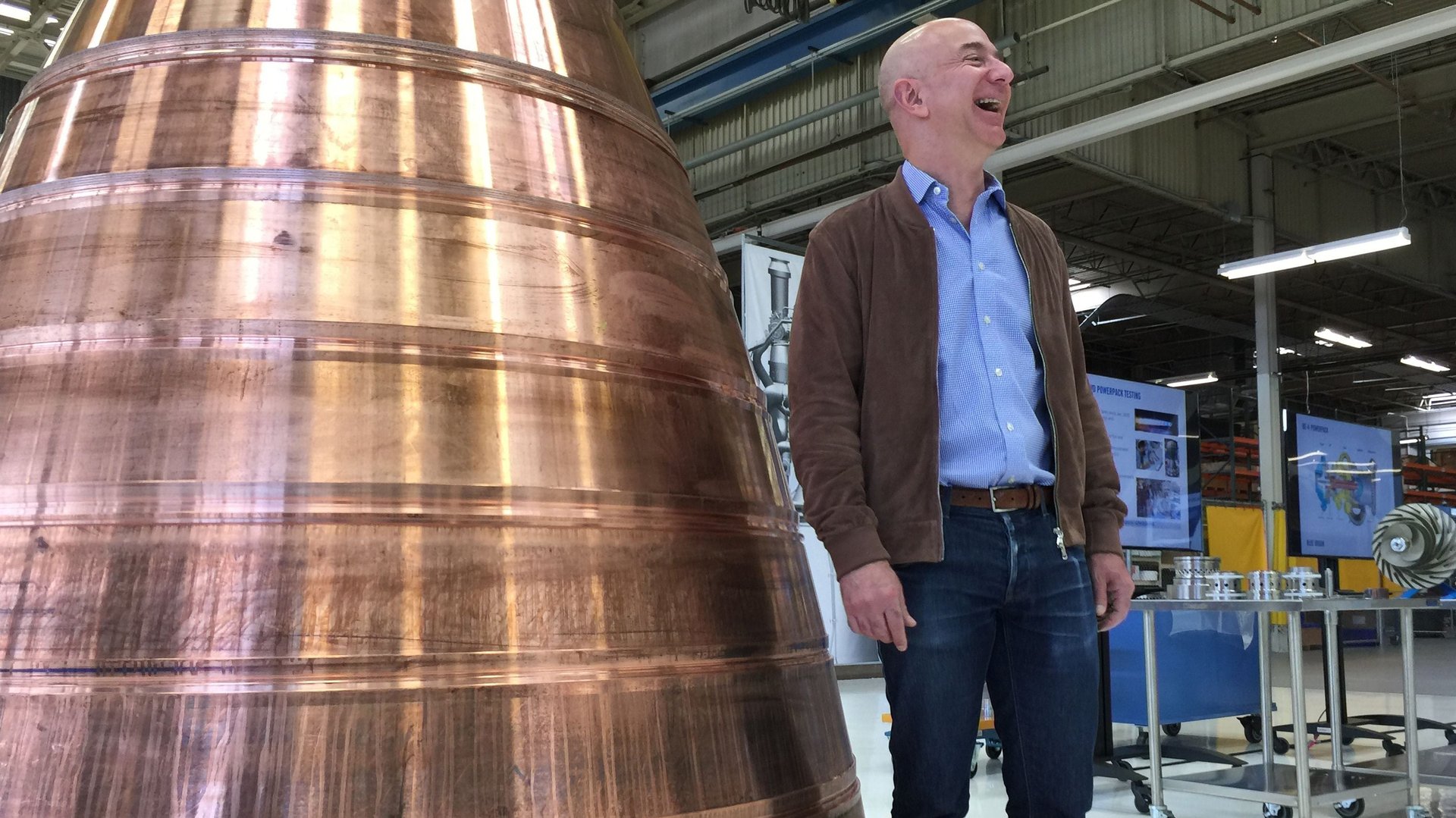
Jeff Bezos, the CEO of Amazon and space company Blue Origin, wants to make “cost-effective deliveries” to the moon.
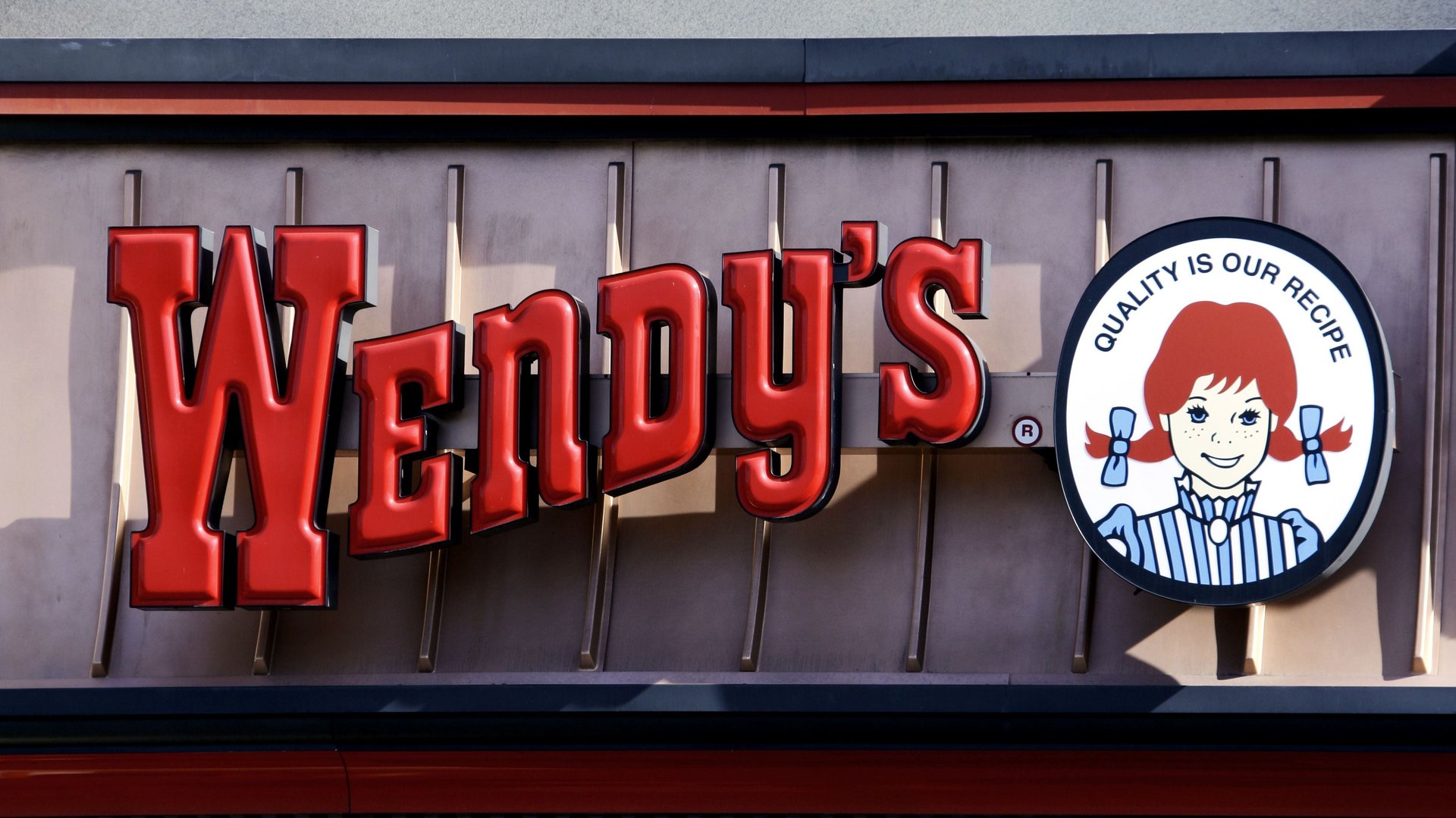
By the end of the year, Wendy’s says it will have installed self-serve ordering kiosks in 1,000 of its restaurants.

Doomsday preparedness is all the rage in Silicon Valley, where the tech elite are buying luxury underground bunkers, access to gassed-up helicopters, or, in the case of Peter Thiel, New Zealand citizenship.
When Mark Zuckerberg recently described his aspirations for Facebook, he went big, with a 6,000-word manifesto covering the company’s future role in everything from natural disasters to voter participation rates.
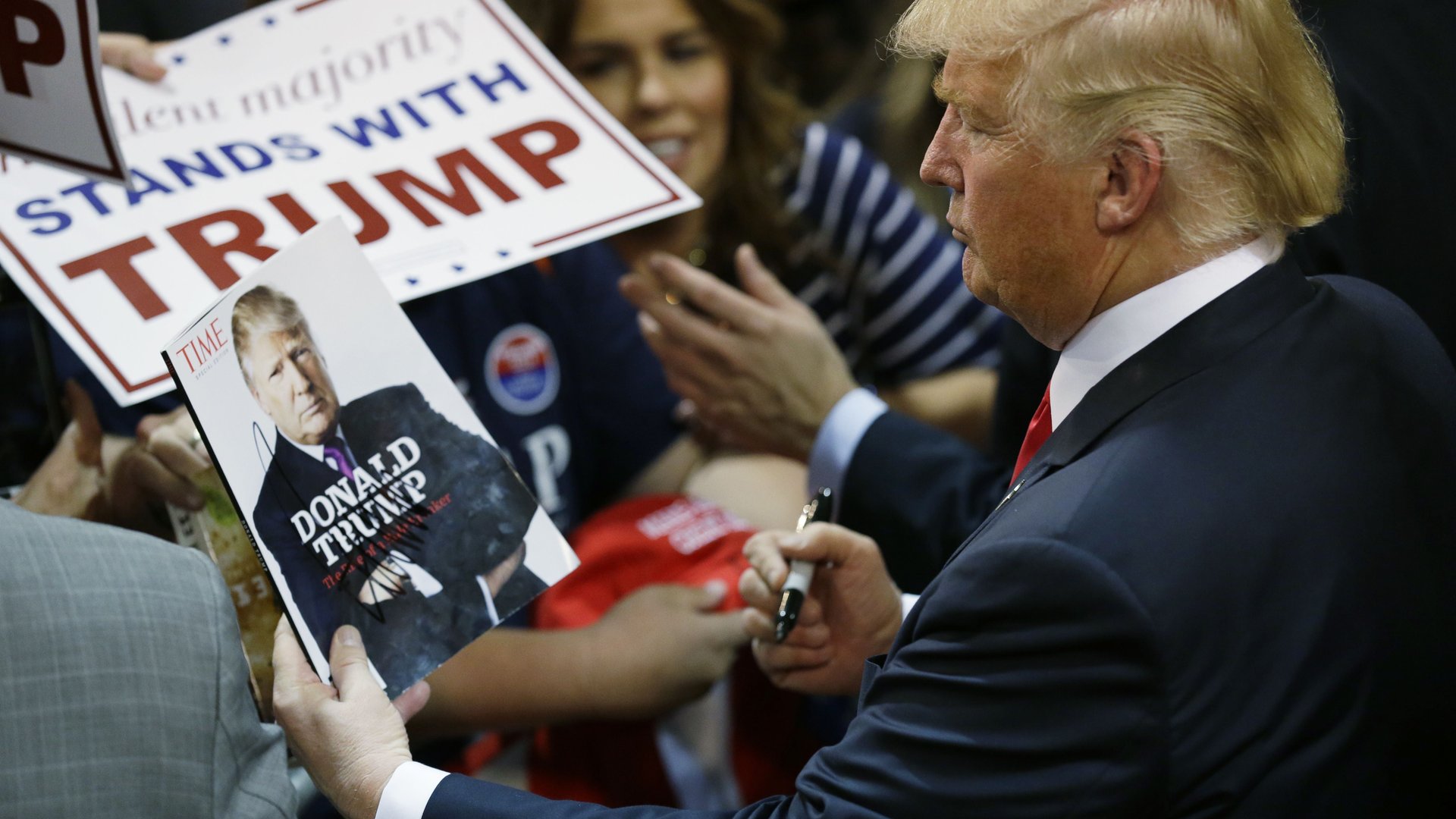
Since Donald Trump’s victory in the 2016 US election, mind and massage therapists alike have listened to client reports of Trump-related anxiety. Pop culture critics have lamented the shadow that US politics has cast on the interpretation of art. And some US workers have even said they’ve been less productive.
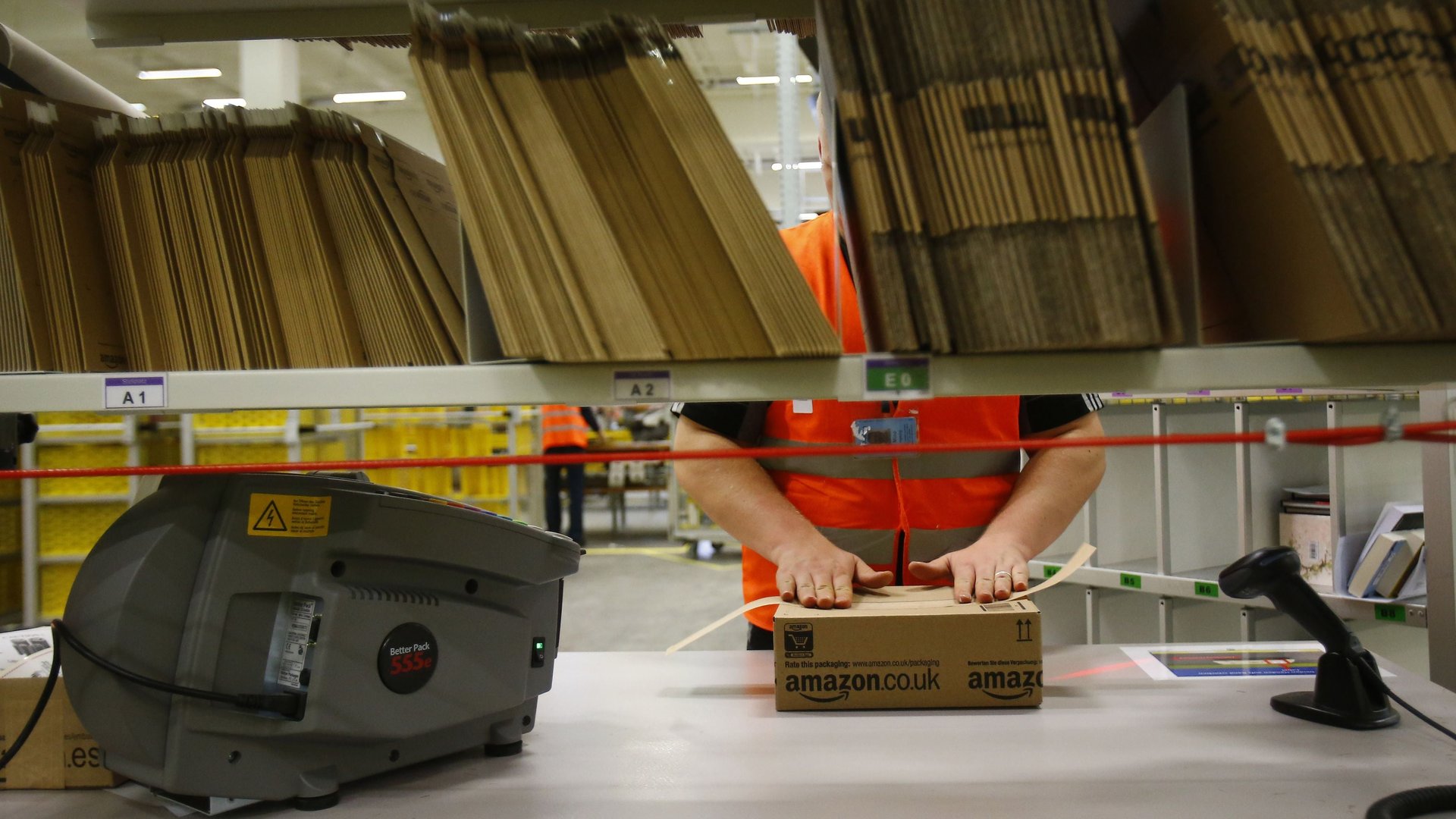
Have you ordered a tube of toothpaste online, only to have it arrive in a cardboard box the size of a small farm animal? You’re not alone in your frustration: Since 2009, Amazon customers have submitted 33 million packaging-related comments, ratings, and photographs to the company, according to the New York Times.
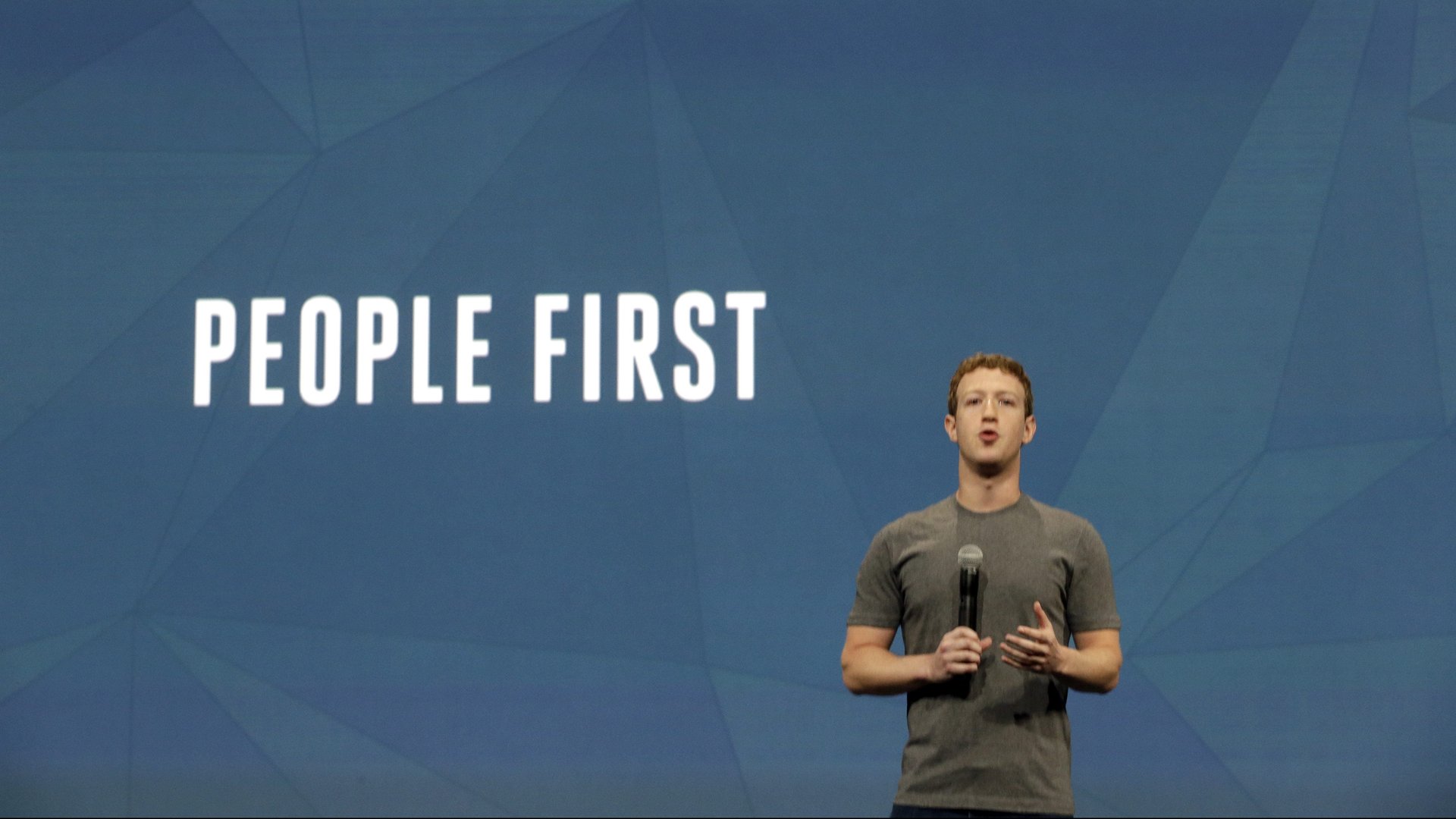
When Mark Zuckerberg promised to visit all 50 US states, decided religion is important, vowed to give away 99% of his Facebook shares to charity, handed over his Facebook profile to a team of professional spinmasters, and hired former political campaign managers who had helped win three of the last five US presidential elections, many speculated that the Facebook CEO had plans to run for public office.
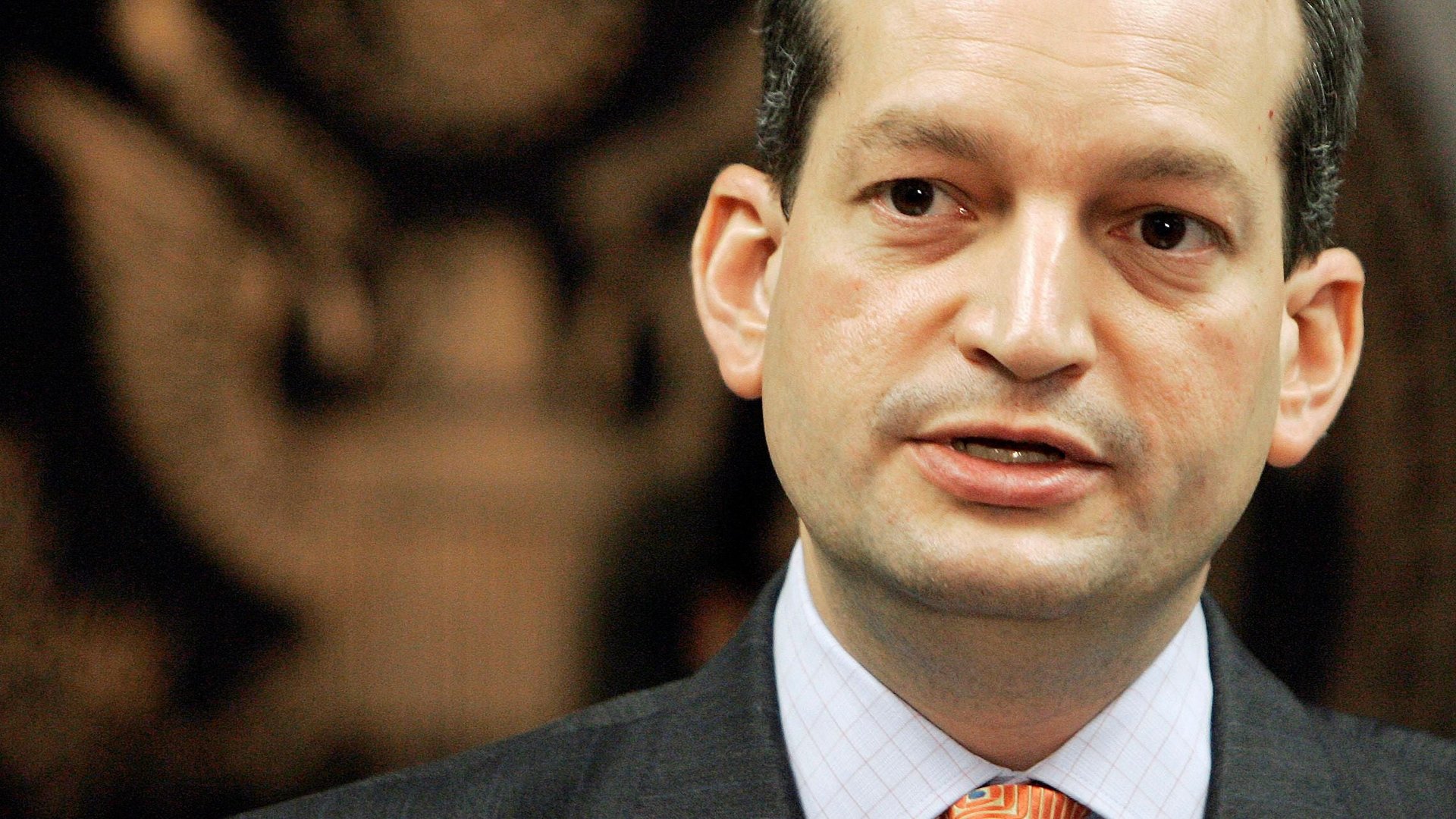
President Donald Trump’s new nomination for US labor secretary, Alex Acosta, testified before Congress in 2011 about the importance of protecting the civil rights of Muslim Americans.

Want to feel engaged at work? Try spending most of your time at home.

The “sharing economy” has included homemade food for longer than that buzzword has existed. Bake sales, tamale carts, and in-home restaurants are longstanding global institutions. But when startups have tried to port these tiny businesses into apps, they’ve run into one big problem: In most US states, selling homemade food is illegal.

Two years ago, Zenefits was being called one of the fastest growing startups in Silicon Valley history. It was raising $500 million at a clip, and had a staggering $4.5 billion valuation.
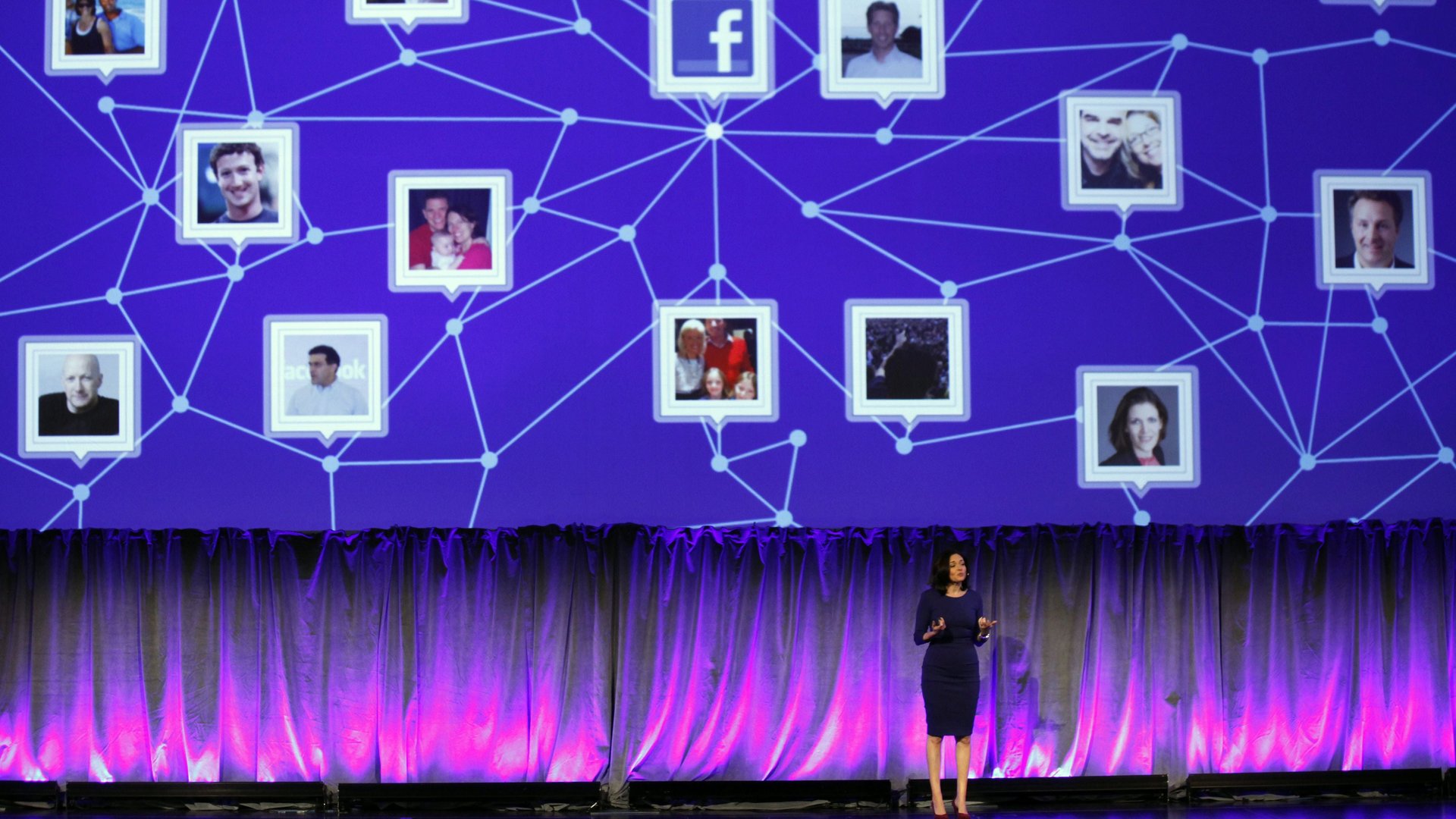
When Facebook COO Sheryl Sandberg earlier this week announced an expansion of the company’s bereavement and family-leave policies, it added another dimension to a growing disconnect between Silicon Valley and the rest of America. Not a gap in wages, or rents, or ping-pong tables per capita (though, all of those things too) but a gap in family-friendly policies like child care, extended paid maternity leave, and other benefits.
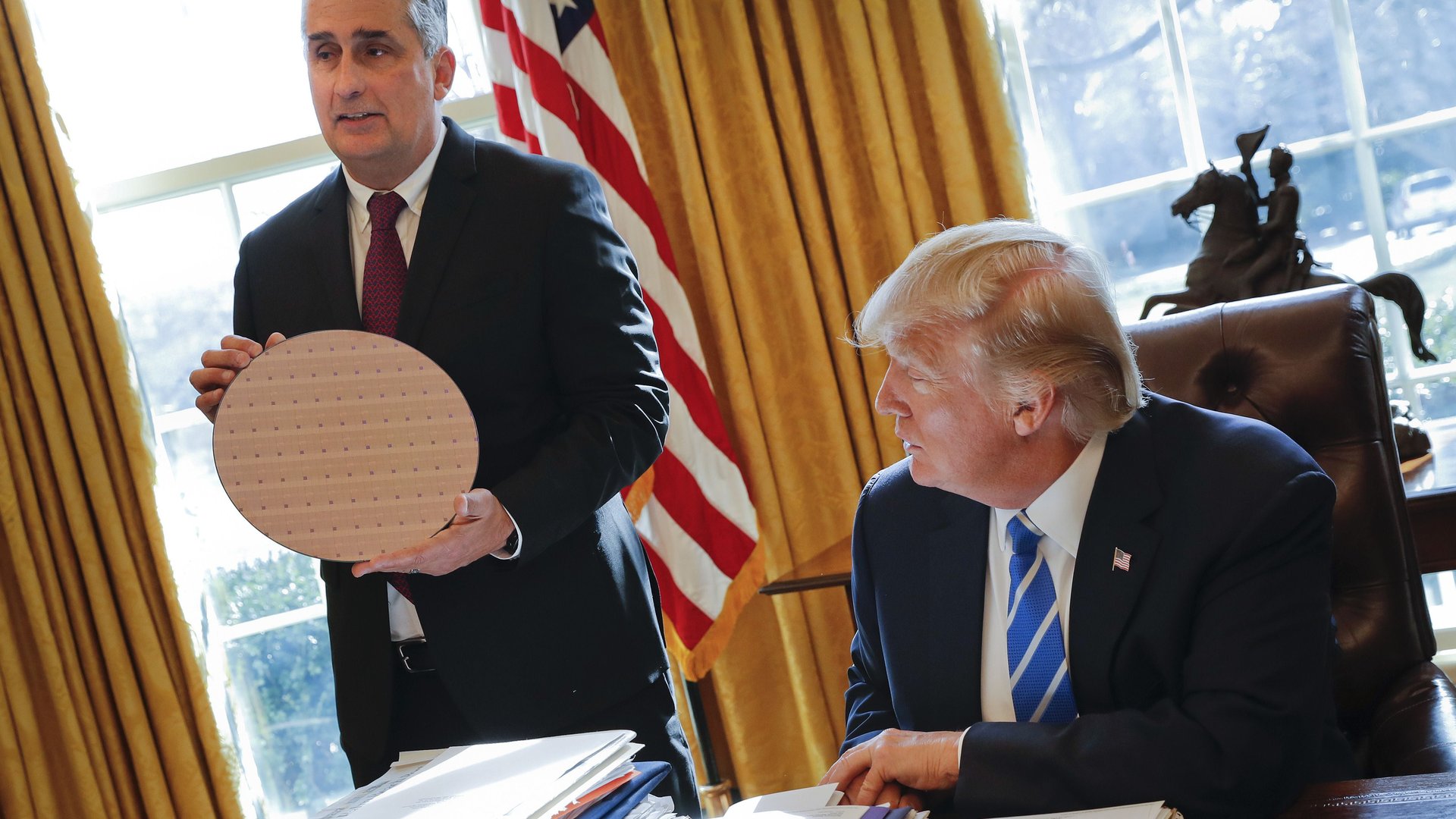
Intel is building a $7 billion manufacturing plant in Arizona that will create “3,000 high-paying, high-wage, high-tech jobs,” CEO Brian Krzanich announced after a meeting with US president Donald Trump on Tuesday. “The people of Arizona will be very happy,” Trump said. ”It’s a lot of jobs.”
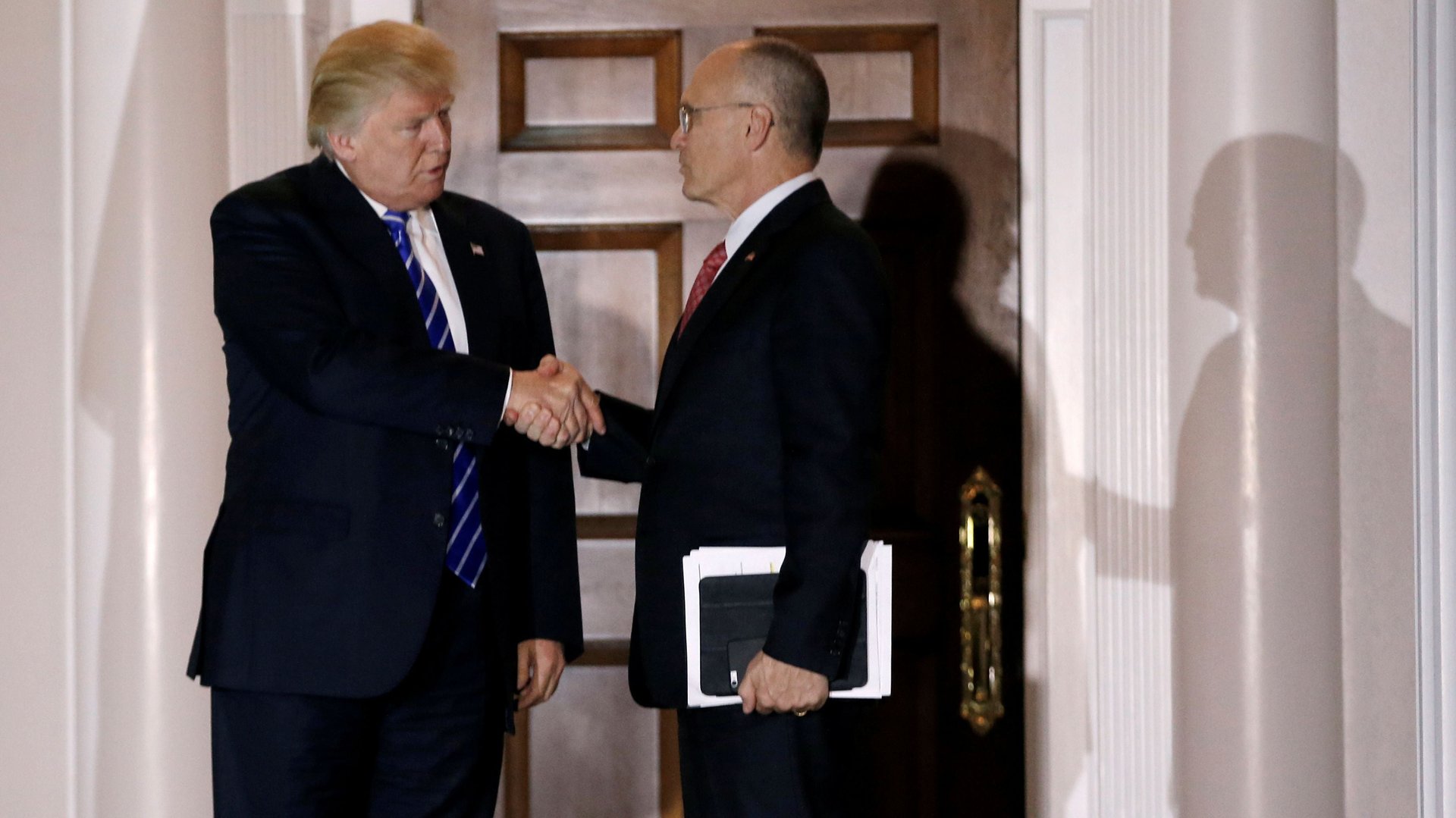
CKE Restaurants CEO Andy Puzder, who is US president Donald Trump’s nomination for labor secretary, has strong opinions about how to create American jobs. They just aren’t the same opinions as Trump’s.
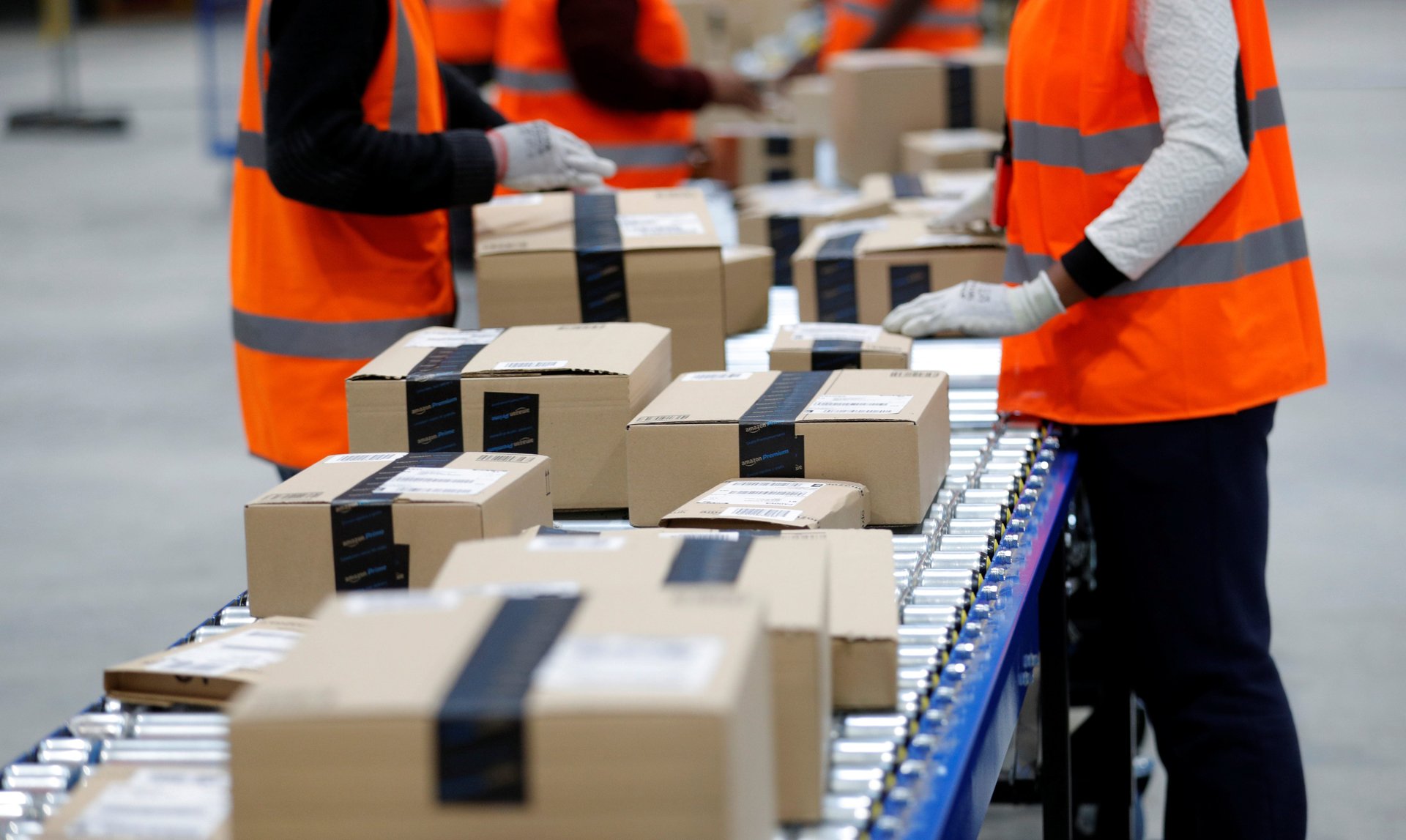
Amazon these days has about 45,000 robots at work in its fulfillment centers, a roughly 50% increase over 30,000 last fall. But robots haven’t replaced humans: The company employed 341,400 part- and full-time (human) workers at the end of 2016, also about a 50% increase over the same time the year before.