Kids love marshmallows. A lot. One of the most famous psychological experiments of the last few decades was designed to put that love to the test.

Kids love marshmallows. A lot. One of the most famous psychological experiments of the last few decades was designed to put that love to the test.

Warren Buffett is a very popular guy—so much so that one fan just ponied up $3.3 million for a chance to break bread with the acclaimed Berkshire Hathaway chairman.

For a kid, the most thrilling part of the supermarket is the checkout aisle. Piled with brightly-wrapped candies, it’s the perfect opportunity to test your abilities as a cat burglar—can you sneak a chocolate bar by your mom while she’s rummaging through her purse?—or as a trial lawyer, pleading the case for a take-home treat.

Everyone gets frustrated and angry at work sometimes. But responsible people don’t lash out at their colleagues. They understand their negative emotions are not someone else’s problem.

You might think you understand what beauty is. But you don’t, not really—not until you have gazed upon this ear of corn.

Normally, people on the internet fight about a lot of different stuff. But once in a while, on very special days, we all fight about the same thing.

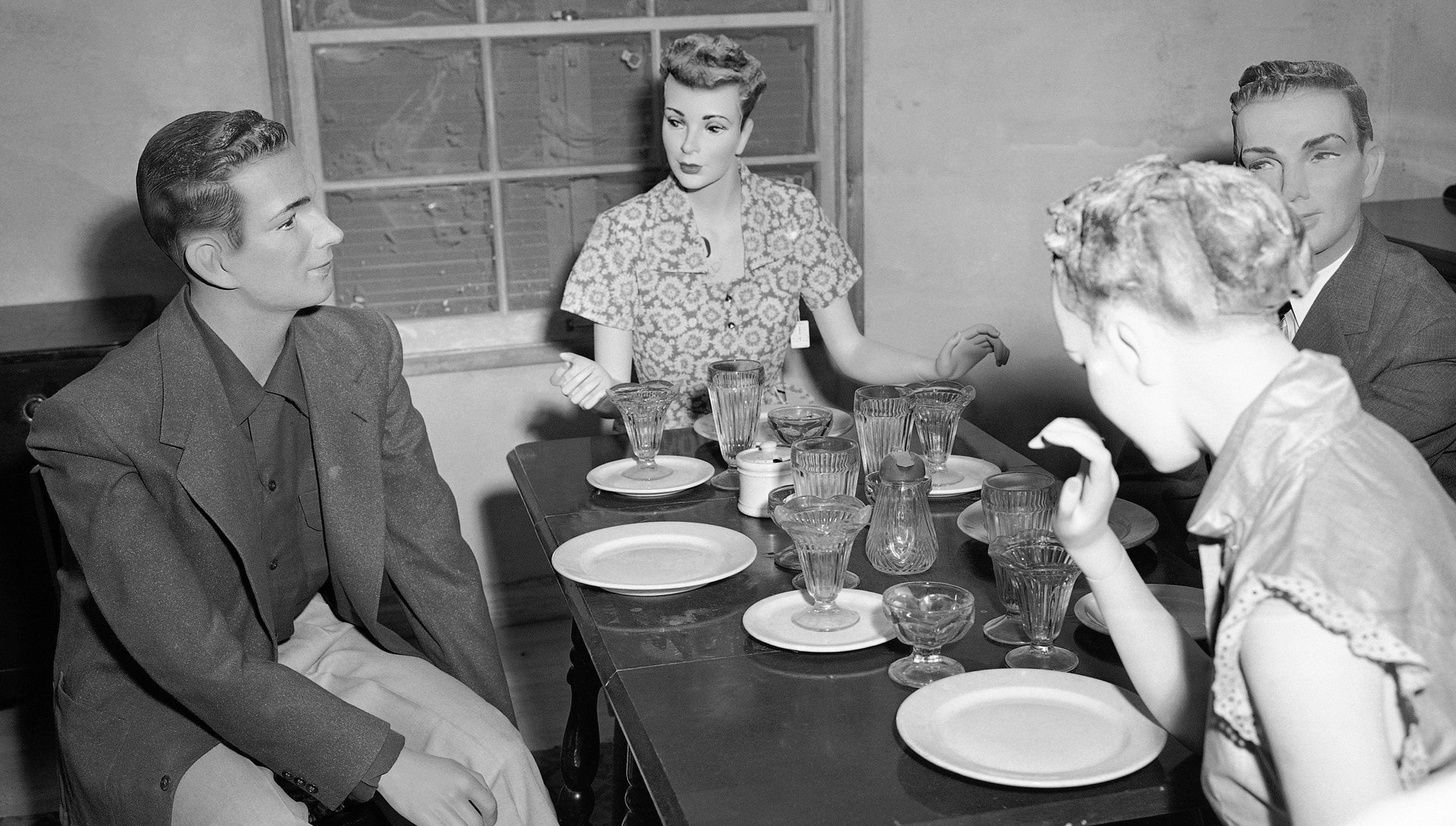
To celebrate Mother’s Day, Quartz staff collected story ideas from our mothers and sought to answer them. This mother asks: How do I host a fun dinner party that also encourages intellectual discussion? Read more stories from the series here.

Today (Friday, May 11) at 11:44 am, the internet went down in Quartz’s New York office, plunging our digital newsroom into chaos. This is the oral history of what happened next.

Steve Brusatte loves dinosaurs. He’s worried that you may not love them nearly enough.

In case you thought your problems were of any significance whatsoever, a new NASA video of the Lagoon Nebula is here to remind you that they absolutely are not.

Tesla’s bosses probably think they write great motivational emails.

Facebook CEO Mark Zuckerberg is among the most prominent of Silicon Valley’s billionaires. Now, his peers seems to be turning against him.

Since the Cambridge Analytica scandal broke, one question has been on everyone’s minds:

Stock analysts are a preternaturally bullish bunch. Missed earnings guidance? “Overweight.” Accounting snafu? “Outperform.” Unauthorized leak of 50 million users’ personal data to a shadowy political consulting firm? “Buy.”

I remember the exact day I joined Facebook: May 15, 2005. It was the day of my college graduation, and I was eager to keep in touch with my classmates as we scattered across the world.

Stephen Hawking will be remembered for helping people appreciate the wonders of outer space. His groundbreaking research in merging concepts of quantum mechanics and Einstein’s theory of relativity changed our understanding of black holes, while his iconic book A Brief History of Time, which made lofty concepts about the history and nature of the universe accessible to popular audiences, has sold over 10 million copies since its publication in 1988 and been translated in more than 30 languages. ”Remember to look up at the stars and not down at your feet,” he famously advised.

For a certain type of worker, Google sounds like paradise. The company offers on-site gyms, generous 401(k) matches, cafeteria trolleys stocked with chai tea and mango lassis, and even high-tech Japanese toilets. But its most attractive benefit may be the gift of personal autonomy.

New research suggests a pretty straightforward way to bust gender stereotypes: Get men and women to work closely alongside each other.

Dropbox on Feb. 23 announced plans to raise $500 million through an initial public offering (pdf), making the 11-year-old file-storage startup the first company in Y Combinator’s portfolio to make a market debut.

In the seven short days since a 19-year-old gunman killed 17 people at Marjory Stoneman Douglas High School in Parkland, Florida, teenagers who survived the violence have emerged as America’s most powerful advocates for reforming gun-control laws.

Samantha told me her secret of country life while we lay sprawled on a picnic blanket at sundown.

It’s often said that American society has become numb to school shootings. The Columbine High School shootings in 1999 were the focus of national attention for weeks. Since then, there seem to have been so many massacres that there’s little time to process one before another hits the news.

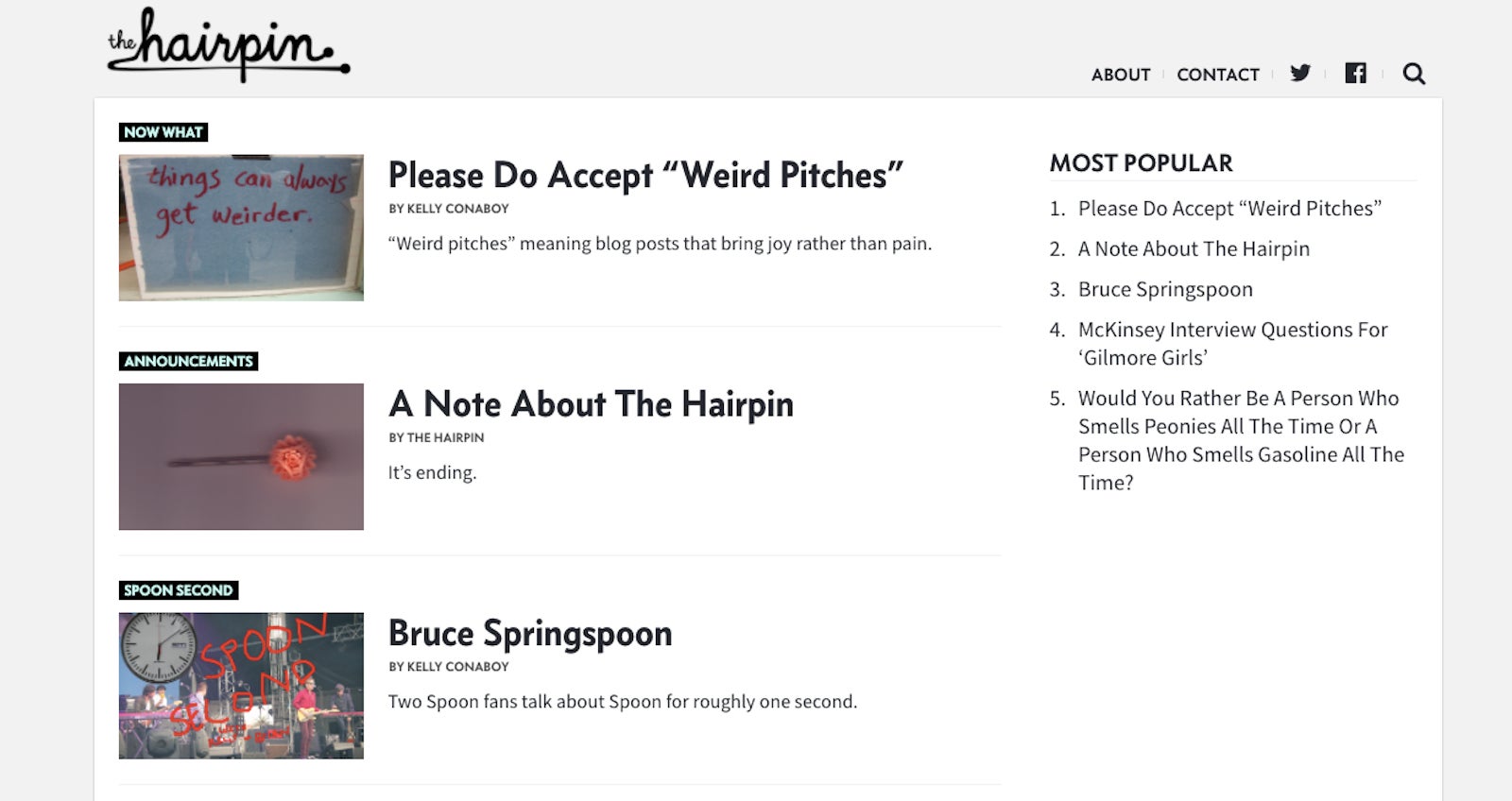
The internet can be a sad, scary, boring place. But for the better part of a decade, there was a sanctuary for readers who wanted to have some fun; an online space that fully embraced the silly, the obscure, and the delightfully weird—from using McRibs to explain how commodity markets work to a detailed set of instructions on how to turn a plastic doll head into a wine glass. It was The Awl, and its women-focused sister site The Hairpin. Both announced this week that they are closing shop at the end of January.

In the wake of the #MeToo and #TimesUp movements, it’s clear that we all need to be better about speaking up when we see discrimination in action. In the professional sphere, that means we also have to reevaluate rules of etiquette that would normally encourage us to hold our tongues, lest we risk seeming rude, antagonistic, or disruptive.