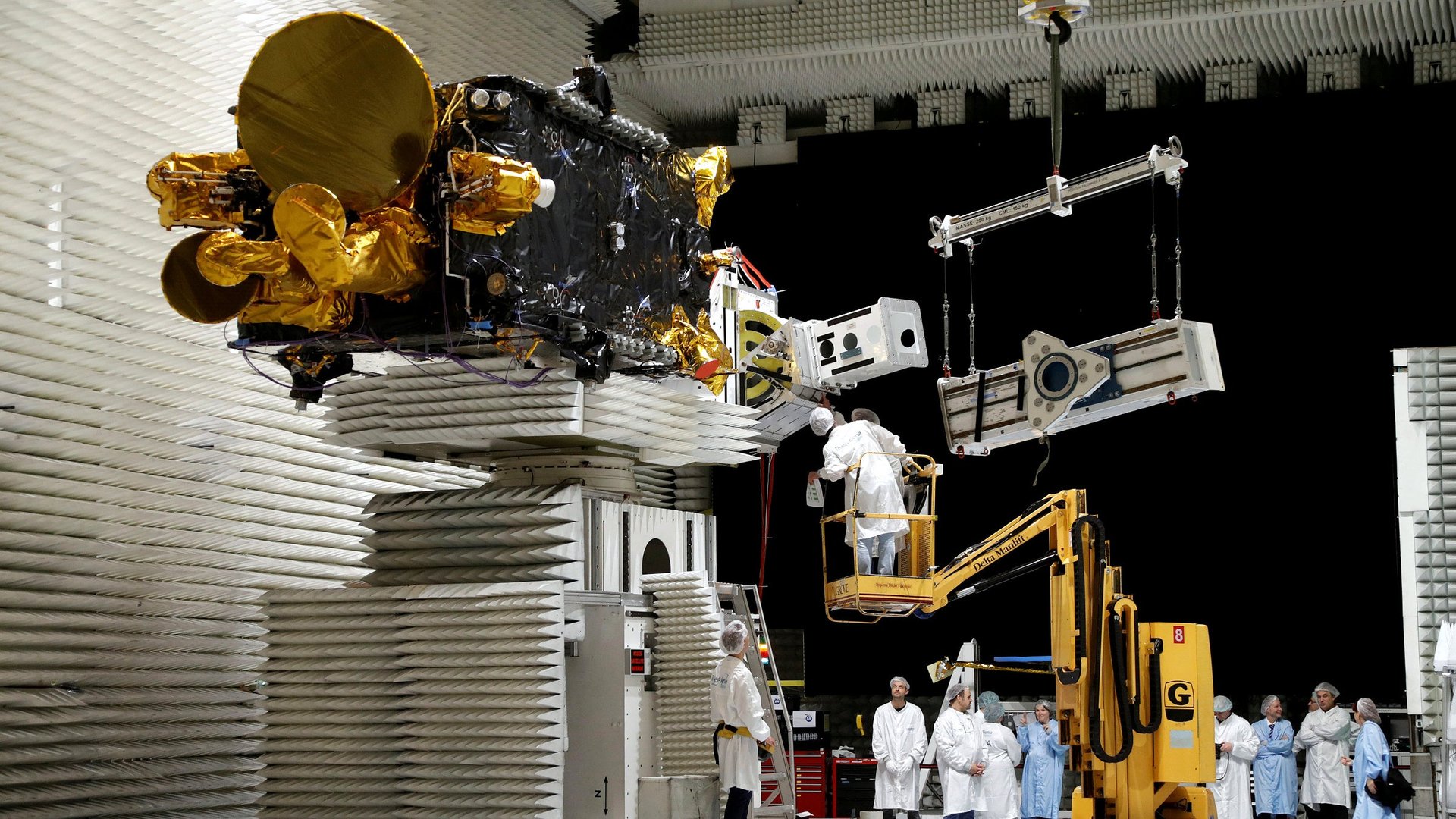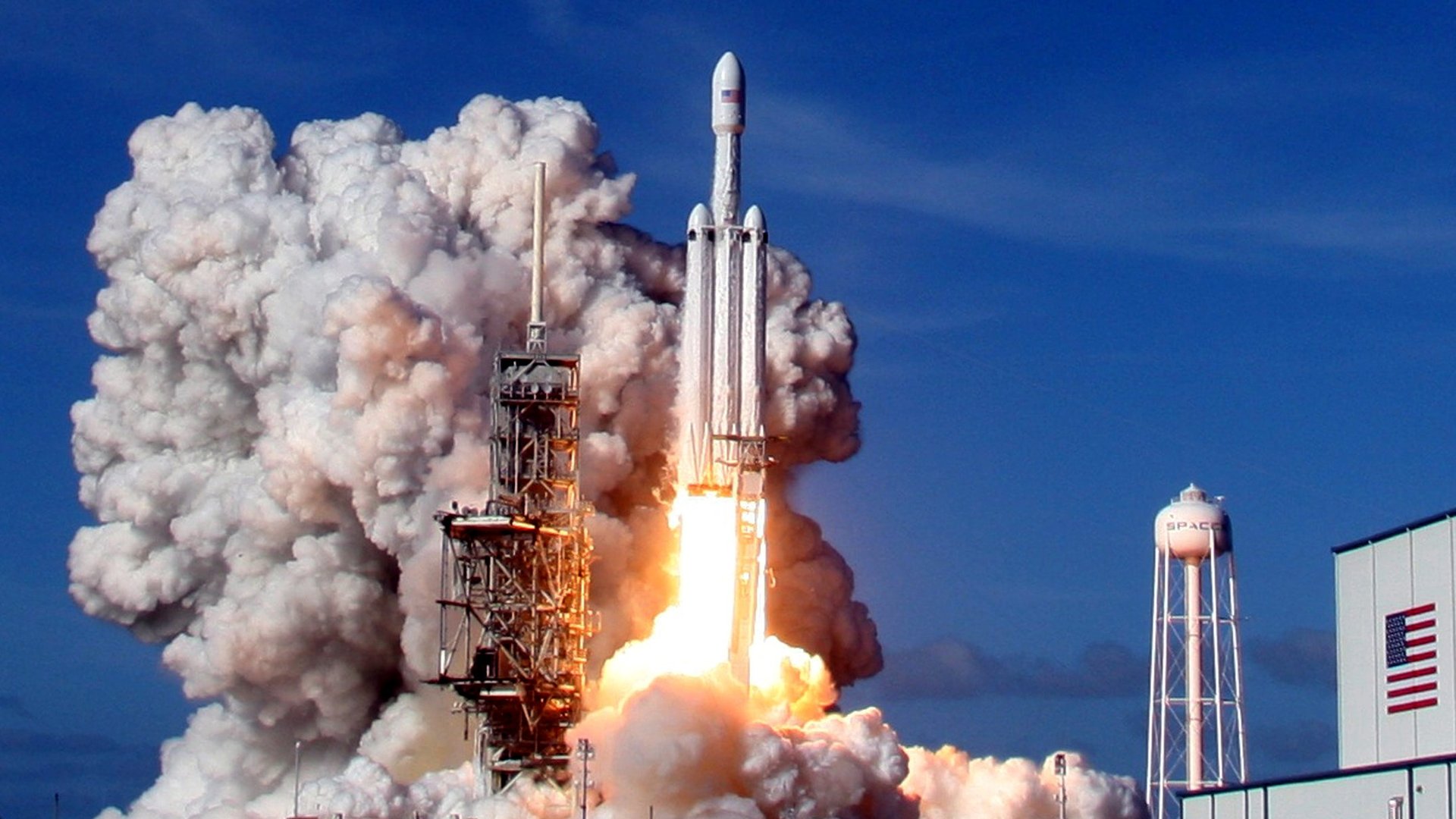
SpaceX now has US permission to fly 4,425 satellites in a swarming constellation called Starlink to deliver internet service to consumers below—more than tripling the number of active satellites in orbit around the earth.

SpaceX now has US permission to fly 4,425 satellites in a swarming constellation called Starlink to deliver internet service to consumers below—more than tripling the number of active satellites in orbit around the earth.

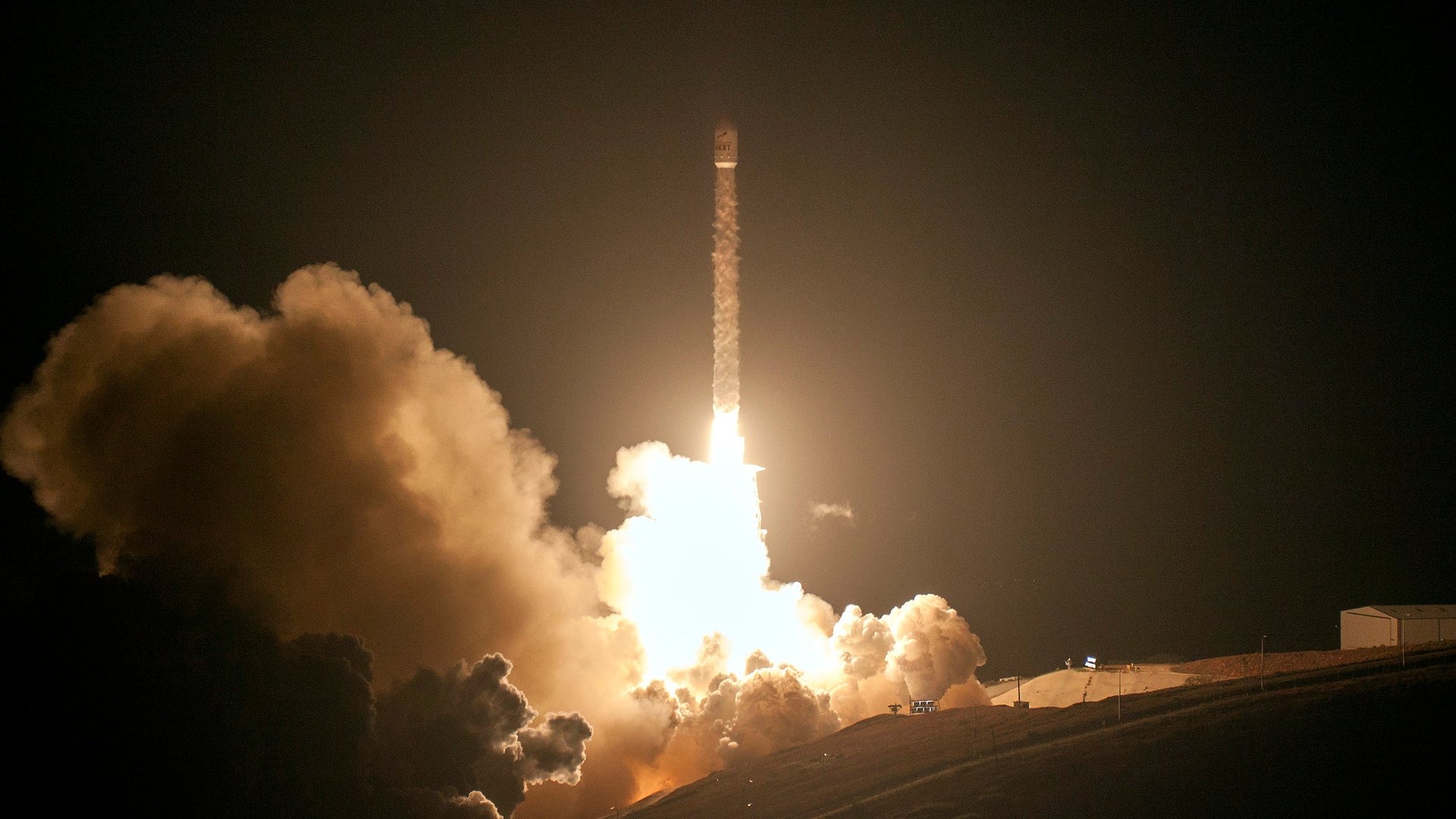
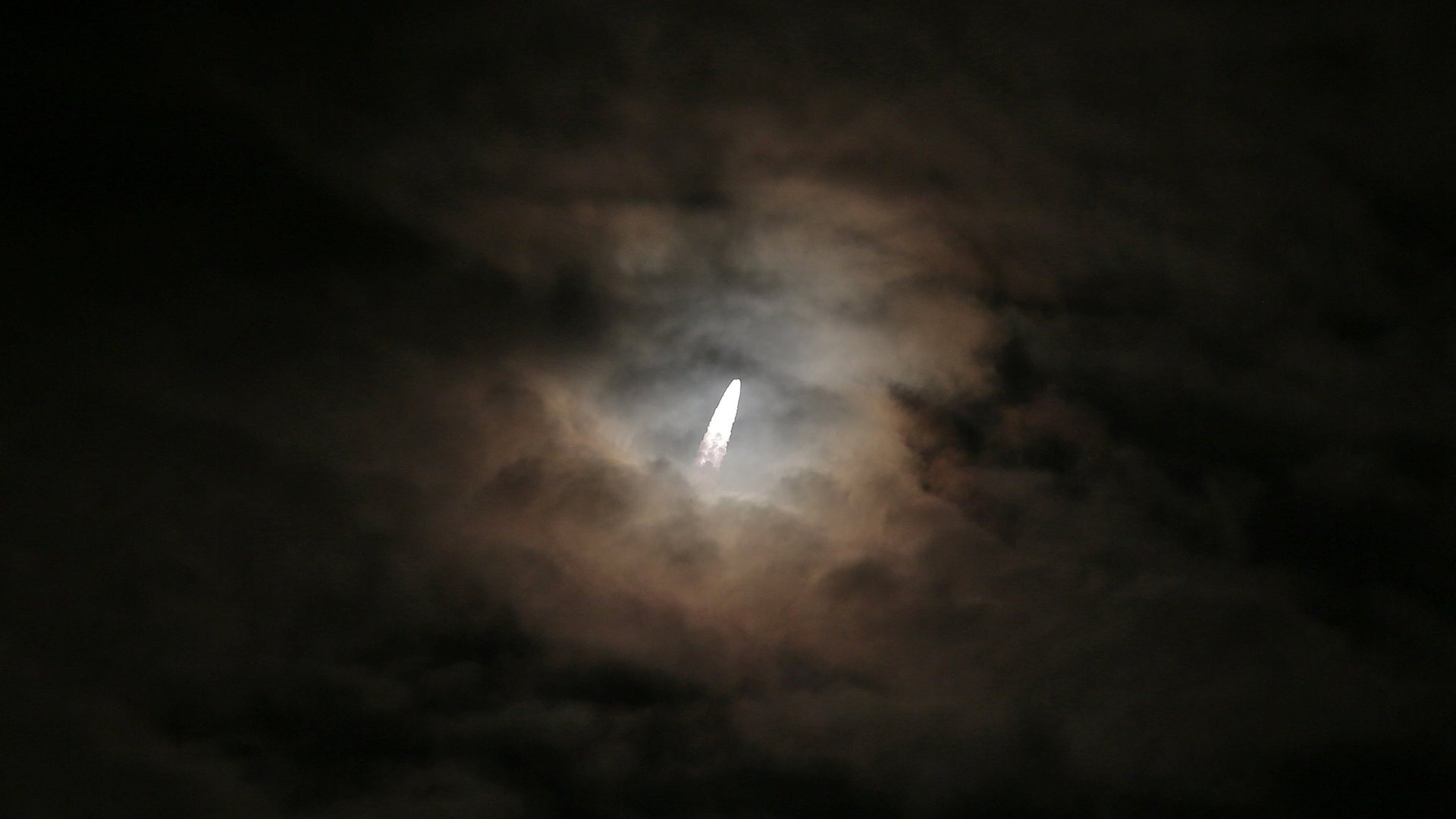
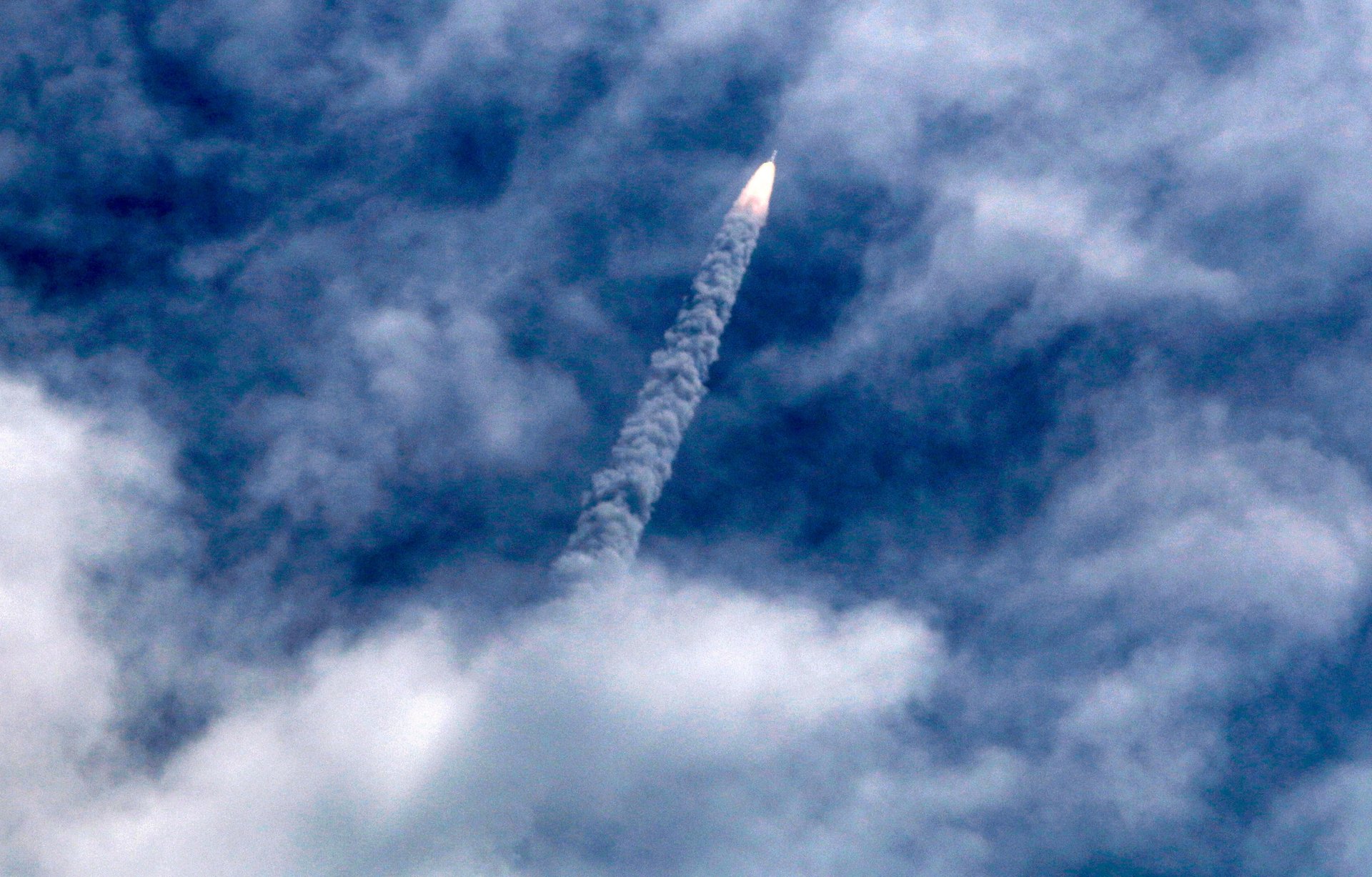
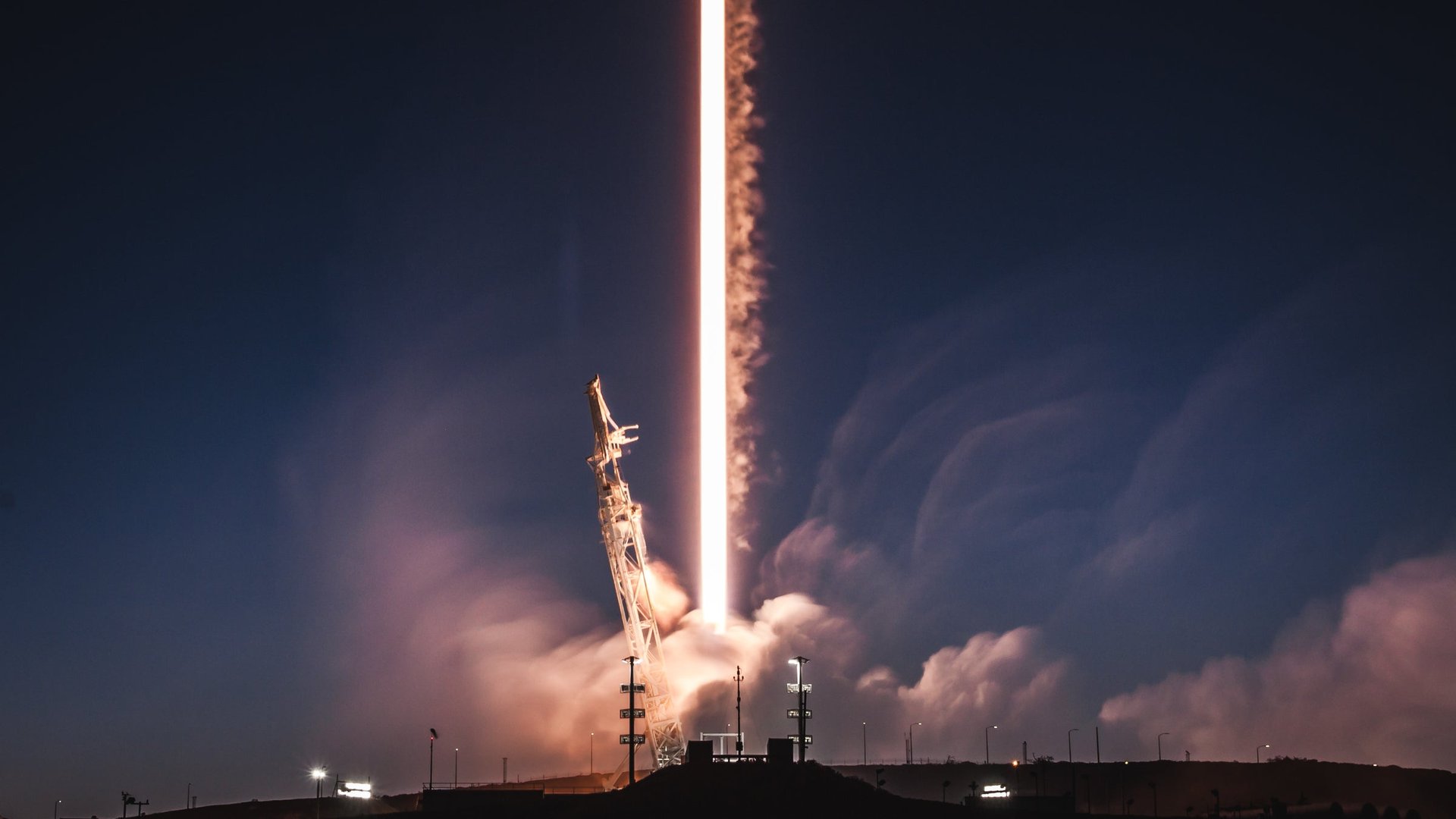
SpaceX will deposit a batch of communications satellites into orbit this morning (March 30) in its sixth mission of the year.

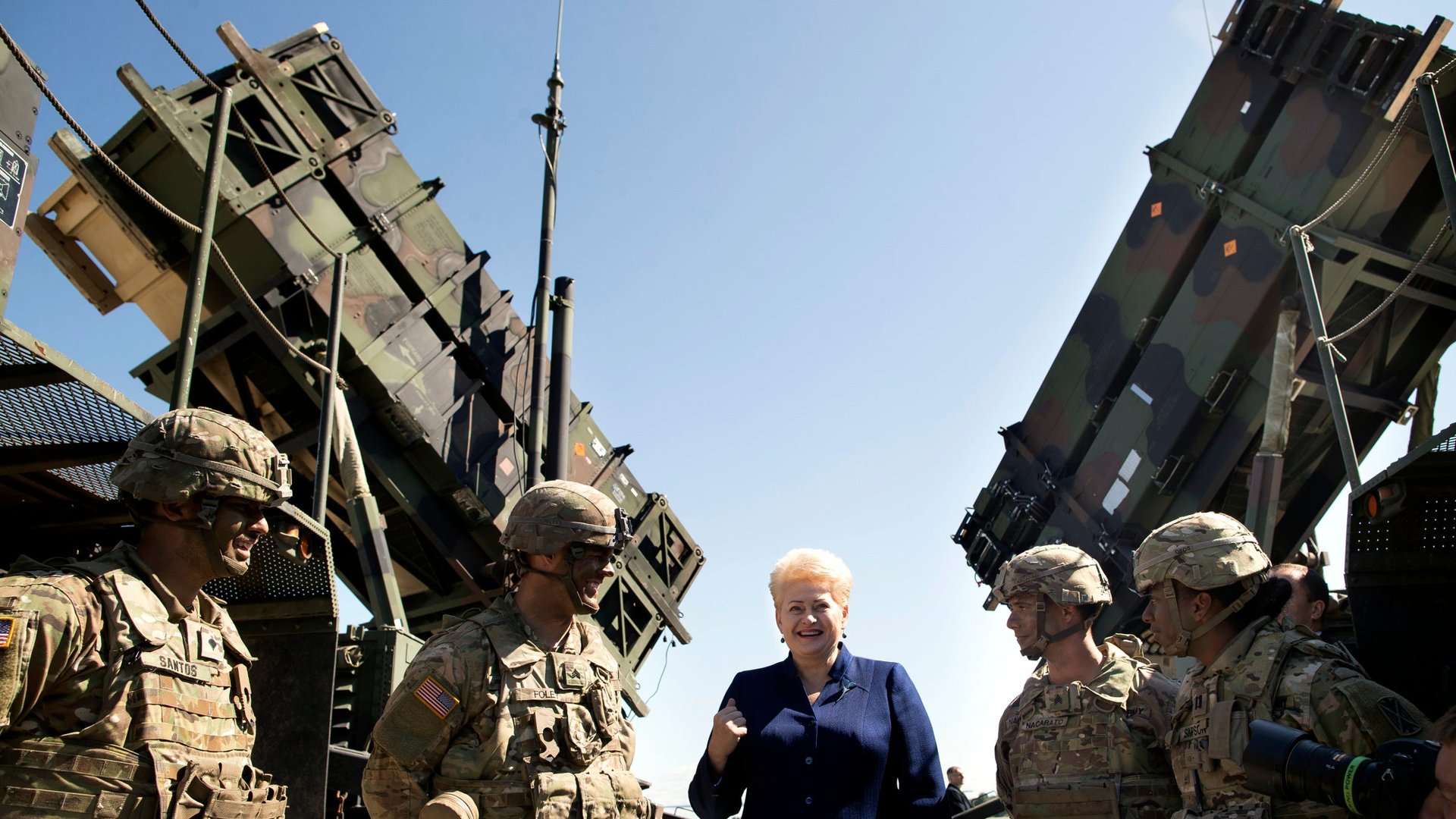
The US and its allies the world over are paying billions for medium-range missile interception systems without a track record of success.

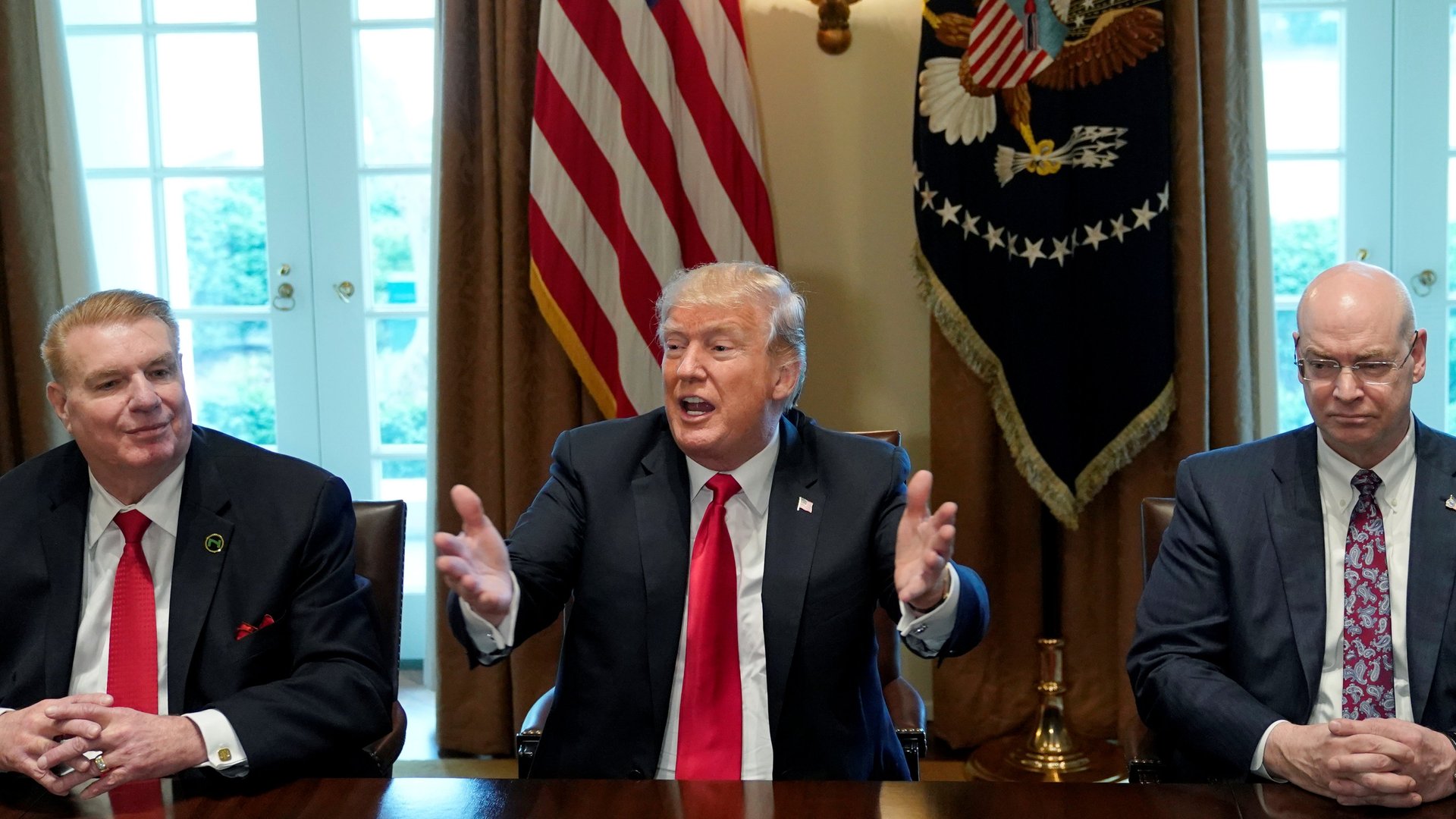
At first glance, Donald Trump appears to take a different approach to trade than predecessors George W. Bush or Barack Obama, who saw trade liberalization as a goal.

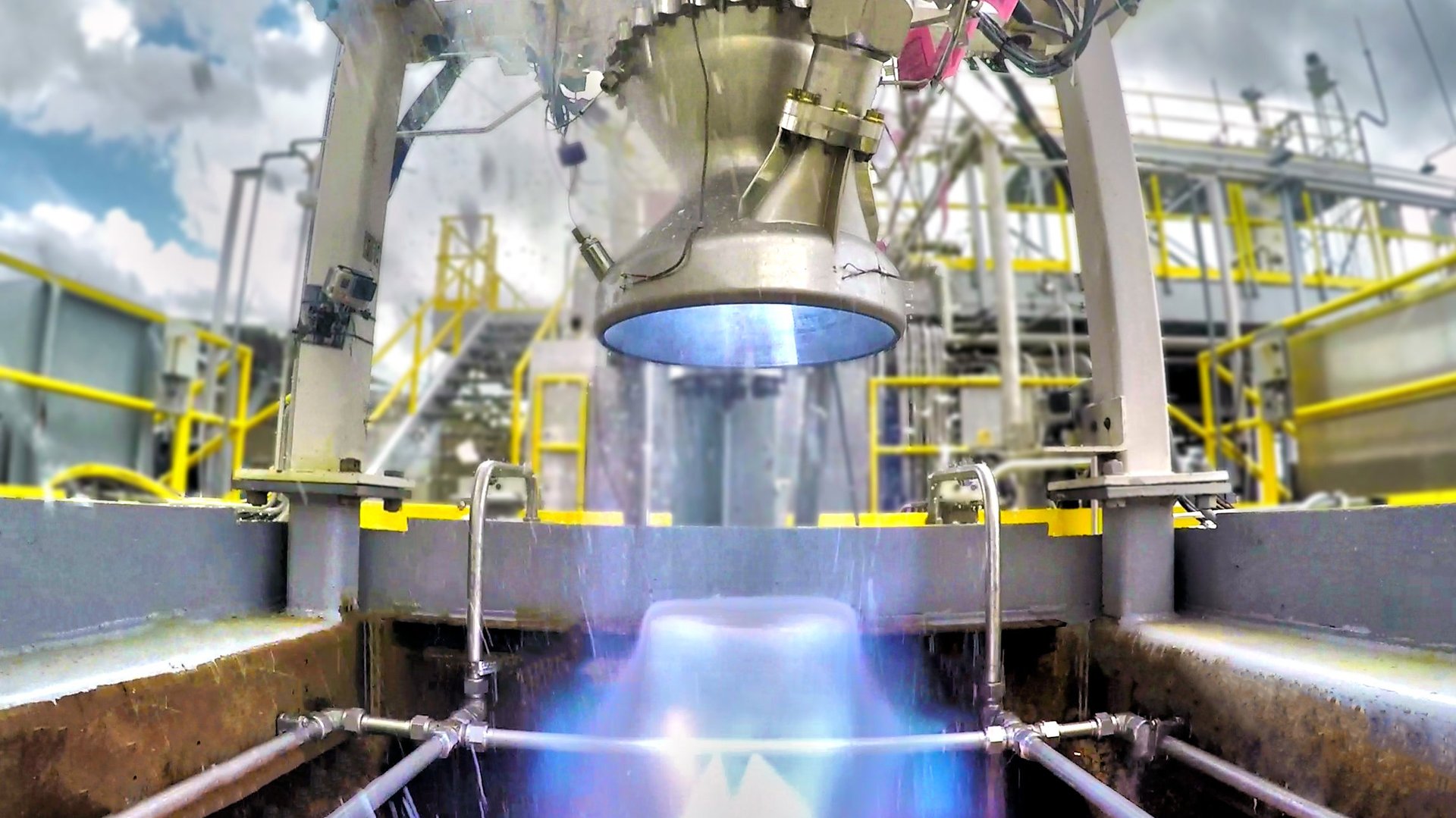
A promising rocket start-up will be given the keys to a NASA test site today, as private industry continues to fill growing demand for space technology.

Swarm Technologies CEO Sara Spangelo was flying high in October 2017—piloting a small plane carrying John Krafcik, the CEO of Waymo, Google’s self-driving car company, and another entrepreneur on a pleasure flight. They passed over Tesla’s factory in Fremont, California. Spangelo joked later on Facebook that Krafcik was “checking out the competition.”

The US government dropped a cool $645 million on orbital transportation service this week.

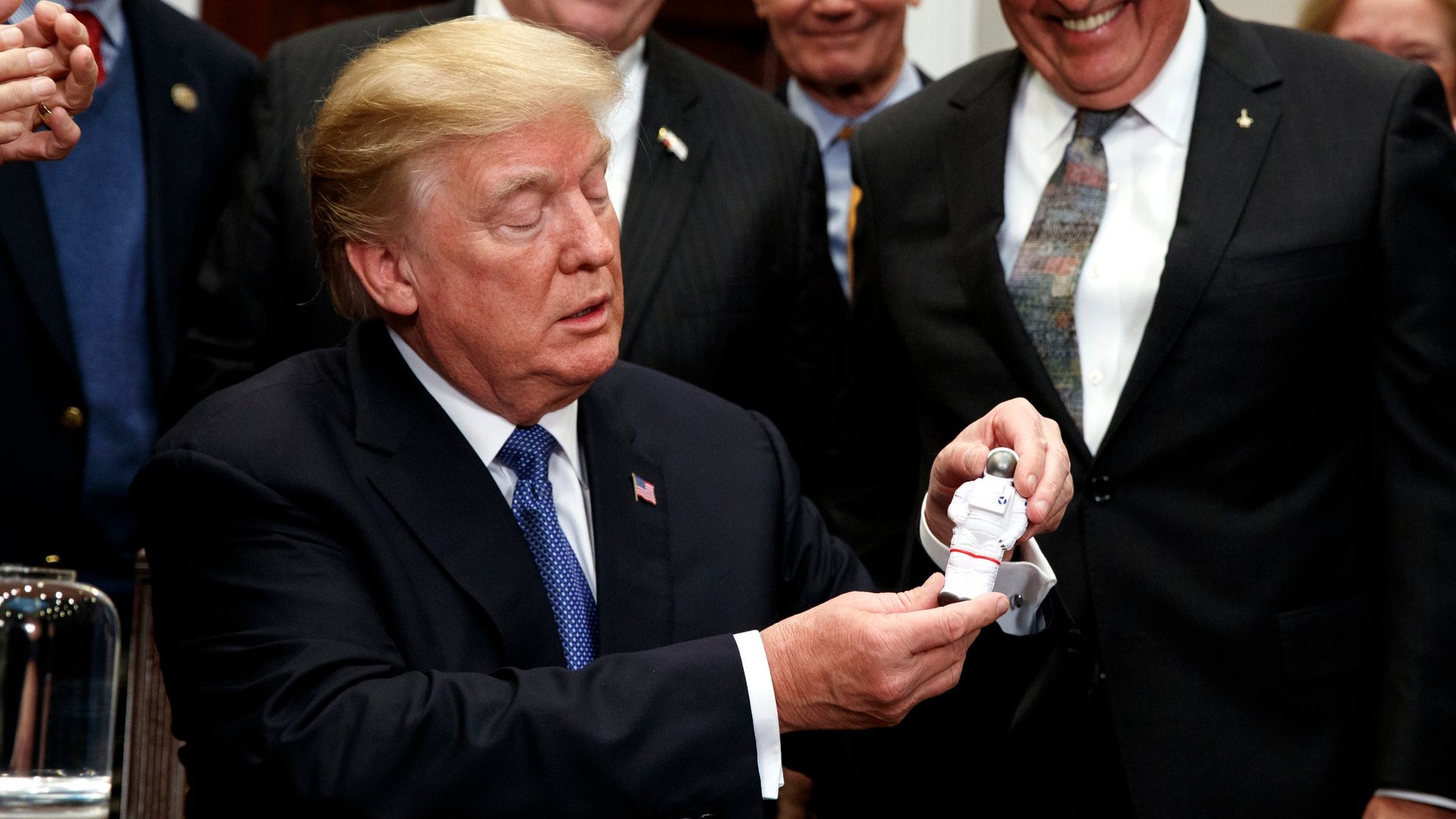
“Space is a war-fighting domain, just like the land, air, and sea,” Donald Trump told a group of US Marines yesterday. “We may even have a Space Force, develop another one, Space Force.”

A brash satellite start-up could upend efforts to make space friendlier for private companies.

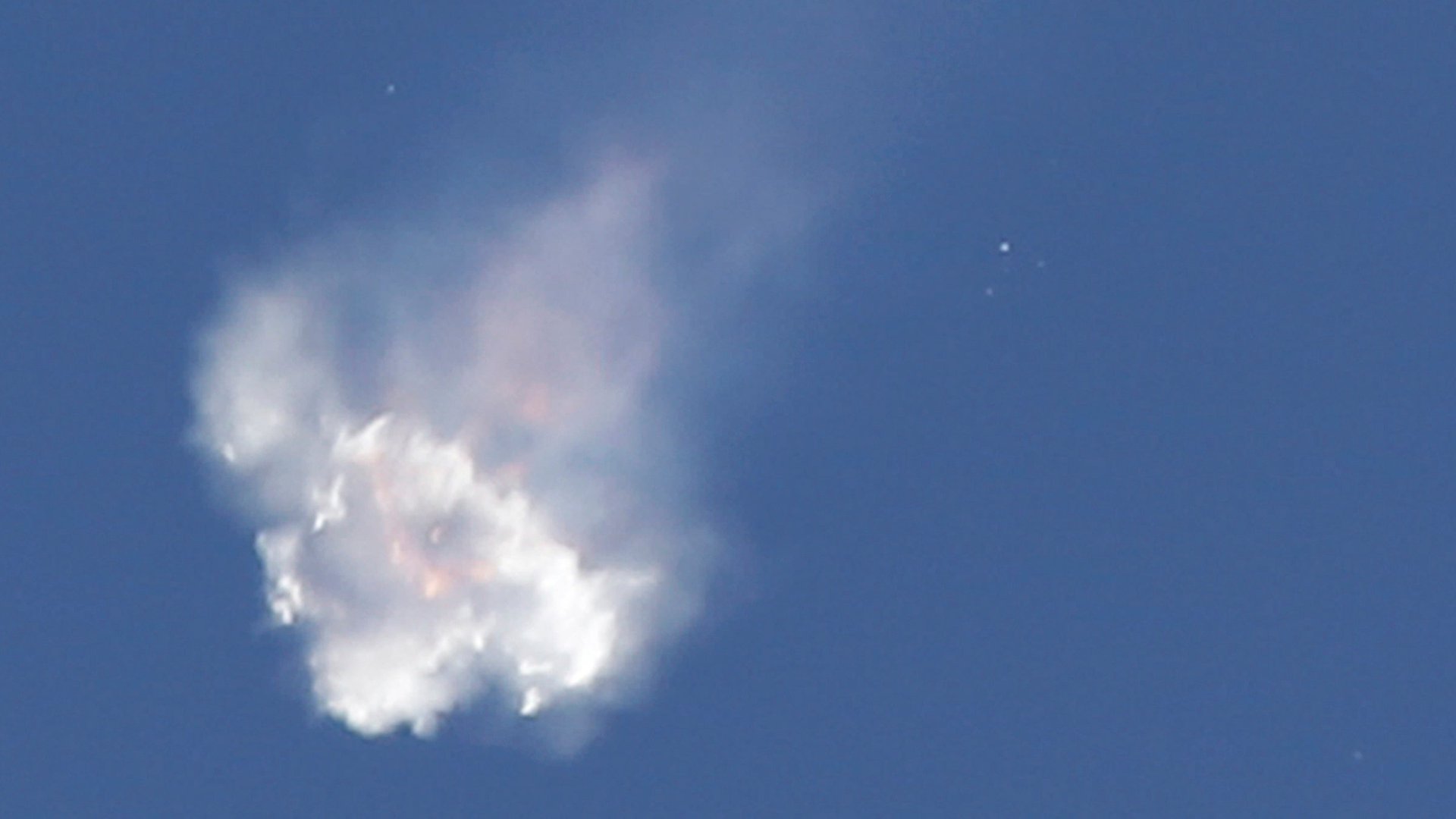
For the first time, NASA investigators said publicly that a design error was the initiating factor for the destruction of a SpaceX Falcon 9 rocket on a mission to the International Space Station in 2015.

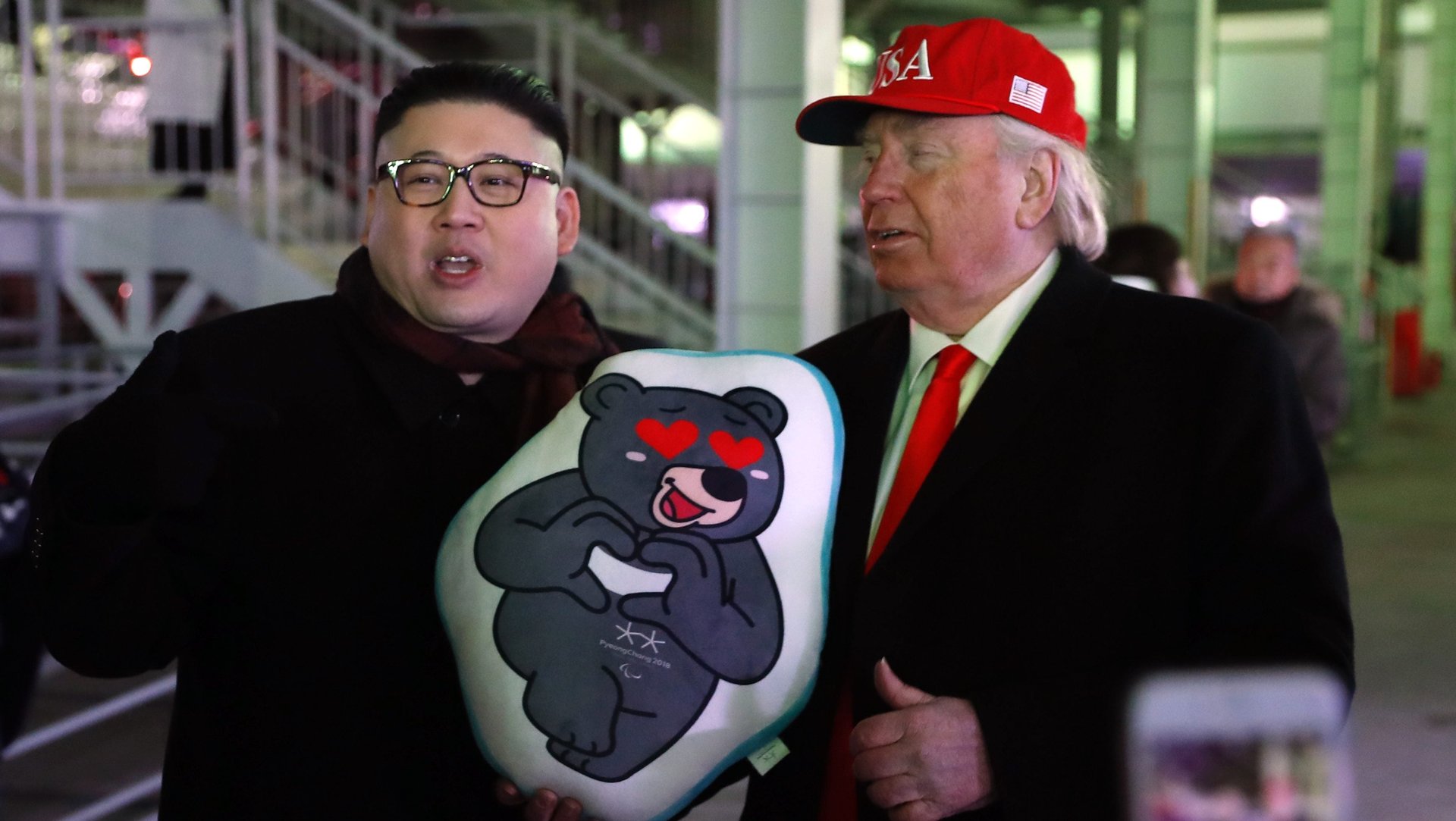
Donald Trump’s meeting with Kim Jong-un is a greater concession than he likely understands—and a bigger risk. But why should the presence of two humans in a room have such high stakes?

I was complaining to a former defense official recently about a senior spy type who refused to speak with me about a story.

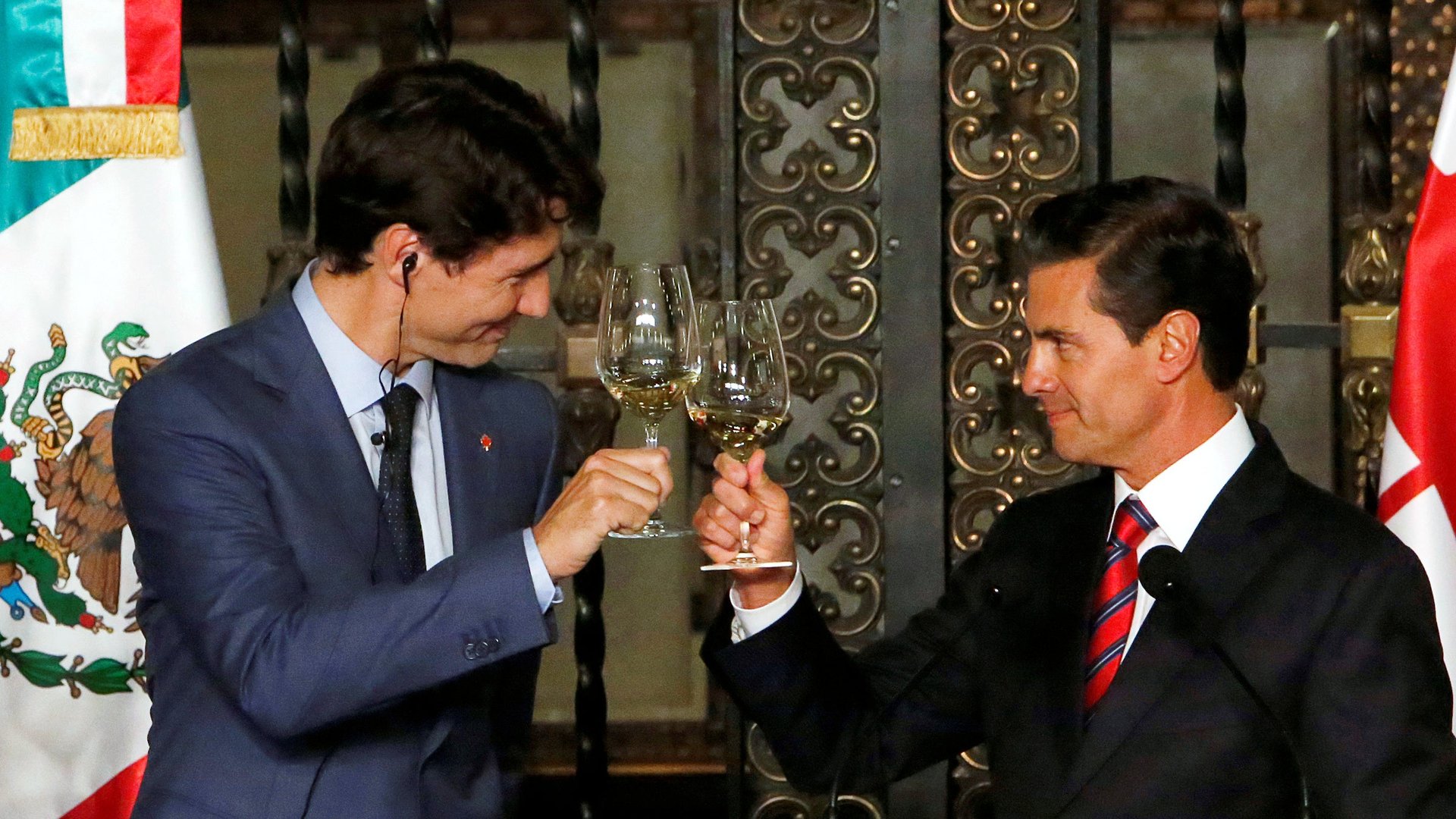
Eleven nations will formally enter into a new trade pact today designed to lower tariffs and bridge regulatory gaps around the Pacific rim, despite Donald Trump’s decision to pull the US out of the deal last year.

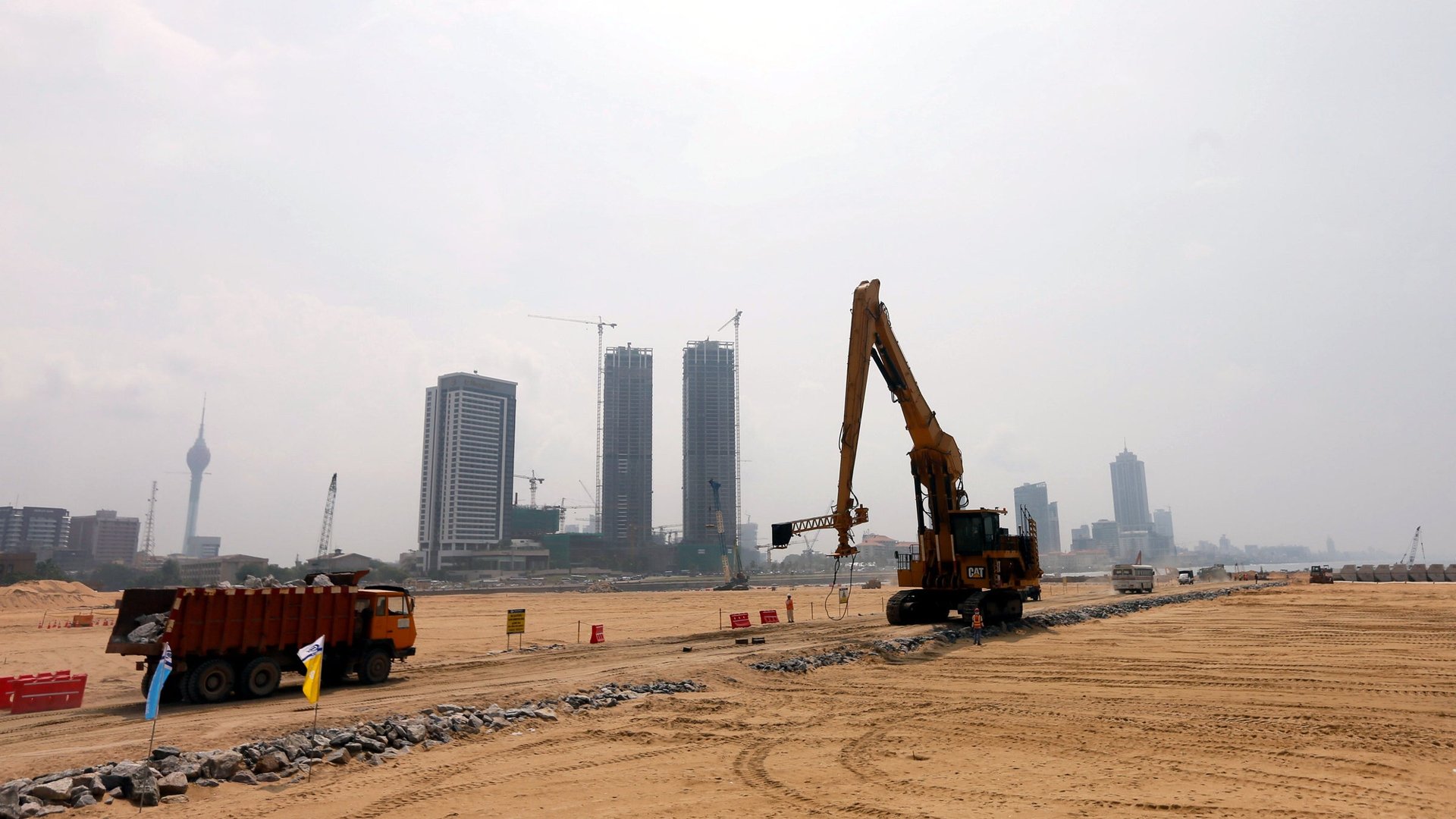
Last year, with more than $1 billion in debt to China, Sri Lanka handed over a port to companies owned by the Chinese government. Now Djibouti, home to the US military’s main base in Africa, looks about to cede control of another key port to a Beijing-linked company, and the US is not happy about it.

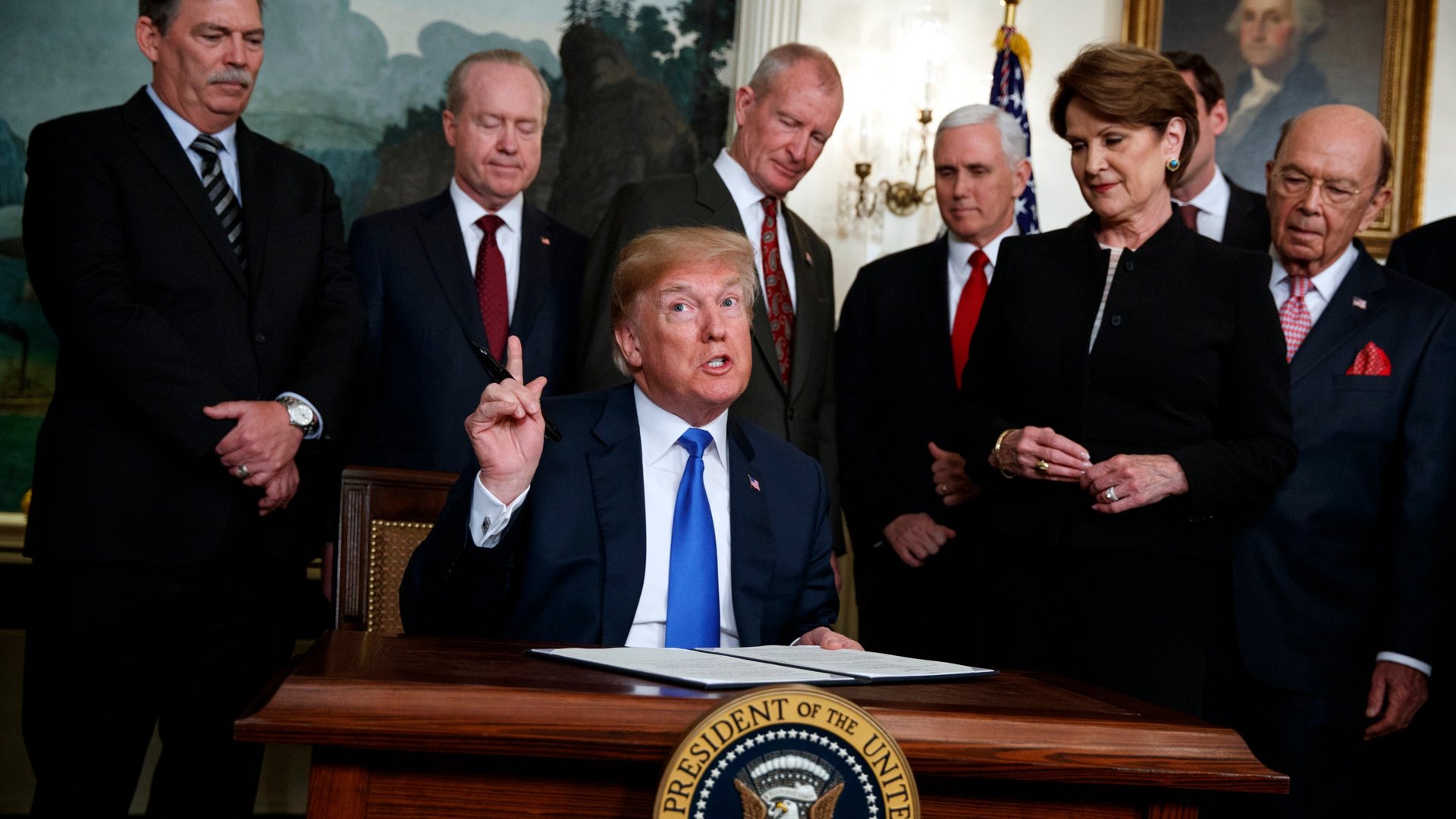
Donald Trump claims that steep new import taxes on aluminum and steel will protect US national security. Few people believe him, and that’s a problem for him—and the world.

In less than a decade, SpaceX has gone from launching its first vehicle into space to flying its workhorse Falcon 9 rocket a total of 50 times.

The venture fund known for arguing that “software is eating the world” has taken a bite out of space with an $18 million investment in a satellite-builder called Astranis.

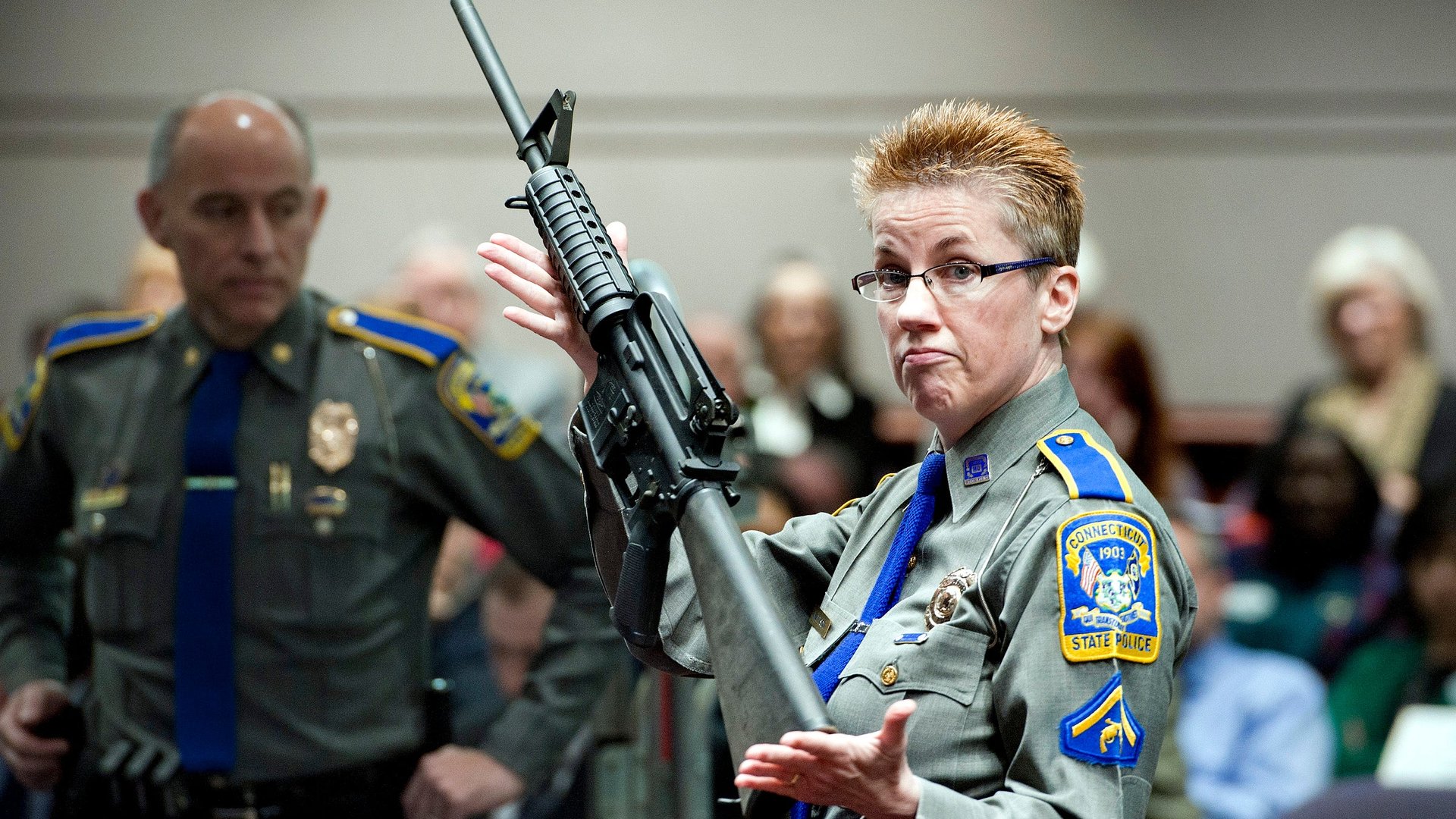
It took six years for Stephen Feinberg to sell his AR-15 company.

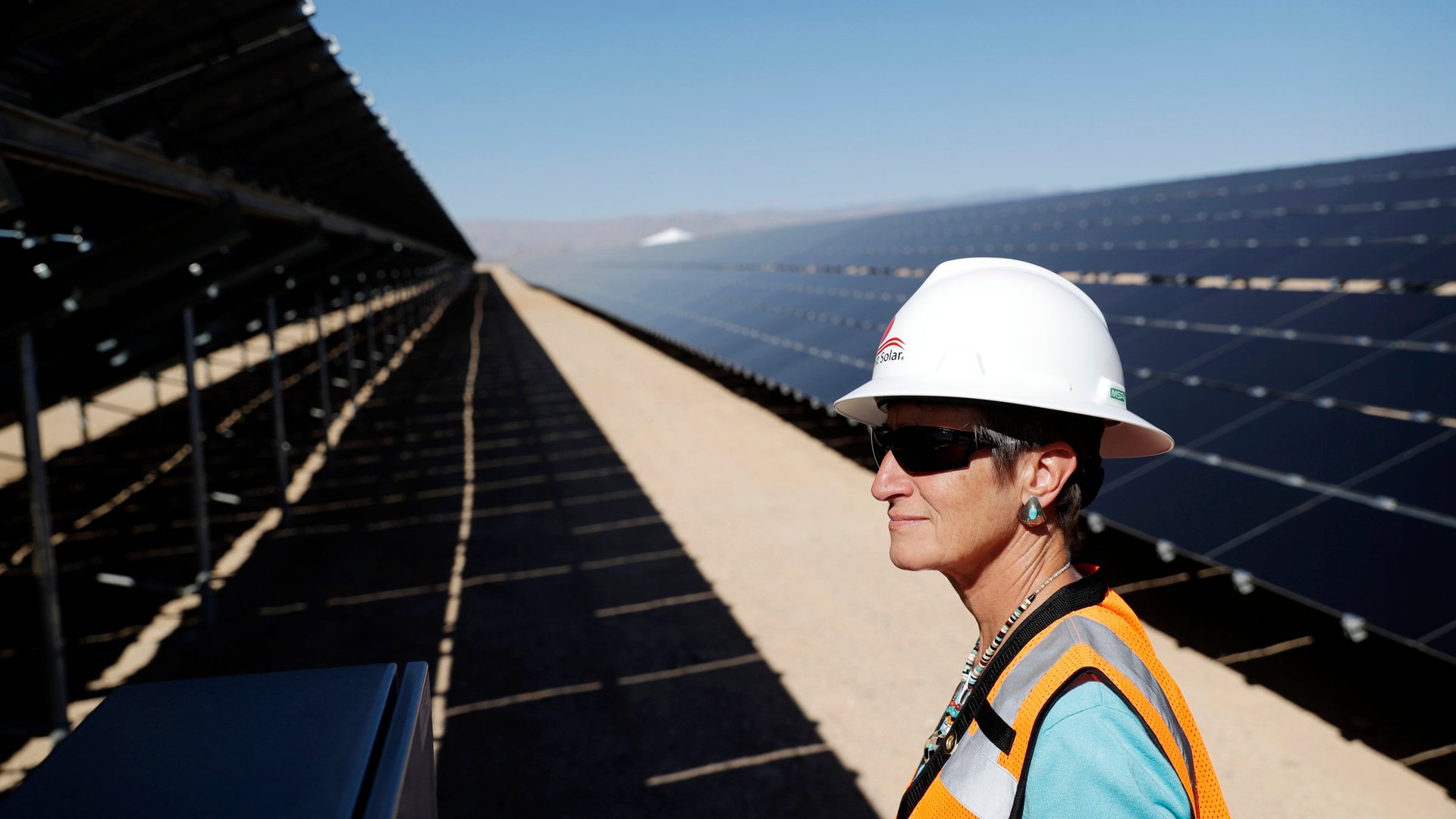
Americans used less electricity from power plants in 2017 than they did in 2016, with an increasing proportion coming from renewable sources.

Update: Due to high wind speeds in the upper atmosphere that could lead to a mission failure, this launch was rescheduled to launch this morning, Feb. 22.

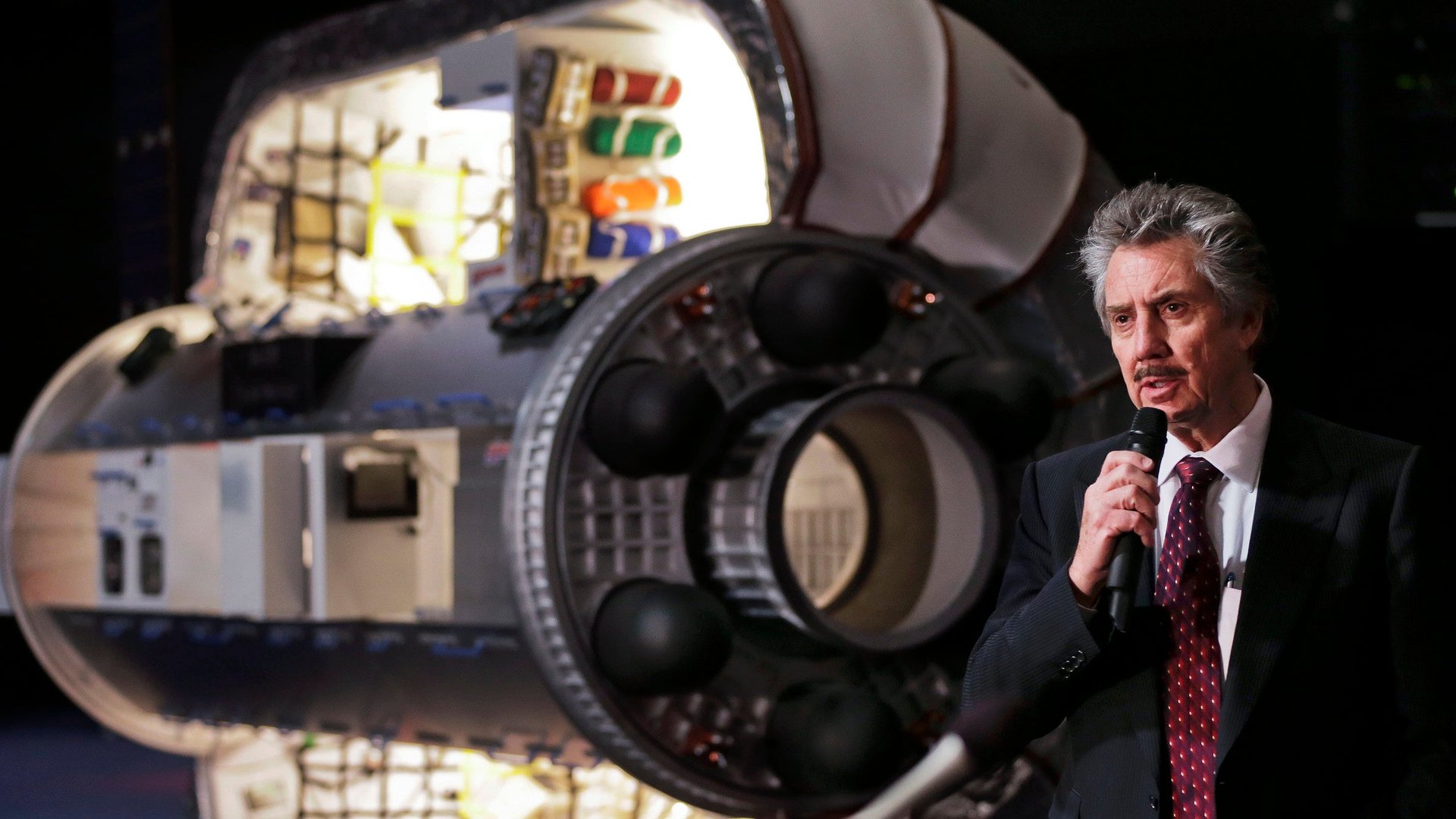
A decade ago, Robert Bigelow thought he was on the verge of success: His company operated two uncrewed prototype space habitats in low-earth orbit, with a plan to launch a full-scale version full of people by 2010. That didn’t happen—in part because the global economy collapsed.

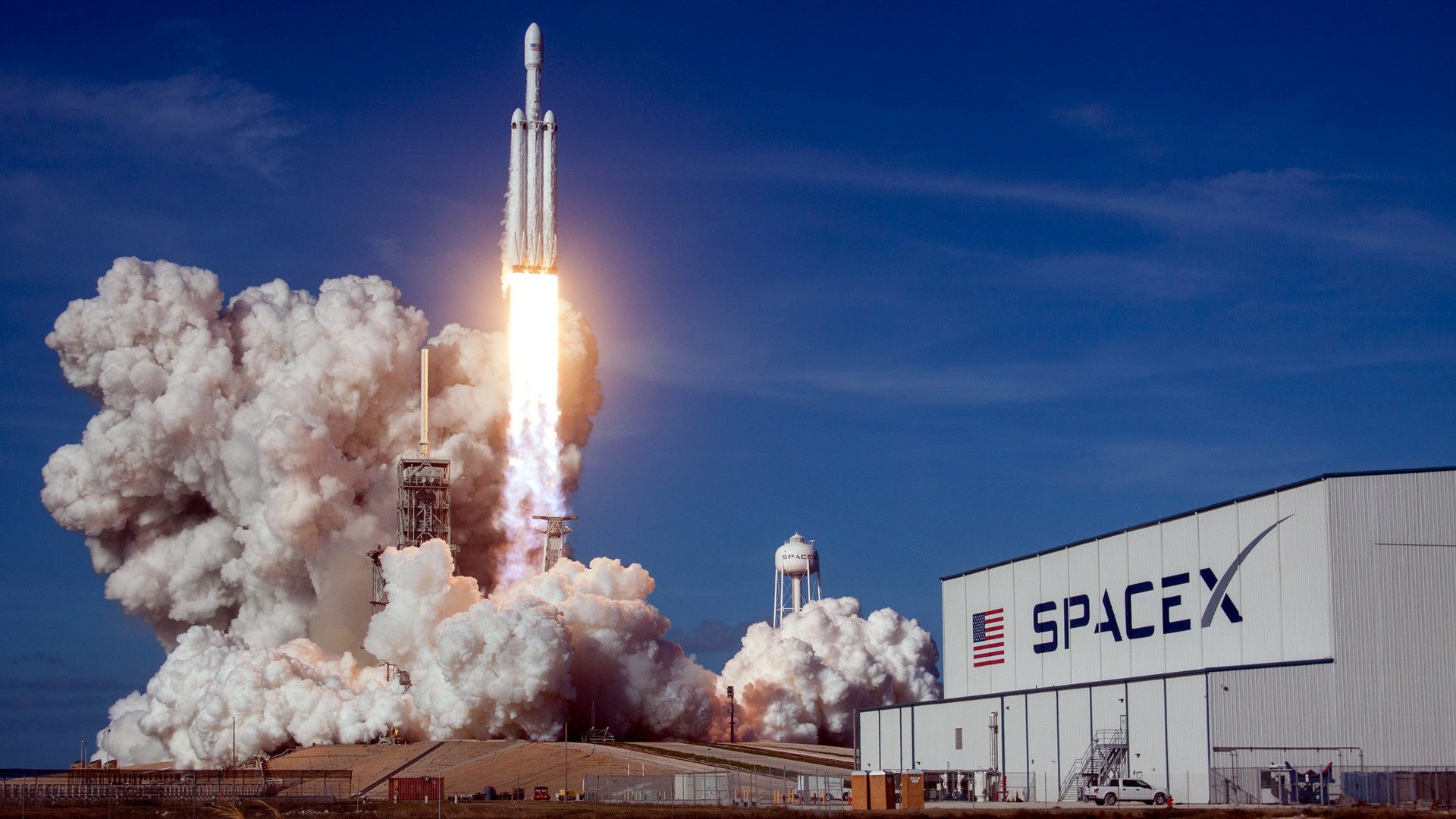
When SpaceX’s Falcon Heavy rocket debuted this month, China’s aerospace community was mostly envious, noting that their equivalent rocket, the Long March 9, would not be ready for another decade. One story in state media observed that “to put it more bluntly, this time the Americans showed us Chinese with pure power why they are still the strongest country in the world.”

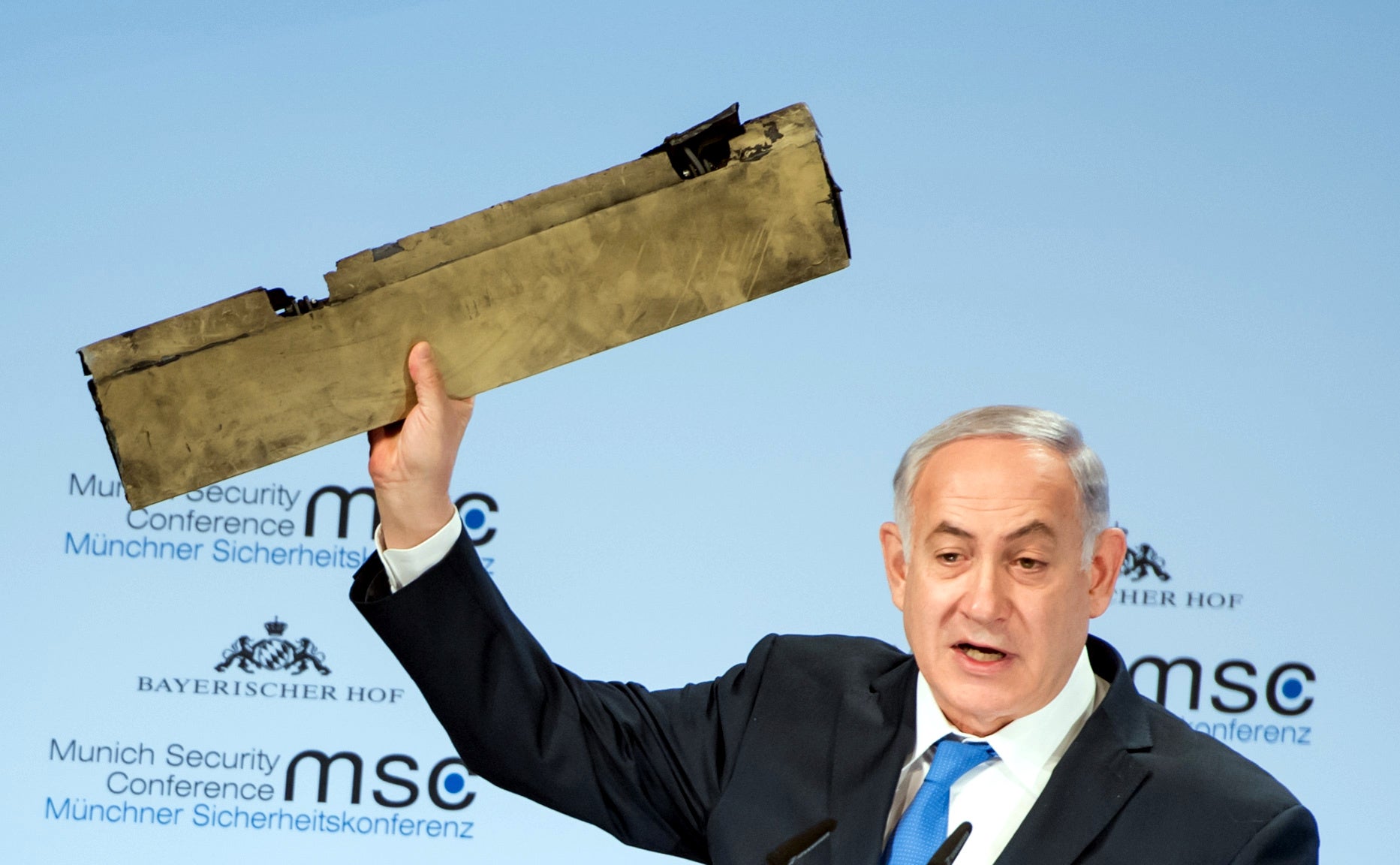
Israeli Prime Minister Benjamin Netanyahu punctuated a speech at an international security conference on Feb. 18 by brandishing what he claimed was a piece of an Iranian drone that had been shot down inside his country’s borders.

The special counsel investigating foreign interference in the 2016 US presidential election has accused 13 Russian nationals and several related organizations with committing fraud to support Donald Trump’s presidential campaign and sabotage his rival, Hillary Clinton.