Donald Trump’s brain trust faces a thorny problem in Afghanistan, and true to form, is considering solutions with a built-in conflict of interest.

Donald Trump’s brain trust faces a thorny problem in Afghanistan, and true to form, is considering solutions with a built-in conflict of interest.

At least one kind of free trade is working out for the US—since the country ended a ban that blocked exports of crude oil to most countries, global sales have popped despite low prices.

This is what it looks like when a start-up disrupts an existing industry.

The intercontinental ballistic missile (ICBM) is back in the news in a big way now that North Korea claims to have developed this advanced weapons technology following a test flight on July 4. If true, this would give the Kim regime the ability to launch a nuclear weapon at Alaska, and perhaps the continental United States itself, within just half an hour.

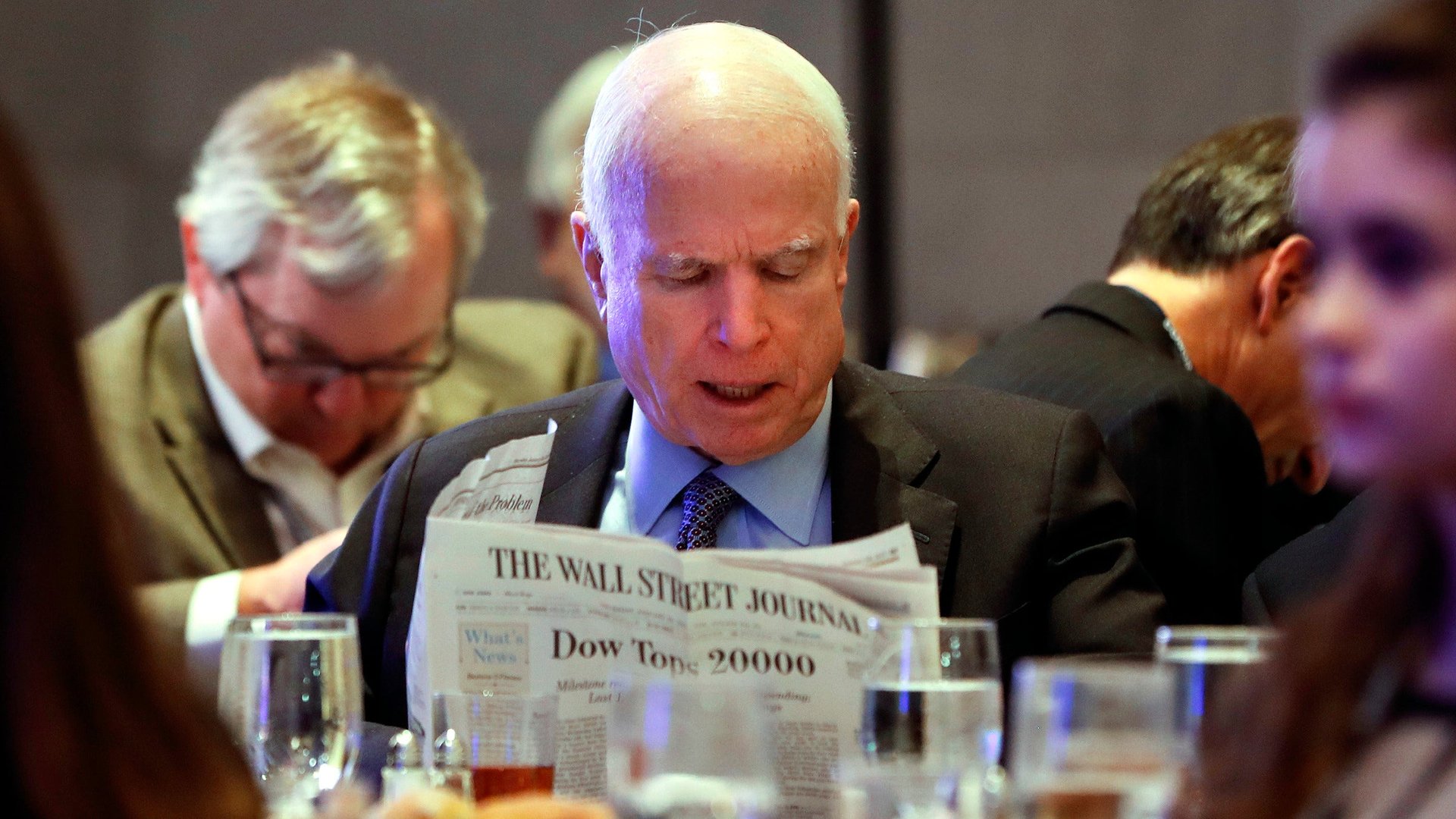
Grilling, sunbathing…and reading about how bad things are going at your job on the front page. Welcome to a holiday weekend for a Republican senator.

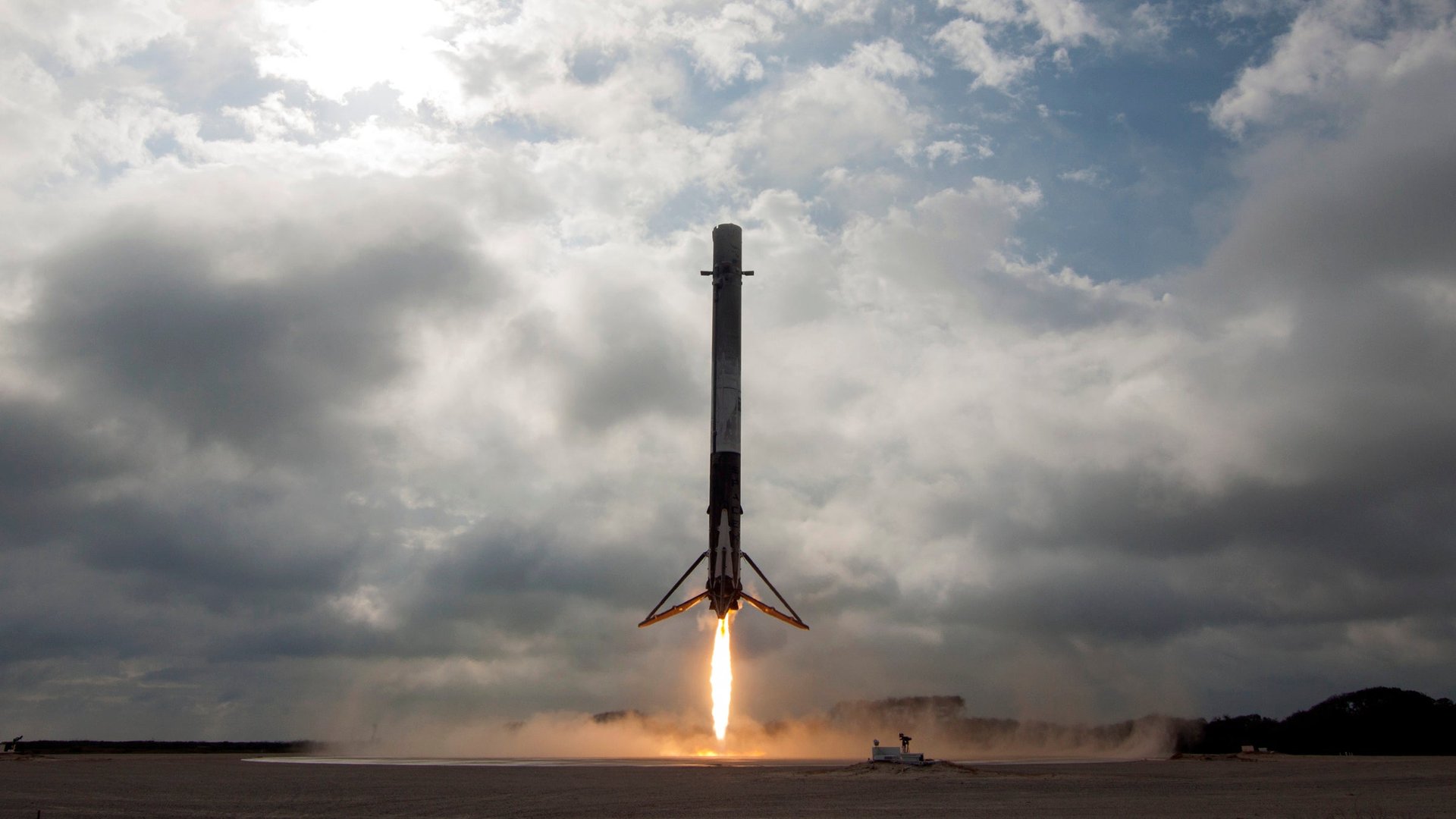
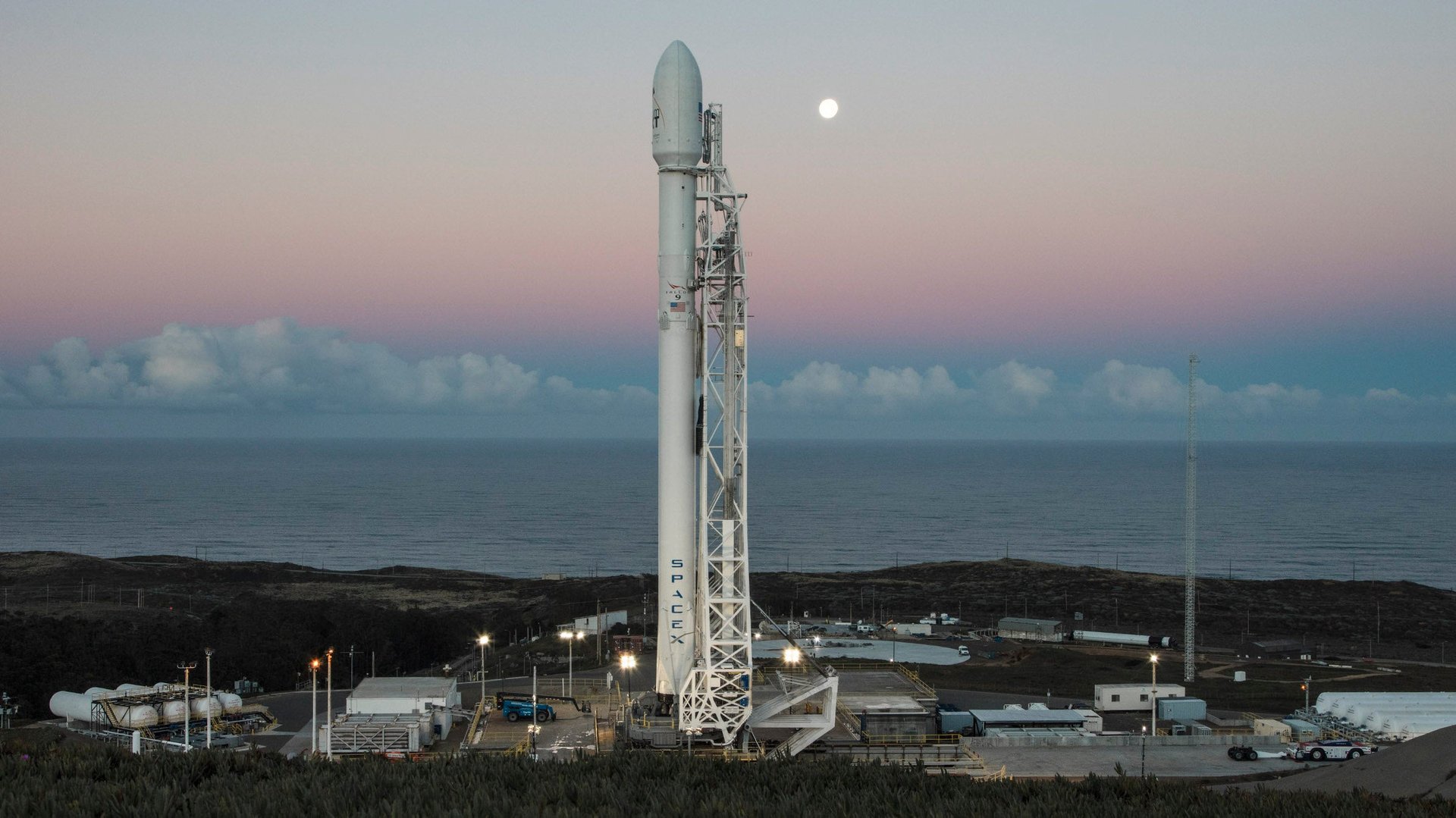
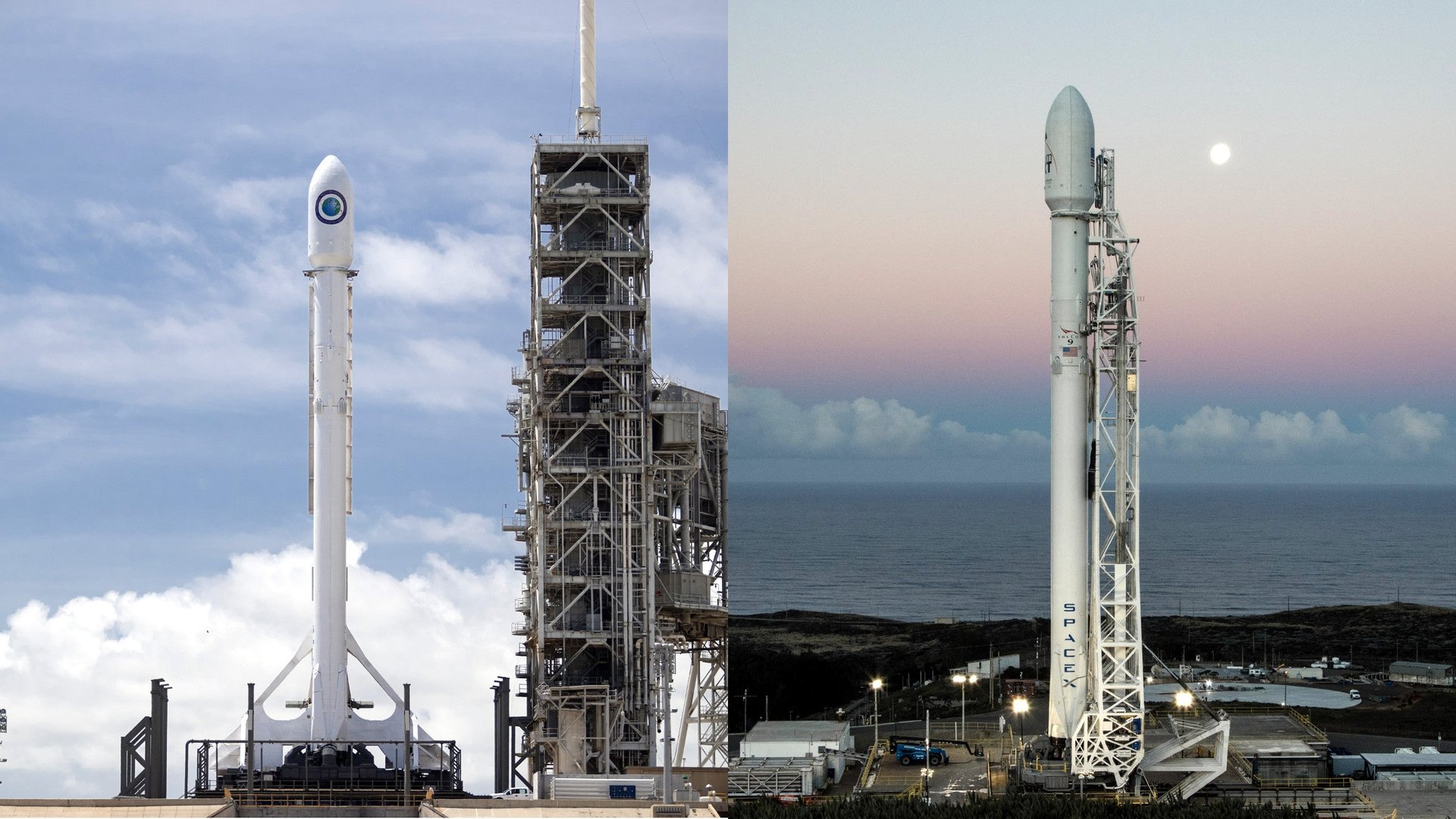
In June 2017, SpaceX launched three rockets into space. It also returned the first stages of those rockets, 14 stories tall and weighing 20 tons (18 metric tons), back to earth, where they settled onto floating barges in both oceans and a landing pad at Cape Canaveral. One of those rockets had already been flown just months before, marking just the second time a commercial rocket has been reused to fly a satellite into orbit.

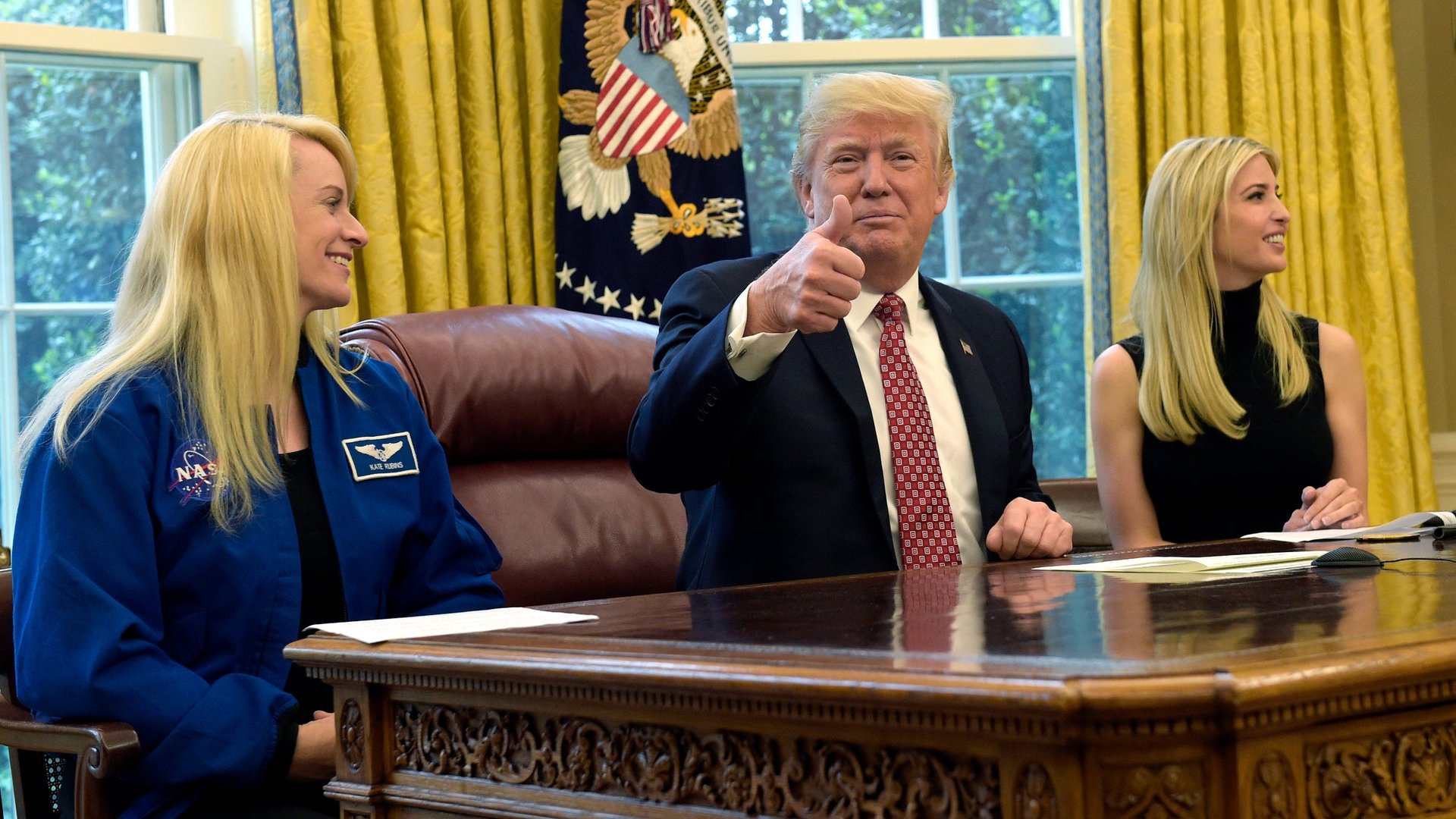
With no fanfare, US president Donald Trump signed an executive order today to re-form the National Space Council, creating a new body to coordinate space policy across the government.

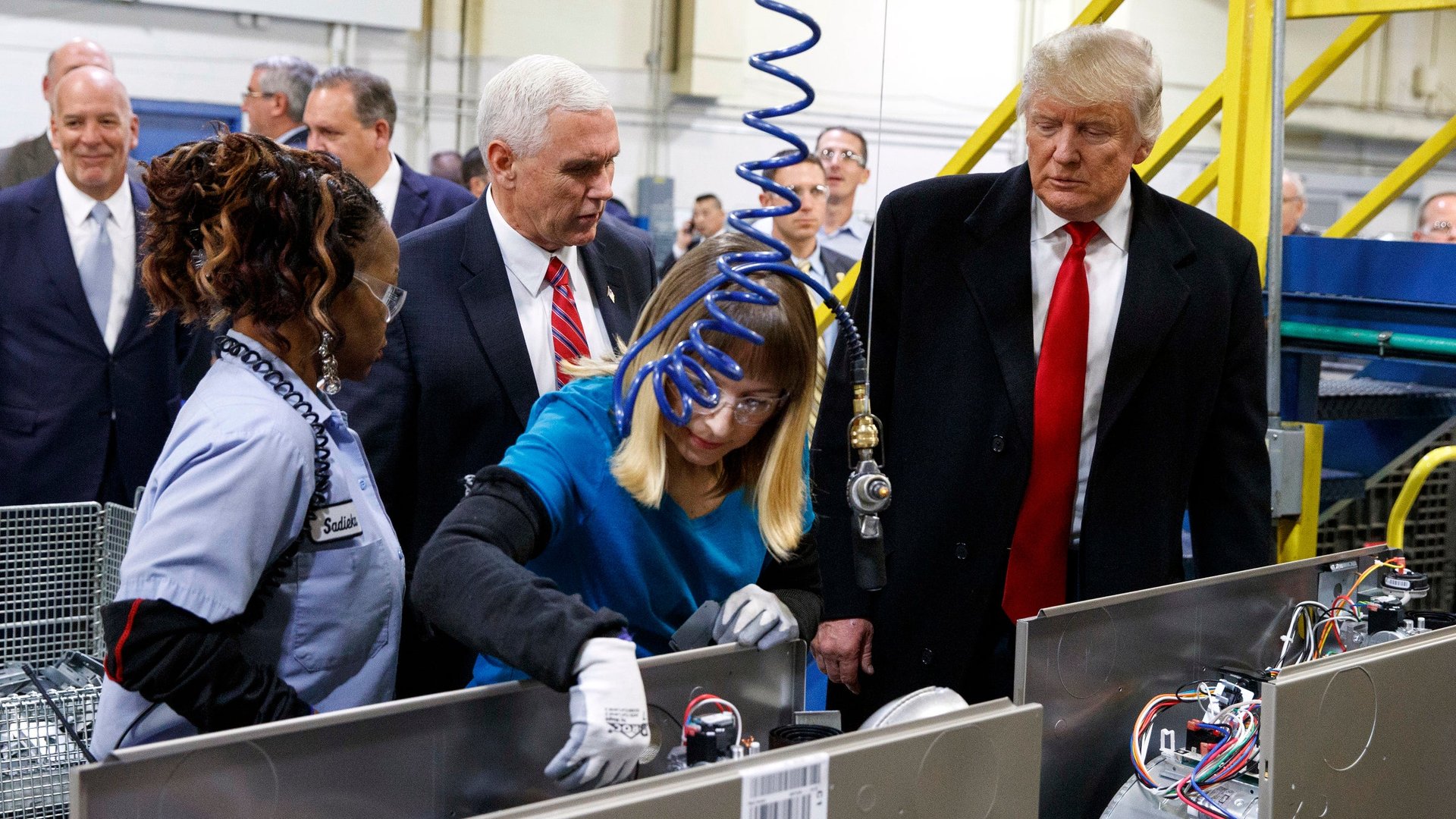
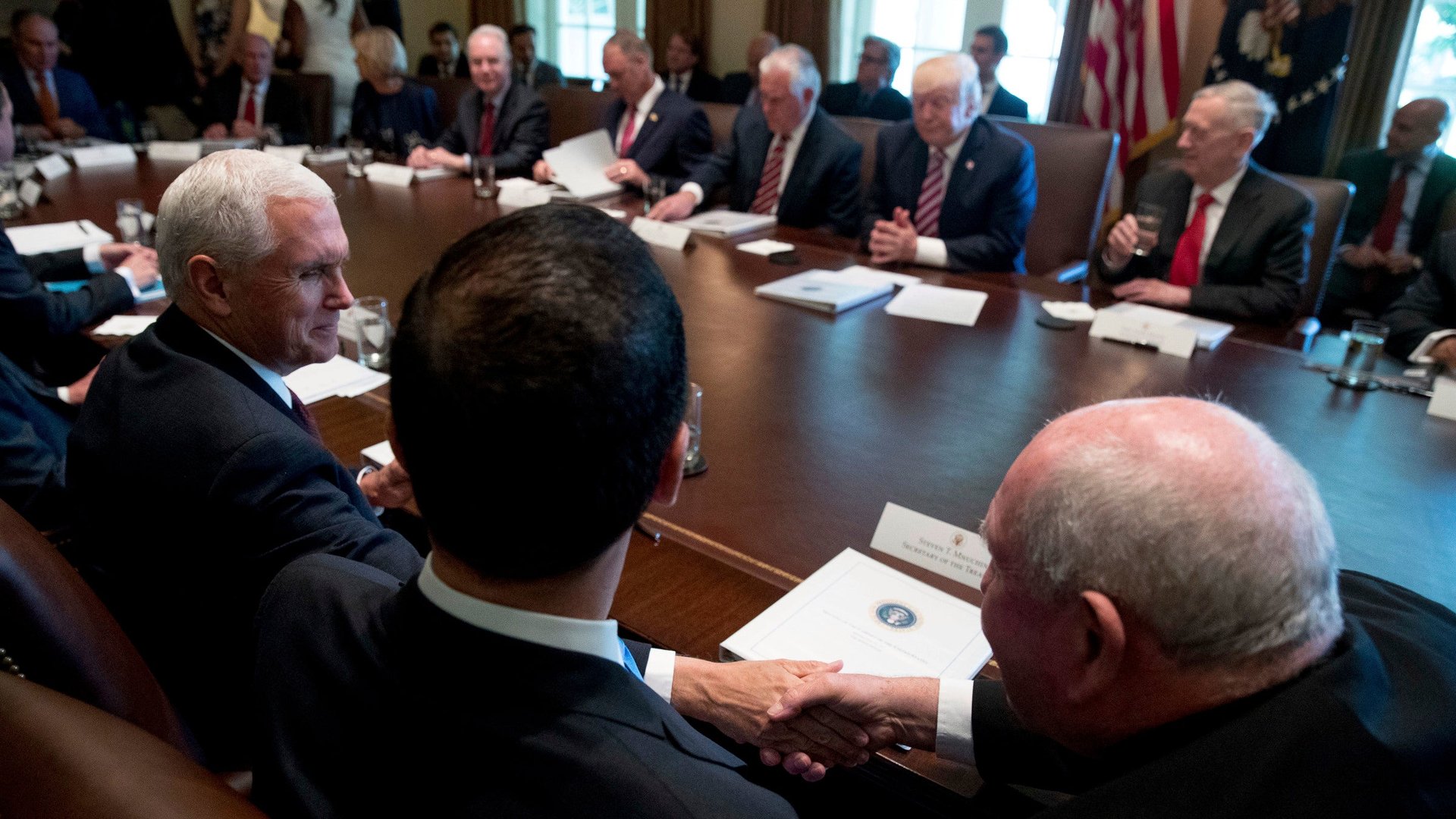
As part of his “America First” principles, president Donald Trump and the steel industry figures he has brought into his administration, including commerce secretary Wilbur Ross, are planning to overrule virtually his entire cabinet to impose 20% tariffs on steel imports, Axios reports. They plan to cite “national security” concerns.

Donald Trump picked a fight with Jeff Bezos today with a highly erroneous tweet apparently intended to strike back at the Bezos-owned Washington Post’s coverage of his administration. The digital nastygram suggested Bezos’ company Amazon owns the Post (it does not) and that Amazon does not pay internet taxes (which do not exist).

This chart, drawn from Congressional Budget Office analysis of the health-care legislation proposed by Republican lawmakers in the US Senate, shows fairly effectively the bill’s impact on US insurance coverage: It will, to much the same extent as the previous (House) version, reverse the increase in coverage (i.e, the drop in the number of uninsured people) engendered by president Barack Obama’s health-care law. Whatever else the new bill’s advocates may argue—that insurance doesn’t help people very much, or that it’s not the job of the government to provide health care—the reality is fairly simple: Millions more people, most of them poor, will carry more personal financial risk from illness and accident if this law is enacted.

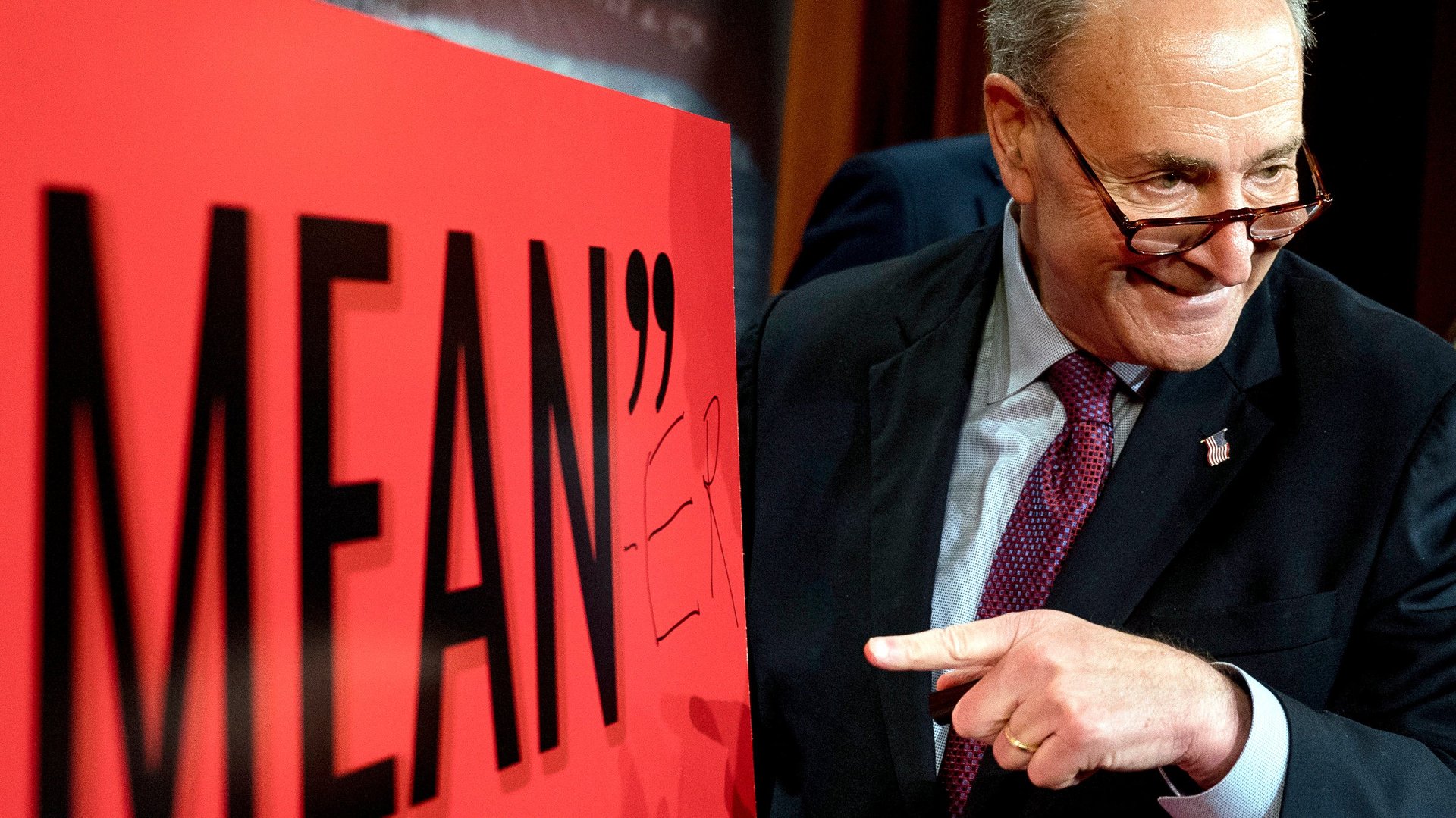
The first version of the Republican health-care bill was rejected by the US House of Representatives. The second was derided as “mean” by president Donald Trump. Now the Congressional Budget Office (CBO) has delivered its independent assessment (pdf) of the third and latest proposal to overhaul the US health care system and plough any savings into tax cuts for the wealthy, and the deal is not good.

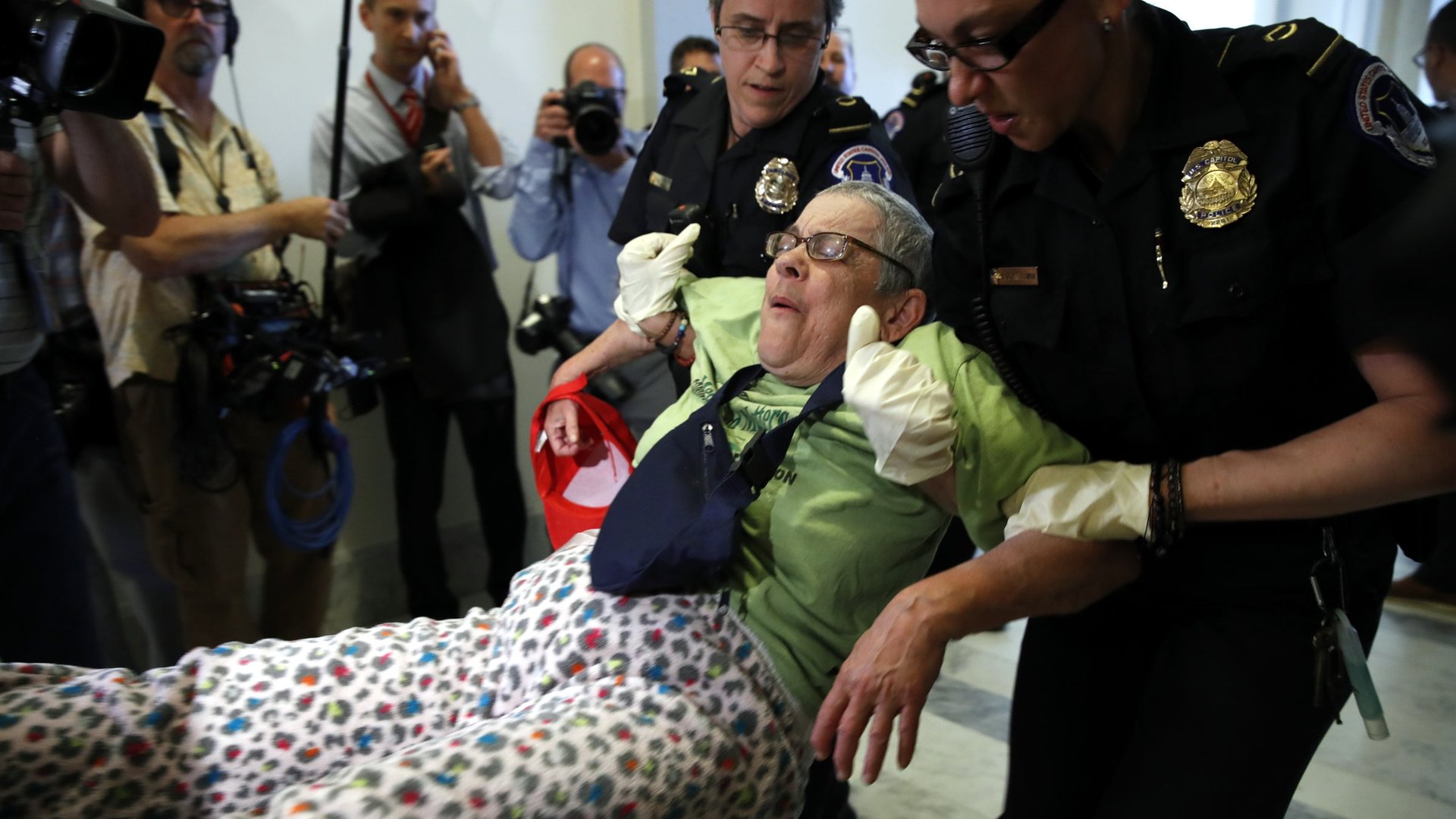
The Republican attempt to re-write the US health-care system is the main story in Washington this week, and the focus is largely on how the bill cuts spending on Medicaid, the health program for poorer Americans. But the cuts will actually affect a far wider swathe of the country—potentially, anyone elderly who isn’t pretty wealthy, and their families.

Iridium made the first major commercial attempt to build a big-time satellite network back in the 1990s. Now, the company is turning to SpaceX to help replace its aging constellation—an operation Iridium likes to call the world’s largest tech upgrade.

The mission for SpaceX employees is fairly simple: Reduce the cost of access to space so that humans can become a multi-planetary species.

As we’ve written, the health-care bill currently before the US Senate transfers money from health coverage for millions of poor Americans to tax cuts for the wealthiest. But what’s been less noticed is that it does so retroactively. And that’s going to be rather nice for some people close to a certain president Donald Trump.

The US Senate has finally released the health care bill (pdf) it has been writing behind closed doors and intends to vote on next week. Despite concerns from some lawmakers and even president Donald Trump that the bill would be too “mean” to low-income Americans—particularly those reliant on Medicaid—early reads of this new version suggest that it may hit poor voters even harder than the House version, which was passed in early May.

Elon Musk’s rocket company SpaceX has a busy weekend ahead, with two launches on opposite sides of the US scheduled for June 23 and June 25.

When it comes to the creation of the US health care law that came to be known as Obamacare, one thing to remember is that it took forever.

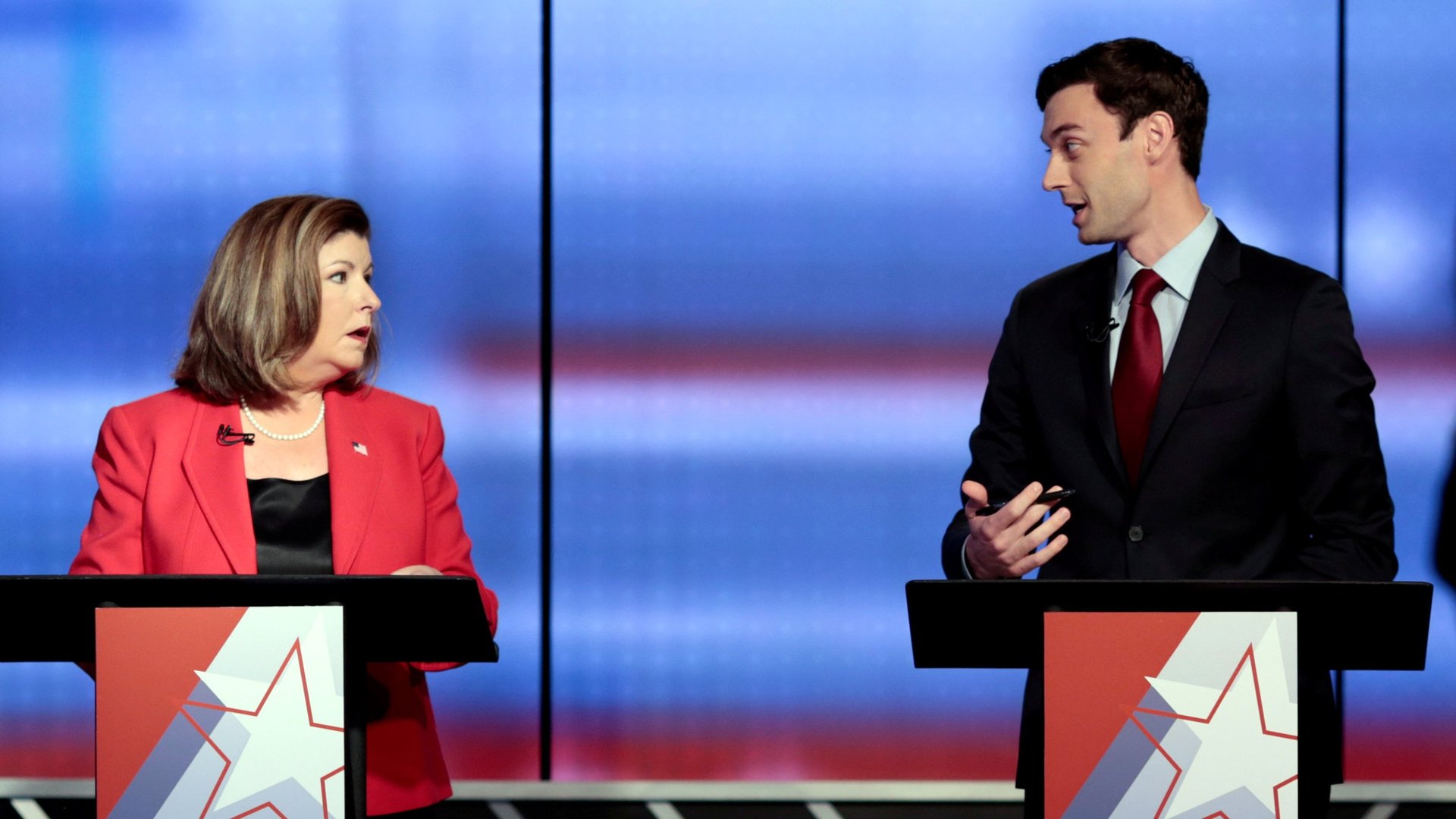
It’s meant to choose the winner in just one of 435 congressional districts across the United States, but the outcome of an election today (June 20) in suburban Atlanta could put the brakes on the entire Republican legislative agenda promoted by US president Donald Trump.

An $834 billion cut to Medicaid, the government’s health insurance for the poor, is the biggest single change in the health-care bill that the US House of Representatives passed in May and the US Senate is currently considering. The Congressional Budget Office estimated this cut would leave 14 million more low-income Americans without coverage by 2026 than would otherwise be the case.

It’s no given that the top-secret health care plan being pondered by US Senate Republicans will be enacted, given the ideological divides within the party on basic issues like how much the government should subsidize health care. The bill isn’t popular with the American public and appears likely to substantially worsen coverage and raise prices for many consumers.

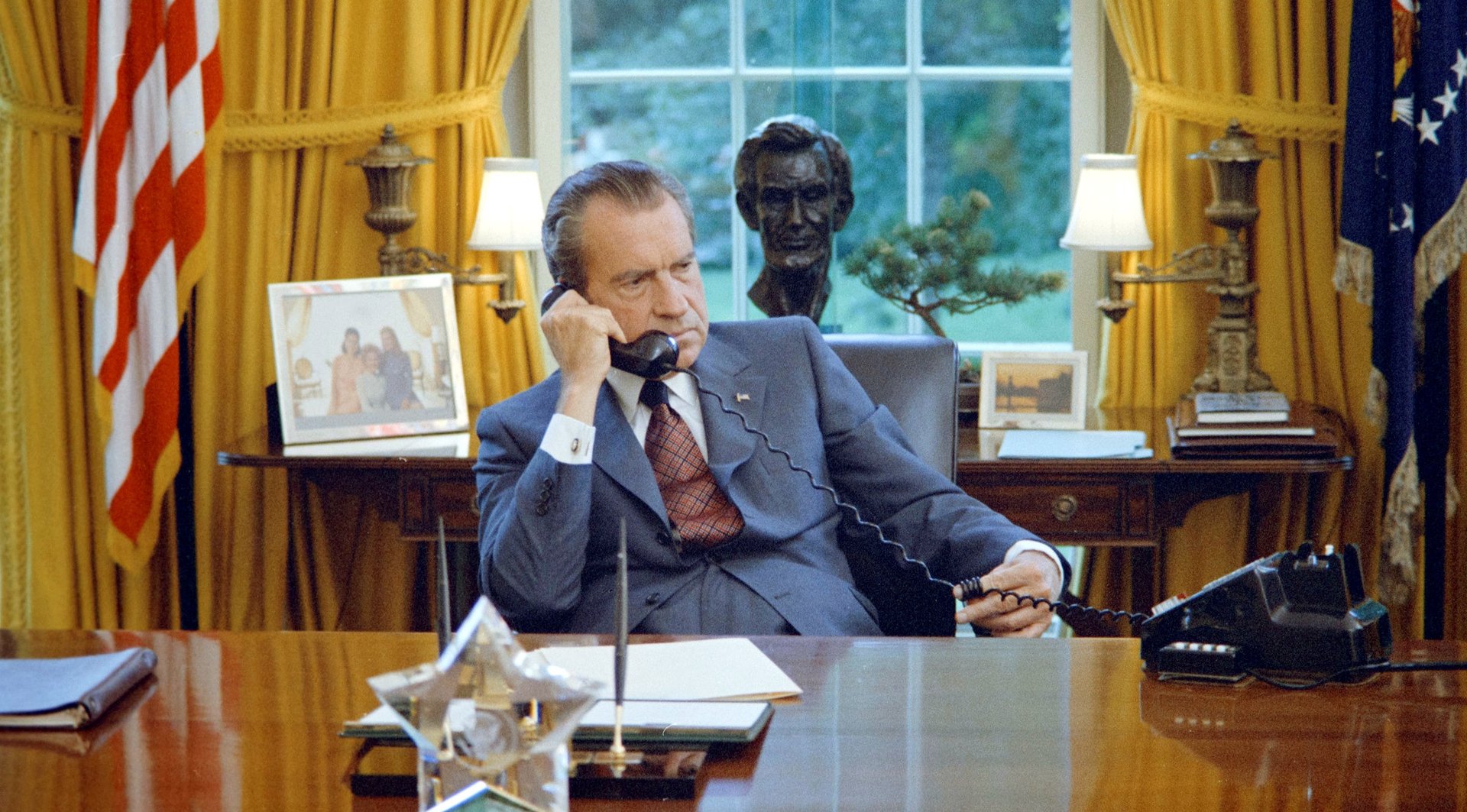
Forty-five years ago yesterday, five men were arrested after being caught breaking into the headquarters of the Democratic National Committee at the Watergate Hotel. An investigation into their actions, and their connections to the White House and then-president Richard Nixon, would end with Nixon resigning in disgrace.

Donald Trump is setting out to Miami in an airplane, but it might as well be a time machine. In a speech tomorrow (June 16), the US president will announce rollbacks of the normalization with Cuba that Barack Obama began, setting US relations with the island back to the decades of the Cold War.

Senate Republicans are currently revising the proposed new law that would overhaul the American health care system, equivalent to about a sixth of US economic production. They won’t tell anyone what’s in it.