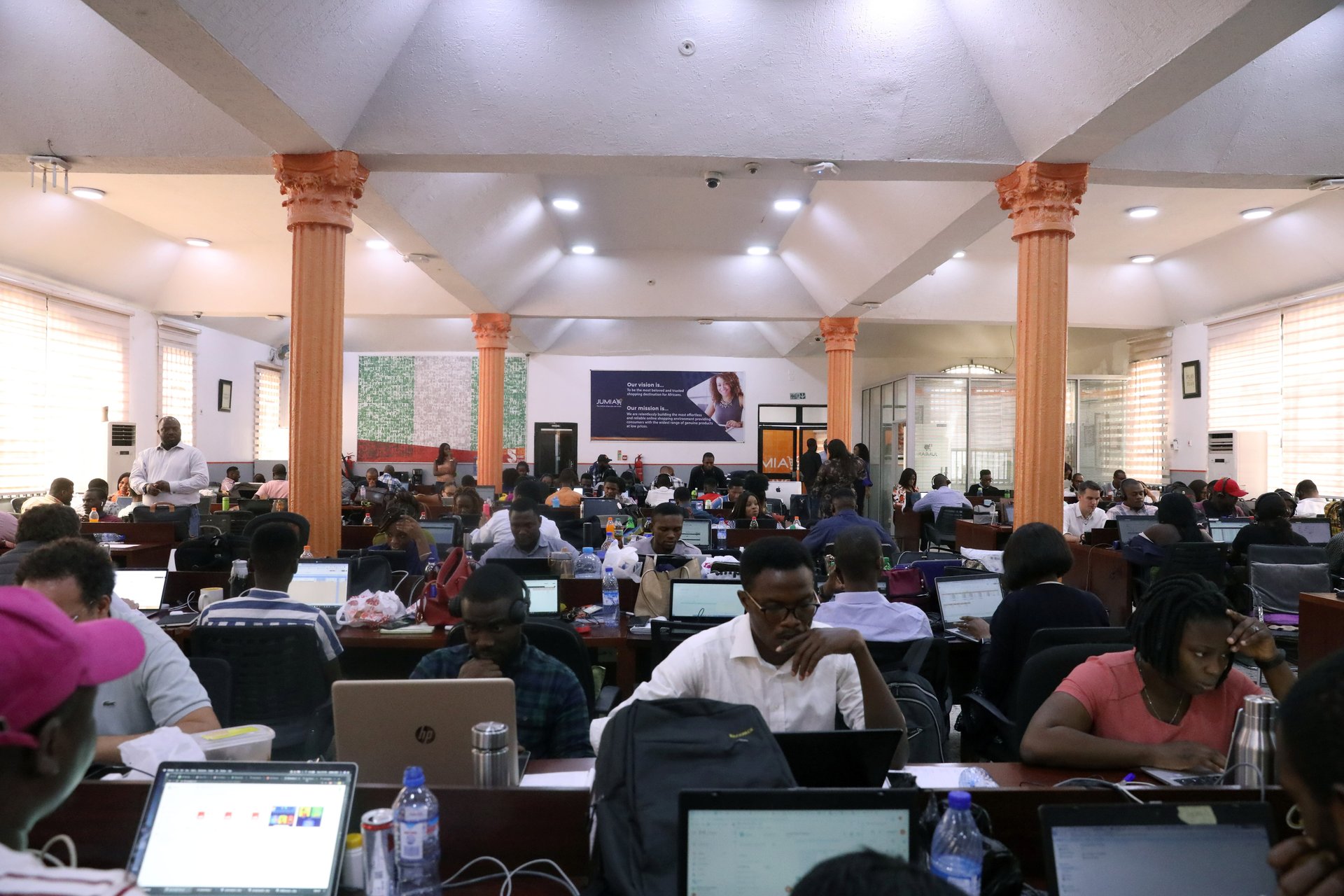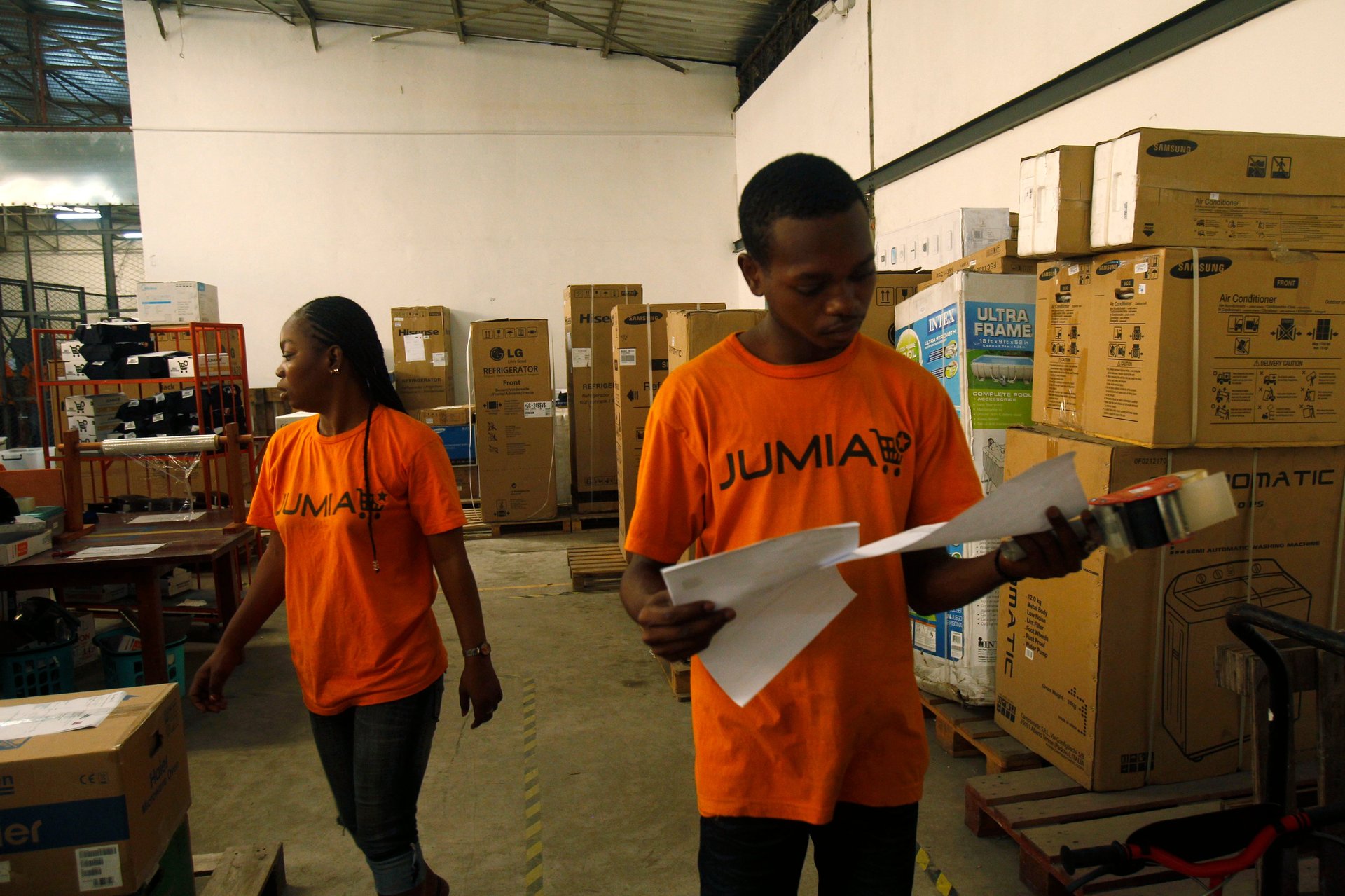
Jumia, the largest e-commerce operator in Africa, saw its losses narrow slightly even as revenue dropped by 7% in the first quarter of 2020, as the impact of the coronavirus pandemic varied by product category and country.

Jumia, the largest e-commerce operator in Africa, saw its losses narrow slightly even as revenue dropped by 7% in the first quarter of 2020, as the impact of the coronavirus pandemic varied by product category and country.

Over the last five years, the dominant trend across Africa’s largest tech ecosystems has been a record-breaking investment boom. From payments and e-commerce to health and renewable energy, several fledgling startups have convinced backers of their long-term potential for growth and profits.

Nigeria is starting a “gradual” easing of Covid-19 lockdowns in three major states today (May 4) but data shows the timing could not be worse.

After a month-long lockdown, Nigeria will begin easing coronavirus restrictions in some major cities next week.

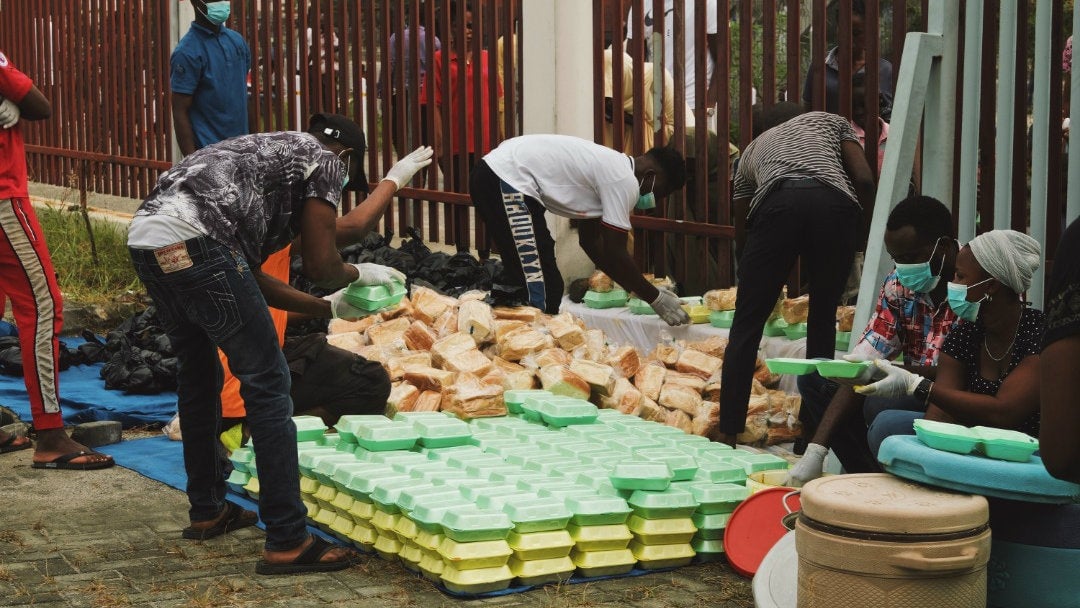
When Seun Adebajo’s family launched the People’s Food Bank 10 days ago in Lekki, an upmarket Lagos suburb, the plan was to feed 300 people from nearby lower-income neighborhoods amid a coronavirus lockdown. But things have changed very quickly as the food bank now feeds 3,000 people daily—and there’s every indication the number will continue to increase.

Even as media businesses around the world struggle to maintain advertising revenue, in Nigeria they are ever more dependent on advertising because subscription models are still uncommon.

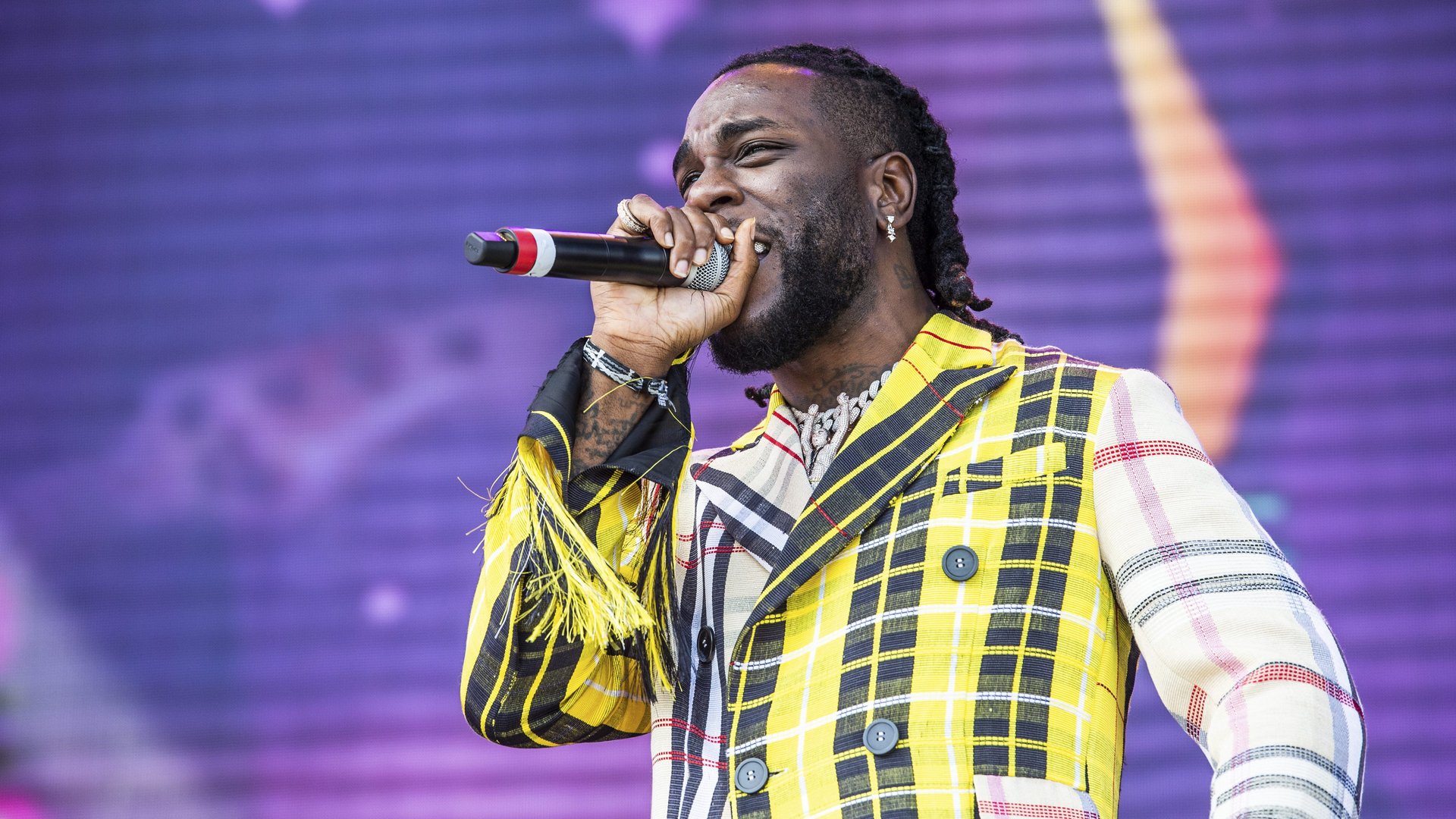
Apple Music, previously available in only 13 African countries, including Nigeria, Ghana, Kenya and South Africa, will now be accessible in 17 additional African countries.

The subject of funding is nearly always top of mind in Nigerian startup and venture spaces.

There’s a very obvious gap in global genomics data: only 2% of data used in available genome-wide association studies are of African ancestry.

A year ago this week, Jumia, the largest e-commerce operator across Africa, entered uncharted territory: it became the first major African-focused tech company to list on the New York Stock Exchange (NYSE).

Nigerian internet fraudsters, best known for romance scams and infamous business propositions from “Nigerian princes,” are now operating with a lot more sophistication.

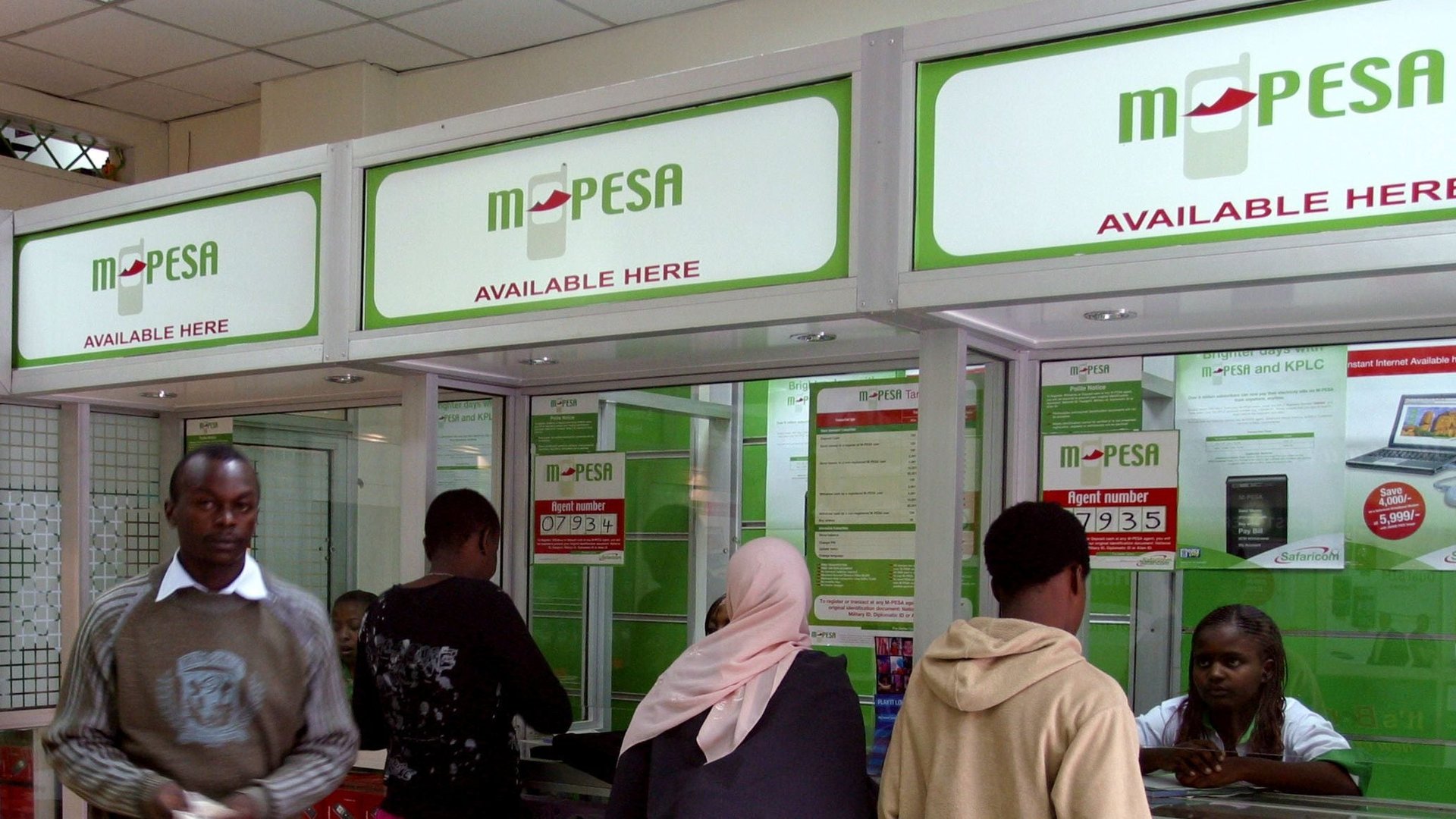
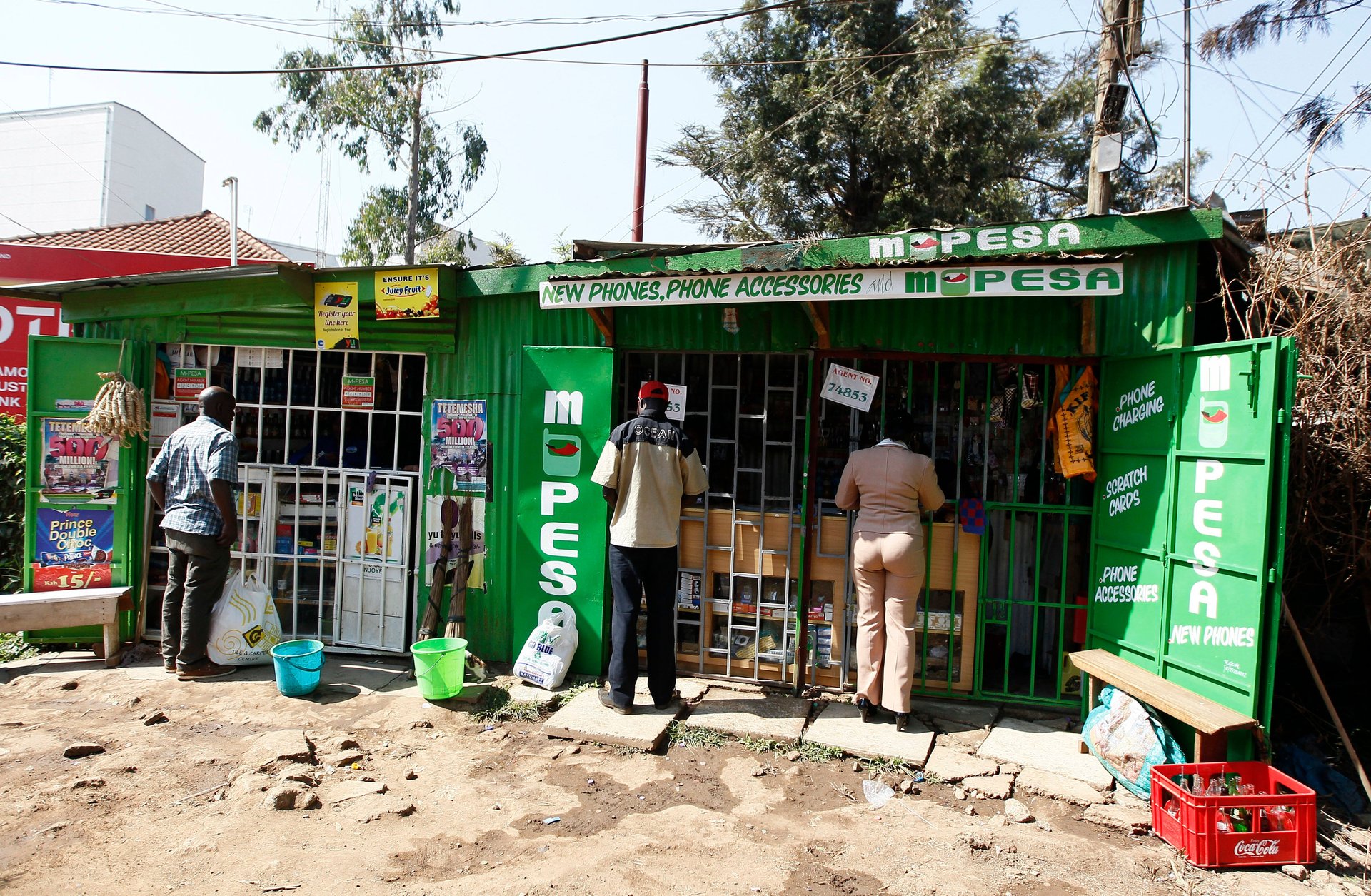
M-Pesa, the East African mobile money service, is now fully owned by two of Africa’s largest telecoms companies.

WhatsApp is trying again to limit the spread of misinformation through its platform.

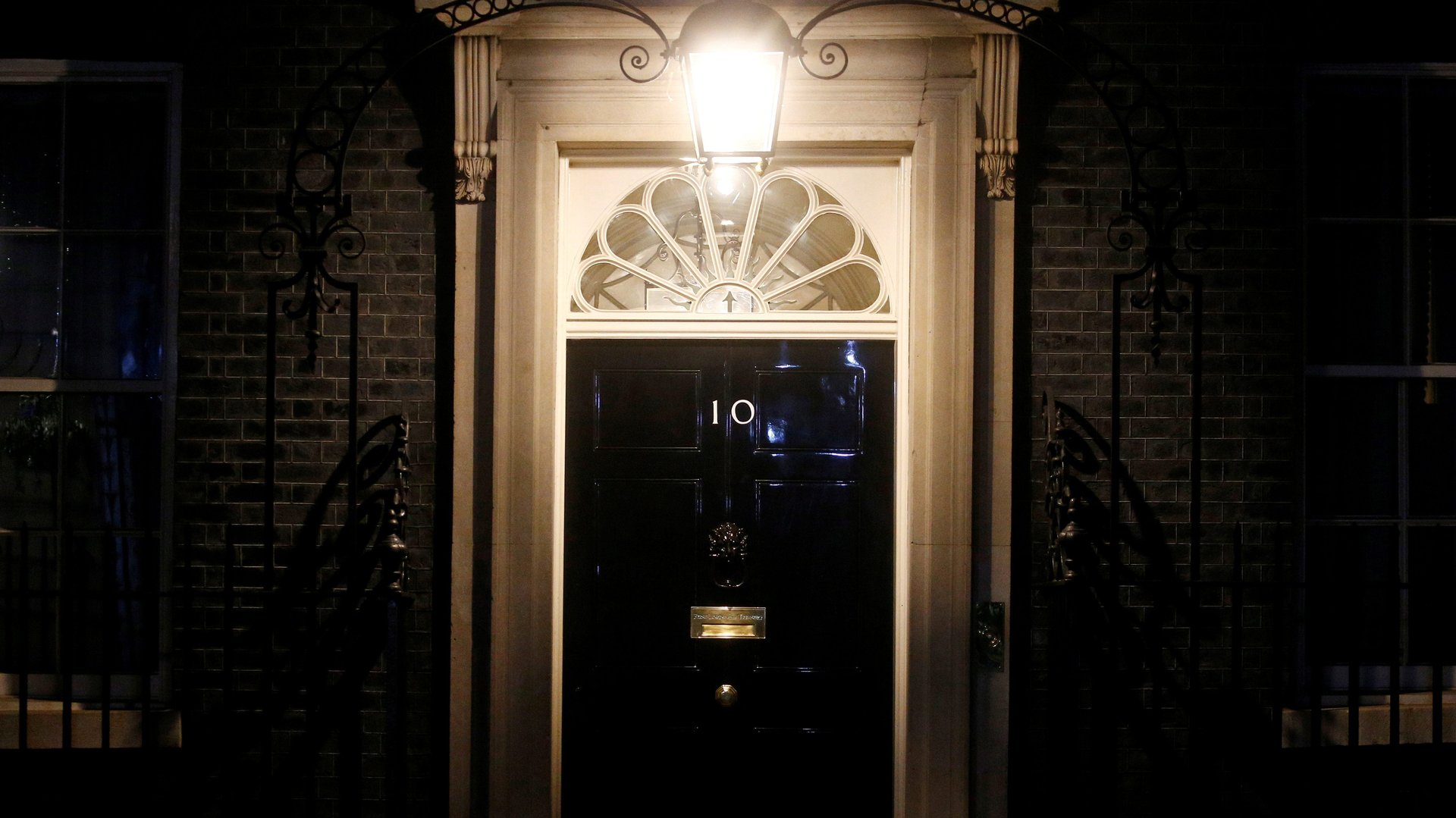
British prime minister Boris Johnson is in intensive care after his Covid-19 symptoms worsened on Monday (April 6). He has received oxygen treatment at a hospital in London, but has not been put on a ventilator.

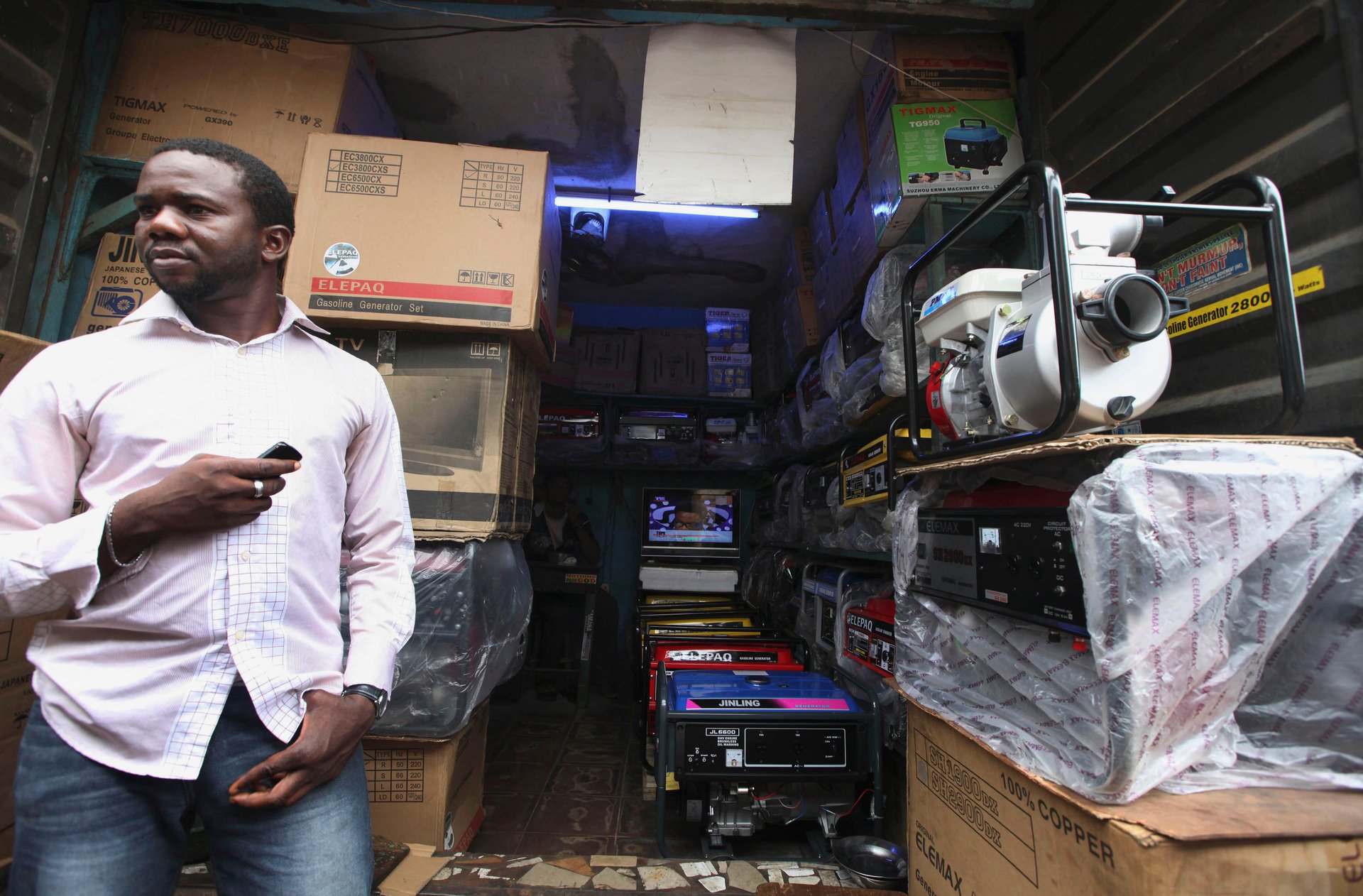
Three days before a lockdown came into effect in Lagos, Nigeria’s largest city, Esther Miller, a 23-year-old user interface designer, purchased 150 liters of petrol in anticipation of having to use her generator a lot more.

Three state governors and the president’s chief of staff are among the top government officials that have tested positive for Covid-19 in Nigeria.

Jack Ma, founder of Alibaba, made global headlines last week with his donation of essential medical supplies amid the coronavirus pandemic.

The global mobile money industry crossed a major milestone last year, reaching over a billion registered accounts.

Nigeria, Africa’s most populous country, has a case count of fewer than 50 coronavirus cases. But what’s become increasingly clear is that low number is not because the country has been lucky or particularly effective with preventing the spread of the disease—it’s more likely because local authorities are simply not testing enough people.

Employees at BuyCoins, a two-year old Nigeria-based cryptocurrency startup, will work from home for the foreseeable future in reaction to the threat of a coronavirus outbreak in Lagos, Nigeria’s economic nerve center.

Some of the most striking imagery of the impact of the coronavirus outbreak have been photos of empty streets and tourist hotspots in the world’s biggest cities.

With nearly 600 confirmed coronavirus cases across Africa, public anxiety and safety fears are proving fertile ground for the spread of misinformation.

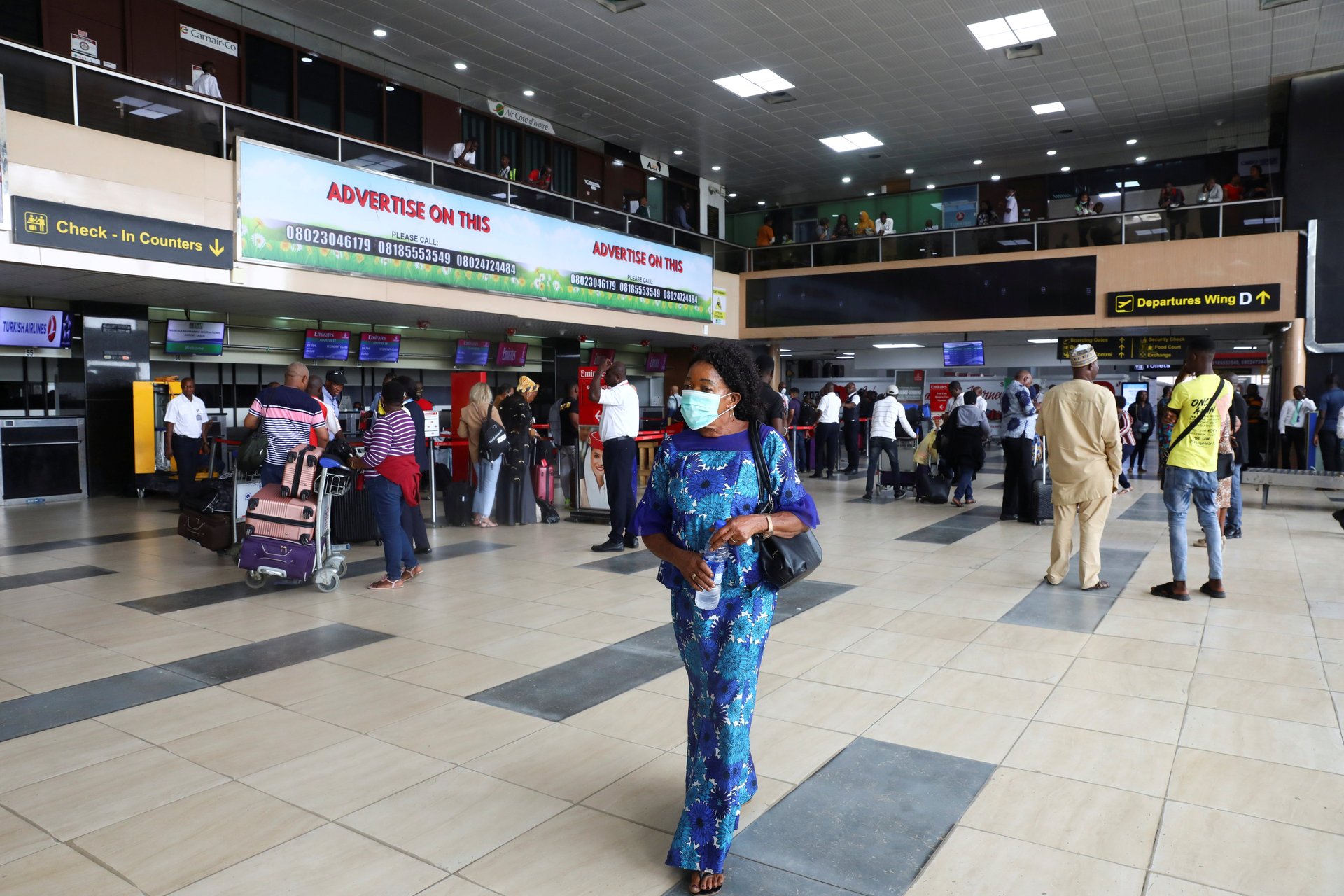
Africa remains the least affected continent by the coronavirus outbreak but it is spreading to more countries. To slow things down, more governments across the continent are taking the unprecedented steps of imposing travel restrictions on travelers from the worst affected countries—most of which are in Europe and Asia.

Nigeria has recorded only two confirmed cases of Covid-19 but the global pandemic’s growing impact on its economy is far more significant.