There might soon be a much faster way to diagnose Covid-19—thanks, in part, to a specialized facility in Dakar, Senegal.

There might soon be a much faster way to diagnose Covid-19—thanks, in part, to a specialized facility in Dakar, Senegal.

A 60 year-old male German tourist who arrived in Egypt a week ago has become the continent’s first Covid-19 fatality.

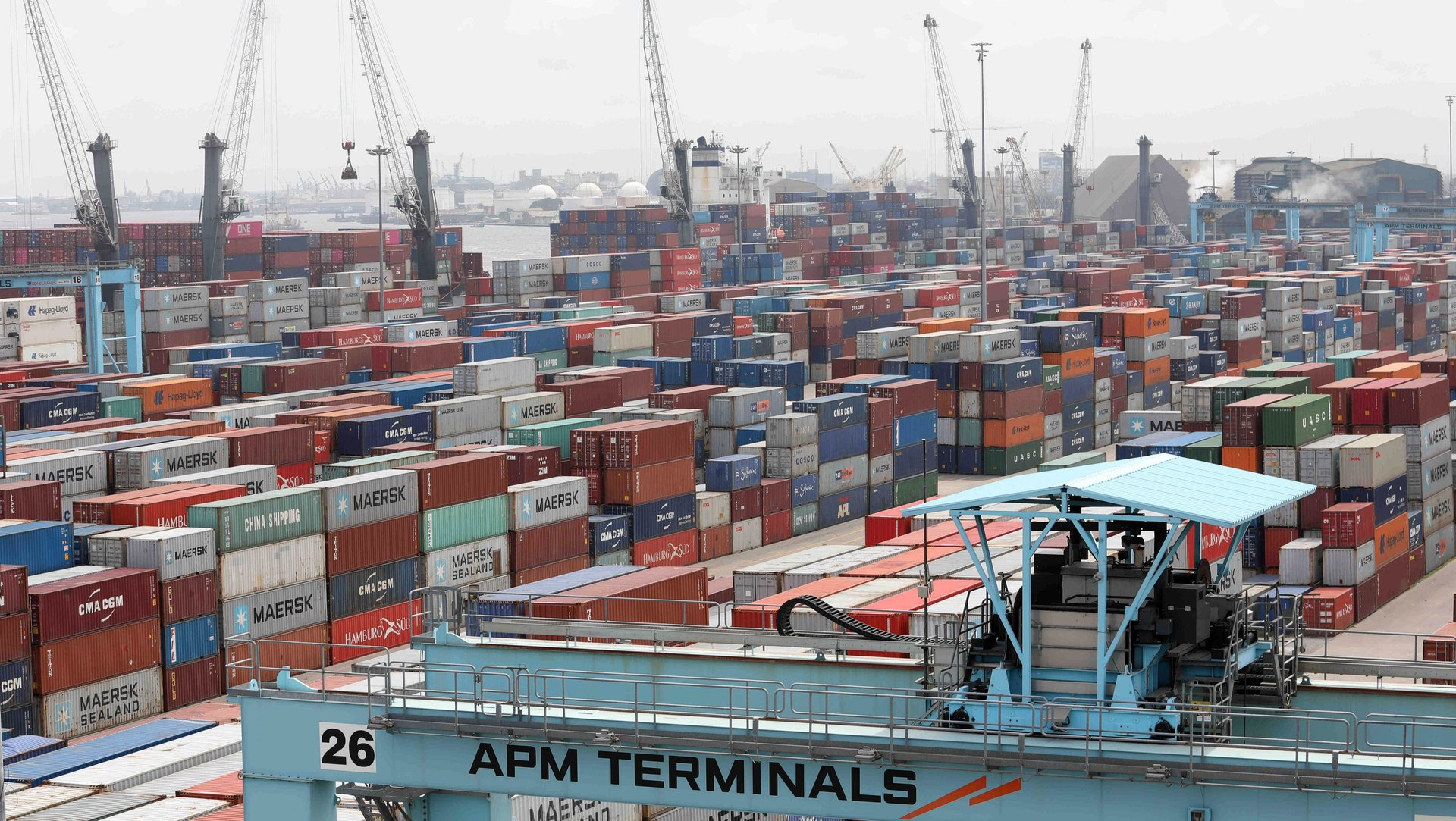
Nigeria’s economy is highly dependent on imports, despite the ambitious rhetoric and best efforts of successive governments.

The number of confirmed coronavirus cases across Africa are starting to spike.

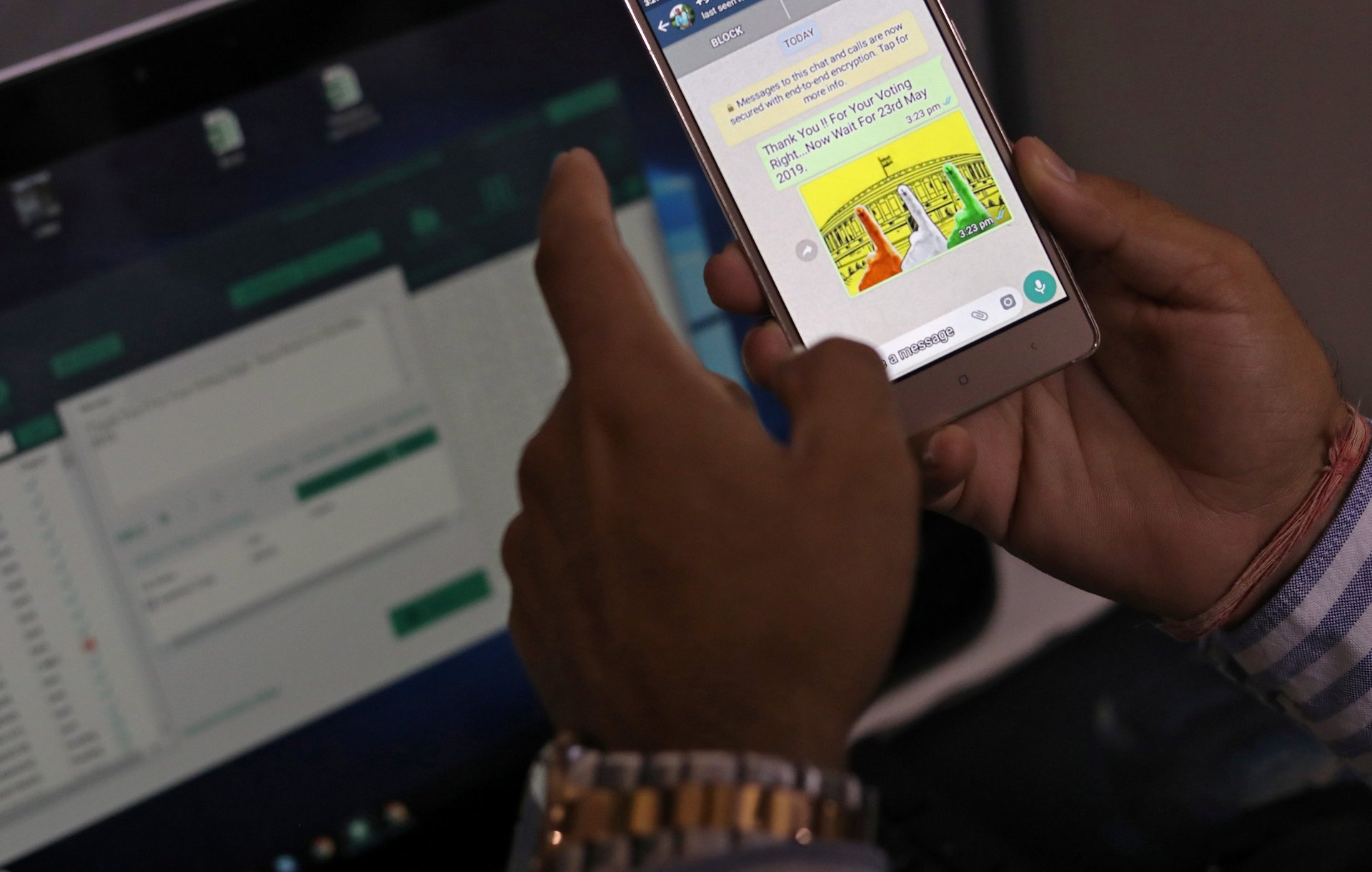
WhatsApp is, by far, the top social media platform of choice across several African countries.

Over the next 30 years, half of the world’s population growth will happen here in Africa. Inevitably, that impending reality prompts questions about whether governments across the continent can cater to the infrastructural and policy needs that the population spurt will demand.

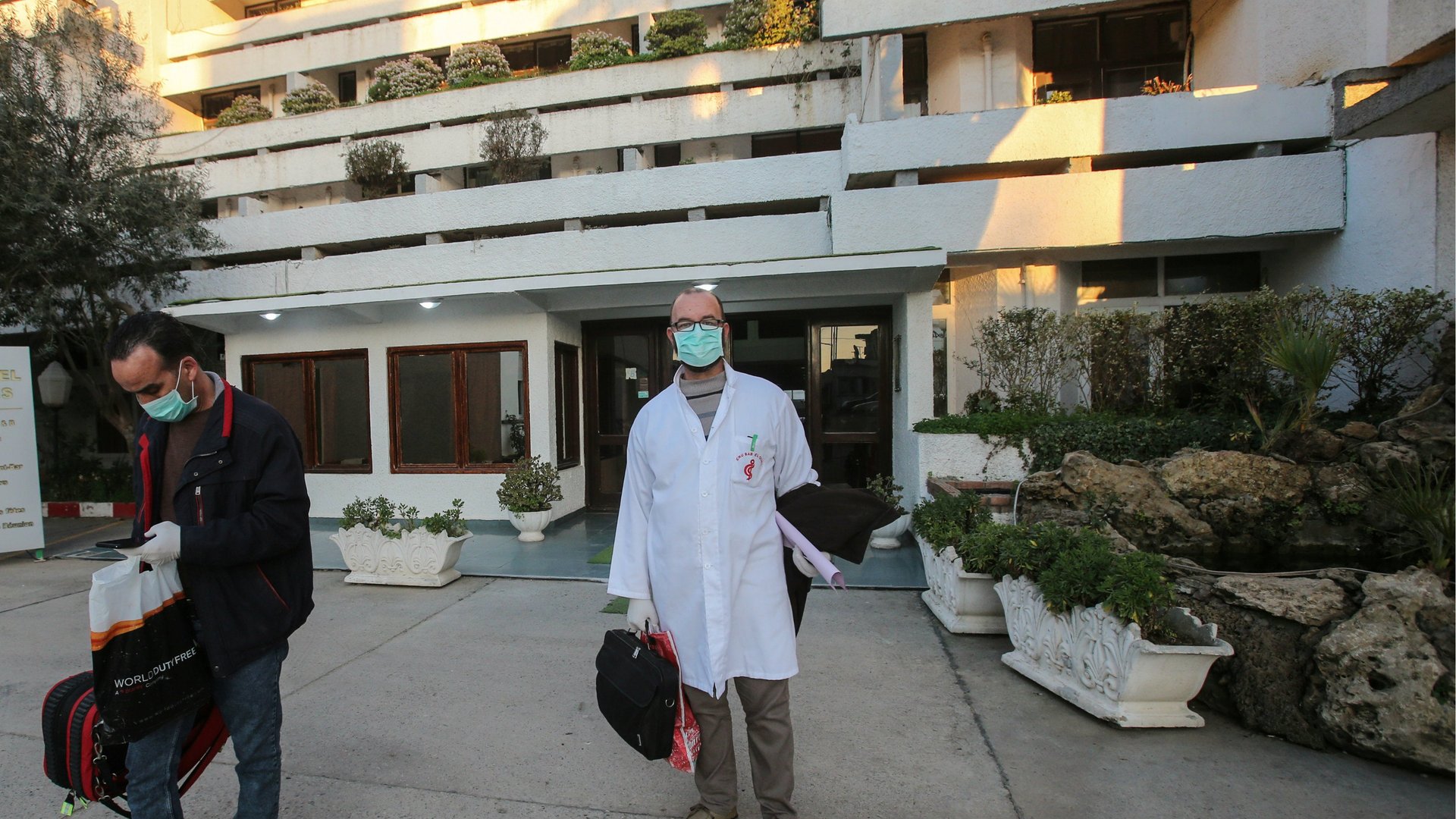
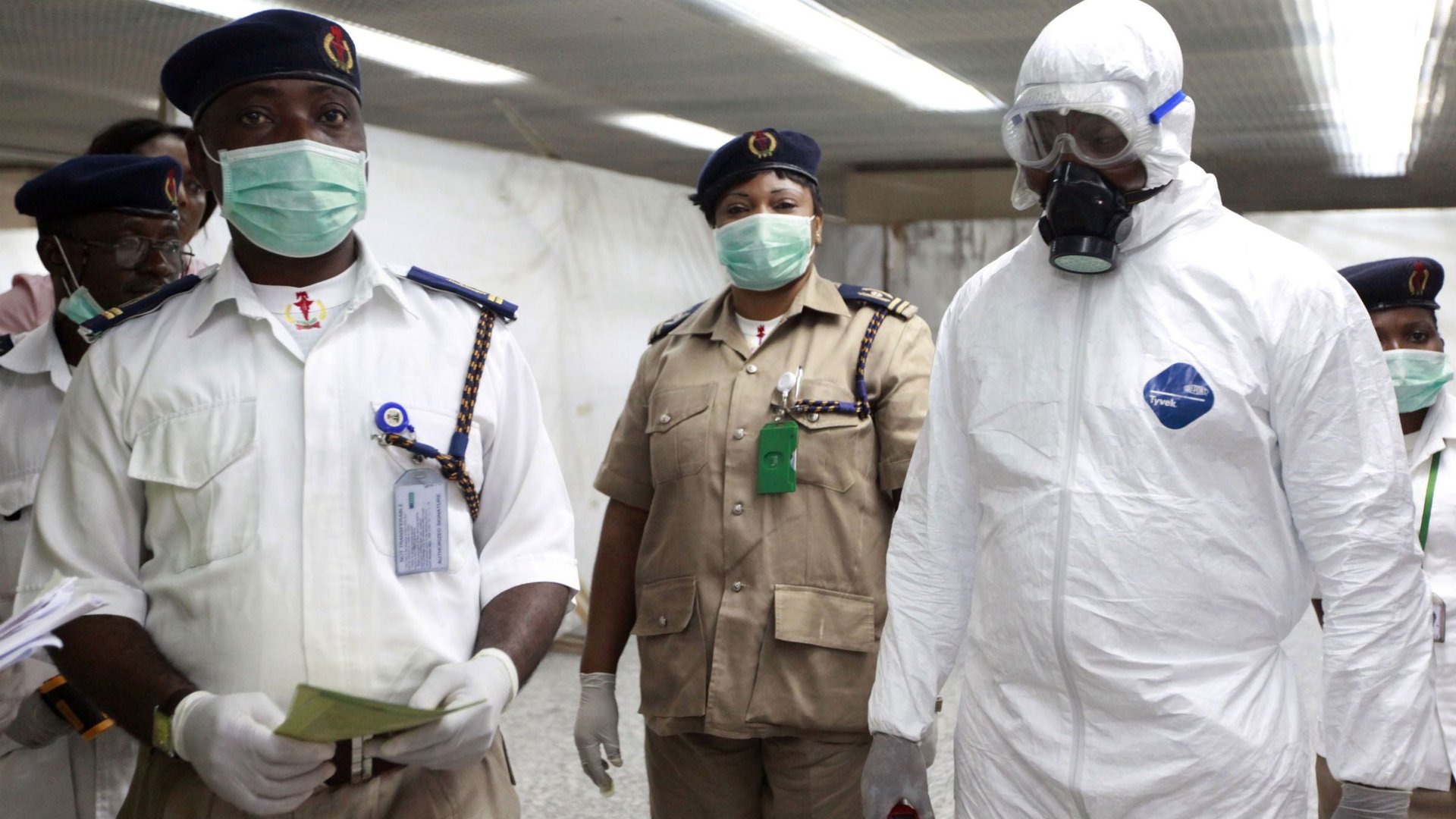
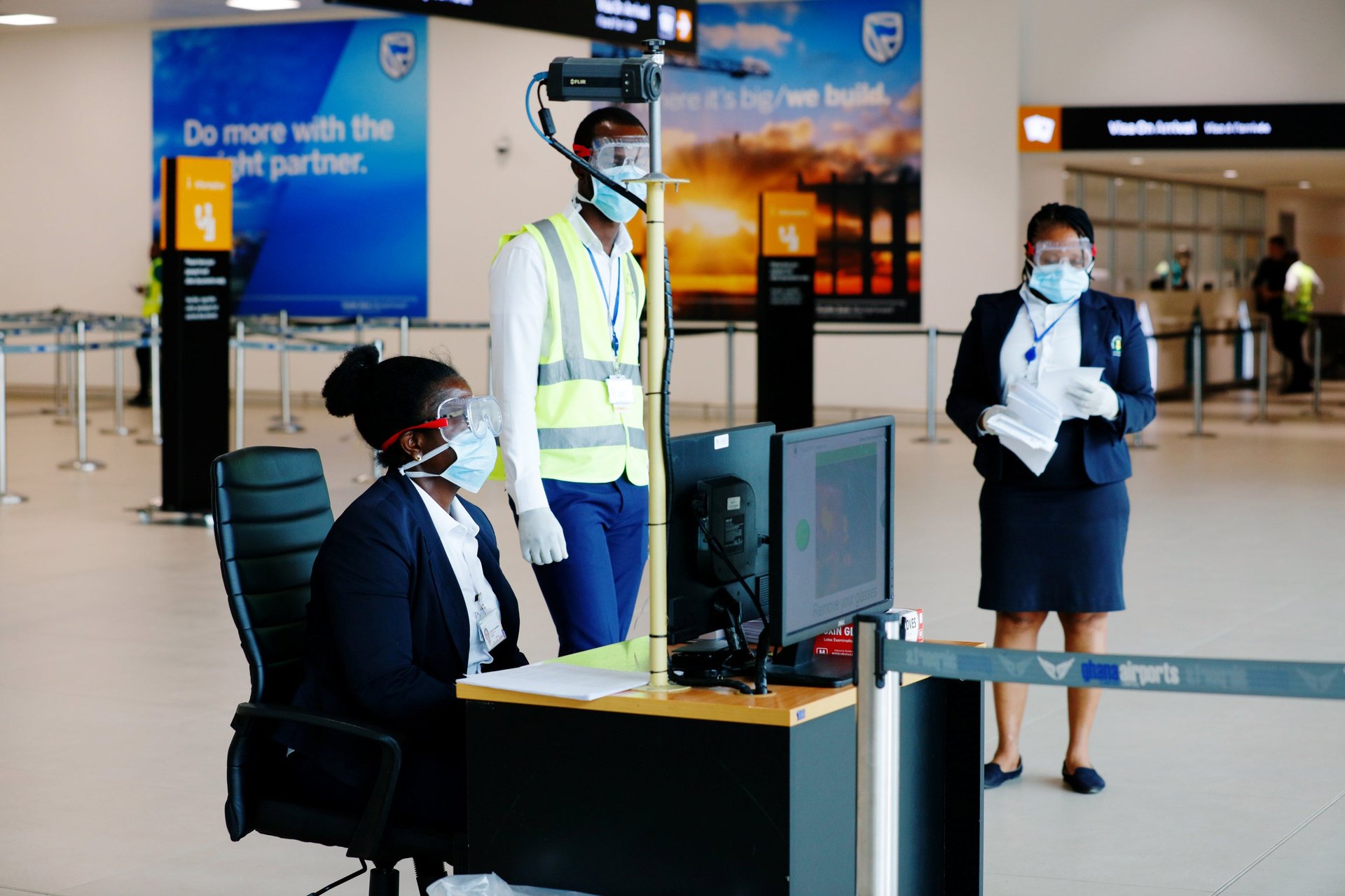
In the wake of Nigeria’s first coronavirus case, local authorities are preparing to face a test of public health systems and infrastructure.

The Nigerian government, through its health ministry, has confirmed the country’s first case of coronavirus.

They might have had a lower news profile than in previous years but in 2019 internet shutdowns became an even more common tactic for African leaders trying to control or manage information in their countries.

African fintech has scored yet another major investment win: Jumo, a five-year old fintech startup has raised $55 million in debt and equity funding.

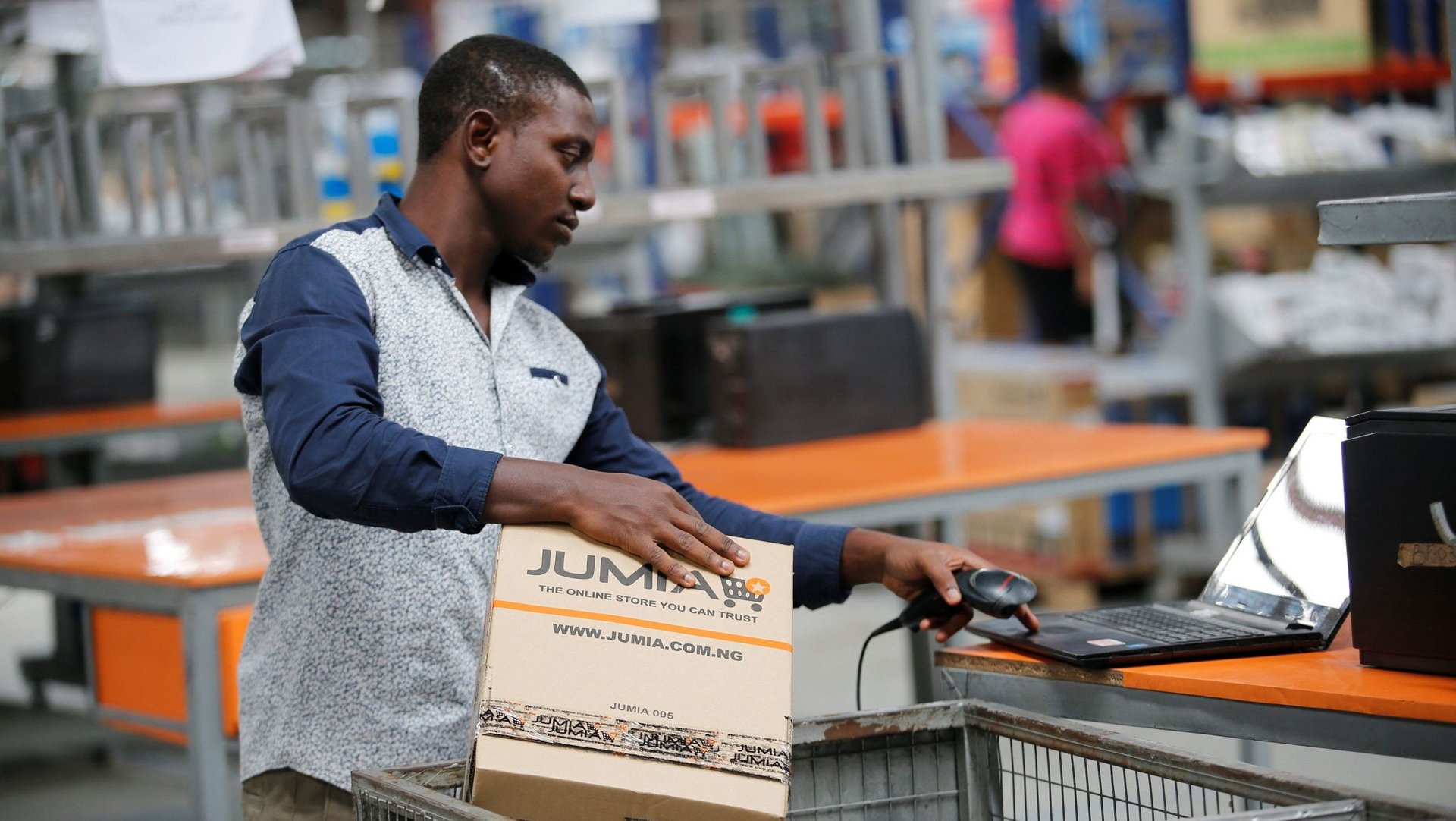
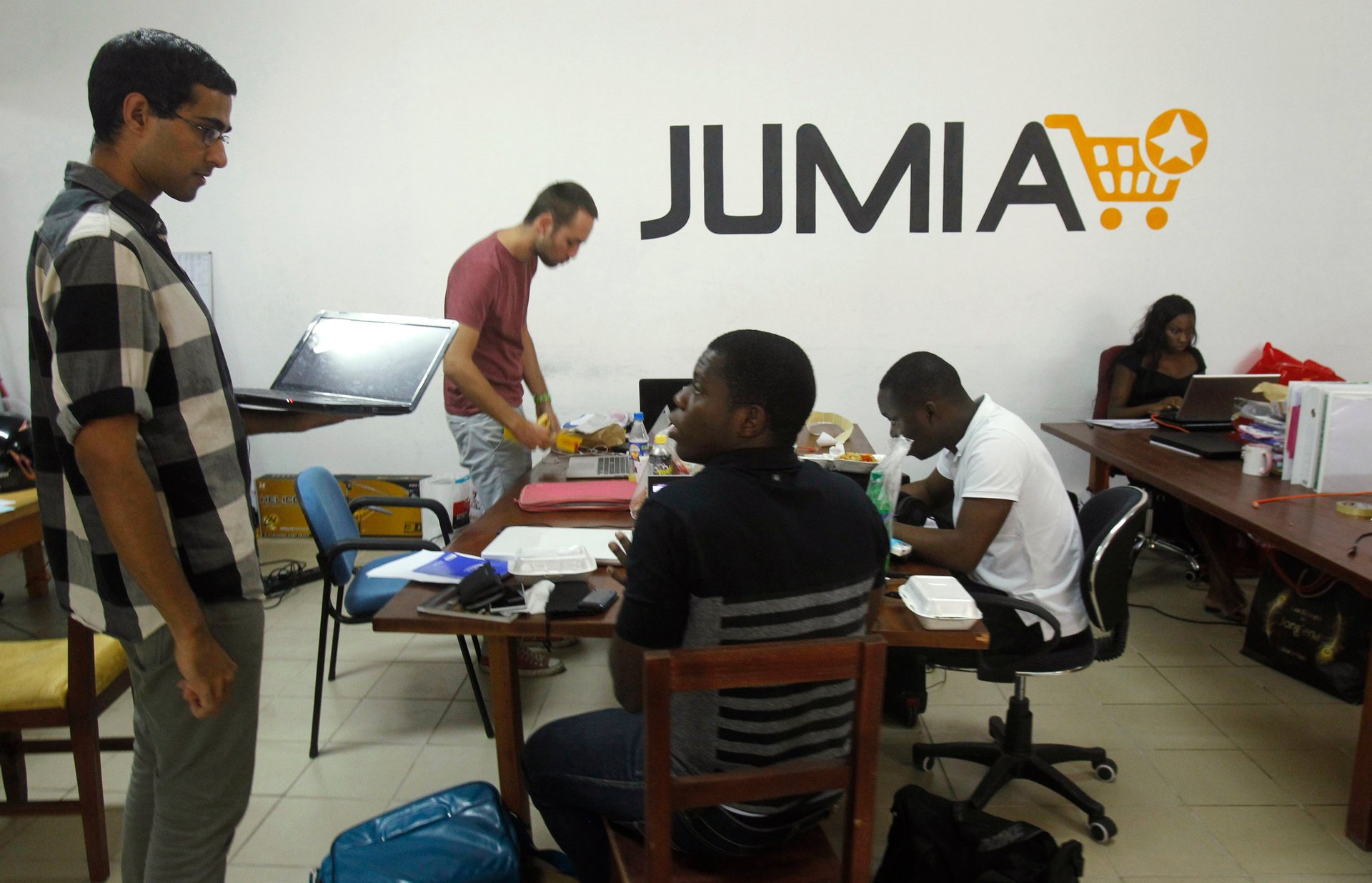
Jumia’s latest fourth quarter earnings result shows the largest e-commerce operator across Africa is not yet any closer to turning a profit.

Over the past decade, Nigerian startups have popped up with solutions across several sectors from financial services to logistics and agriculture. Increasingly however, its health sector is also coming into focus as startups look to build profitable business around existing gaps in healthcare delivery while also making a lasting impact.

Since suffering a recession and full year of negative growth in 2016, Nigeria, Africa’s largest economy has recovered—slowly.

The decades-long journey of one of Ethiopia’s rarest bronze artifacts came full circle last week.

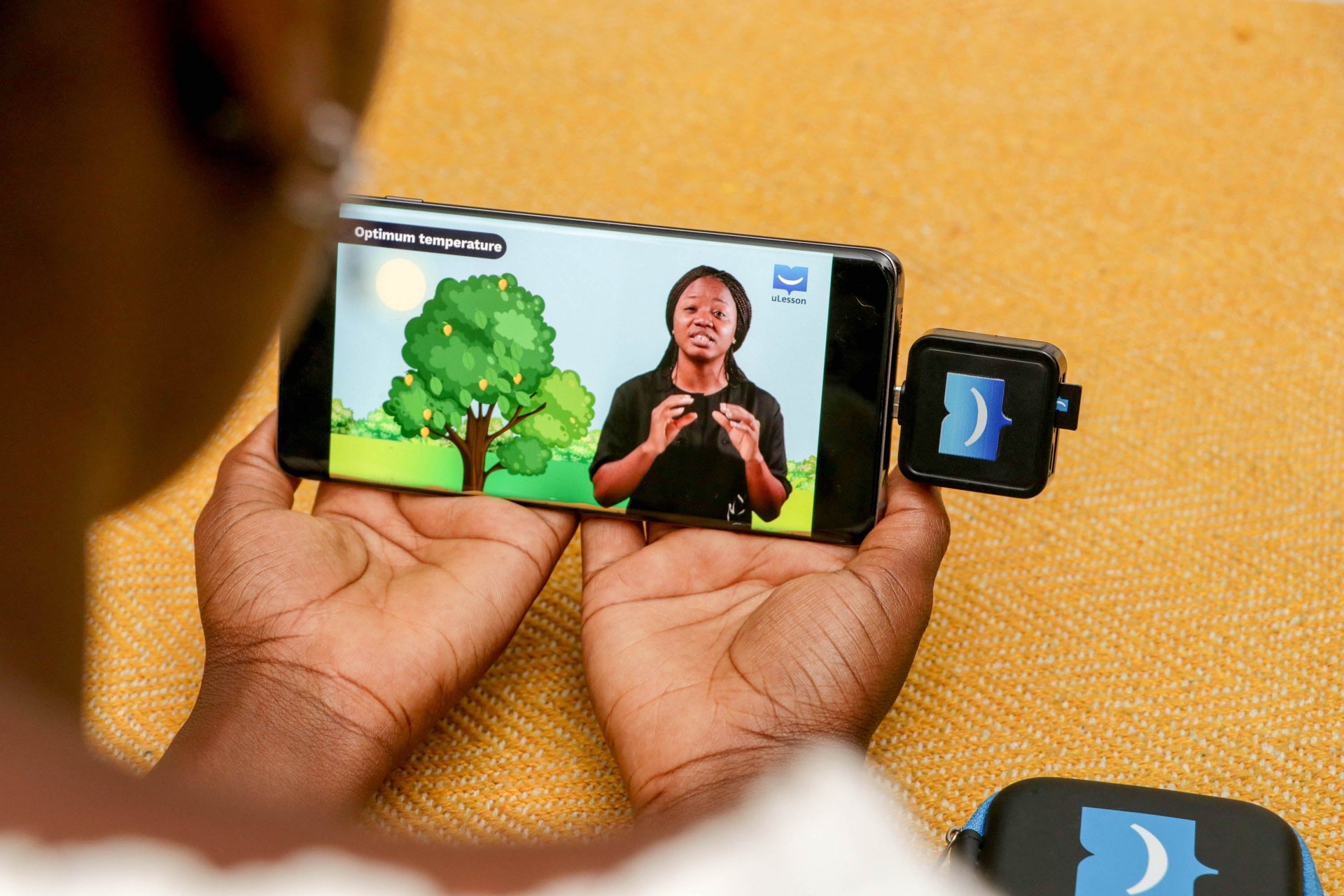
There’s an easy way to check how much of a priority education is to the Nigerian government: look at the national budget.

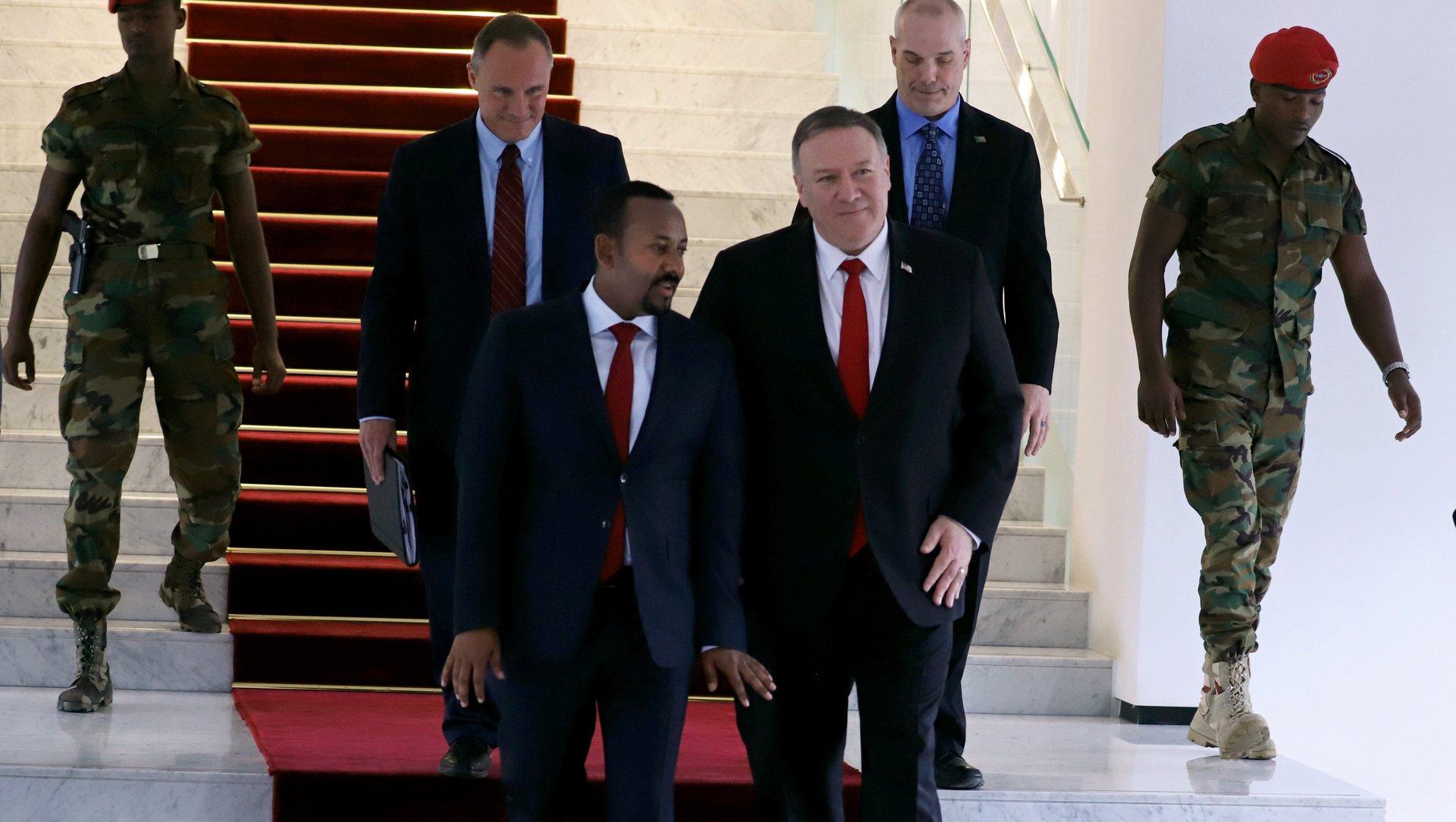
In his first ever trip to Africa, US secretary of state Michael Pompeo’s agenda sent more mixed signals about the Trump administration’s Africa policy.

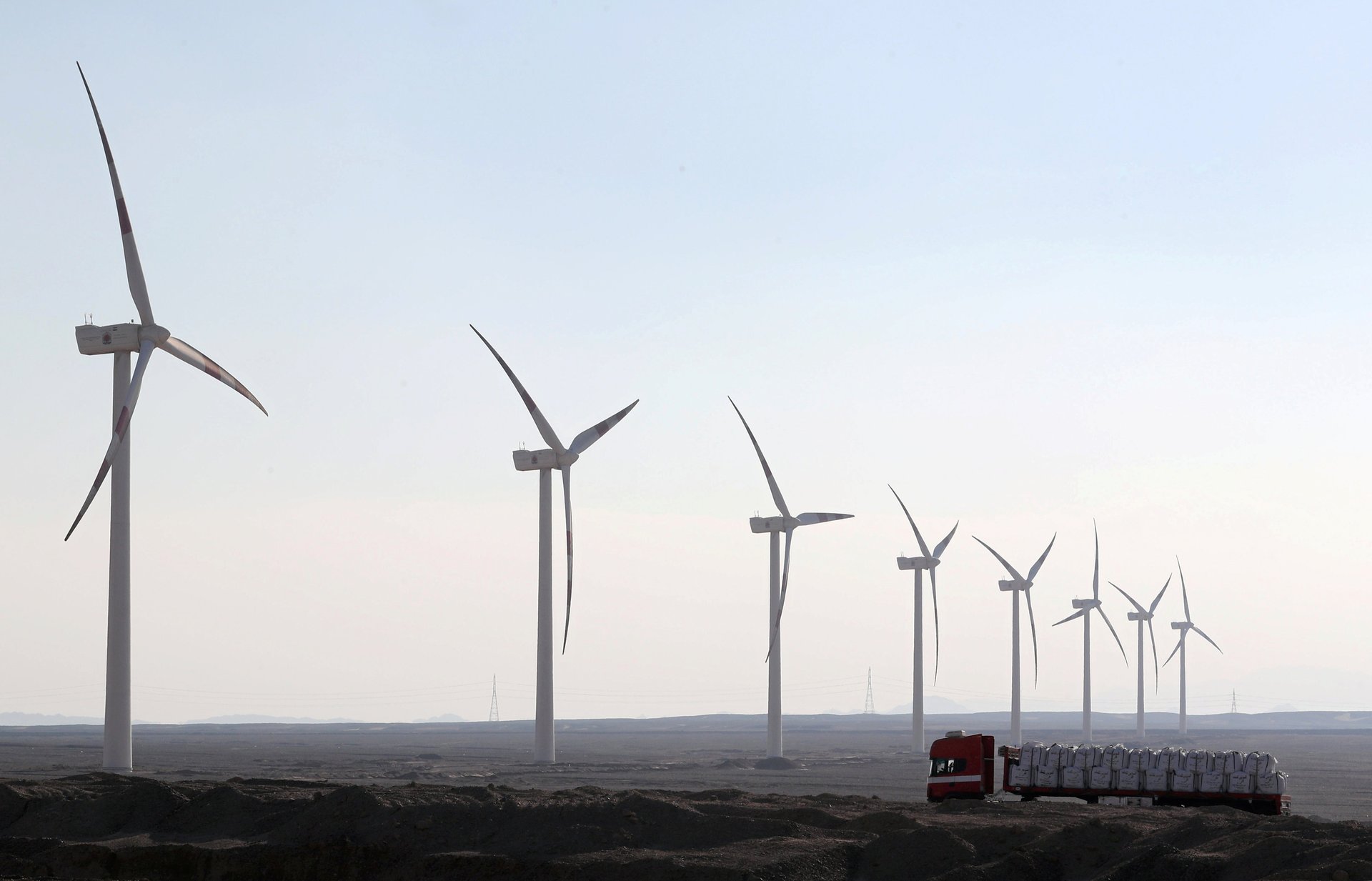
The stats tell a grim story: Africa is the world’s least electrified continent and its electrification rate is growing slower than anywhere else.

The Ebola outbreak across West Africa between 2013 and 2014 was devasting taking more than 11,000 lives in three countries. And yet, it could have been so much worse but for the heroic actions of Nigerian doctor, Ameyo Stella Adadevoh.

The exodus of Nigerian immigrants to Canada is showing no signs of slowing down.

In the early 2010s, African tech ecosystems were defined by the promise of e-commerce with a simple mission: getting hundreds of millions of young Africans to make online purchases.

The total count of confirmed coronavirus cases globally has already surpassed 25,000—yet none of those have been recorded in Africa.

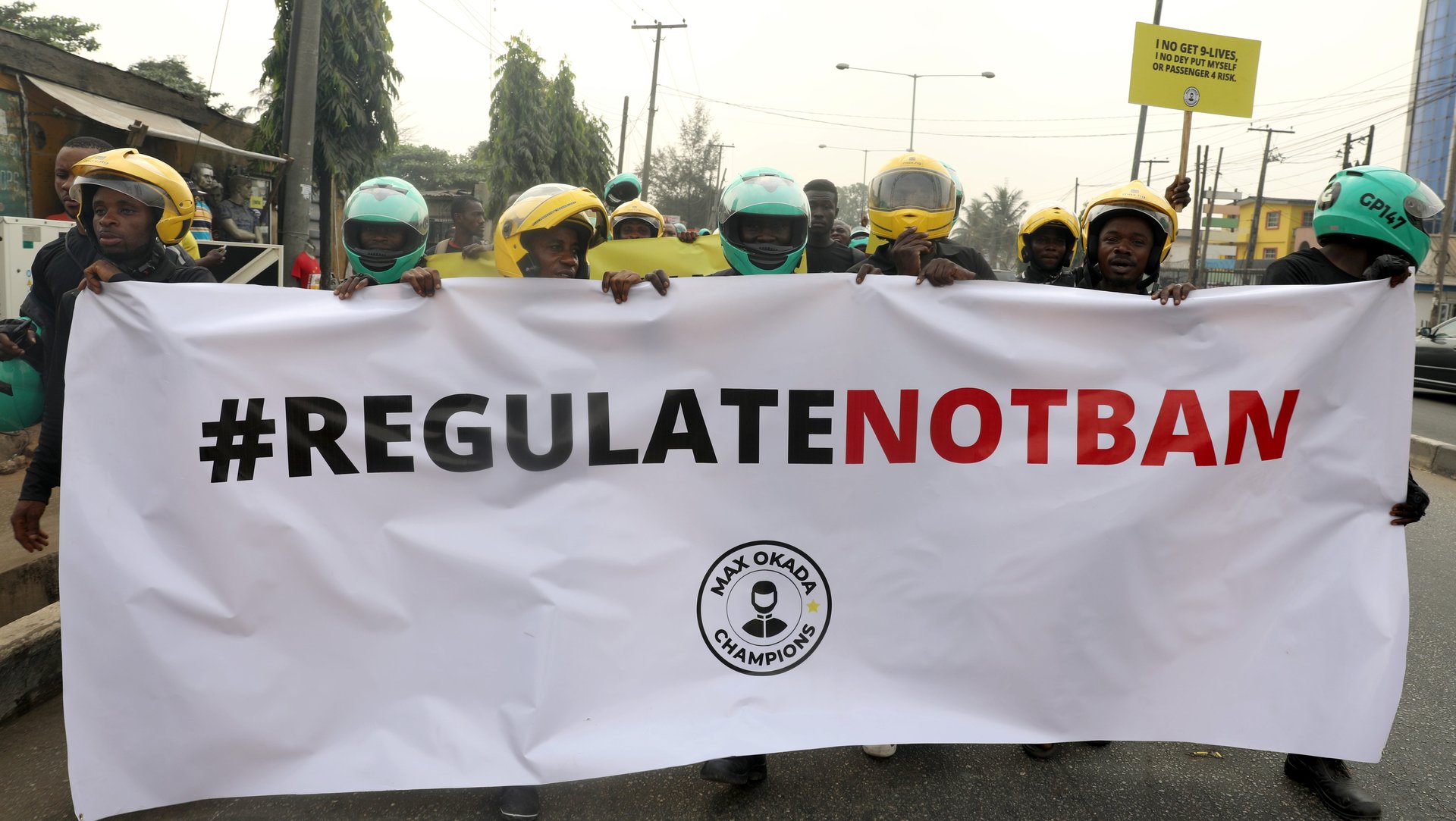
The first week of the ban on commercial motorcycles and tricycles in Lagos has not gone exactly to plan.

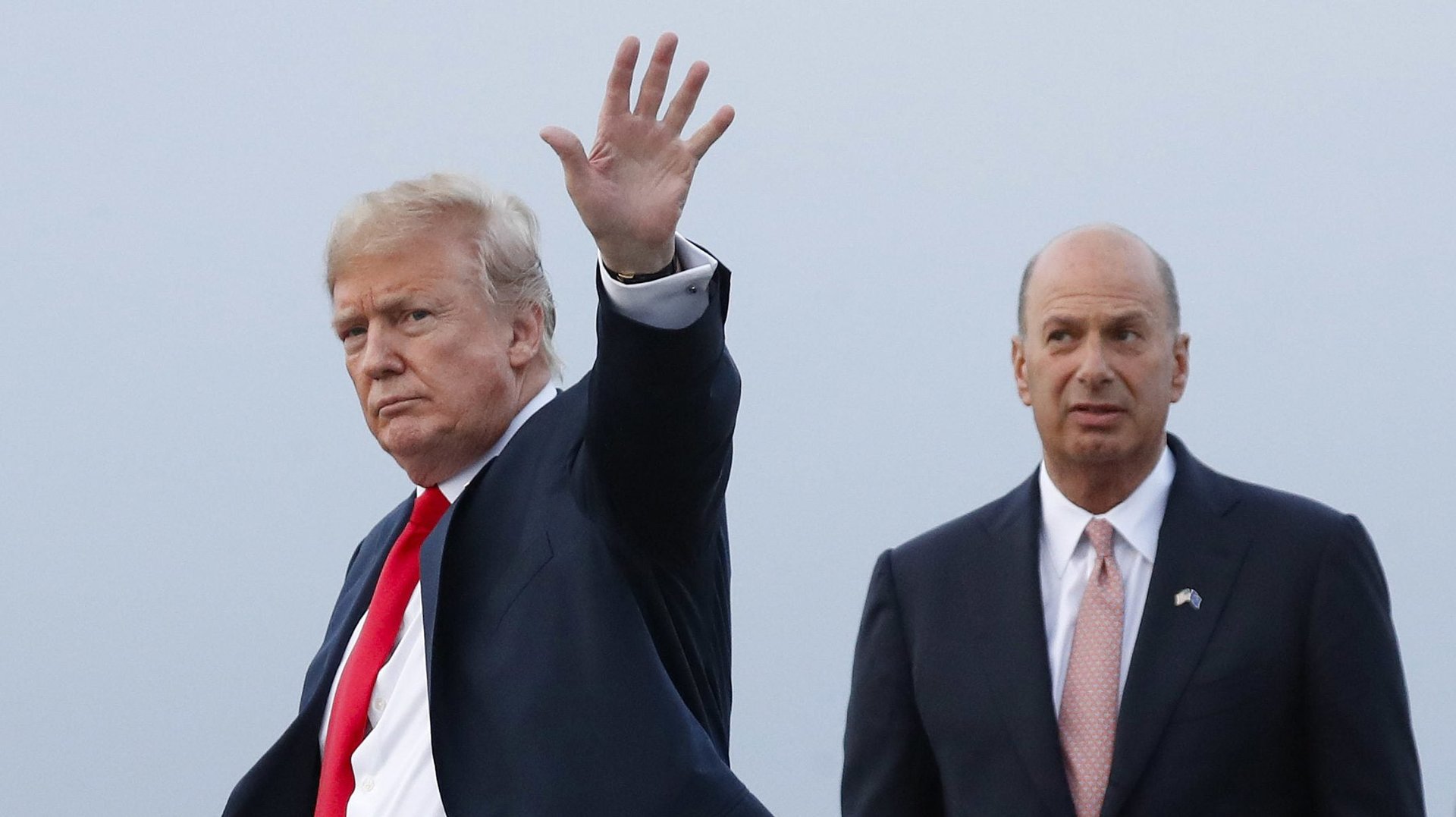
As part of new visa restrictions by the Trump administration, the US will no longer issue immigrant visas to Nigerian applicants.

The Trump administration’s controversial visa and travel bans has now been extended to include four more African countries.