The late physicist Richard Feynman famously won a Nobel Prize for his work on quantum electrodynamics. But here’s something most people don’t know about him: He was also a world-class safecracker.

The late physicist Richard Feynman famously won a Nobel Prize for his work on quantum electrodynamics. But here’s something most people don’t know about him: He was also a world-class safecracker.

It took Claude Shannon about a decade to fully formulate his seminal theory of information.

In Herman Hesse’s novel Siddhartha, the title character and his friend leave home, disowning all possessions, to seek spiritual enlightenment.

A couple of years ago, I decided to stop taking photographs. I’ve never been one to hold on to physical possessions. It only felt right, then, that I rid myself the escape of digital ones, too.

There are many rumors about the strange habits and capabilities of inventor Nikola Tesla.

When Daniel Kahneman and Amos Tversky published their paper on Prospect Theory in 1979, few people could have imagined the long-term implications.

Before dying at the age of 39, Blaise Pascal made huge contributions to both physics and mathematics, notably in fluids, geometry, and probability.

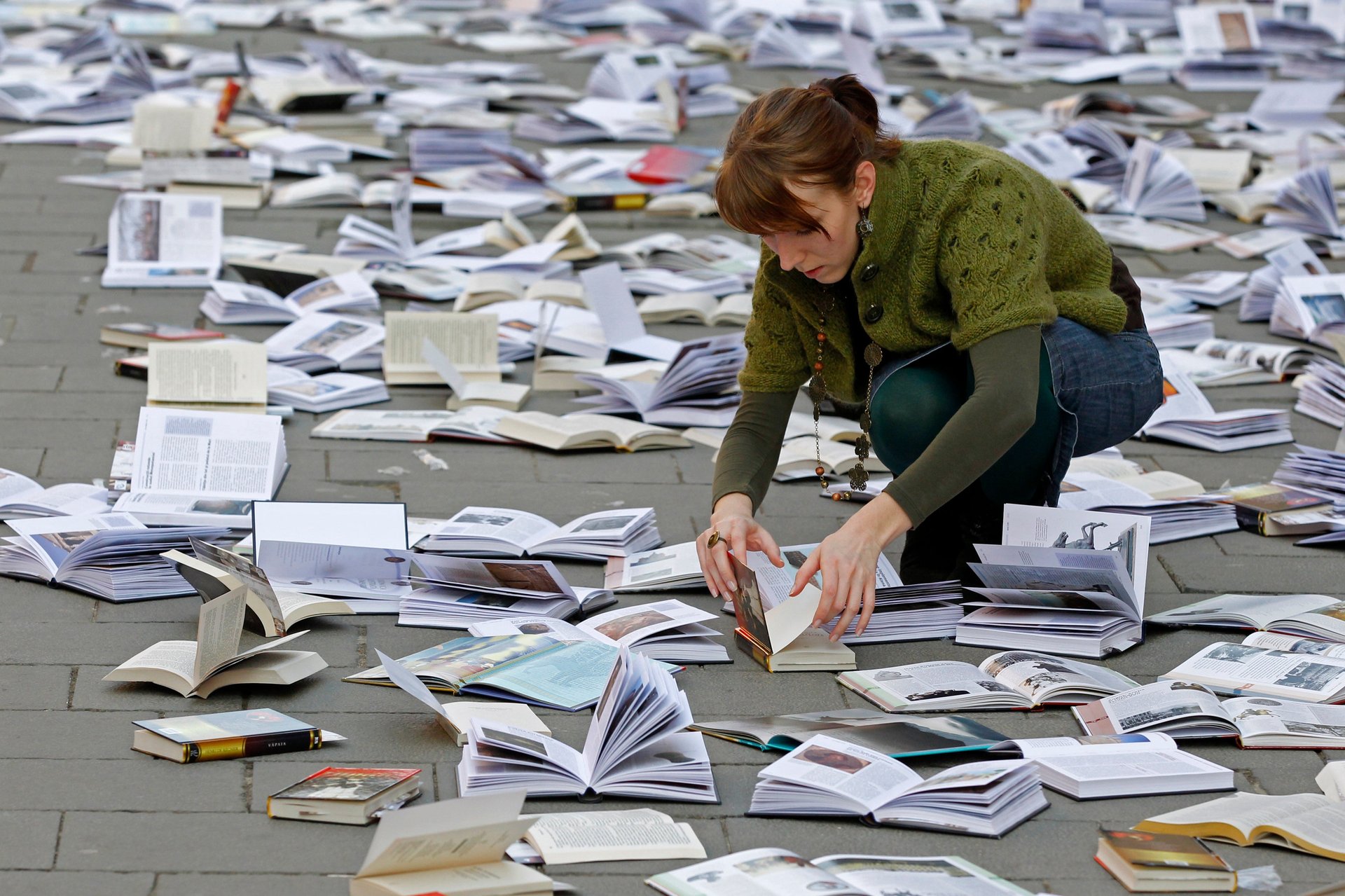
Reading is telepathy, and a book is the most powerful technology invented.

It’s often been said that wisdom is the art of knowing that you are not wise.

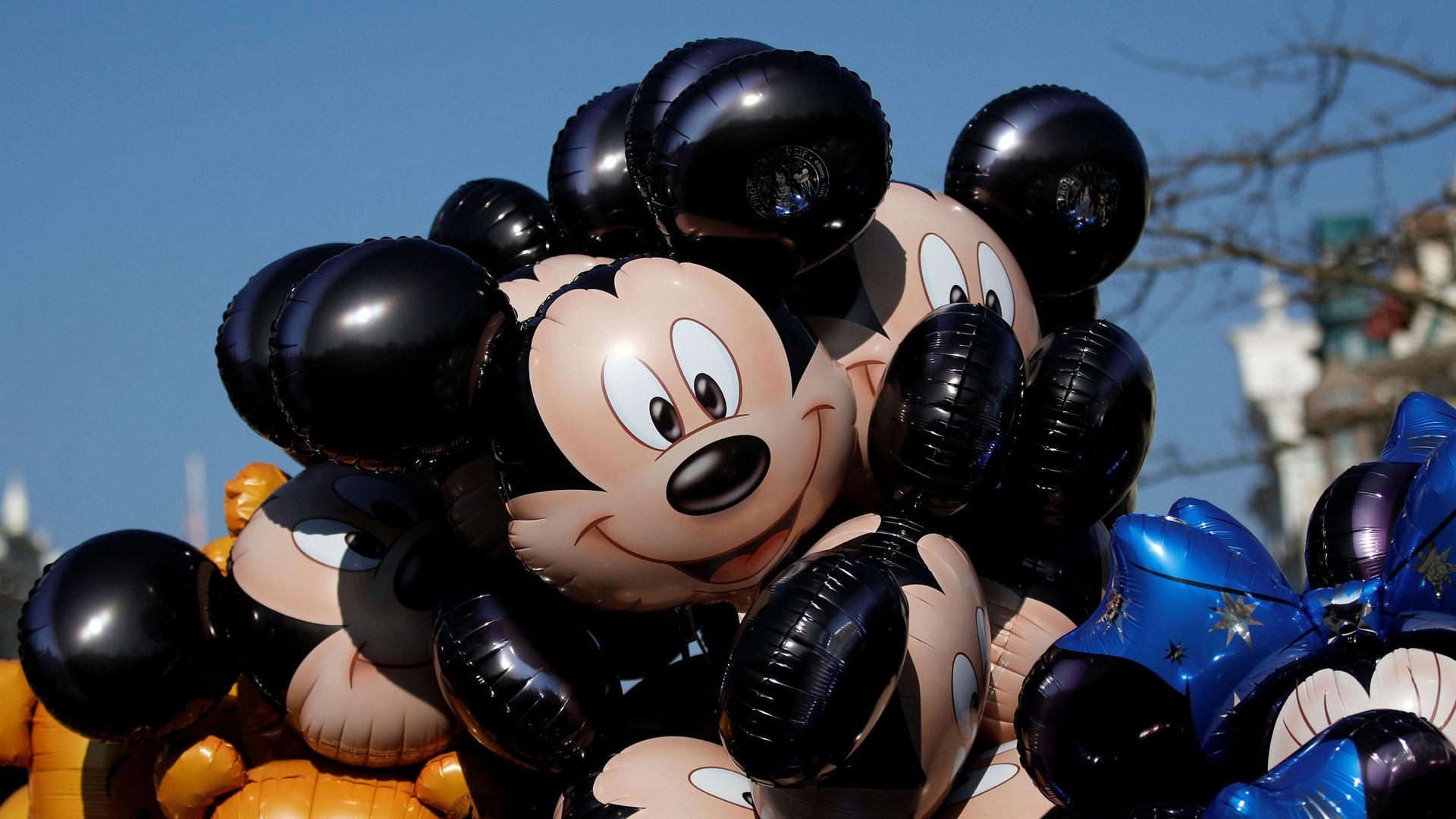
In 1939, Snow White and the Seven Dwarfs became the highest-grossing sound film ever.

The late George Carlin is probably one of my favorite comedians.

Some of history’s greatest contributions have come from polymaths.

We’re often told to live everyday like it’s our last. I think that’s bad advice.

The word “genius” is one of the most misused terms in history.

The term Eureka was first used by the Greek mathematician Archimedes.

At age 17, Aristotle enrolled in the Platonic Academy. He would stay there for 20 years.

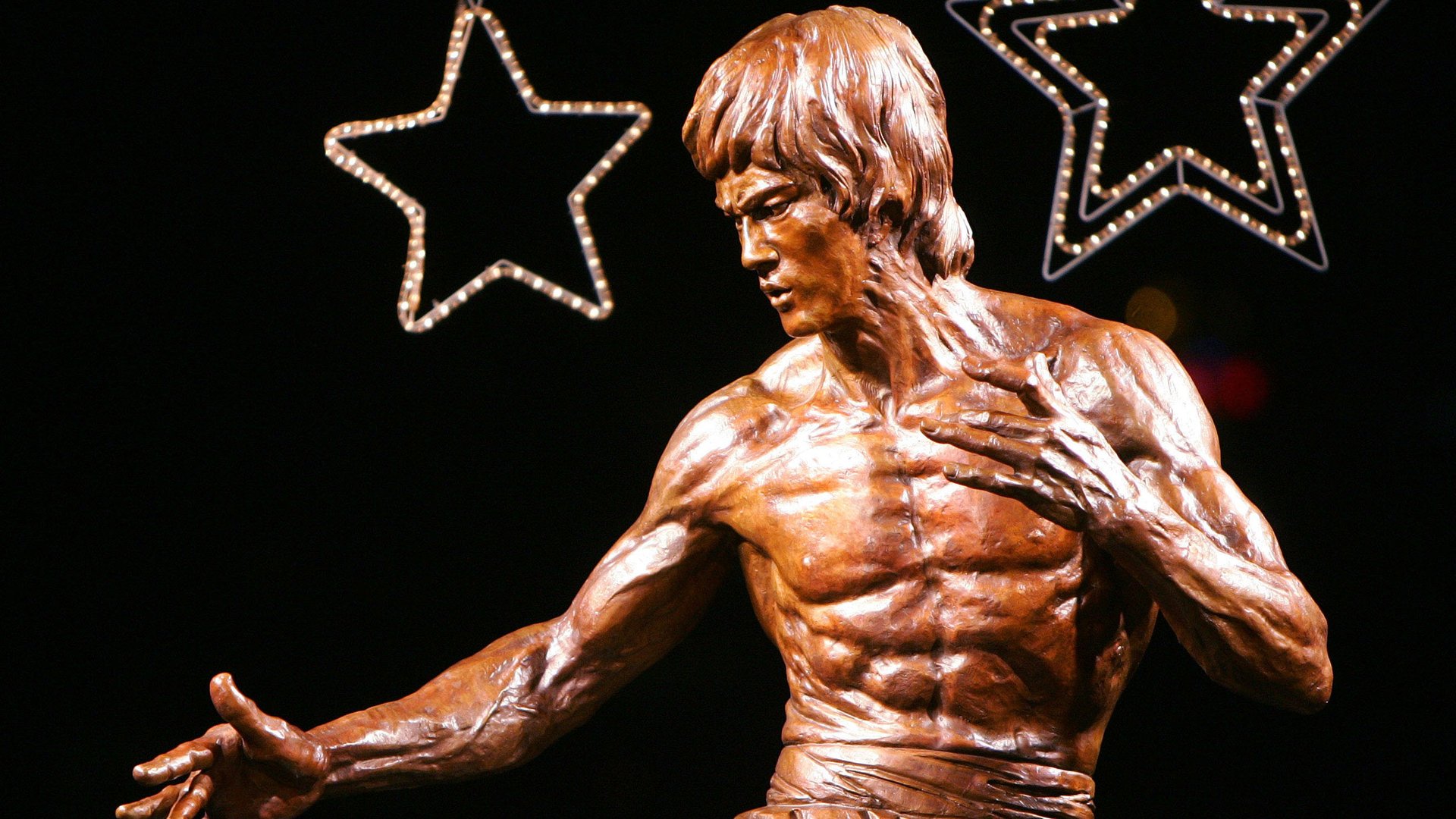
The legacy of Bruce Lee is mainly rooted in his success as a movie star and a martial artist.

Few people have communicated difficult ideas with as much clarity as Alan Watts.

Few who knew Epictetus would have considered him lucky.

In the early 1990s, Jeff Bezos noticed something strange.

When Elon Musk first started SpaceX, everybody thought he was insane.

“I can calculate the motion of heavenly bodies but not the madness of people.”

Our traditional economic models assume that we act as rational agents. The general belief is that we all behave in a way that will maximize our utility value, and thus enable us to thrive in the world.

“Money isn’t the most important thing in the world. Your time is.”