Big Pharma is expected to see big returns from its investment in a class of drugs made famous by Novo Nordisk’s (NVO) popular diabetes drug Ozempic.

With drug development costs rising, GLP-1s may prove to be a high-return investment
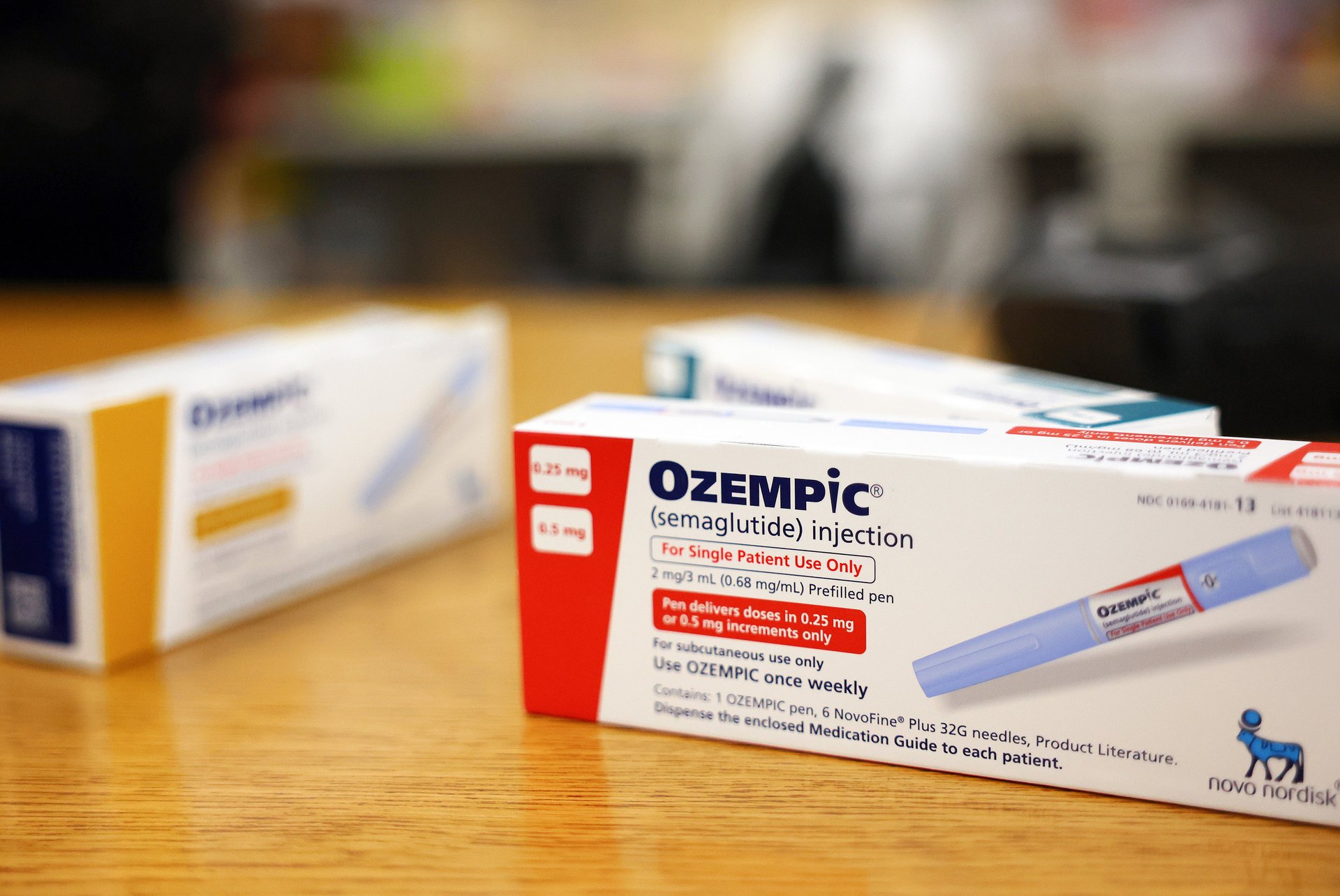
Big Pharma is expected to see big returns from its investment in a class of drugs made famous by Novo Nordisk’s (NVO) popular diabetes drug Ozempic.
Deloitte’s annual report, Measuring the Return from Pharmaceutical Innovation, found that GLP-1 drugs could fuel significant returns on research and development investments made last year by major drugmakers. The consulting firm analyzed the projected internal rate of return for late-stage pipeline assets across the 20 leading pharma companies.
On average, these companies forecast peak sales of $510 million per asset. But when GLP-1s are excluded, that figure drops sharply to $370 million. The internal rate of return for late-stage pipeline assets climbed from 5.9% in 2024, from 4.1% in 2023 — again driven in large part by GLP-1 drugs. Without them, returns would have declined, dipping to 3.8% in 2024 and 3.4% in 2023.
This matters even more given that the report also found that the average cost to develop a drug for Big Pharma was $2.23 billion in 2024, up from $2.12 billion the year before.
GLP-1 drugs mimic hormones that regulate blood sugar and suppress appetite, making them highly sought after for treating obesity and Type 2 diabetes. The surging demand has propelled Eli Lilly $LLY (LLY) and Novo Nordisk into becoming the largest pharma companies in the world. Eli Lilly’s weight-loss drug Zepbound generated $4.9 billion in annual revenue, while Novo Nordisk’s rival treatment, Wegovy, reached roughly $8 billion in sales.
Wall Street has taken notice. Since the U.S. Food and Drug Administration (FDA) approved Zepbound in November 2023, Eli Lilly’s stock has soared more than 40%, pushing its market capitalization past $750 billion. Novo Nordisk has seen an even steeper climb, with its stock rising over 76% since Wegovy’s launch in 2021.
With such massive returns, several companies — including Novo Nordisk, Eli Lilly, Pfizer $PFE, and Amgen $AMGN — are advancing next-generation GLP-1 drugs and investigating their potential for new uses, such as treating sleep apnea and improving heart health.
Join 500,000+ readers who start their day with Quartz.
By subscribing, you agree to our Terms of Service and Privacy Policy.