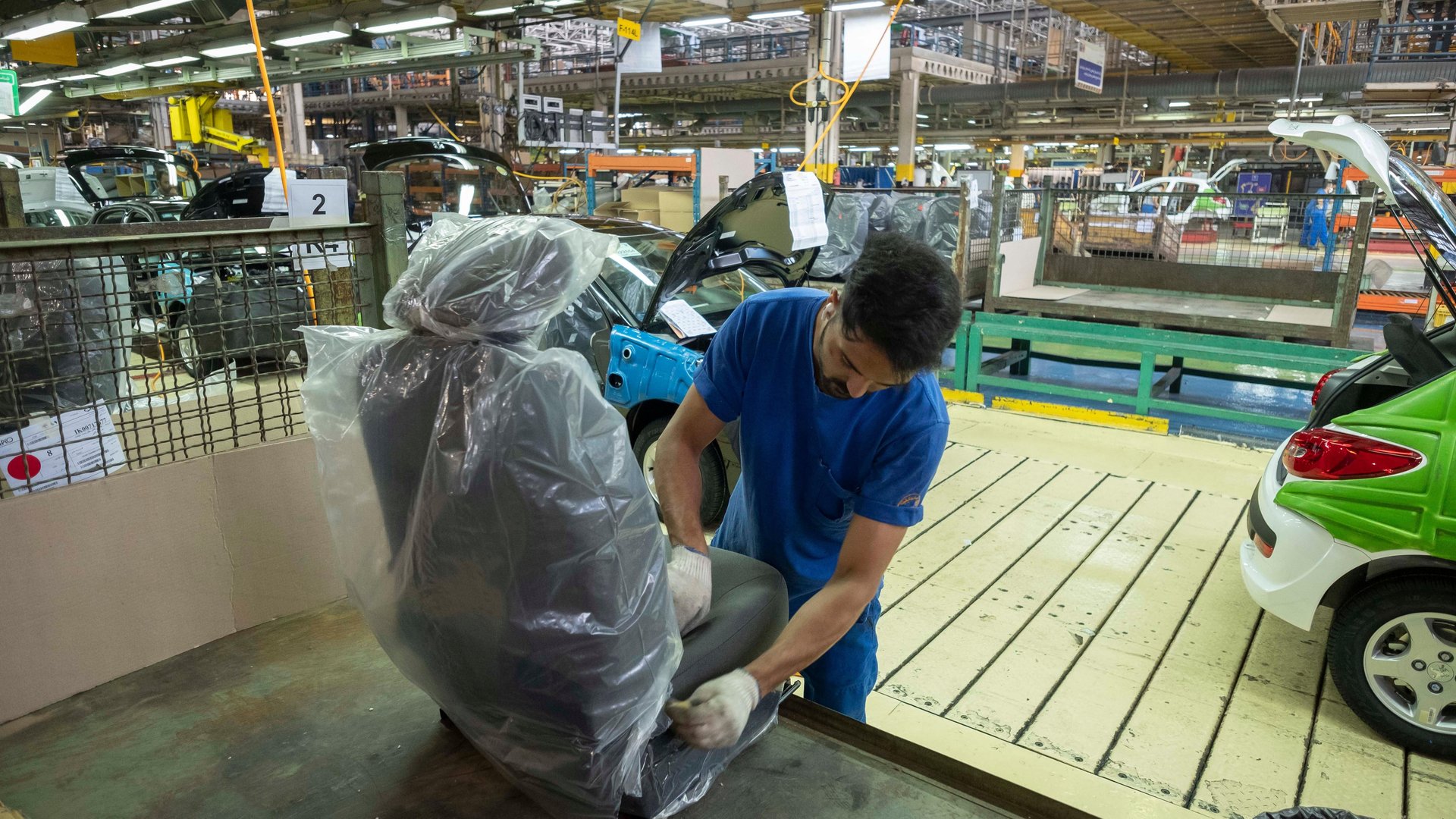
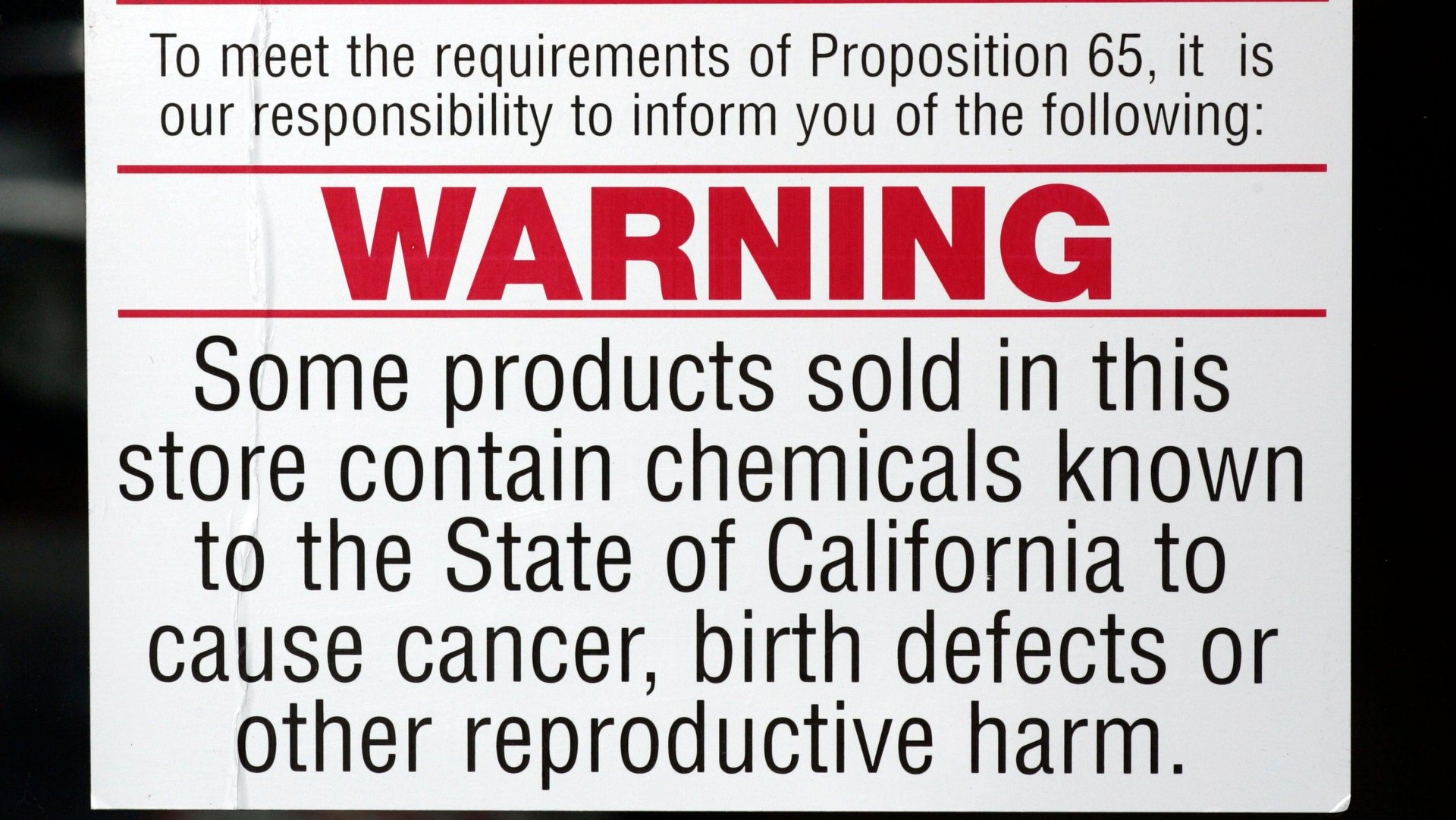
They discovered in both seasons about 99% of the cabins contained the flame retardant tris (1-chloro-isopropyl) phosphate (TCIPP), which is being investigated by the National Toxicology Program as a potential carcinogen—it has already found TCIPP may increase carcinoma risks in rats. Other potentially toxic flame retardant tri-n-butyl phosphate (TNBP) was found in 73% of cabins during the winter and 100% during the summer, while triethyl phosphate (TEP) was in 85% of cabins during the winter and 96% during the summer, and tris (1,3-dichloro-2-propyl) phosphate (TDCIPP) was present in 23% of cabins during the winter and 59% during the summer. Levels were higher in the summer because warmer temperatures cause an increase in off-gassing, which is the release of chemicals from car interiors, according to the study. To determine where in the cars the potentially toxic flame retardants were found, the researchers tested foam seat samples from 51 cars, and found 33 had possibly toxic flame retardants like TDCIPP and tris (2-chloroethyl) phosphate (TCEP), which were both labeled as carcinogens by California’ Proposition 65.
This study measured the cabin air inside 101 different electric, gas, and hybrid cars across 30 states between 2015 and 2022, in both summer and winter months. The cabin air inside of electric vehicles measured in the study showed significantly lower quantities of these chemicals than the cabin air in both internal combustion vehicles and hybrids. Up to 14 times lower in summer months, actually. It is noted that the differences may be attributed to other factors, because some brands were more represented in the study than others.