
Gold has fallen below $4,000 an ounce as markets raise their expectations for Federal Reserve interest rate increases following last week's policy meeting, with the U.S. dollar climbing to its highest point in roughly a year.
Spot gold has shed more than 3% since the Fed's last meeting, after officials signaled that interest rates could rise this year
Andrew Harnik / Getty Images
Gold has fallen below $4,000 an ounce as markets raise their expectations for Federal Reserve interest rate increases following last week's policy meeting, with the U.S. dollar climbing to its highest point in roughly a year.
By early European trading, New York gold futures had slipped 0.2% to $3,999.70 an ounce, with spot gold deeper in the red at $3,999.08 — a decline of 2.7% that put it at its weakest level since last November. An earlier session recorded a low of $4,090.27 — the cheapest gold had traded since June 11 — before spot prices settled at $4,121.09, down 1.7%. Since the conclusion of last week's Fed meeting, the metal has shed more than 3% of its value. Silver, platinum, and palladium also declined.
The dollar's strength has been a central driver of the selloff. Ricardo Evangelista, an analyst at ActivTrades, told Reuters that a firmer dollar, emboldened by the Fed's pivot toward tightening, was acting as a drag on bullion. CME $CME FedWatch Tool data showed markets pricing in roughly a 69% likelihood of a rate increase at the September meeting, more than double the 29% odds assigned just a week earlier.
According to The Wall Street Journal, ANZ analysts argued that sticky inflation fears had prompted a sweeping repricing of rate expectations, leaving the Fed's hawkish turn to undercut the so-called debasement trade — the thesis under which gold and similar assets outperform currencies exposed to "inflation, fiscal and monetary excess."
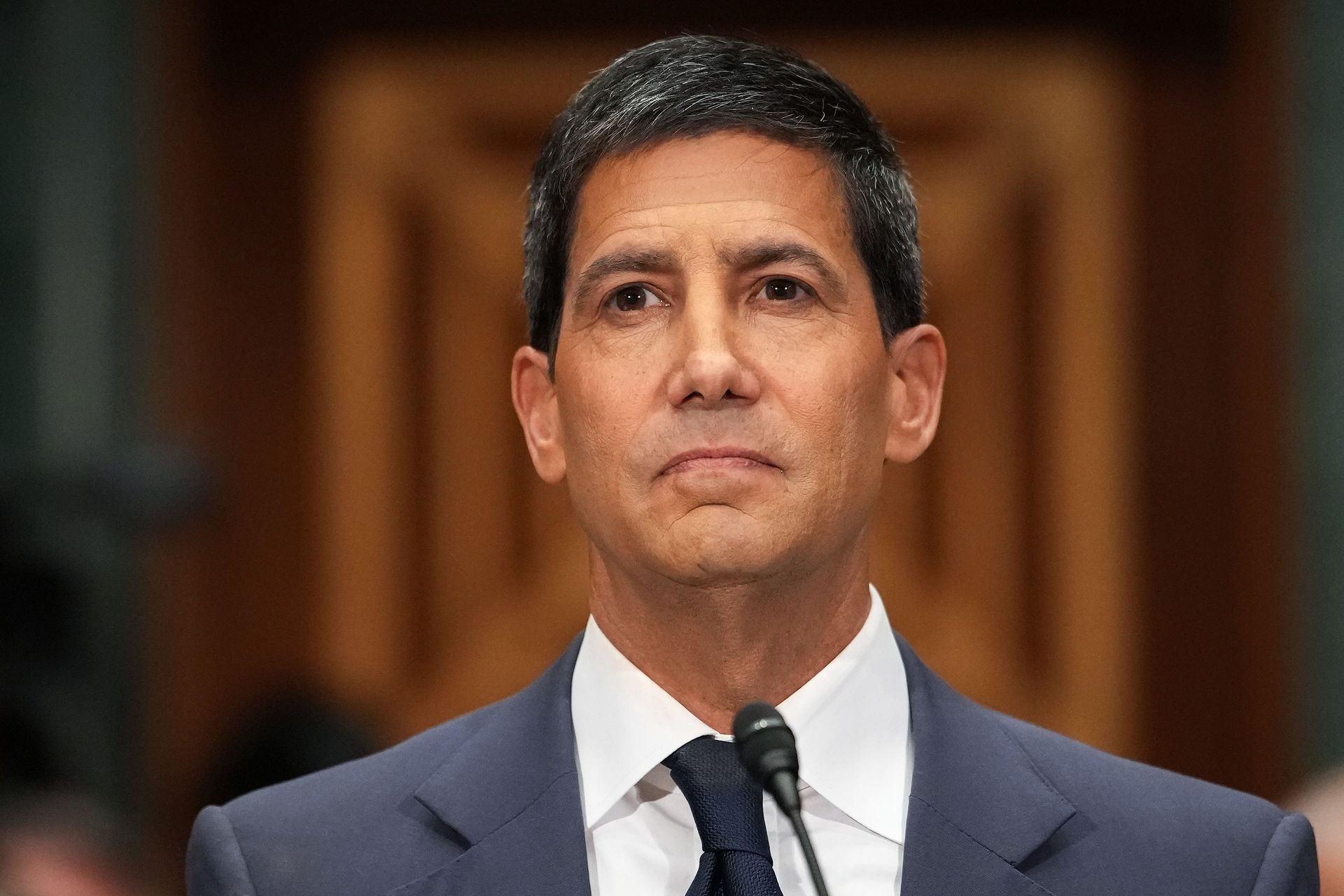
The move follows the Fed's decision last week to hold its benchmark rate steady in a target range of 3.5% to 3.75%, while signaling that its next move could be a hike. Fed Chair Kevin Warsh led his first Federal Open Market Committee meeting to a unanimous 12-0 vote to keep rates unchanged. Nine of the committee's policymakers saw the case for at least one rate increase before year-end, with six anticipating more than one. Consumer prices rose 4.2% year-over-year in May, a three-year high, driven partly by an energy shock tied to the U.S.-Israeli war with Iran.
Warsh said the central bank's commitment to reining in inflation was "strong, unanimous, and unambiguous." Later this week's release of U.S. Personal Consumption Expenditures figures — the Fed's favored measure of inflation — will be closely monitored for any additional signals on the rate path.
Join 500,000+ readers who start their day with Quartz.
By subscribing, you agree to our Terms of Service and Privacy Policy.