A slew of surveys reveal how consumers will be spending this holiday season — and what's behind some of their changing habits

Jordi Salas / Getty Images
The holiday season is upon us, but things might look a little different this year, with tariffs, a tough job market, and other emerging economic factors at play.
We’ve laid out some reasons this year’s holidays will diverge from last. And it’s not all bad news either.
Continue reading to see what will be different.
Bloomberg / Contributor / Getty Images
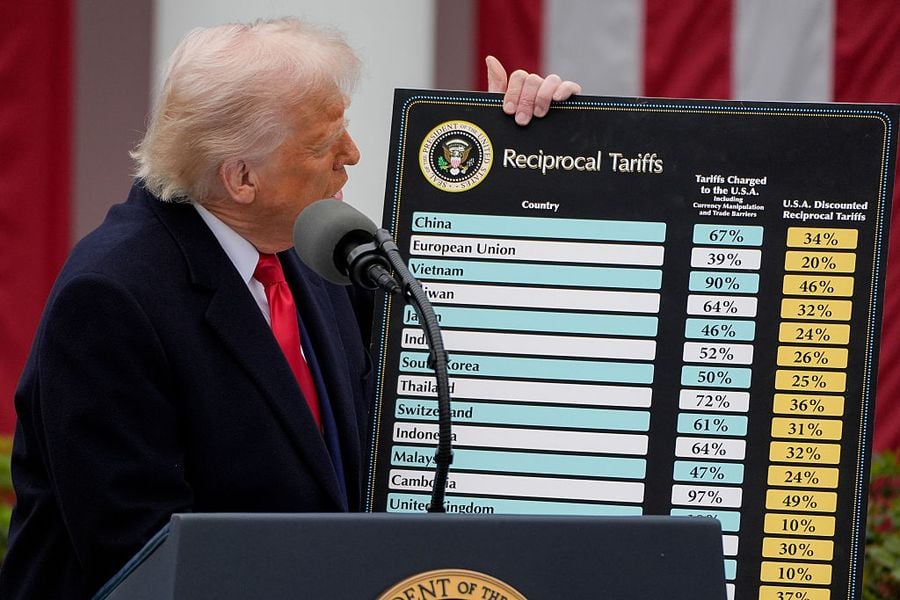
More than half of all tariff costs are already being shouldered by American consumers this year — and it looks like the holiday season will be no exception.
A new study from Lending Tree considered the amount of 2024 winter holiday spending and determined that if President Donald Trump's tariffs had been in effect, there would’ve been an added $40.6 billion burden on consumers and retailers.
Lending Tree said $28.6 billion of that would have fallen on shoppers, while companies likely would have absorbed $12 billion of the costs.
That all means Americans will likely be spending billions more this holiday season thanks to tariffs.

Tetra Images / Getty Images
In spite of tariffs — and perhaps partly because of them — holiday spending is expected to rise this year. Retail sales are predicted to jump between 3.5% to 4.0% this season, with Americans spending more than $1.7 trillion total.
The figures from the ICSC’s holiday shopping intention survey also show that 243 million people plan to shop this year, with 92% of shoppers planning to do at least some shopping in a physical store.
“Despite economic concerns, our survey shows that consumers are committed to their holiday traditions and plan to shop,” ICSC president and CEO Tom McGee said. “Our forecast reflects that resilience, but our data also signals a selective shopper, putting pressure on retailers to connect with shoppers in new ways and offer memorable shopping experiences that entice them to spend.”

Nick David / Getty Images
A PWC study found that Gen Z plans to pull back on spending this holiday season more than any other generation, slashing their budgets by 23%.
PWC said this is pretty different from last year, when Gen Z spent 37% more than in 2023. It’s “likely due to today’s tougher job market combined with rising fixed costs from major life changes and limited savings,” the group said, adding that “25% of Gen Z say their financial situation is worse than it was 12 months ago, compared to 17% who said the same in 2024."
Millennials’ budgets are down just 1% from last year, while baby boomers plan to spend 5% more.

Olga Pankova / Getty Images
The average household already has more than $10,000 in credit card debt, but that won’t stop them this holiday season. PWC asked people to rank the top three ways they’ll pay for goods this holiday season and found that credit card use was up 12% compared to last year. That’s significant compared to the only 1% increase in debit card use.
Notably, only 9% said they’d use a buy now, pay later platform, but that could change once the holidays grow closer: PWC anticipates people will blow through 80% of their holiday budget just by the end of Black Friday weekend.
Smith Collection/Gado / Contributor / Getty Images
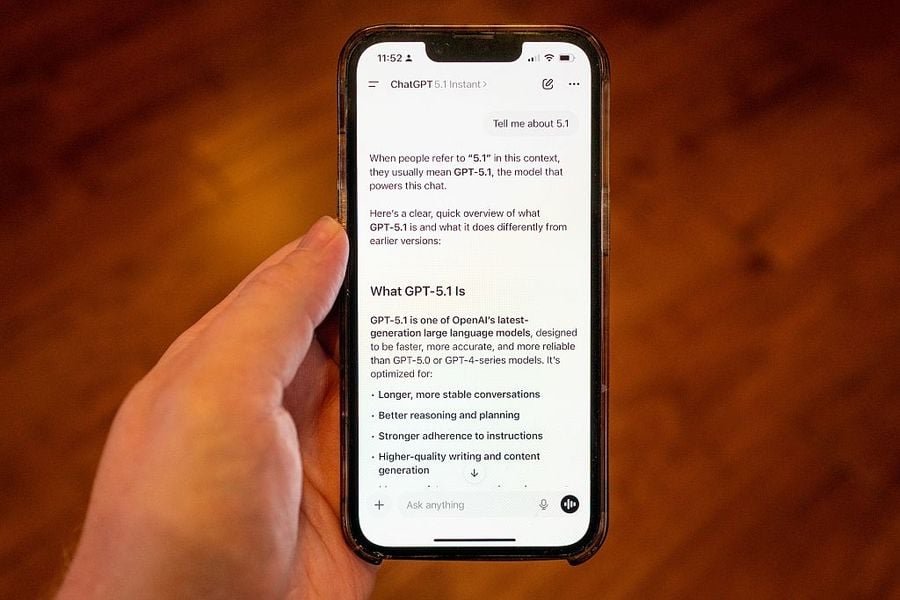
A growing number of young people will be using AI this holiday season, PWC found, as consumers turn to it for help with gift ideas and booking flights.
“AI-enabled recommendations are becoming a larger part of how consumers discover products and plan,” PWC said.
But customers aren’t fully sold on AI. “When something goes wrong, shoppers still want to talk with a real person," PWC said. "For baby boomers, this often means picking up the phone (82% of this group say it’s their go-to choice) or going to talk to a customer service representative in person (60%)."
