
The second wave of Covid-19 has dampened economic optimism for India
The second wave of Covid-19 has made economists less hopeful about India’s growth prospects.
The second wave of Covid-19 has made economists less hopeful about India’s growth prospects.
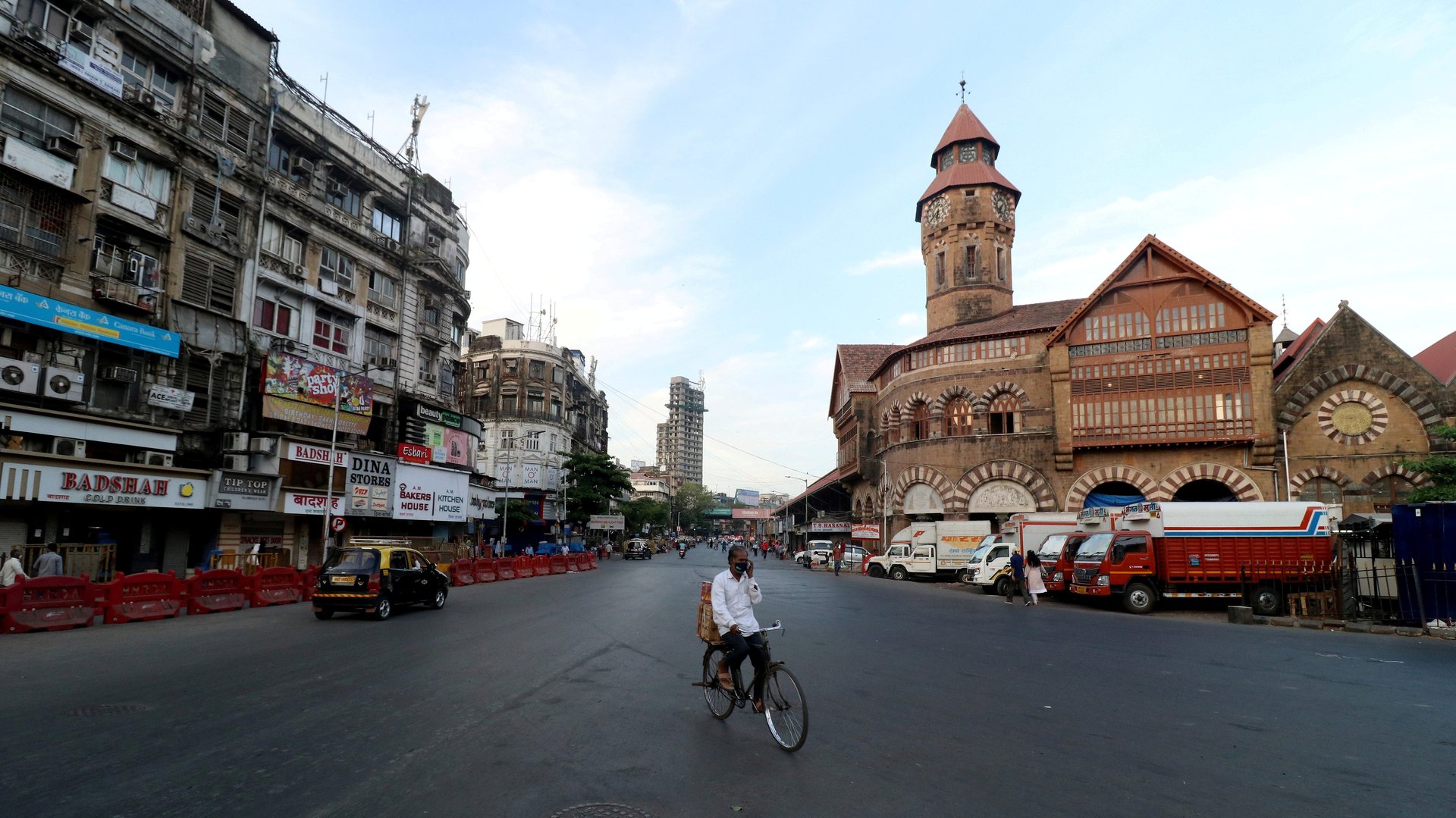
The second wave of Covid-19 has made economists less hopeful about India’s growth prospects.
At least four leading rating agencies have trimmed their GDP growth forecasts for India for the financial year ending March 2022. These agencies had initially estimated double-digit growth for the Indian economy due to a low base and revival of business activities in the country after the first wave of Covid in 2020.
For instance, Mumbai-based CRISIL, which had earlier pegged India’s economic growth for fiscal 2022 at 11%, has lowered its estimate to 8.2% in a worst-case scenario.
These sharp revisions in estimates come at a time when India is grappling with record Covid-19 deaths and new infections. As of May 19, the new infections remain above the 250,000-mark. The pandemic-related deaths have also stayed above the 3,500-mark.
“Dispersion of cases across states now mirrors the September 2020 peak. Worryingly, the number of cases has exceeded the peak by over 3x, highlighting the increased burden on healthcare services,” CRISIL said in its report published on May 10.
This spike in cases has forced state governments to impose restrictions on businesses, and the movement of goods and people. The adverse effects of these local-level lockdowns can be seen on important economic indicators. From auto sales to traffic congestions and from railway freight volumes to electricity consumption—several key economic indicators are showing signs of weakness.
“Much more extensive restrictions would prolong the pain of badly hit sectors, such as retail and tourism. Halts to domestic air traffic and subdued international travel may dismantle a fragile recovery underway for airports,” S&P Global $SPGI said in a note on May 5. It also said that a prolonged Covid-19 outbreak would hurt small and medium enterprises, which can in turn dent banks’ asset quality.
These headwinds are expected even as the country’s government had tried to refrain from a 2020-like strict nationwide lockdown, which had dented the economy severely. But there’s enough proof now that the Indian economy won’t make it through the second wave unscathed.
Join 500,000+ readers who start their day with Quartz.
By subscribing, you agree to our Terms of Service and Privacy Policy.