Weak employment levels and a fall in household incomes leave Indians with less money to spend
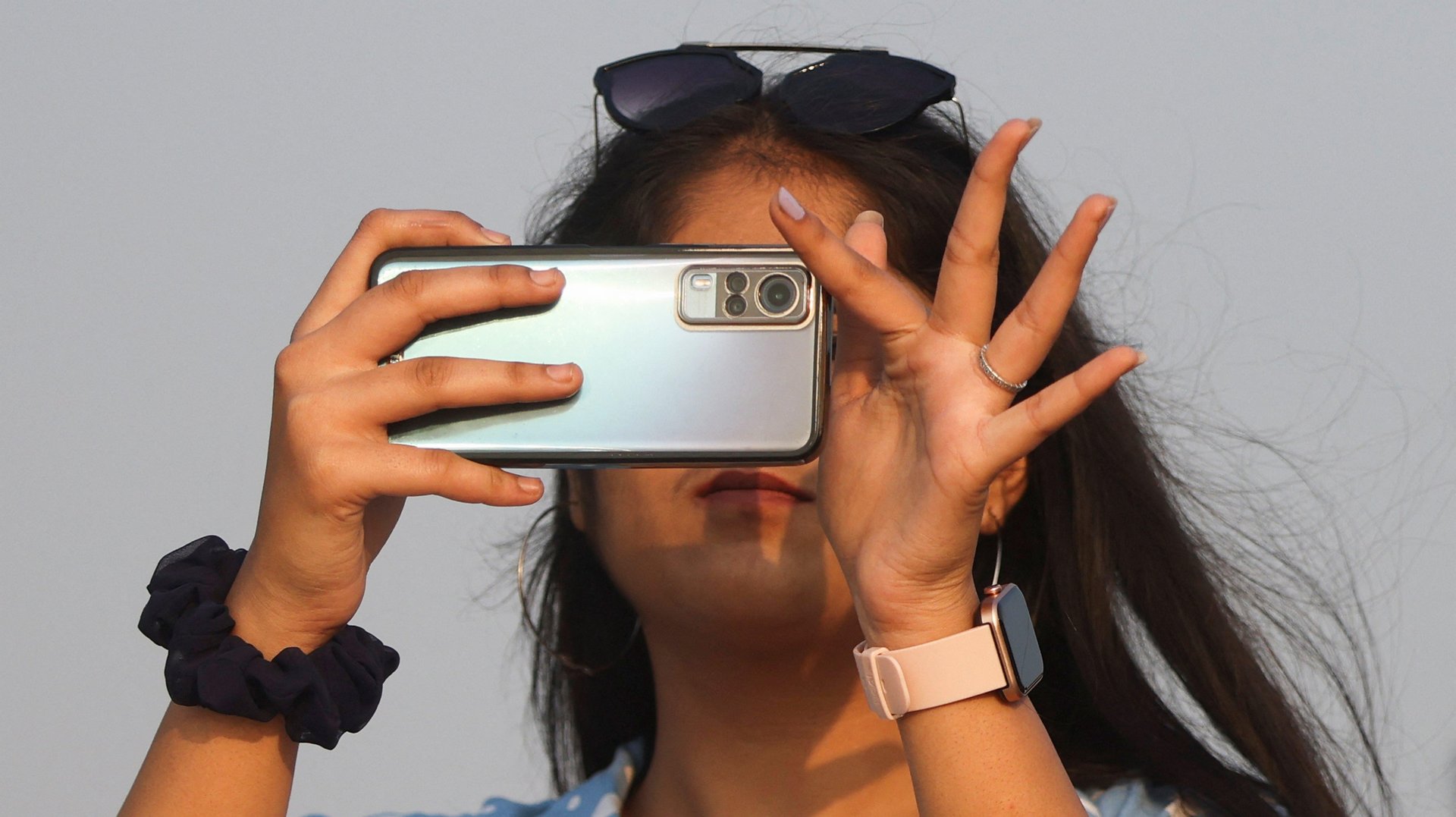
The demand for entry-level smartphones has declined in India as consumers are curbing expenses amid gloomy macroeconomic conditions.
Surging inflation, a shortage of electronic components amid supply constraints caused by the Ukraine war, and China’s stringent covid policy have affected demand for smartphones worldwide, according to a report published last month by market intelligence firm Counterpoint Research.
Join 500,000+ readers who start their day with Quartz.
By subscribing, you agree to our Terms of Service and Privacy Policy.
“Weak demand in entry-level segments hit sales even as the premium segment continued to grow,” the report said.
Another Counterpoint report had said in November that consumer demand had “peaked in the last week of September during the festive sales.” It said, “Almost all the brands were impacted, especially in the entry-tier and budget segments.”
Indians would generally change their smartphones every couple of years, according to Ami Shah, co-founder of IntelliAssist, a digital marketing agency. In the past few years, this migration had grown considerably.
By 2021, however, when the covid-19 pandemic slammed the brakes on the economy, it slowed down, BBC reported. “With inflation, the frequent upgradation has come down...even the job scenario has hampered the market,” Shah told Quartz.
Inflation has been a significant cause of worry in the Indian economy. Prices of entry-level smartphones, too, increased from a little above Rs10,000 for a handset two years ago to over 16,323 rupees ($200) by 2022.
A majority of these entry-level handsets, used by the lower-middle income groups in India, are locally manufactured. Industry experts estimate about 450 million users of feature phones—basic handsets costing less than Rs1,500 each—in India.
The economy’s overall slowdown and high unemployment have also reduced household incomes, leaving less money to spend on pricier handsets.
“...a lot of feature phone usage also increased because of privacy concerns,” said IntelliAssist’s Shah. Some experts believe smartphones can be turned into surveillance devices without impairing their functions.
