
Lionsgate (LGF.A), the studio behind blockbuster franchises including The Hunger Games, Twilight, and John Wick, plans to use generative AI in the production of its films and shows via a new partnership, announced today, with the AI startup Runway.
Lionsgate plans to use AI in its films via a new deal with New York startup Runway
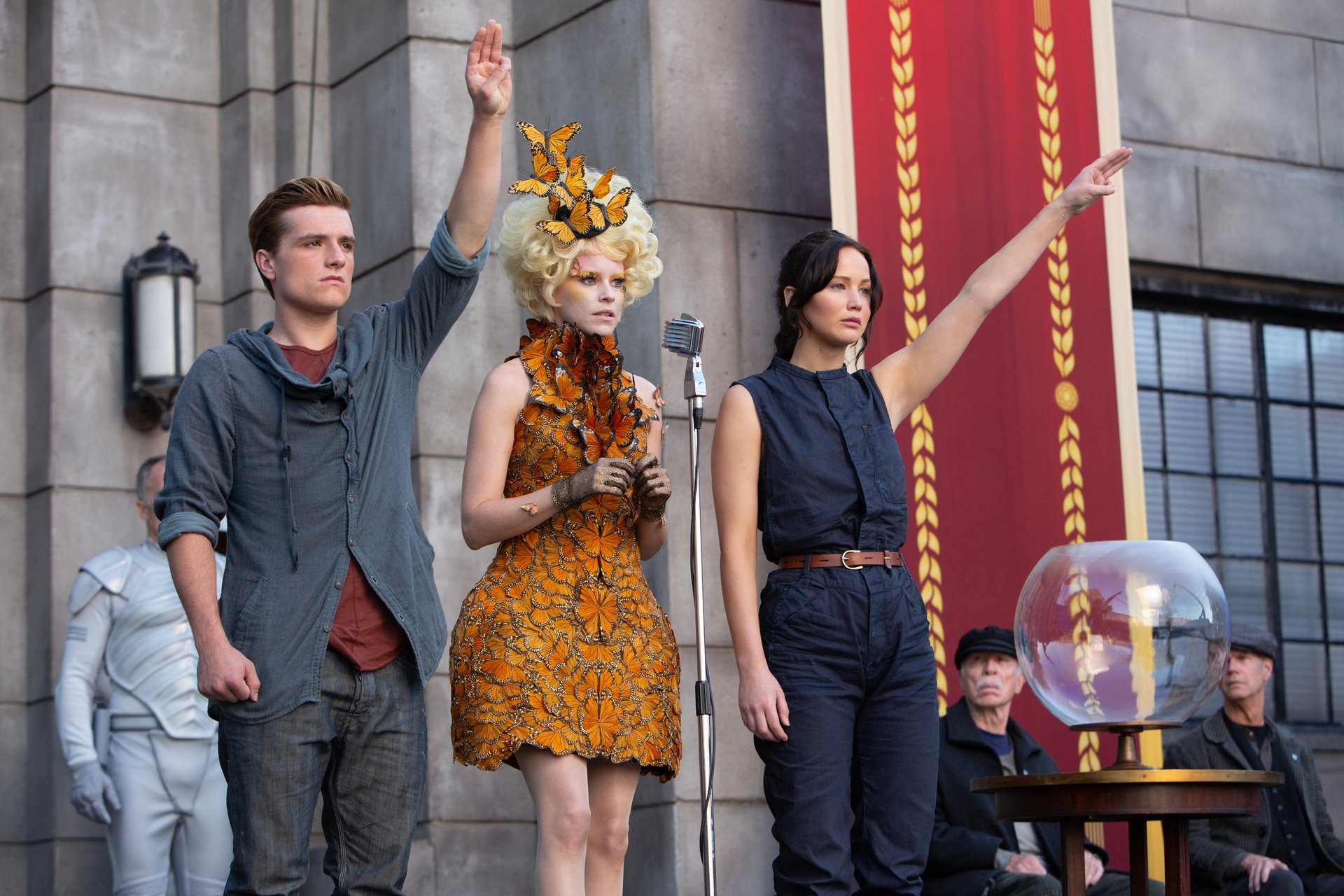
Lionsgate (LGF.A), the studio behind blockbuster franchises including The Hunger Games, Twilight, and John Wick, plans to use generative AI in the production of its films and shows via a new partnership, announced today, with the AI startup Runway.
The movie studio will turn over its media catalog to Runway, an applied AI research company founded in 2018. The startup will then use Lionsgate’s media library to build and train a custom AI model for the studio. The model will be able to generate cinematic videos that can be further edited with tools from Runway.
“Several of our filmmakers are already excited about its potential applications to their pre-production and post-production process,” said Lionsgate vice chair Michael Burns in a press release. “We view AI as a great tool for augmenting, enhancing and supplementing our current operations.”
Burns told the Wall Street Journal that the model could save the studio “millions and million of dollars” and that it will initially be used for internal purposes, like building storyboards. Eventually, the executive said it could be used to generate backgrounds and special effects for films.
The first-of-its-kind partnership comes as artists and content creators have pushed back against the use of generative AI in creative industries.
For example, after a months-long strike in 2023, the Writers Guild of America fought for and gained protection against the use of AI to replace writers. OpenAI and Nvidia $NVDA have been sued for allegedly training their models with copyrighted work. And this summer, several major record labels have filed lawsuits against music AI startups.
“We’re committed to giving artists, creators and studios the best and most powerful tools to augment their workflows and enable new ways of bringing their stories to life. The history of art is the history of technology and these new models are part of our continuous efforts to build transformative mediums for artistic and creative expression,” said Runway co-founder and CEO Cristóbal Valenzuela in a statement.
Join 500,000+ readers who start their day with Quartz.
By subscribing, you agree to our Terms of Service and Privacy Policy.