
Crude oil benchmarks fell Wednesday after Iranian state television claimed to have obtained a draft framework for a U.S.-Iran agreement, though fresh military strikes and persistent analyst skepticism left markets unsettled.
Brent and WTI fell more than 3% after Iranian state TV reported a draft framework to reopen the Strait of Hormuz, but analysts cautioned a deal is not imminent
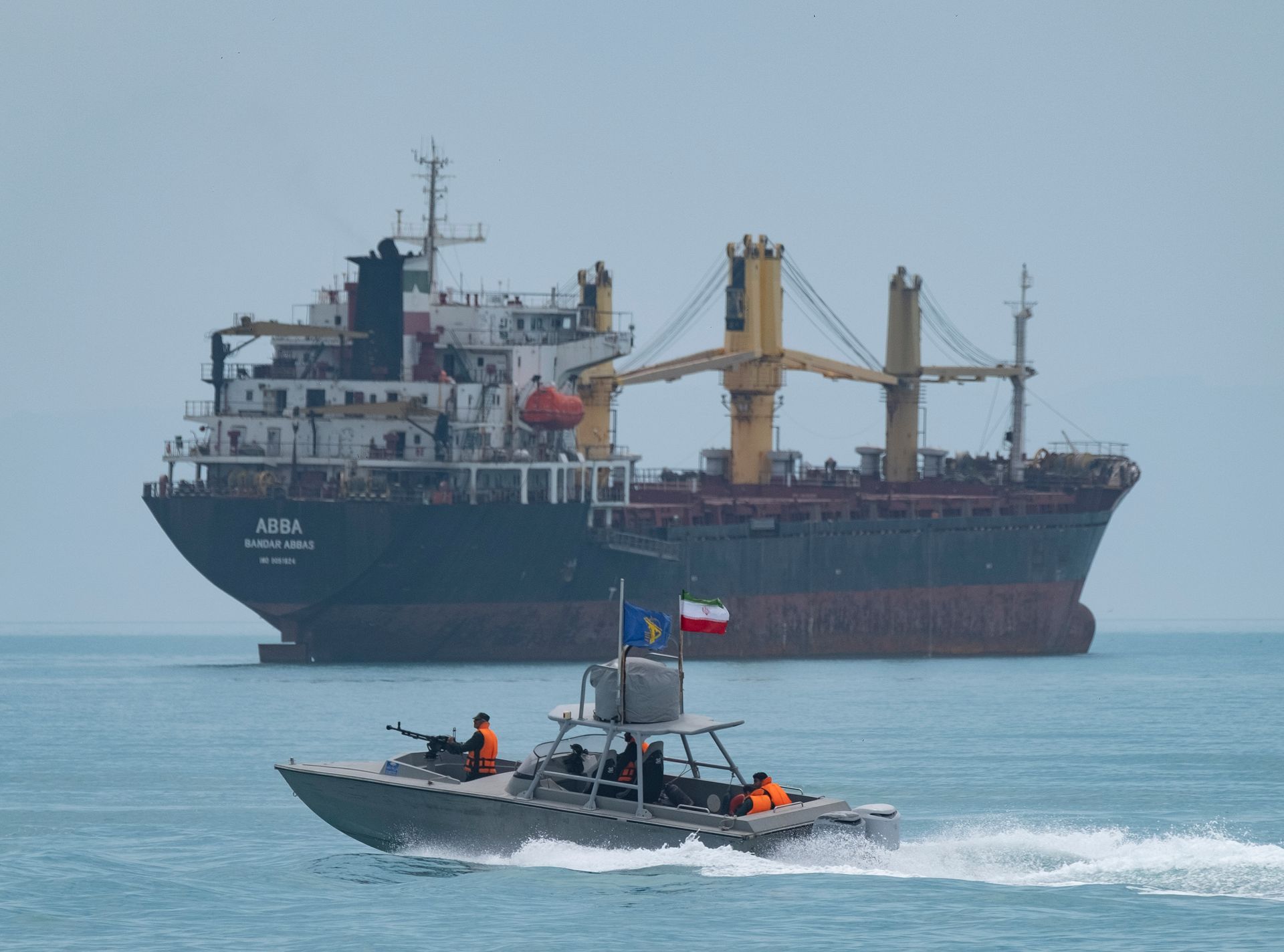
Photo: Morteza Nikoubazl (Getty)
Crude oil benchmarks fell Wednesday after Iranian state television claimed to have obtained a draft framework for a U.S.-Iran agreement, though fresh military strikes and persistent analyst skepticism left markets unsettled.
Brent crude futures fell about 3.7% to around $95.92 a barrel, while U.S. West Texas Intermediate dropped more than 5% to around $88.70 a barrel. Tuesday's 3.6% Brent rally — itself triggered by a fresh round of U.S. strikes on Iran — was entirely wiped out by Wednesday's decline.
According to Reuters, which cited Iranian state television, the draft envisions Tehran reopening the Strait of Hormuz to commercial shipping at prewar volumes no later than one month after a final deal is signed, in exchange for a U.S. military pullback from the region and an end to the naval blockade. Oversight of vessels transiting the strait would fall jointly to Iran and Oman under the proposed arrangement, state television said.
Reports of more tankers moving through the strait added to downward pressure on prices, according to Reuters. UBS analyst Giovanni Staunovo cautioned, however, that the reported framework does not represent a clear step forward. "There is no indication that this is something different than what we kept hearing since the weekend, and the Iranians have indicated a deal is not imminent," Staunovo told Reuters. "Meanwhile, oil flows through the Strait remain restricted, reducing further oil inventories."
The peace process has faced setbacks this week. Pentagon-labeled defensive strikes against Iranian vessels and missile positions, combined with an escalation of Israeli bombardment in Lebanon, cast fresh doubt on whether a negotiated resolution remained achievable, according to The New York Times. Tehran vowed to retaliate for the U.S. attacks, according to CNBC.
Iran's effective closure of the Strait of Hormuz has taken more than 14 million barrels per day of Middle East oil supply offline, according to the International Energy Agency.
Even if a deal is reached, a rapid return to normal oil flows is unlikely. Sultan Ahmed al-Jaber, head of Abu Dhabi National Oil Co., said last week it would take at least four months to ramp oil flows to 80% of normal levels, and even an immediate ceasefire would leave crude flows running below four-fifths of normal capacity for at least four months, al-Jaber said, with a complete return to prewar volumes not expected before sometime in 2027, according to CNBC.
The AAA motor club put the nationwide pump price at $4.46 per gallon Wednesday, a three-cent drop on the day — yet drivers are still paying roughly half again what they were before hostilities broke out.
Join 500,000+ readers who start their day with Quartz.
By subscribing, you agree to our Terms of Service and Privacy Policy.