SearchNewsletters
Logo
HomeLatestBusiness NewsMoney & MarketsTech & InnovationA.I.LifestyleLeadership✉️ Emails🎧 Podcasts
Logo
FacebookXInstagramYoutubeRSS Feed
SitemapAboutAccessibilityPrivacyTerms of ServiceAdvertising
© 2026 Quartz Media Network. All Rights Reserved.
Business News

What happens when a product is recalled?

Product recalls affect millions of people each year. Here's what they actually mean — and what consumers do when they happen

BySarah Halloran
Share to XShare to FacebookShare to RedditShare to EmailShare to Link
Add Quartz on Google
Share to XShare to FacebookShare to RedditShare to EmailShare to Link

Maca and Naca/Getty Images

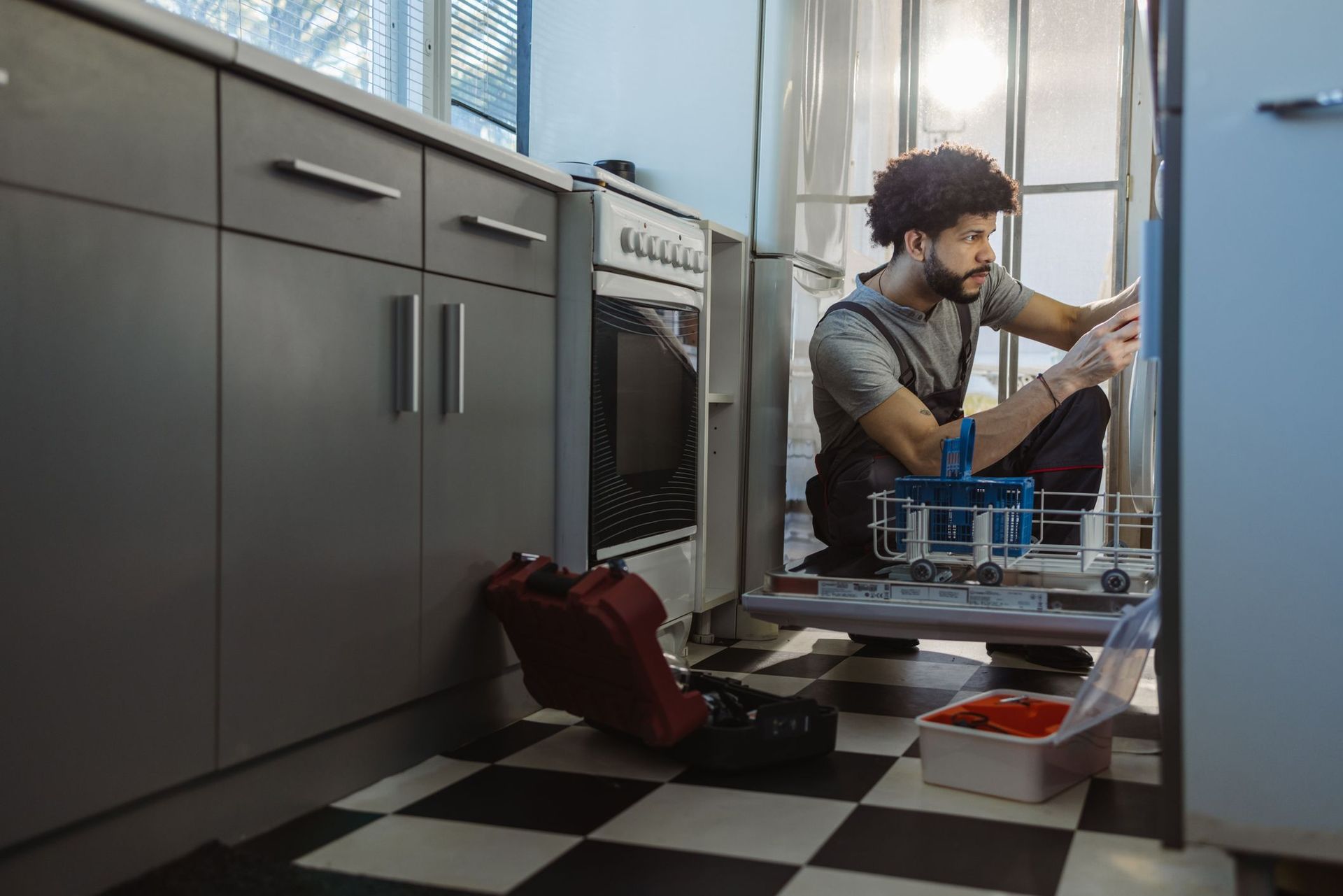
Product recalls affect everything from appliances to groceries. When your morning cereal gets pulled from shelves or your car is suddenly flagged for a brake issue, it might be an inconvenience, but it could be lifesaving. 

Recalls are a critical mechanism for protecting public safety when products don't work as intended. Whether it's contaminated food or a toy that poses a choking risk, recalls alert consumers that something may be wrong and action is needed. These announcements serve as an essential safeguard against harm, backed by regulatory oversight and accountability.

Product recalls touch nearly every industry. And while some product issues are minor, such as mislabeled packaging, others have resulted in widespread injuries, lawsuits, or even loss of life. Understanding how recalls work and what to do when they happen is key to staying informed and safe.

The history and evolution of recalls

Long before there were formal systems in place, manufacturers occasionally pulled flawed products from the market when defects became obvious. These early efforts were often reactive and opaque, limited by a lack of regulation and the means to communicate with consumers.

That changed in the 20th century. The U.S. Food and Drug Administration (FDA) was formed in 1906 to oversee food safety and drug labeling. In 1972, the U.S. Consumer Product Safety Commission (CPSC) was established to regulate a broader range of household and commercial products. These agencies and others paved the way for today's more structured and transparent recall ecosystem.

Recalls are classified as either voluntary (initiated by companies) or mandatory (ordered by agencies). The growing availability of data, consumer complaint systems, and public databases has made recalls easier to track, but also more costly for businesses, which now face greater scrutiny when things go wrong.

Regulatory framework and agency roles for recalls

Most recalls begin voluntarily, but government agencies can also mandate them if a product poses a significant threat. Federal agencies involved in recalls include:

  • FDA: This agency oversees food, drugs, medical devices, and cosmetics. It categorizes recalls into Class I, II, or III based on risk level.
  • CPSC: The CPSC monitors consumer goods such as electronics, toys, and household appliances. It operates independently to enforce product safety standards.
  • NHTSA: The National Highway Traffic Safety Administration handles vehicle-related recalls, including airbags, brakes, and seat belts.
  • USDA: The U.S. Department of Agriculture regulates recalls related to meat, poultry, and some egg products.

The step-by-step recall process

Recalls follow a multistage process, whether initiated by a company or prompted by a government agency. Here's how a typical recall unfolds:

  • Detection: Issues are identified through consumer complaints, injury reports, internal testing, or regulatory inspections.
  • Investigation: The company or agency assesses the scope of the issue and potential harm, compiling evidence and consulting experts.
  • Decision: A voluntary recall is initiated by the manufacturer, or a regulatory agency mandates action.
  • Communication: Recall alerts are issued through government websites, news outlets, social media, and press releases.
  • Remediation: The product is repaired, refunded, replaced, relabeled, or disposed of, depending on the issue.
  • Effectiveness checks: Agencies monitor compliance and verify whether the recall reached affected consumers.

Although it can be complex and resource-intensive, especially in high-risk industries, this process aims to minimize harm and ensure transparency.

Types and categories of recalls

Recalls are broadly categorized by industry and, in some cases, by severity.

Industry-specific recall types

  • Automotive: Faulty airbags, braking systems, ignition switches
  • Food: Contamination from bacteria, such as Salmonella or Listeria, or undeclared allergens
  • Drugs/Medical devices: Impurities, incorrect dosages, device malfunctions
  • Consumer products: Fire hazards, choking risks, battery explosions

High-profile examples include the Samsung Galaxy Note 7 recall, in which 2.5 million smartphones were pulled from the market globally due to fire risk. It cost the company over $5 billion.

In the food sector, Tyson Foods recalled 30,000 pounds of chicken nuggets after complaints of metal pieces in the product.

FDA recall classes

The FDA uses a three-tiered system to classify the severity of recalls involving drugs, food, and medical devices:

  • Class I: Products with a high risk of serious injury or death.
  • Class II: Products that may cause temporary or medically reversible harm.
  • Class III: Products unlikely to cause harm but violate regulatory standards.

These categories help regulators and companies prioritize communication and action.

The impacts of recalls

Recalls don't just affect consumers — they carry significant implications for companies and entire industries. Those outcomes can include:

  • Financial losses: The Auto and pharmaceutical sectors see the highest costs.
  • Lawsuits: Legal action may follow, especially if injuries or fatalities are involved.
  • Stock price fluctuations: Public recalls can shake investor confidence.
  • Reputation damage: Trust can erode, sometimes permanently.
  • Insurance premiums: Businesses may carry recall insurance to offset these risks.

These impacts can be seen clearly in some of the largest recalls in history. For example, in 2009, Toyota $TM recalled over 9 million vehicles for unintended acceleration issues. The resulting fines, lawsuits, and reputation damage cost the company billions.

Prevention and recall readiness

Companies increasingly invest in prevention strategies to avoid costly recalls. These strategies include:

  • Implementing quality culture initiatives, such as Total Quality Management (TQM)
  • Conducting Failure Mode and Effects Analysis (FMEA) to anticipate problems
  • Performing layered audits to catch issues early
  • Using traceability systems with lot numbers and product registration
  • Forming preestablished recall teams trained to respond quickly and efficiently

The better prepared a company is, the faster and more effectively it can act, reducing harm and limiting reputational fallout.

What consumers should do

Recalls rely on corporate transparency,  government oversight, and active, informed consumers. When a recall is issued, taking the right steps can prevent injury, protect others, and drive accountability across industries. Consumers should take the following steps:

  • Check official recall databases regularly. The FDA's recall portal, the CPSC, and the NHTSA list recent recalls across sectors, from food and drugs to vehicles and electronics. Some agencies also allow you to search by brand, product type, or lot number.
  • Read and follow instructions carefully. Recalls typically include specific guidance on whether to stop using the product, return it for a refund or replacement, request a repair, or dispose of it safely. Acting quickly can help you avoid risks associated with faulty or dangerous items.
  • Pursue compensation where appropriate. Depending on the product and the severity of the issue, companies may offer financial reimbursement, store credit, or free repairs. In serious cases, such as those involving injuries, you may want to seek legal advice to understand your rights and potential for restitution.
  • Sign up for alerts to stay informed. Many agencies and consumer watchdogs offer email or SMS alert services so you can be notified when products you use are affected. This is especially important for parents, pet owners, or people managing medical conditions who depend on specific food or drug products.
  • Share the information with your network. Spreading the word can have a real impact. Friends, neighbors, and family members might be affected by the same product, and they may be unaware of the recall. A simple heads-up in a group chat or social media post could prevent someone else from being harmed.
  • Register your products whenever possible. Many consumer goods, especially electronics, baby products, and appliances, include an option for online registration. Registering ensures you'll be notified directly about recalls without having to actively search for them.

📬 Sign up for the Daily Brief

Our free, fast and fun briefing on the global economy, delivered every weekday morning.

Related Content

Bargains and questions: Trump's mysterious promotion of ‘Freedom Fuel’
Apple is suing OpenAI, saying it stole trade secrets