If you’ve looked into flying transatlantic recently, chances are you’ve come across the seemingly too-good-to-be-true fares of Norwegian Air. I know this because I often get texts from American friends planning trips to Europe asking: “Hey have you flown Norwegian? Should I do it?”
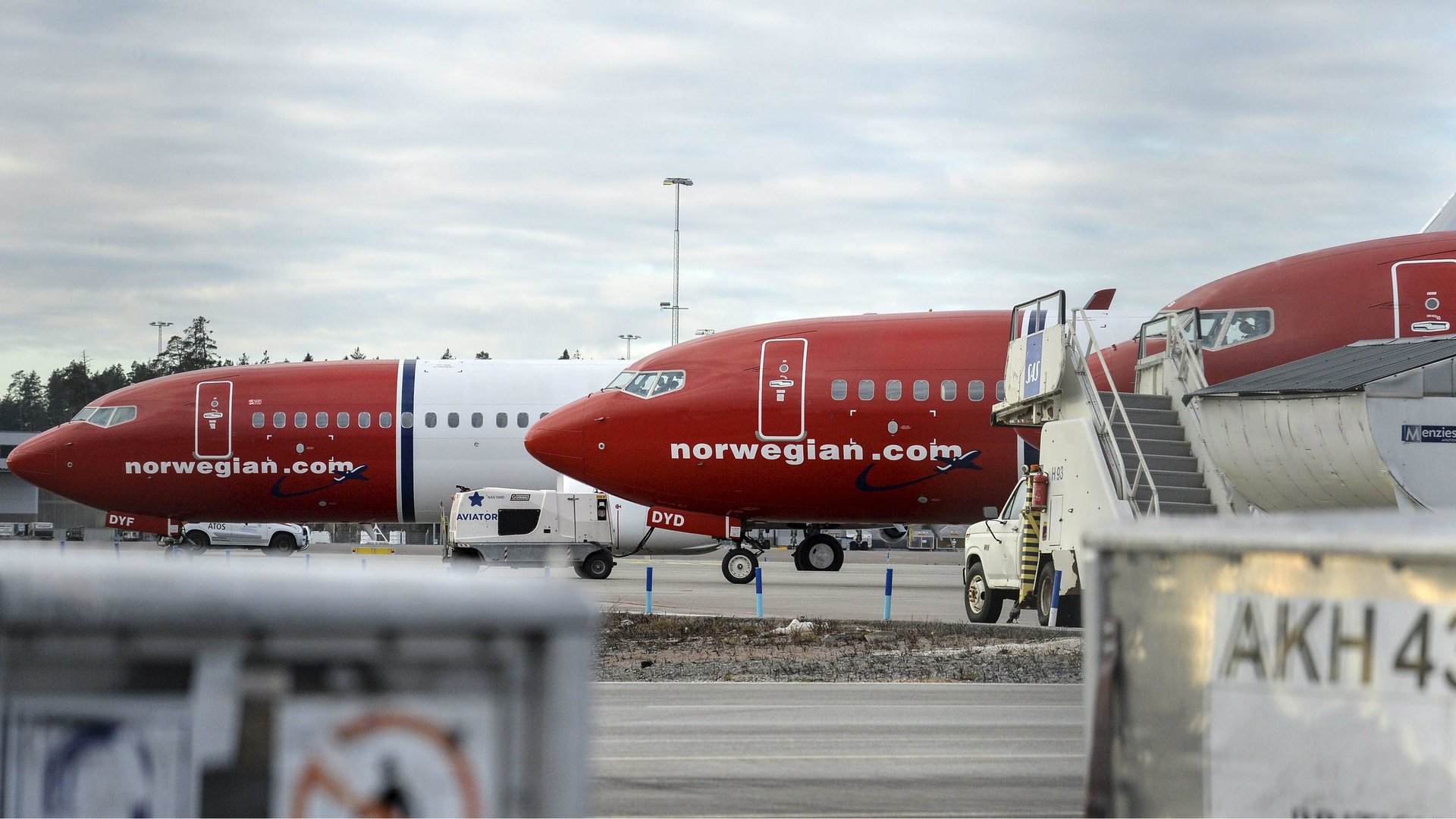
If you’ve looked into flying transatlantic recently, chances are you’ve come across the seemingly too-good-to-be-true fares of Norwegian Air. I know this because I often get texts from American friends planning trips to Europe asking: “Hey have you flown Norwegian? Should I do it?”
My answer, in short, is yes—but with some caveats.
But first, it’s worth knowing just Norwegian— the “world’s best long-haul low-cost airline,” a thoroughly post-recessionary distinction—manages to offer flights so cheap. Contrary to the assumptions of some less-frequent travelers, cheap flights do not necessarily mean they are less safe. In fact, Norwegian ranks ahead of both American Airlines and United Airlines on the safety , an independent source for aviation safety.
Join 500,000+ readers who start their day with Quartz.
By subscribing, you agree to our Terms of Service and Privacy Policy.
Norwegian’s price competitiveness is due to several factors. First, its fleet of Boeing $BA 737 and 787 Dreamliners means it has one of the youngest—and most fuel efficient—fleets of aircrafts in the industry, with an average age of just 3.6 years. This gives it a massive edge when it comes to fuel costs, as it’s not phasing out gas-guzzling dinosaurs like many legacy carriers are.
Secondly, Norwegian and other similar carriers like WOW Air are essentially running a social experiment to find out just how many services and amenities customers will forgo in the name of flying long-haul on the cheap. Norwegian offers five ticketing levels, ranging from LowFare (no checked baggage, no meal, no seat reservation—and no free drinks, headphones, or blanket either) to PremiumFlex (2 checked bags, seat reservation, premium meal, complimentary amenities throughout the flight, as well as free re-booking and refunds). This model of pay-as-you-like ticketing will be familiar to short-haul passengers on budget carriers such as Ryanair and easyJet—the former once toyed with the idea of charging for using the lavatories—but is a relatively recent concept on long-haul flights.
Lastly, and most importantly, in 2011 Norway and Iceland were incorporated into the Open Skies Agreement, which minimizes government intervention in international aviation. This change allowed both Norwegian and WOW Air (which is Icelandic) to serve as competition on these routes for the first time, essentially creating a price war with legacy carriers.

This combination of factors—along with frequent promotional offers, which sell out fast—has worked wonders for Norwegian’s ridership rates.
Three years ago, few had heard of the airline. Since then it’s become the 10th-largest trans-Atlantic airline by percentage of seats offered. This past summer, according to aviation industry analyst CAPA Centre for Aviation, “Norwegian had 2.8% of all scheduled seats between Europe and North America, compared with 1.8% in summer 2016.”
But what’s it like to fly Norwegian? Romantic these flights are not. But they’re not horrible either. (I’ve flown enough to know the difference.)
No matter what level your ticket is, there are some baseline perks that go above most legacy aircrafts’: all the planes are new, with big windows and pleasant ambient lighting; the well-designed overhead bins are big enough to actually contain everyone’s luggage; the in-flight entertainment is free; the legroom isn’t any worse than a Virgin or BA Flight (I’m 5’11” so I know); there are USB ports and charging sockets in every seat; and the air circulation on board is far superior to older aircrafts.
In fact, I dare say with some hacks and pre-planning, they can be a better experience than your average Virgin or Delta flight across the Atlantic.
Here’s how to do it right:
During booking:
During packing
At the airport:
