The Spanish musician Francisco Tárrega is considered one of the greatest classical guitarists of all time, leaving behind an impressive oeuvre of Romantic compositions when he died in 1909. But by far his most famous piece of music is a three-second snippet from his 1902 guitar solo, “Gran Vals.”
The Spanish musician Francisco Tárrega is considered one of the greatest classical guitarists of all time, leaving behind an impressive oeuvre of Romantic compositions when he died in 1909. But by far his most famous piece of music is a three-second snippet from his 1902 guitar solo, “Gran Vals.”
You don’t need a musical ear to hear its most famous passage: The notes jump out 12 seconds into this recording of the song:
Join 500,000+ readers who start their day with Quartz.
By subscribing, you agree to our Terms of Service and Privacy Policy.
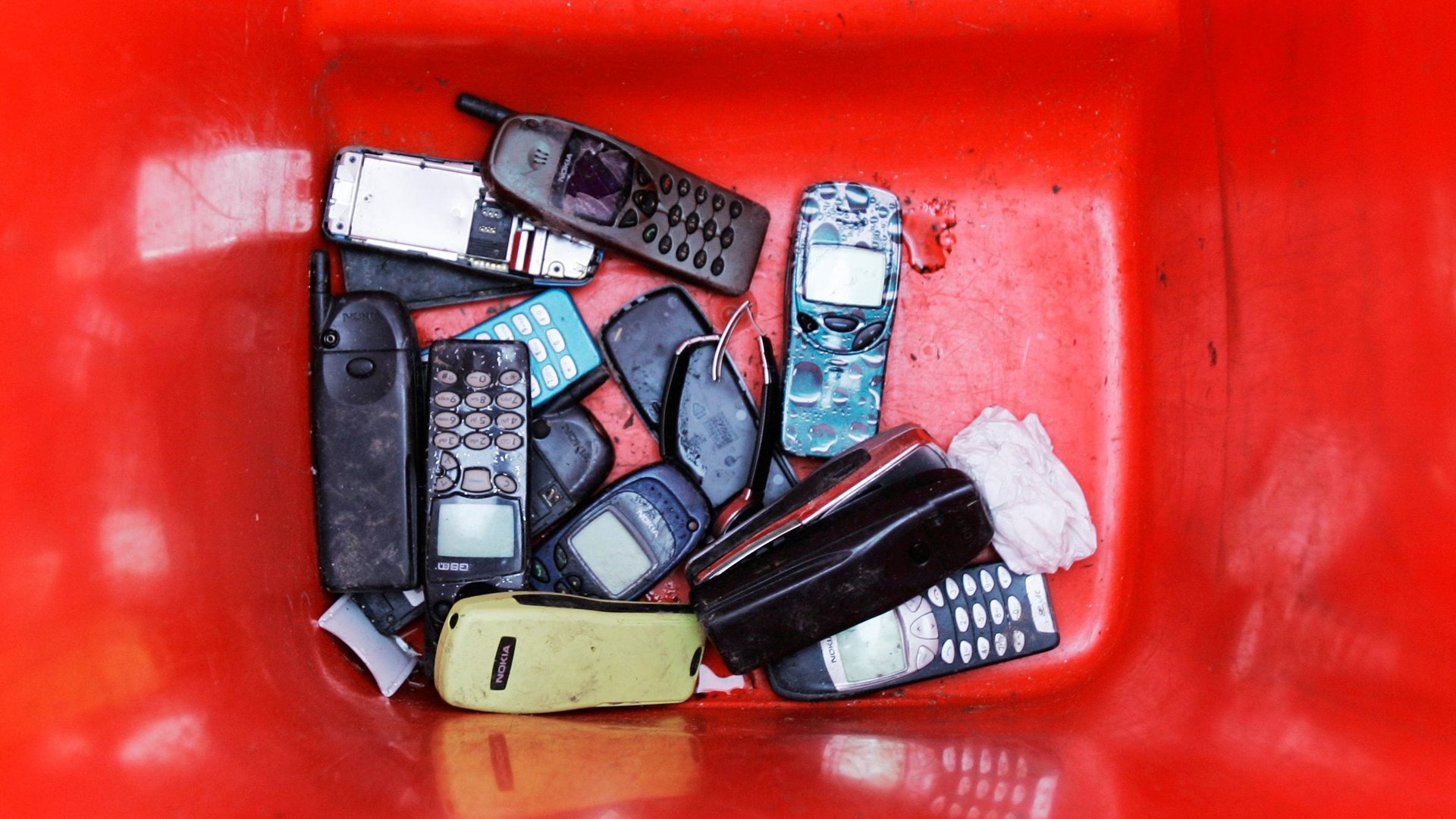
The line, as the blog Tedium noted recently in a delightful deep dive into the history of ringtones, inspired the default ring tone on the Nokia mobile phone. At the peak of the Finnish phone manufacturer’s market dominance, that iconic sound—just listen here if you need a reminder—da-dee-da-daad an estimated 1.8 billion times a day from pockets and bags around the world.
The story of the famous earworm stretches back even further, to the 19th century. As Next Web has noted, the line in Tárrega’s “Gran Vals” was itself taken from Frédéric Chopin’s 1834 waltz “Grand Valse Brillante.” (Tedium marked a point in the composition where you may be able to hear the tinkling of cell phones yet to come.) Tárrega went on to reimagine the waltz as a lovely guitar solo.
“Gran Vals” was among the pieces of music that a Nokia engineer and a marketing executive tested for the earliest versions of the phone. When it came time to choose which sounds would be incorporated into the soon-to-ship final product in 1993, Tárrega’s biggest selling point was that he was long-dead. Nokia needed a sound free of expensive copyright claims, and European law releases music into the public domain 70 years after the composer’s death. Tárrega, gone 84 years earlier at the age of 57, made the cut.
The Nokia Tune went on to become one of the original and most famous electronic earcons, those distinctive auditory phrases that signpost and announce our lives: the chime before a subway door closes, the whoosh of a Mac booting up. Try explaining that to a 19th-century composer.
