Samsung is bracing for a steep drop in profits this quarter, pointing to weaker AI-chip sales and ongoing U.S. export restrictions on advanced chips to China as key factors behind the slump.

Samsung is forecasting a 56% drop in quarterly profit, citing weak AI chip sales and U.S. export restrictions to China.
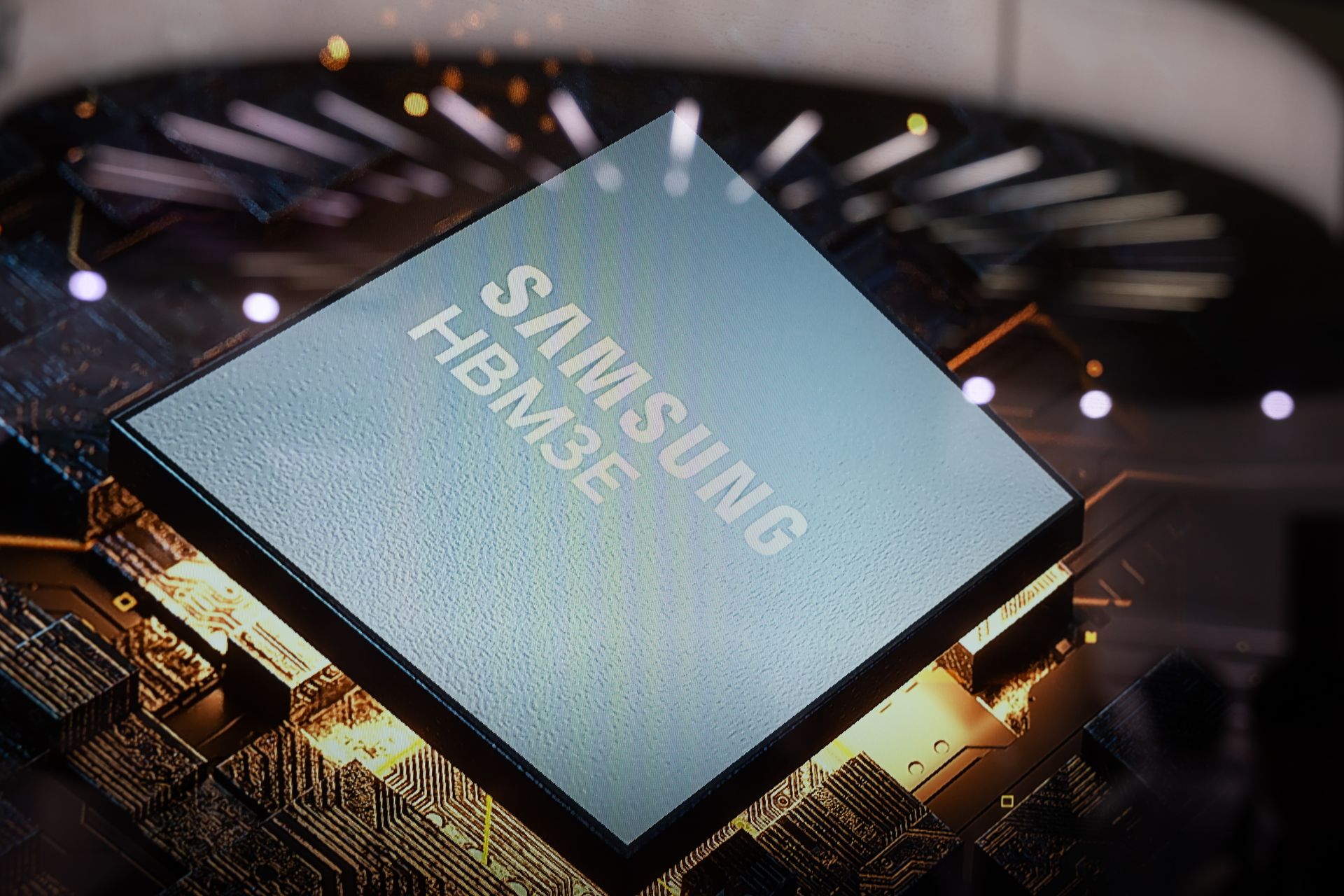
SeongJoon Cho/Bloomberg via Getty Images
Samsung is bracing for a steep drop in profits this quarter, pointing to weaker AI-chip sales and ongoing U.S. export restrictions on advanced chips to China as key factors behind the slump.
The company said Tuesday it expects operating profit for the April-June period to land around 4.6 trillion won ($3.4 billion), down 56% from a year ago. That figure also falls well short of analysts' expectations for the second quarter of 2025, which were closer to 6.2 trillion won ($4.5 billion). If confirmed later this month, it would be Samsung’s weakest profit in six quarters.
Second-quarter revenue, meanwhile, is expected to hold steady at roughly 74 trillion won ($53.9 billion) — from 74.07 trillion won a year earlier.
Samsung, the world’s largest memory chipmaker, blamed part of the miss on tightened U.S. restrictions limiting exports of AI chips to China, which remains a critical market for its semiconductor business. But there are other challenges in play. Analysts say delays in supplying its latest high-bandwidth memory (HBM) chips to Nvidia $NVDA have also weighed on results.
Earlier this year, Samsung suggested its new HBM 3E 12-layer chips could be ready for customers by June. On Tuesday, however, the company didn’t provide any update on shipments to Nvidia, only noting that the products are still undergoing evaluation.
While rivals like SK Hynix and Micron $MU have benefited from strong AI-driven demand for memory chips in the U.S., Samsung’s heavier reliance on China has left it more exposed to export restrictions and rising competition from local chipmakers.
Samsung projects that its chip division earned an operating profit of around 500 billion won for the quarter, a drop of more than 90% from a year earlier. The company said chip profits were hit partly by inventory value adjustments, though it didn’t go into specifics. Analysts believe unsold HBM chips meant for Nvidia may have contributed to writedowns.
Not everything was downbeat. Samsung thinks its mobile business likely saw improved profits during the quarter thanks to new phone launches, providing at least some offset to the semiconductor decline.
Samsung shares slipped 0.2% on Tuesday, underperforming the broader KOSPI index, which was up 1.2%.
Looking ahead, Samsung expects profits to recover gradually in the second half of the year, as demand picks up and sales of its HBM chips to non-Nvidia customers increase. The company also announced plans to buy back 3.9 trillion won ($2.85 billion) worth of shares as part of a broader buyback program announced last year.
Samsung will release its full second-quarter earnings report, with detailed breakdowns for each division, on July 31.
Join 500,000+ readers who start their day with Quartz.
By subscribing, you agree to our Terms of Service and Privacy Policy.