
Quartz
Subscribe
Quartz
Subscribe
Edition
Business News
A.I.
Technology
Money & Markets
Leadership
Lifestyle
Latest

Get Quartz in your inbox

Free daily briefing on global business news.

Business News
AirlinesAutomobilesFoodPharmaceuticalsPolitics & GovernmentRetail & EcommerceSpace & AerospaceEarnings
Technology
A.I.ComputingConsumer TechSpace & AerospaceEarnings
Money & Markets
Economic IndicatorsMarketsPersonal FinanceEarnings
Lifestyle
Cars & BikesCollectingEntertainmentFood & Fine DiningHealth and FitnessReal EstateTravel
Quartz

Global business news for a smarter world

Topics

  • Business News
  • Money & Markets
  • Tech & Innovation
  • Generation A.I.
  • Lifestyle
  • Leadership

Products

  • Daily Brief
  • Weekly Digest
  • Member Benefits
  • Quartz Pro

Legal

  • Sitemap
  • About
  • Accessibility
  • Privacy
  • Terms of Service
  • Advertising

© 2026 Quartz Media, Inc. All rights reserved.

Lifestyle

Solar eclipse traffic could lead to more car deaths, study says

The 2017 eclipse in the U.S. resulted in a spike in deaths on the country’s roads.

By Morgan Haefner·2 min read·Updated March 28, 2024
Add QZ to Google

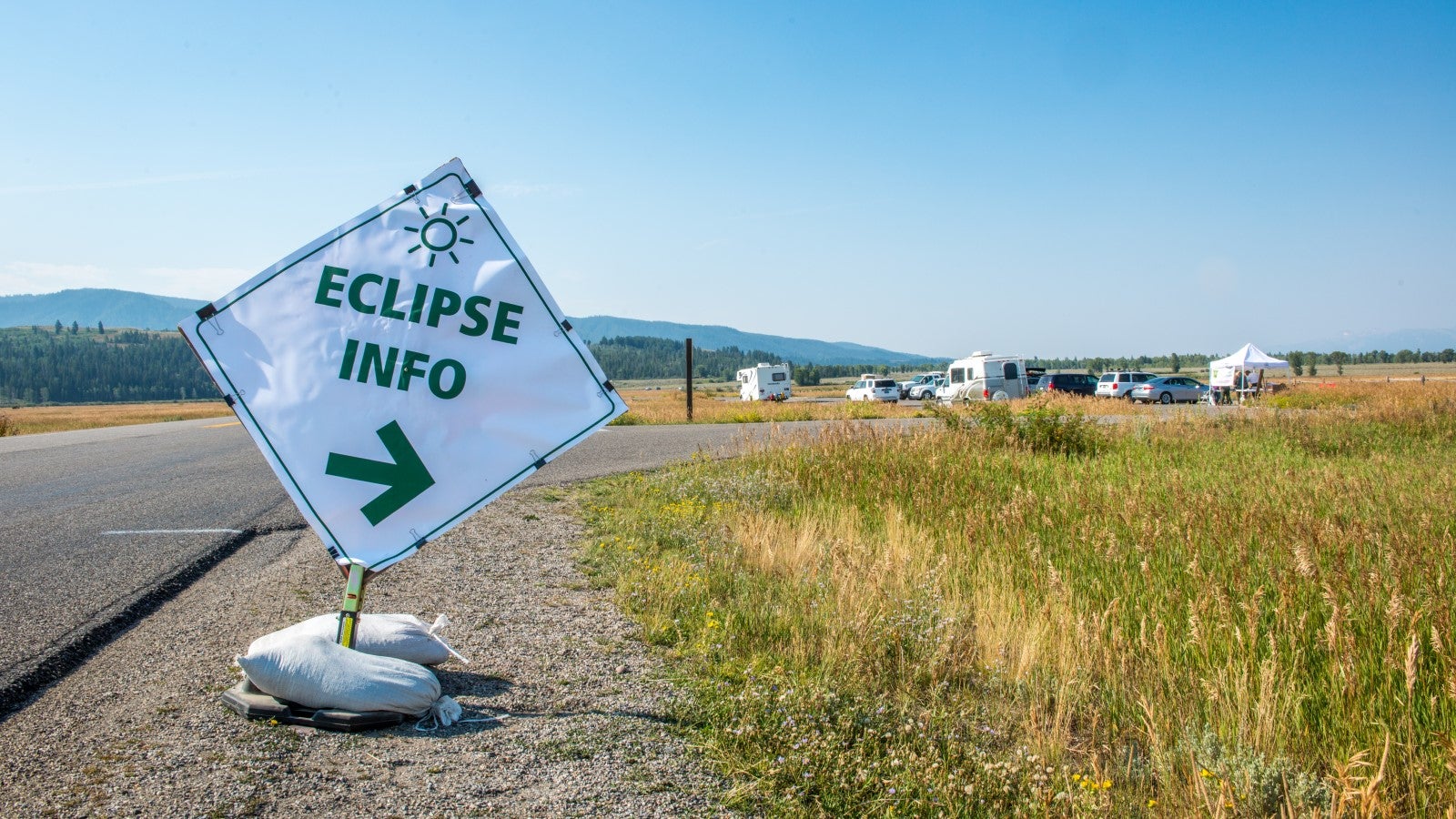
It’s an exciting time for moon worshipers, as the Earth’s natural satellite is about to get its time in the spotlight with a total eclipse that’s set to be visible from vast portions of America on April 8th. While the lunar phenomenon is exciting, it turns out it can also mark a dangerous time for motorists, as one study warned that fatal car crashes could be about to spike.


The total solar eclipse will be visible across America on April 8th when the moon passes in front of the sun, temporarily blocking its light from reaching Earth. When that happens, a new paper has warned that there could be an uptick in fatal car crashes across the country, reports Space.com.

According to the site, the 2017 eclipse in America resulted in a spike in deaths on the country’s roads, and now experts are warning the same could happen during the eclipse next month. As Space.com explains:

The surge in crashes wasn’t tied to the daytime darkness caused by the eclipse. Actually, “we see a significant decrease during the single hour that involves the eclipse,” said co-author Dr. Donald Redelmeier, a professor of medicine at the University of Toronto and a staff physician at the Sunnybrook Health Sciences Centre.
“The problem is the surrounding hours, when people are traveling to their place of observation and especially afterwards,” Redelmeier told Live Science. “We’re especially concerned about the drive home.”

So while we’re sure you all know to turn your lights on and take care when you’re driving in the dark, we’d like to take this time to remind you not to get too excited about the eclipse.

We know, it’s novel for it to go dark during the day, but that doesn’t mean you should drive like a maniac to get the best view of the moon as it passes in front of the sun.

Stay safe out there, kids. And remember, don’t look an eclipse directly in the eye.

A version of this article orignally appeared on Jalopnik.

Daily Brief

The essential business news, delivered fresh every morning.

Join 500,000+ readers who start their day with Quartz.

By subscribing, you agree to our Terms of Service and Privacy Policy.

Related

MarketsRoblox stock posted its worst day ever after pulling its full-year outlook
SpaceA discarded SpaceX rocket is about to slam into the moon at 5,400 mph
Cloud ComputingSpaceX will take another year to remove xAI's unpermitted gas turbines near Memphis
PharmaRohto is recalling nearly 12 million eye drop bottles over sterility concerns
MarketsAn ex-OpenAI researcher's AI hedge fund collapsed from $45 billion to $10 billion in a week