The Consumer Price Index fell 0.4% in June on a seasonally adjusted basis, the Bureau of Labor Statistics reported Tuesday, pushing the annual inflation rate to 3.5%, down from 4.2% in May. The monthly drop was the largest since April 2020, when prices fell 0.8%.

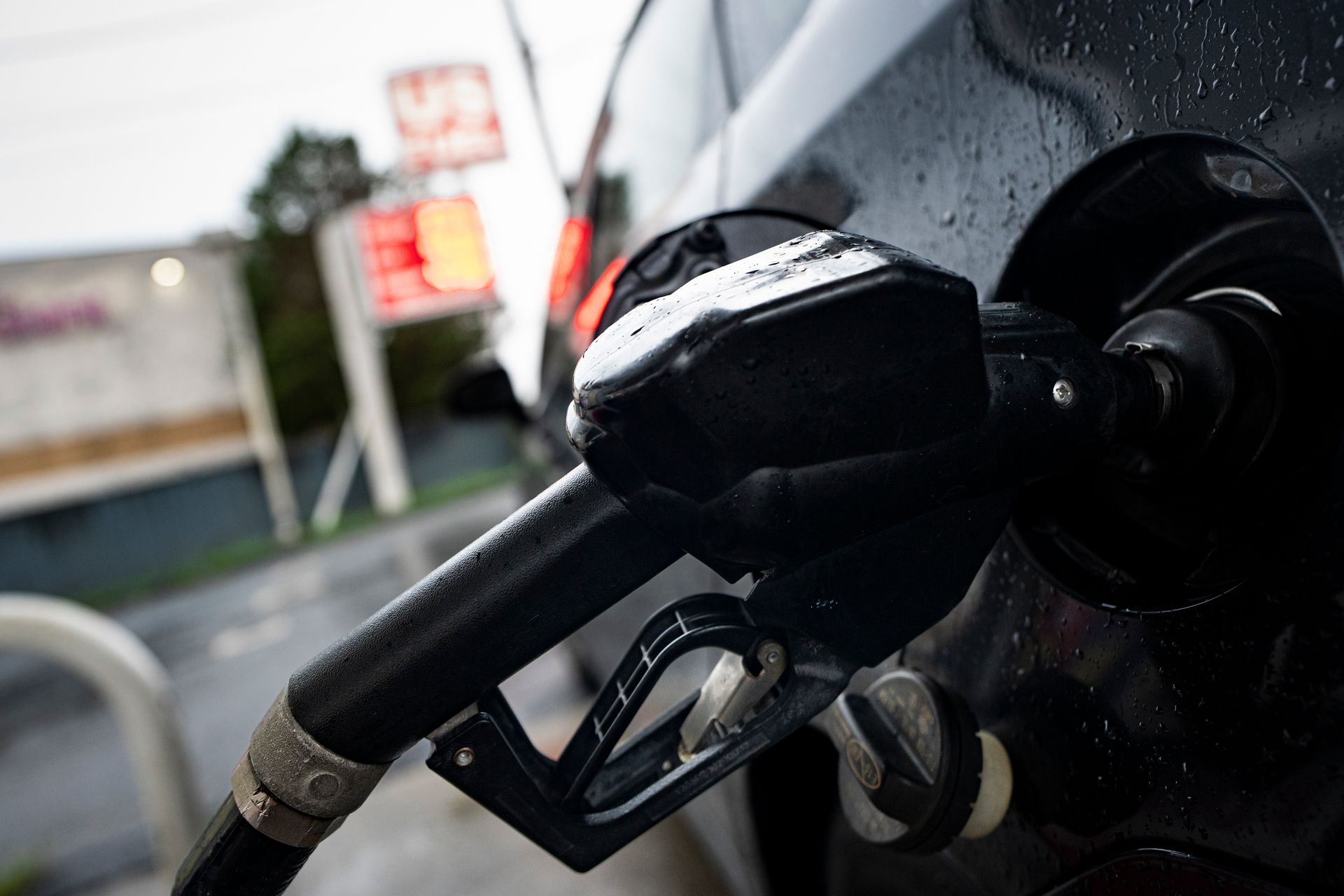
The energy index was the primary driver of the decline, shedding 5.7% over the month — its steepest one-month retreat since April 2020. Gasoline prices fell 9.7% in June, while fuel oil dropped more than 9%. Despite the monthly pullback, the energy index still stood 15.7% above year-ago levels, and gasoline prices remained 26.7% higher than a year earlier.
Inflation excluding food and energy was unchanged on a monthly basis, holding the 12-month core rate at 2.6%, compared with 2.9% in May. Shelter costs rose just 0.1%, the smallest monthly gain for that index since January 2021. Motor vehicle insurance fell 2.0%, communication prices dropped 1.5%, and apparel declined 0.6%.
Food prices rose 0.2% for the month. Eggs climbed 4.3%, dairy products rose 1.2%, and beef prices increased. Nonalcoholic beverages fell 1.5%, led by a 2.0% drop in coffee.
Wall Street forecasters polled by Dow Jones had anticipated a 0.2% monthly drop and a 3.8% annual reading, according to CNBC. The Wall Street Journal's analyst poll had similarly expected a 3.8% annual rate, according to The Journal.
The monthly dip at the pump was partly attributable to a lull in the Iran war, the conflict that has done the most to push energy costs higher over the past four and a half months. But the ceasefire has since collapsed, and the benchmark U.S. oil price rose 12% in July through Monday, raising the prospect that energy costs could rebound in coming months.
Federal Reserve officials are watching the data as they weigh whether to raise interest rates. Fed Governor Christopher Waller said Monday that he would need to see a sustained string of encouraging data points before concluding that inflation is on a durable path back to the Fed's 2% goal. Fed Chairman Kevin Warsh, in prepared remarks for congressional testimony Tuesday, said the central bank has "no tolerance" for elevated inflation.
Markets currently price in the Fed holding rates steady at its July 28-29 meeting and raising them by a quarter percentage point in September, according to CNBC.
