For a long time, women’s media assumed its audience was made up of stereotypical sorority sisters: the kind of women who wanted to read in earnest about handbags, hair conditioners, and pleasing their men. Then Anna Holmes came along.
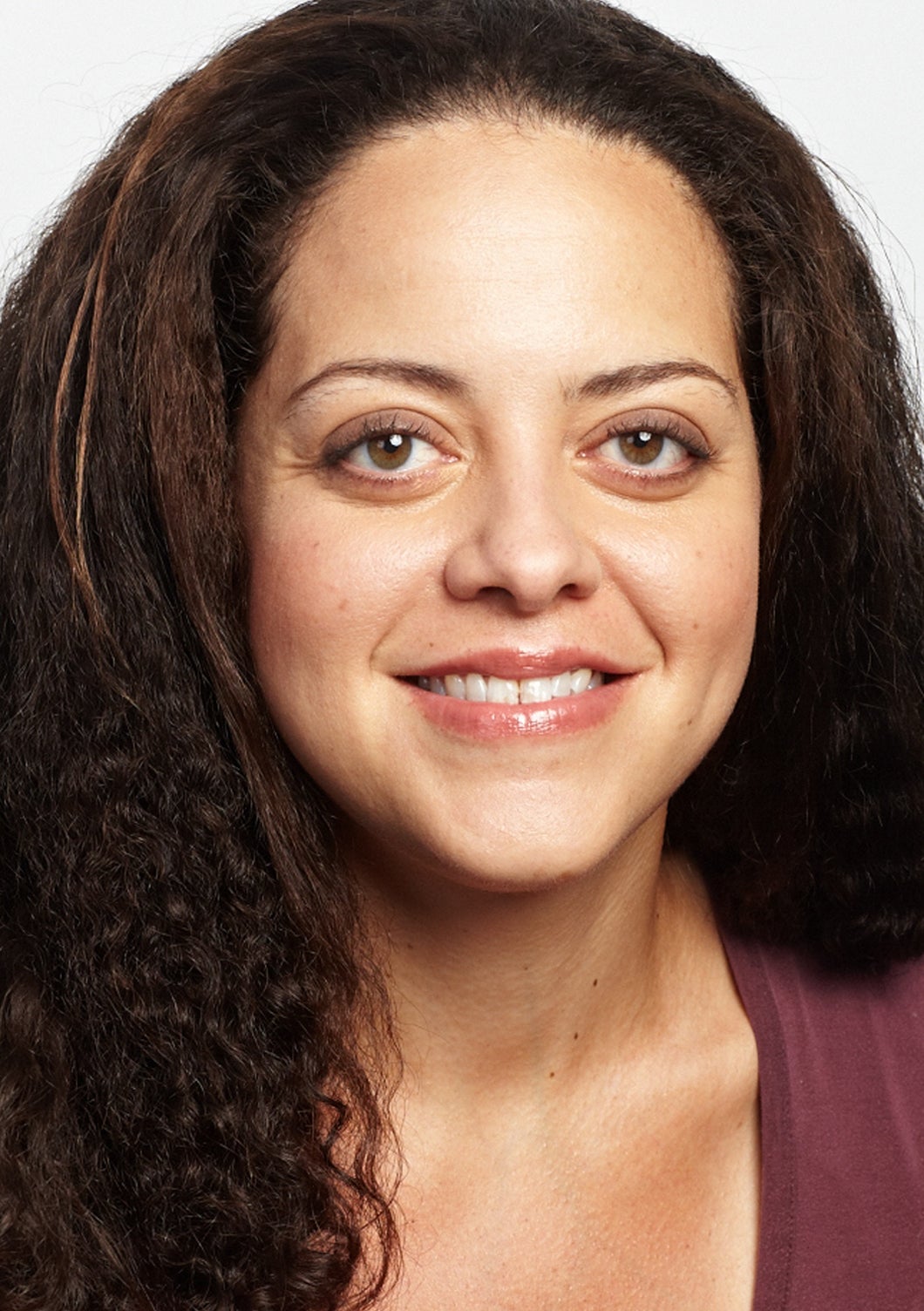
For a long time, women’s media assumed its audience was made up of stereotypical sorority sisters: the kind of women who wanted to read in earnest about handbags, hair conditioners, and pleasing their men. Then Anna Holmes came along.
After spending the early years of her career at traditional women’s magazines like Glamour and InStyle, Holmes founded the feminist website Jezebel in 2007 with the goal of reflecting women’s perspectives in their furious, hilarious, often messy reality. “At that time, there was almost no women’s media outlet that wasn’t insulting in some way to young women,” she told Mother Jones. Under Holmes’s stewardship, Jezebel wielded a rowdy sense of humor as a weapon.
Join 500,000+ readers who start their day with Quartz.
By subscribing, you agree to our Terms of Service and Privacy Policy.
It convinced women’s media to stop talking down to its readers, which changed the approach of its print predecessors and made room for sites like The Hairpin and Rookie. Holmes told Slate in 2013 that she’d learned to welcome the new crop: “We as women have been socialized to believe that other women are competition, because we only see so many spaces at the table,” she said, rejecting the idea that “there’s a finite amount of space for women to occupy.”
After stepping down from Jezebel in 2010, Holmes brought her intersectional feminist perspective to the New York Times’ Sunday Book Review and other publications, writing on everything from race in The Hunger Games to the art of throwing shade. Now she’s busy launching Topic.com, which is First Look Media’s film, TV, and digital studio with a focus on visual storytelling. She’s still working to carve out space for women and diverse voices in media—and committed to speaking her mind.
In an interview with Quartz, Holmes talks about the importance of nuance in digital media, washing her hands of toxic office politics, and why being a pain in the ass isn’t always a bad thing.
With respect to the media: that the idea that digital audiences want to be told what to think or what’s important—to be subject to rapid-fire reactions and takes and explainers and analyses and pronouncements—is perhaps less compelling, less constructive, and less-forward looking right now than the idea of media companies, brands, and personalities making explorations into questions, nuances, and contradictions; to embracing the messiness of the contemporary climate today, and sitting with it.
Speaking my mind. Being a pain in the ass when necessary. Believing that my voice has value. Indulging my and others’ curiosity.
I’d demand that the people in the highest echelons of power look at the people they bring into meetings with outsiders and insiders and ask themselves, “Why aren’t there more women at the table? Why aren’t there more people of color?” In short, I’d wave my magic wand over the heads of the entitled white males I’ve been coming across my entire career and force them to not only develop more self awareness, but make big changes in how they do business.
I wish I’d known that it was okay that I didn’t have a grand plan, that I hadn’t planned out my future year by year, decade by decade, and that perhaps there wasn’t an obvious “path” for me to take because there isn’t for anyone. I think I also wish I’d known how much toxicity some workplaces are tolerant of, just how entrenched office politics can be, and that it is okay, maybe even preferable, to not be particularly good at them.
I wish I hadn’t believed that life is basically a meritocracy. I wish I hadn’t believed that just because someone is in a position of power means that he/she knows what he/she is doing. That’s been both a depressing and freeing realization that I only made in my mid-to-late thirties.
Probably toward the end of my tenure at Glamour magazine, where I was a staff writer. I hated what I was doing, I hated my place in the office culture (see above comment about office politics), and I hated how homogenous the office culture was in terms of race, age, and background. I don’t know so much that I turned it around than I turned my back… by leaving and selling a book I’d always wanted to work on.
I let them know that I’m encouraging of their thoughts and opinions and that I work as hard at my job as I expect them to do theirs. I think I’m mostly nice but speak my mind, and I try to be clear in my communication (though I don’t always succeed).
Listen to them. Trust them. (But this is true of life, not just work.)
The mountain I’m willing to die on… is that pie is better than cake.
I wish people would stop telling me… their predictions for the future of media. No one knows.
This interview is part of How We’ll Win, a project exploring the fight for gender equality at work. Read more interviews with industry-leading women here.
