Harvard economist Claudia Goldin has dedicated her career to researching women’s changing roles in the US economy. She’s studied everything from how the rise of birth-control pills have altered women’s approaches to marriage and education to why more women are working in full-time jobs past retirement age.
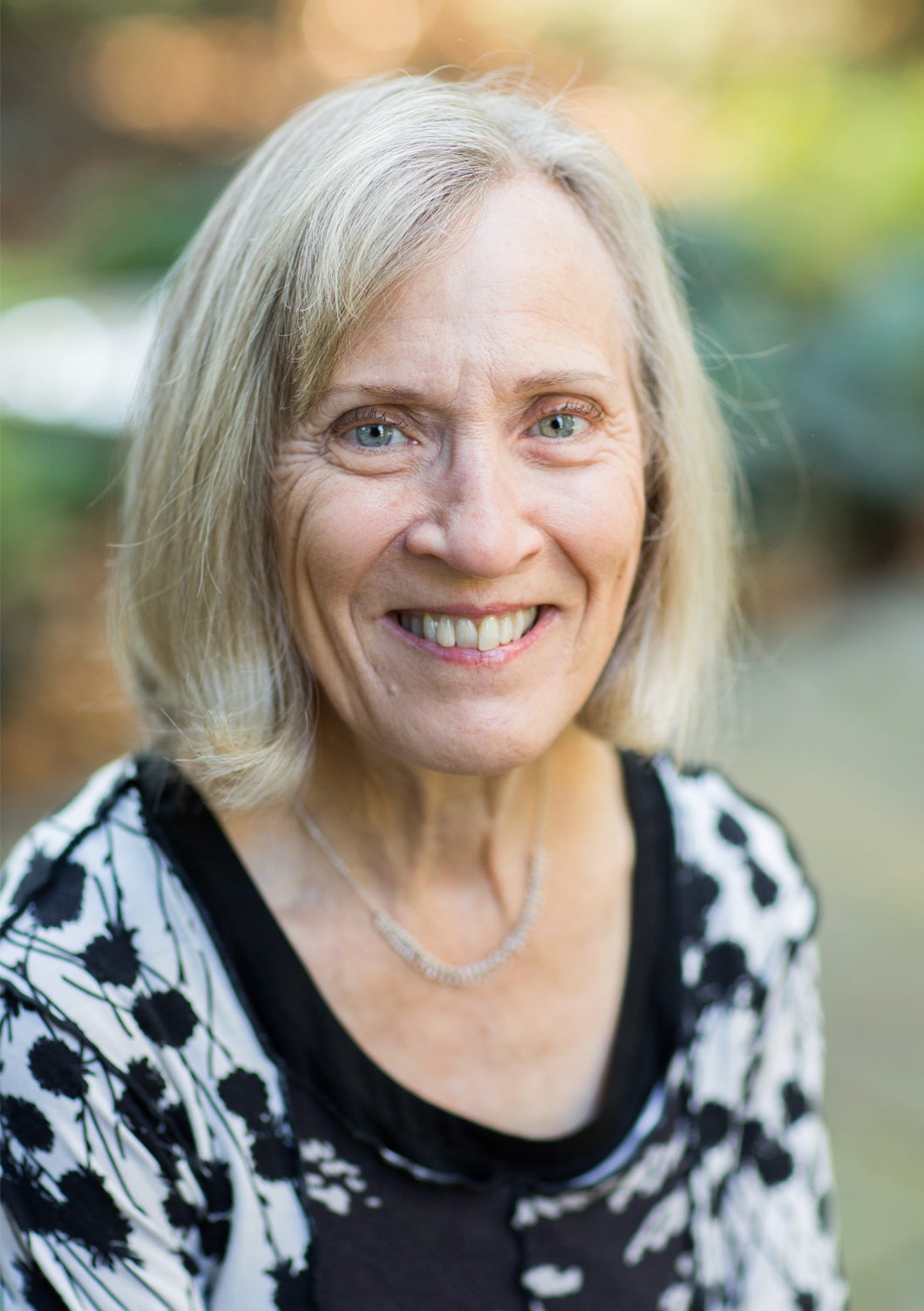
Harvard economist Claudia Goldin has dedicated her career to researching women’s changing roles in the US economy. She’s studied everything from how the rise of birth-control pills have altered women’s approaches to marriage and education to why more women are working in full-time jobs past retirement age.
Goldin’s own career arc reflects some of the remarkable changes working women have experienced over the past few decades. In 1990, Goldin became the first woman to achieve tenure in Harvard’s economics department—and proved herself a careful negotiator. “It’s obviously very difficult, particularly in my field, to turn an offer from Harvard down,” she told the Harvard Crimson after receiving the offer, noting that she was holding off on accepting before she heard the terms of the contract.
Around the same time, she published a highly influential book called Understanding the Gender Gap $GPS, which challenged conventional wisdom about the root causes of unequal pay between the sexes. In essence, Goldin argued that outright sexism wasn’t to blame for the gap. Instead, the underlying issue was that women with kids are more likely than men to seek out “temporal flexibility“—that is, jobs with more flexible hours or remote-work options. These roles tend to pay less, even when they require the same amount of work. Closing the gap ultimately requires that employers take the need for work/family balance seriously, and change their pay structures. It’s still making waves in the media, with the New York Times, Freakonomics, and All Things Considered still exploring the ramifications of her theory in recent years.
In an interview with Quartz, Goldin reflects on the importance of history in solving today’s most pressing issues, and explains the persistent mindset that keeps her in fighting form.
History matters. The past is always with us; there is no issue of importance that can be solved without considering the past.
Curiosity. Persistence. Working with the best, and not caring that I am not the best. Most of all, chilling with my dog.
Have retreats for women. (We are having our second in two weeks).
Wish I had known: more econometrics.
Wish I had not believed: that I needed to know more econometrics.
When I felt most despondent: an hour ago. Everything is relative. I am not the despondent type.
What I did to to turn it around: persist.
Get personal. Take an interest in their passions, their family. If they have a dog, it is much easier. Everyone wants to talk about their dog.
From Robert W. Fogel, the 1993 winner of the Nobel prize in economics. He gave advice by example. He believed, and taught me, that what we study as economic historians really matters for today, even if it happened long ago.
Want what women want. If men wanted to take more responsibility at home (real responsibility), then workplaces would be structured differently, and men and women would be treated and paid more equally in the labor market. It’s that simple.
The mountain I’m willing to die on… is freedom.
Everyone should own… a dog (but dogs own us).
This interview is part of How We’ll Win, a project exploring the fight for gender equality at work. Read more interviews with industry-leading women here.
Join 500,000+ readers who start their day with Quartz.
By subscribing, you agree to our Terms of Service and Privacy Policy.
