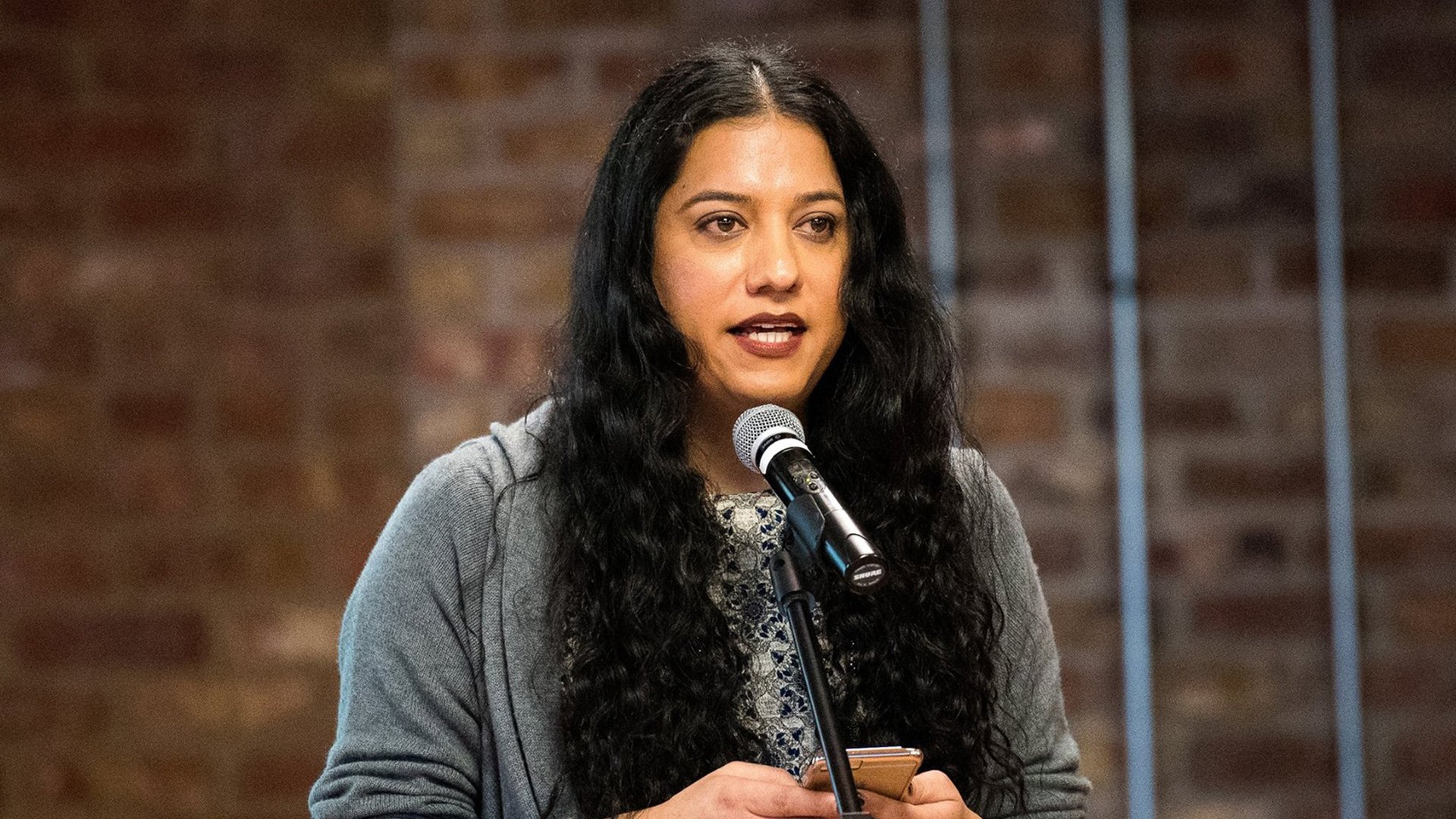
Just one week into 2018, another trans woman was murdered. This after 28 transgender Americans were victims of homicide in 2017, making it the deadliest year for trans people in US history. This violence, which is overwhelmingly targeted at trans women of color, is nothing less than a national epidemic—and Isa Noyola is leading the fight for justice.
Noyola, a translatina activist and national leader in the LGBTQ immigrant-rights movement, is deputy director of the Transgender Law Center, the nation’s largest trans-led organization. TLC advocates for legal, policy, and attitude changes to protect trans people, especially trans people of color, from all forms of discrimination. As deputy director, Noyola focuses on raising awareness of the conditions affecting trans people detained in immigration facilities, and relentlessly advocates for trans women’s release from ICE detention. In 2015, she organized the first-ever national trans anti-violence convention, uniting over 100 activists who were primarily trans women of color. The following year, she spearheaded a 70-page report detailing physical, psychological, and sexual violence allegedly perpetuated against transgender detainees.
“Every day, we transgender people should wake up and look in the mirror and be proud, because we have survived another day. And when we have one another for support and community, we believe we can thrive,” Noyola said on 2016’s Trans Day of Visibility. “Understand that we are not free until all of us are free, and trans communities in the LGBTQ movement have been ignored,” she told NBC that year. “We have so much work to do. The fight continues.”
In an interview with Quartz, Noyola explains why basic transgender rights and legal protections aren’t enough, the necessity for professional pipelines supporting trans people in every industry, and how our power is deeply intertwined with our pain.
The argument I’m obsessed with at the moment is that the trans movement should work toward liberation and not just basic rights and legal protections. Along the way to that broader vision of liberation, we can achieve protections, but that should never be the goal and the end all be all. Legal protections and policies all come with limitations. I ultimately believe that transgender people need to be free from violence and thriving in healthy communities that respect and honor who we are. Trans people have always existed and been a part of every civilization and community.
Taking risks and staying grounded. When I first started getting involved in my community, I was a volunteer tutoring English language for immigrants. I never would have thought from that place I would engage in immigrants’-rights work on a national level, touring detention facilities to monitor conditions for trans immigrants. There have been many challenges to get to this position. I find much heartache and loss from community members who have been tragically and brutally murdered along the way. These moments have challenged me to not stay grieving in the loss, but to make sure we figure out safety strategies for trans people everywhere.
Go through policy manuals in the nonprofit world and make them trans-friendly and accessible. Much of the language in human-resources departments does not acknowledge gender variance. I would also make sure that all social-justice organizations have intentional leadership pipelines that make sure transgender and gender non-conforming people are given an opportunity at their organization. I often think how few transgender women of color leaders there are in most areas of work, and how the median income for trans people is under $10,000.
I wish I had someone tell me that I did not have to be a cookie cutter and fit into a box to succeed—that the journey to feel connected and passionate about my career is not linear. I have taken many twists and turns to get to my current role as deputy director. A career counselor could have never prepared me for this journey of legal and policy advocacy I’m on.
During despondent moments, having movement leaders hold space for me made all the difference for me to stay present and not let the negative self-talk and doubts get a hold of me. Having colleagues share similar experiences and listen to their process helped me think of the bigger vision I have for the work I do, and not just the difficult moment I am facing.
Cultivating strong professional relationships is about openness and curiosity. The most authentic and genuine professional relationships I have in the movement are with people who I am still curious about and learn so much from. I make a habit in my already hectic travel schedule to set up intentional time to meet up and share. As a movement leader, these relationships are essential to reflect and grow.
“Go beyond just knowing your reactions or expressing them. Work to find a place where you can hold what is underneath, to find wisdom and power that lives where your pain is” — Ann Bradney, founder and director of the Radical Aliveness Institute.
This advice serves to remind me that behind our feelings and emotions is a place of power and wisdom that we can tap into during difficult moments when we are challenged. It helps remind me to stay grounded and in my power.
Men need to know that the process of dismantling patriarchy and raising their consciousness around feminism is an exercise of courage and tenacity that will both liberate and bring about new possibilities in their lives.
Everyone should own… art by Micah Bazant, from the Trans Life & Liberation art series.
This interview is part of How We’ll Win, a project exploring the fight for gender equality at work. Read more interviews with industry-leading women here.
