Facebook will begin flagging fake news stories with the help of users and third-party fact-checkers in Kenya, in a bid to improve the quality of news people find on its platform.
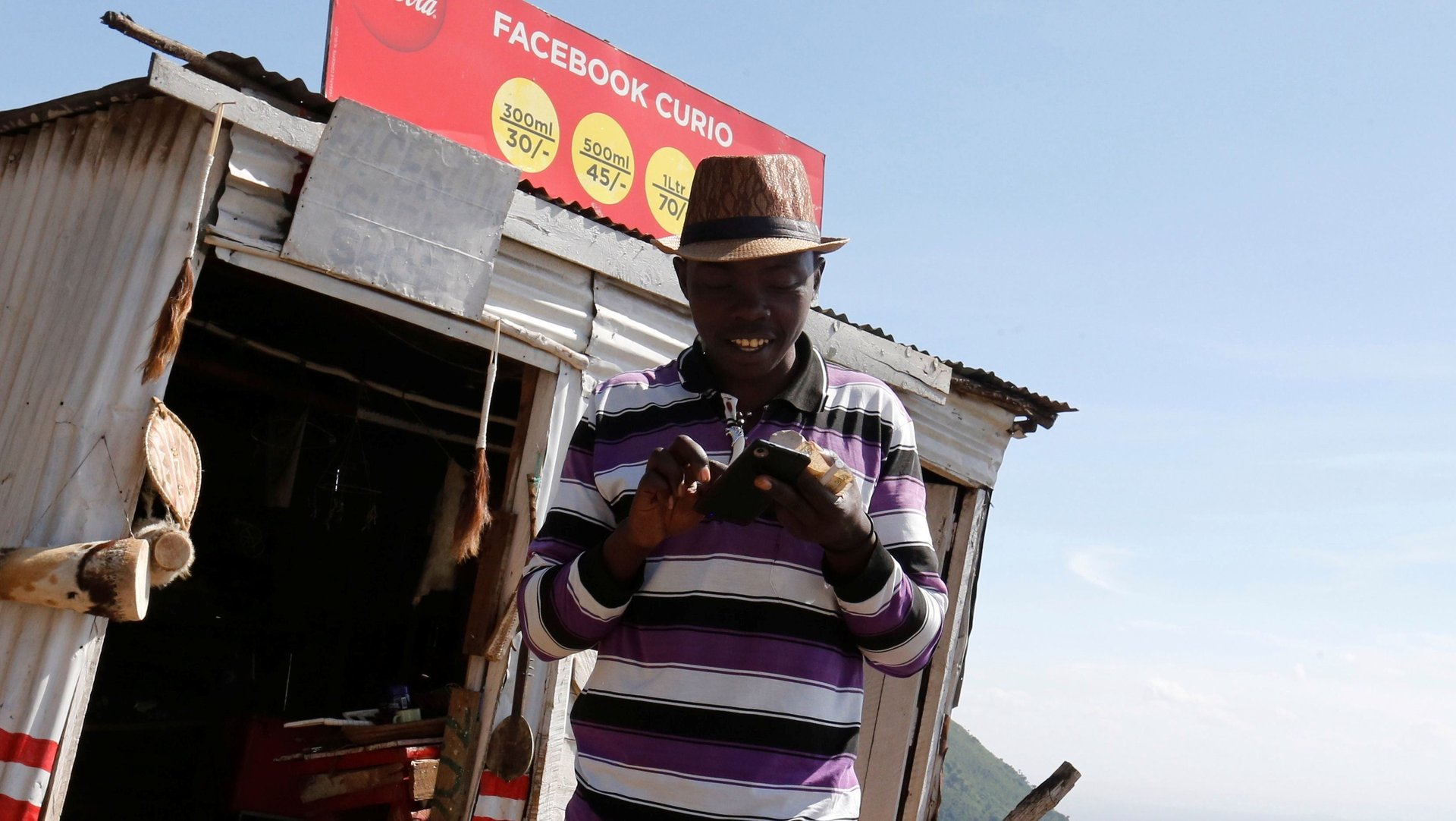
Facebook $META will begin flagging fake news stories with the help of users and third-party fact-checkers in Kenya, in a bid to improve the quality of news people find on its platform.
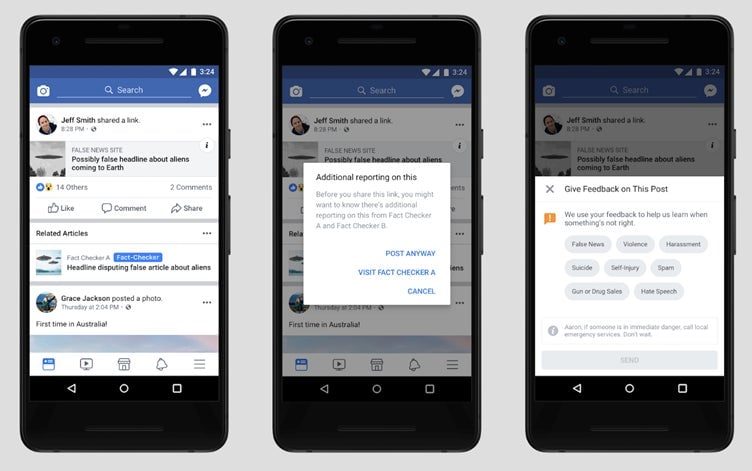
The company announced today (Oct. 3) that it would work with independent fact-checking organization Africa Check along with the French news agency AFP to assess news accuracy and stem the flood of misinformation. If a story is identified as false, Facebook will demote them in the news feed and will warn users who try to post those stories. As part of the review and rating process, the company will also share related pieces written by the fact-checking partners immediately below the story in the news feed.
Join 500,000+ readers who start their day with Quartz.
By subscribing, you agree to our Terms of Service and Privacy Policy.
Facebook told Quartz the fact-checking program will apply only to Kenya for now—but will soon be spread to other African countries as well.
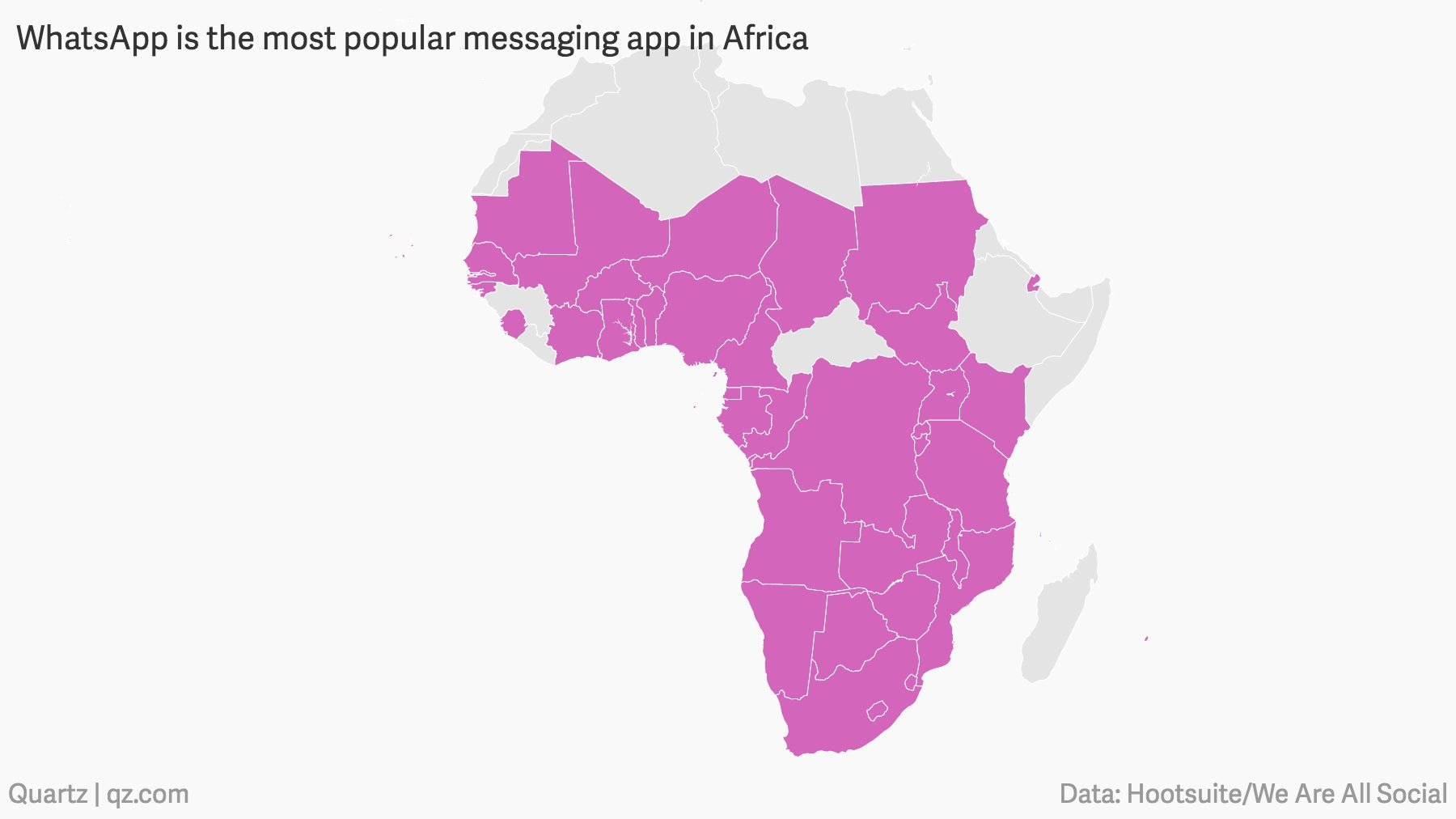
The move to roll out these tools to combat fake news is fitting given the popularity of Facebook products in Africa. With the exception of a few countries, WhatsApp was easily the most popular platform across Africa, while Facebook Messenger was mostly used across North Africa, Somalia, and Eritrea.
Yet by focusing on Facebook’s newsfeed and not on WhatsApp in Africa, the social networking company is likely passing over a crucial opportunity to deal with what has become a top source of misinformation that cannot be measured or questioned publicly.
This is especially true of Kenya, where WhatsApp was used as a conduit to drive the fake news cycle during a highly-contested election last year. Authorities noted 21 hate-mongering WhatsApp groups. At the time, the tech giant was forced to place adverts in local newspapers and radio stations and roll out an education tool providing tips on spotting false stories. Facebook told Quartz there are no plans to tackle viral misinformation on WhatsApp in Africa yet.
WhatsApp has been key to driving internet uptake in Africa. For example, in Zimbabwe the app was responsible for about half of all internet data last year. Both Facebook and WhatsApp’s over-the-top services are often blamed by local mobile network operators for a decline in mobile revenue growth.
And the influence of WhatsApp on spreading misinformation is not just an Africa problem, it has also been criticized for its role in crisis situations in Asia as well. It’s been described as a “primary carrier of fake news and divisive rumors in India, where its users’ messages have been described as a “mix of off-color jokes, doctored TV [clips], wild rumors and other people’s opinions, mostly vile.”
Facebook is also introducing the program in light of revelations that data mining firm Cambridge Analytica, which illegally harvested data from tens of millions of Facebook profiles, had worked to “stage” the Kenyan elections. Research has also shown that, more than any other African poll in the past two years, automated bots were used online in Kenya to spread misinformation and negative narratives about major issues and candidates.
The new partnership also comes as Facebook’s efforts to tackle misinformation faces major challenges with false websites and stories still appearing in the list of its most-engaged-with content. And even though Facebook and news organizations want to improve the quality of online media, some of its own external partners have shown skepticism about the impact and efficiency of these collaborations. Fact-checkers have also been attacked online after partnering with the social media giant.
Despite this, Africa Check says the collaboration will make its work “more effective.” The non-partisan group has a presence in four African countries, disseminates its content in English and French, and operates in the south, west, and eastern regions of the continent. Combating false narratives with Facebook will help them in “sorting fact from fiction, amplifying good quality information and keeping the public debate honest,” Kenya editor Alphonce Shiundu told Quartz.
