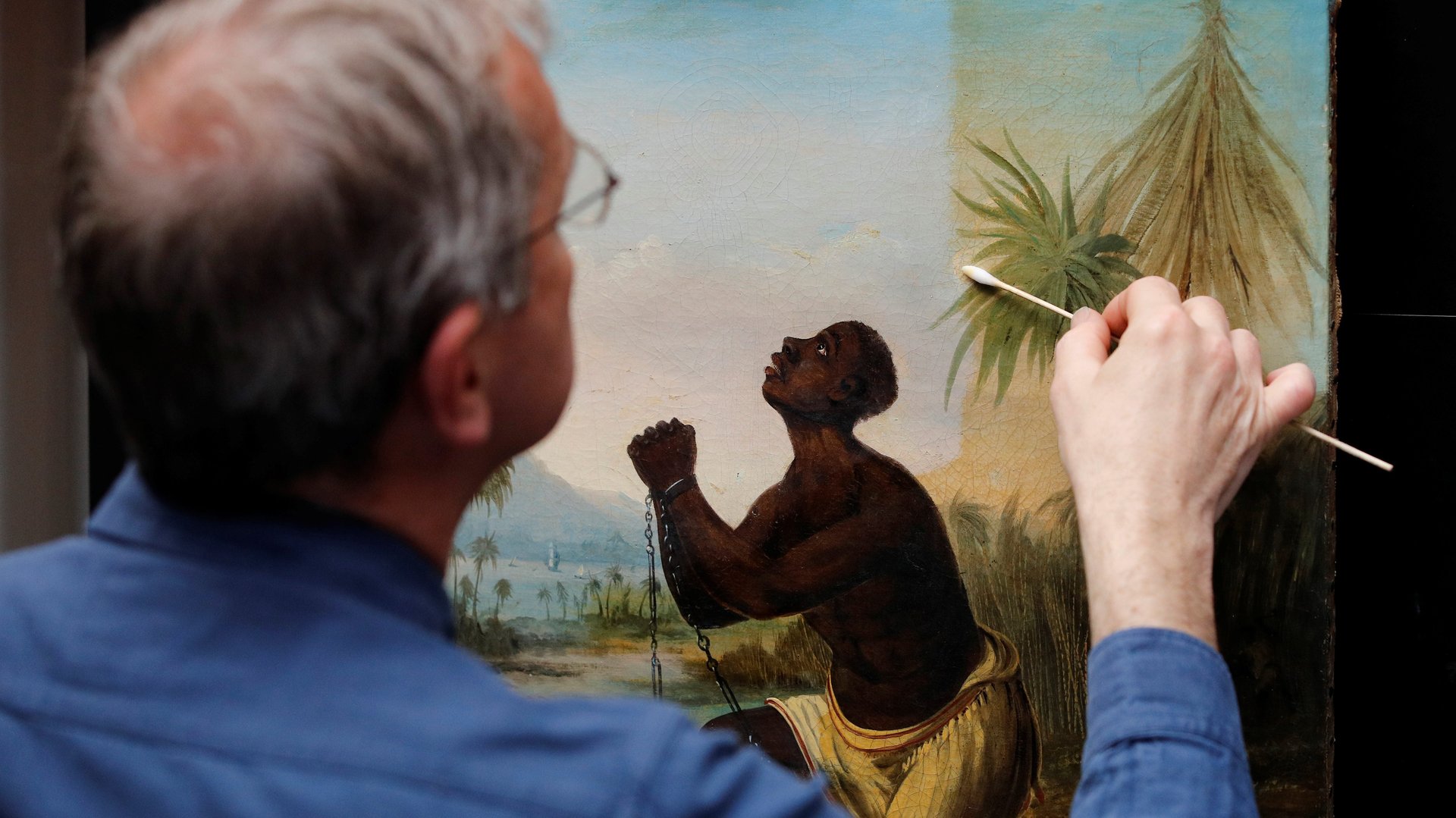
Conservationists at the International Slavery Museum in Liverpool, UK are restoring a rare painting featuring a famous image that served as an early logo in support of a political cause—the abolition of the slave trade.

Conservationists at the International Slavery Museum in Liverpool, UK are restoring a rare painting featuring a famous image that served as an early logo in support of a political cause—the abolition of the slave trade.

There are thousands of companies listed on US stock exchanges. With that many stock tickers to keep track of, it’s no surprise that people sometimes make mistakes when buying shares. These screw-ups cost investors—in transaction fees and embarrassment—when they have to undo the trades.

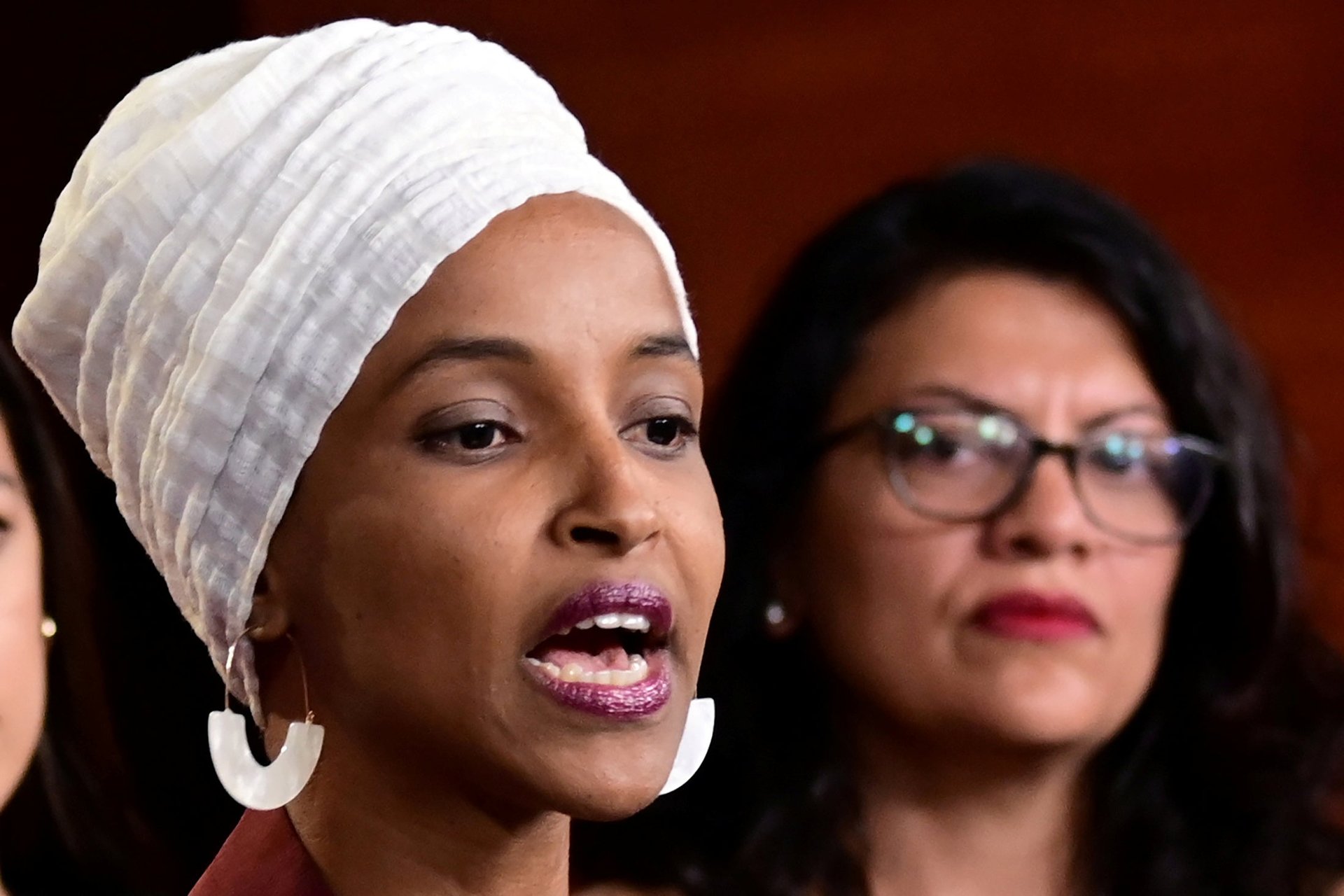
Israel’s decision to bar two sitting members of the US Congress is grounded in a 2017 law that blocks anyone who has publicly expressed support for a boycott of Israel from entering the country, at the government’s discretion. Congresswomen Rashida Tlaib of Michigan and Ilhan Omar of Minnesota, both of whom are Muslim, have voiced support for the Boycott, Divestment, and Sanctions (BDS) movement against Israel over its treatment of Palestinians.

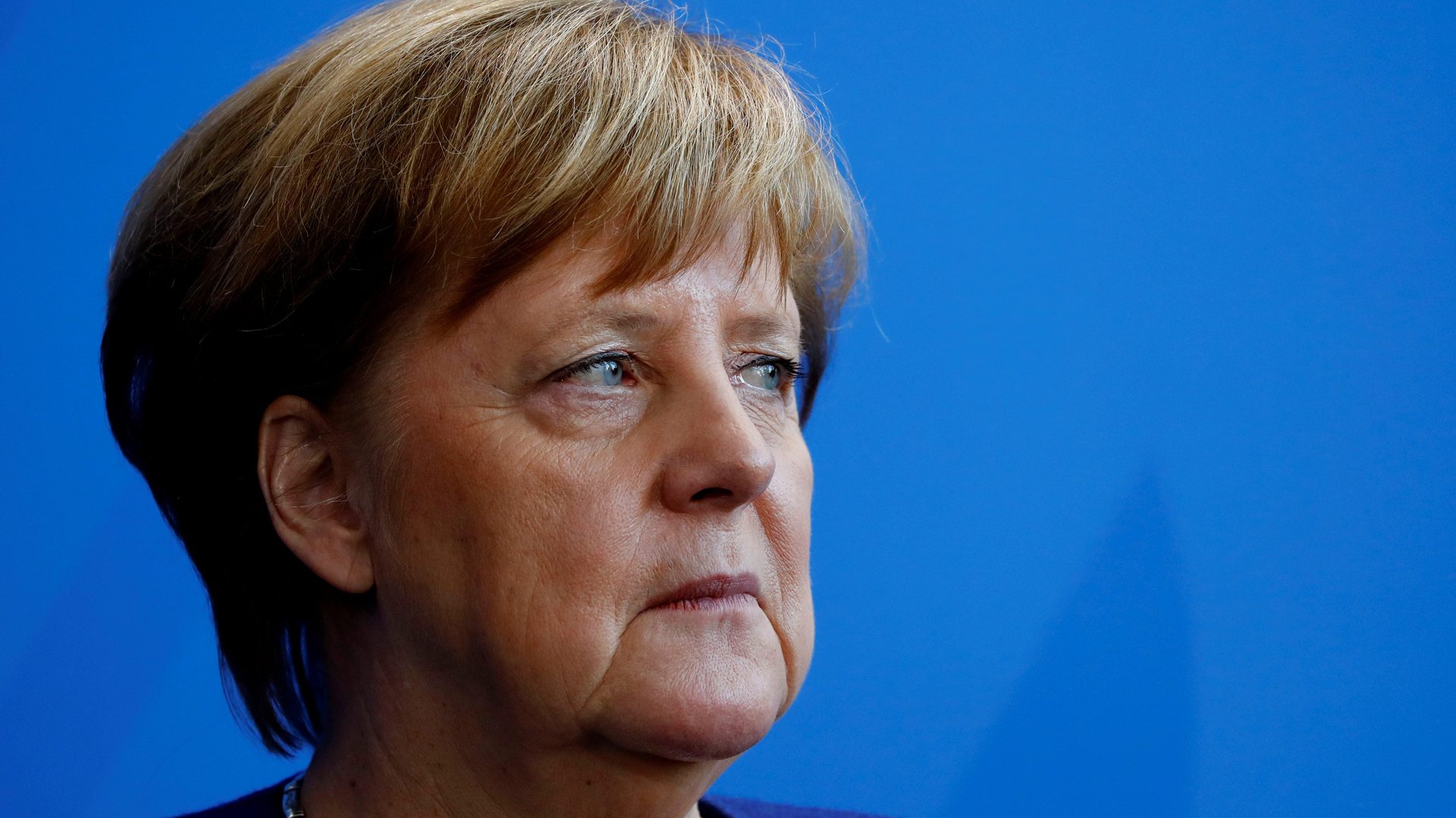
German GDP shrunk 0.1% in the second quarter, data out today show, raising fears that the country is about to enter a recession and that a slowdown in euro-zone growth is here to stay.

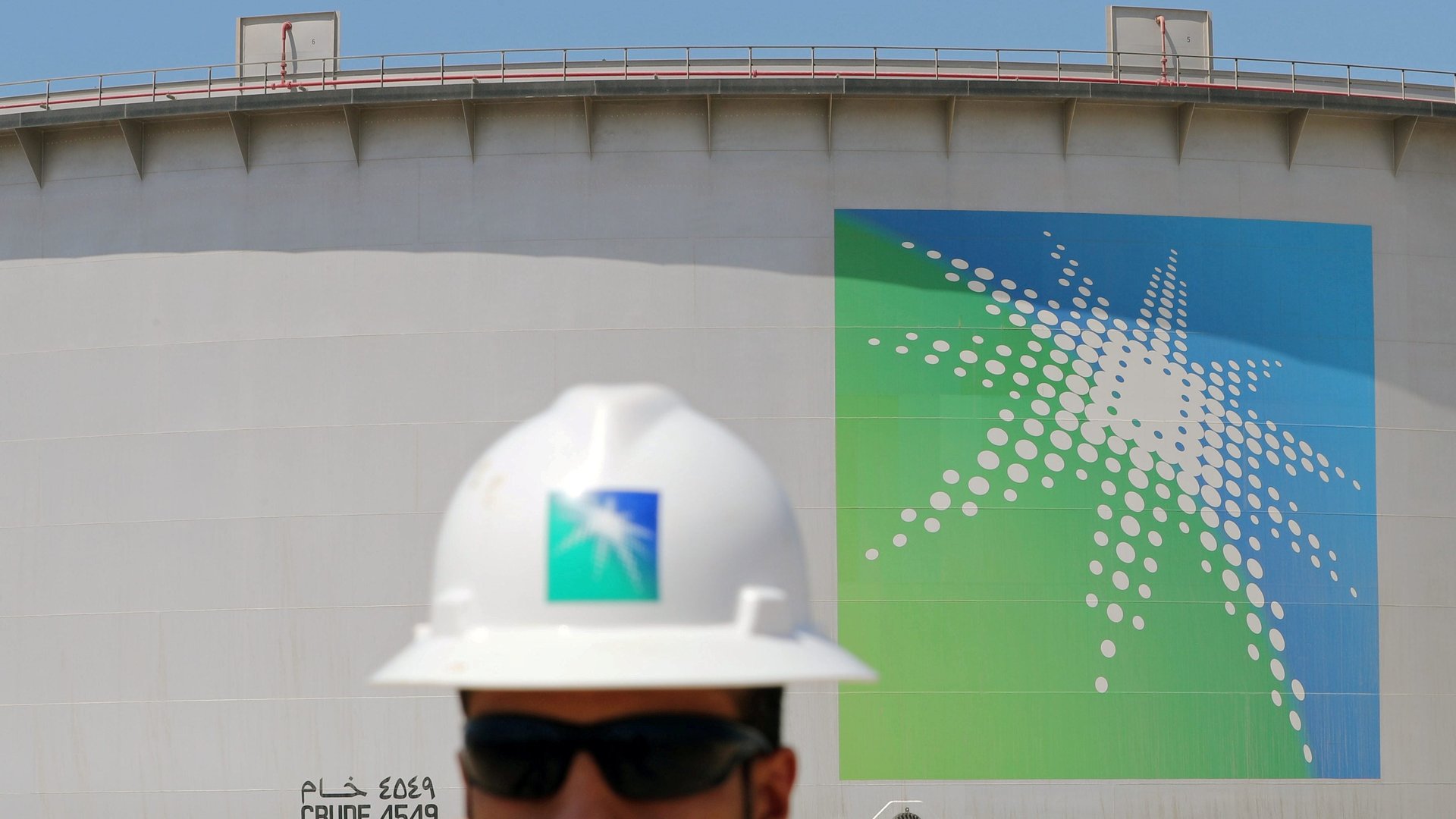
Saudi Aramco provided a rare peek at its financial situation today, reporting half-year earnings (pdf) down 12% from a year earlier. Lower oil prices, along with pared back production, has weighed down the world’s largest oil and gas company.

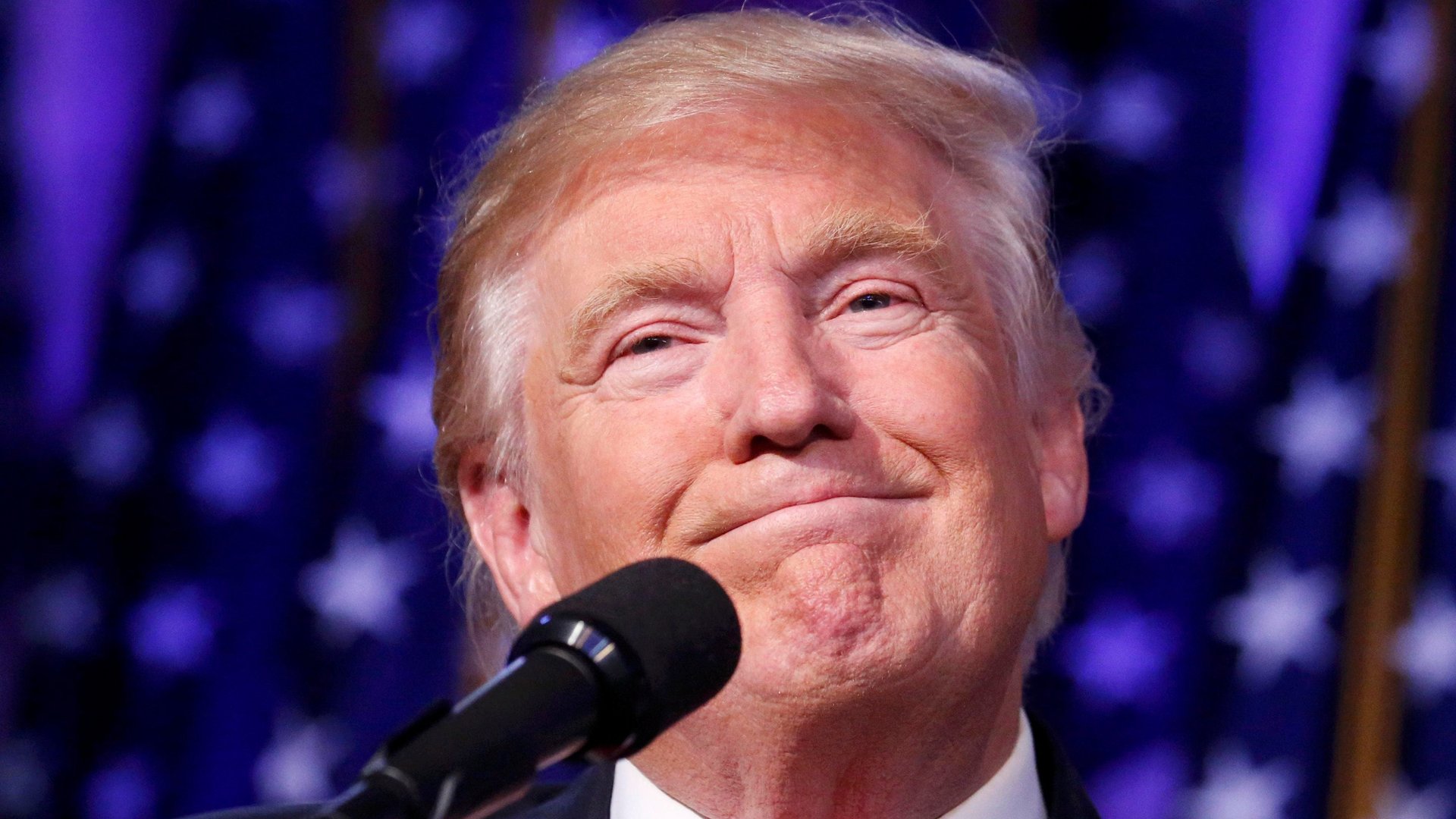
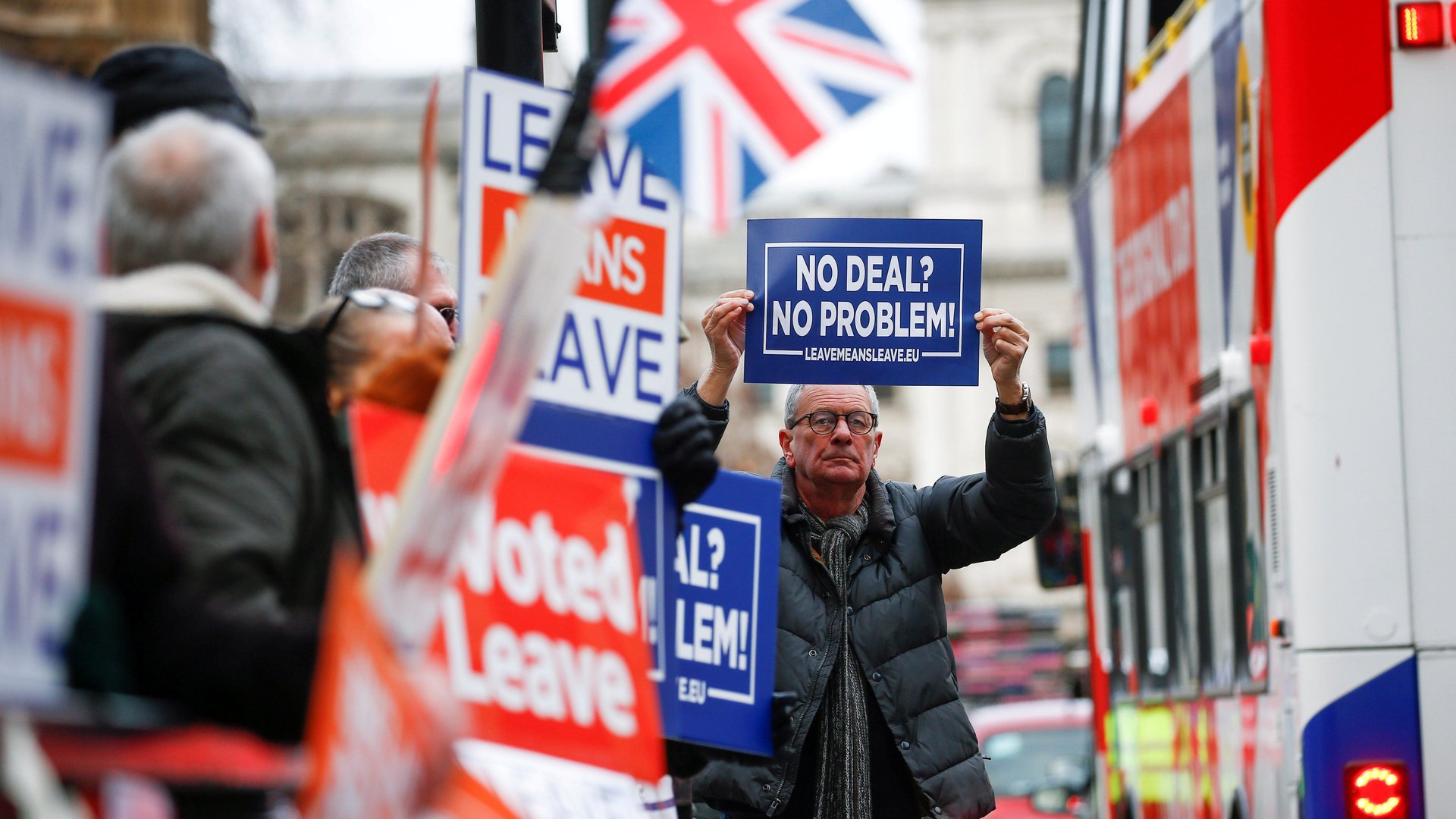
Pollsters get a bad rap. And to be fair: They generally failed to predict two of the most significant global events in recent years, the Brexit referendum in favor of leaving the EU and, months later, the election of Donald Trump as US president.

For the first time in seven years, the UK economy has shrunk on a quarterly basis. GDP contracted by 0.2% in the three months to June, versus the quarter before, a weaker-than-expected result. The decline was driven by production and construction, which fell by 1.4% and 1.3% respectively, with services adding just 0.1% growth.

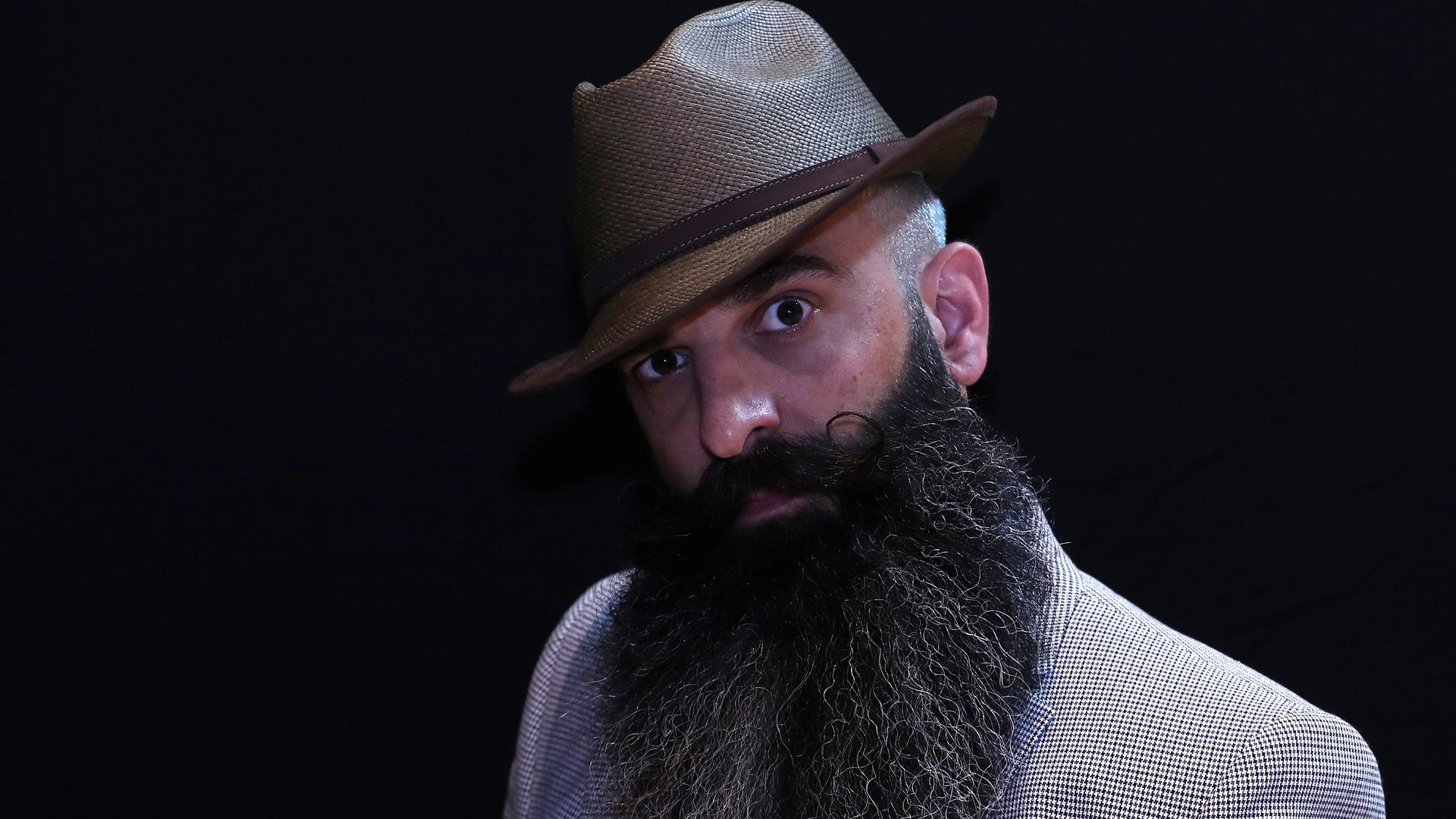
Procter & Gamble, the world’s largest consumer goods company, beat earnings expectations this week, causing its stock to soar to a record high. But P&G also announced a $5.24 billion loss due to the struggles of its Gillette shaving business, in part because many hirsute men are ditching razors.

Spotify found its groove in the second quarter, posting revenue of €1.67 billion ($1.86 billion), up about 30% from the same time last year. The streaming music company’s global monthly active users reached 232 million, also about a 30% bump since 2018. Although it reported a €76 million loss for the quarter—it has lost money in 12 of the past 14 quarters—this was much smaller than the €394 million loss recorded in the same quarter last year.

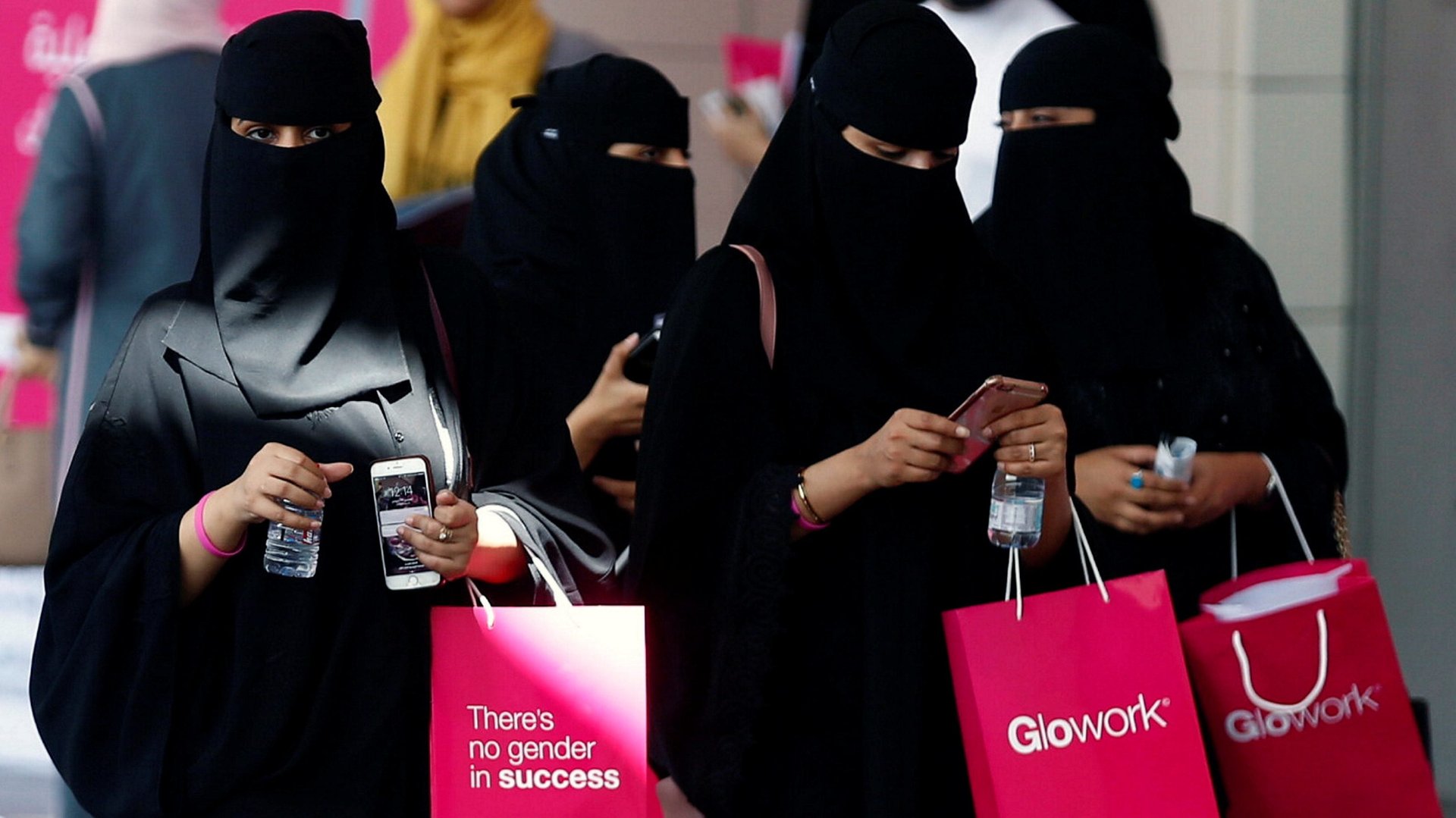
Just 23% of Saudi Arabia’s women are in the workforce today. Though that’s a great deal behind the global average of 48%, it’s pretty good for Saudi Arabia, where only 18% of women had jobs or were looking for one in 2010.

Twitter posted second quarter earnings (pdf) today, in what was a strong period for the social media giant. Year on year, revenue is up 18%, and average monetizable daily users (mDAUs) grew to 139 million, a 14% bump.

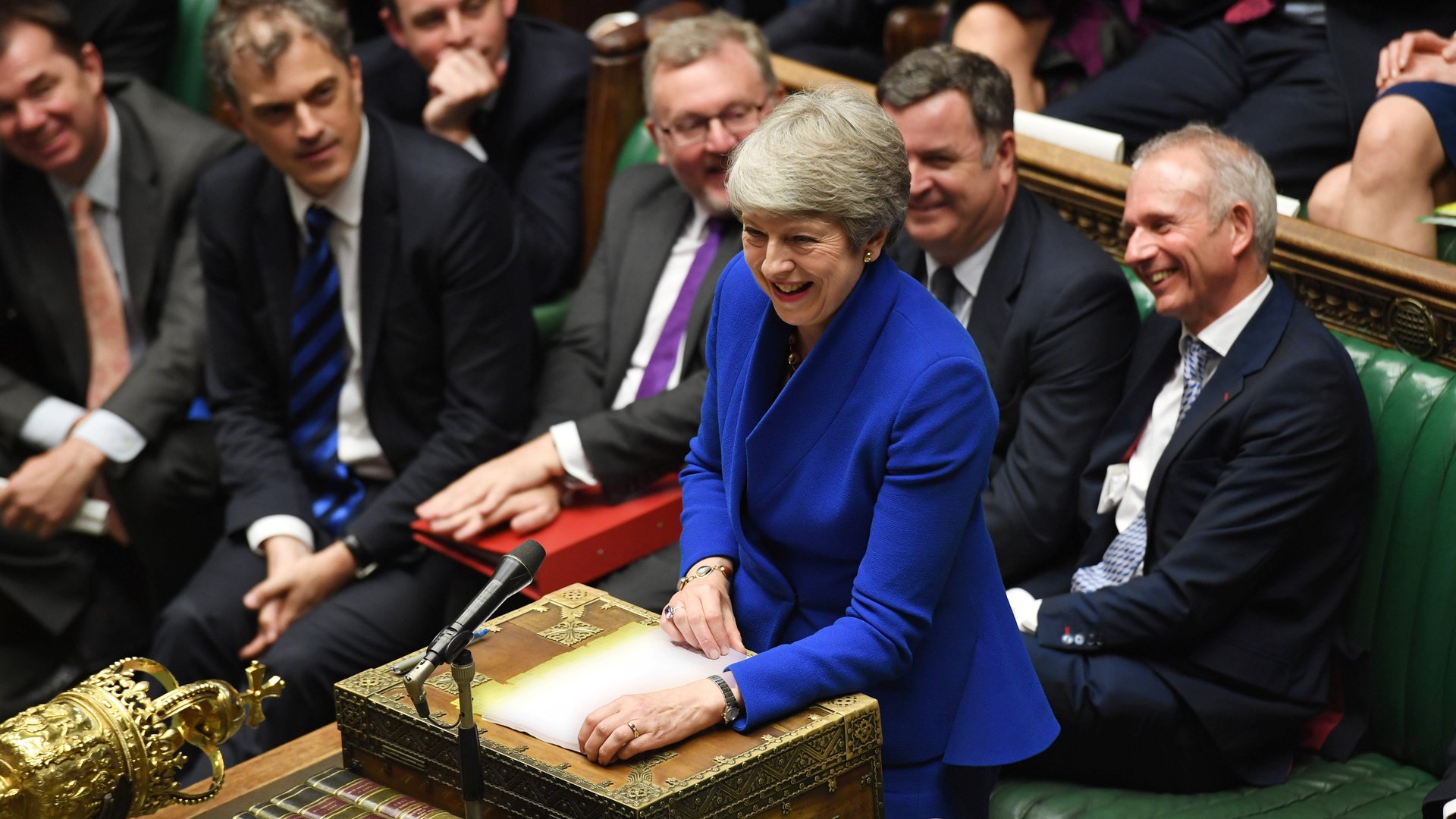
Theresa May officially stepped down as UK leader today, and gave her final address outside 10 Downing Street, which followed a record-long session at her final Prime Minister’s Questions that lasted more than an hour.

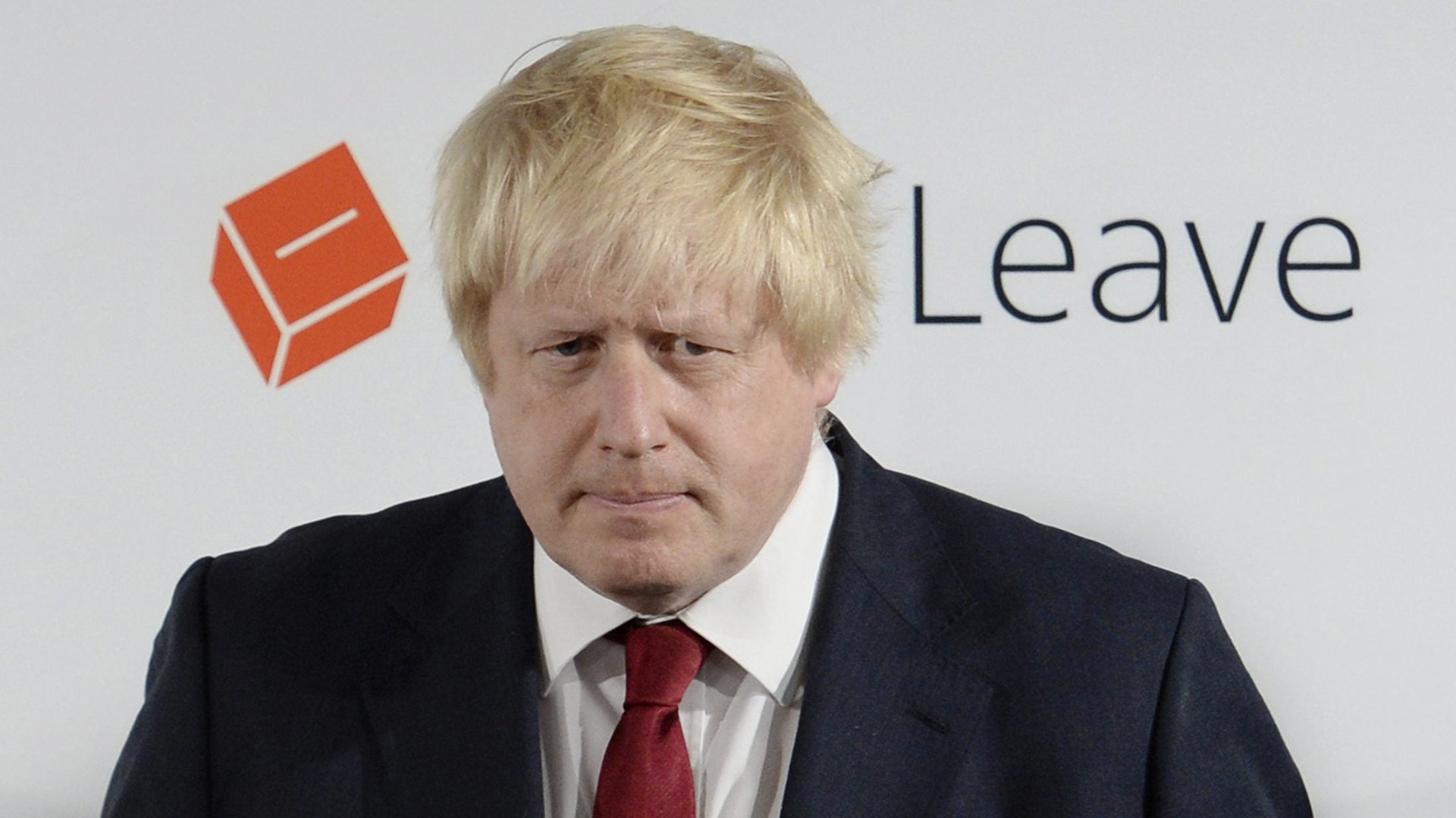
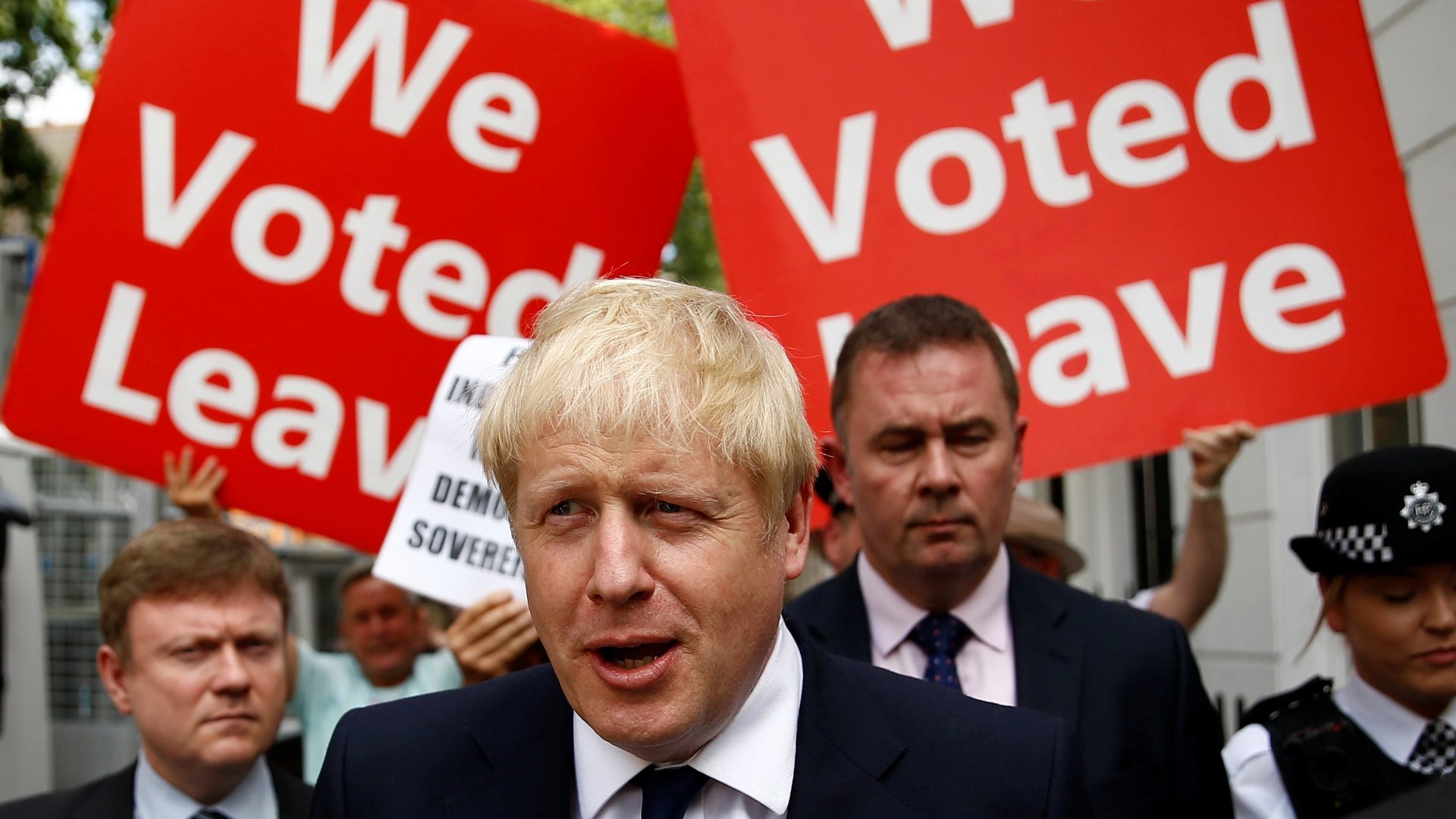
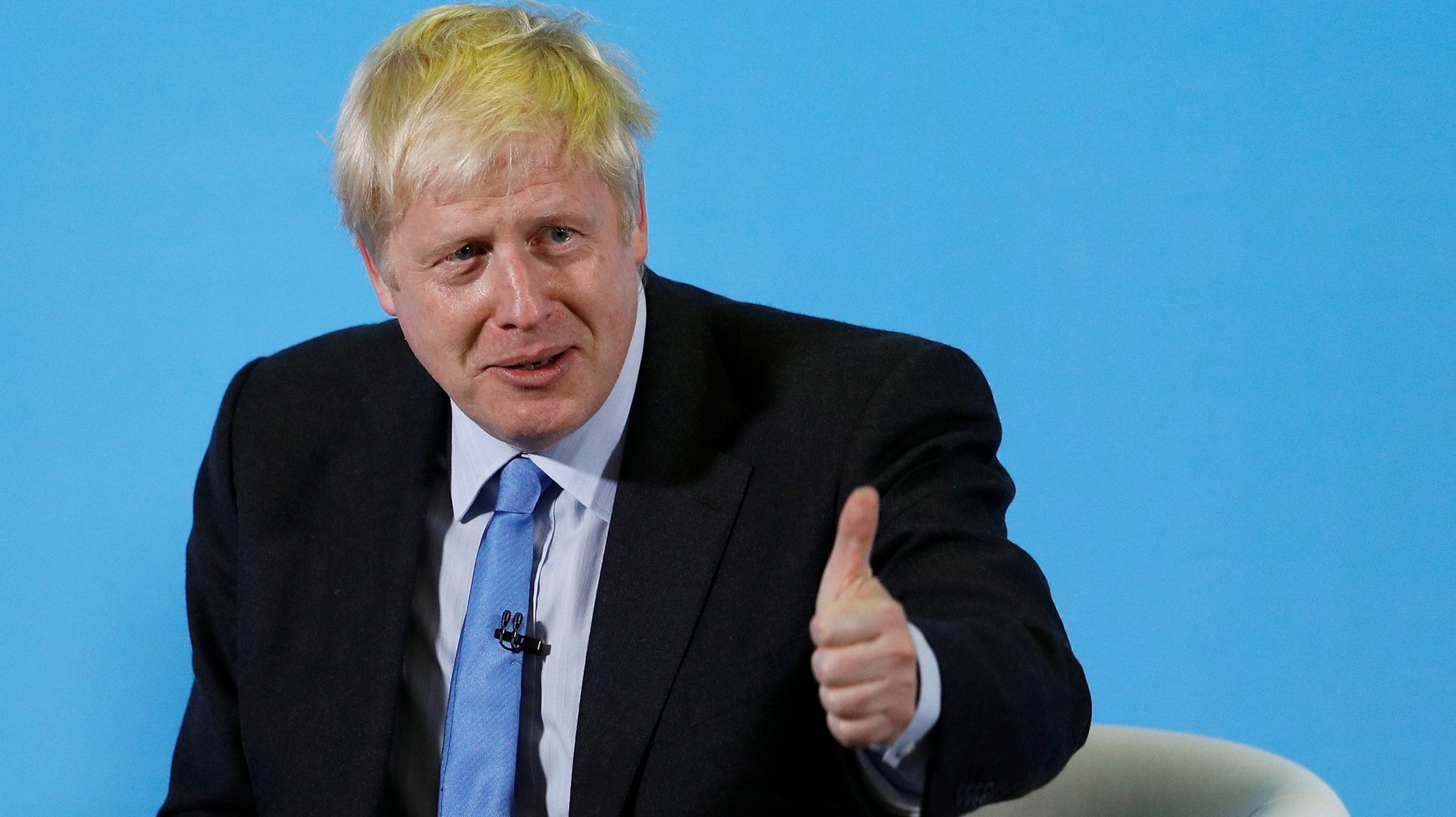
A tiny slice of British voters just chose Boris Johnson to become the next UK prime minister. Some 92,000 Conservative party members—66% of participating voters—picked the journalist, former foreign secretary, and former London mayor as their next leader, compared to the approximately 47,000 who supported rival Jeremy Hunt.

The Conservative Party’s 160,000 members have elected Boris Johnson as party leader and thus prime minister of the UK. His immediate mandate will be to manage the country’s scheduled departure from the EU on Oct. 31, smooth relations with major powers like the US and China, and attempt to redeem the UK’s standing on the global stage after years of internal political upheaval.

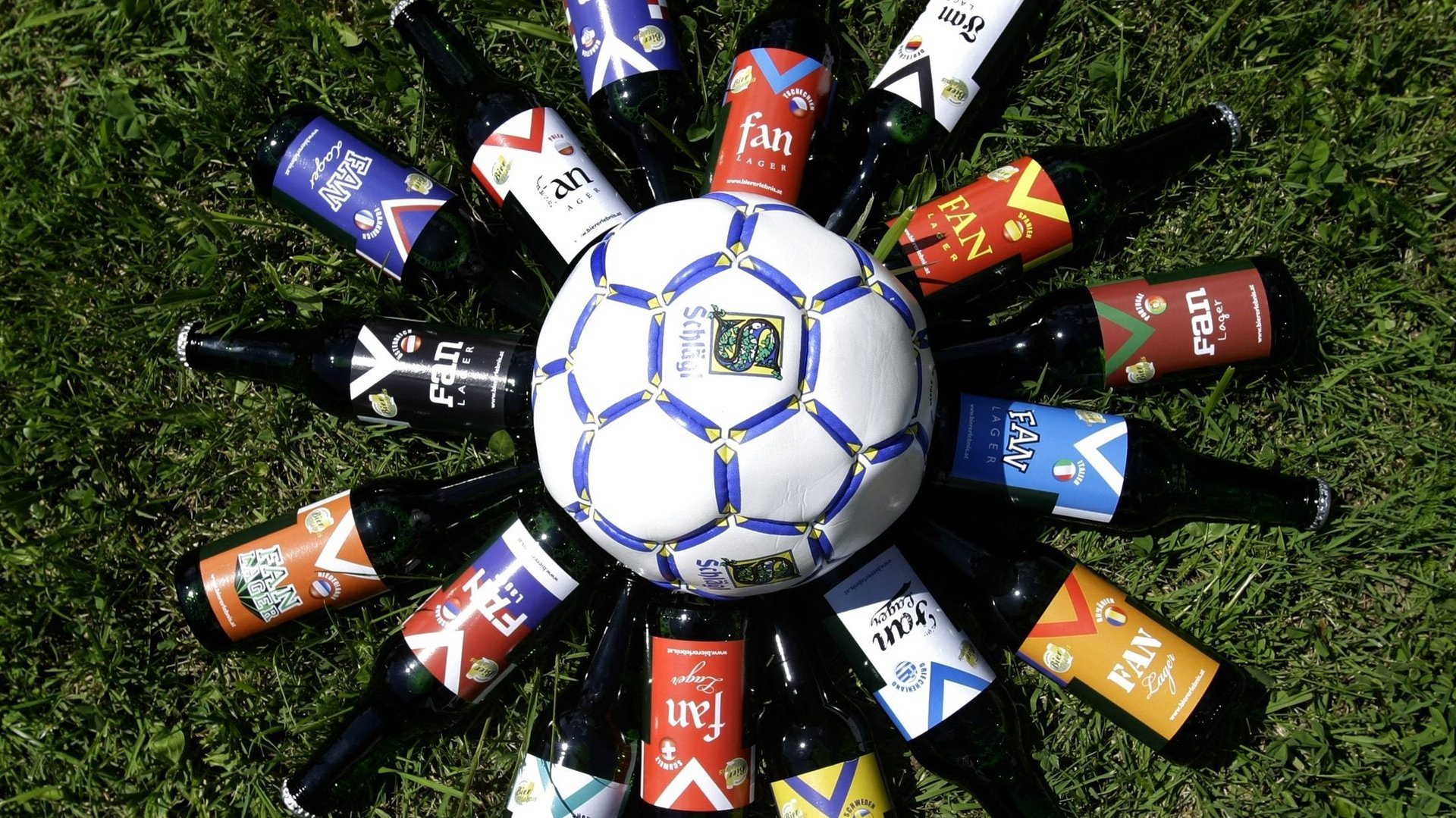
On Jan. 1, Qatar hiked the price of booze by 100%. This week, the Arab Gulf nation slashed prices by about 30%. Despite the price cut, a case of beer at Qatar’s sole liquor store will still put a dent in the pocket of thirsty consumers at roughly $64, according to Bloomberg—about $2.66 a beverage.

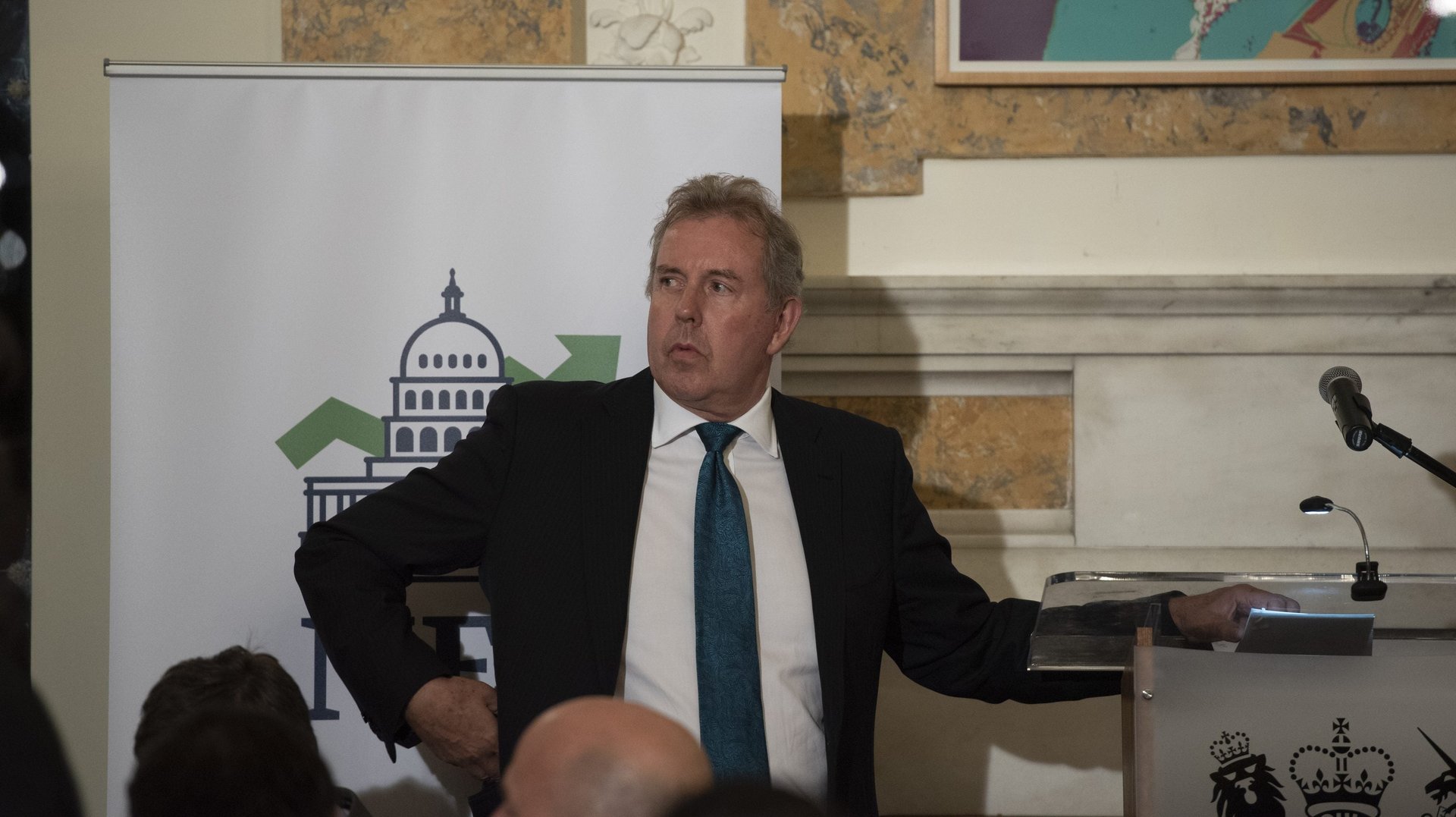
The UK ambassador to the US, Kim Darroch, resigned today following the leak of diplomatic cables over the weekend that showed him blasting the administration of Donald Trump, provoking a sharp attack from the US president.

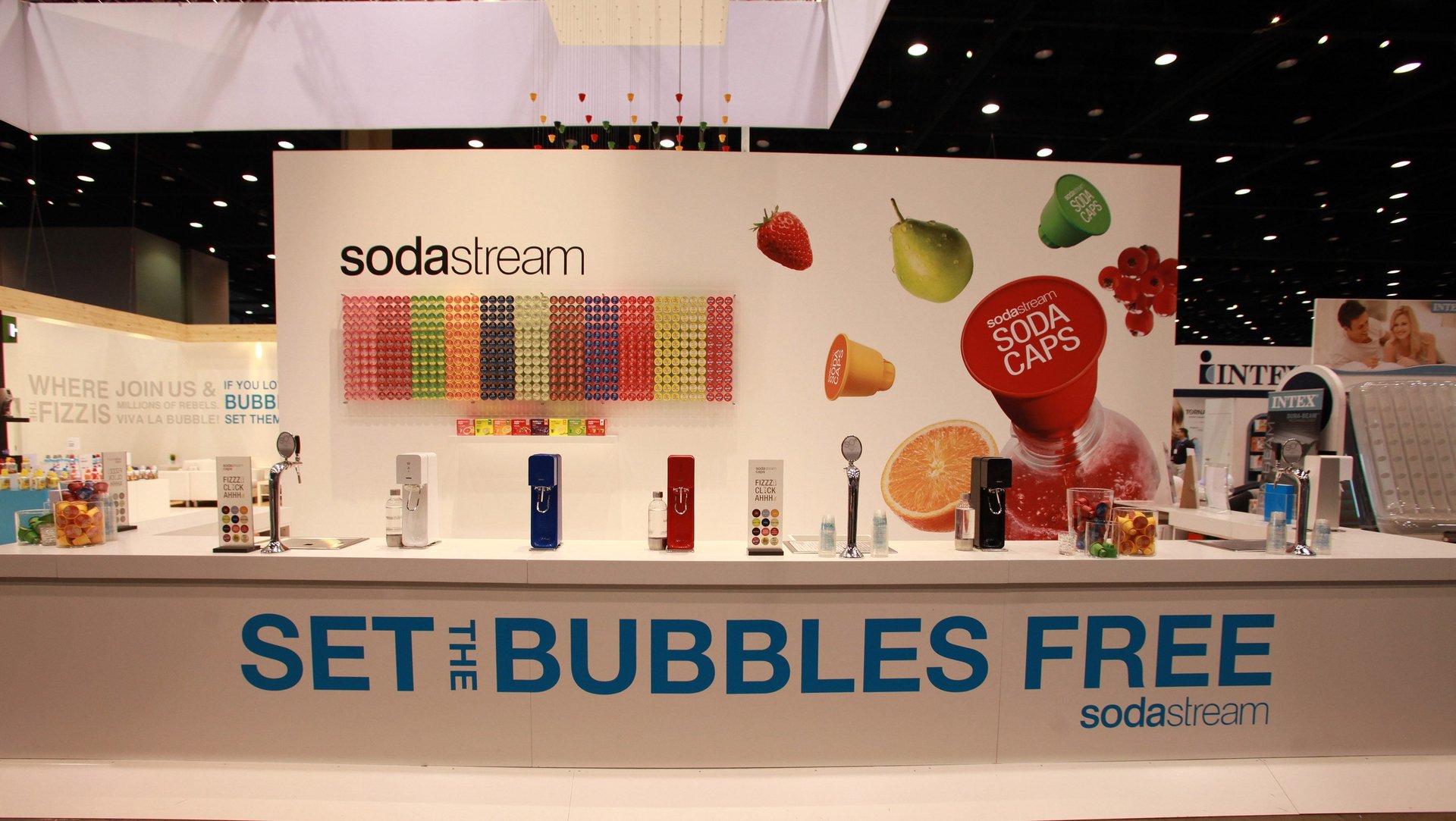
PepsiCo, one of the world’s largest food and beverage companies, posted second quarter earnings today of $2.04 billion, once again beating analyst expectations. Revenue growth wasn’t as strong as the blowout first quarter results released in April, but snacks and fizzy water helped buoy the brand.

If you’re working in an economy that is doing well overall, you might be rewarded for staying in your job with decent pay rises over time. That’s been the case for US workers recently: a tight labor market pushed average hourly wages up by 3.1% in the year to June, versus a rise of 2% in the same period a year earlier, which was enough only to keep up with the prevailing rate of inflation.

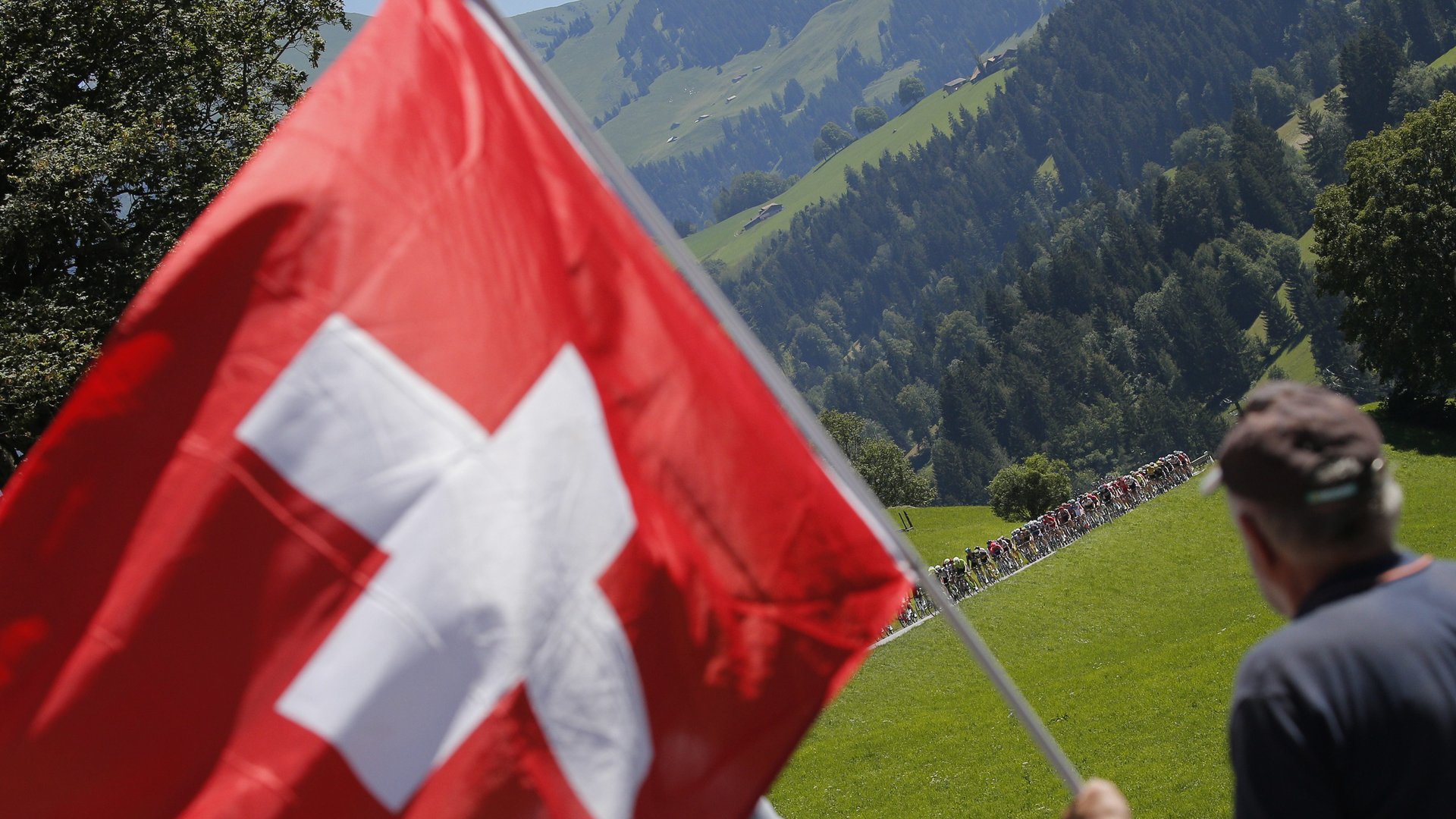
For the first time in four years, Singapore is not the best destination for expatriate workers, according to HSBC’s Expat 2019 Global Report released today. Switzerland is now the top nation for those fortunate enough to be relocated abroad by their employers—thanks to fast career progression, good pay, and “stunning scenery.”

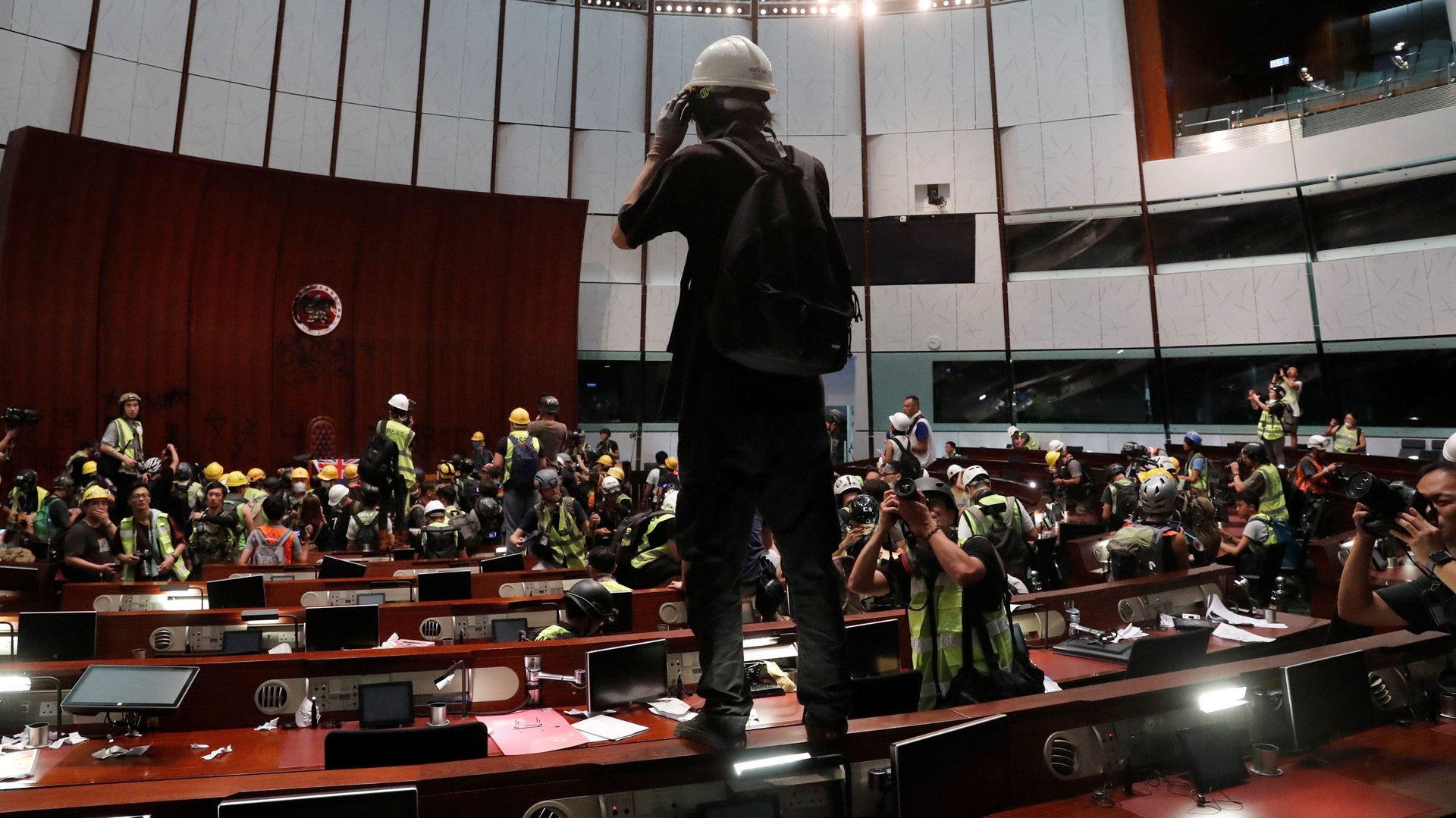
Hong Kong demonstrators stormed the Legislative Council Monday night (July 1), part of large-scale protests marking the 22nd anniversary of Hong Kong’s handover to China amid escalating public anger over an extradition law.

Donald Trump dialed into “Mornings with Maria” on the Fox Business Network this morning, and talked about everything from trade to social media, the 2020 presidential race, and much more.

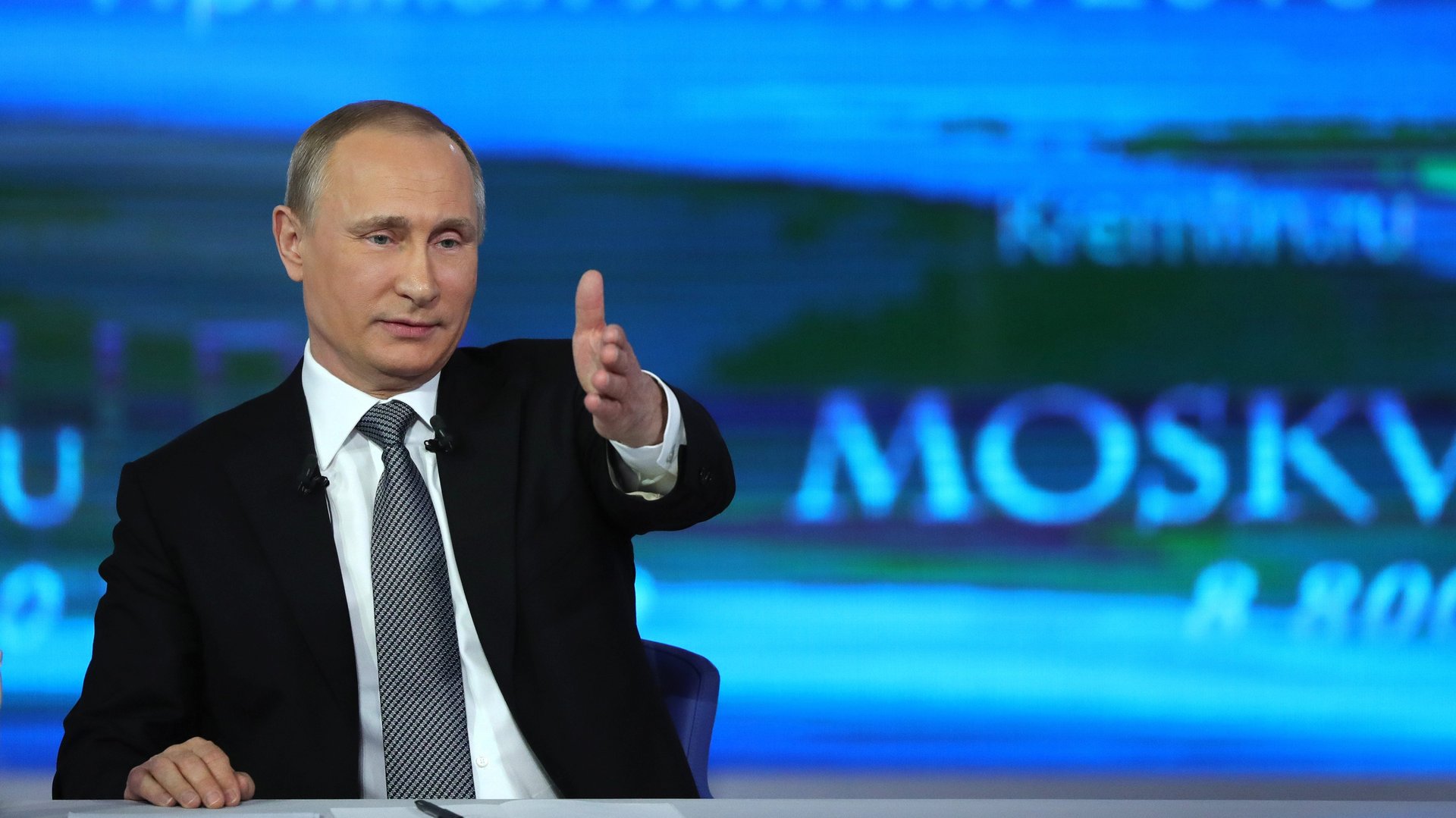
Each year, Russian president Vladimir Putin takes questions from citizens in an epic Q&A called “Direct Line.” The event is notable for the number of questions people submit (in the millions), the range of topics they cover (from Russian interference in the 2016 US election to the biggest fish Putin has ever caught), and its marathon length. Putin holds a similar event for press; last year’s was three hours and 40 minutes and featured screened questions from journalists.

For the first time in British history, the UK’s next prime minister will be determined solely by voters who are registered members of the Conservative party.

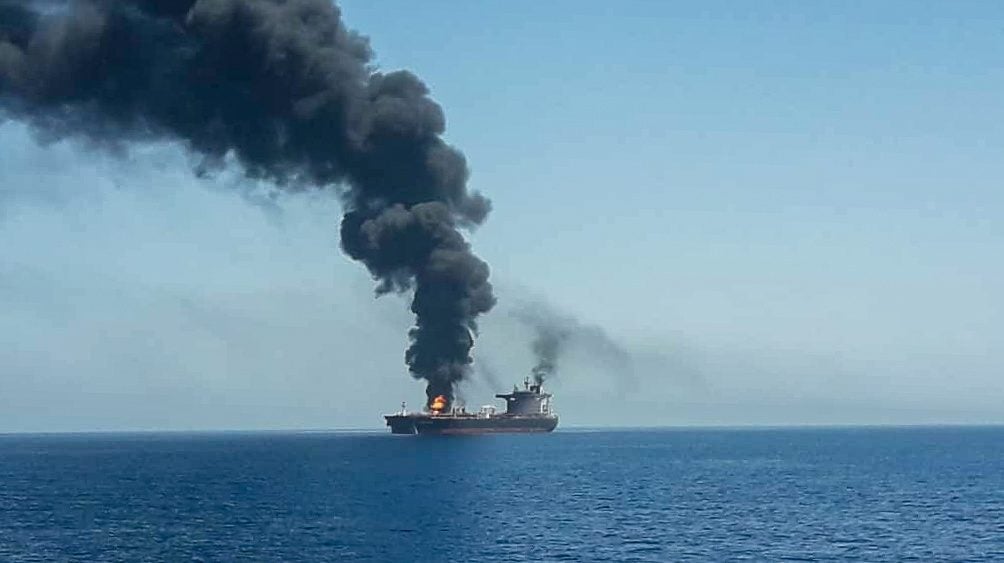
Two oil tankers caught fire today in the Gulf of Oman, off the Iranian coast. The US navy’s Fifth Fleet, based in Bahrain, said it responded to two distress calls from the tankers, between 6 and 7am local time, over a “reported attack.” The British navy was more circumspect, at a time of heightened tensions between Washington and Tehran, and urged “extreme caution.”