Researchers at Google are out to wow us again—this time by developing a machine-learning system that can analyze images and automatically write captions for them.

Researchers at Google are out to wow us again—this time by developing a machine-learning system that can analyze images and automatically write captions for them.

The podcast Serial, a true crime story told in tantalizing weekly installments by the producers of This American Life, has captivated listeners on the internet. More surprisingly: so has its advertising.

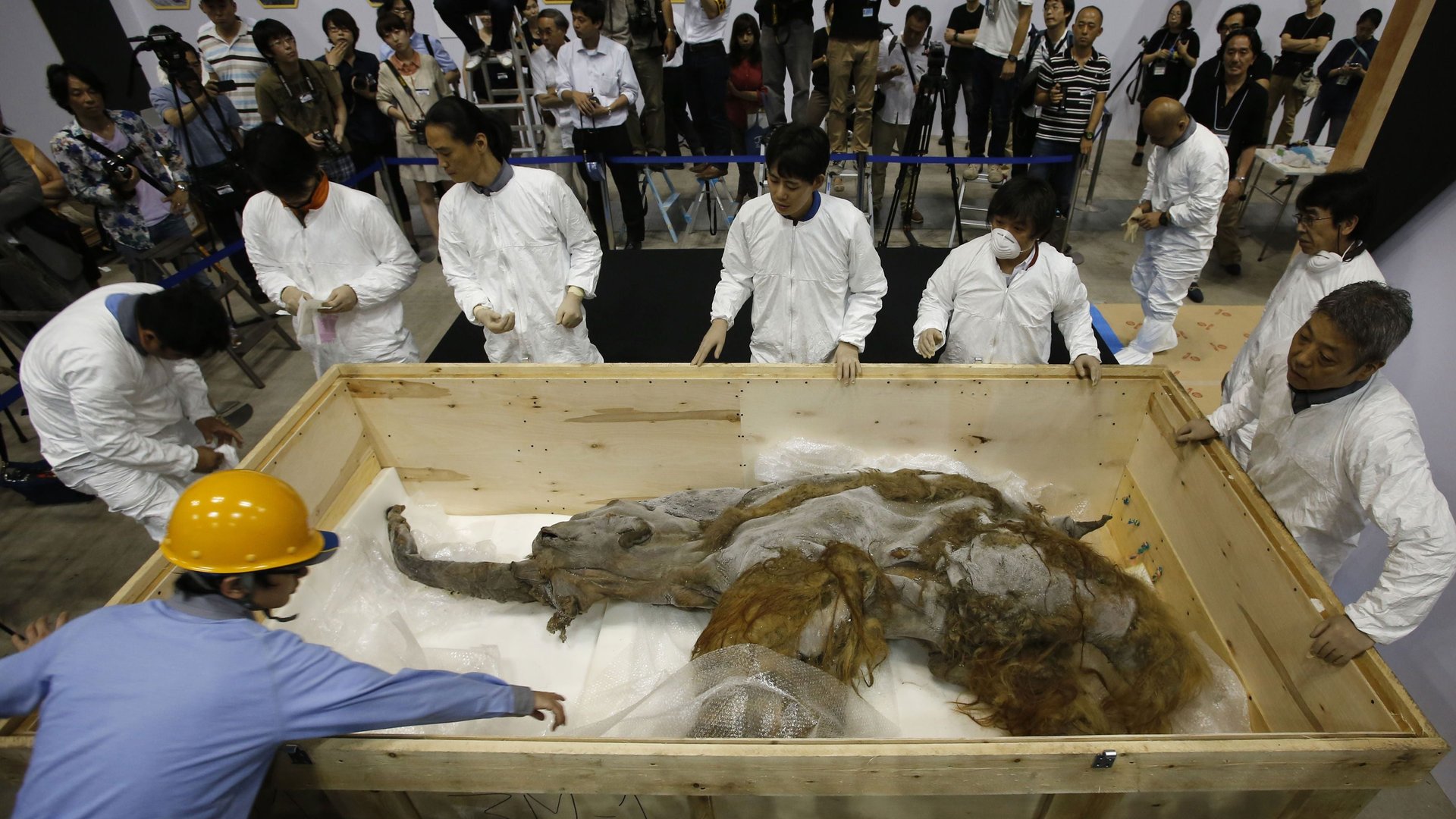
Scientists may finally have the means to clone a 40,000-year-old woolly mammoth. But will they have the gall?

It’s getting harder and harder to claim that cord-cutting in the US is just a myth.

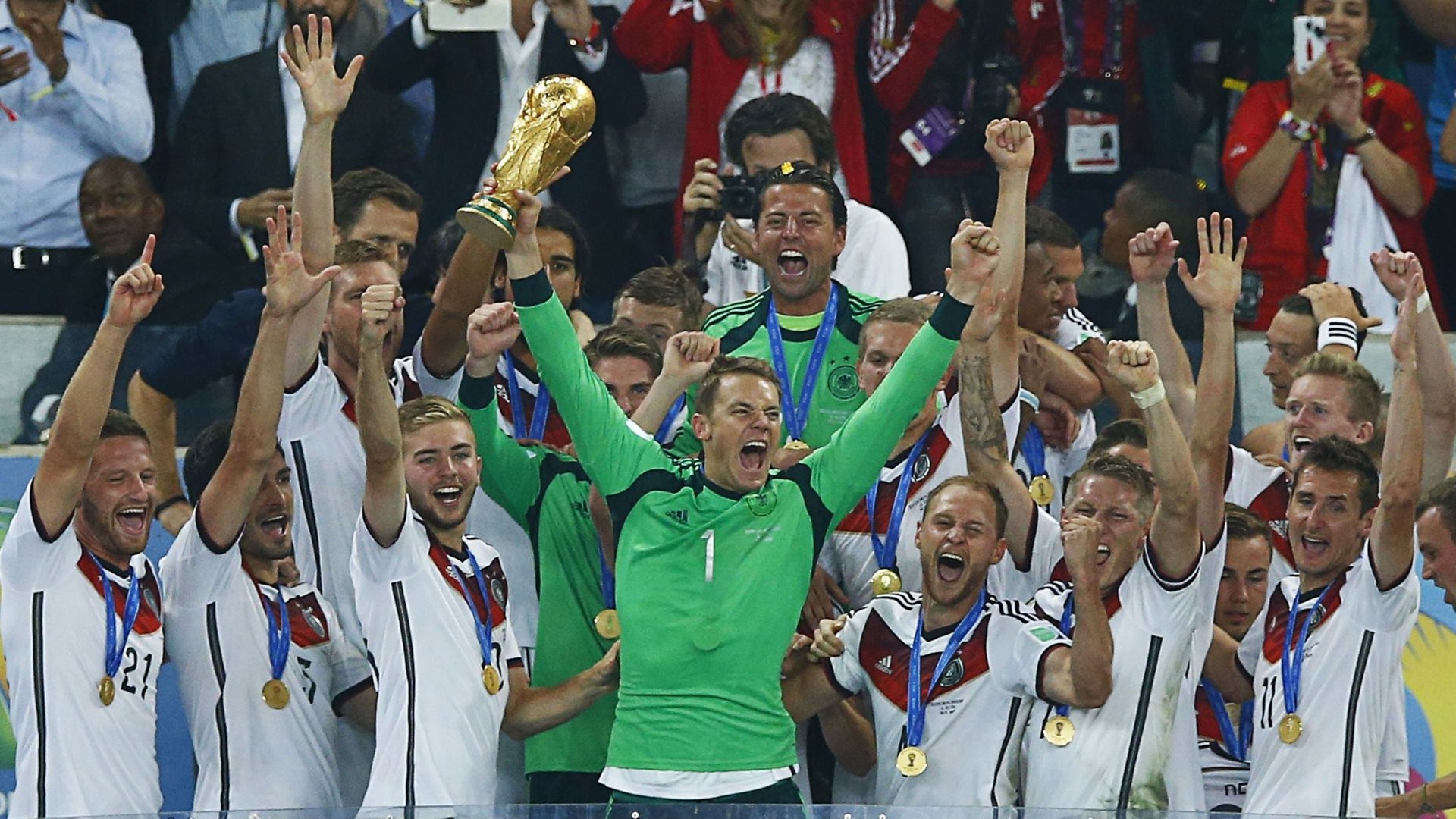
After five years atop the Anholt-GfK Nation Brands Index, the United States has been supplanted by Germany as the champion of the world.

Where cable news fails, satire succeeds.

Everyone’s favorite internet encyclopedia, it turns out, makes some incredibly soothing music when translated into sound.

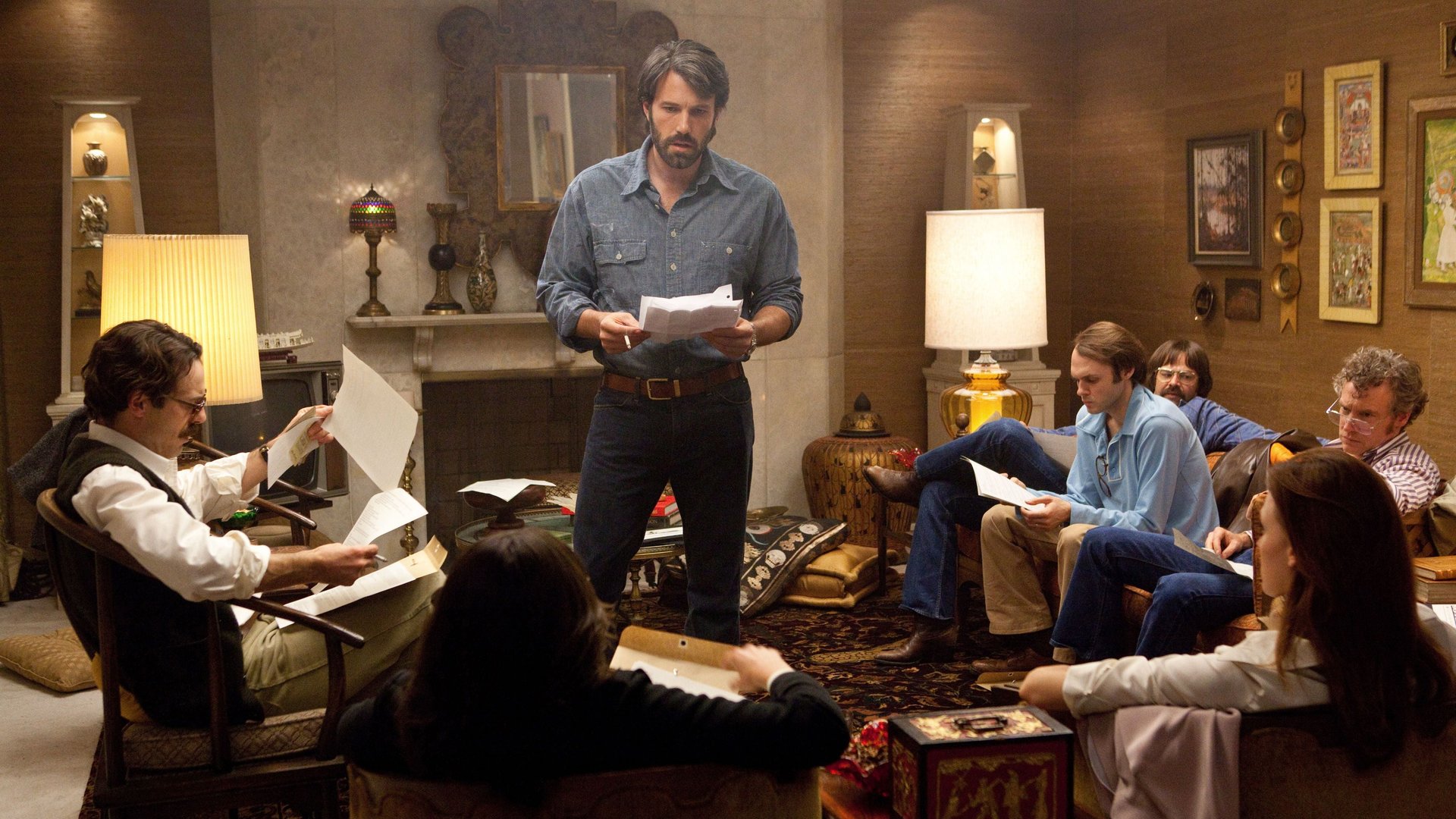
On the 35th anniversary of the Iran hostage crisis, the CIA—through its Twitter account—fact-checked Ben Affleck’s Oscar-winning 2012 film Argo, which dramatized the agency’s operation to smuggle six US diplomats out of Tehran after they eluded capture during the takeover of the embassy.

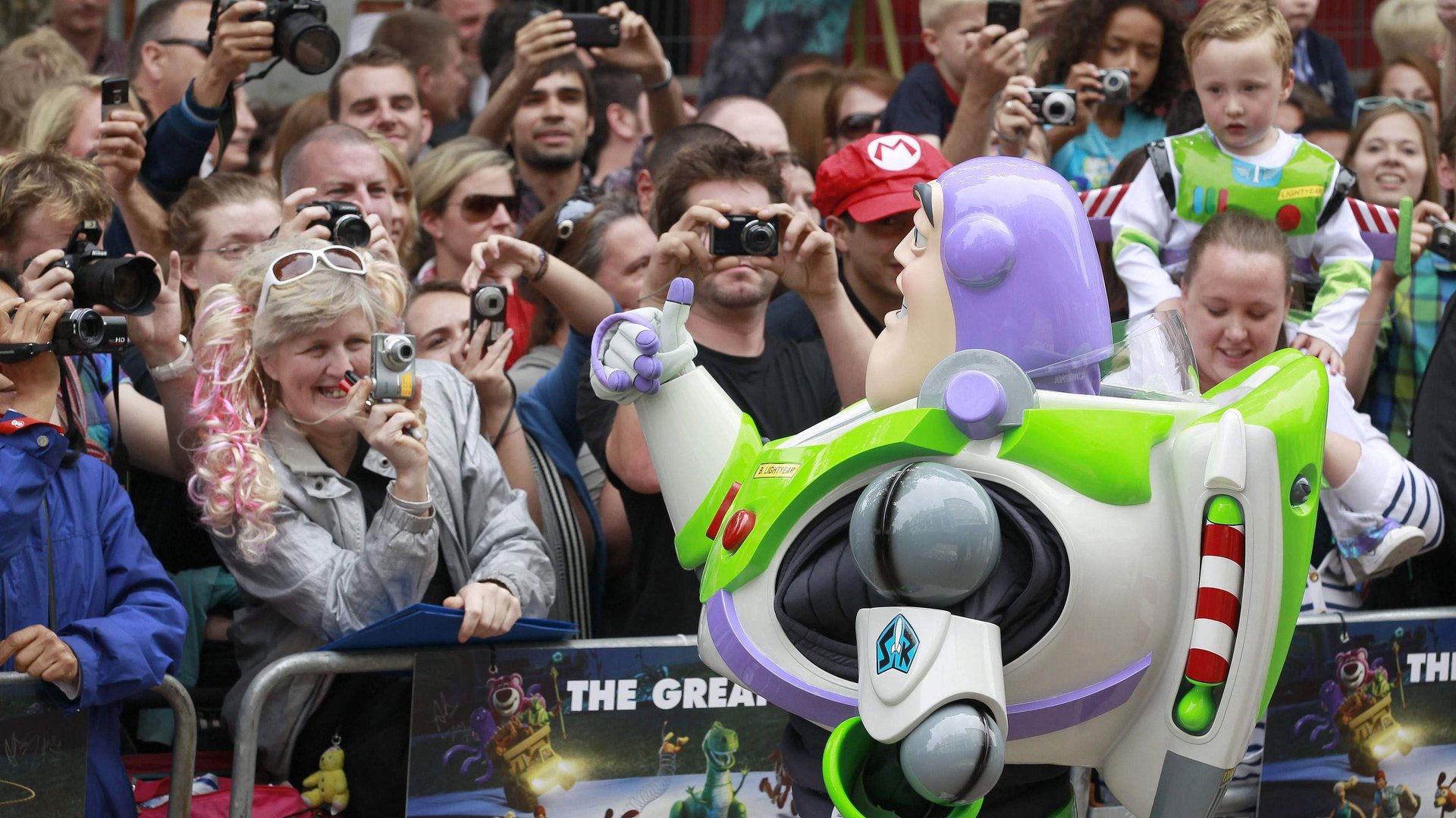
Toy Story fans, rejoice… or don’t. Pixar announced yesterday that a fourth movie is coming in 2017, and this could be fantastic, or horrible.

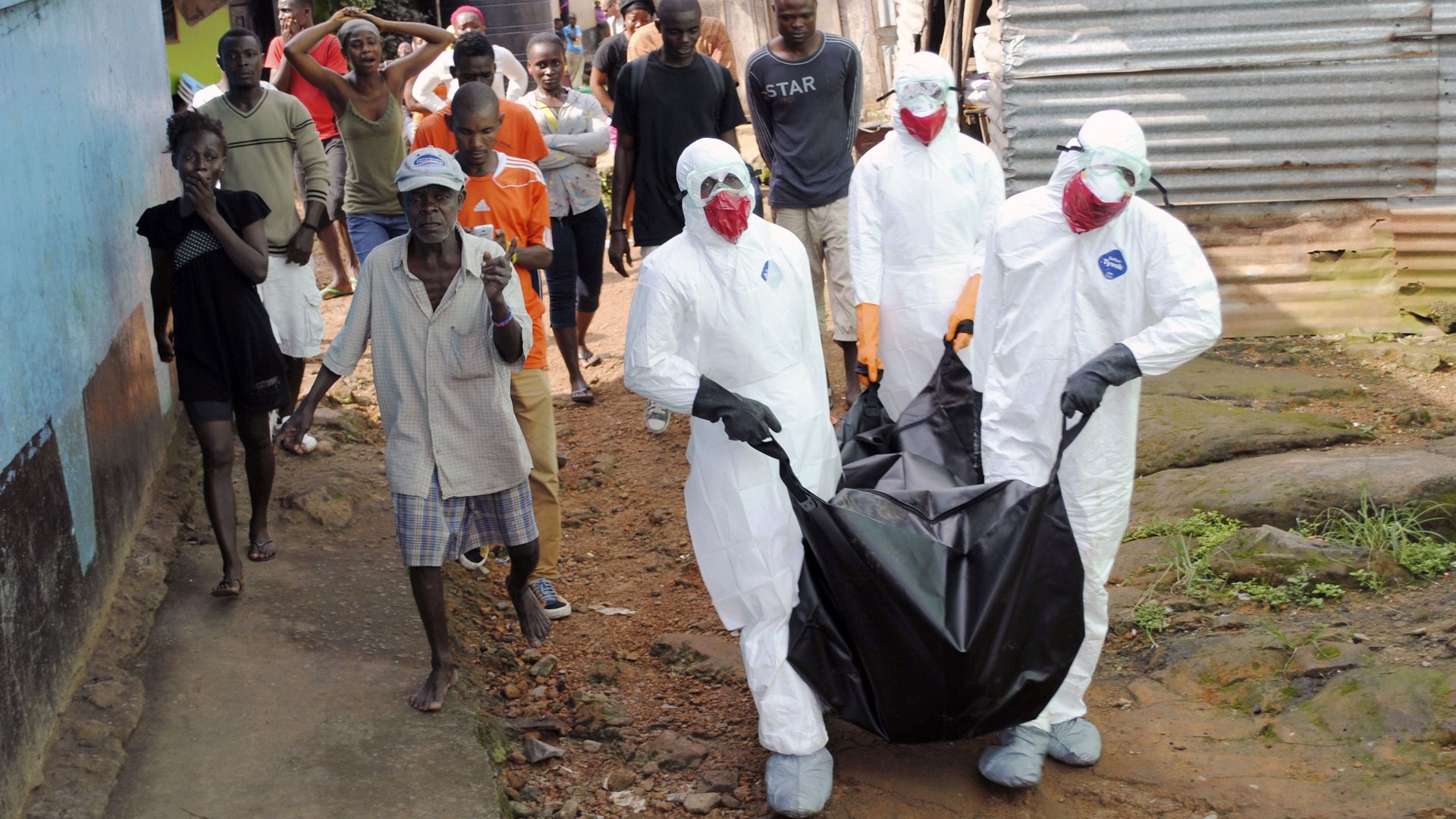
To date, the American Red Cross has raised $3.7 million for the Ebola relief effort in West Africa. That’s a very small figure, compared to donations for major natural disasters. In general, Americans donate several orders of magnitude more to the Red Cross for disasters than they do for serious diseases like Ebola, measles, and malaria.

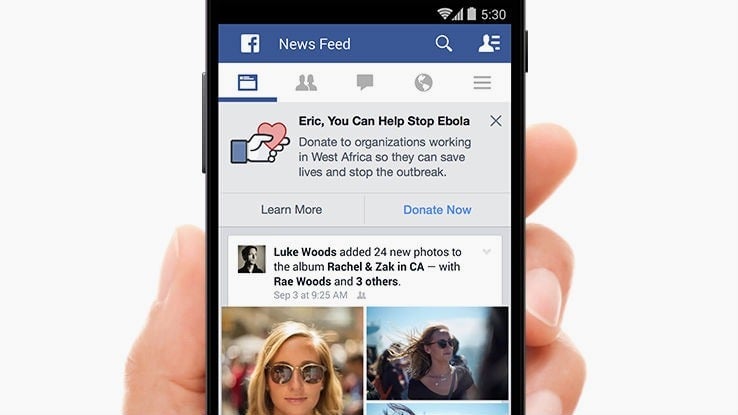
After donating $25 million of his own money to help fight the spread of Ebola, Facebook CEO Mark Zuckerberg now wants 1.3 billion of his closest friends to chip in.

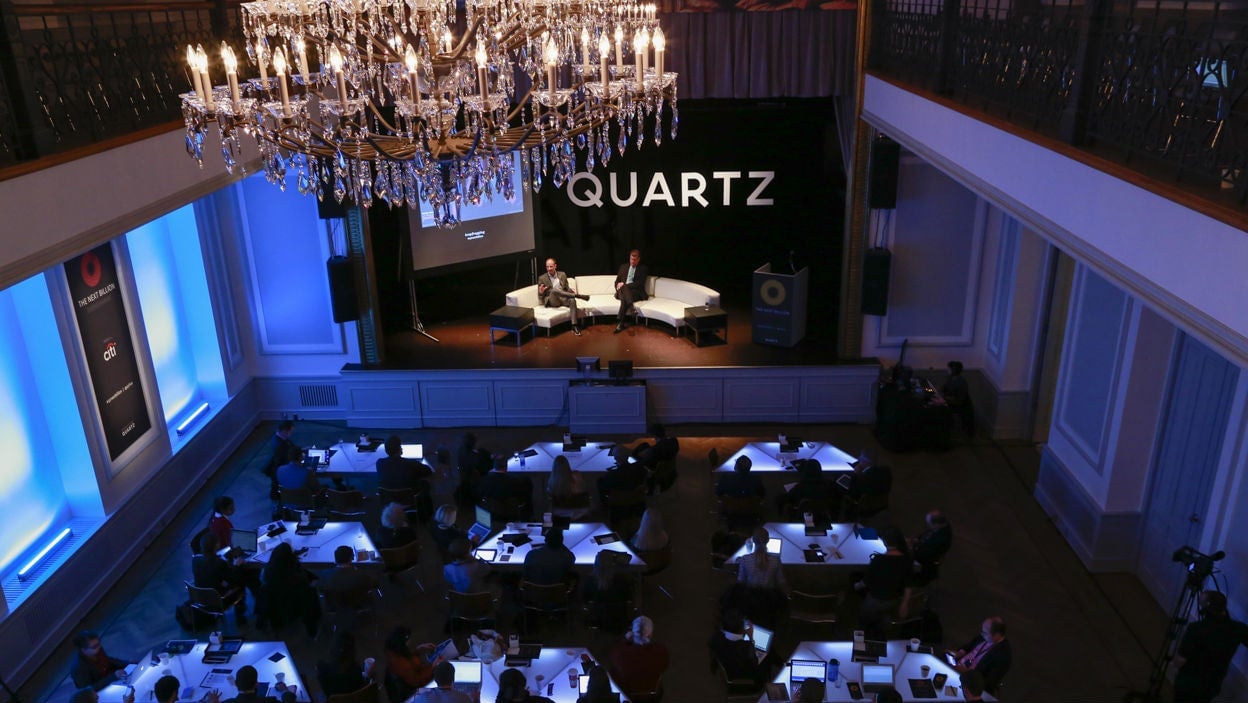
The Next Billion is Quartz’s forum about the next billion people to come online for the first time, largely on mobile phones. It was held on Nov. 5 in New York with speakers including Microsoft Research’s danah boyd, Harvard Law School’s Larry Lessig, and CNN’s Fareed Zakaria. (Check here for the full schedule.) The hashtag is #qznextbillion. Our live blog below from the event is below.

The 18th Annual Chatham House Conference on Climate Change being held today in London is, for better or worse, sponsored by Shell. As one of the world’s leading oil and gas companies, Shell hasn’t exactly been a friend to the environment, though the company would point out that it encourages sustainable designs like this football field powered by human energy in Brazil. Environmentalist Bill McKibben, the conference’s keynote speaker, used his time at the podium to ream out the event’s unlikely corporate sponsors:

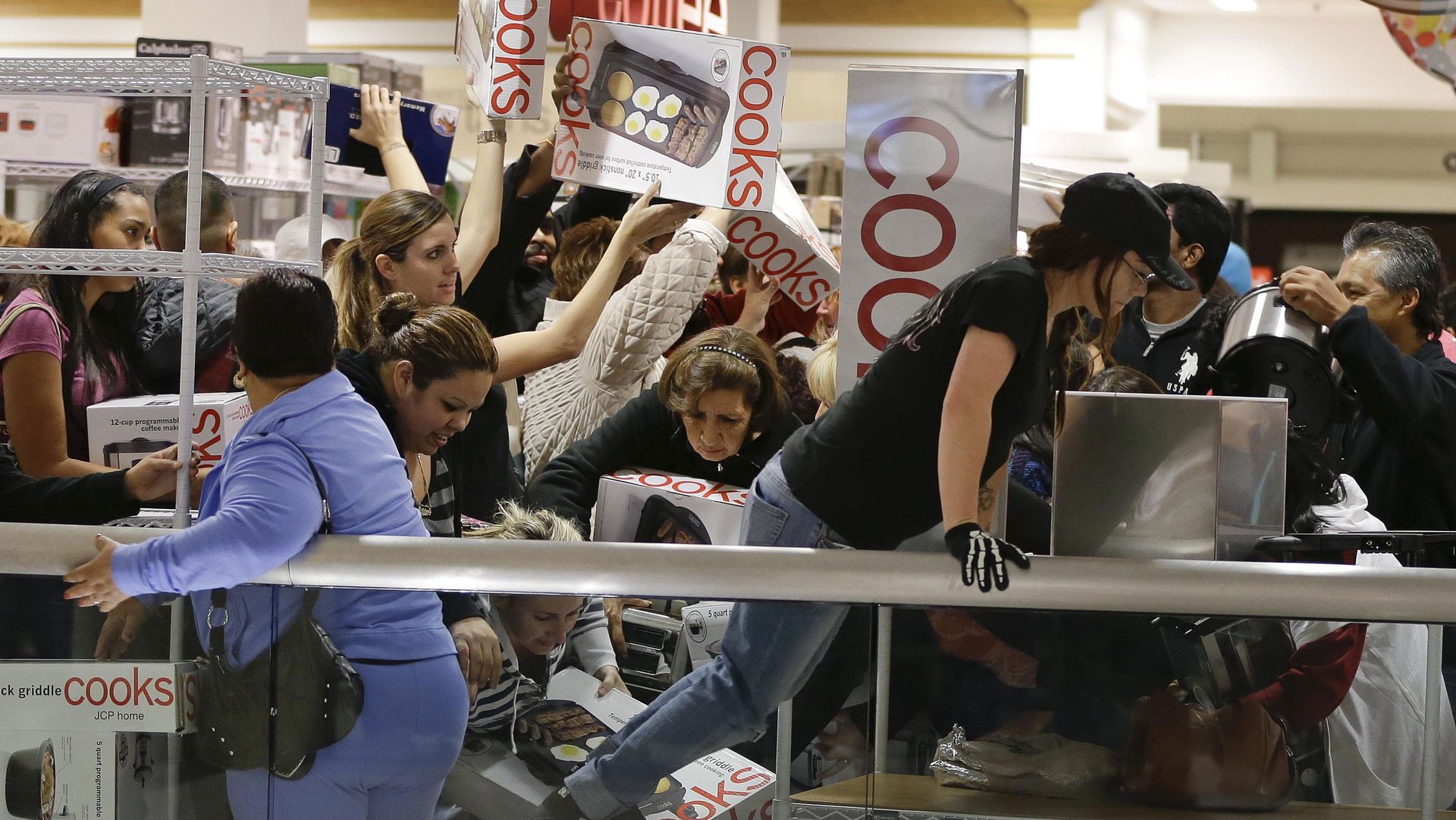
Black Friday—the day after Thanksgiving when stores open early and thousands of shoppers go nuts—is ceding ground to “Gray Thursday,” with major retailers like Macy’s, Walmart, Kohl’s, and Target staying open for business on Thanksgiving Day itself.

After exploding onto the original content scene in 2013 with House of Cards and Orange is the New Black, Netflix has been in a bit of a lull. Its revivals of Arrested Development and The Killing were perhaps better off in the TV cemetery, and the horror series Hemlock Grove was a serious misfire. “This is the sort of show that would’ve been laughed off the screen after an episode or two on broadcast,” Zack Handlen wrote in his review of Hemlock Grove for A.V. Club. “And yet there it sits on Netflix’s electronic shelves, a pulsating puss-ridden boil waiting for the next unsuspecting victim to click through.” Ouch.

Less than a week from Election Day in the US, a team of researchers has proved that your political leanings have a lot to do with biology—in, perhaps, a very strange way.

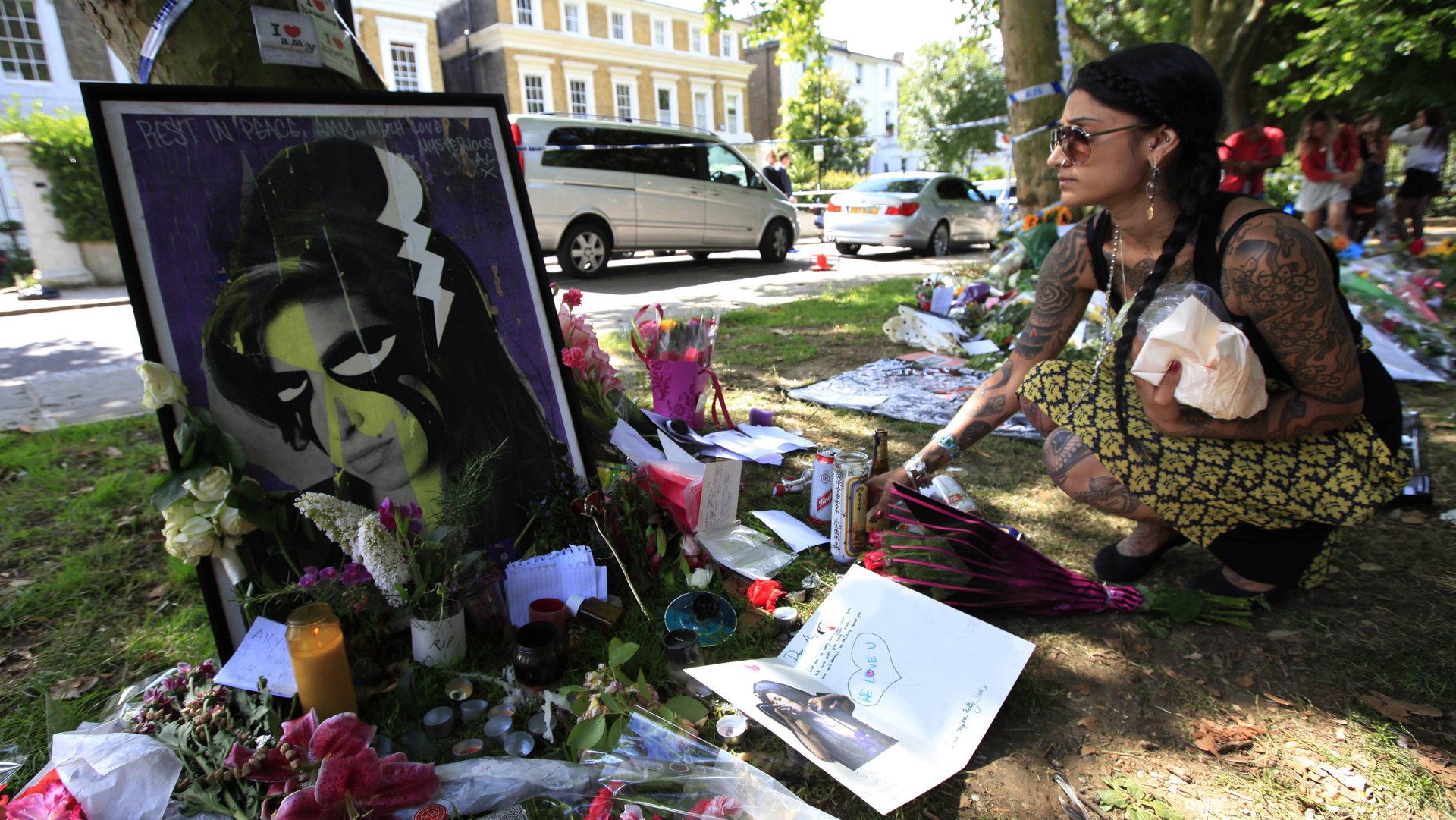
The “27 Club” is a myth. Pop stars are not more likely than the general population to die at age 27. But they do tend to die much younger than the rest of us.

The notion that the internet is a mean, scary place now comes with some numbers to back it up.

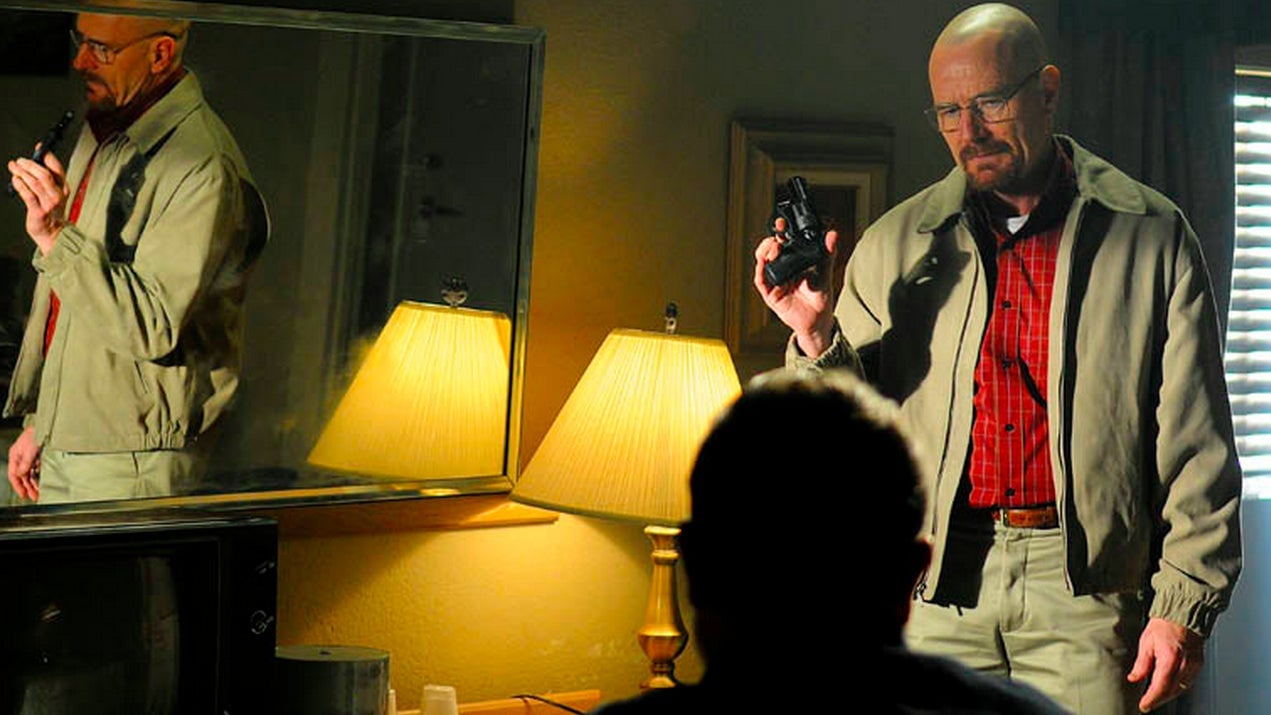
The acclaimed AMC drama Breaking Bad now has its own action figures on shelves in Toys R Us stores. One of the figures, chemistry teacher turned drug lord Walter White (who won actor Bryan Cranston multiple Emmy awards), features a mini bag of meth and a gun.

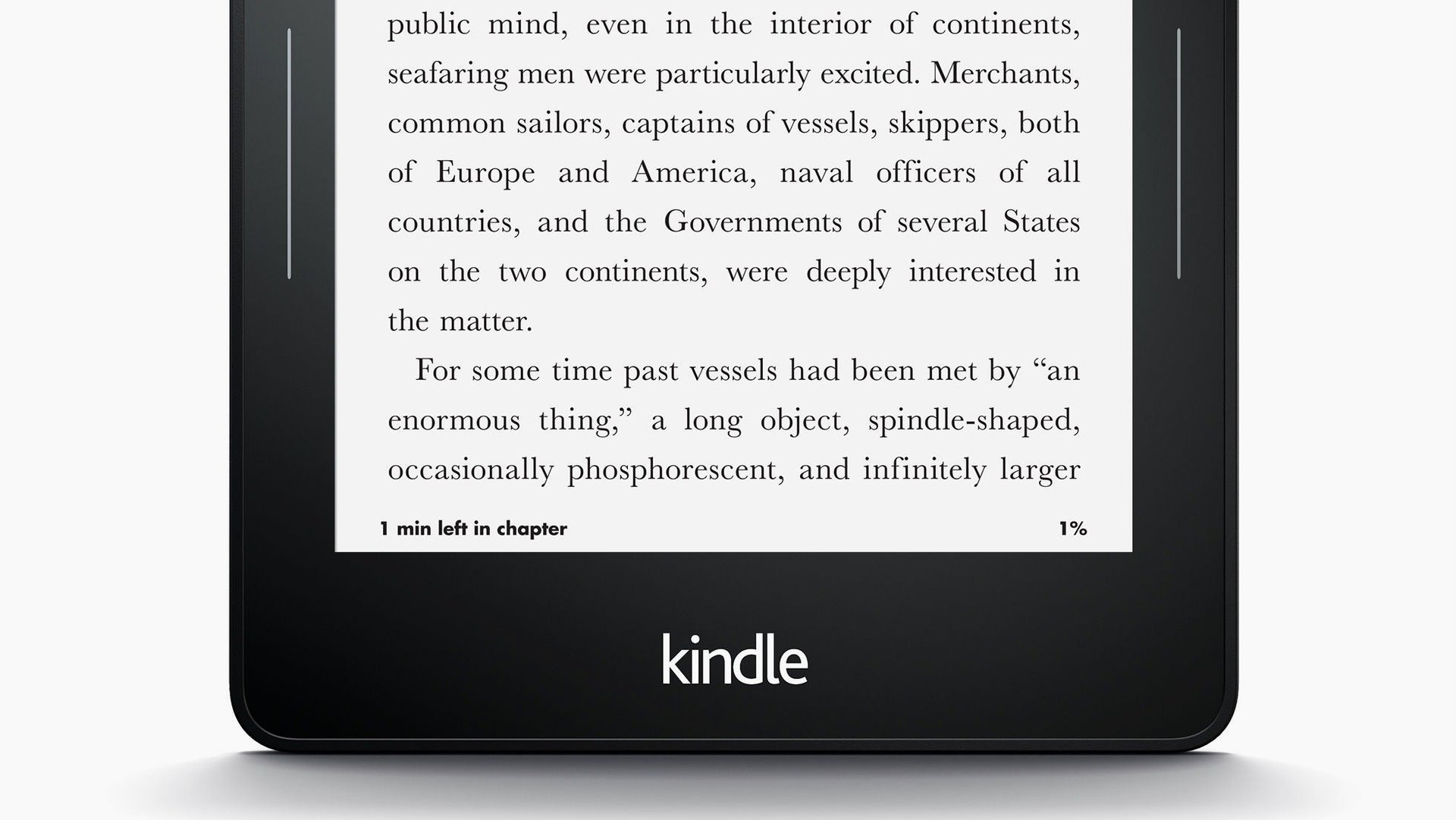
Amid the usual hysteria surrounding Apple’s latest slate of multifunctional products—the iPad Air 2, the Apple Watch, the iPhone 6—tech writers are collectively lauding a single-task device that’s not from Apple but from Amazon: the new Kindle Voyage e-reader.

US retailers are poised to add upwards of 800,000 temporary jobs this holiday season, a total not seen since the middle of the dot-com boom, in 1999.

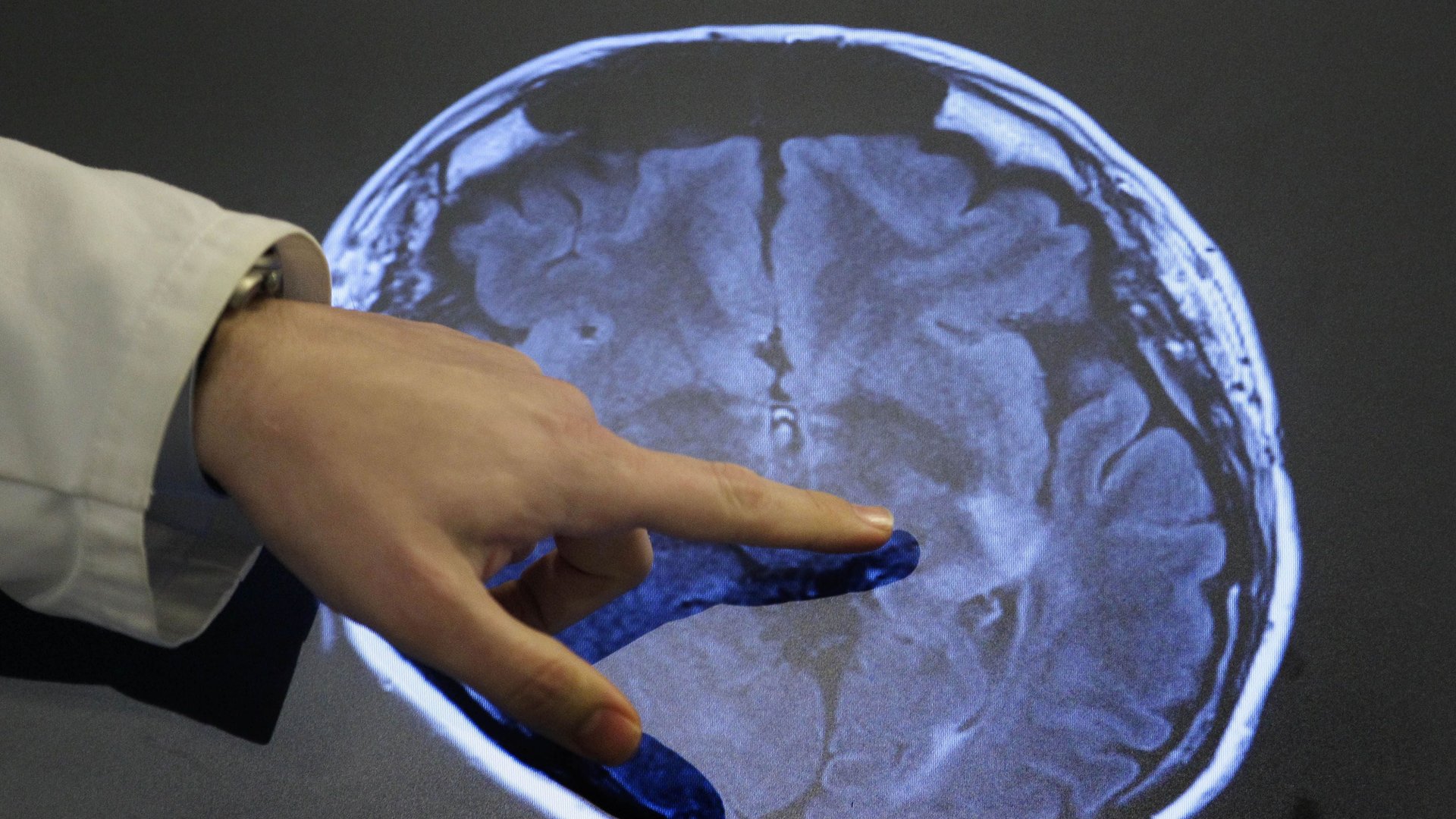
Have you heard the one about how human beings use only 10% of their brains? That myth, of course, has been debunked time and time again. But many teachers—those entrusted with children’s brain development—believe it, according to a recent survey.

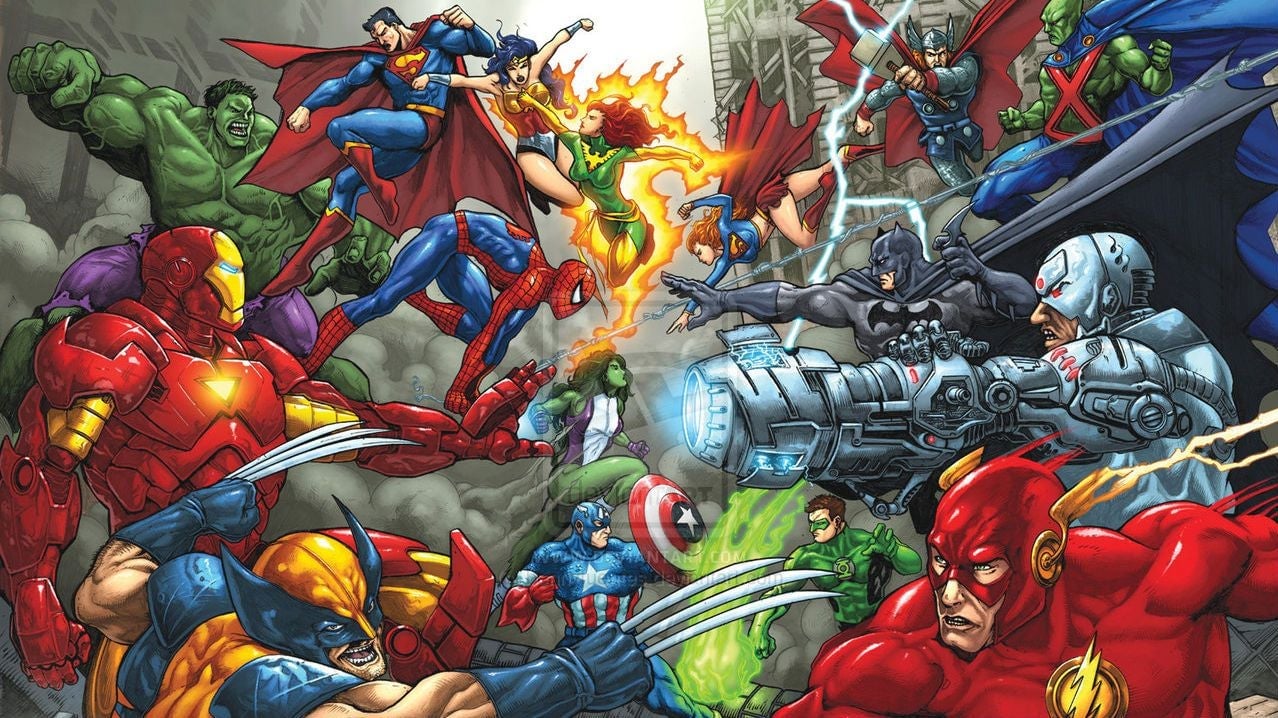
If you’re a comic book fan, you’re going to enjoy the next decade.

For cord-cutters, the anticipation is already building after today’s announcement that the popular pay-cable behemoth HBO will offer standalone subscriptions that allow those without cable TV to watch its popular shows on the internet starting next year.