It’s a given that sales are at all-time highs for online grocery services. But British company Ocado had a surprising tidbit to share in an update to investors last week.

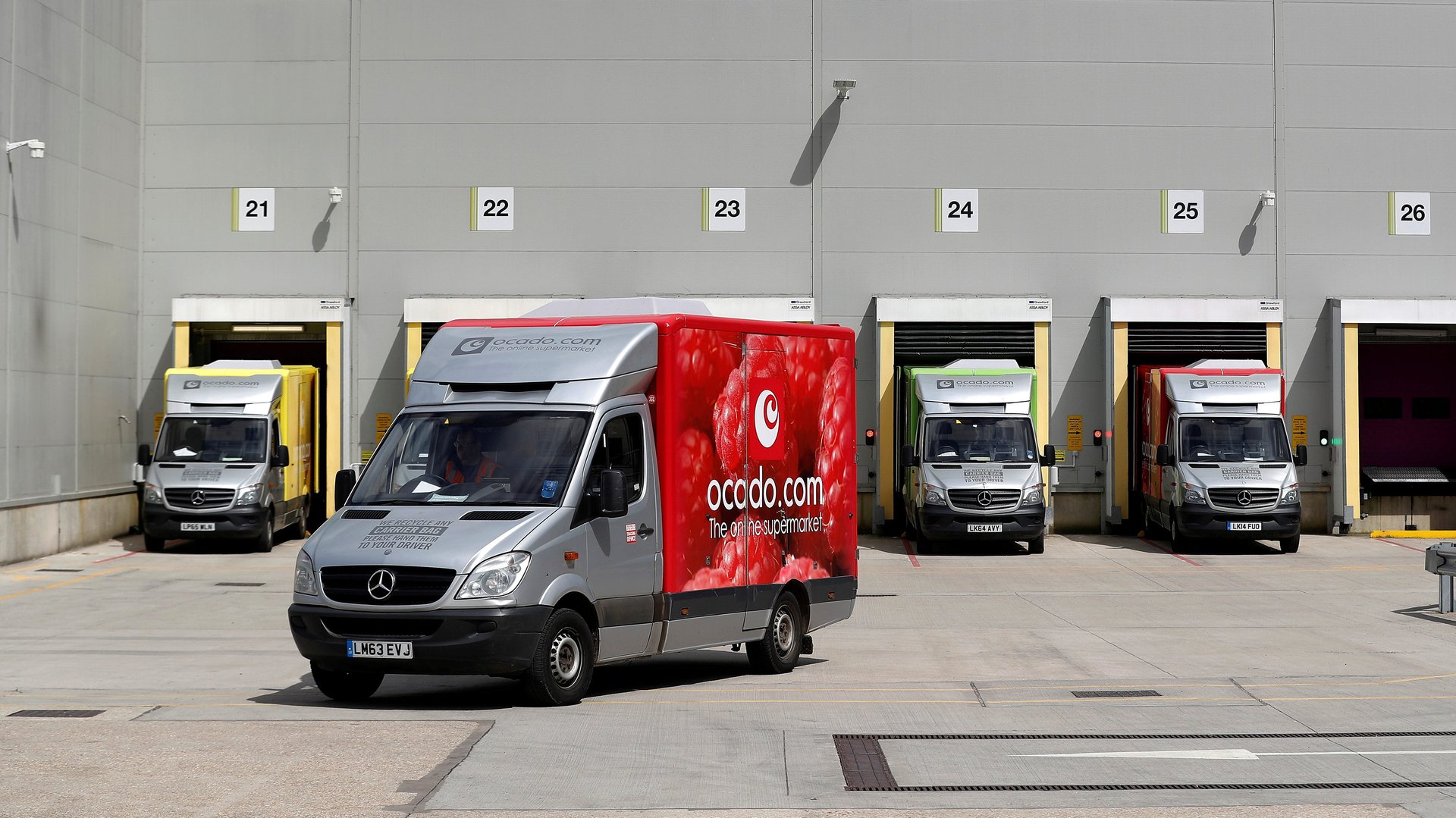
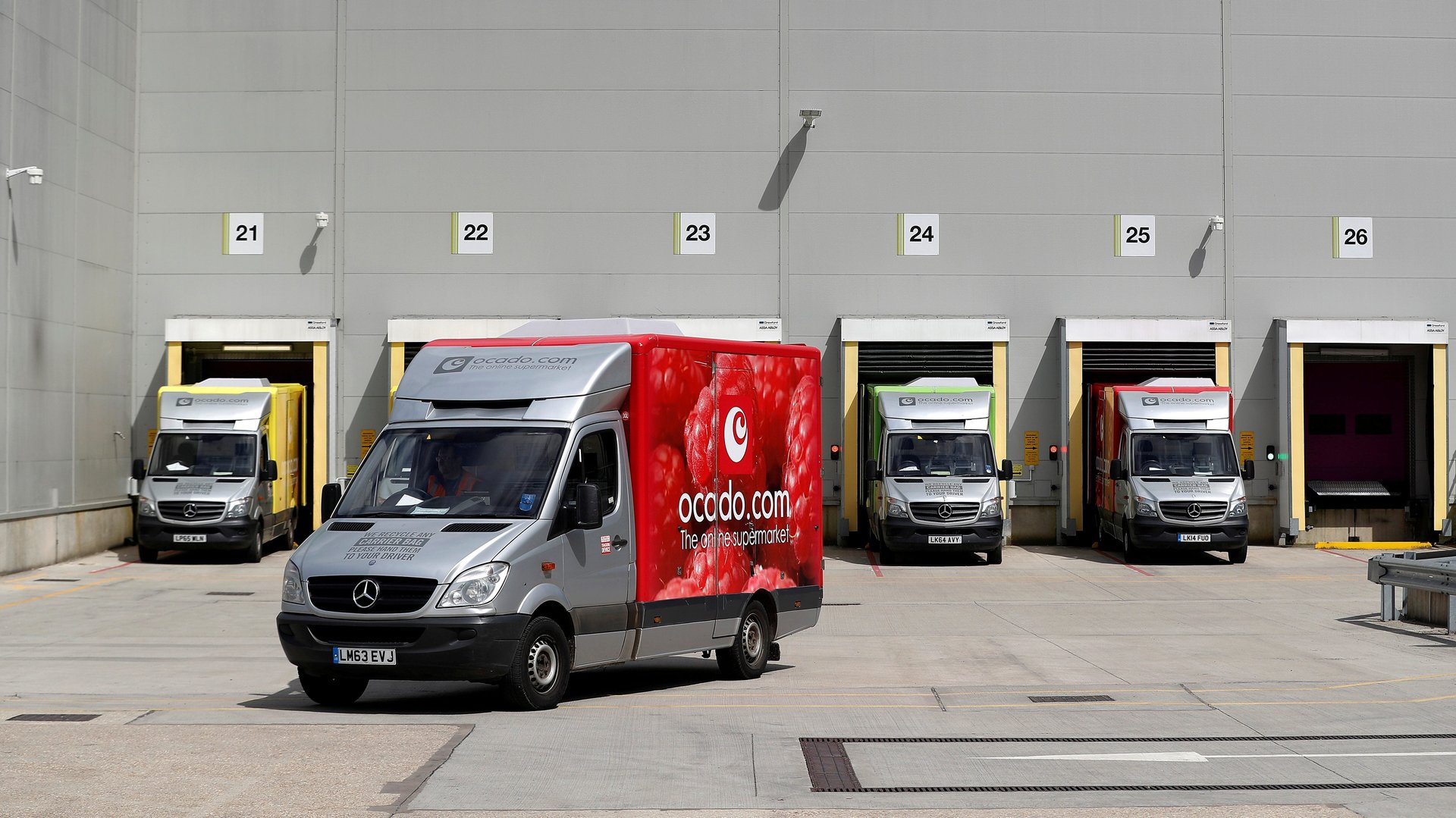
It’s a given that sales are at all-time highs for online grocery services. But British company Ocado had a surprising tidbit to share in an update to investors last week.

After a rocky start, UK online grocer Ocado has become a standout performer during the coronavirus pandemic.

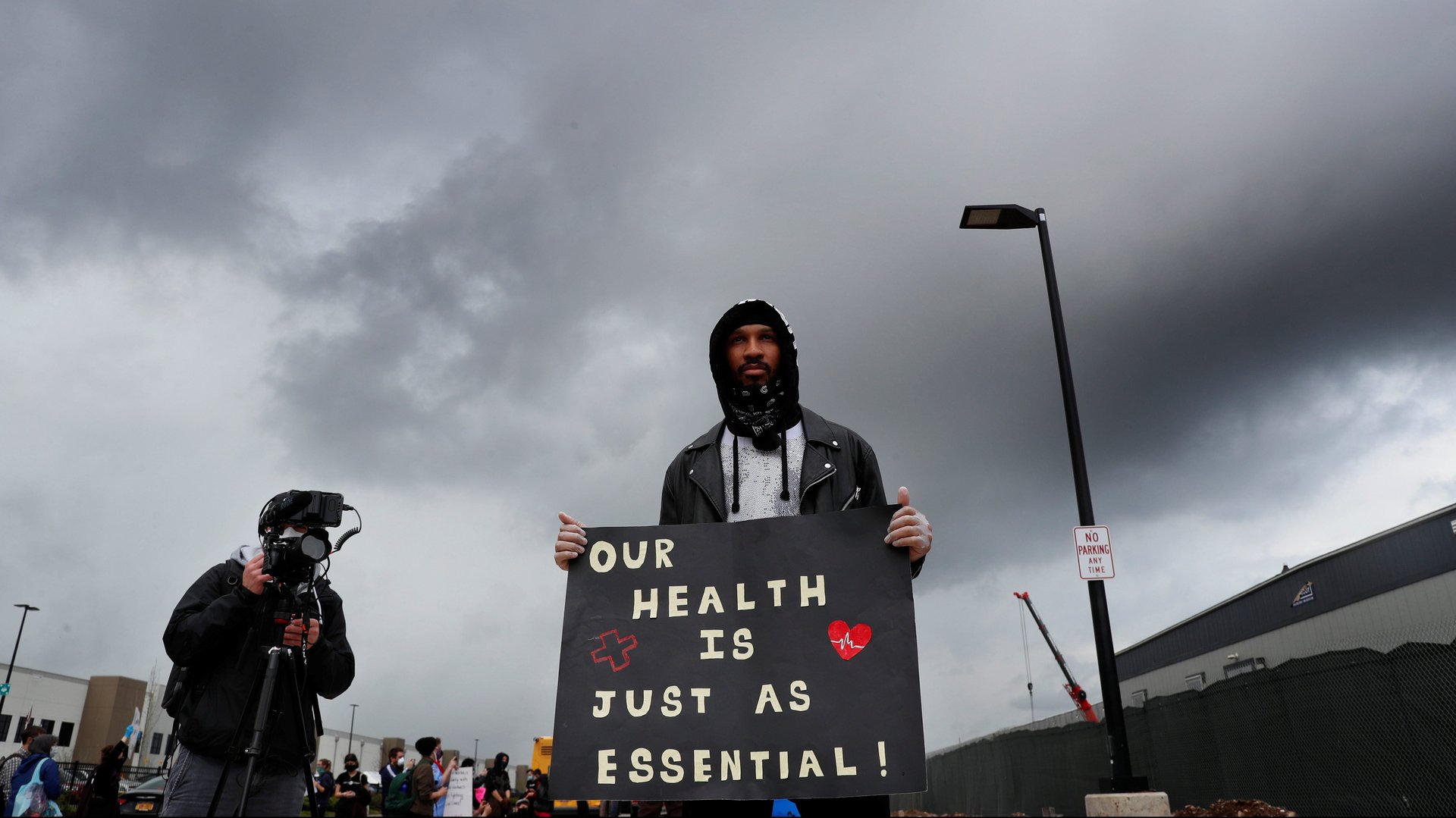
An Amazon executive has resigned in protest after the company fired employees who drew attention to unsafe conditions in its warehouses.

European countries seeking to protect workers from Covid-19 are overwhelmingly looking to Germany.

Before the coronavirus pandemic, on-demand delivery companies were still figuring out how to get people to try their services. Not anymore.

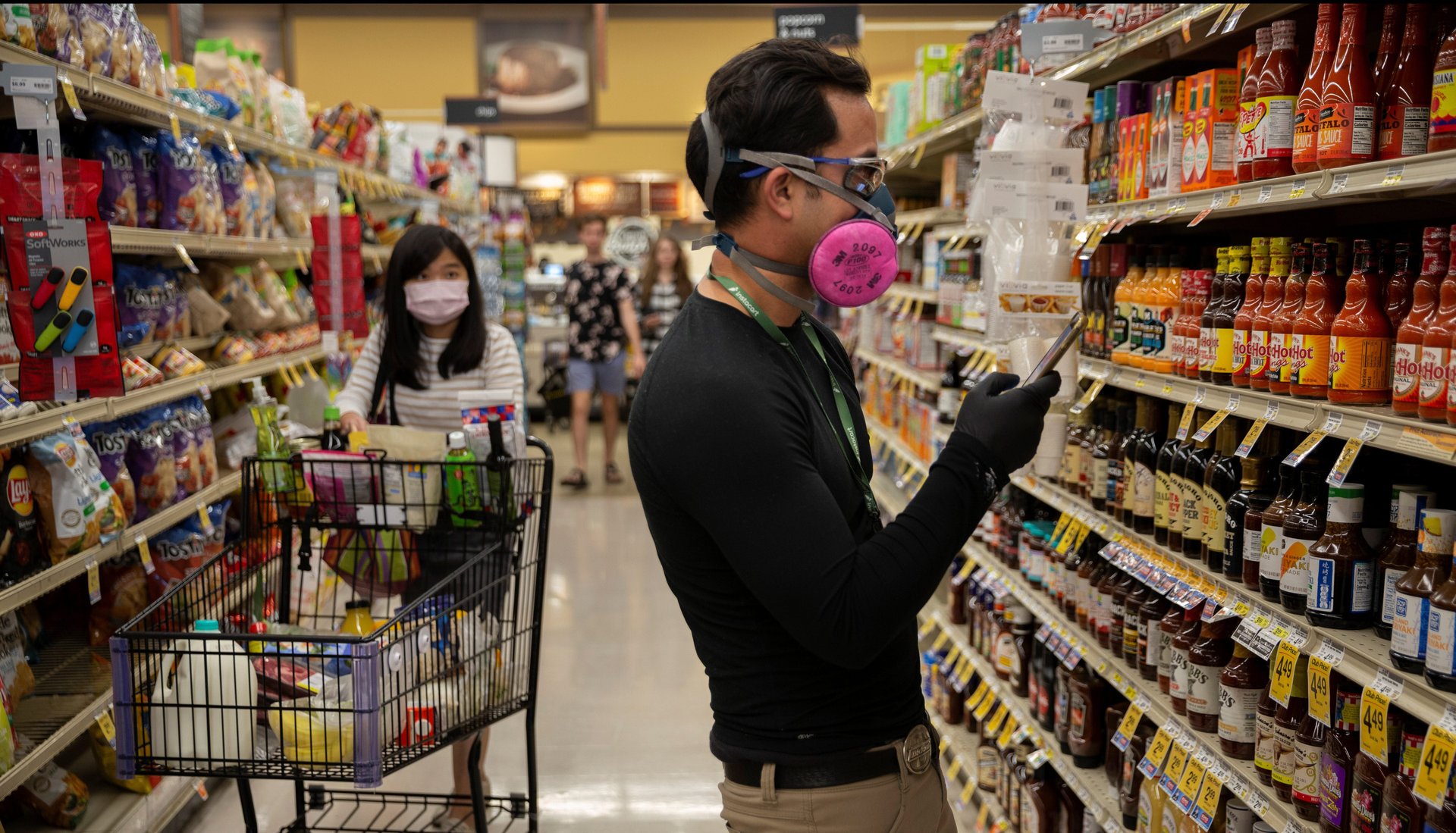
Being an Instacart shopper was never a great gig. The grocery delivery startup—if you can still call Instacart a startup, at eight years old—has long played games with worker pay, tweaking rates and tip settings and other variables that might sound technical and mundane but can make a world of difference to an independent contractor whose livelihood depends on such calculations.

Every US state is under a federal disaster declaration for the first time in history, after US president Donald Trump approved a declaration for Wyoming yesterday (April 11).

As pressure mounts on Amazon to keep its warehouses running smoothly and at maximum capacity while also addressing safety concerns from workers, the e-commerce giant has hatched plans to build its own Covid-19 testing facilities.

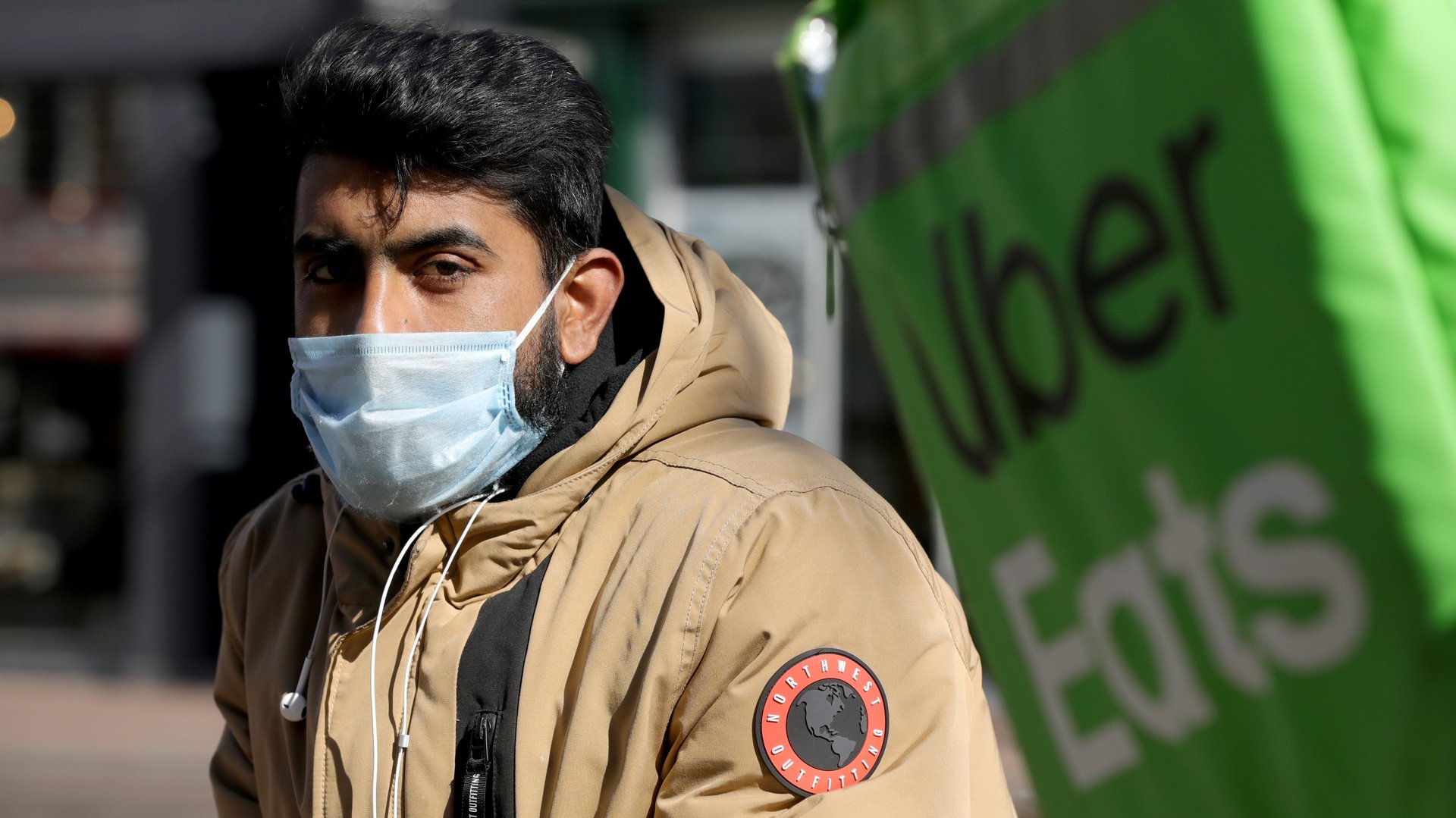
Uber is a logistics company. It’s best known for providing rides and delivering food, but the greater Uber ambition has always been to “get you anything in five minutes,” as co-founder and former CEO Travis Kalanick said in 2014.

As much of the global economy grinds to a halt, forcing sudden business closures and mass layoffs of employees, certain critical sectors have instead shifted into high-gear. Chief among those hiring are online retailers, supermarkets and online grocers, restaurant delivery firms, and health and health care companies, which are racing to boost staff as demand for their services soars.

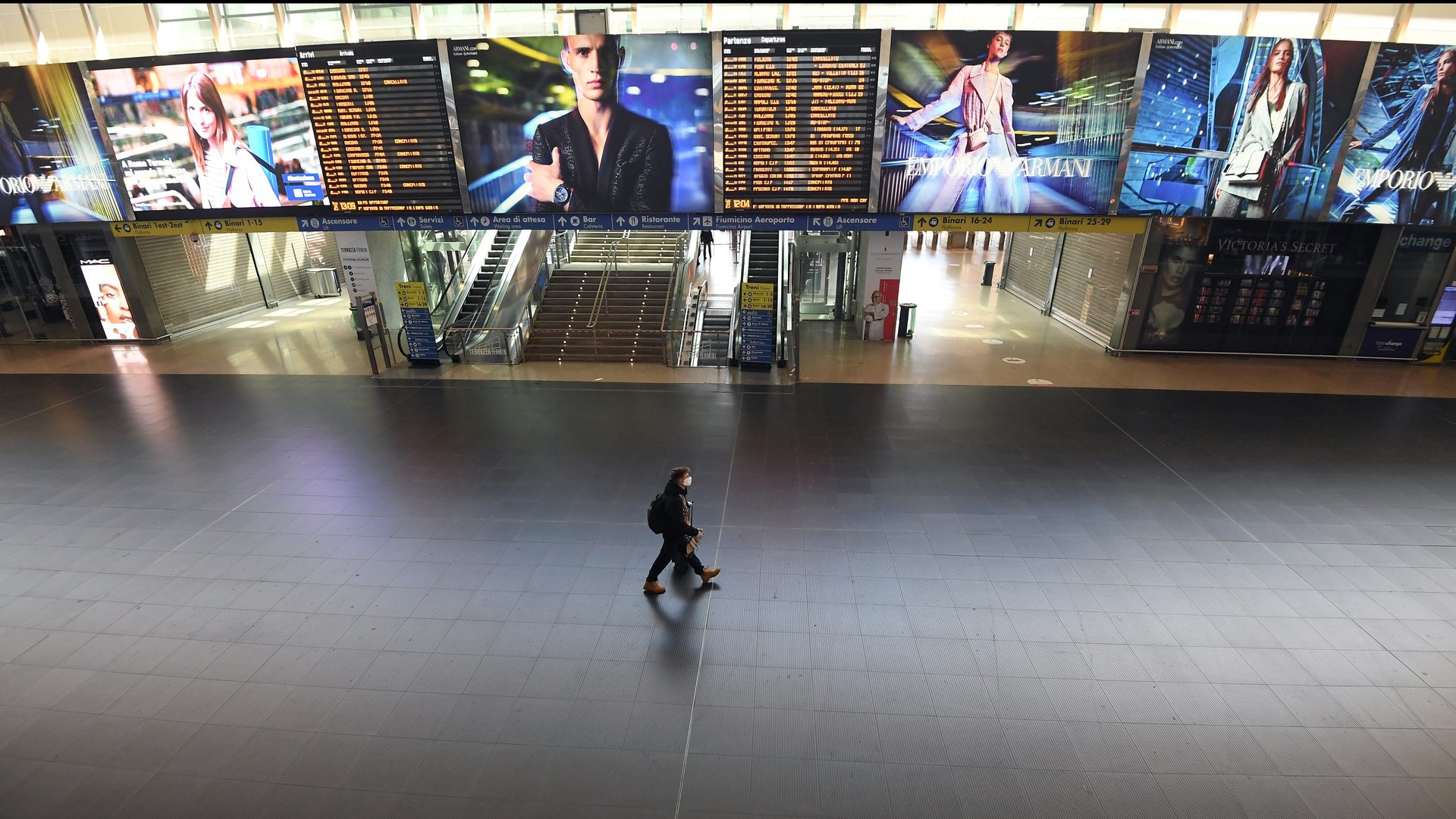
Public transportation has ground to a halt.

Faced with a global pandemic unprecedented in modern times, groceries around the world are under siege.

Uber is pausing its shared Uber Pool service in the US and Canada in an effort to slow the spread of coronavirus, Reuters reported.

After years of instructing customers to clean their devices using “only a soft, lint-free cloth,” Apple has suddenly warmed to disinfectants.

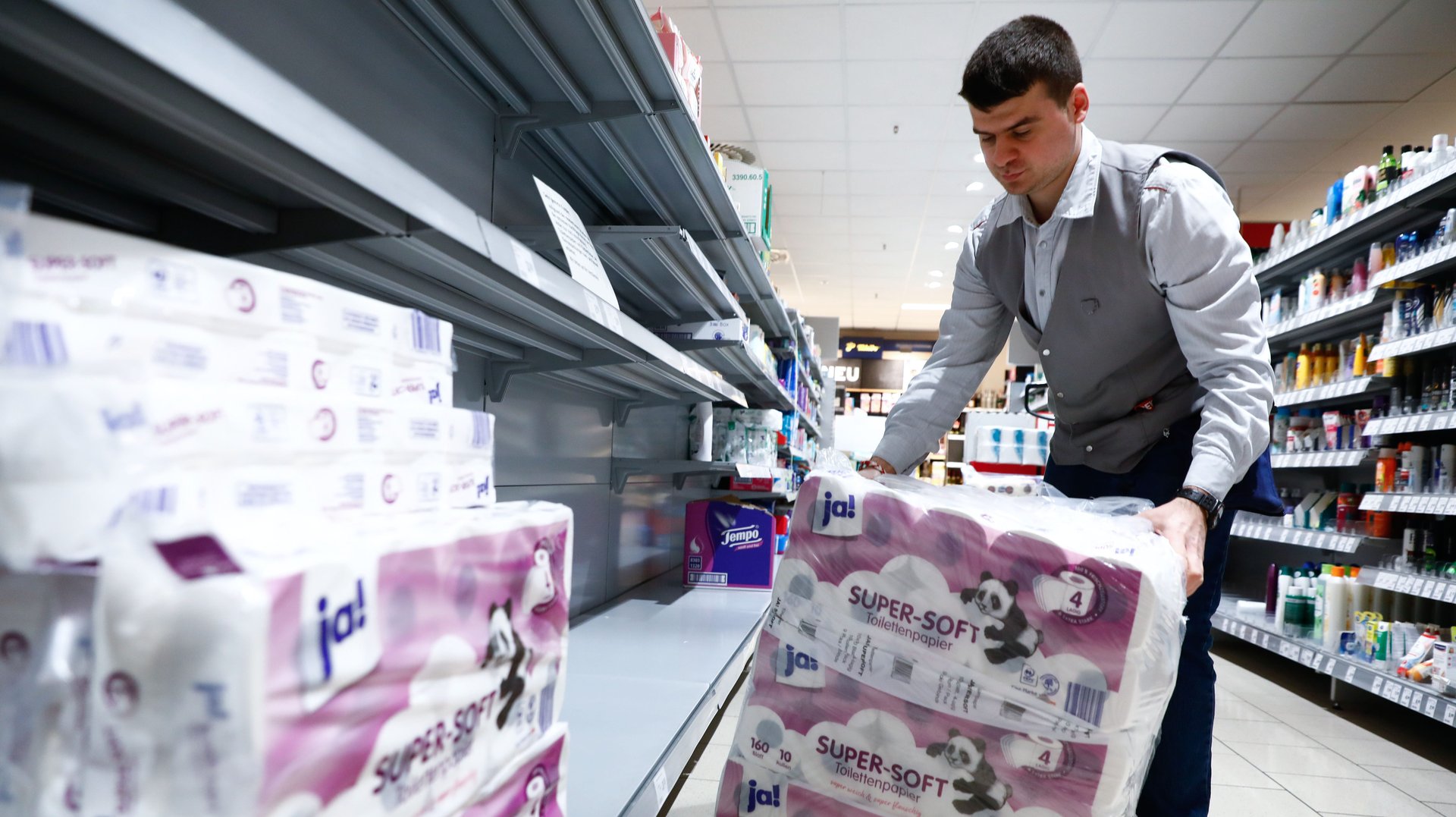
Online grocery stalwart Ocado has advised customers to place their orders early, due to “exceptionally high demand.”

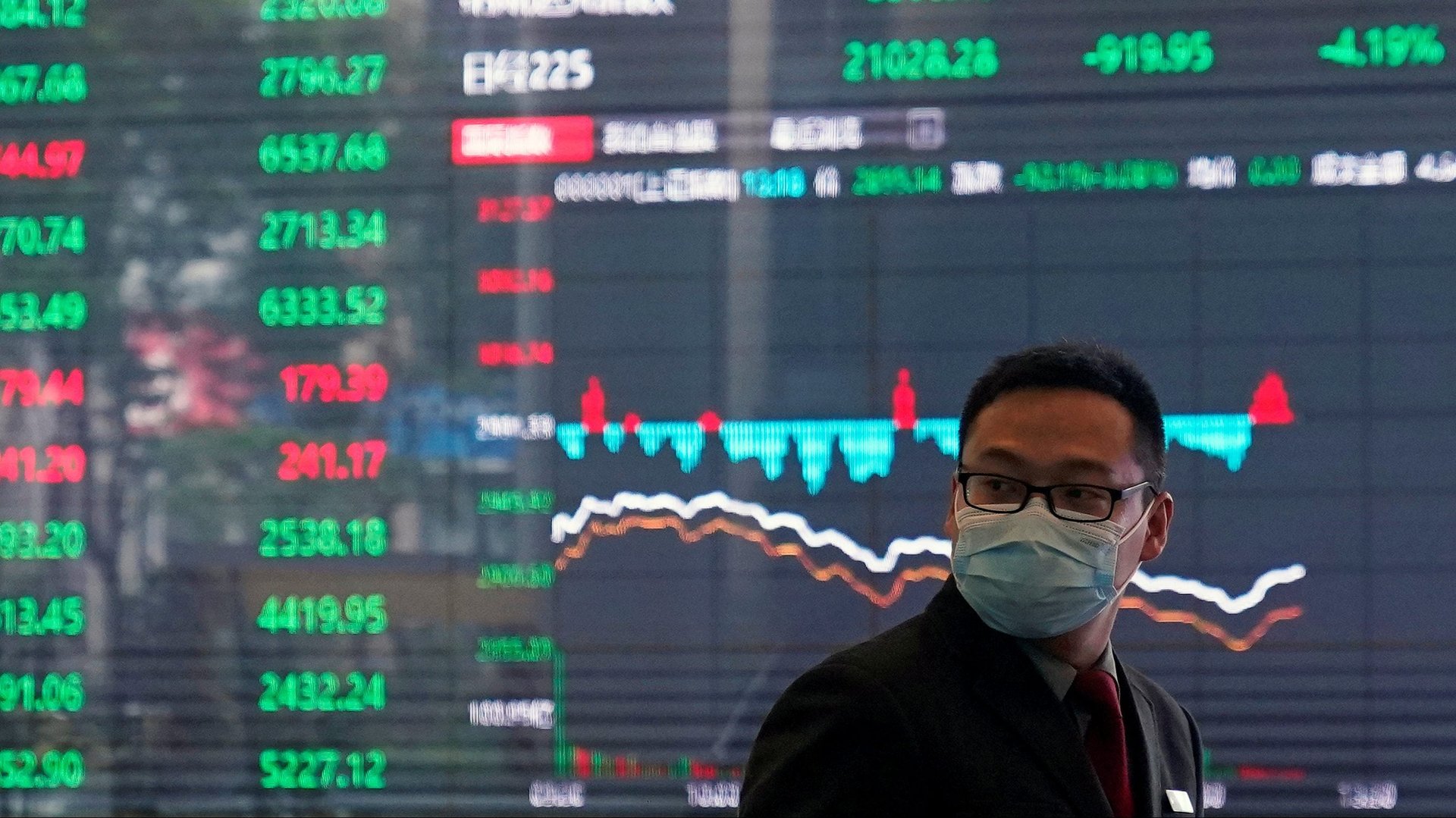
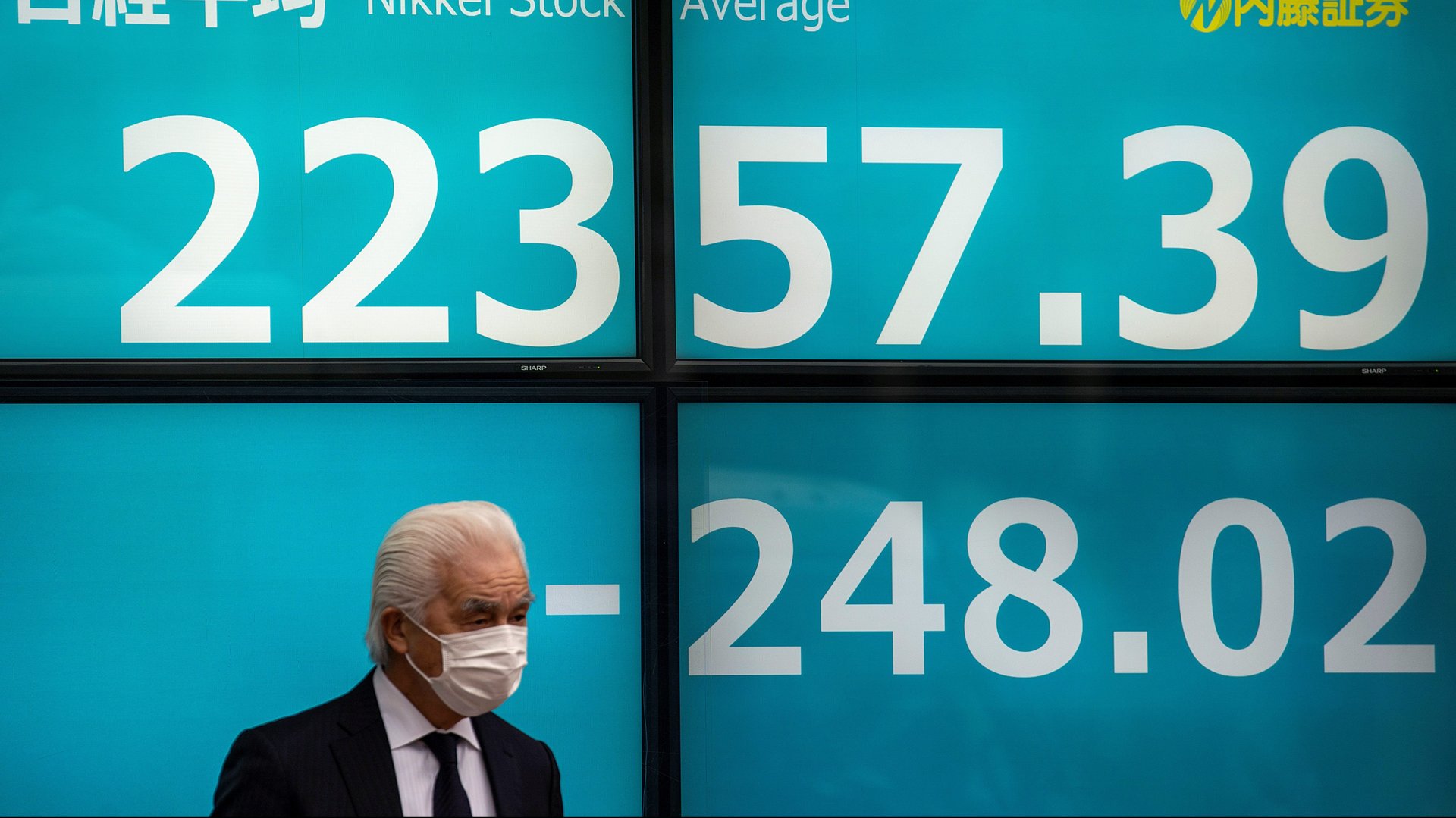
Coronavirus fears are making global stock markets ill.

That Covid-19, the disease caused by the novel coronavirus, will spread widely in the United States is now considered a matter of when, not if. There are 60 known cases of the disease in the US, including at least one person with no known foreign travel or contact with another confirmed case, a sign that the virus may be spreading at the community level.

There are still more questions than answers as Covid-19, the disease caused by a novel coronavirus, spreads. That’s put a major dent in stock markets around the world as investors head for the relative safety of bonds. Oxford Economics forecasts that the virus could knock as much as $1.1 trillion off equity markets this year, depending on the severity of the impact.

Budget hotel chain Oyo knows the skeptics are lining up.

Mark Zuckerberg is taking a EuroTrip, but it’s no holiday.

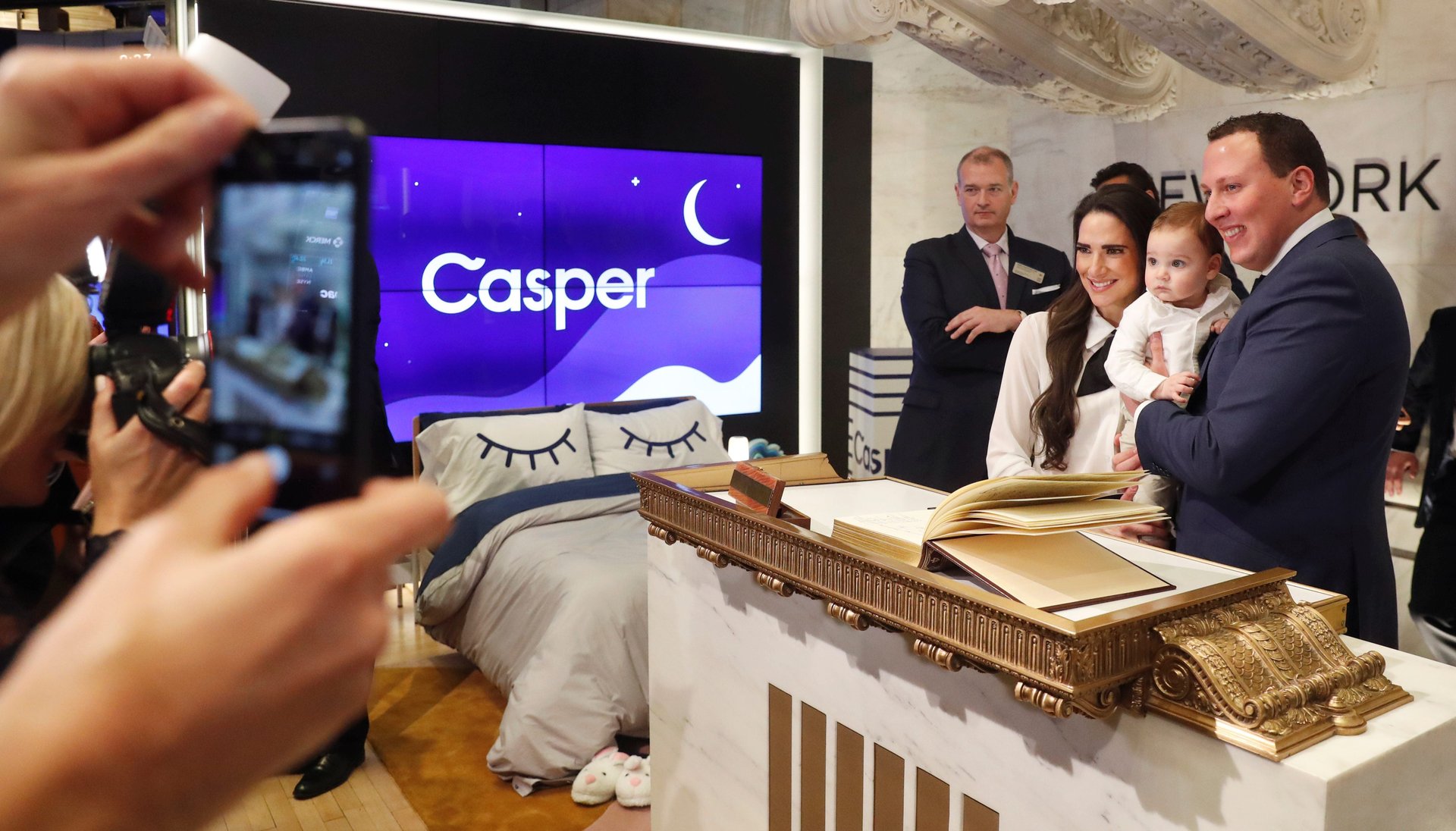
Casper was a unicorn to private investors. To the public markets, it is only about a third of one.

Asked nearly two years ago what he might do with his considerable wealth, the world’s richest person Jeff Bezos said “space travel” was his only option.

The death toll from the novel coronavirus has surpassed that of the 2003 SARS epidemic.

Eric Amis, Jr. hopped on a Lime electric scooter for the last leg of his commute around midnight on May 16. The 20-year-old was headed home from his hotel job in Atlanta, Georgia. He had just pulled out of the local metro station parking lot when he was struck and killed by a Cadillac SUV. The driver later told investigators she wasn’t able to avoid him.