
Money & Markets
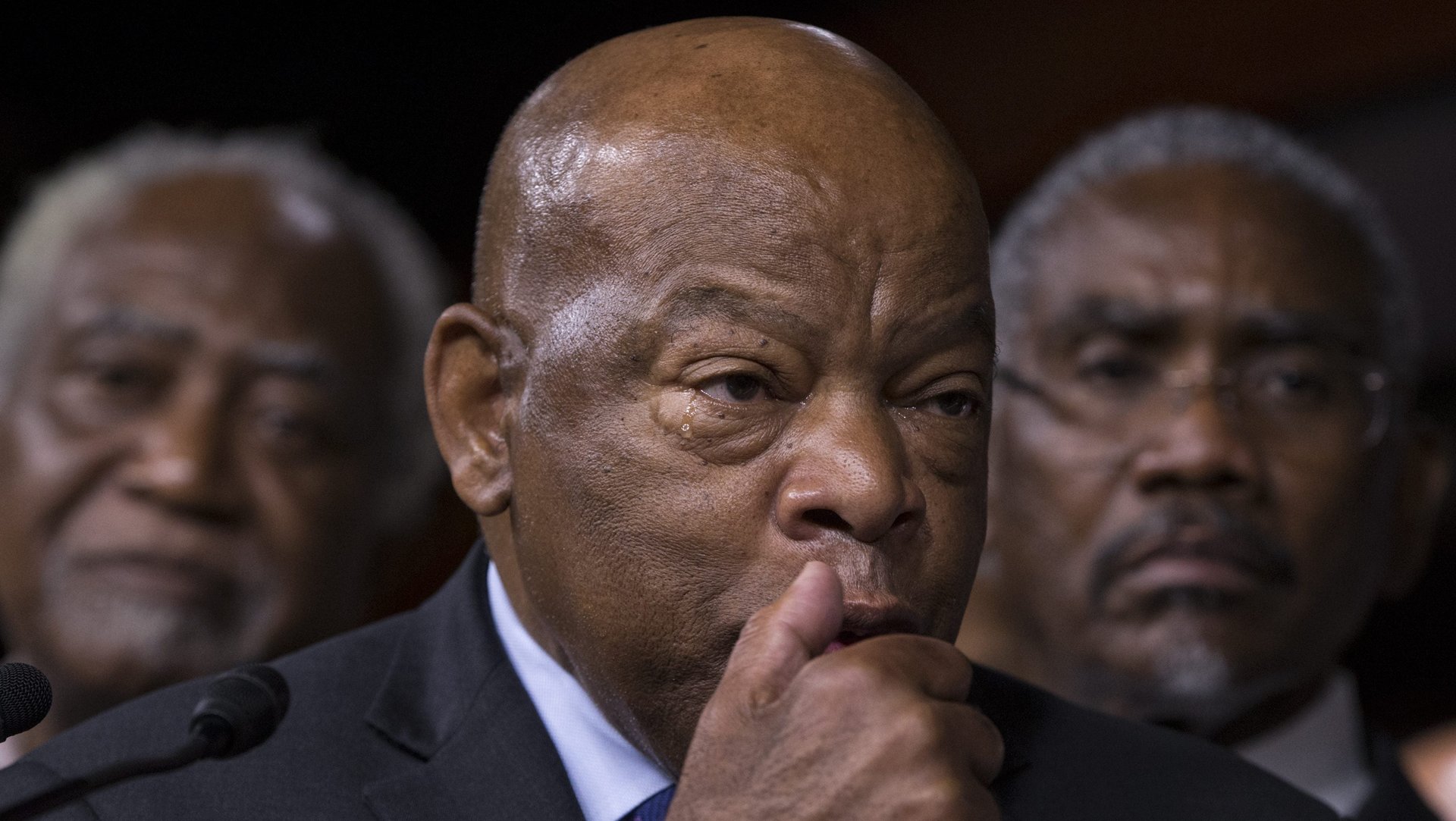
The number of Congress members who won’t attend Donald Trump’s inauguration has surpassed 40This item has been updated and corrected.
Updated July 20, 20226 min read
This item has been updated and corrected.
This item has been corrected.
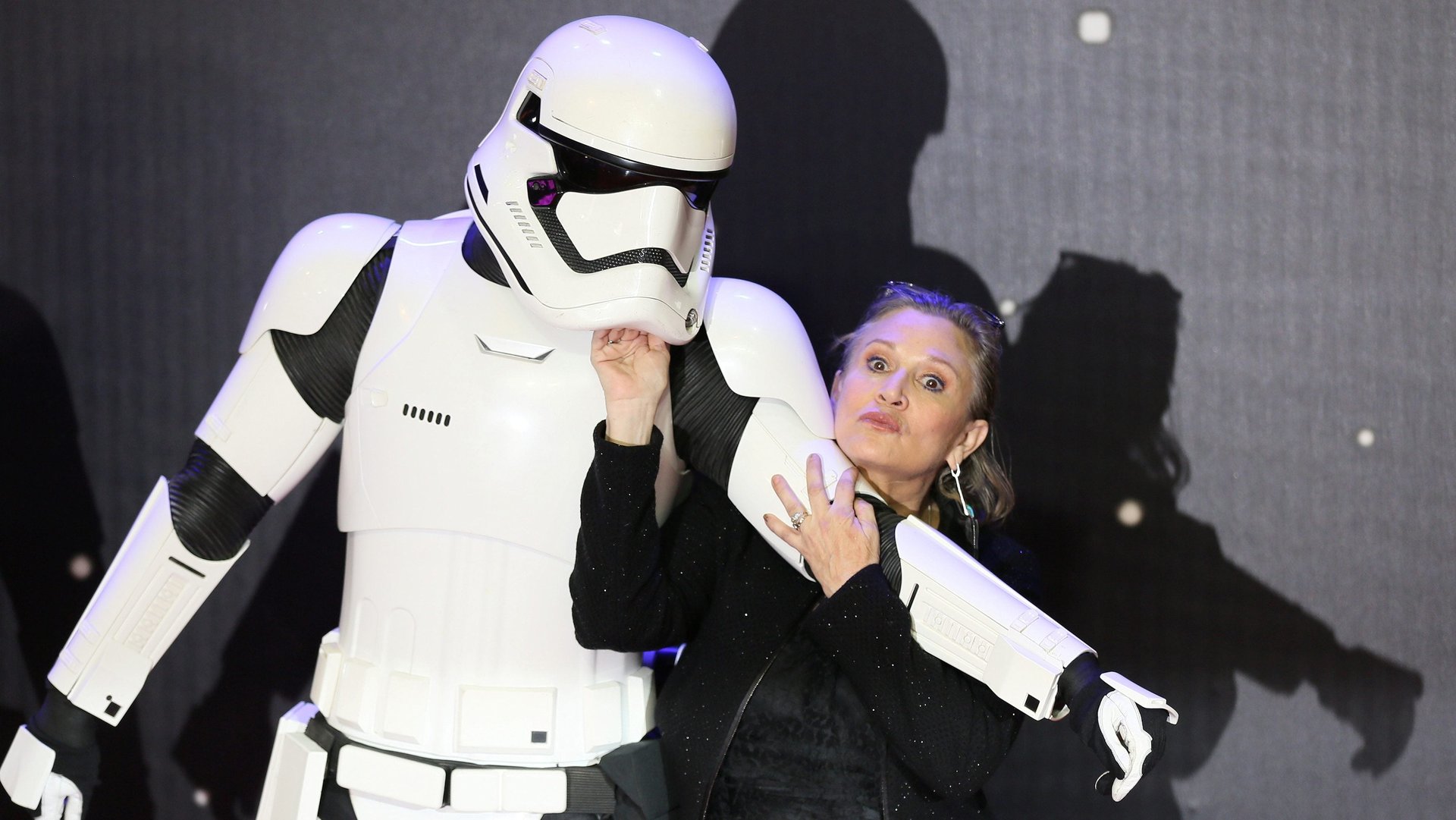
The death of the beloved actress and author Carrie Fisher didn’t just leave a hole in the Hollywood Olympus, but in the Star Wars epic, which launched Fisher to fame in 1977 as princess Leia Organa.
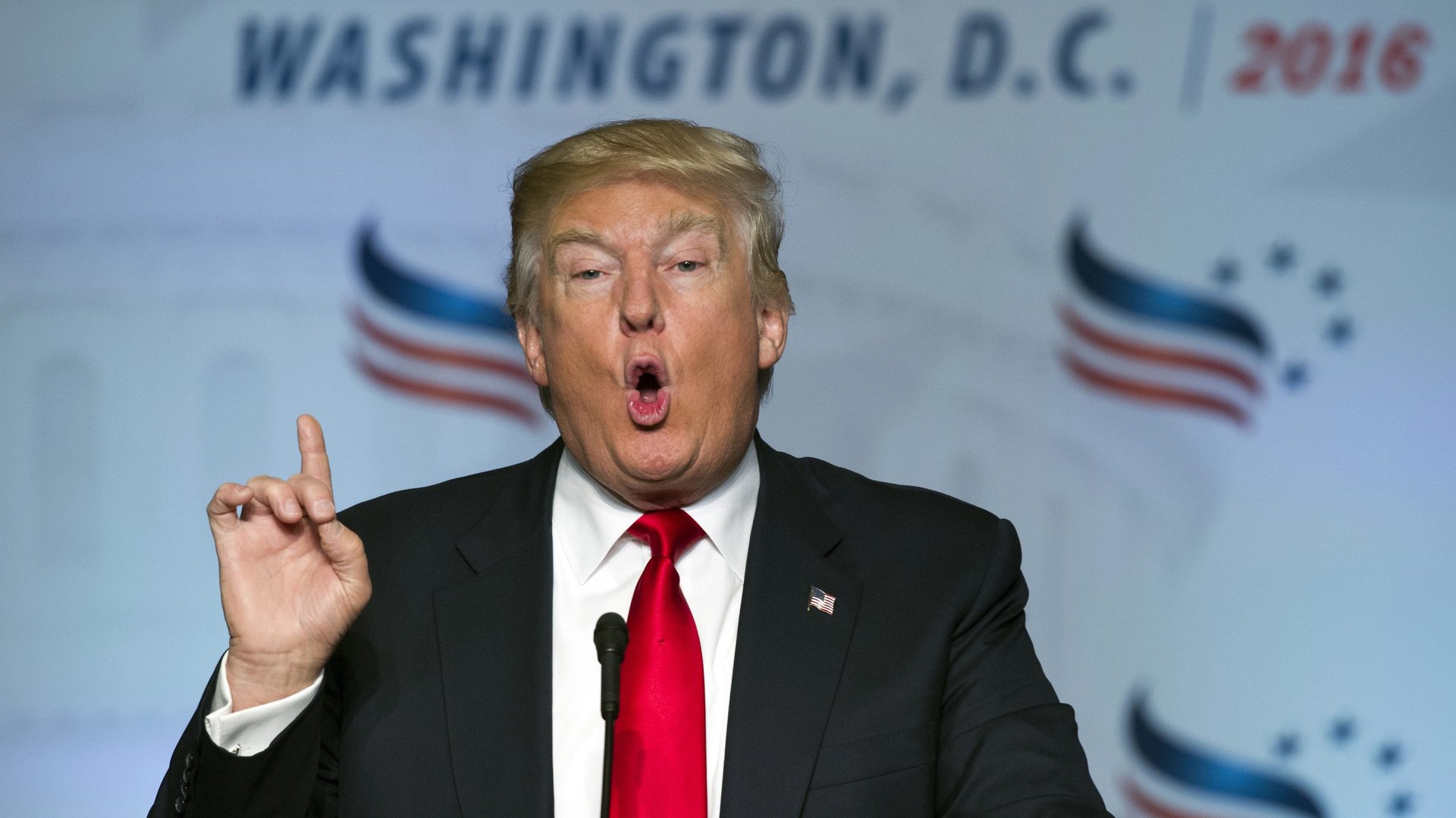
The latest survey by Gallup suggests that Donald Trump is wildly unpopular for someone who is about to take the oath of office as US president.
Every year, about 300,000 people (pdf) are awarded a visa allowing them to work in the US; over half get to the country holding an highly-coveted H-1B visa.
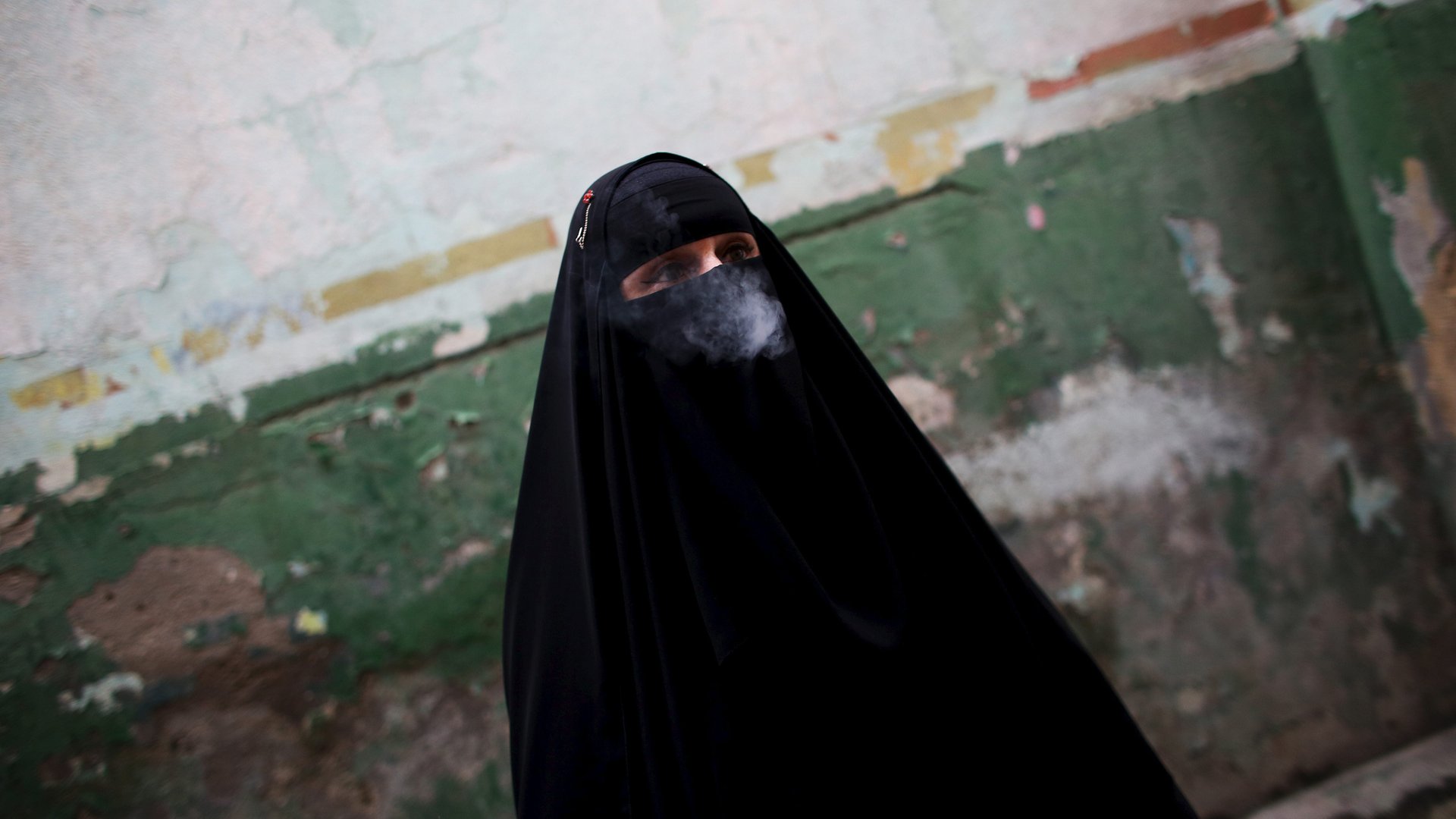
After France and Germany, a new country is now at war with the burqa. This time, however, the cultural context is unusual: the ban is being enforced in Morocco, where the majority of population is Muslim, and Islam is the official religion.
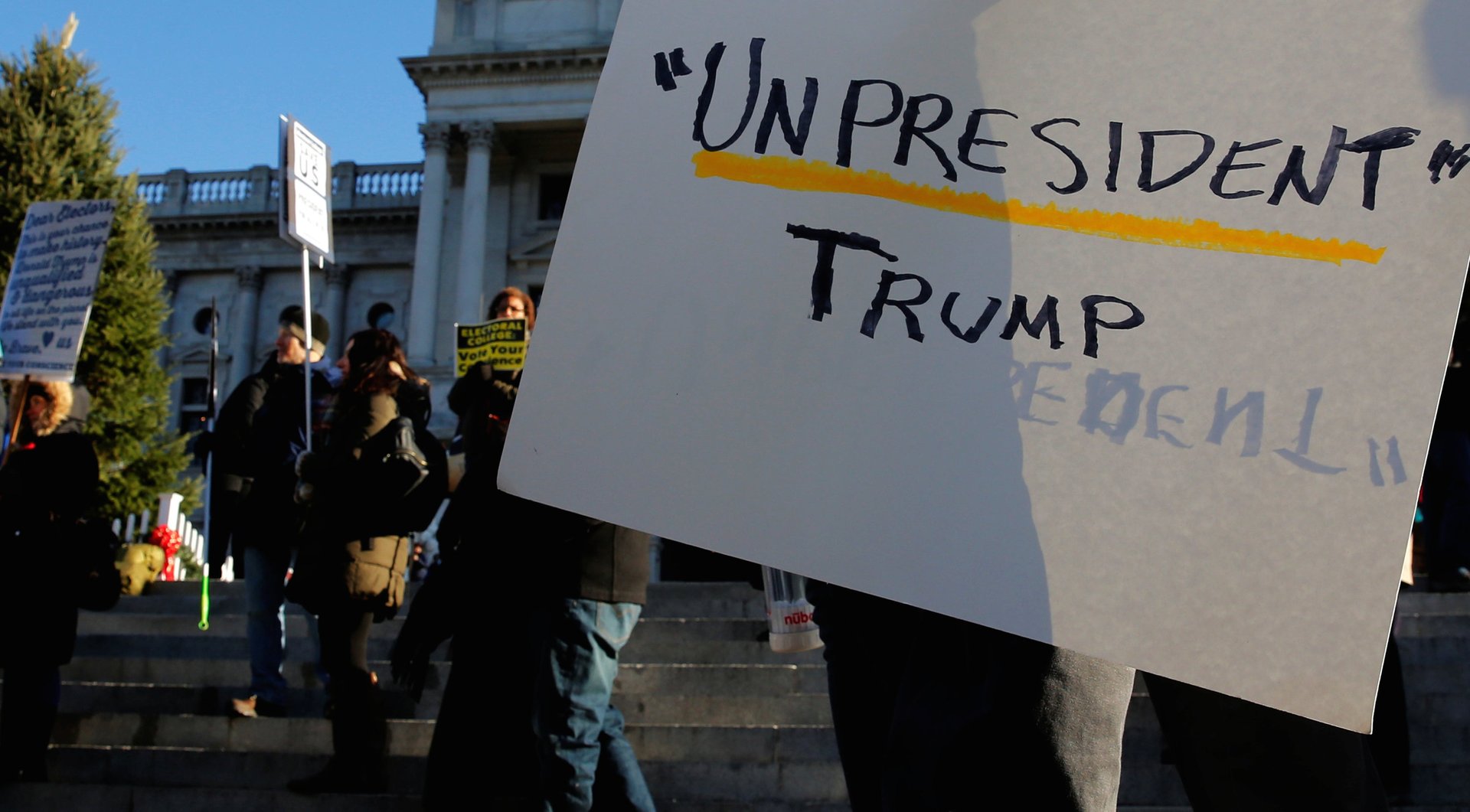
On Dec. 4, Italians went to the polls to decide on a reform referendum that would redefine the power of local governments and reduce the power of the senate. With a high turnout, my countrymen rejected the reform. In the press, the voters’ decision was described as an Italian Brexit, and a triumph of populism. Beppe Grillo and his Five Star Movement, arguably Europe’s largest populist party, celebrated with Matteo Salvini, leader of the xenophobic Northern League; Marine Le Pen sent congratulations via Twitter, claiming that Italians’ had disavowed not just their prime minister, but the entire European Union.
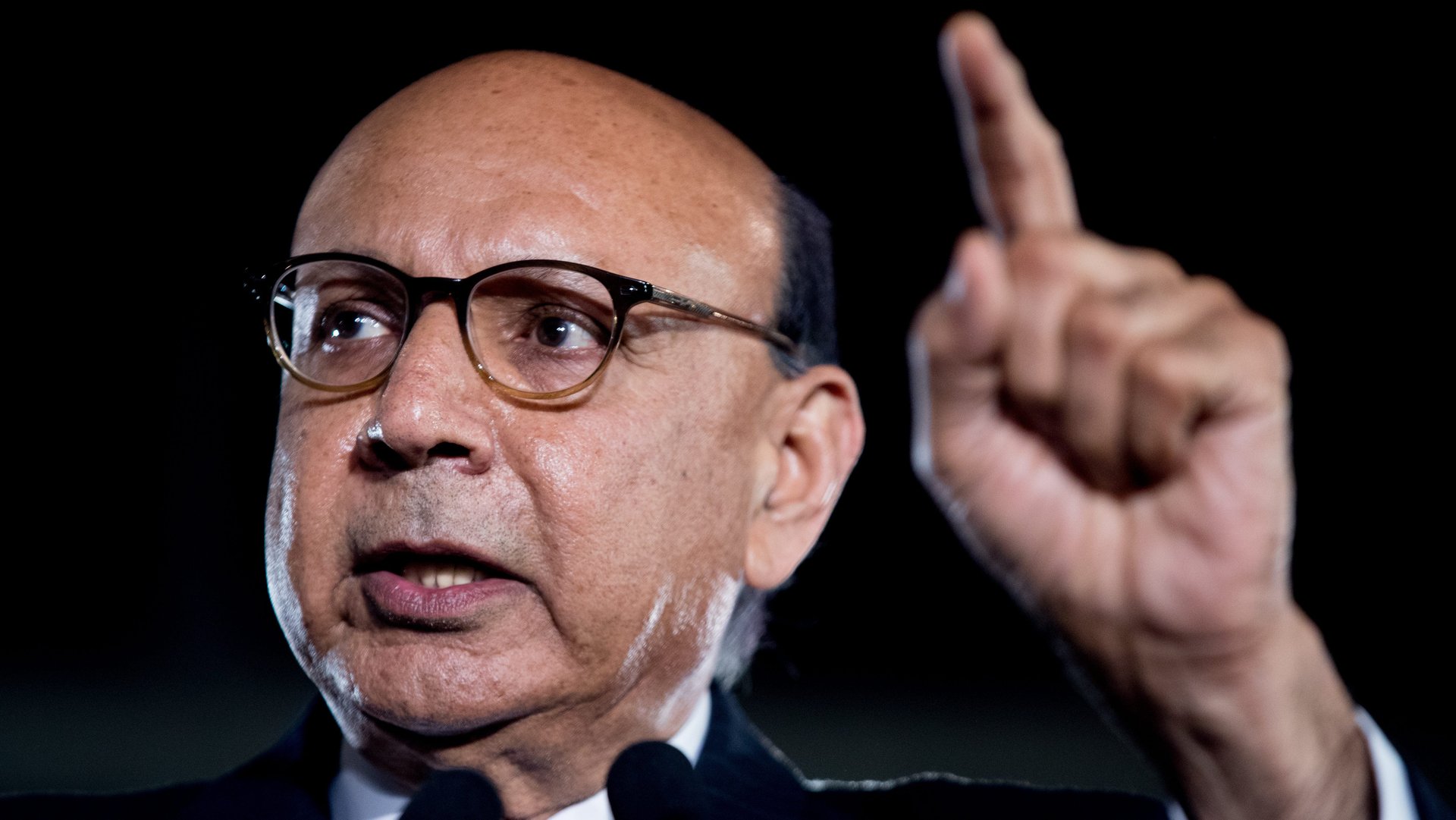
Khizr Khan, the gold star father who played a prominent role in criticizing Donald Trump during the US presidential campaign during the Democratic National Convention and then in an emotional commercial, hasn’t given up. Khan believes Trump’s choice of Jeff Sessions as attorney general is un-American, he wrote in a powerful letter to the Senate Committee on the Judiciary, a day ahead of Sessions’ confirmation hearing on Jan. 10.
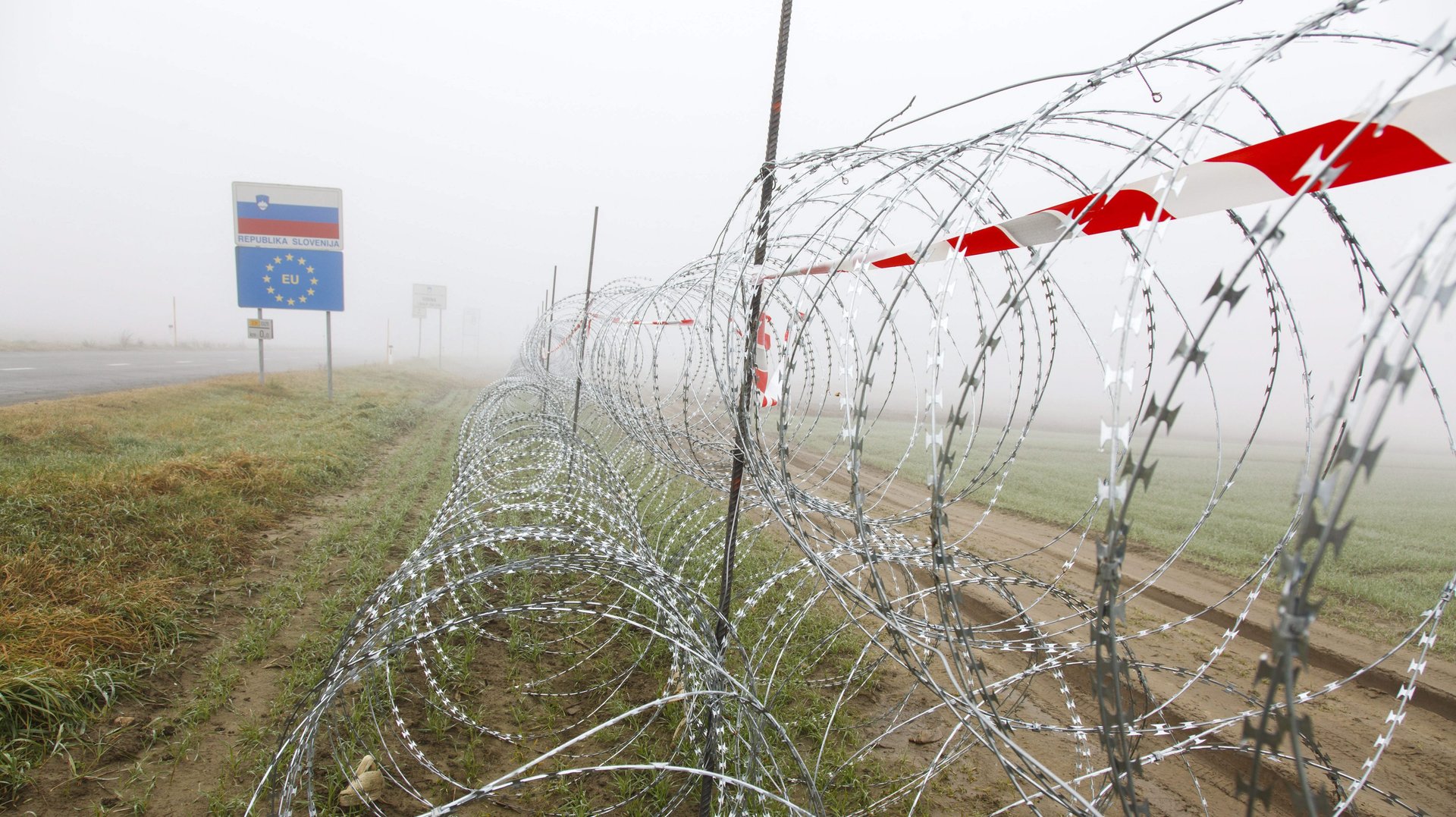
In 1989, the fall of the Iron Curtain and the removal of border fences along the edges of the former Soviet Union wasn’t only the first step in today’s borderless Europe where citizens are able to travel more freely. It also created the backbone of the so-called European Green Belt: a movement for environmental protection of the natural areas that characterized the region of the former regime.
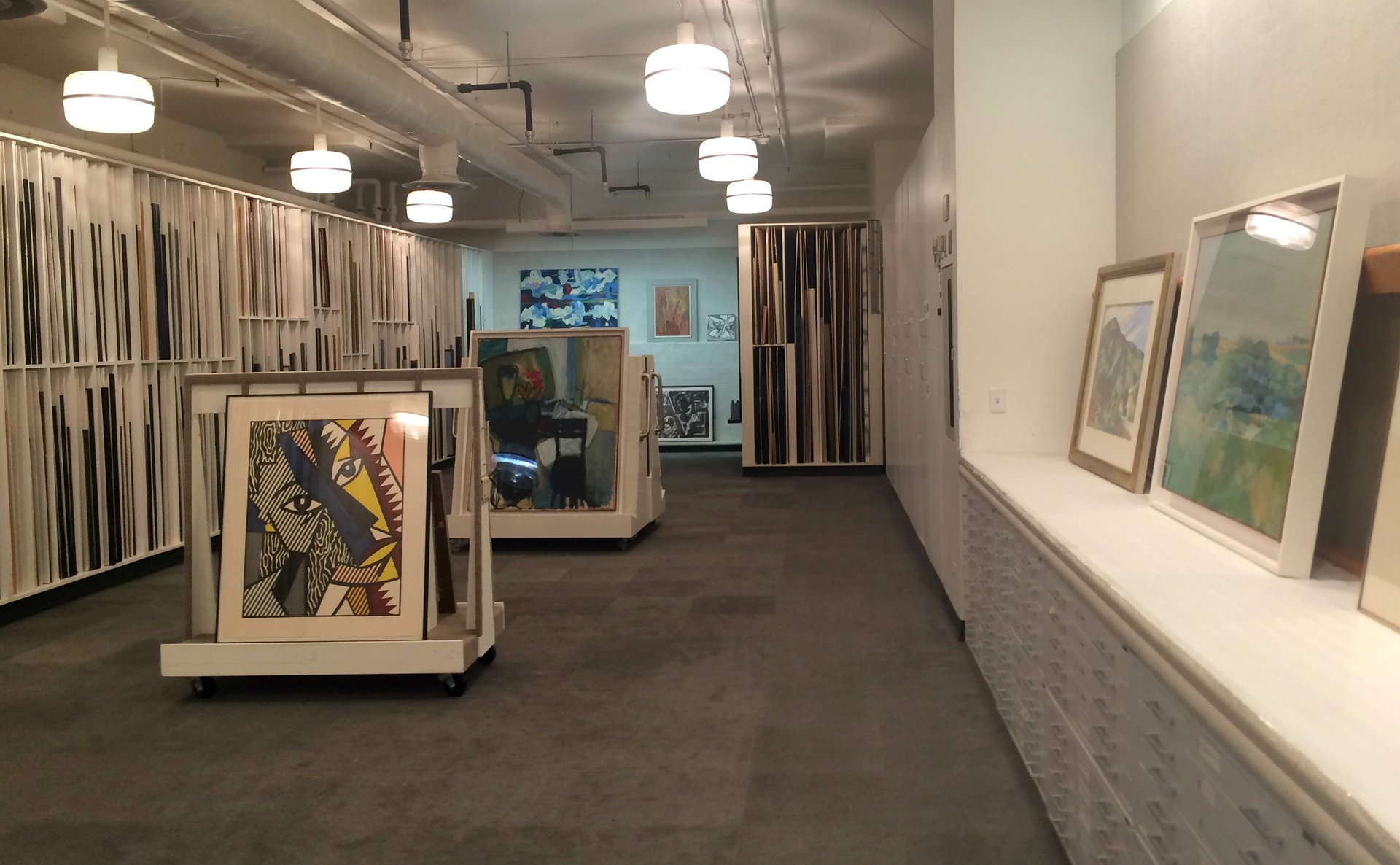
When you hear the name Kansas City, think art. The city is the Midwest SoHo, a capital for culture between two coasts, and a mecca for artists, where they can afford to do things like raising families (pdf, p.3). Of the estimated 6,000 artists living in Kansas City, 5,000 are gainfully employed in an artistic field. This is not just thanks to the Kansas City Art Institute or the Nelson-Atkins Museum of Arts, but because one of the world’s largest employers of visual artists is headquartered here: Hallmark.
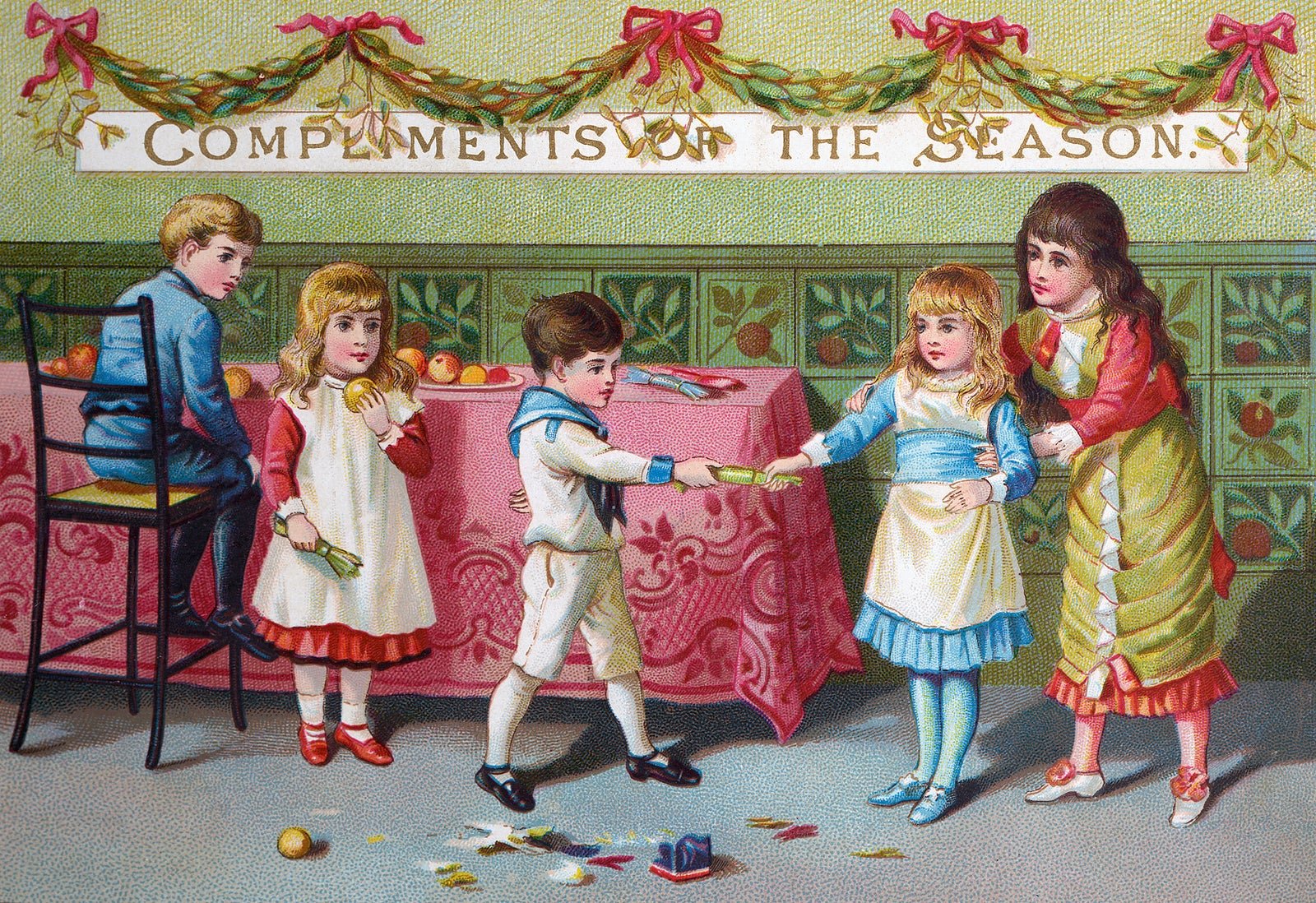
Every year Americans buy 6.5 billion greeting cards, according to the Greeting Cards Association (pdf). Birthdays, graduations, anniversaries: the average American purchases 34 cards a year; the average Brit buys 46 a year.

When Donald Trump was elected president of the United States in November, thousands took the streets to protest the outcome of the vote. For days, holding signs reading “not my president,” they showed their disappointment in cities around the US. But, Trump won the election, and per the rules of democracy, he is weeks away from becoming every American’s president—rallies won’t change that.
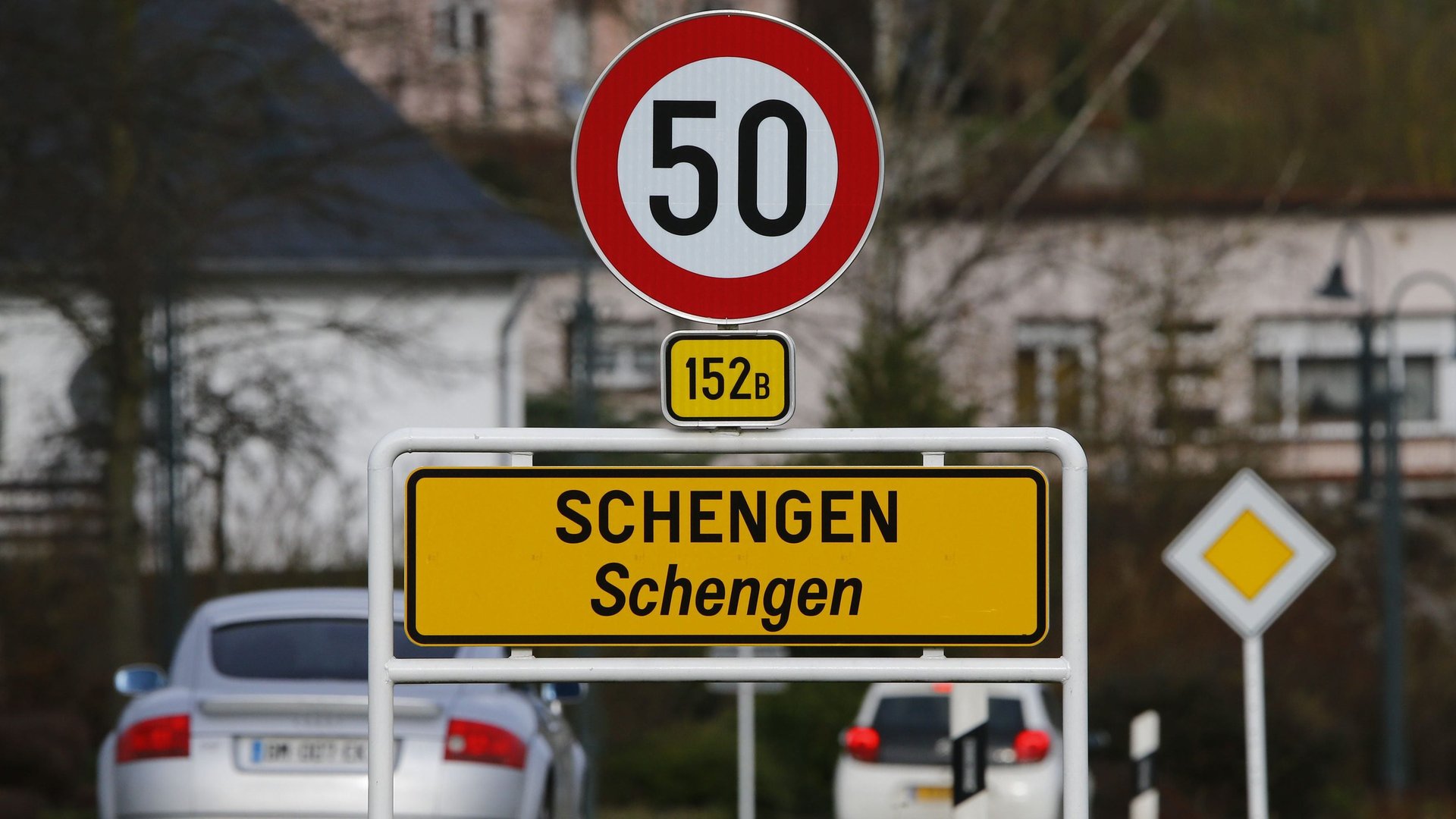
Citizens of Georgia and Ukraine have won the right to travel visa-free through 26 European countries in the Schengen zone, thanks to a Dec. 8 agreement between European Union members and delegations from the two countries. Turning the agreement into practice, however, has yet to be implemented, as Donald Tusk, president of the European Council, noted on Twitter.
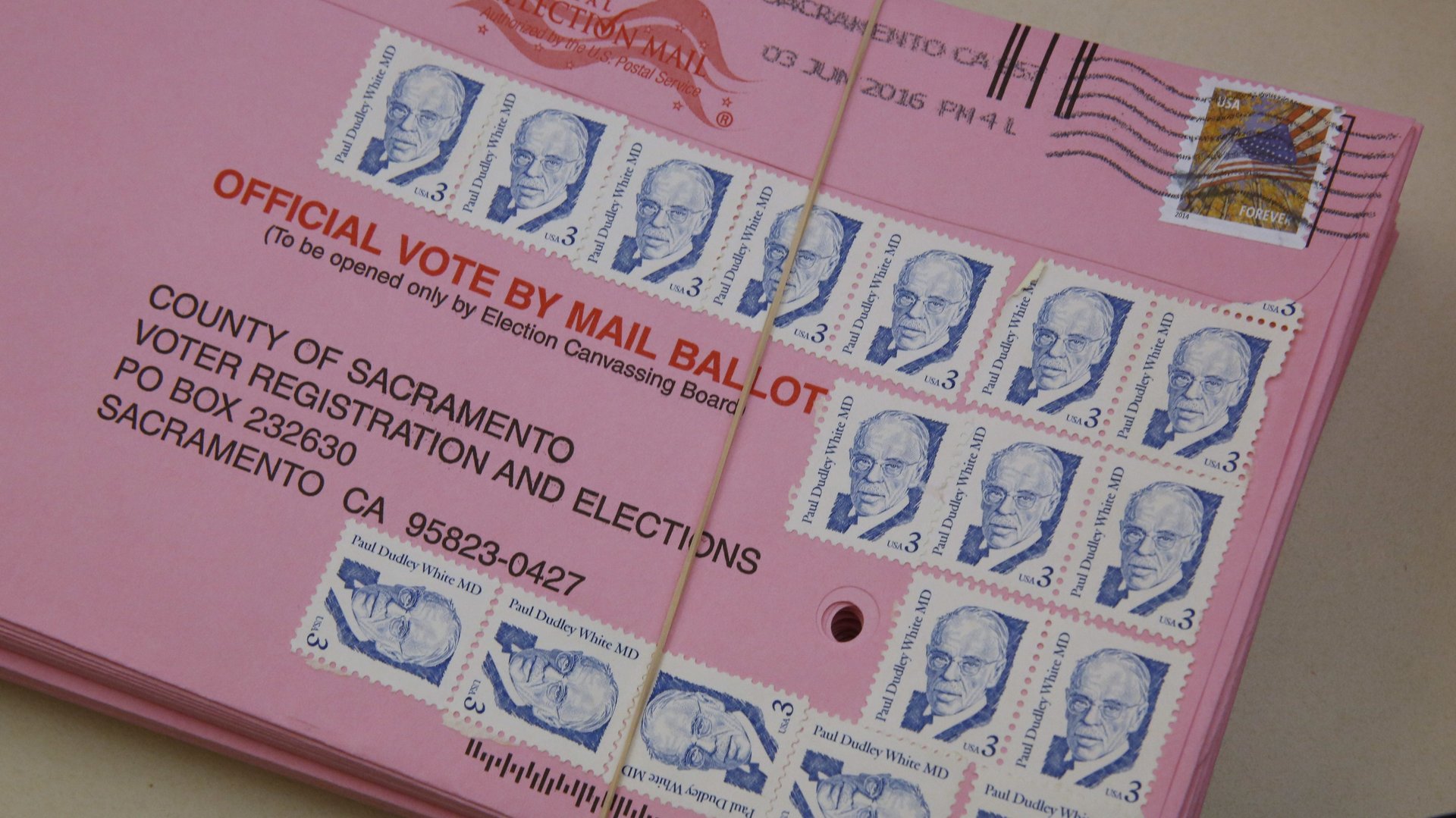
One month ago, on Tuesday, Nov. 8, Americans voted for their next president.
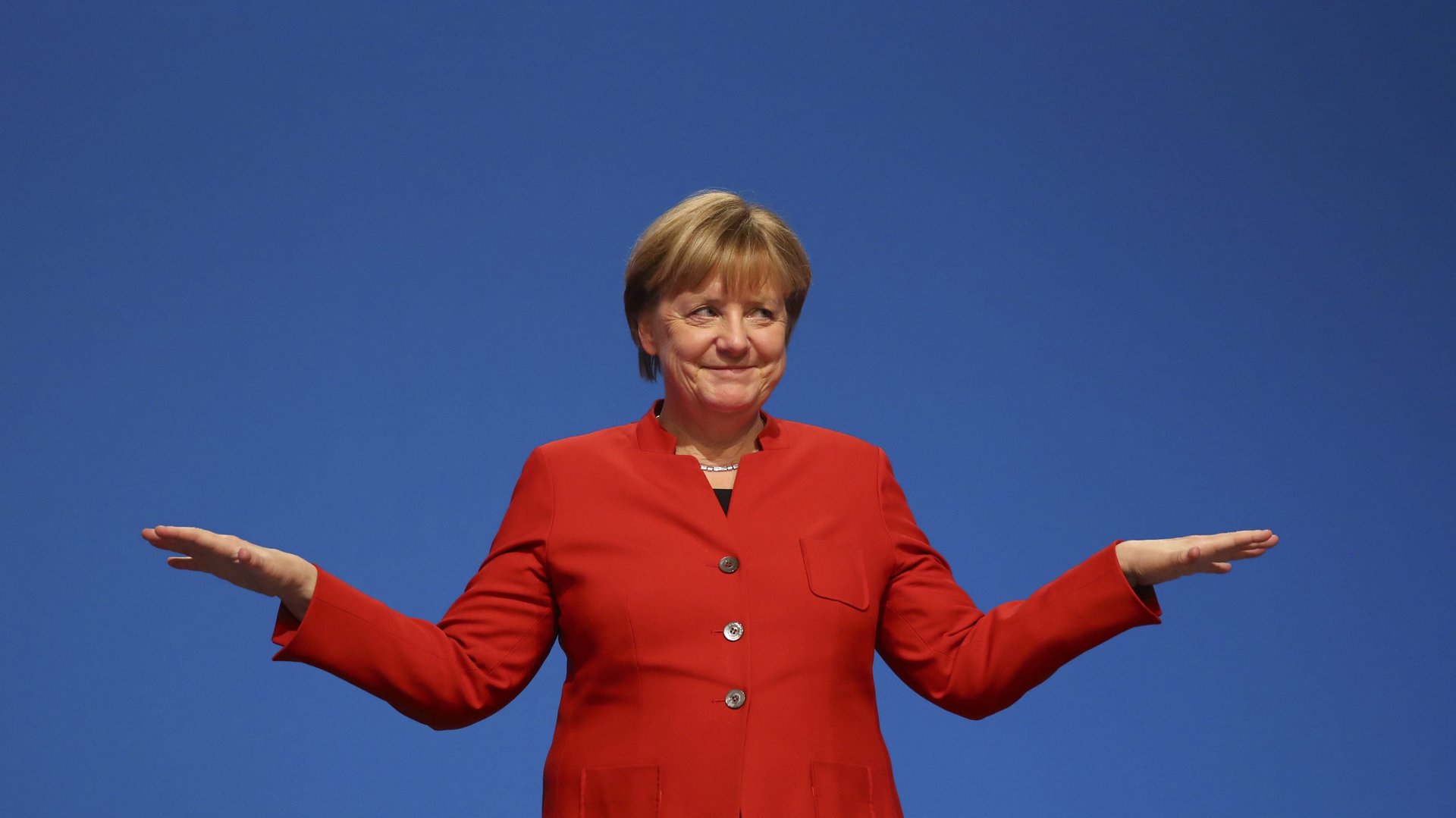
Angela Merkel, Germany’s liberal chancellor, wants a ban on burkas in Germany. She announced exactly that in launching her bid for re-election to a fourth term next year.
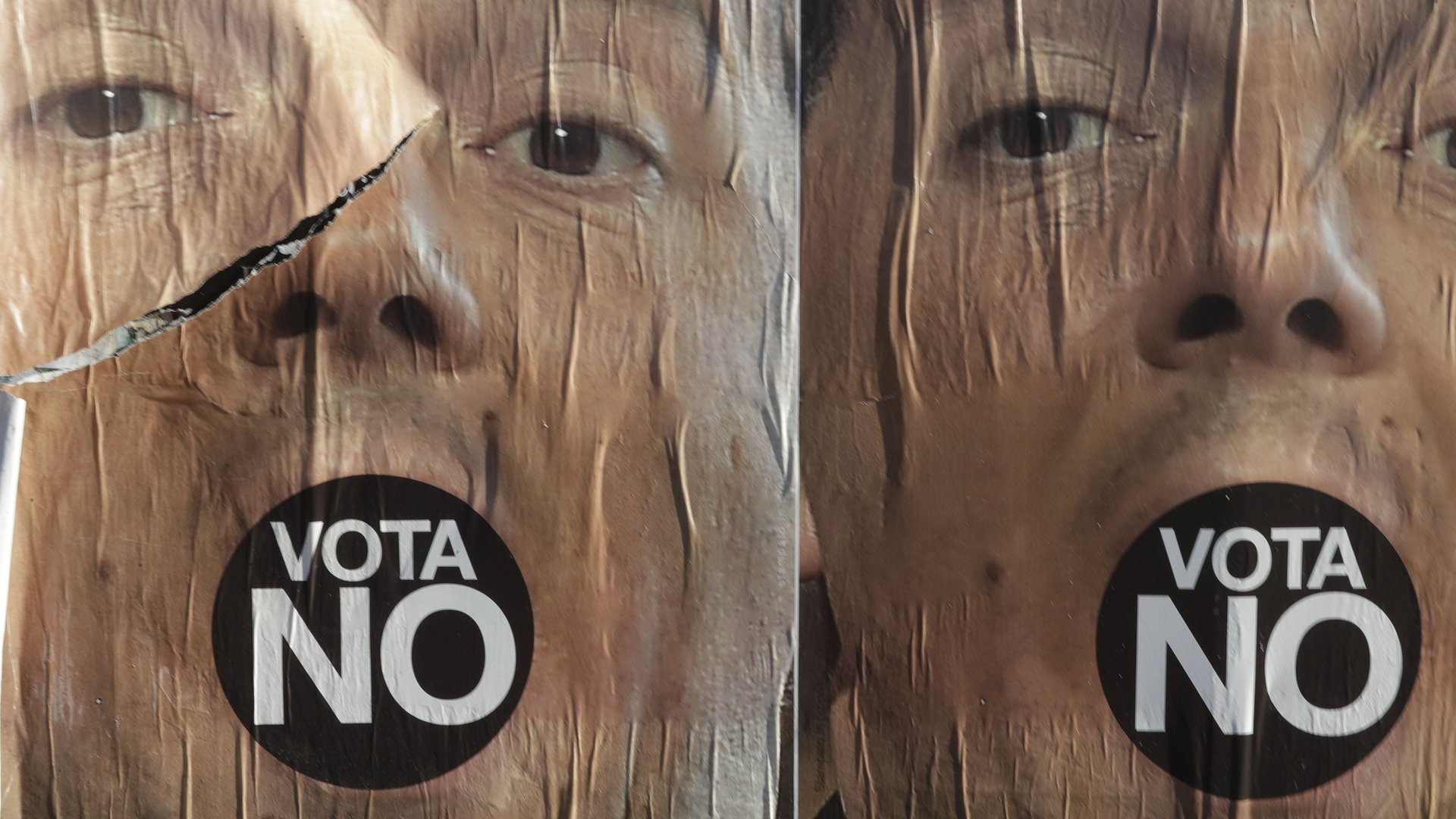
It’s tempting to view the results of Italy’s referendum this weekend as a populist victory in the same vein as Brexit or the rise of Donald Trump. With over 59% of voters rejecting the constitutional reforms promoted by Italian prime minister Matteo Renzi, who had agreed to resign in the event of a “no” vote, it’s certainly some sort of uprising. But was it a populist one?
Italians head to the polls on Dec. 4 to vote on a controversial slate of constitutional changes championed by Matteo Renzi. The prime minister has raised the stakes by threatening to resign if the reforms are rejected.
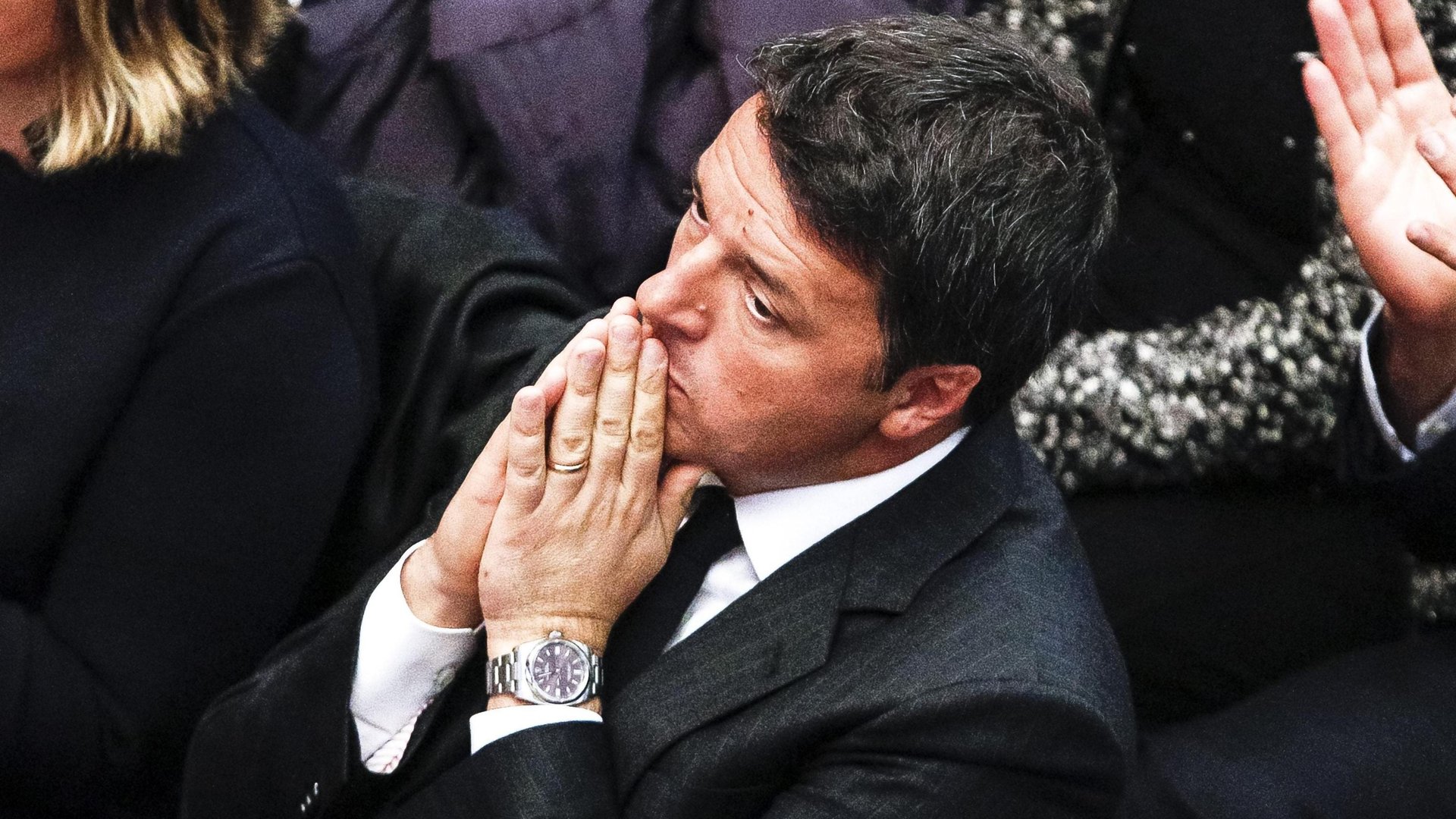
On Dec. 4, Italians will vote in a referendum that has been compared to Brexit, despite the Italian government’s insistence that the stakes aren’t nearly as high. Indeed, unlike the UK’s in-out vote on EU membership, the Italian referendum will ask voters to approve a somewhat convoluted package of changes to the constitution, which must be put to a nationwide vote by law (the changes were initially proposed in early 2014). The reforms aim to cut costs and streamline government decision-making by clarifying the role of local legislative bodies and stripping the Senate of many of its powers, among a host of other measures.
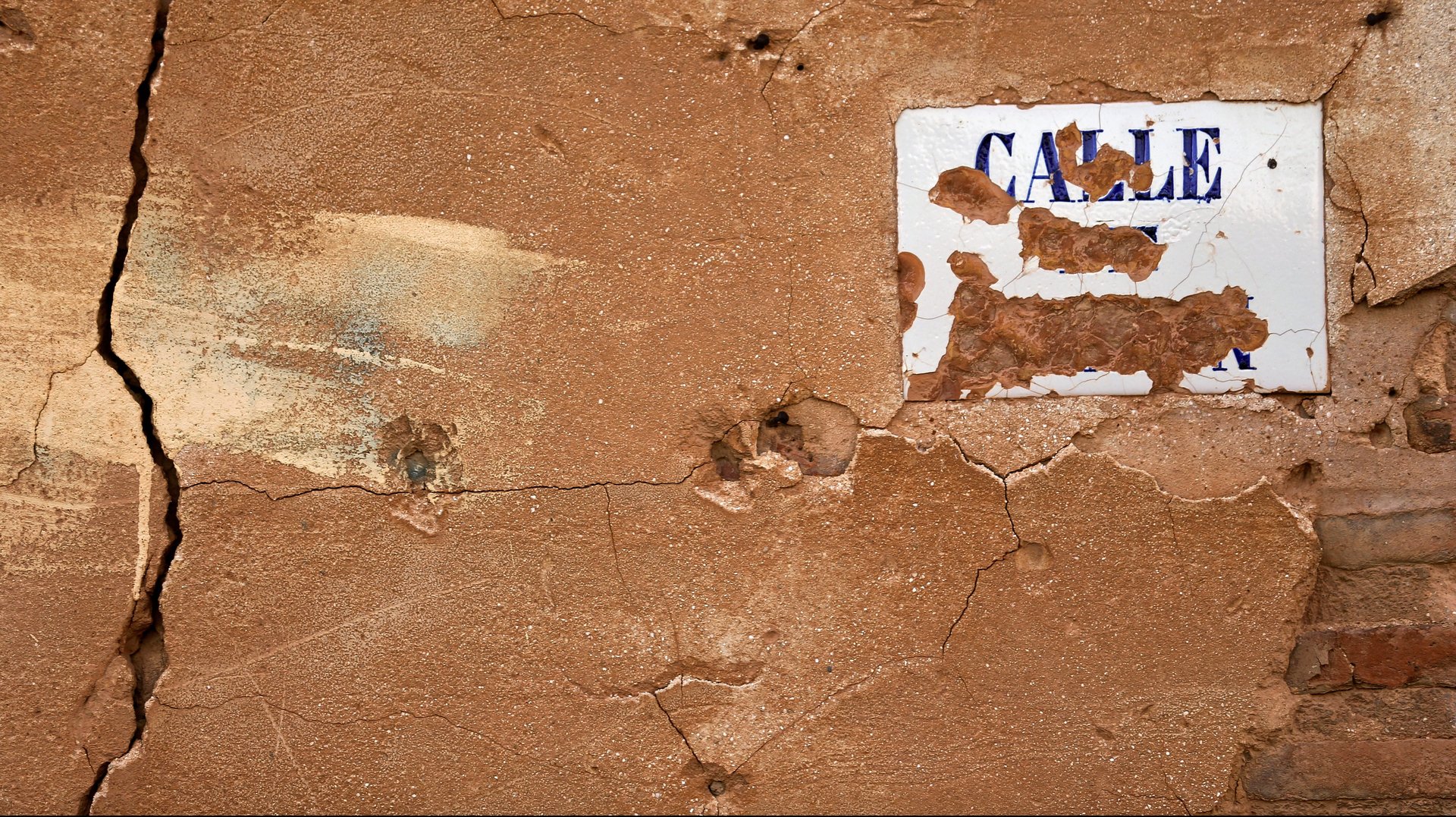
Though Francisco Franco’s totalitarian Spanish regime was toppled nearly 40 years ago, its legacy is still present in the country. Walk through the cities of Spain, and you’re likely to find streets named after regime members like general José Millán Astray, attorney Adolfo Muñoz Alonso, minister José Enrique Varela, and many more (link in Spanish).
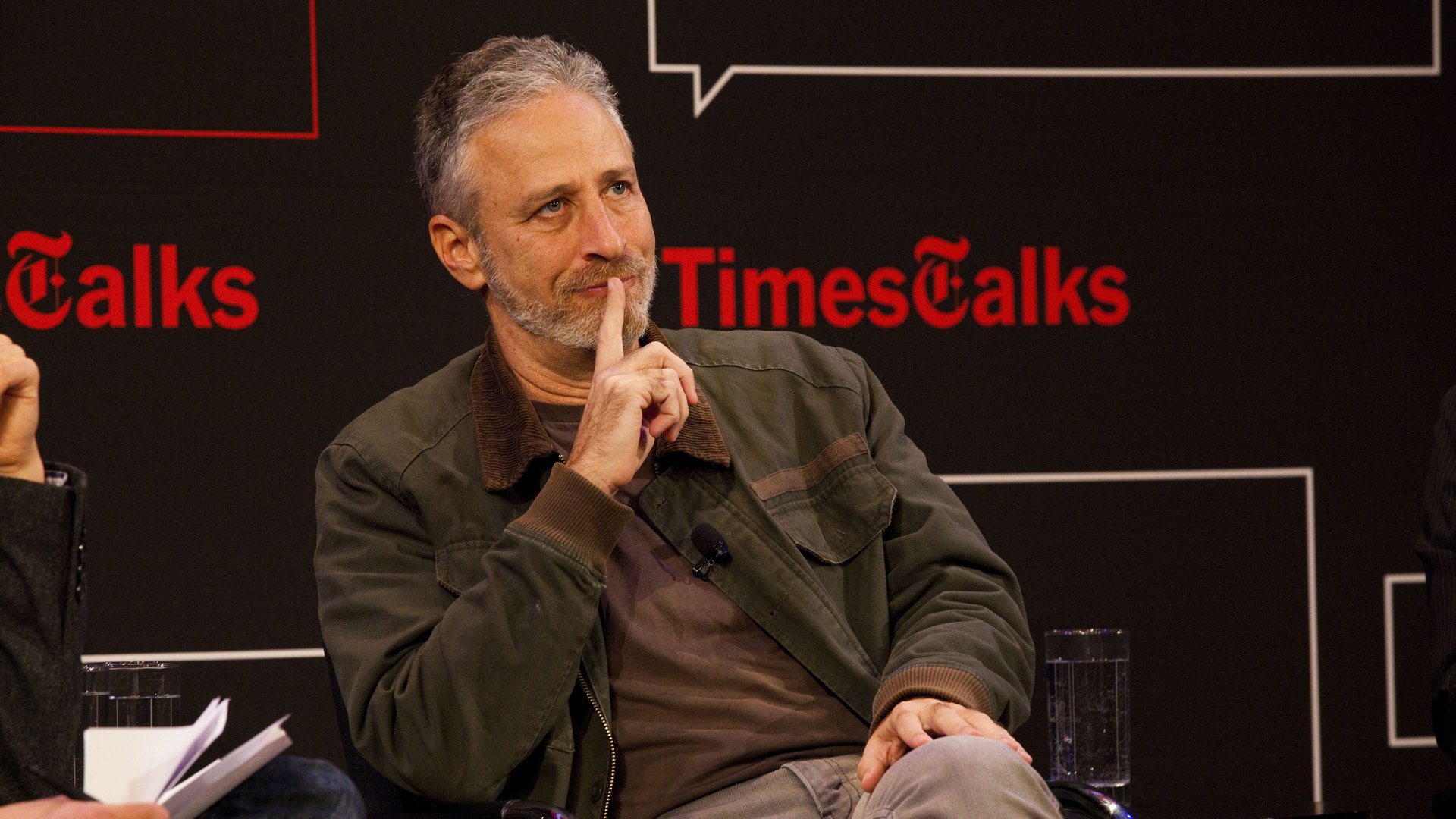
Jon Stewart is a seasoned satirical news expert. Last night (Nov. 30) in New York City, the former Daily Show host took aim at the real media, commenting on its failures in the latest election cycle and its loss of trust among Americans. “What the media has become is an information-laundering system,” Stewart said, citing the thin, porous line between news published by mainstream media and fake news.
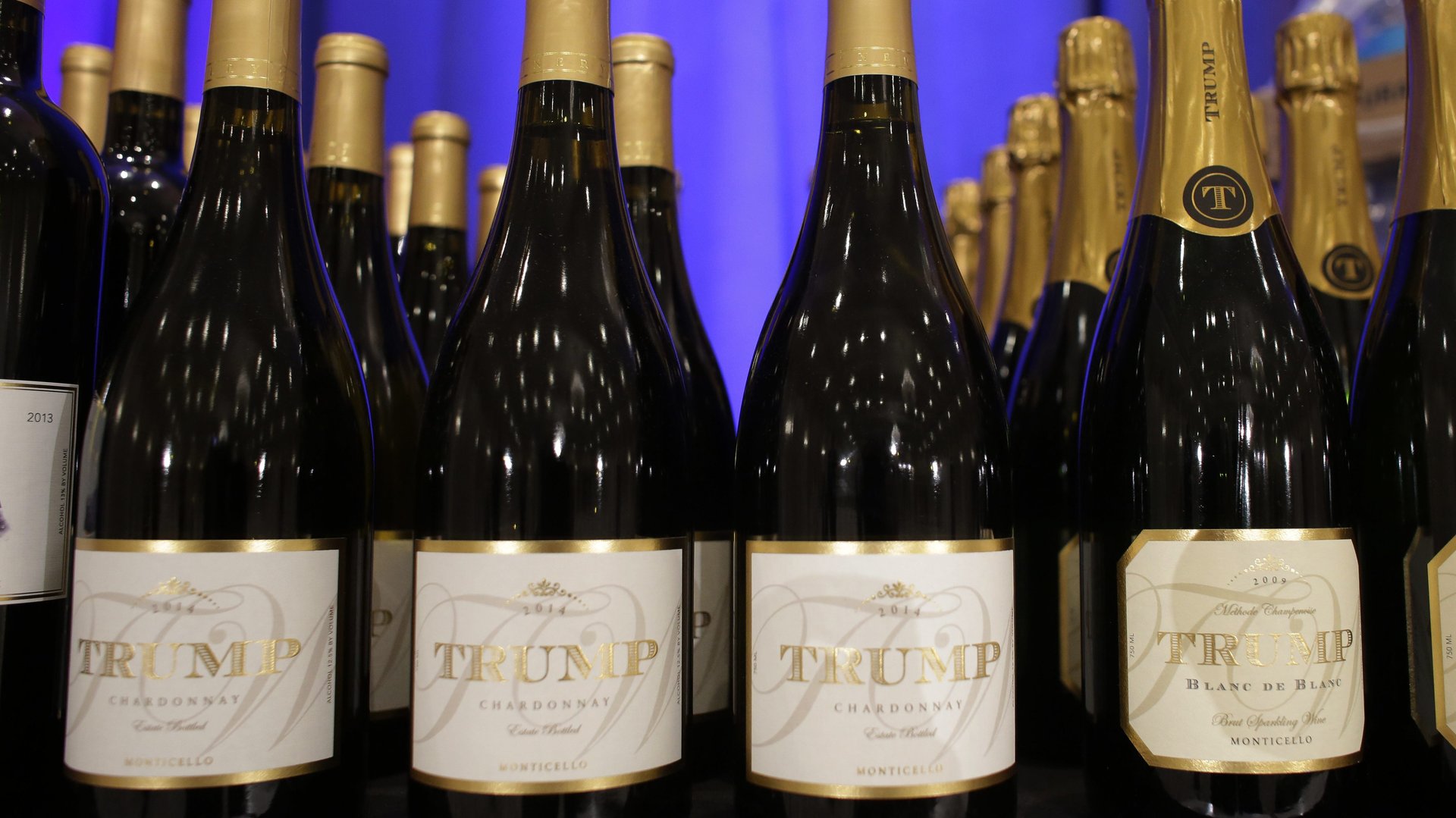
In typical Twitter fashion, president-elect Donald Trump on Nov. 30 said he will be leaving “his great business in total in order to focus on running the country.” Trump will discuss the separation at a “major news conference” on Dec. 15, but was quick to note that the law doesn’t actually require him to give up any of his business involvement.
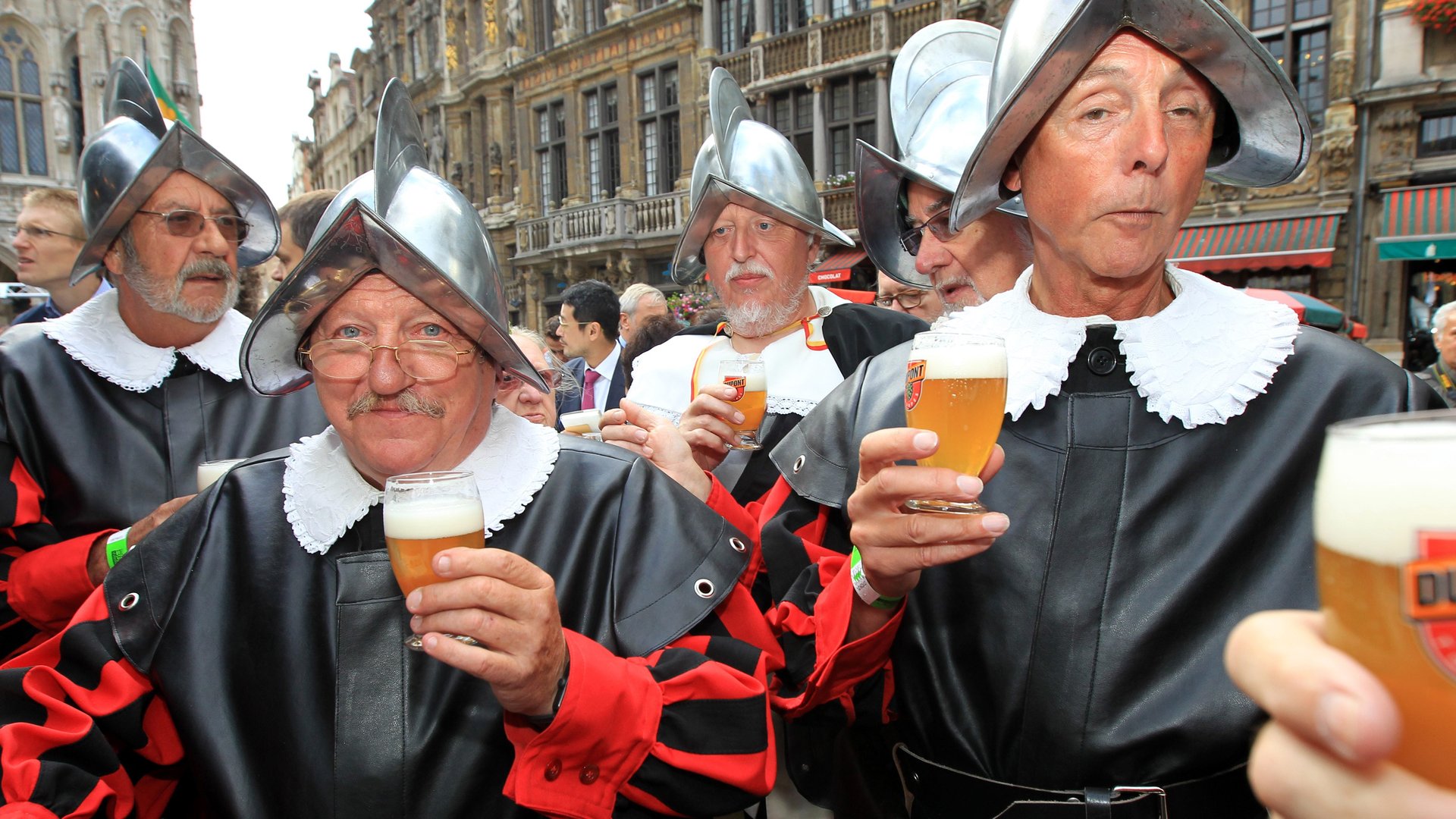
Beer culture in Belgium, which produces over 1,500 varieties of the brew some by Trappist monks, is now officially a world treasure. UNESCO, the United Nations Educational, Scientific and Cultural Organisation, announced today that Belgium beer culture has been added to its list of “Intangible Cultural Heritage of Humanity.”

Brexit, Donald Trump’s US presidential election, the ascent of France’s Marine Le Pen, Italy’s Five Star Movement: The whole Western world appears to be in the thrall of populists. For many, this seems like a bit of a dejà vu, evoking the 1920s and 1930s, with their looming threat of fascism.
A few months, singer Alicia Keys stopped wearing makeup—or very visible makeup—as part of a #nomakeup campaign that aimed to free women from the need to cover presumed imperfections and, in the process, themselves.