
Tech & Innovation
Netflix has Hotstar beat during India’s coronavirus lockdownAmid India’s war on coronavirus, online binge-watching has already won.
Updated July 21, 20222 min read
Amid India’s war on coronavirus, online binge-watching has already won.
If the slump in business due to the coronavirus pandemic was not enough already, several young Indian startups are now facing a death knell due to contractual technicalities and indifference from co-working major WeWork.

Stuck indoors in the coronavirus lockdown, India hasn’t stopped partying.
This post has been updated.

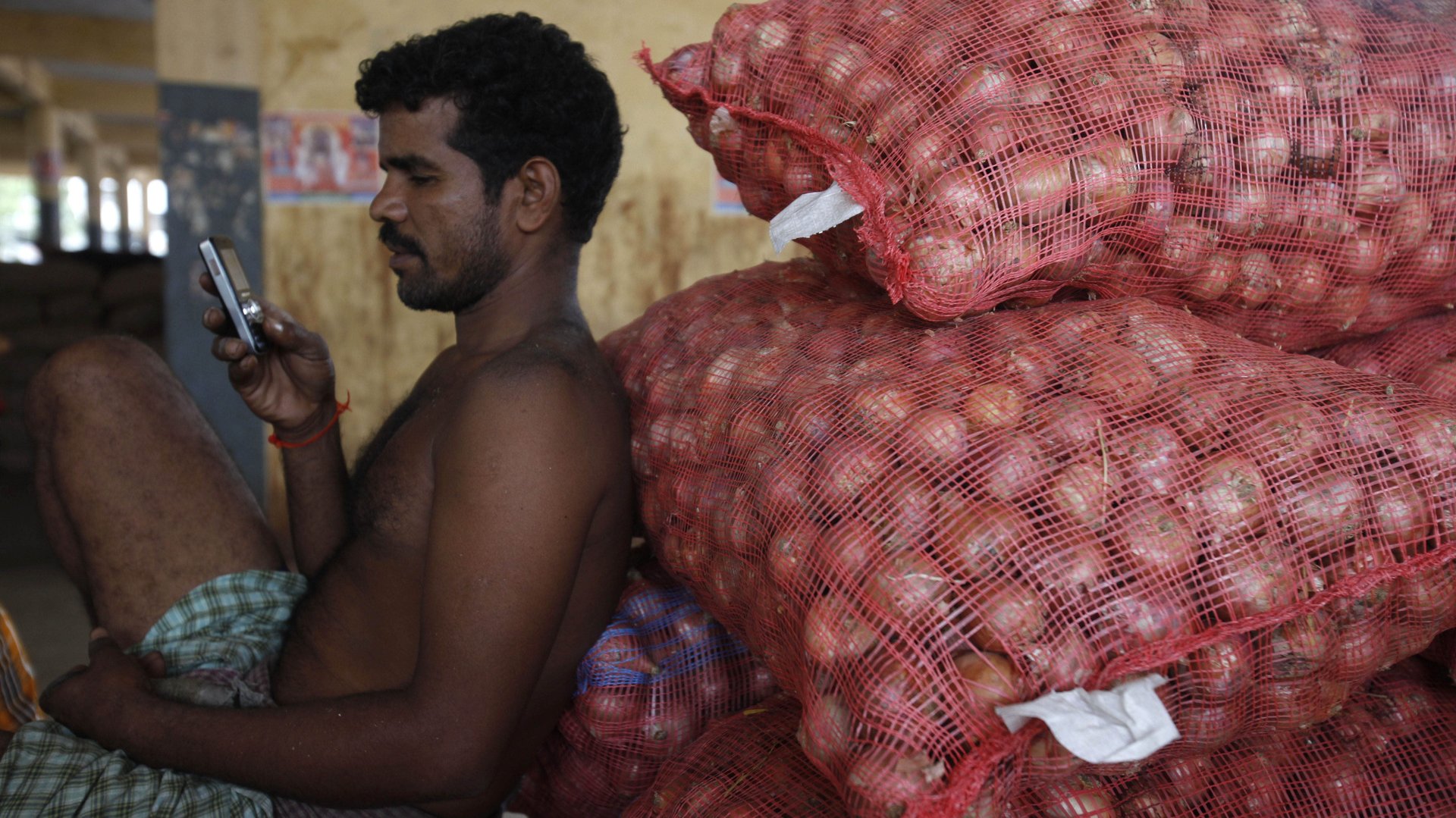
The world’s abrupt slowing down in the past few weeks may have introduced millions of Covid-19-wary professionals to the whole new paradigm of work-from-home. Yet, a third of India’s four million IT employees are still trudging regularly to the office even if mostly to make life easier for clients abroad.

The year 2020 was going to be a great year for Indian startups. Until it was not.
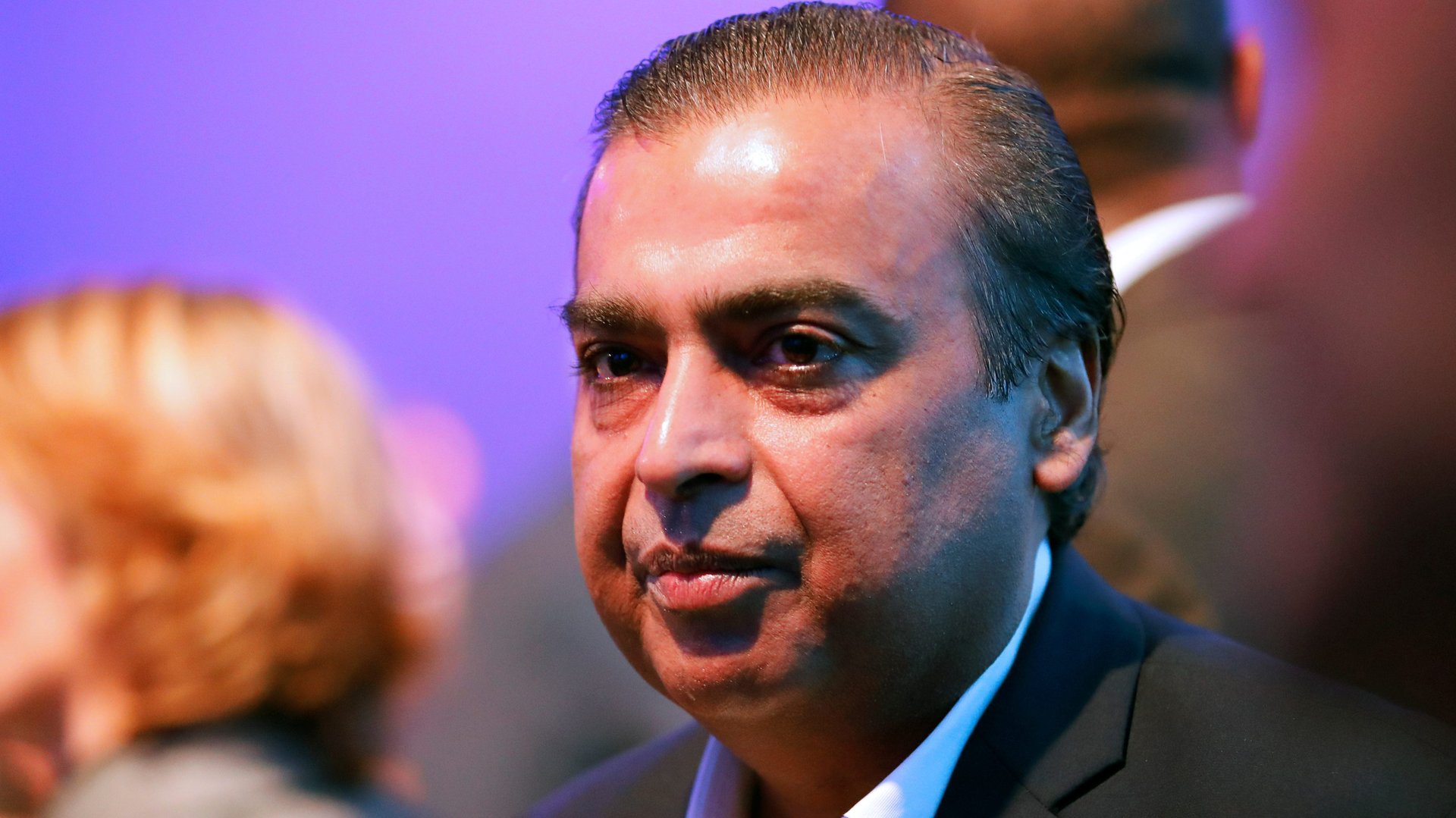
Coronavirus has substantially wiped out the personal wealth of India’s rich.
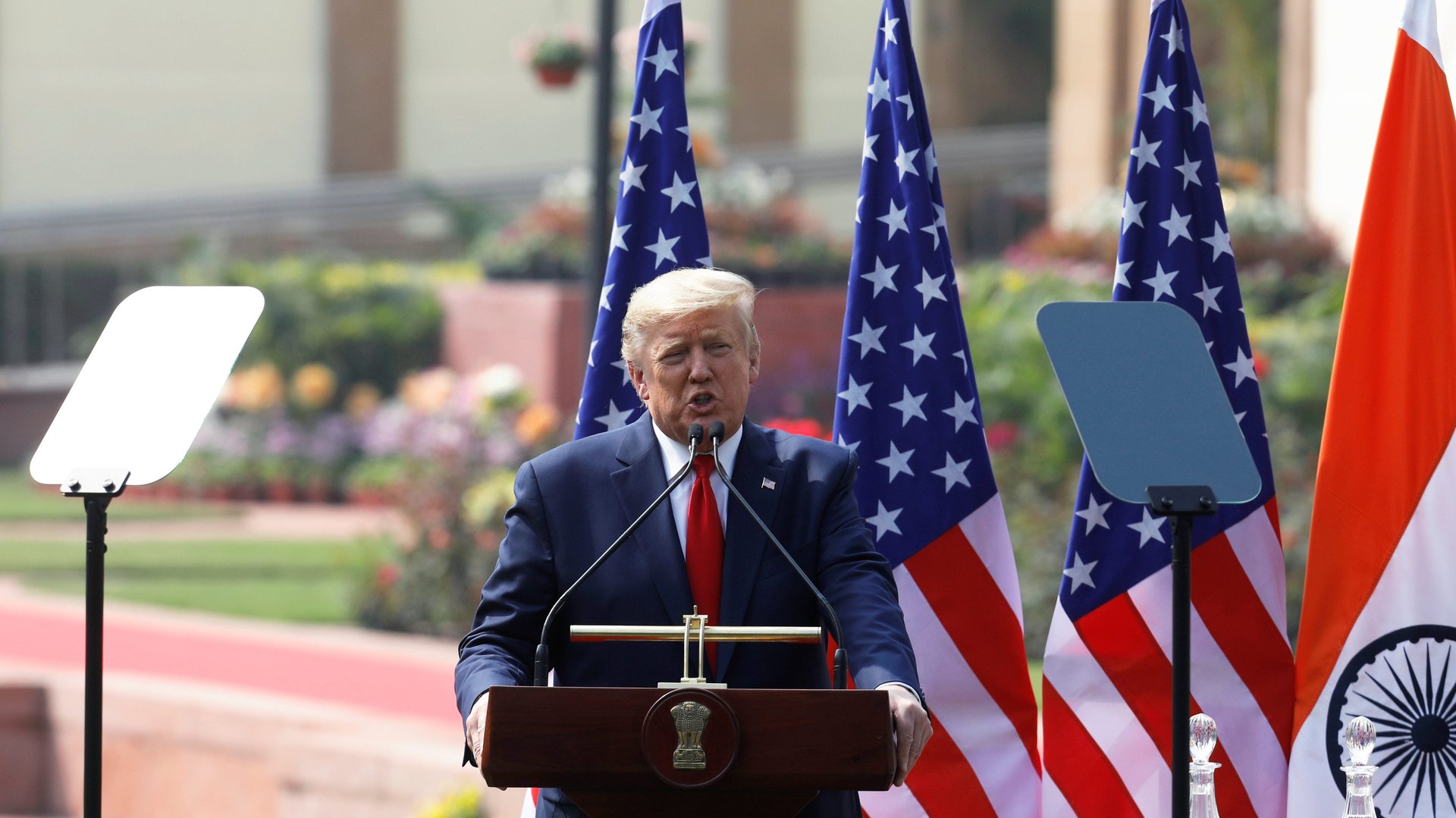
US president Donald Trump’s protectionist stance has not stopped Indians from forming the bulk of the H-1B applicants yet again this year.
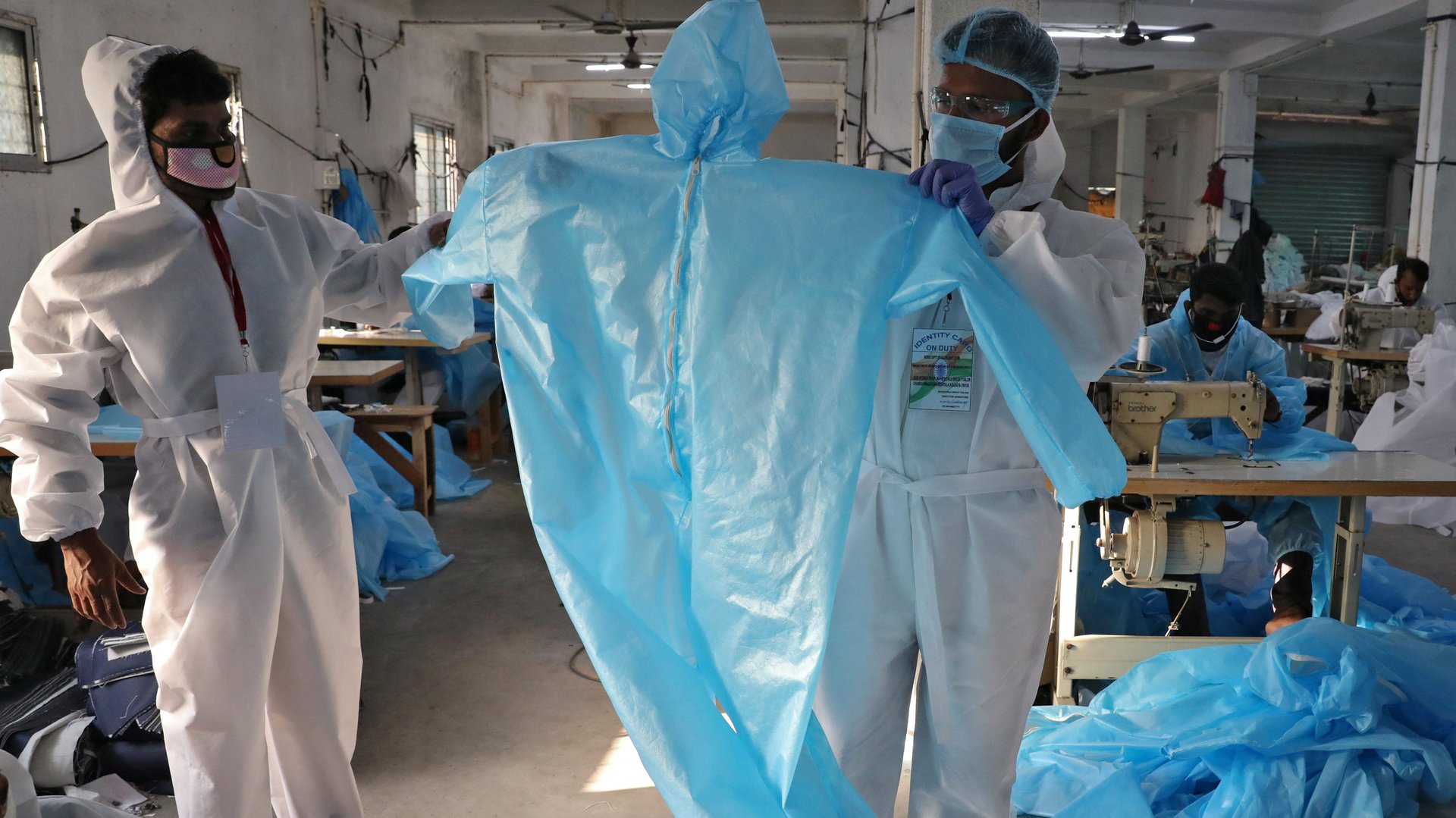
India’s hospitals are deprived of adequate resources to deal with a rapidly increasing number of Covid-19 cases. And trying to bridge this gap are the country’s top technology institutes.

The green card queue for many Indians will last longer than their lifetimes.
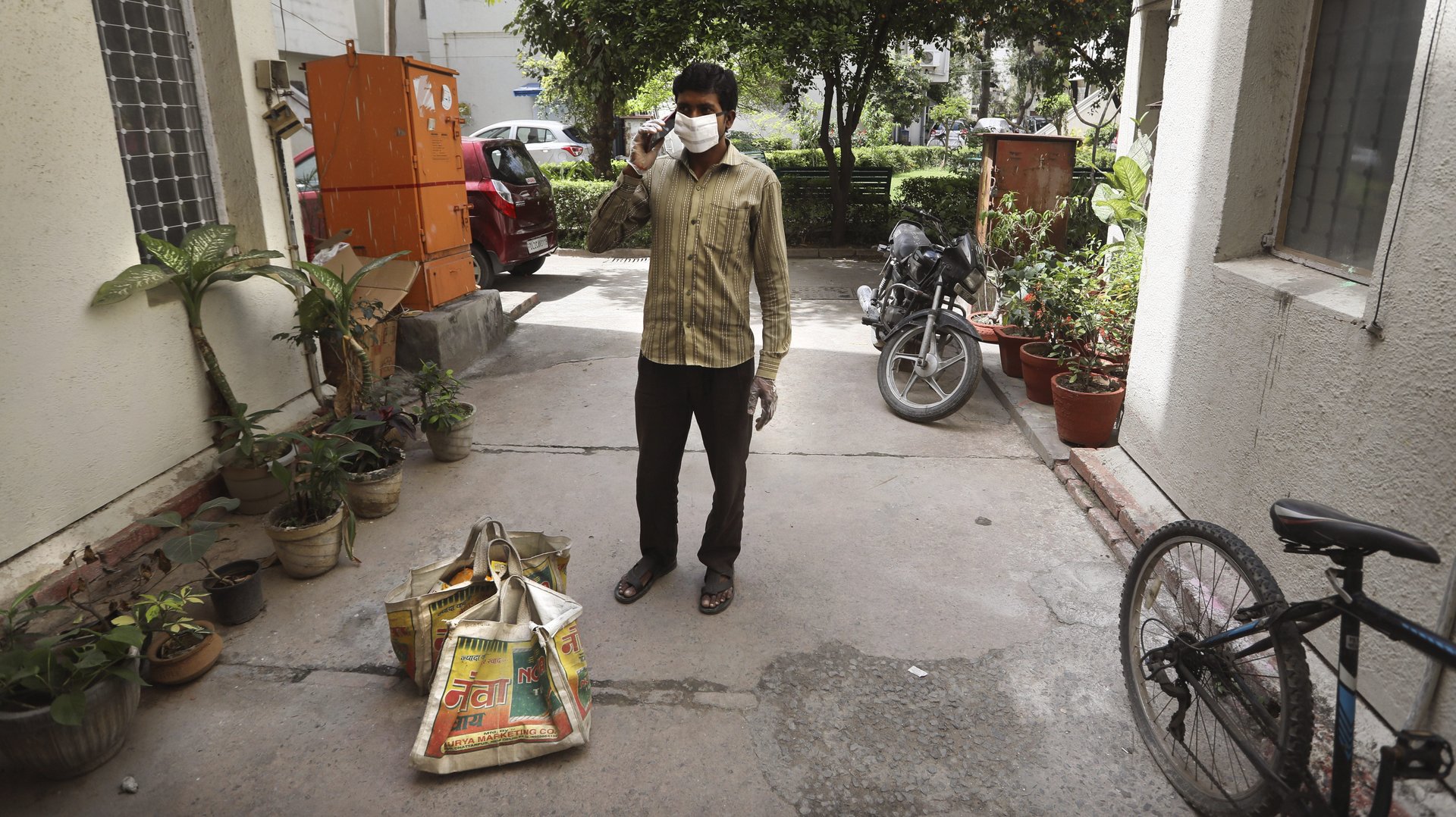
India’s 21-day lockdown may have thrown up an opportunity for online grocers to shine, but the rest of the e-commerce industry is drowning in the Covid-19 tsunami.
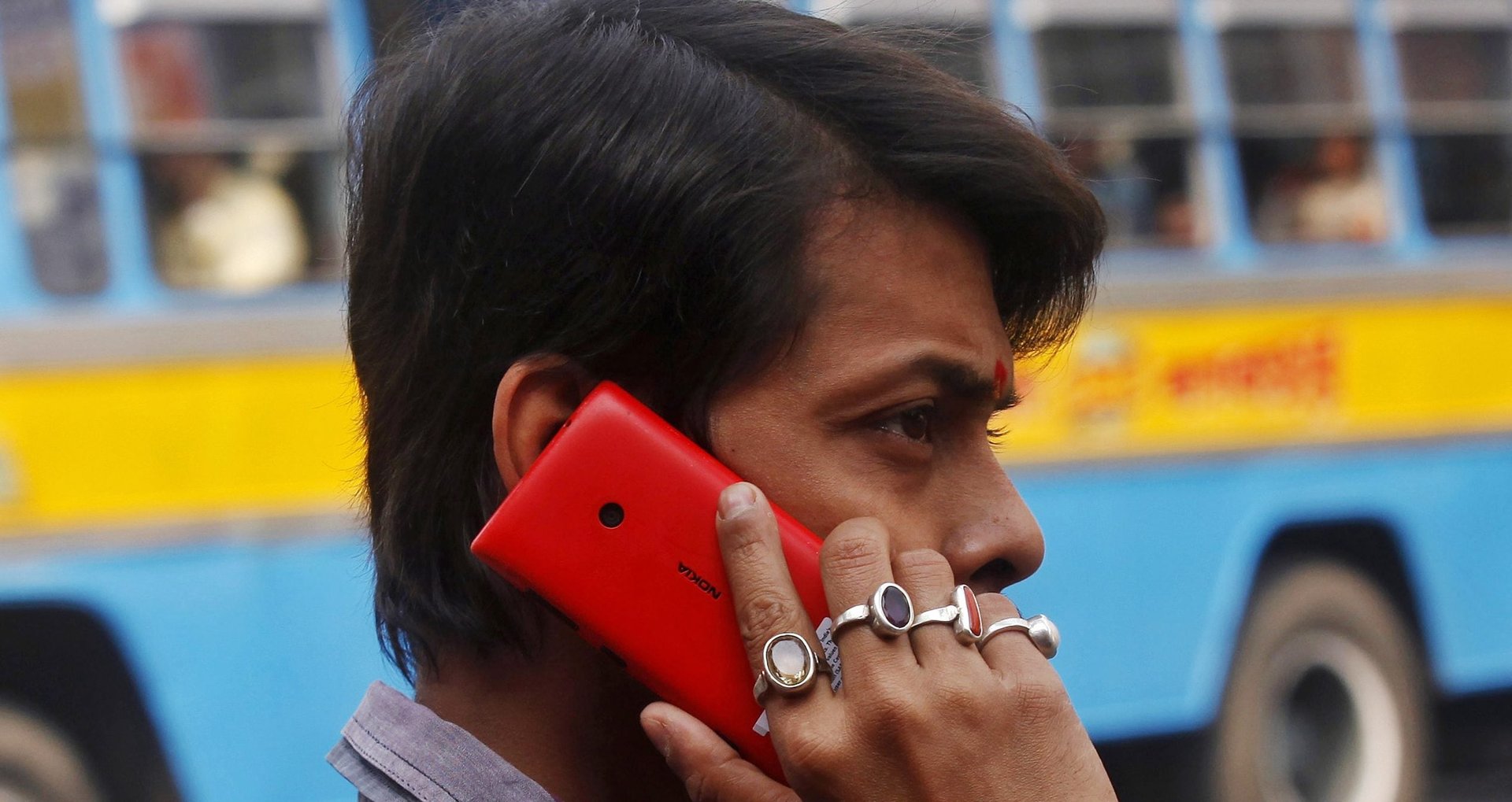
Worried about their wellbeing amid the coronavirus outbreak, Indians are reaching out to doctors over the mildest symptoms. And since they are under lockdown, they’re flocking to teleconsultation.
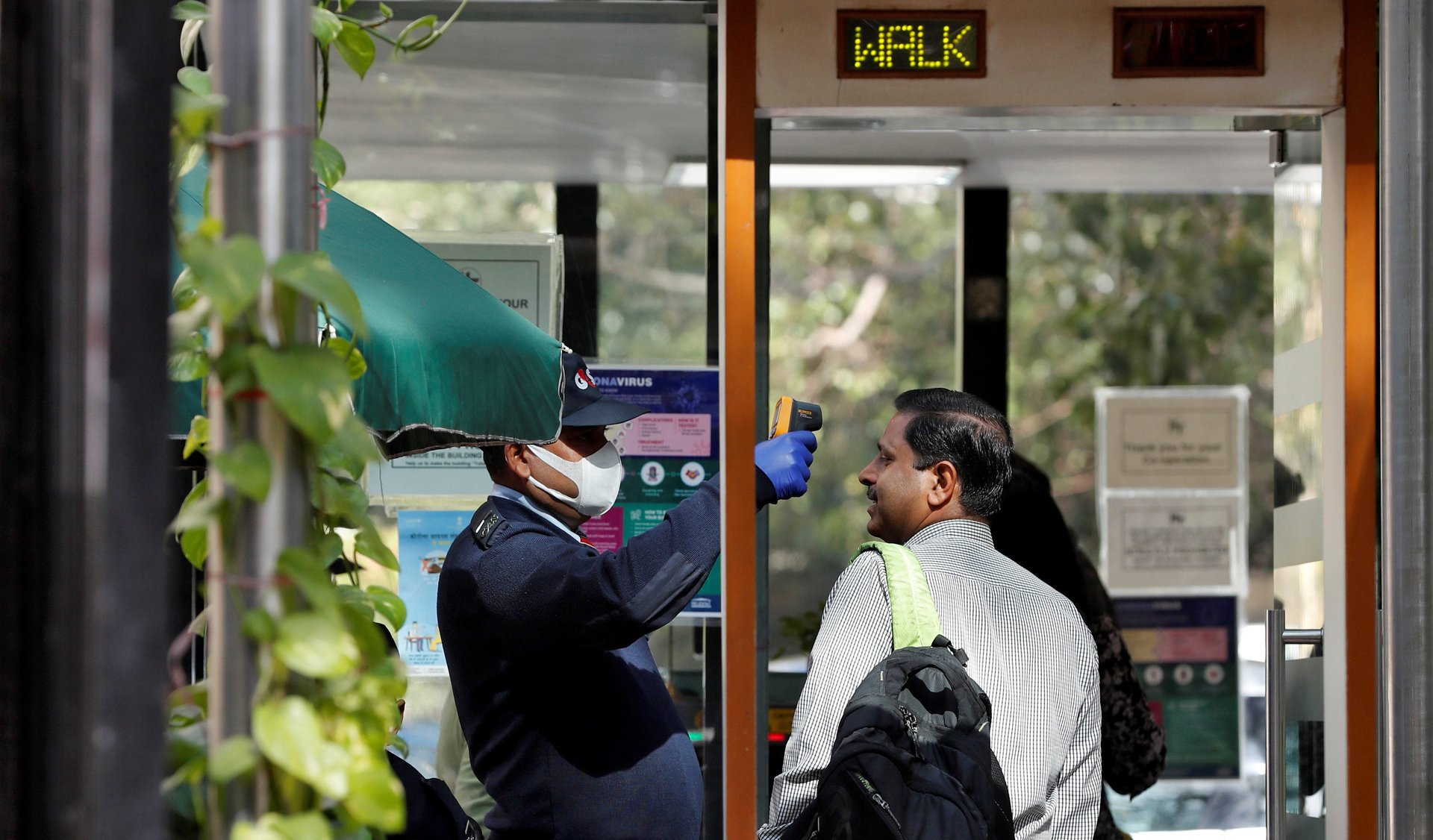
At the beginning of March, Genpact recognised coronavirus as a risk to its India business. But for nearly three weeks after that, the company seems to have paid little heed to the health and wellbeing of its workforce in the country.

In February, when news of the coronavirus outbreak started surfacing in India, Tanvi Mehra was hopeful that she would be able to run her business smoothly with some alterations.
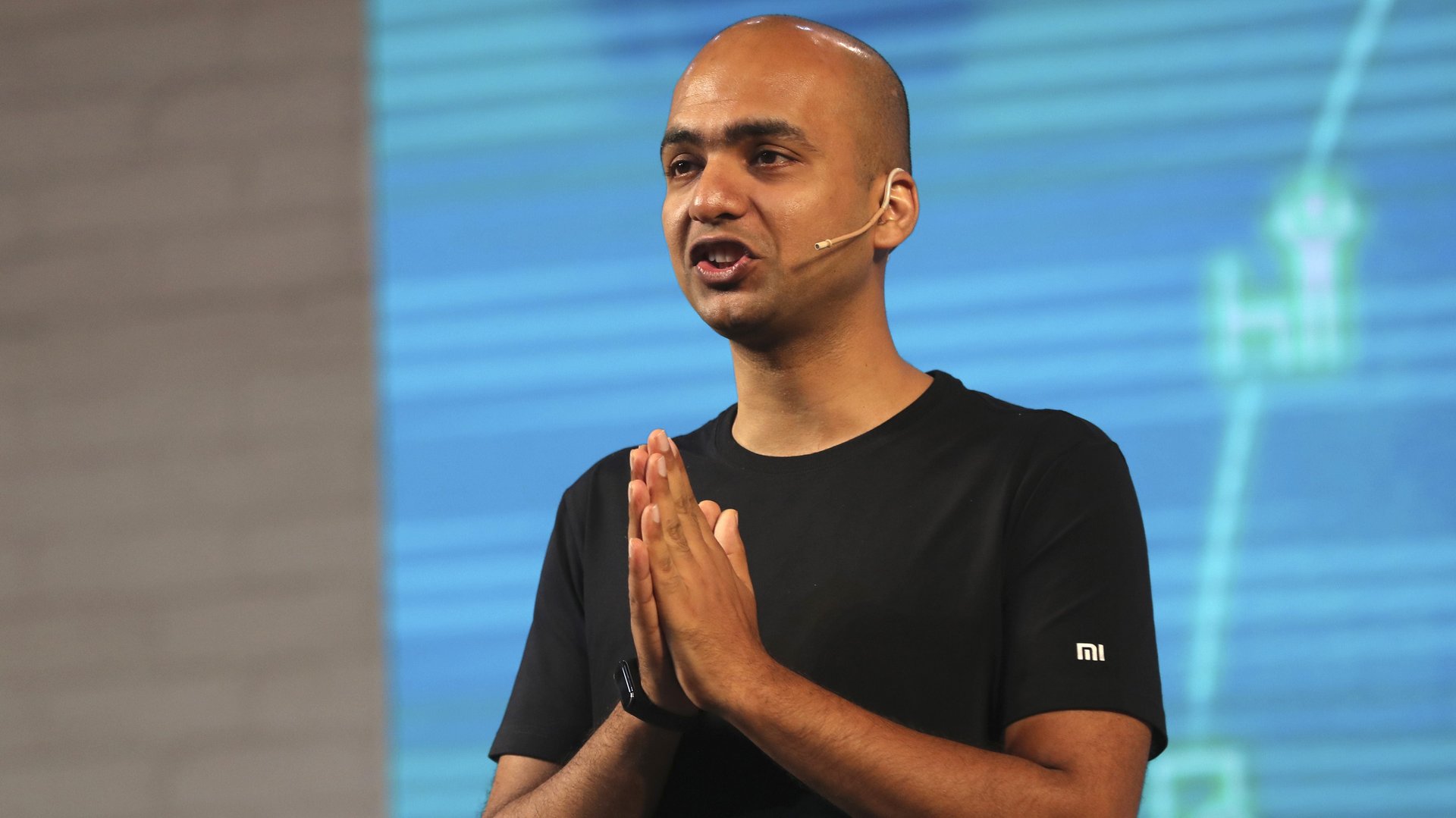
Xiaomi is finding ways to stay open for business in India amid the coronavirus outbreak.
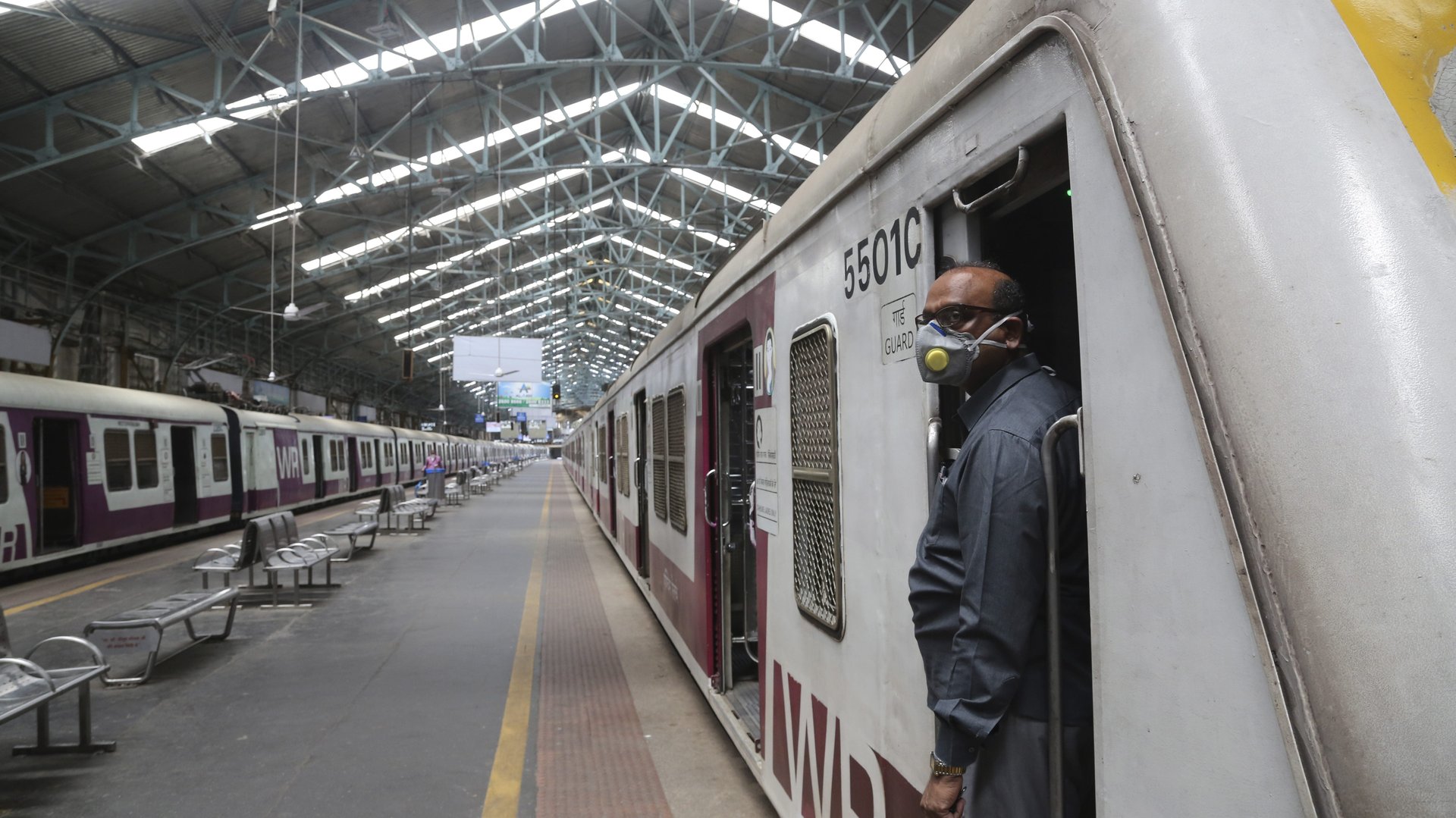
India’s showing that it means business when it comes to curbing the spread of coronavirus.
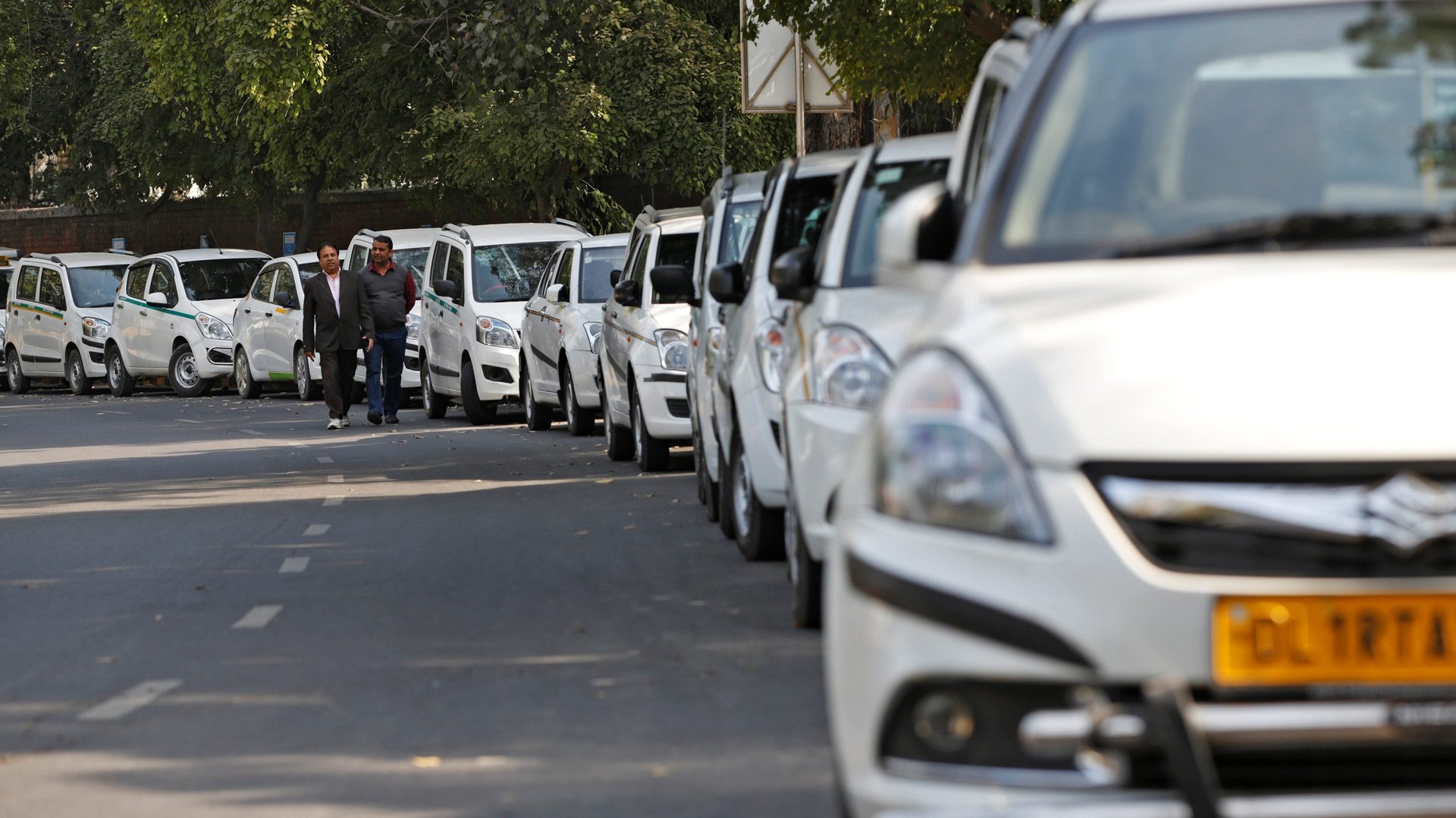
As Covid-19 rips through the world, gig economy workers are emerging as key back-office operatives while also being the most exposed.
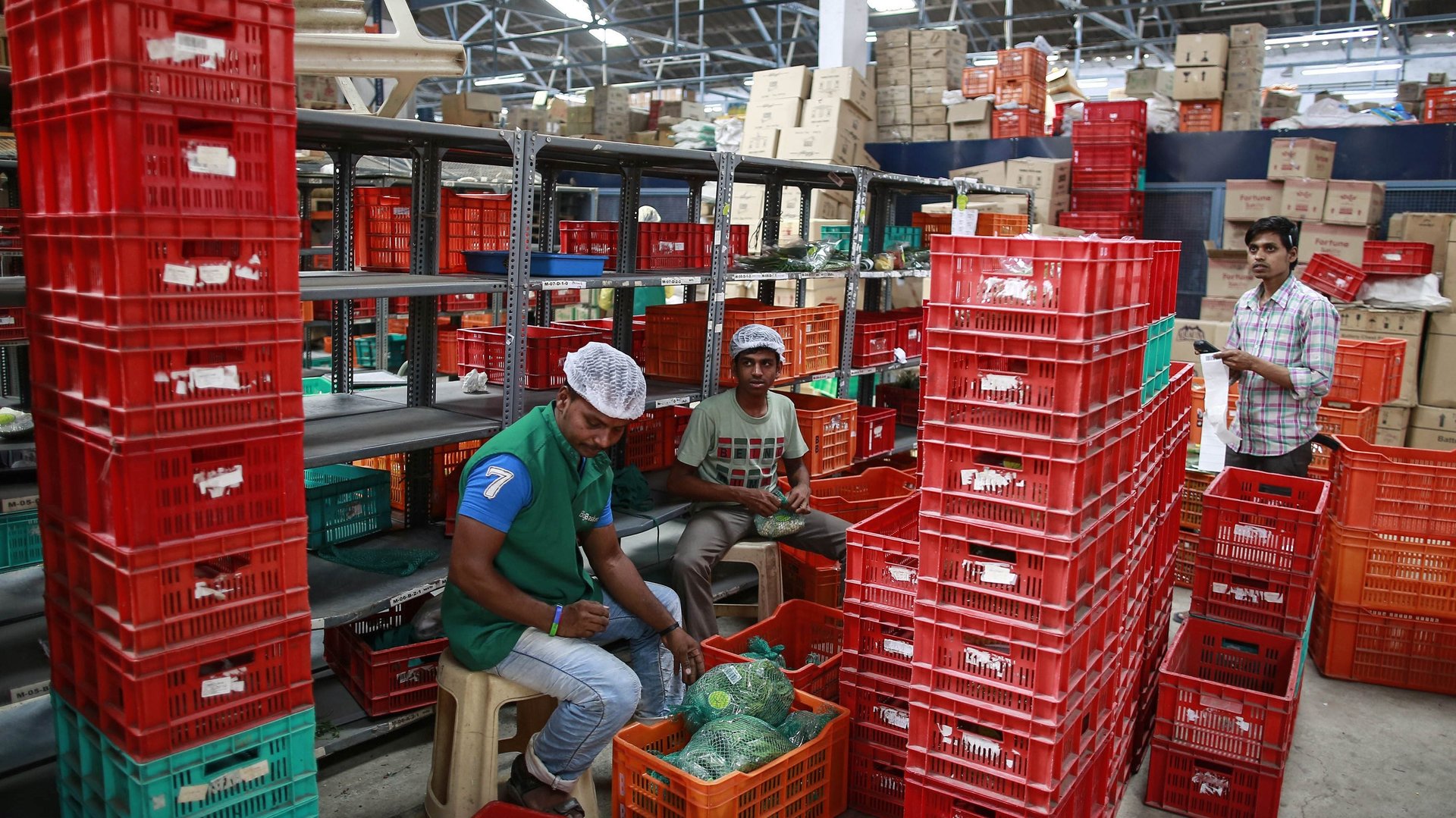
The coronavirus outbreak has thrown up a massive opportunity for India’s online grocers. Yet, only time will tell if they succeed in making the most of it.
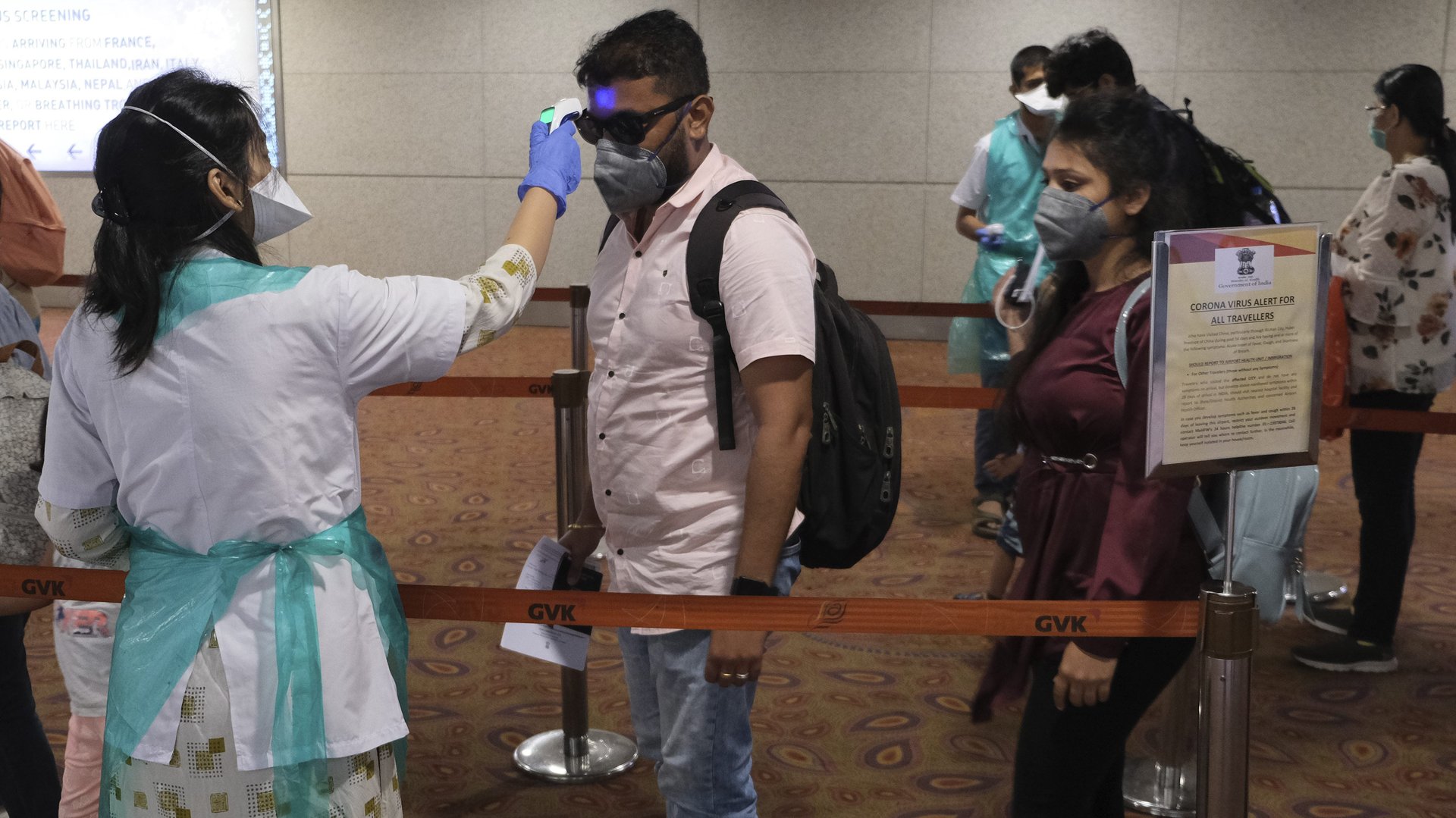
I, along with a friend from Singapore, had meticulously planned our trip to Spain, including flight, Eurorail, and Airbnb bookings, four months in advance.
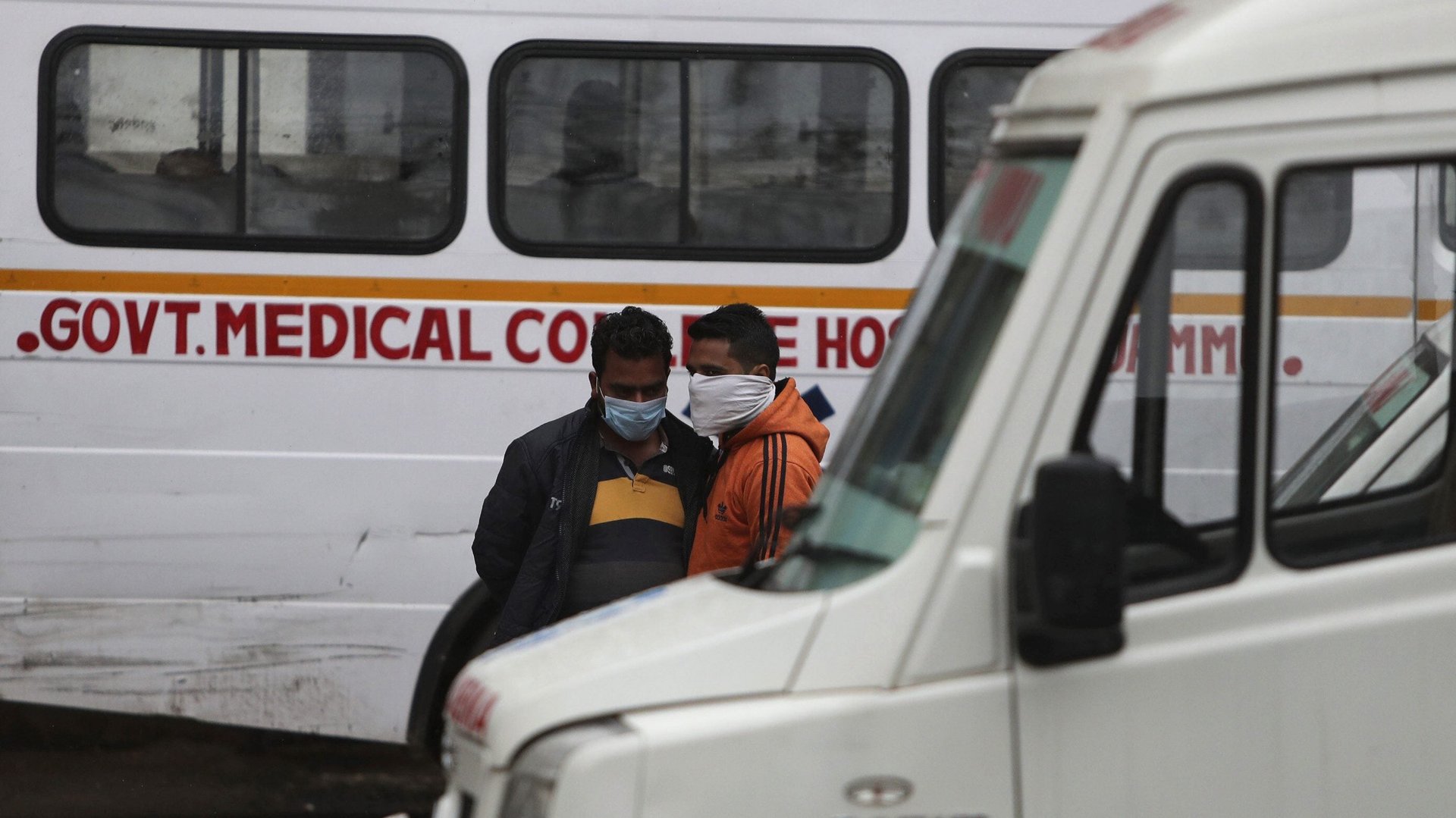
India’s most populous states are the least prepared to deal with the coronavirus outbreak.
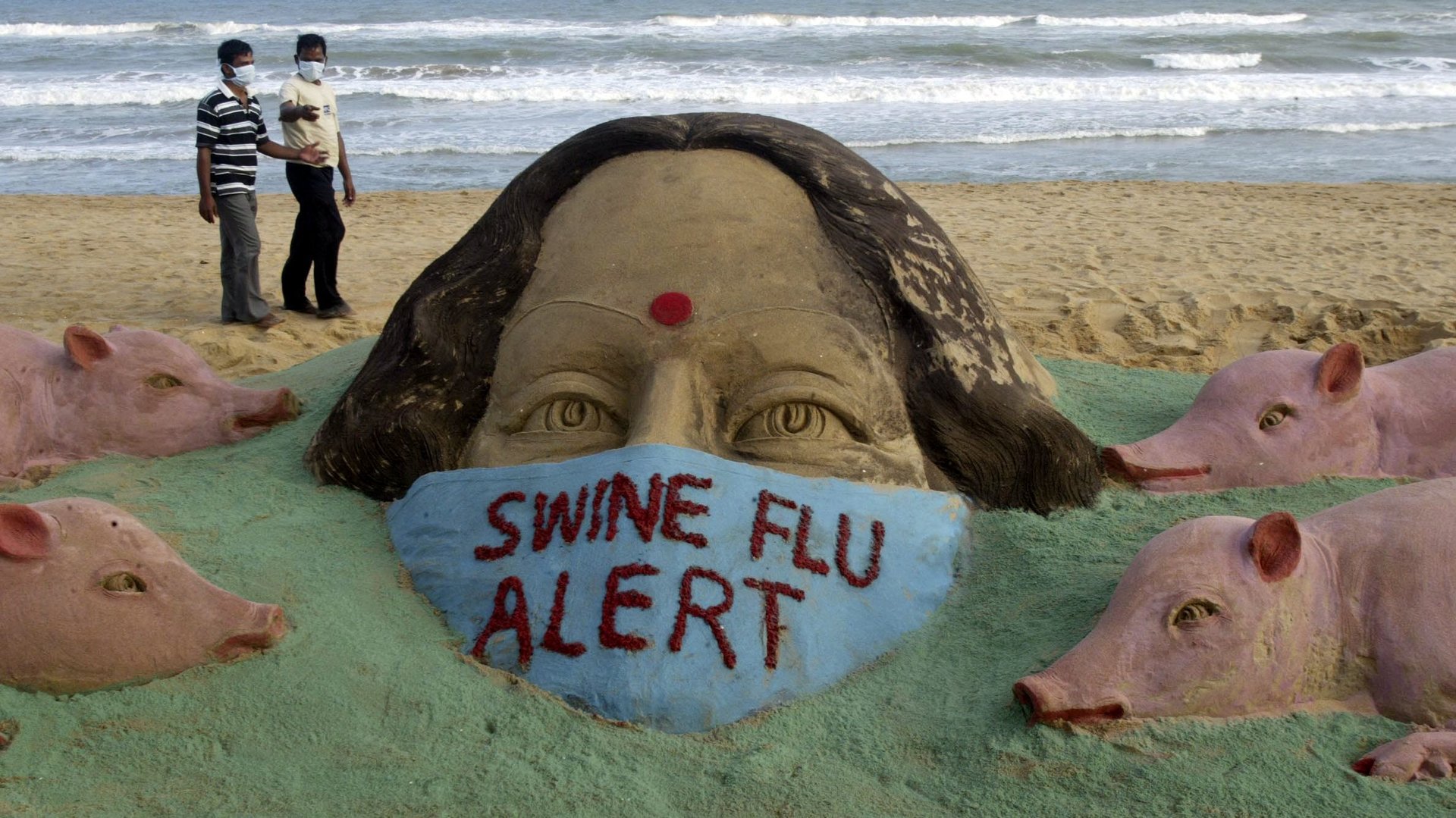
Before the world began panicking about coronavirus, India’s swine flu epidemic had worsened.
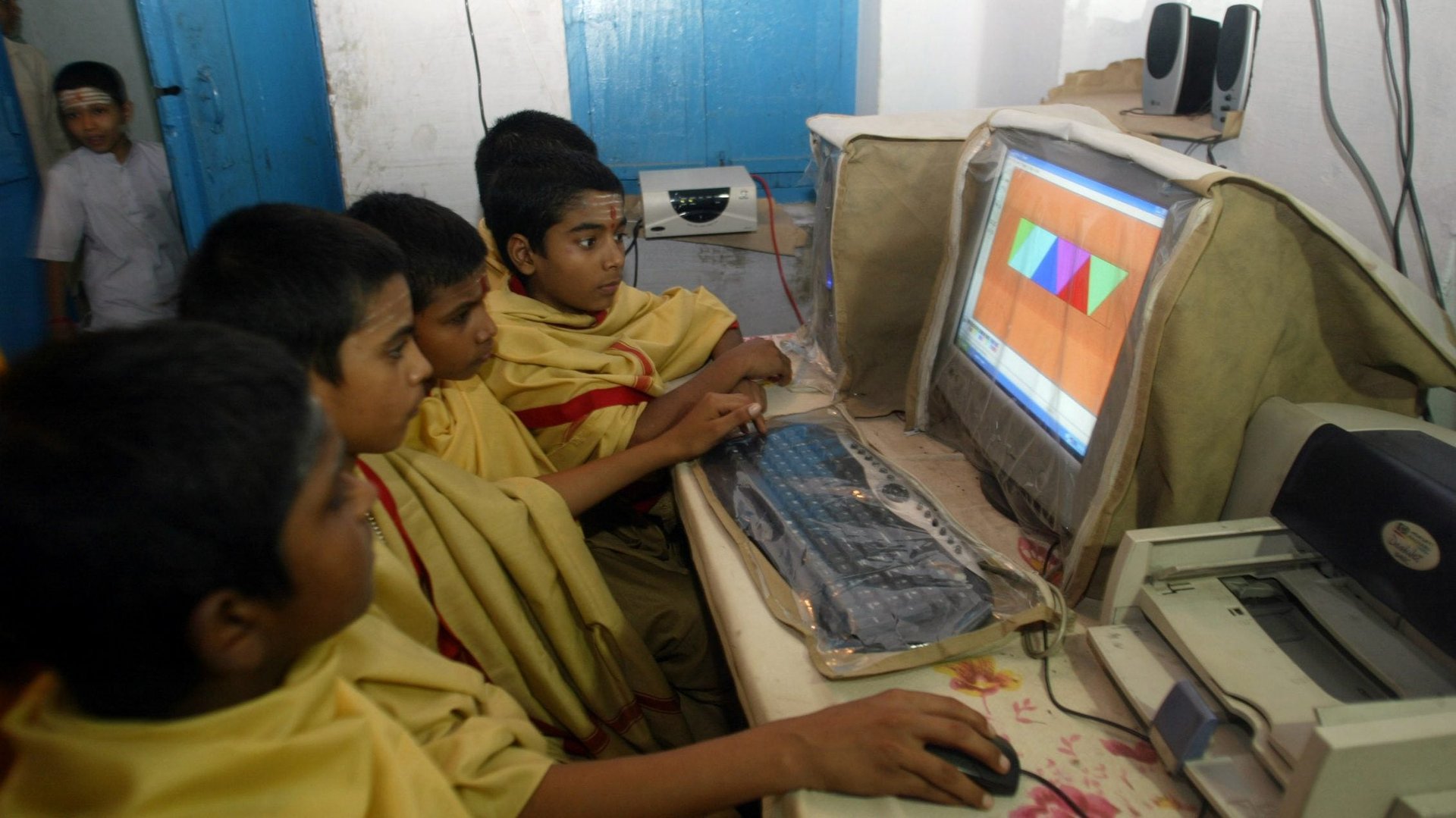
On Nov. 8, 2016, digital payments companies became mainstream in India overnight after the government suddenly decided to demonetise two high-value currency notes. Now, education technology (edtech) firms are hoping for an encore in the wake of the coronavirus outbreak.
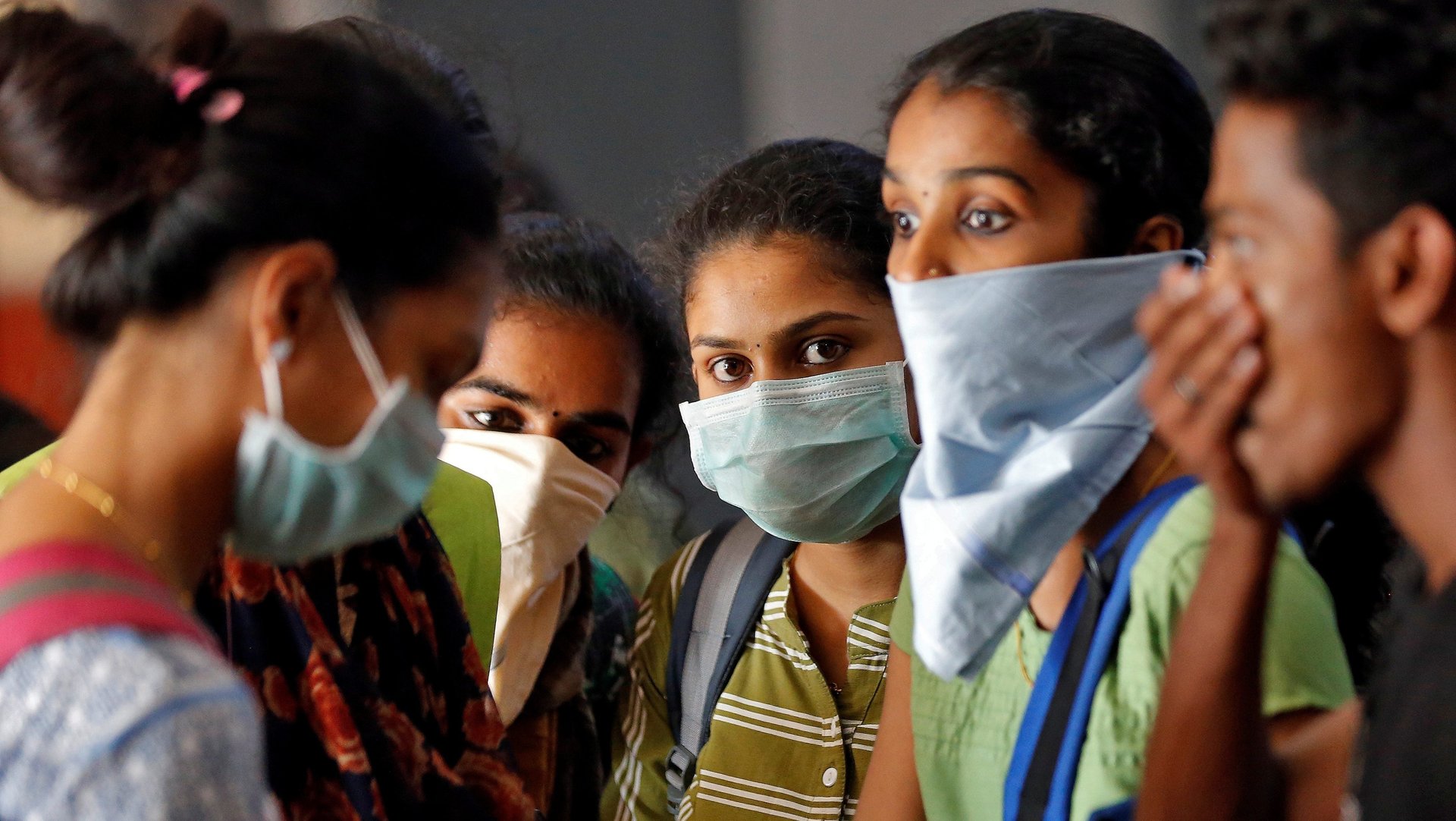
How to keep the workforce safe from Covid-19 without disrupting business is the key concern before Indian startups today.
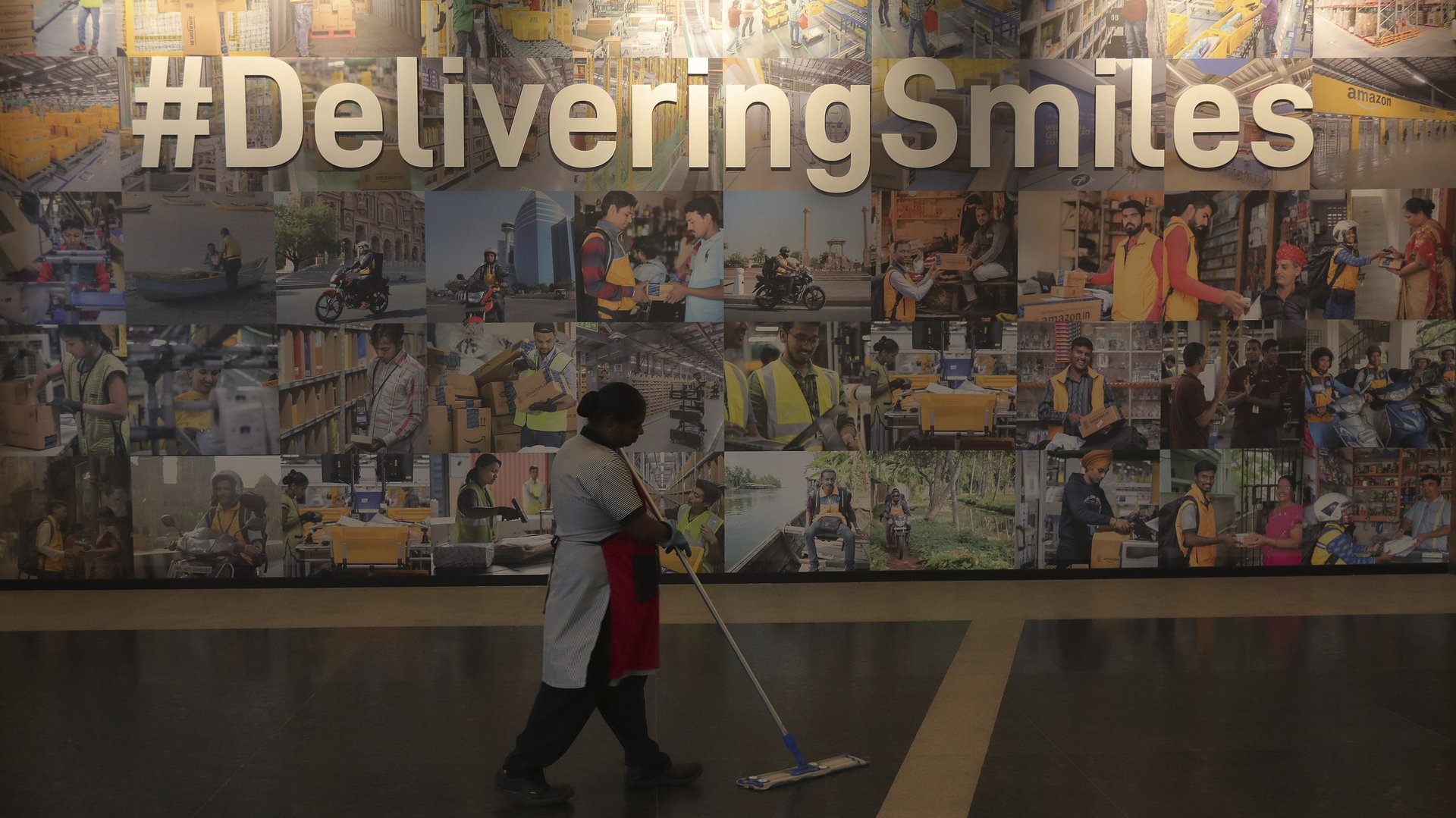
In just the past year, at least two large players have given up on India’s $4.2-billion food-delivery segment. Yet, that’s not stopping the world’s largest e-tailer from giving it a shot.