
Money & Markets
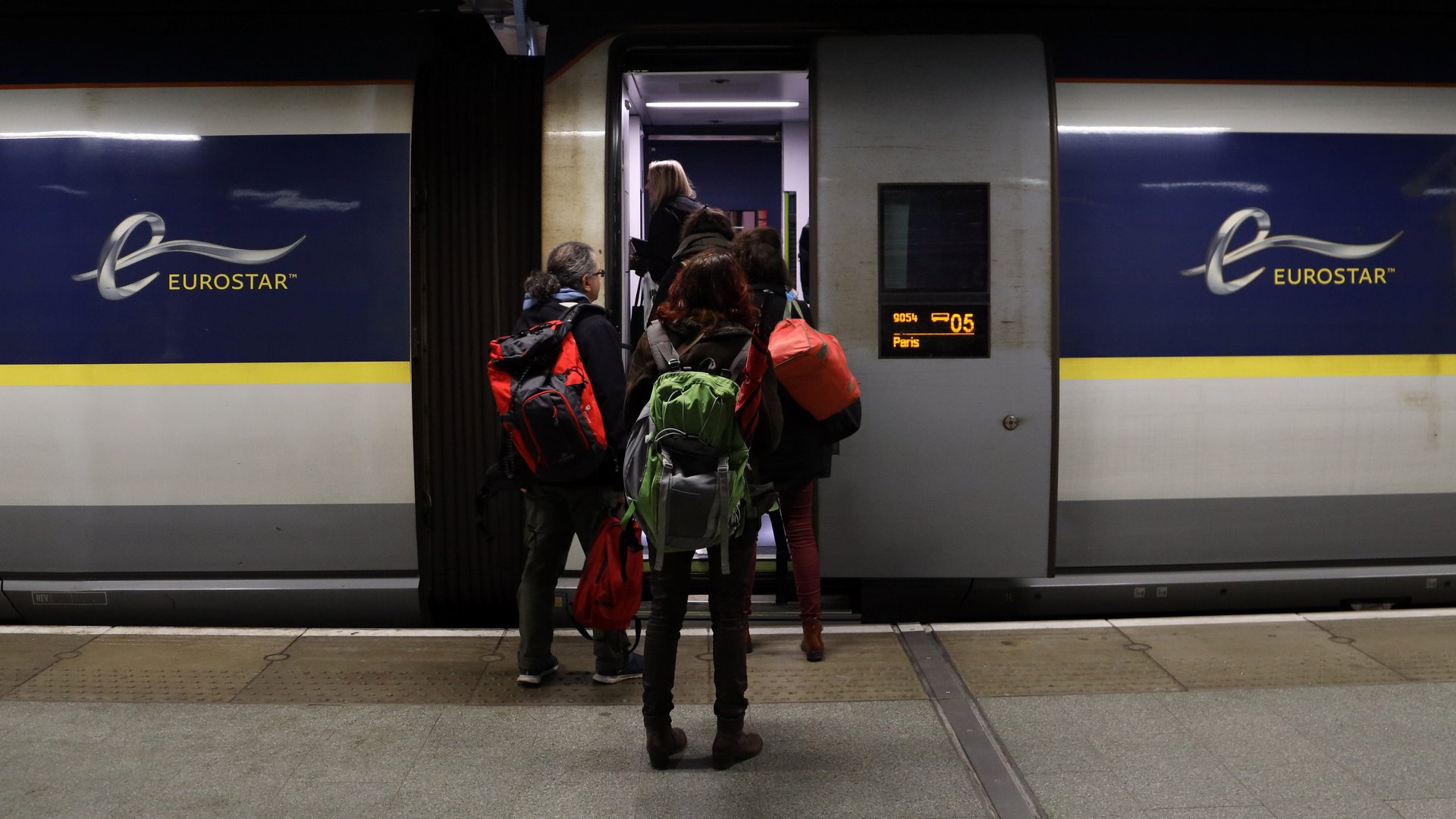
The chaos and community of the last London-Paris train before borders closed“We are at war.”
Updated July 21, 20223 min read
“We are at war.”
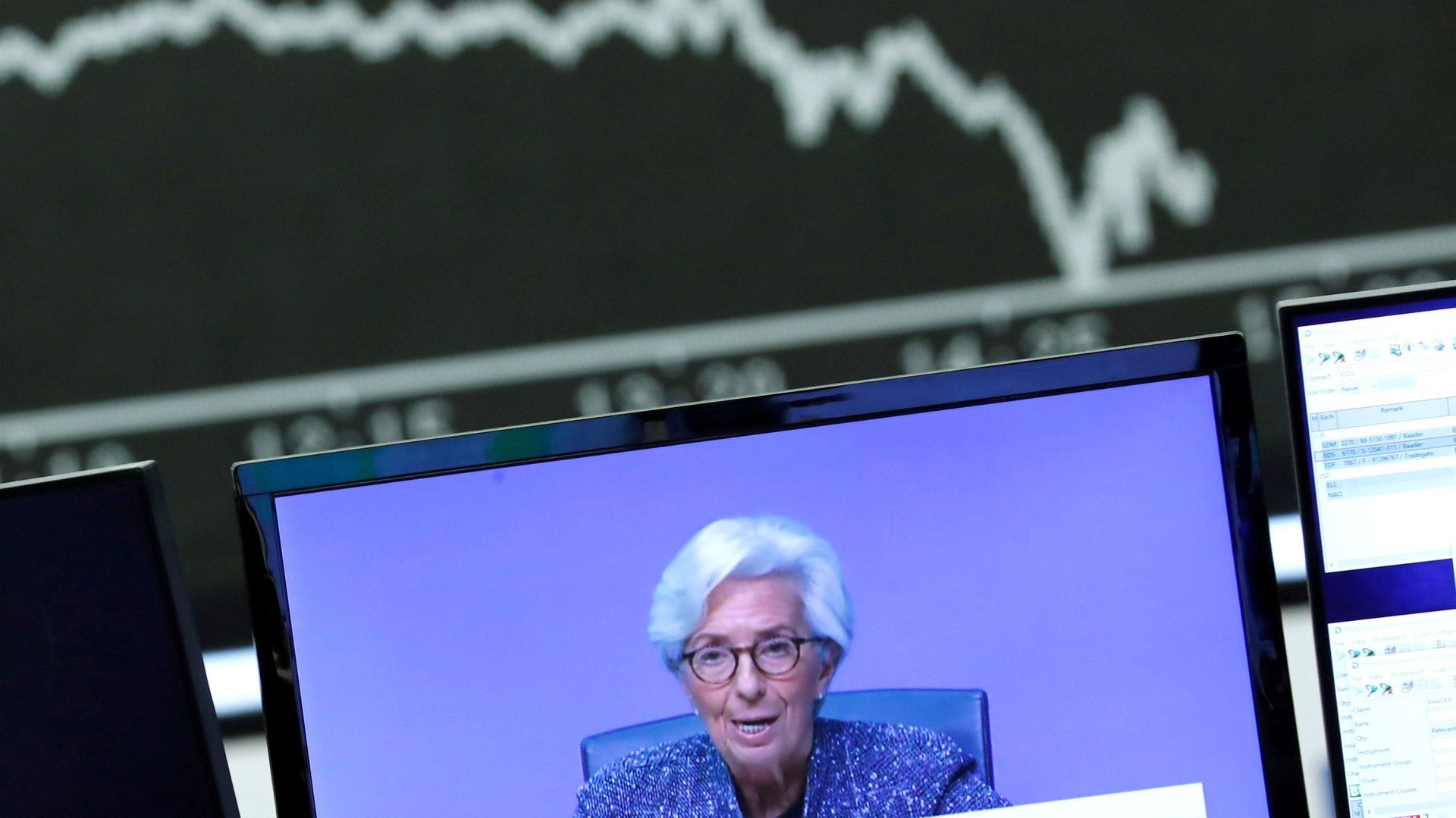
The whole world could use a talented crisis manager right about now.
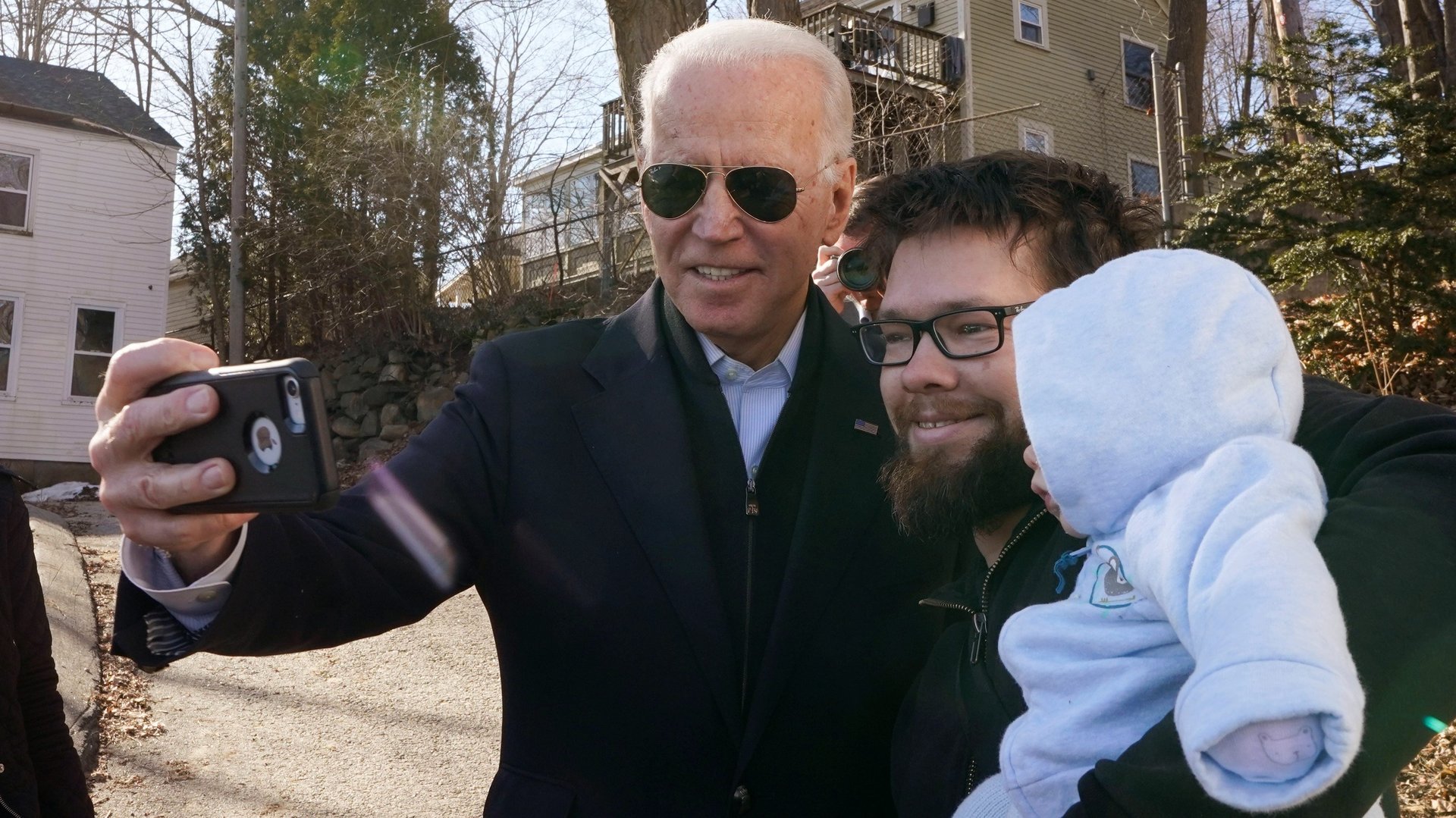
While many of the candidates that competed for the US Democratic presidential nomination came out in favor of uncommonly progressive family-friendly policies, like free childcare and pre-K for all infants and toddlers, the latest frontrunner to emerge has not.
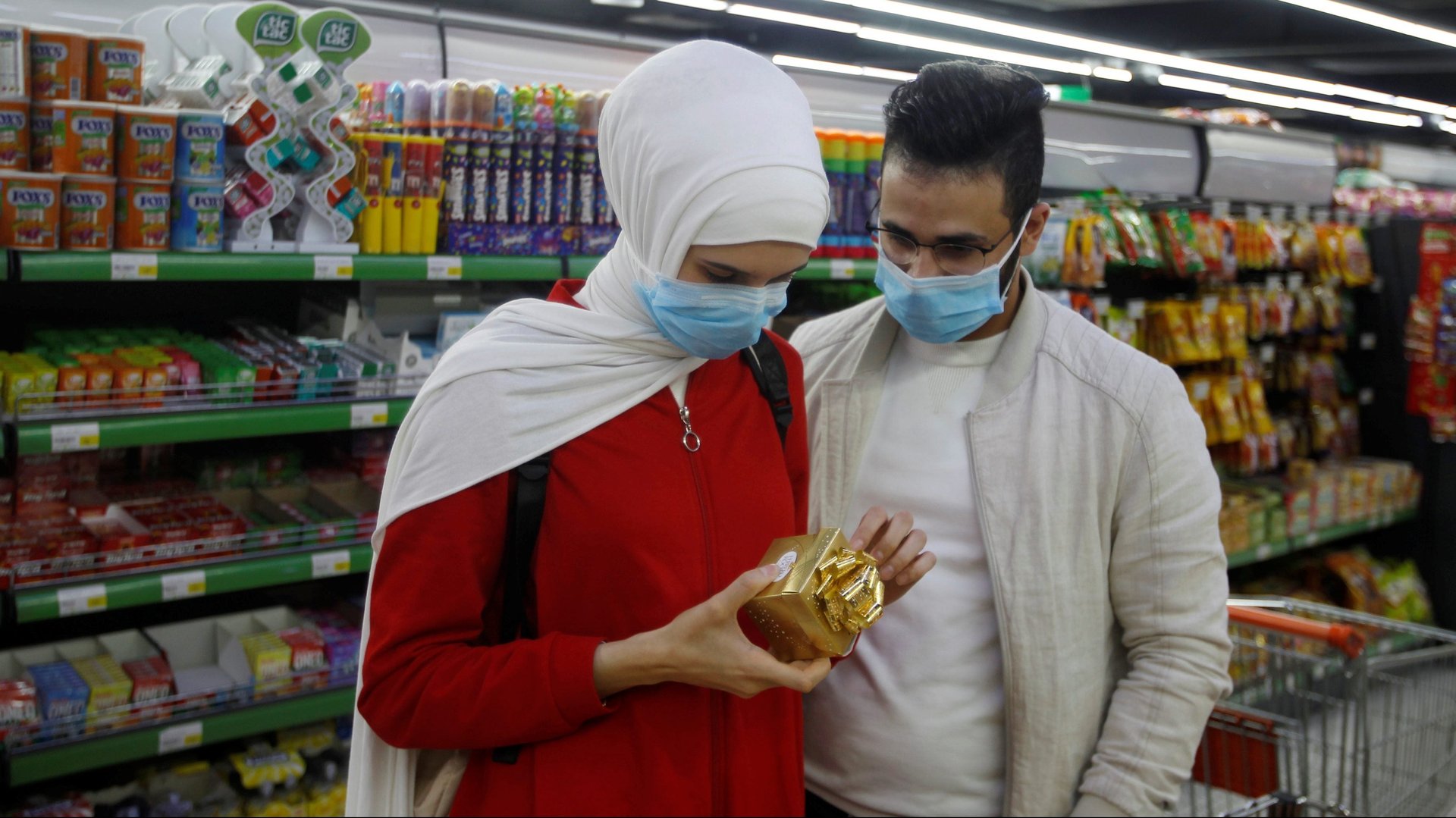
Let’s start with the obvious: Covid-19, the disease caused by a new strain of coronavirus, is scary. It’s spreading fast, there is currently no vaccine or preventative treatment for it, and we don’t know how deadly it actually is. Under these circumstances, it’s understandable that people would be frightened.
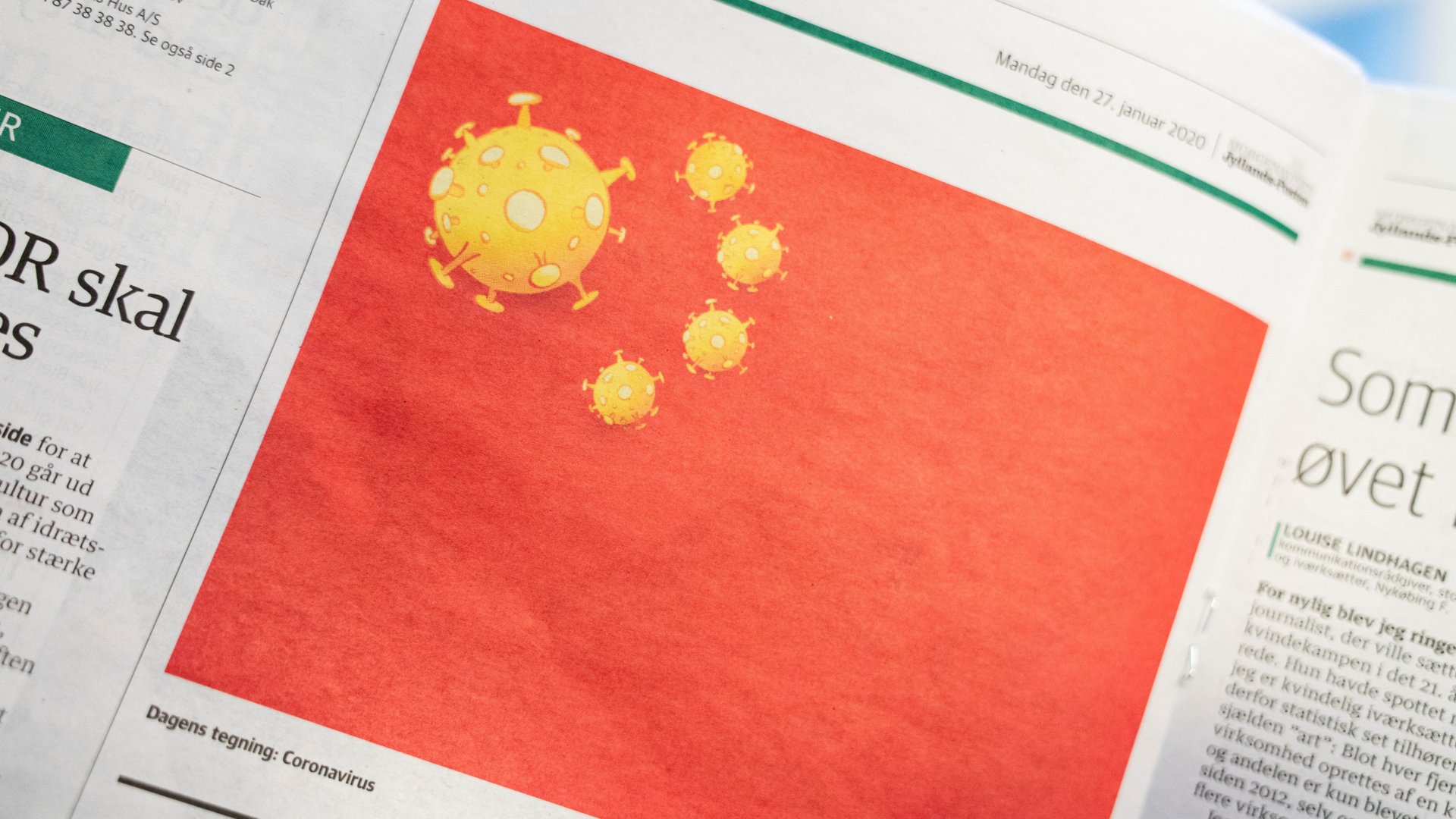
About three weeks ago, Ivo Daalder, former US ambassador to NATO, submitted one of his bi-monthly columns to The Chicago Tribune for publication. In it, Daalder criticized China for choosing “secrecy and inaction” in dealing with Covid-19, as the disease caused by the coronavirus is officially known. He wrote that China had turned “the possibility of an epidemic into a reality.”

The stakes of the upcoming US presidential election have rarely been so high for so many people. It’s also a crucial election for a long-overlooked group of voters: Families.

As the novel coronavirus continues to spread around the world, and scientists rush to develop a vaccine for the disease, questions have emerged around the effect it may have on children—and what their role could be in spreading it.
Updated March 4, 2020

In elections around the world, a familiar pattern is emerging.
Many things about “adulting” are difficult. Bills. Taxes. Figuring out what kind of job makes you happy. Finding a place to live.
Do you have fond memories of living with your parents? An attachment to the neighborhood where you grew up? For two in five Europeans in their late 20s, the four walls of their parents’ home is their daily reality.
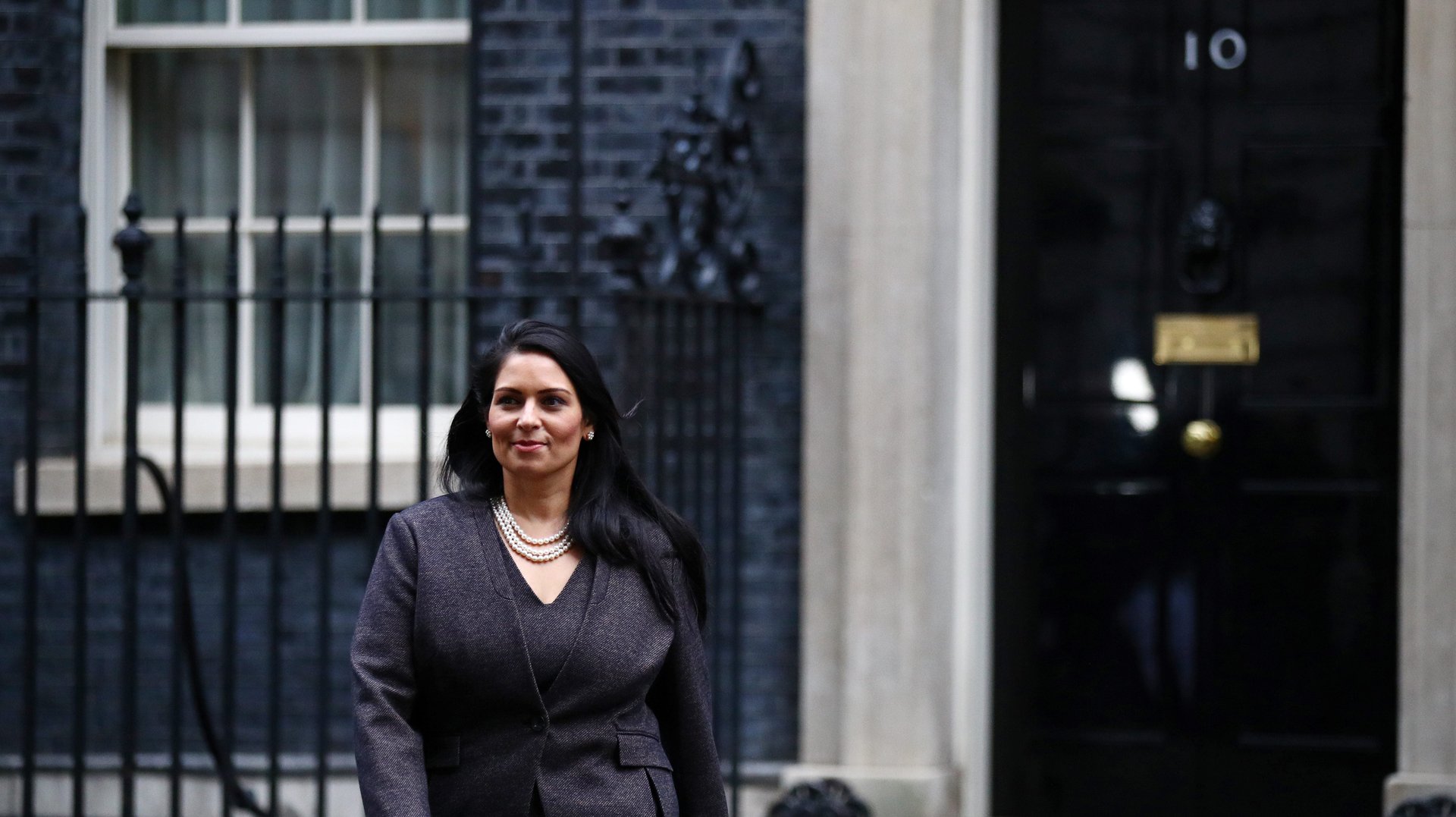
Representatives of Britain’s social care sector—an industry made up of professionals who look after those who cannot look after themselves, such as the disabled or the elderly—reacted badly today (Feb. 19) to the British government’s new post-Brexit immigration plan. “An absolute disaster,” is one description. “A difficult pill to swallow,” another.
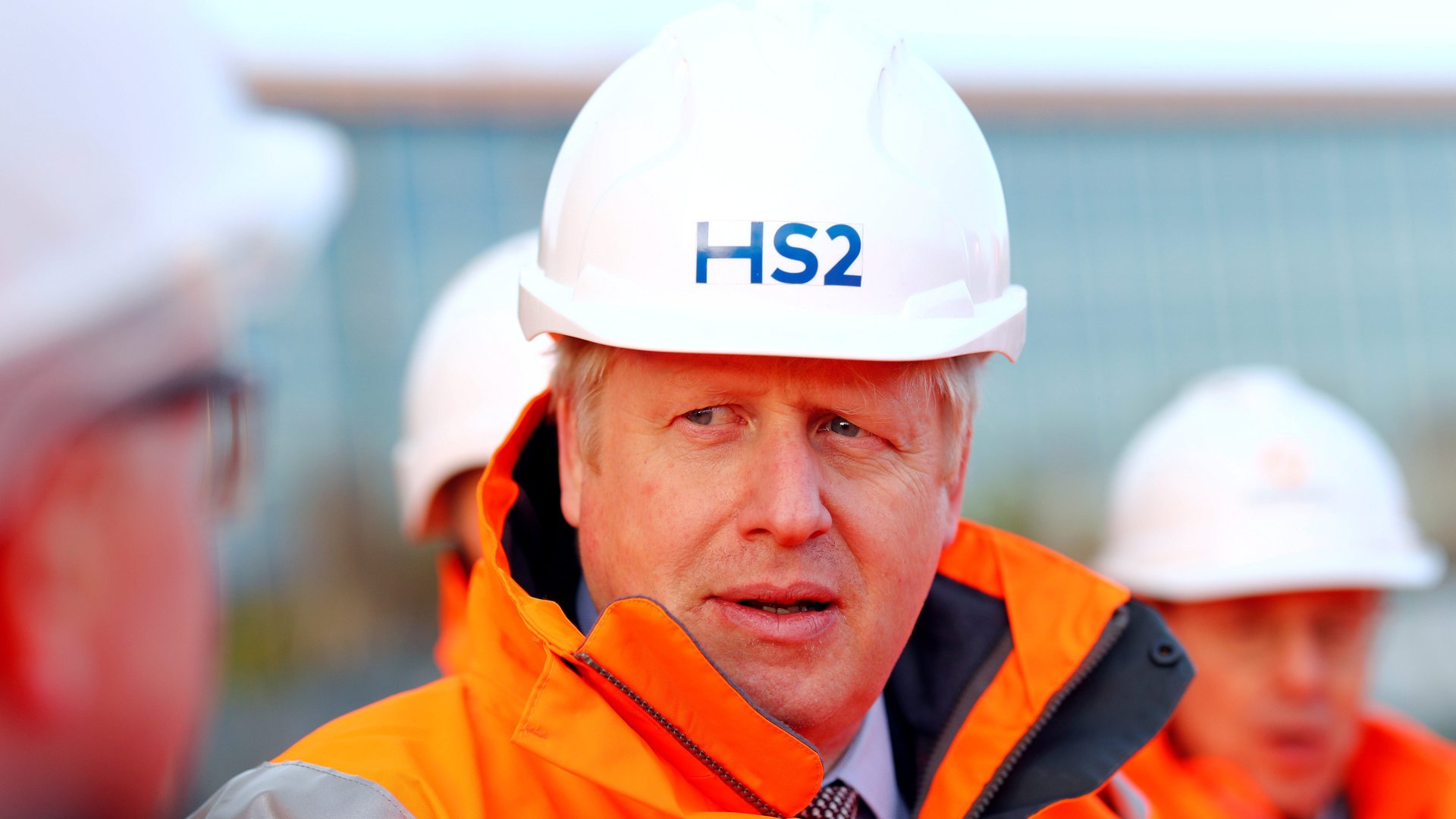
On a bitterly cold Wednesday morning in February, the Eastside district of Birmingham is quiet. This newly-renovated area, off the Digbeth Branch Canal, looks and feels expensive. Amid the greenery of Eastside City Park, a grey pathway leads visitors past the Birmingham Science Museum, the Millennium Point Conference Center, and the Parkside and Curzon wings of Birmingham City University.
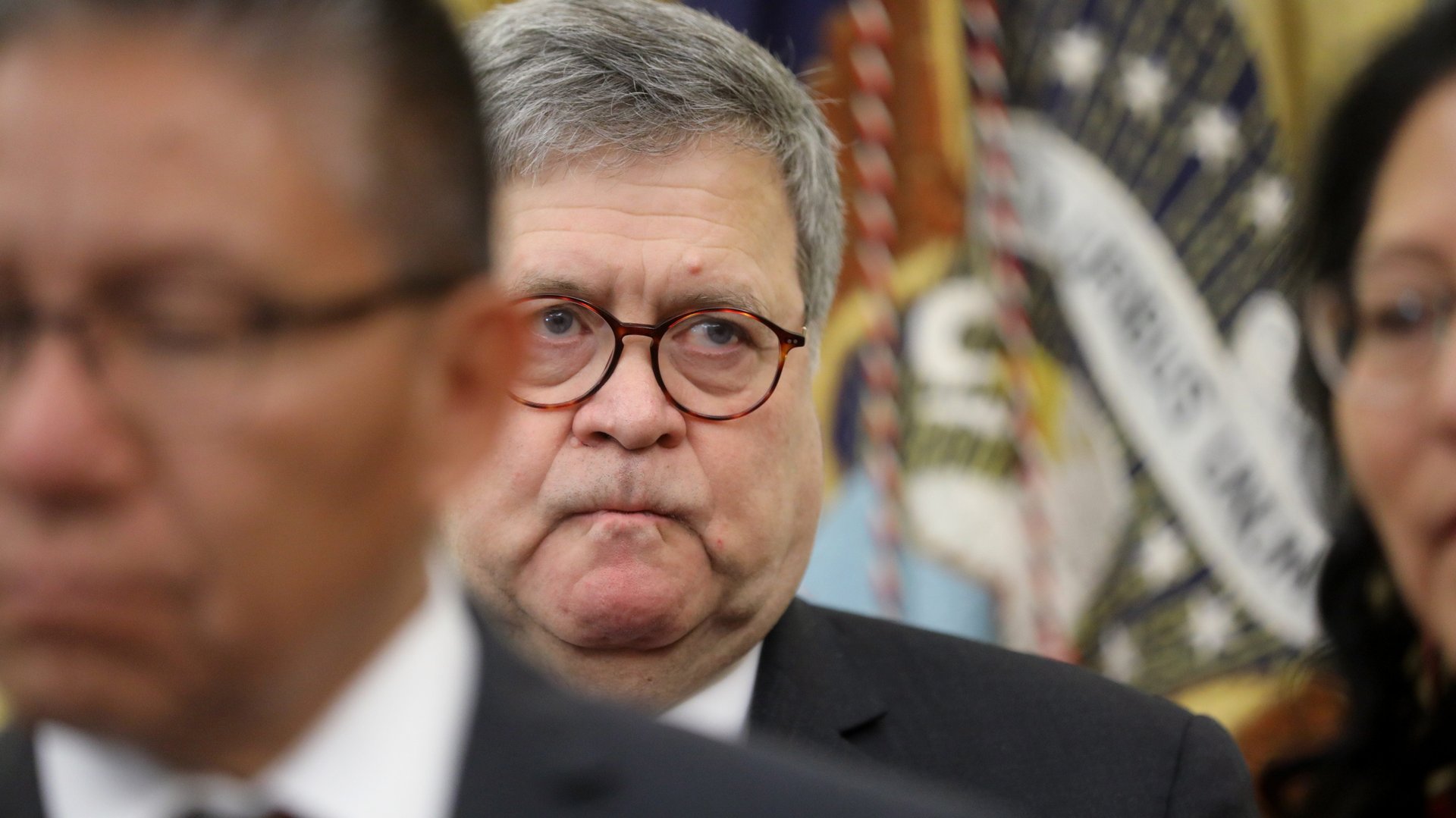
In a letter released on Medium today, more than 1,100 former employees of the US Department of Justice (DOJ) condemned attorney general Bill Barr for his handling of the case against Roger Stone, a longtime ally of Donald Trump who is accused of obstruction and lying under oath.
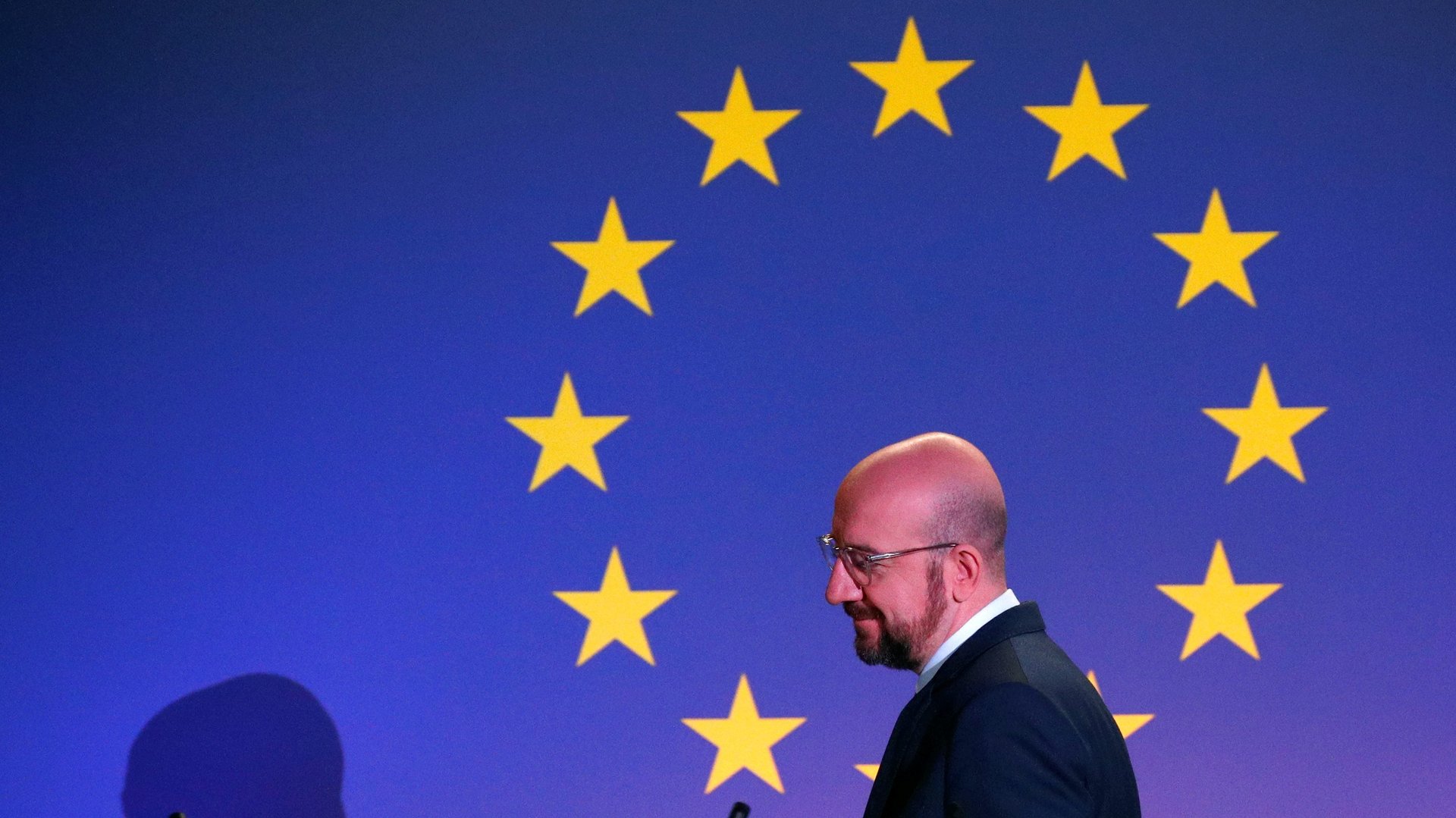
Brexit finally happened. But Europeans are still arguing about it.

Update, Feb. 17: China’s health authorities said on Monday that more than 70,500 people have been infected, while 1,770 have died (link in Chinese) of the new coronavirus through Sunday night.
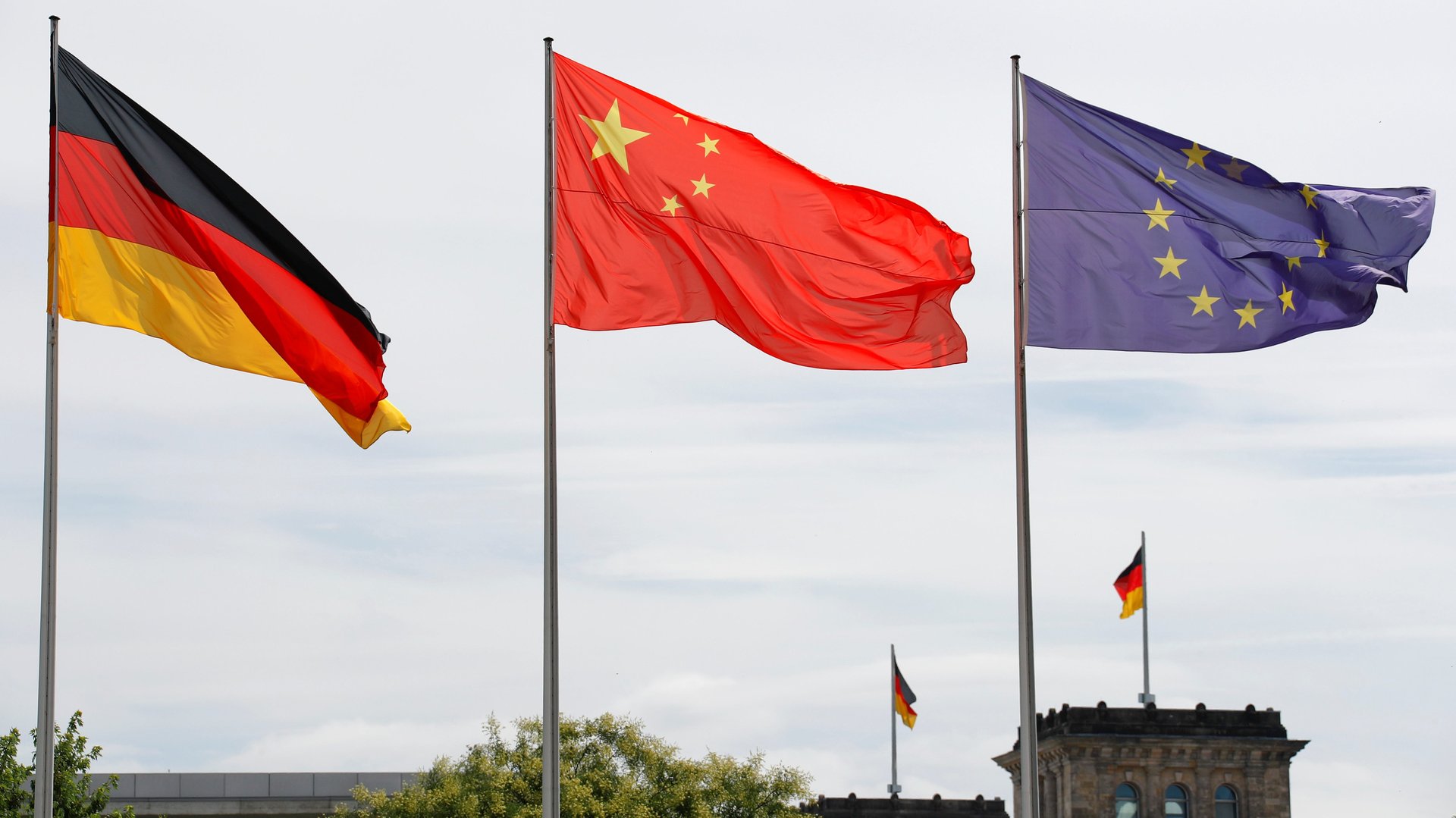
This year was meant to be pivotal for the future of EU-China relations—that is, before a global epidemic of the Coronavirus broke out in Wuhan province, killing 563 people, infecting more than 28,000, and straining the world economy.
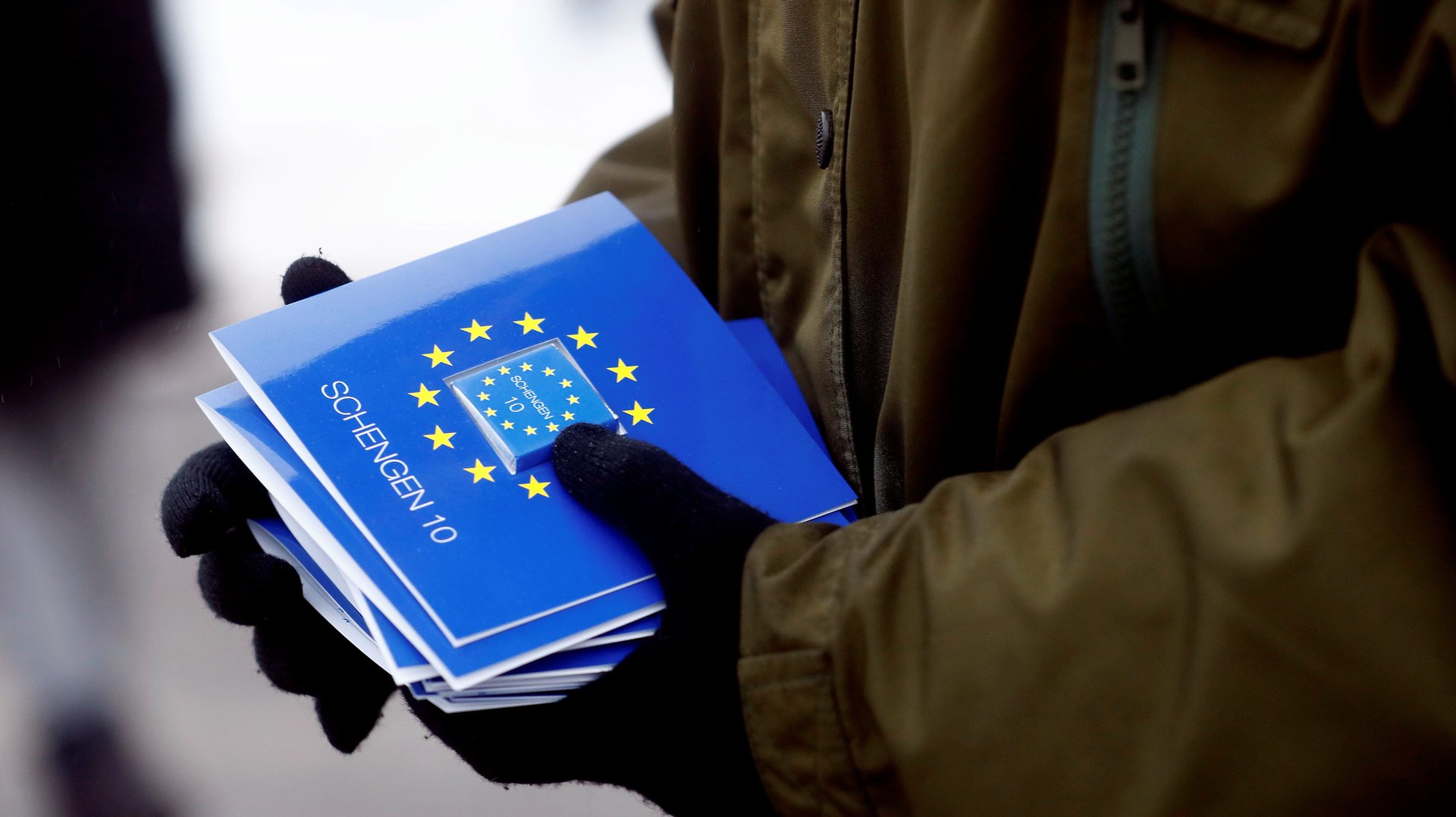
About a decade ago—long before the word “Brexit” entered the popular vernacular—it seemed like the European project was on the brink of collapse.

After three dramatic years of will-it-or-won’t-it, the United Kingdom will officially exit the European Union today (Jan. 31).

With a rapidly spreading flu epidemic in China, Australia on fire, and the US president impeached and on trial, it can sometimes feel like there is no oxygen—or energy—left to devote to any other major world events.

In the early 2000s, British private schools began setting up shop in China, eager to leverage their reputation for excellence in exchange for the opportunity to add to their bottom line by educating the children of one of the world’s fastest-growing and most affluent middle classes.
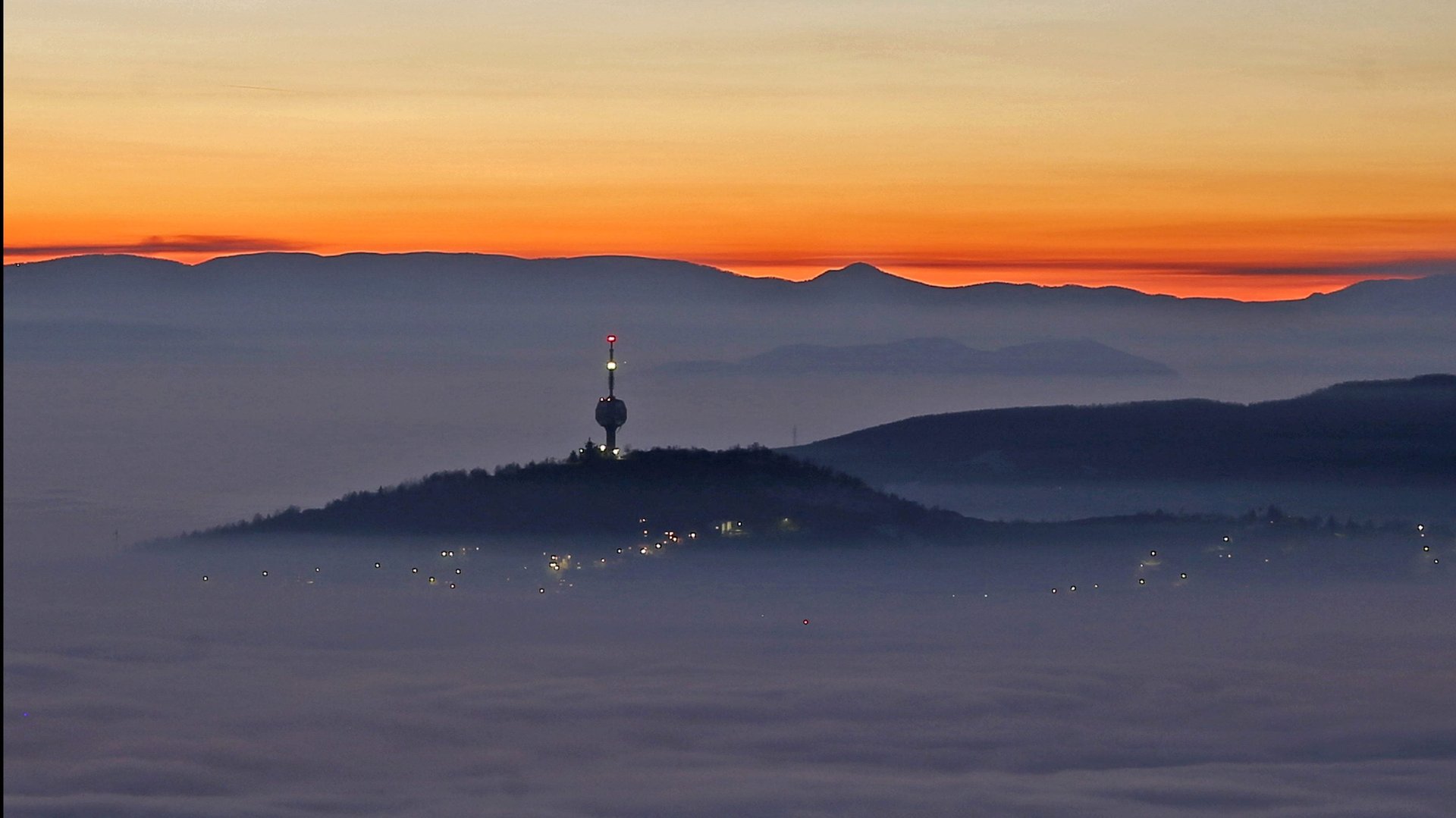
Residents of Bosnia and Herzegovina have rallied across the country this week to protest government inaction in the face of dangerously high levels of air pollution.

On the first day of the World Economic Forum in Davos, Switzerland, climate activist Greta Thunberg criticized the assembled global leaders for their inaction on climate change and called for a complete divestment from fossil fuels.

Childcare in the US is unaffordable, inaccessible, and over-subscribed. Families spend more than the average annual in-state college tuition to put their child in full-time center-based care, and yet the people who care for those children—early childhood educators and other staff—are paid less than tree trimmers and janitors. This pushes quality downwards, even though science tells us that the years between birth and five are crucial for children to develop into well-adjusted and healthy adults.