
Money & Markets
Google’s advertising business is showing holesAlphabet brought in a lot of cash last quarter thanks to Google’s swelling ad sales. But the business is starting to show holes.
Updated July 20, 20222 min read
Alphabet brought in a lot of cash last quarter thanks to Google’s swelling ad sales. But the business is starting to show holes.
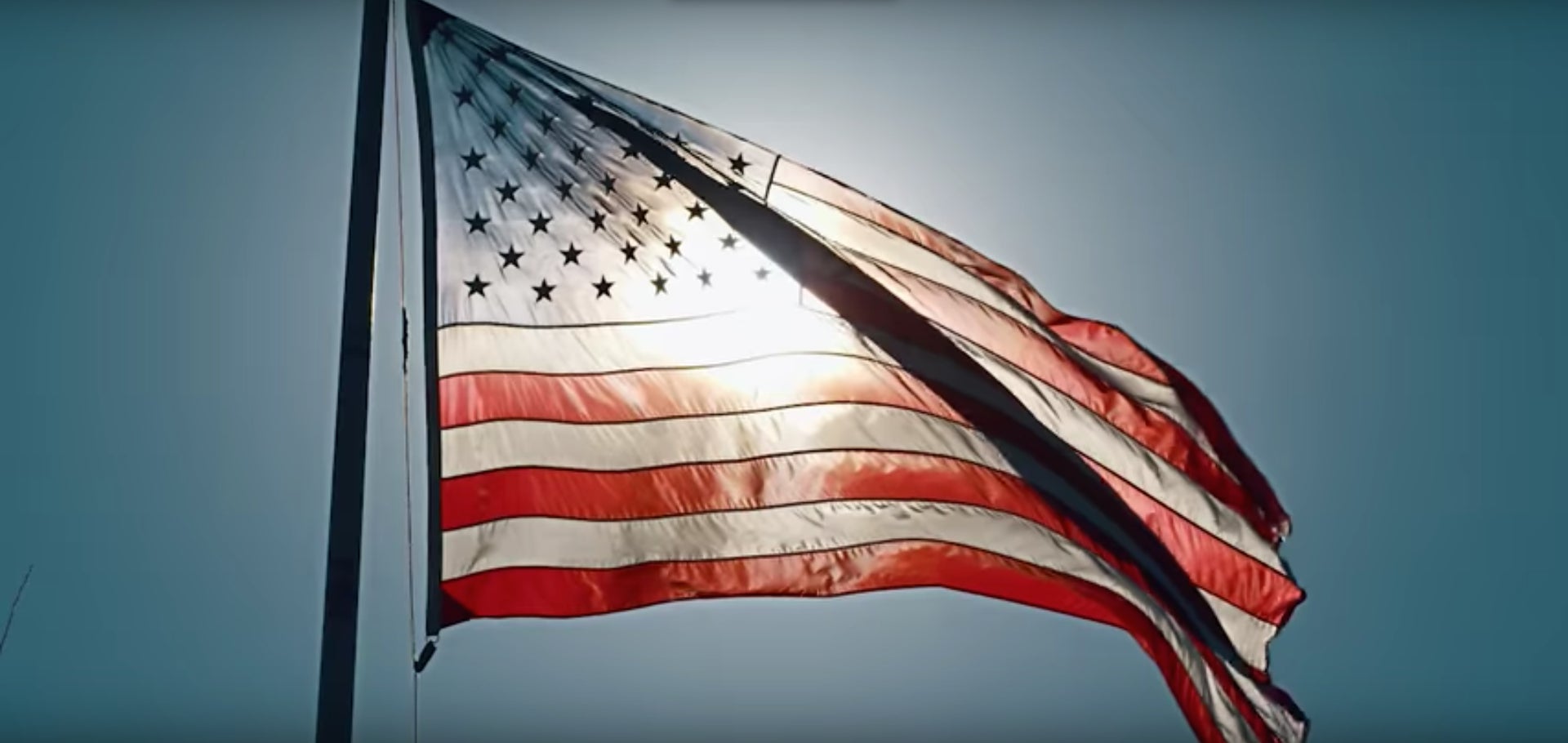
Donald Trump wants to put America, and its workers, first. A new Super Bowl commercial from US auto-accessories brand WeatherTech follows the US president’s lead. Beneath a billowing American flag, American workers erect the walls of a new American factory that will be used to manufacture American goods. “At WeatherTech, we built our new factory right here in America,” the commercial concludes, in a written message. “Isn’t that the way it’s supposed to be?”

Advertisers seem to be playing the Super Bowl close to the vest this year.
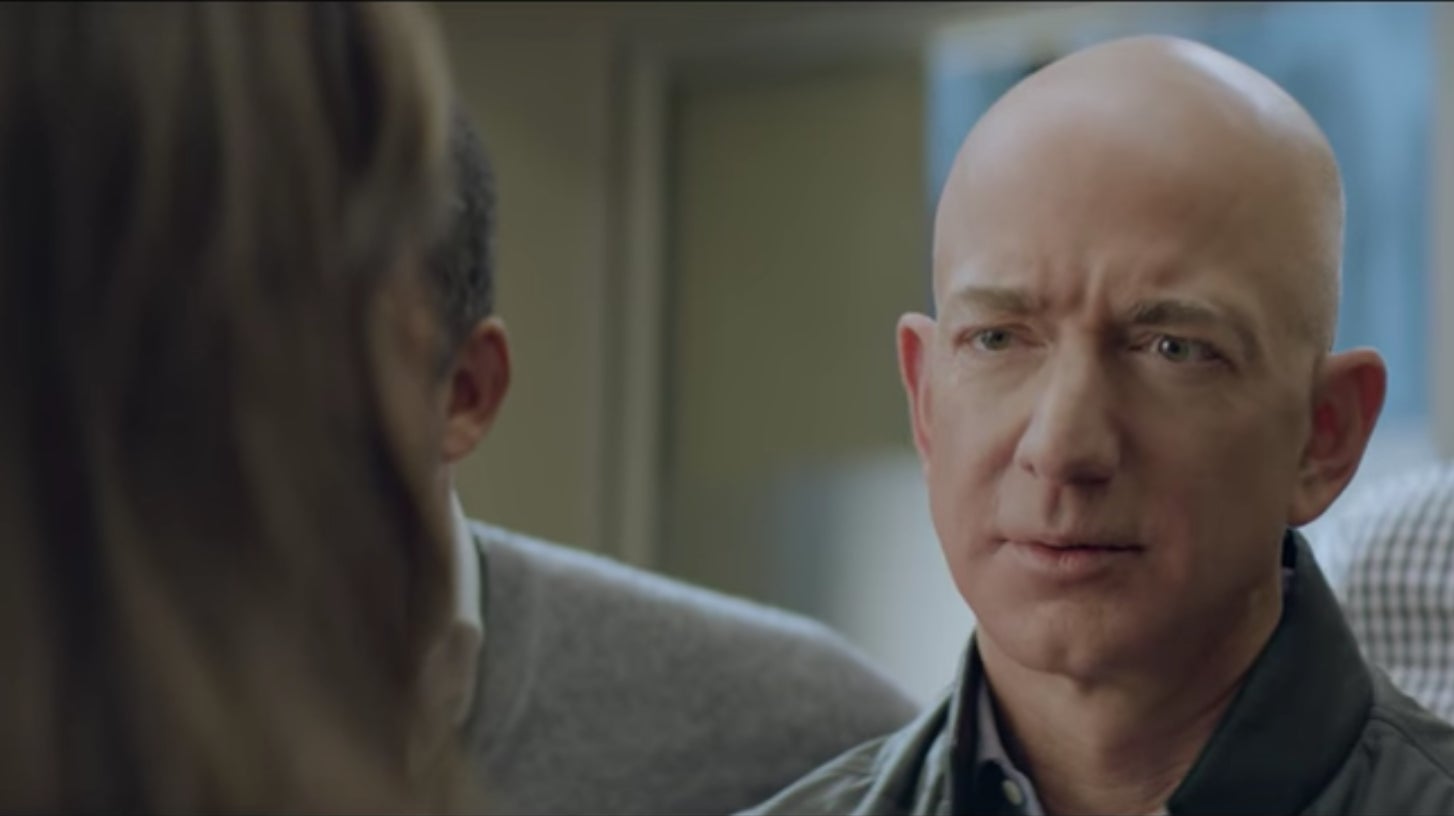
Amazon is getting serious about spending in the Super Bowl.
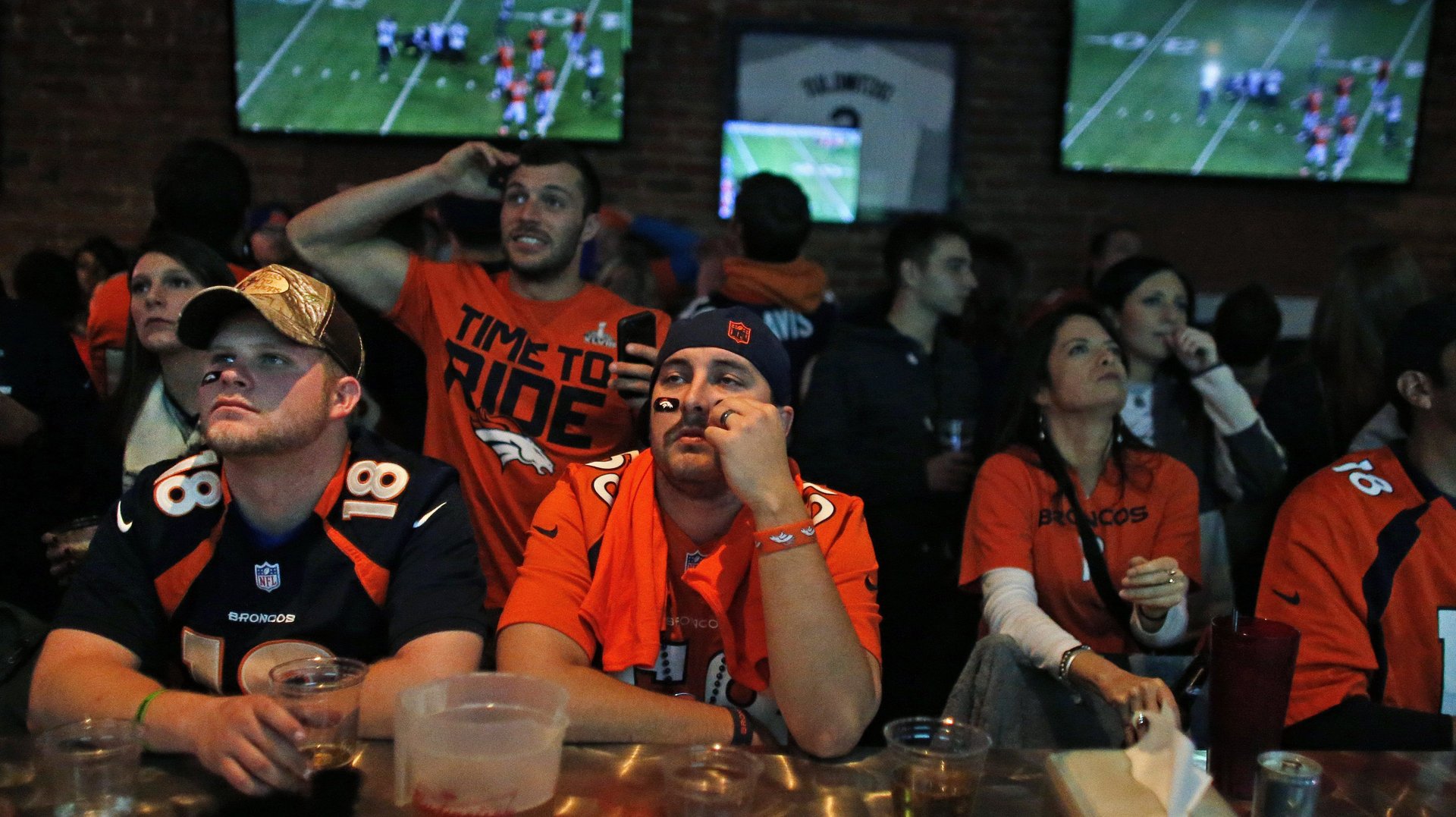
Between the coin toss and end of play, last year’s Super Bowl brought in an estimated $419 million from advertising for US broadcaster Fox, Kantar Media found. The staggering sum is greater than the GDP of small countries like Kiribati and Anguilla.

Netflix’s Bright has been watched more than most other Netflix originals, movies, or series, the company said this week, in spite of being mercilessly panned by critics and scoring positive reviews from only 26% on Rotten Tomatoes.
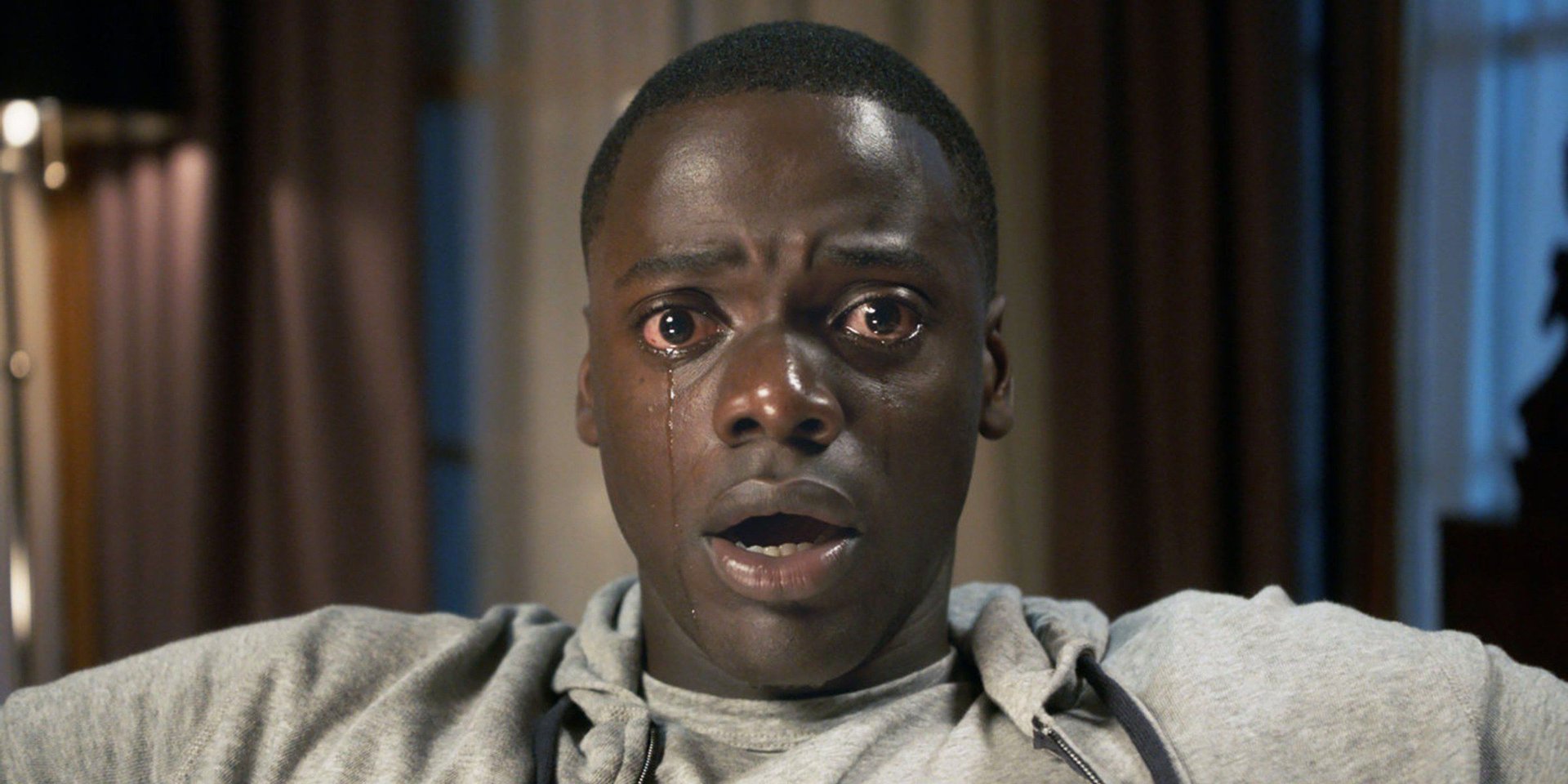
If Rotten Tomatoes were the judge, the Oscar for best picture would go to Get Out or Lady Bird.

Netflix ended the biggest year in its history with the best quarter in its history.

In 1995, Amazon was in its infancy, there was no Netflix or Hulu to stream, DVDs were just being developed, and the most common ways to watch movies were in cinemas or through TV sets and VHS tapes. Movie theater attendance dropped, then began an upward trajectory culminating in 2002.
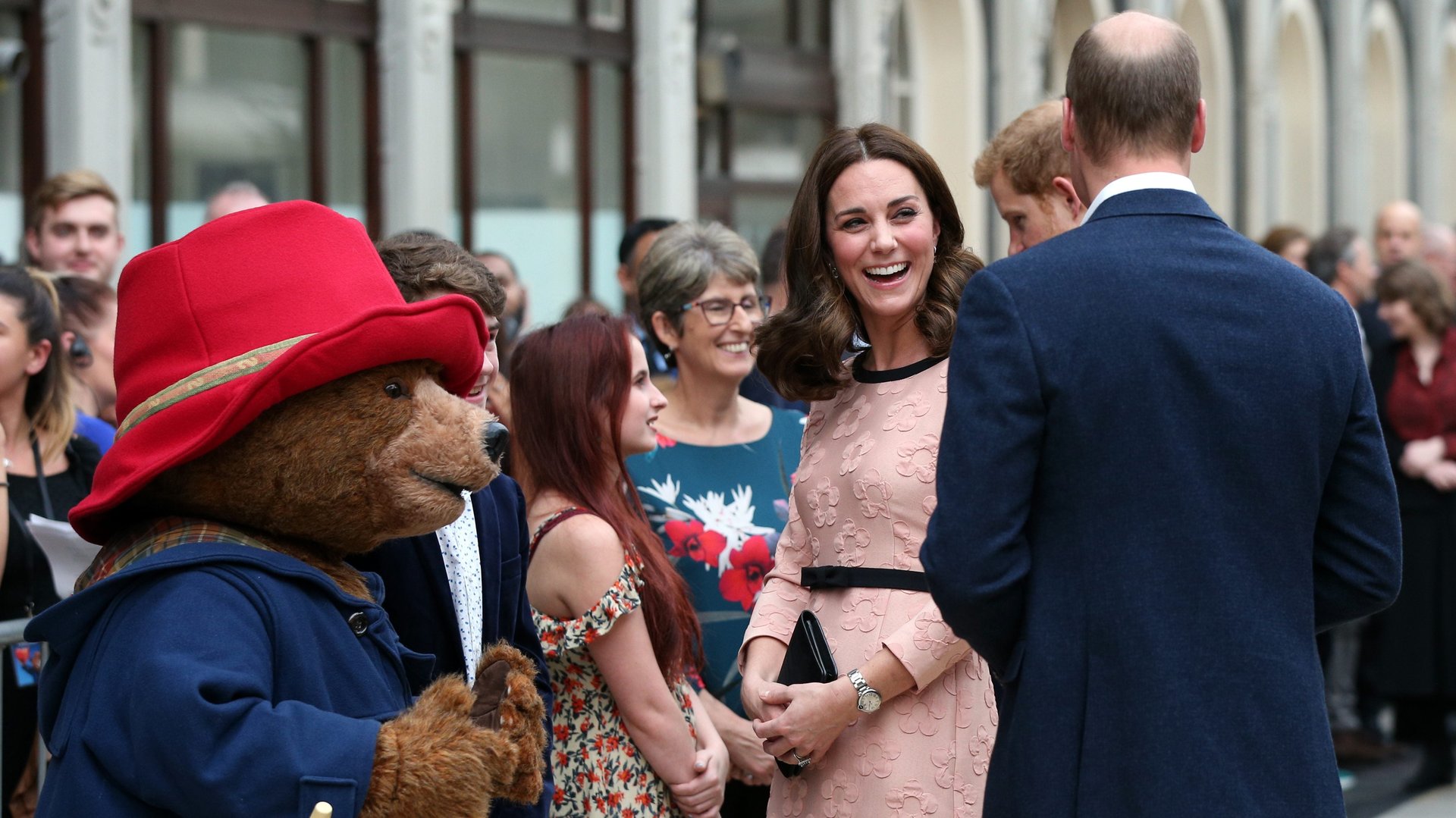
There’s something about really great family movies that critics can all get behind.
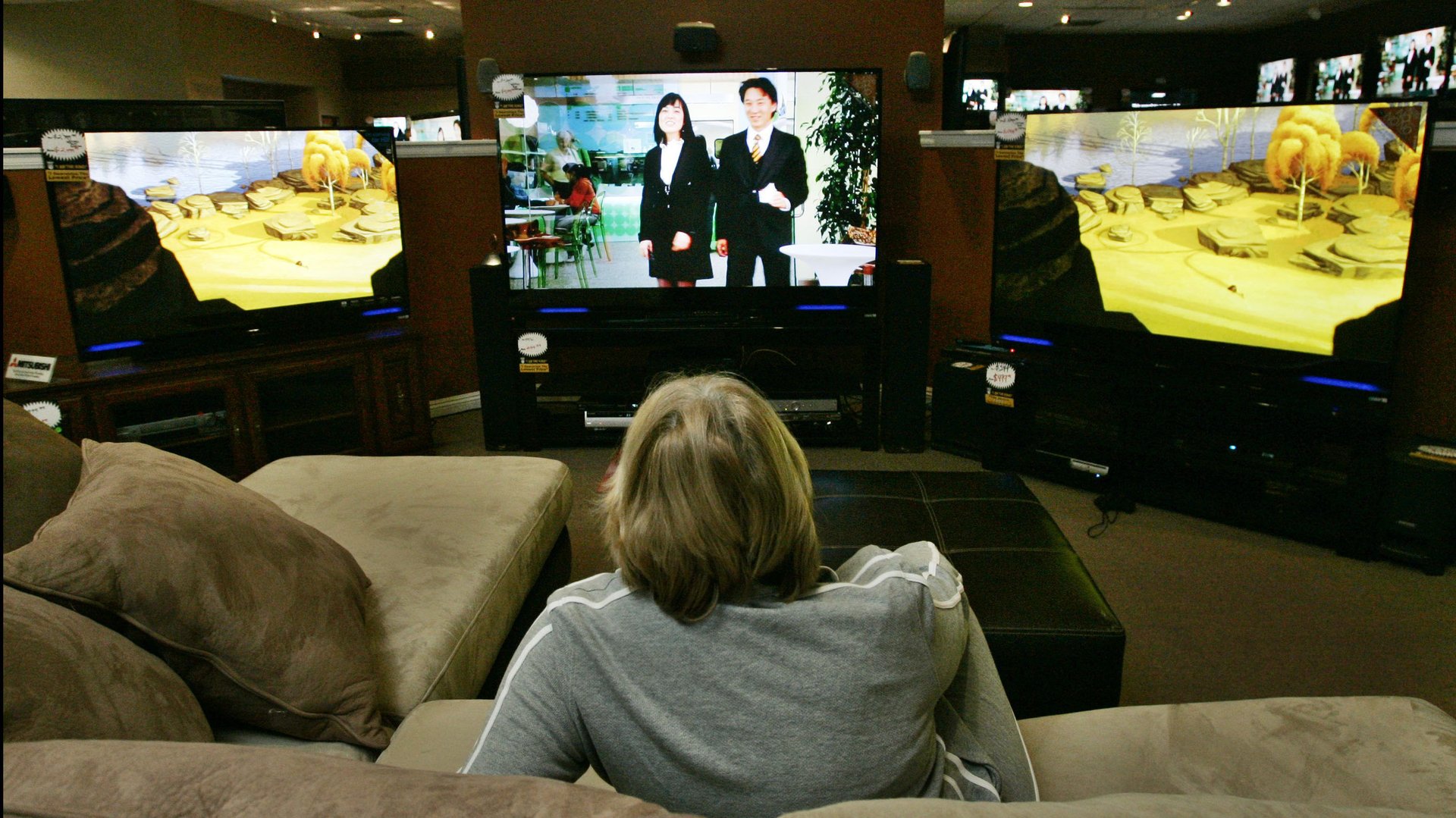
The big promise of streaming’s new live-TV packages was simple: you could get most of your favorite channels for less than the cost of cable. It’s what drove millions of Americans to consider cutting the cord, as they say, and trade their old cable-TV packages for shiny, new streaming alternatives like SlingTV and YouTube TV.

Netflix, Hulu, and Amazon Prime may be competitors, but they serve their audiences in very different ways.
YouTube is making it tougher for creators to make money from inappropriate and offensive videos.

Netflix is a lot of things, but it’s usually not a place for television networks to advertise their programming.
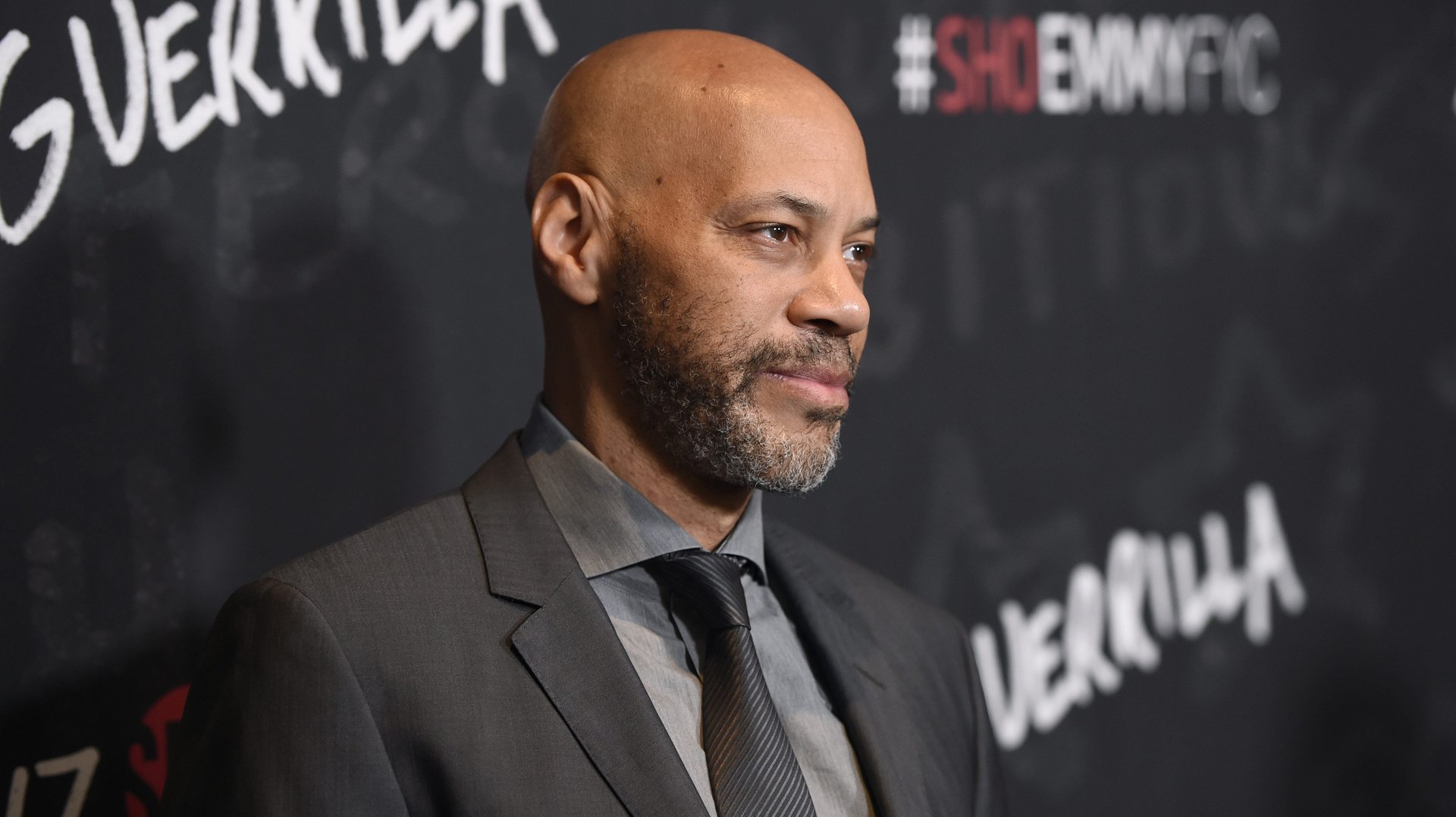
The Oscar-winning screenwriter of 12 Years A Slave will retell DC Comics’ history through the eyes of its historically marginalized heroes.

Hawaiians awoke to a startling message on Saturday morning.
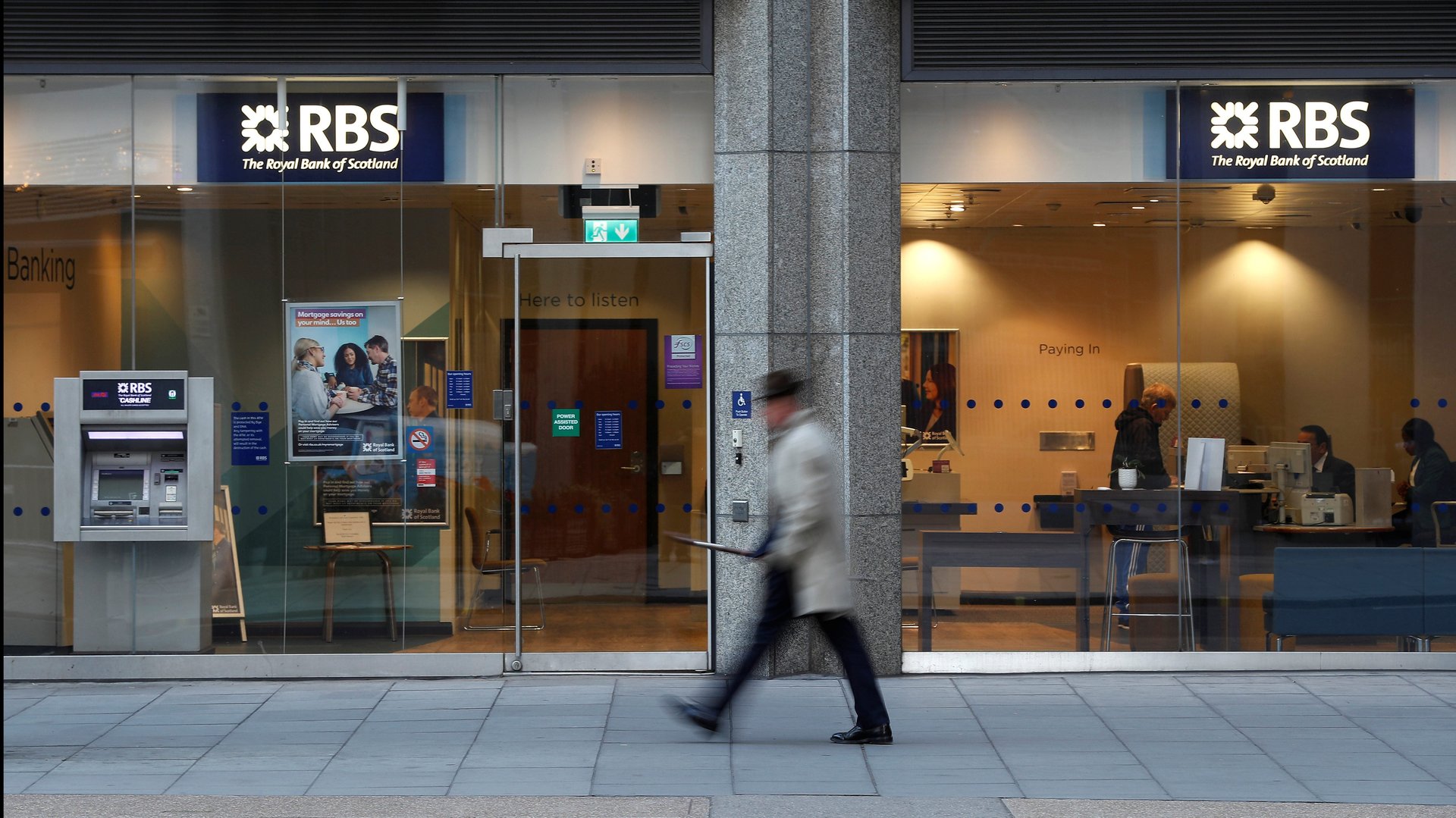
Starting Saturday (Jan. 13), the UK’s nine biggest banks, which service most of the population, will no longer have a lock on the state’s financial transactions.

Did you watch the latest season of Black Mirror? How about Handmaid’s Tale? In the age of “peak TV,” this classic water-cooler conversation starter induces more anxiety than enthusiasm for television series. As long ago as 2015, when he coined the phrase “peak TV,” FX Networks boss John Langraf observed that there’s “simply too much TV.”
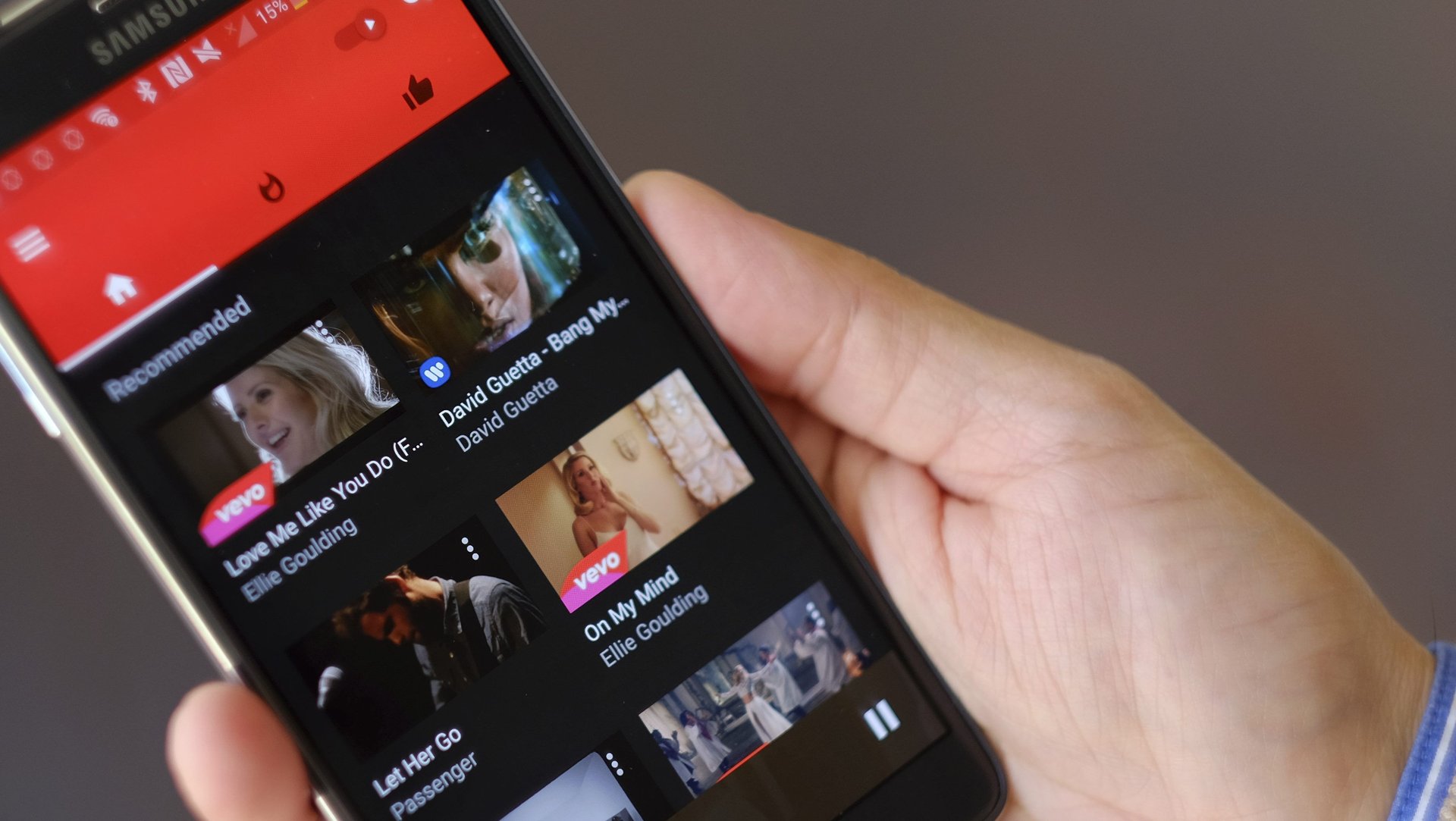
YouTube is a master of getting you to watch videos you didn’t know existed minutes earlier.
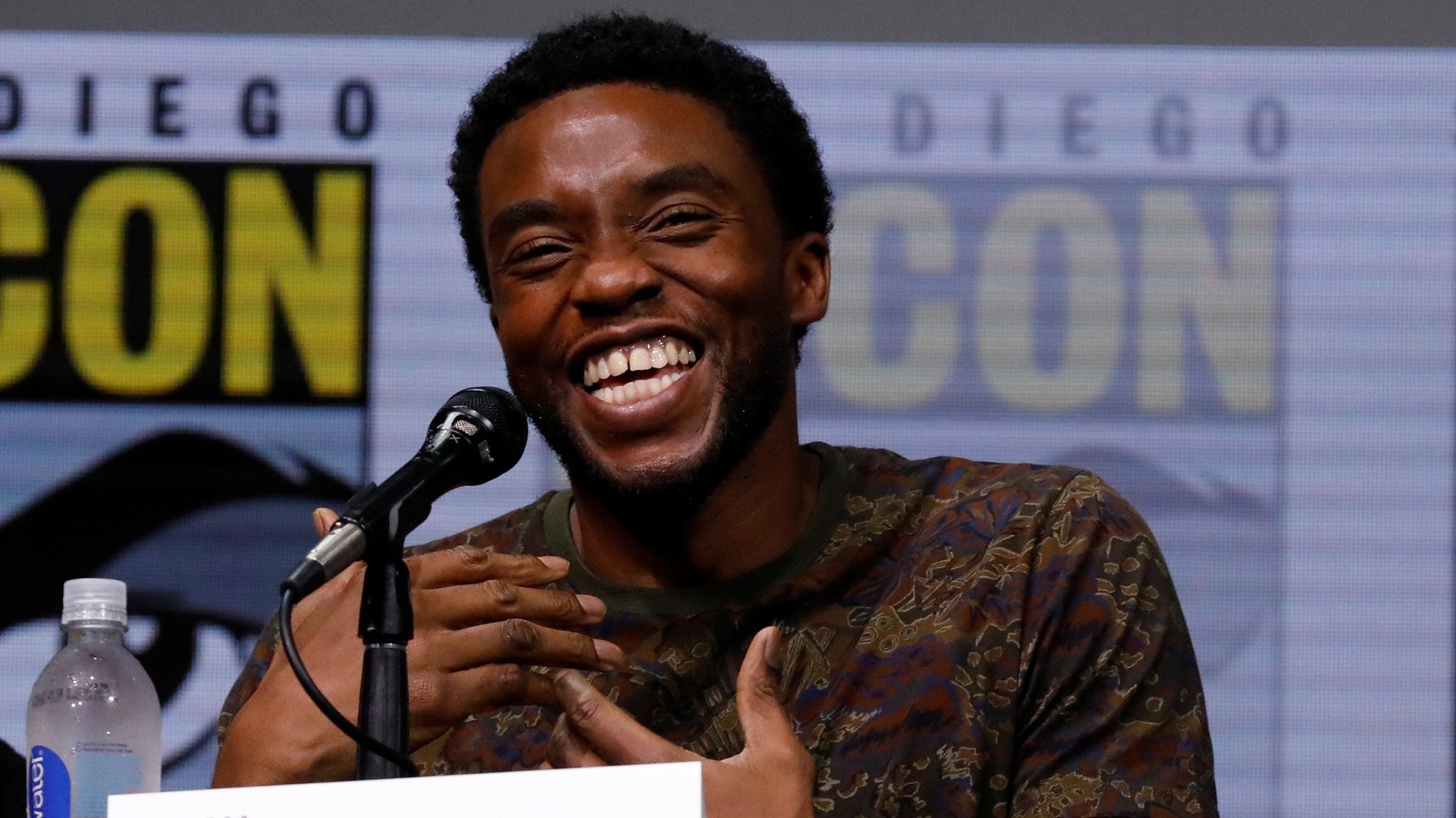
T’Challa may soon rule more than Wakanda. Black Panther is Marvel’s most anticipated movie yet, based on pre-sales at the US ticket-buying site Fandango.

UK productions like The Crown are paying off for Netflix. The streaming-video service is well ahead of its nearest rival, Amazon Prime Video, in the UK—the world’s fifth-largest media market (paywall).
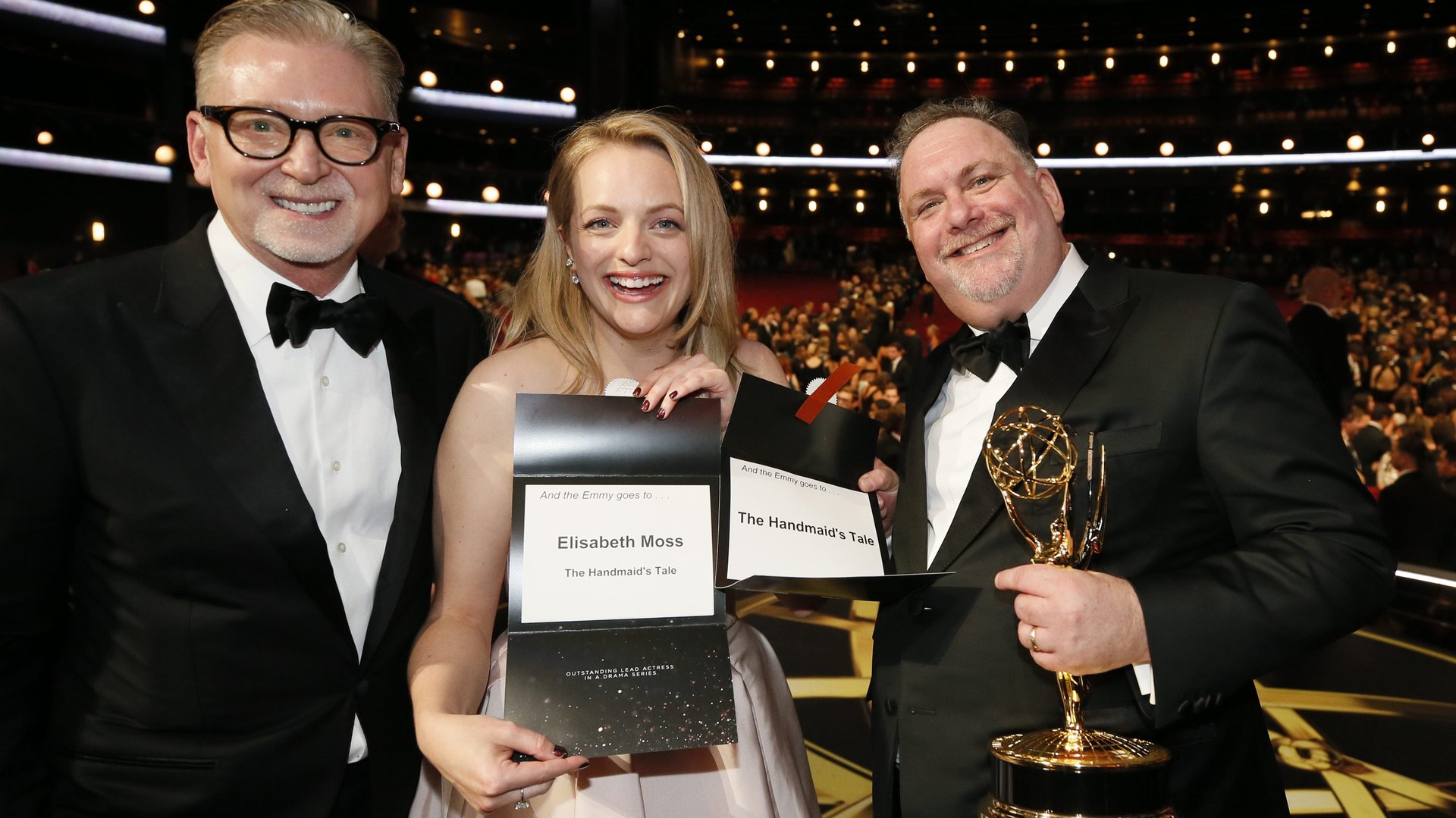
Hulu is fresh off winning best TV drama at the Golden Globes with The Handmaid’s Tale. Earlier this year, it became the first streaming service to win in that category at the Emmy’s. Disney, the most powerful parent in its joint venture, wants to take a controlling stake. And its subscriber base is gaining on Netflix’s. The nearly 10-year-old streaming-video service is feeling good about its place in the media landscape—and it should.

To boost usage, Snapchat has expanded into news and entertainment with its Discover platform, beefed up its voice-calling capabilities, and this year it launched Snap Map, which lets users see friends’ locations.

Amazon rolled out its Prime Video subscription service to most of the world about a year ago. It’s learned a thing or two about how the world watches video since.