

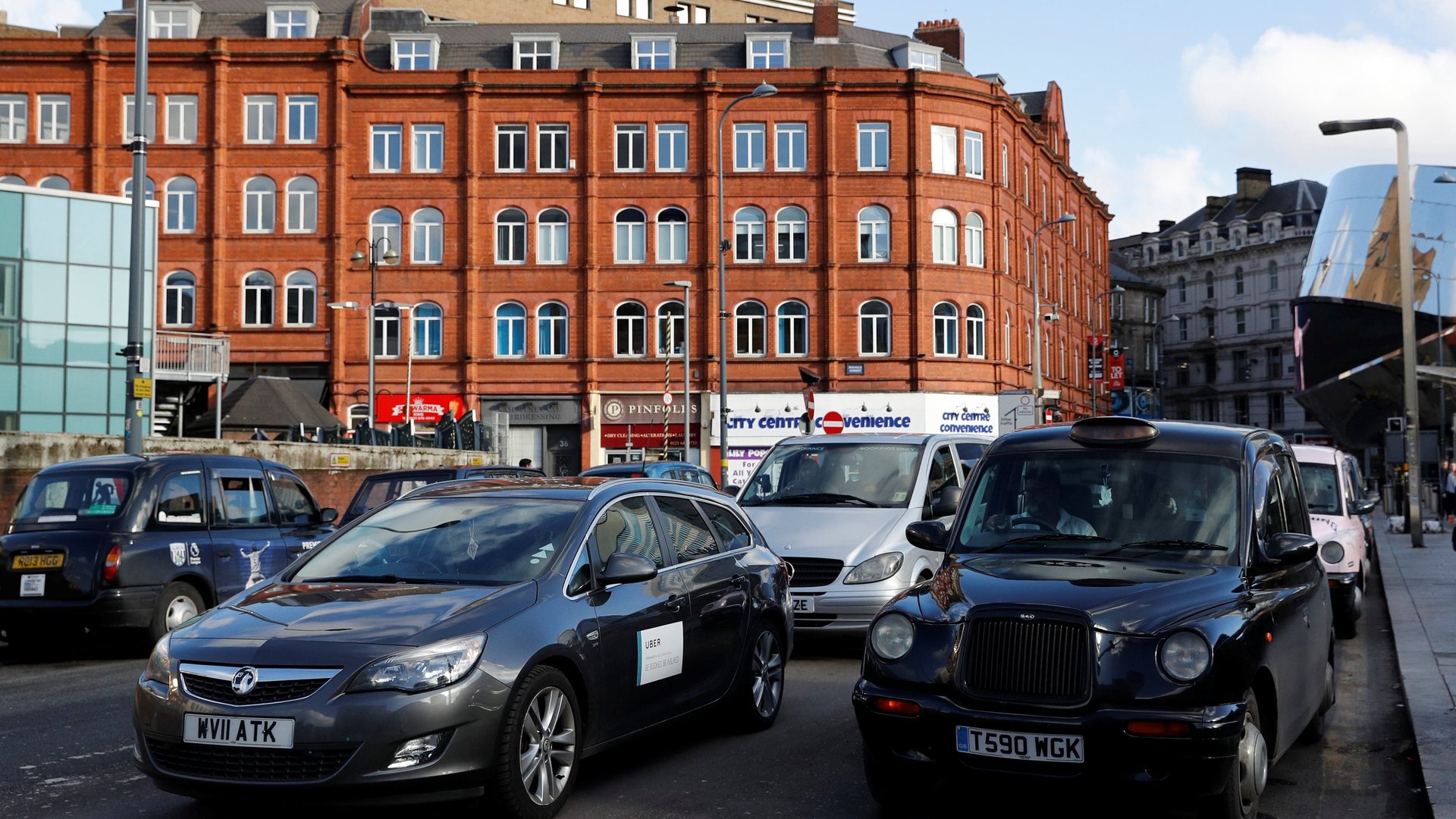
Birmingham, England, the industrial city once known as a center of the UK’s auto industry, has just unveiled a new transport plan that leaves little room for cars. The city of 1.15 million is attempting to substantially change the way people get around by making new investments in public transportation, cycling, and pedestrians, and de-prioritizing personal vehicles by putting tight restrictions on where they can drive. The goal is to make Birmingham a city of “low-traffic” neighborhoods.

Paris has already taken steps to get cars to slow down on streets, as well as remove them from the city center entirely. It’s now preparing to deploy sound detection technology known as “Medusa” to quiet them down.
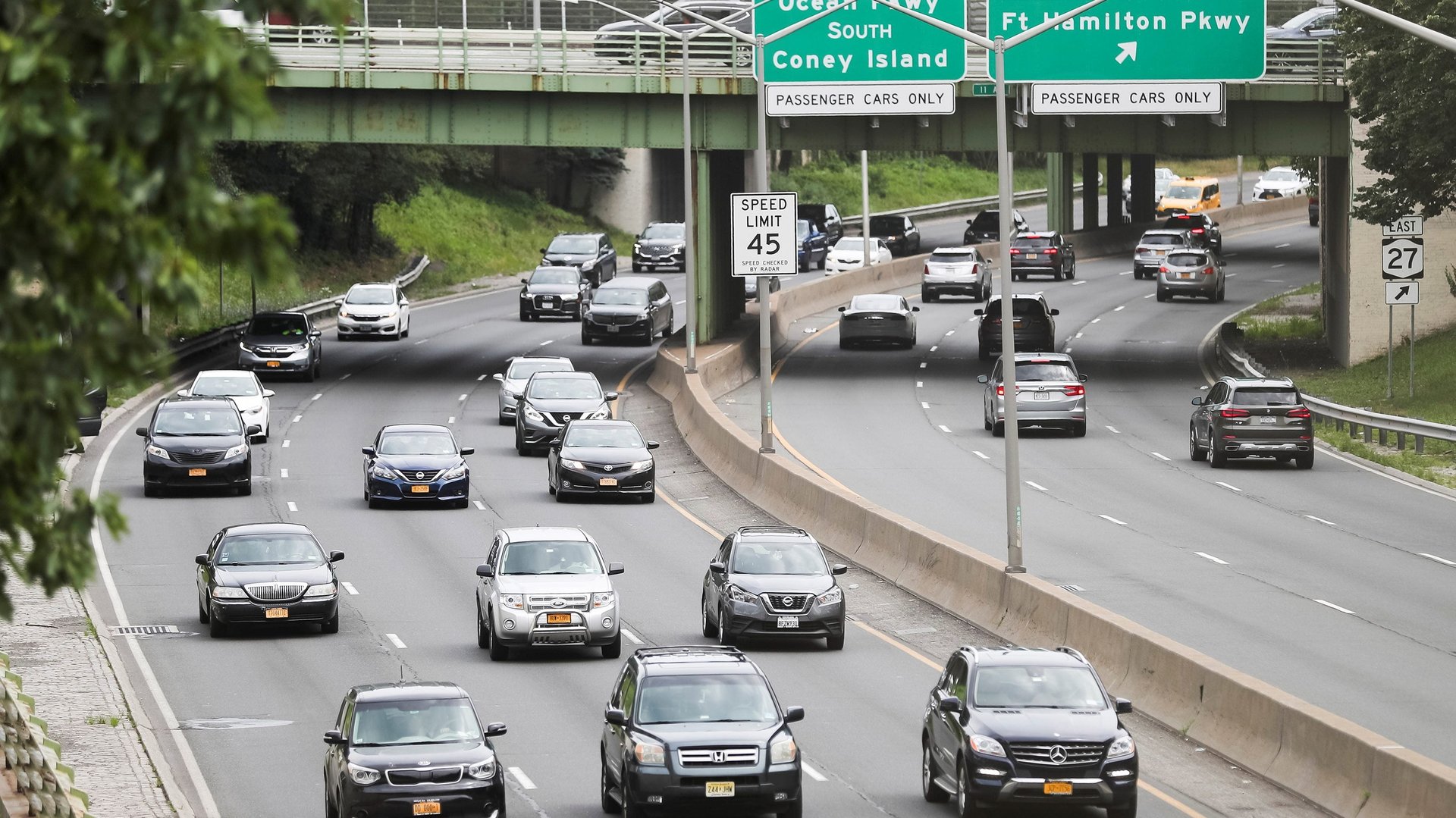
The $1 trillion infrastructure bill that the US House of Representatives is preparing to vote on dedicates the most money to one thing: roads serving cars and trucks. Highways, bridges, and streets would get the lion’s share of the country’s infrastructure spending: $110 billion in new funding over five years.
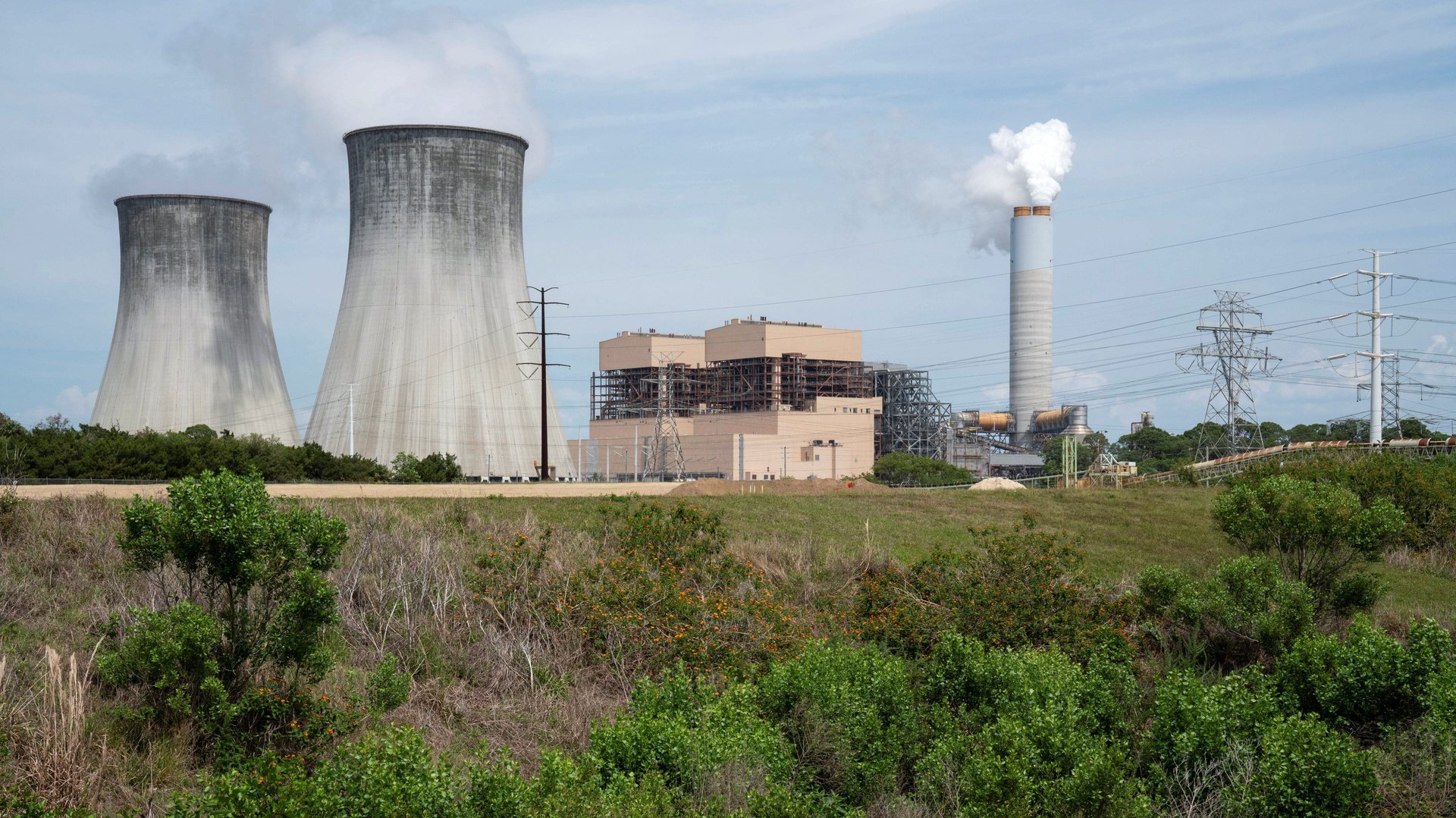
Countries around the world will need to phase out coal as a major energy source if the world is to reach its climate targets to avoid dangerous warming. Today, coal power makes up 38% of the electricity grid, and most countries outside of Europe and North America are on track to continue and expand the use of coal.

Berlin voters sent a clear message to corporate landlords: public housing matters more than corporate shareholders. A city-wide referendum to expropriate rental properties belonging to large landlords and turn them into public housing passed with 56% of the vote on Sept. 26.
From the start of the Covid-19 pandemic, US housing advocates warned that nationwide government assistance to help renters cover months of back-owed rent was the only way to stave off an eviction crisis in the long term. Now, a month after the expiration of the federal eviction moratorium, the distribution of rent relief at the state and local level has become all the more important.
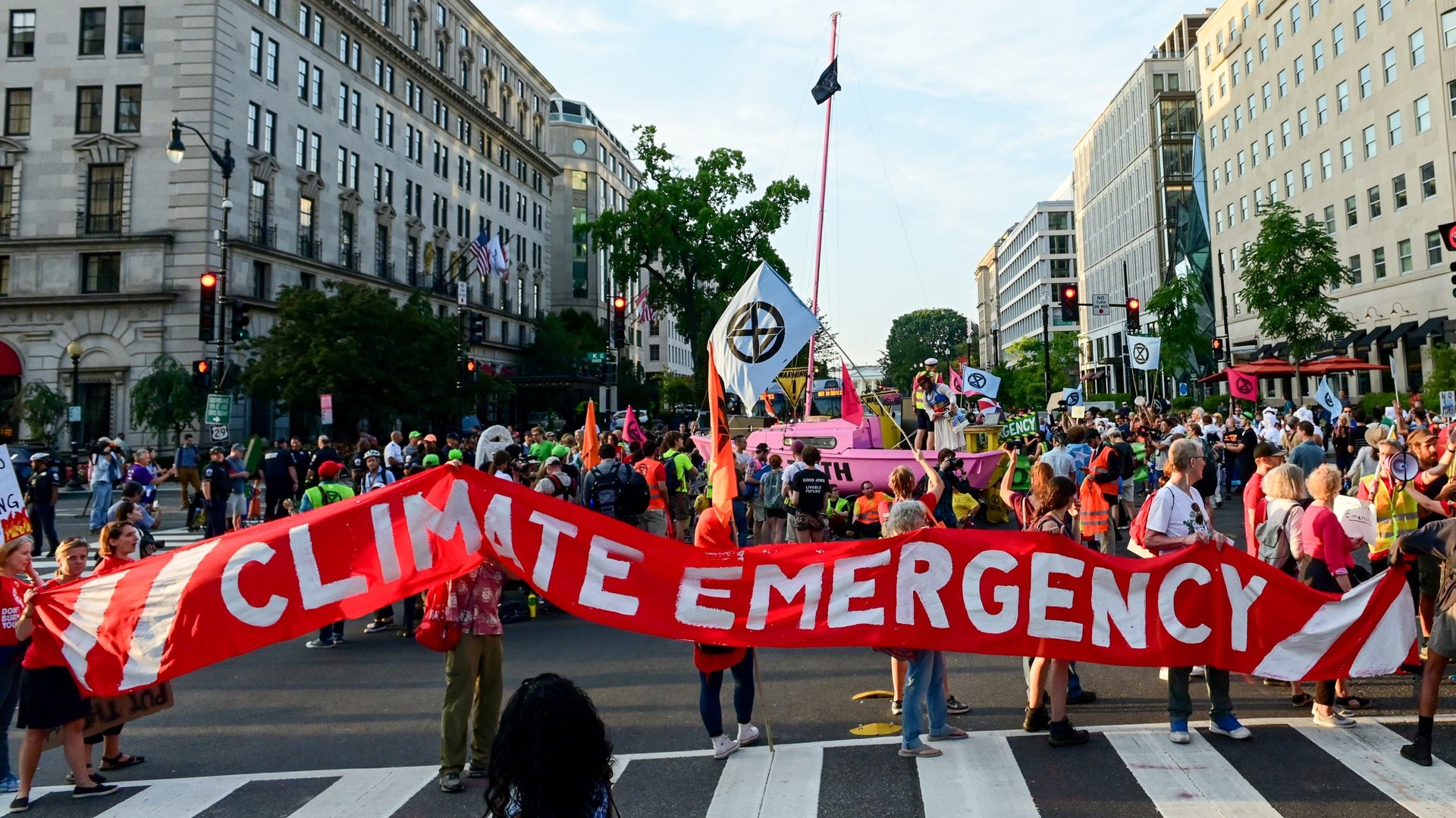
Even as US presidents have set the tone for the US’s action on climate change policy, much of the action happens in the states. What are these politicians doing to help—or hinder—climate policy?

The Biden administration is rolling out a new ambitious effort to combat the homelessness crisis in the US. Led by the department of Housing and Urban Development (HUD), the initiative “House America” is designed to help state, local, and tribal governments curb homelessness in their jurisdictions.
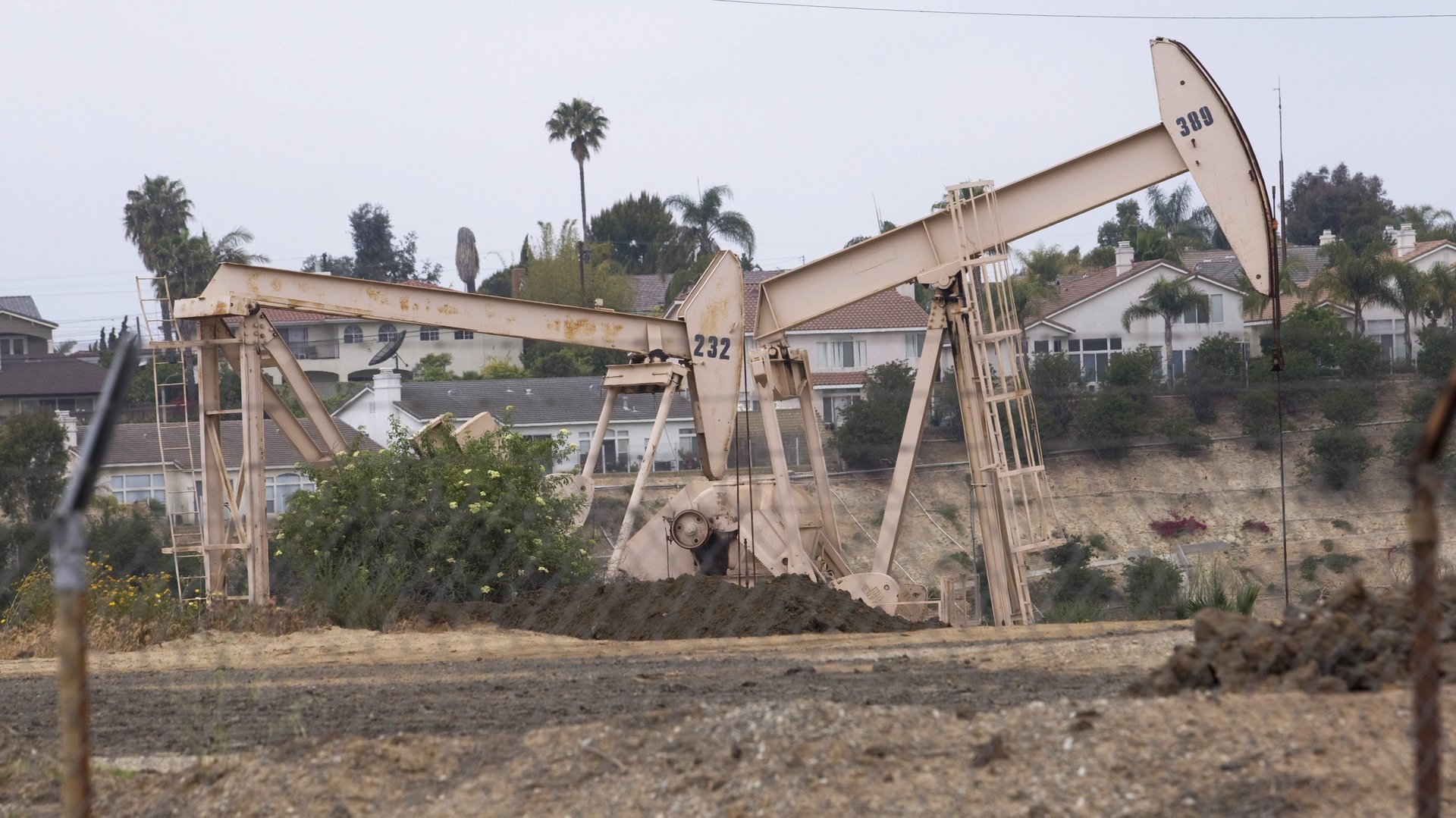
Though the Hollywood sign makes it easy to forget, Los Angeles was built on oil. After extraction began in the late 19th century, California became one of the world’s top oil producers by 1920. Production has slowed in the 21st century, but there are still roughly 5,000 active wells in Los Angeles County today, often hidden in plain sight alongside roads, schools, and homes.
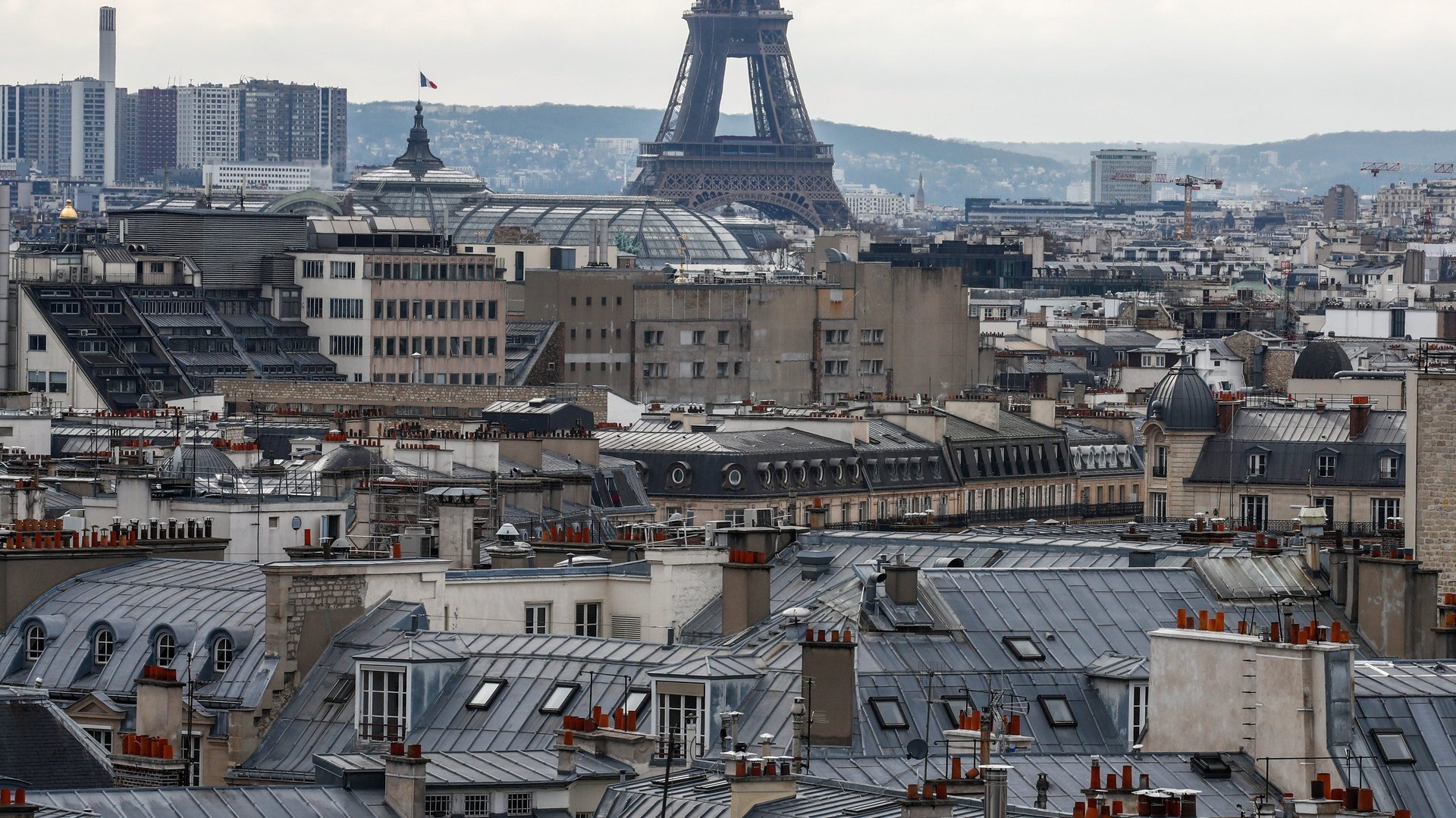
In 2000, France passed the “Loi relative à la Solidarité et au renouvellement urbains” (SRU). The legislation, or “law on urban solidarity and renewal,” required most cities to dedicate 20% of their housing stock to affordable housing, and imposed penalties if they didn’t comply. The move represented a return of control over housing policy to the centralized government, after being left to regional authorities for years.

Paris’s first female mayor has set her sights on France’s top job. On Sept. 12, Anne Hidalgo announced her intention to run for president and is now the favored candidate for the Socialist Party.

2021 has already been another record year in extreme weather events. Floods, hurricanes, wildfires, and other disasters have continued to hit communities around the world with increasing intensity and frequency due to a warming climate. In the US, nearly one in three people has experienced an extreme weather event just between June and August.
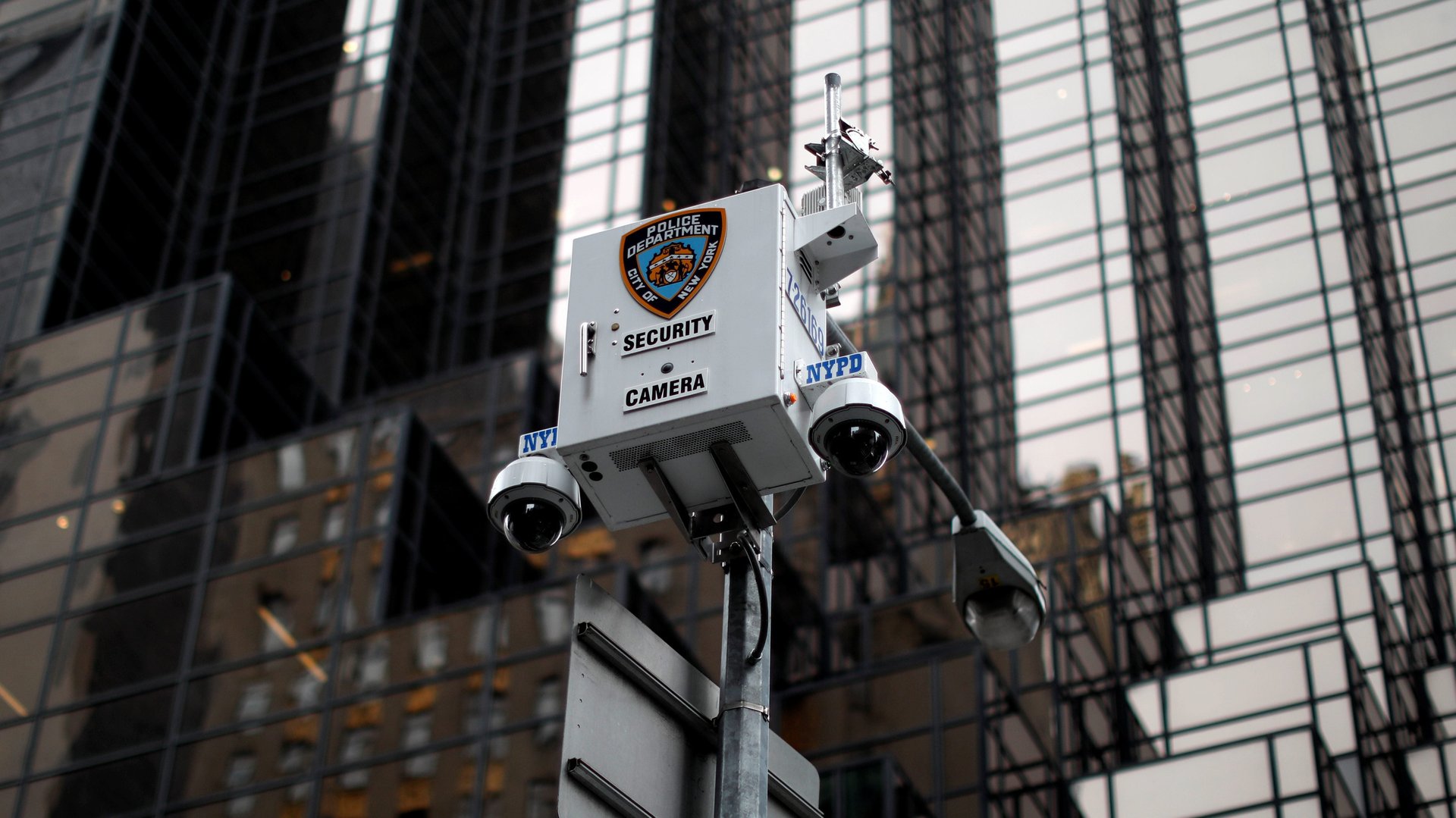
A clear line can be drawn from the attack on the World Trade Center on Sept. 11 to the array of smart city technologies cities use today. The connection? A massive surveillance network that emerged in New York in the aftermath of 9/11.
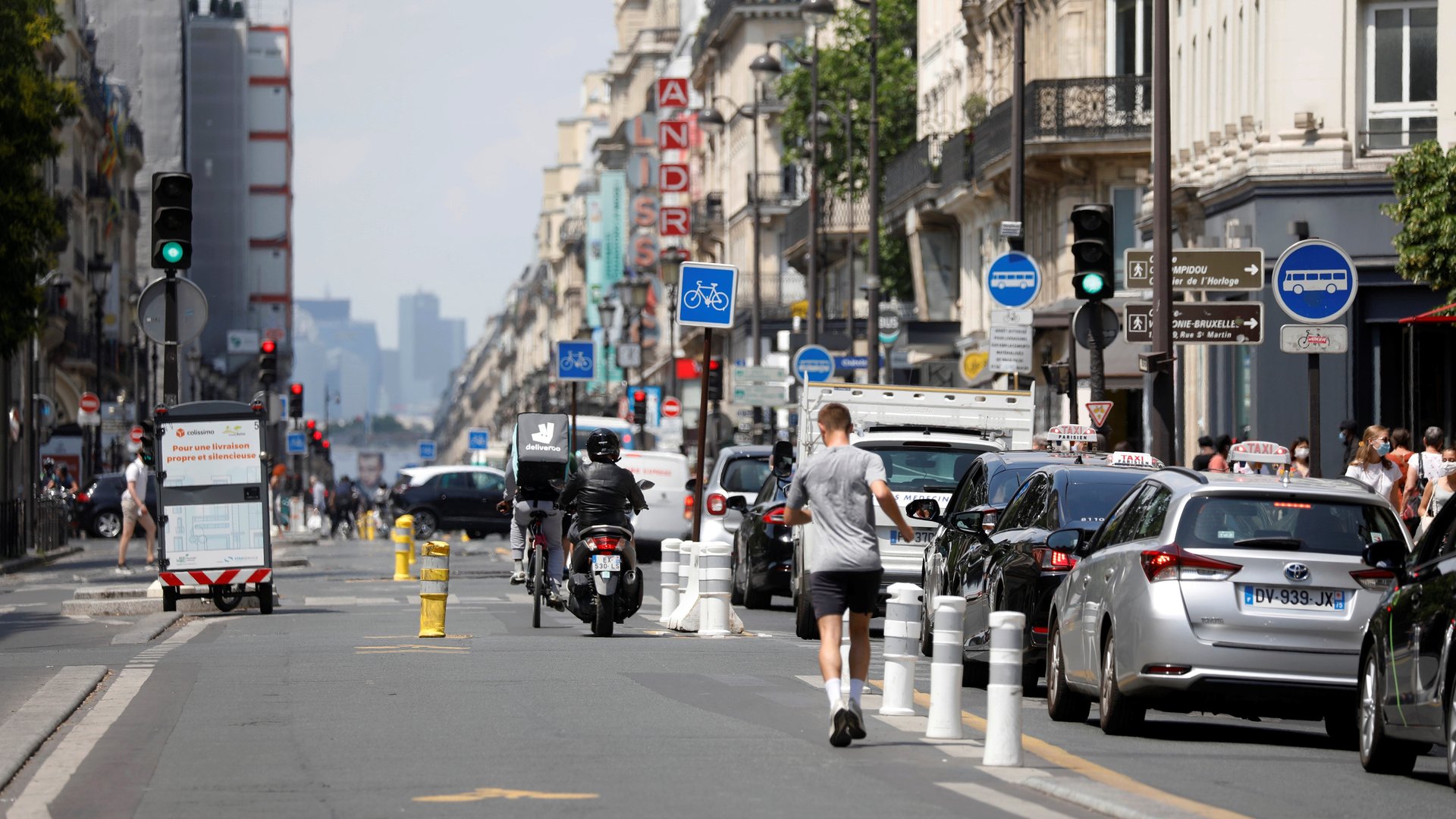
European cities are telling cars to slow their roll. A continent-wide effort to reduce pedestrian deaths and greenhouse gas emissions means major European cities have begun reducing their speed limits on nearly all city streets to as low as 30 kilometers per hour (kph), or just under 20 mph, down from the typical urban speed limit of 50 kph (31 mph).

The storms, floods, heat, and fires that have ravaged the US in 2021 have made the ongoing climate crisis feel especially acute for citizens across the country. And the latest Intergovernmental Panel on Climate Change report indicates the escalating risks the world faces as the climate warms. In such a grim future scenario, where will be as safe and habitable as today?
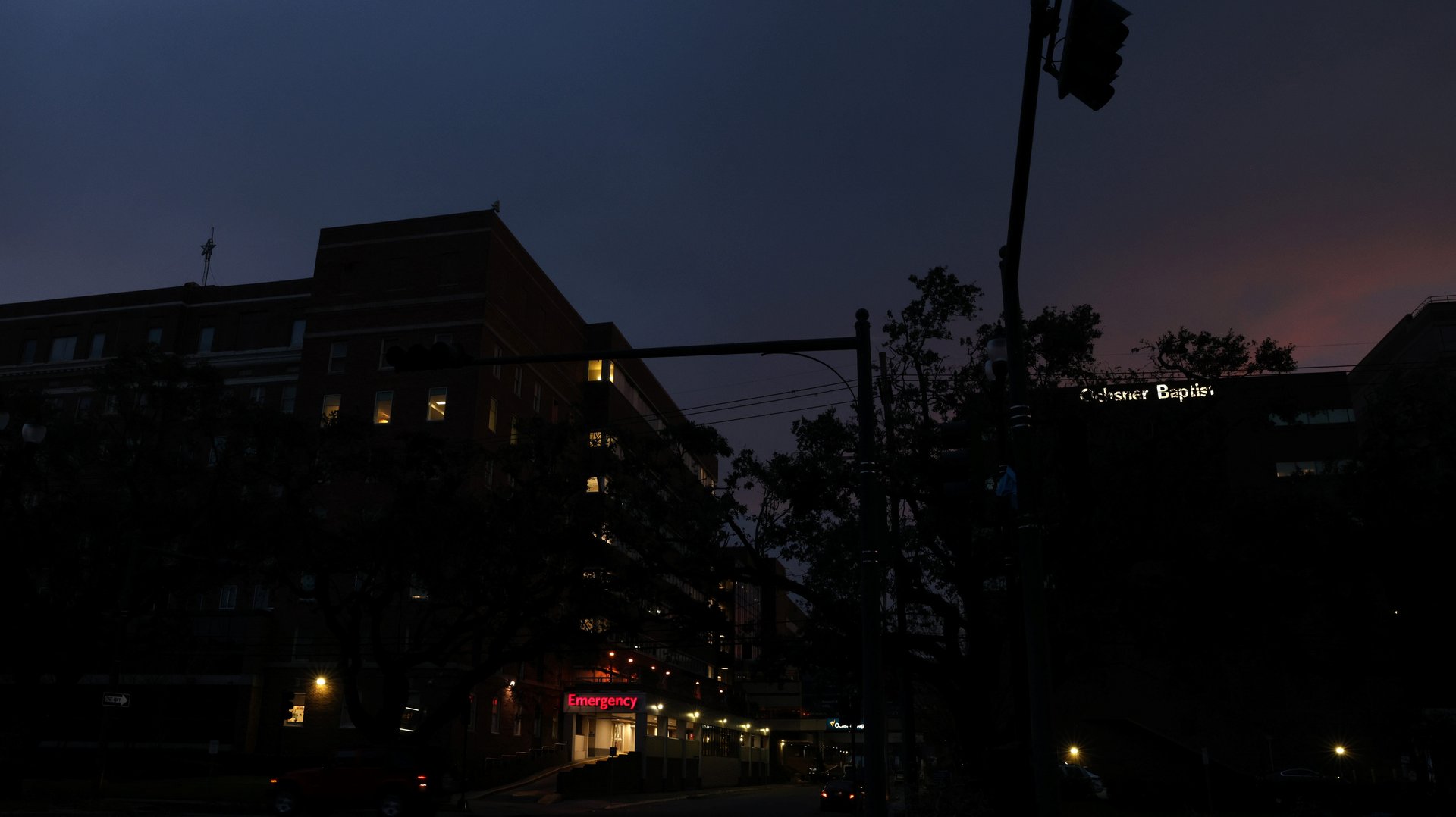
On the morning of Aug. 30, residents of southeastern Louisiana awoke to assess the damage wrought by Hurricane Ida that roared ashore the previous night. Streets were flooded, utility poles leaned precipitously, and entire buildings sat in piles of rubble, felled by 150 mile per hour winds.

New York City and the surrounding region saw torrential downpours and massive flooding from the remnants of Hurricane Ida on the night of Sept. 1, prompting the National Weather Service (NWS) to issue its first-ever flood flash emergency for the region.
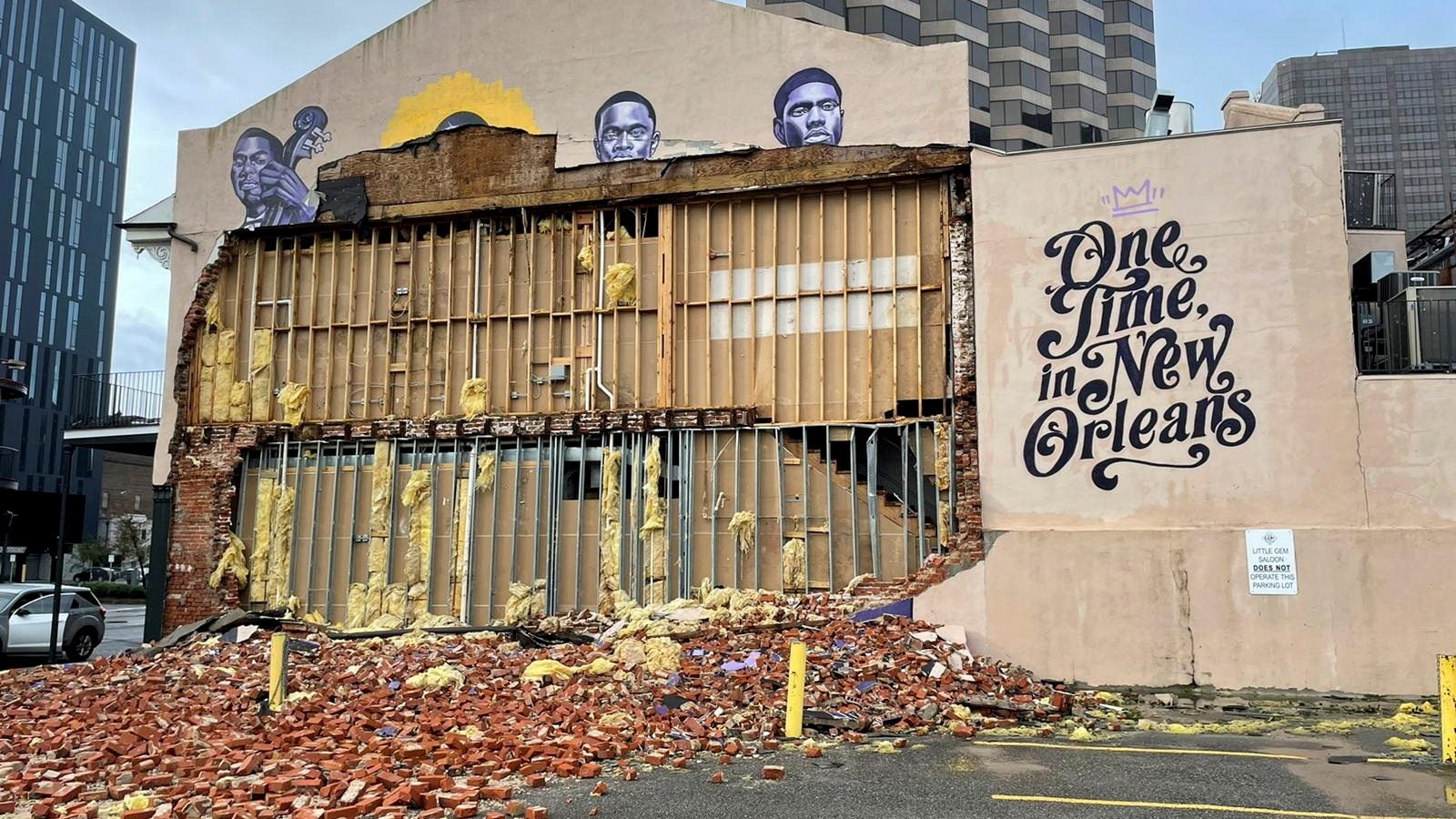
Hurricane Ida made landfall in Louisiana last night, leaving a path of destruction in its wake. Winds up to 150 mph (230 kph) and torrential rain that led to flash flooding destroyed numerous homes and buildings. The storm completely knocked out the electrical grid in New Orleans and the surrounding area, leaving more than 1 million people without power. Flooding left people trapped in their homes and even led some to climb into attics to escape the rising water. Search and rescue teams set out in boats and helicopters to rescue people trapped in their homes by flooding. So far, one death has been associated with the storm, but Louisiana governor John Bel Edwards said that he expected the death toll to rise “considerably” today (Aug. 30).
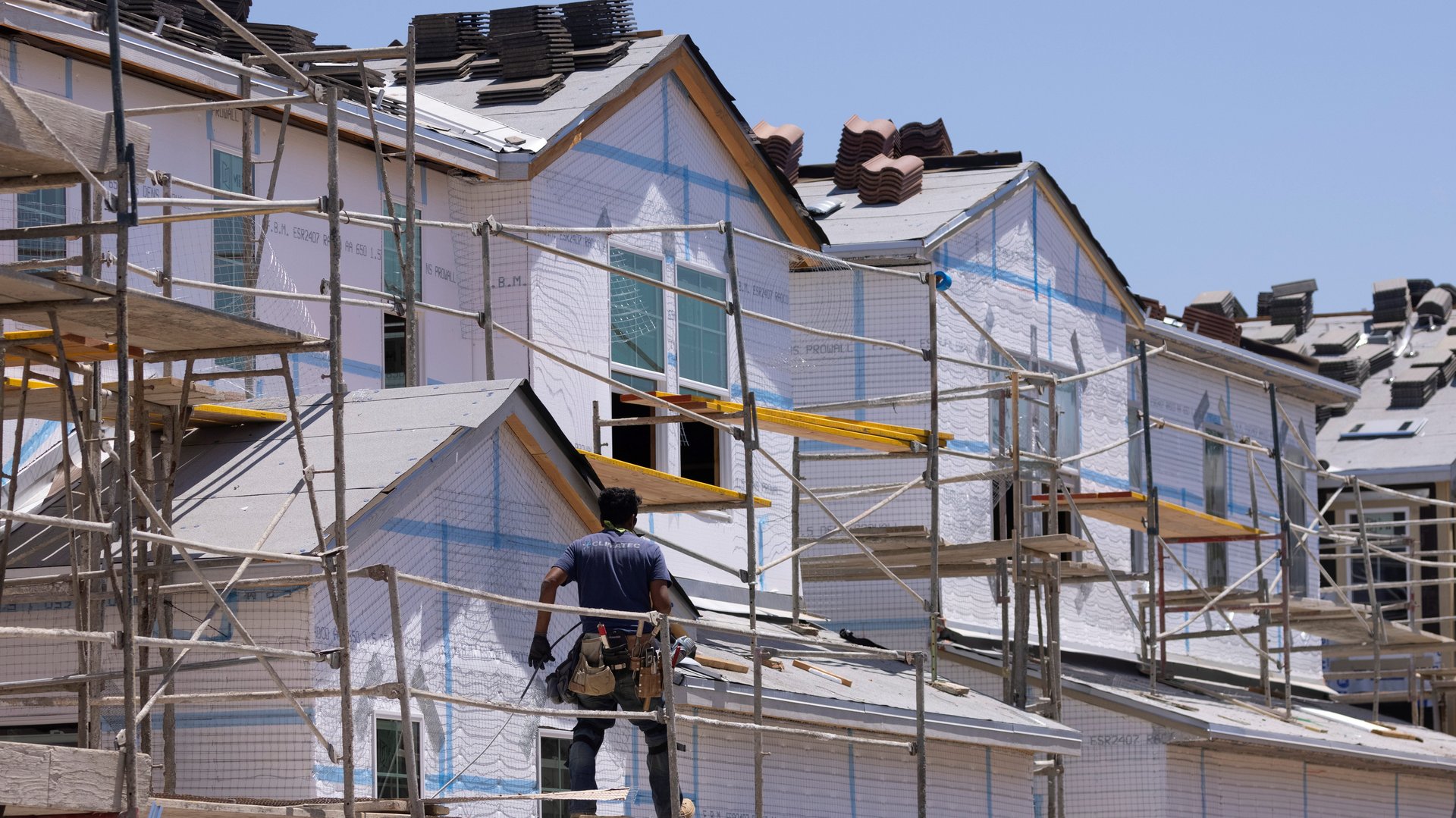
California legislators just took a huge step to address the state’s housing crisis by allowing homeowners to double up. The state assembly passed a bill today (Aug. 26) that allows for two-unit buildings to be built on lots previously zoned for single-family homes.
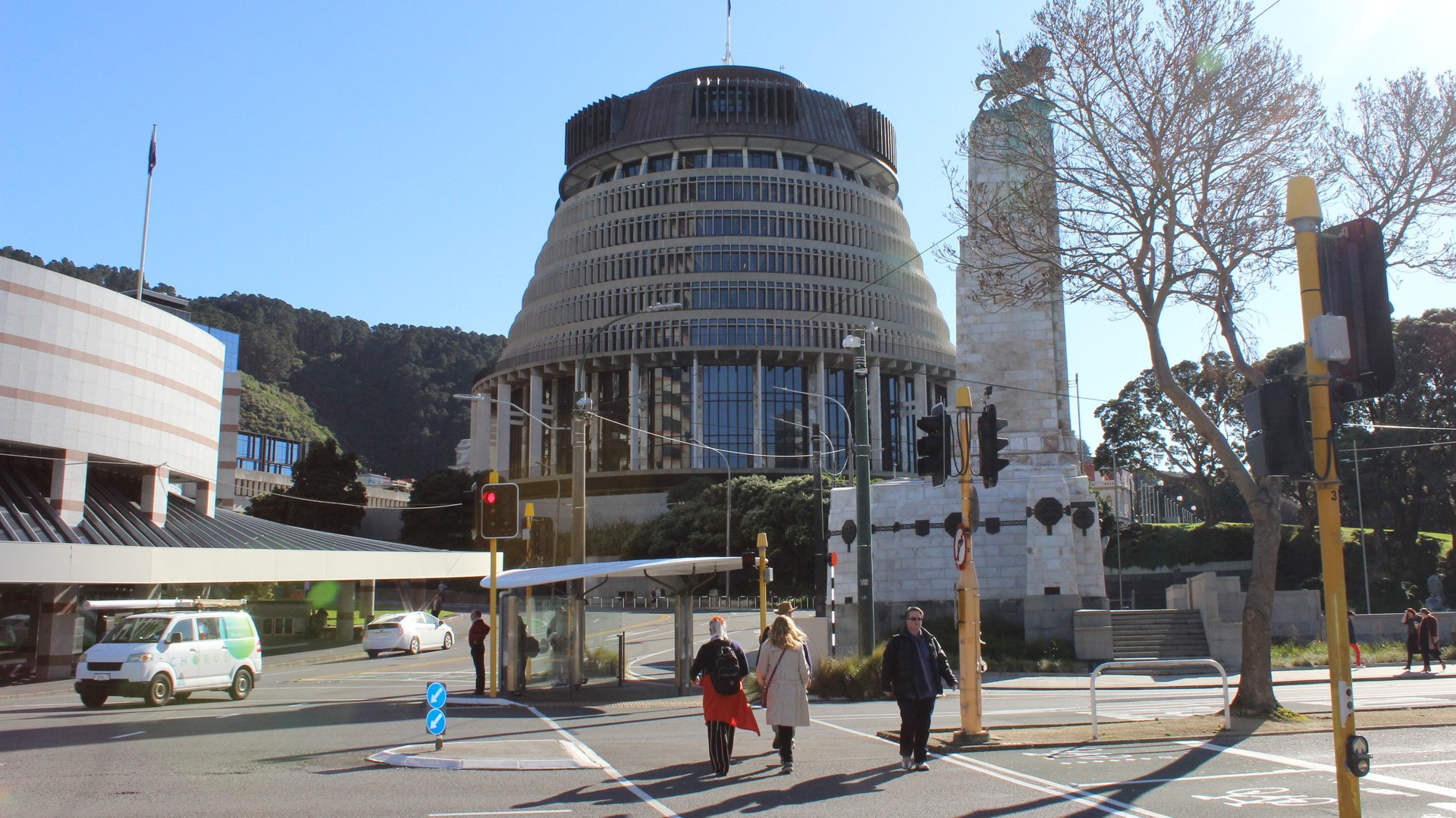
Numerous cities around the world have developed plans to face the ongoing problem of climate change, but not all are created equal. When it comes to climate security, Wellington, the capital of New Zealand, has the best plan of action.
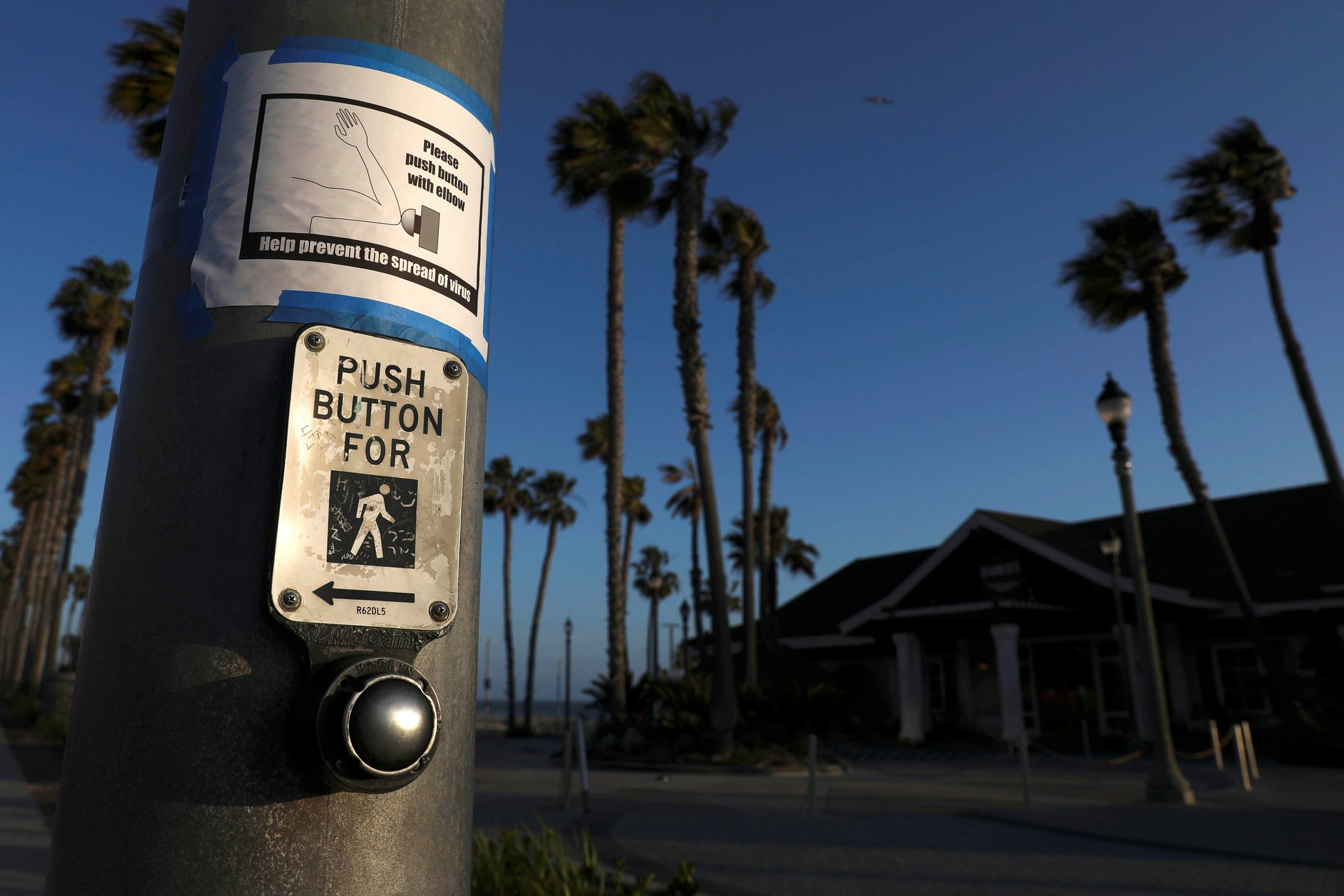
When the coronavirus arrived in 2020, US city leaders promoting social distancing and outdoor recreation upended the historical hierarchy on America’s streets: pedestrians were prioritized over cars. From automated crosswalks to slow-streets banning vehicles, urban residents suddenly saw their streets turned into safer, public spaces overnight.
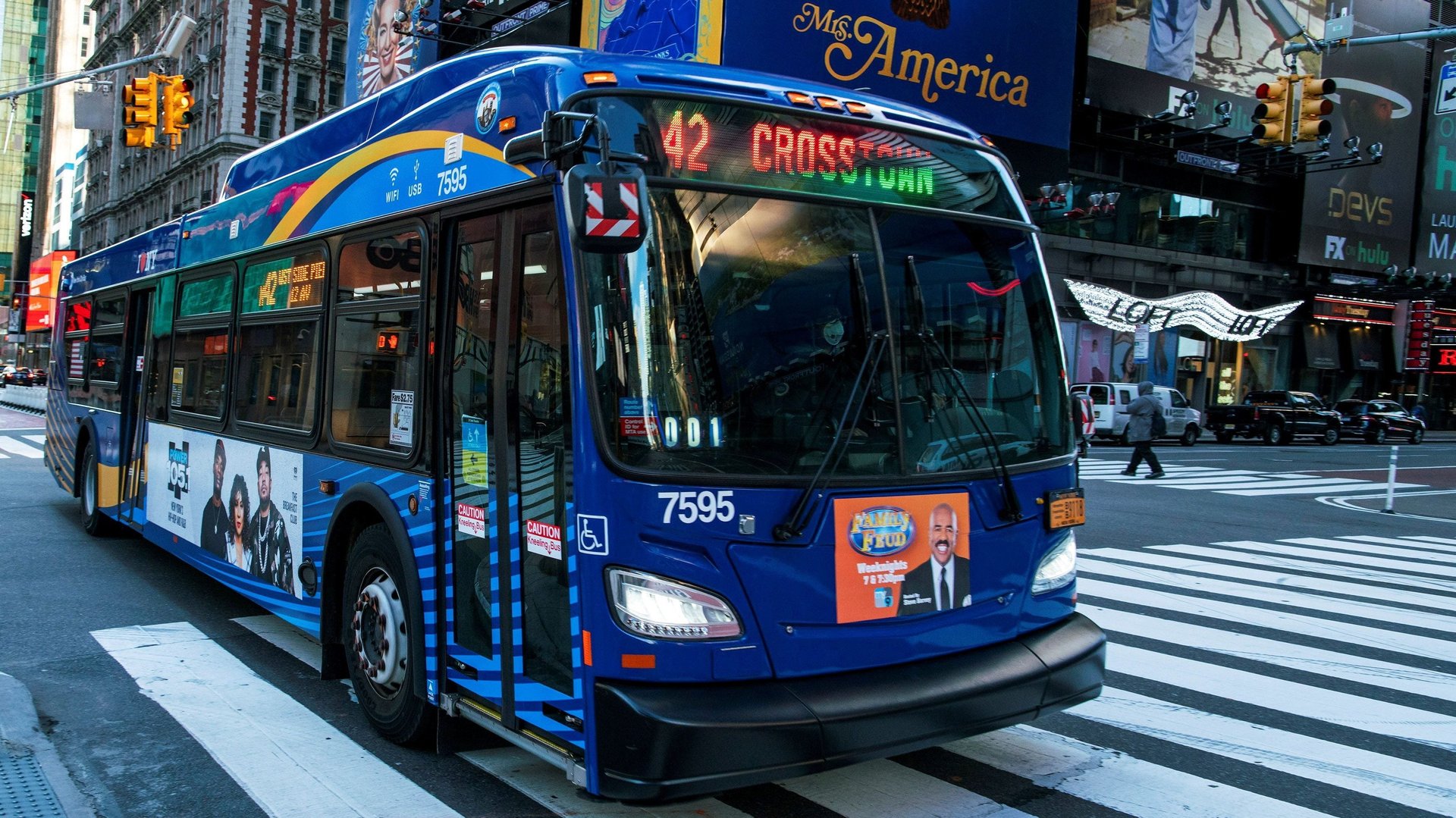
When the QLine streetcar first arrived in Detroit in 2017, it was seen as a new future of mass transit in a city where cars are king. The line was the first piece of a larger rail system, one that never materialized. The QLine’s operating company, M-1 Rail, announced that service would be restored in late September, after shutting down operations last March during the Covid-19 pandemic, but this time it would be free to ride for the rest of the year.

Following the Taliban’s capture of Kabul on Aug. 15, the two-decade American era in Afghanistan appears to be finally over, and it is worth reflecting on what led up to this point. Below is an overview of some of key periods in the conflict.