
Money & Markets
A cheat sheet to investing in cryptocurrencies, customized just for youUpdated July 20, 2022

Amazon is buying Whole Foods for $13.7 billion. More than just a store with organic shampoos and obscure fruits, Whole Foods is a distribution network through which Amazon can now reach millions of customers—particularly the high-income, selective shoppers who are likely to live near the stores.
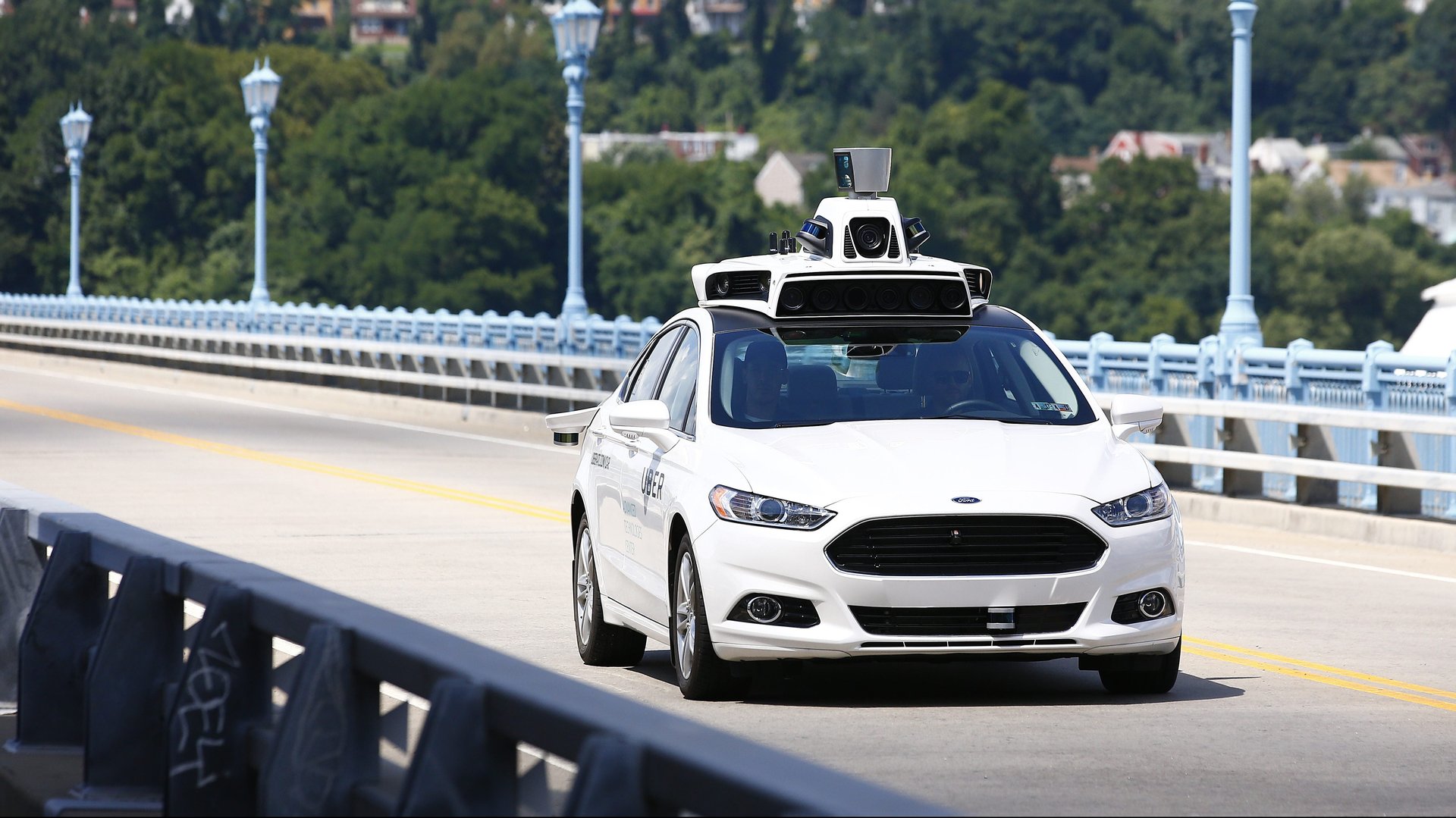
Uber’s work on driverless cars could be crippled by a single lawsuit. The suit, brought by Waymo, the self-driving car unit spun off by Google parent Alphabet, alleges that former Waymo employee Anthony Levandowski stole 14,000 confidential documents before leaving Waymo and later joining Uber. Waymo is asking the court to indefinitely halt Uber’s work on driverless cars, a technology Uber CEO Travis Kalanick has declared “basically existential” to the company’s survival. Uber’s odds in court don’t look great. “I’ve never seen a record this strong in 42 years,” federal judge William Alsup said earlier this month, after reviewing the evidence against Uber amassed by Waymo.
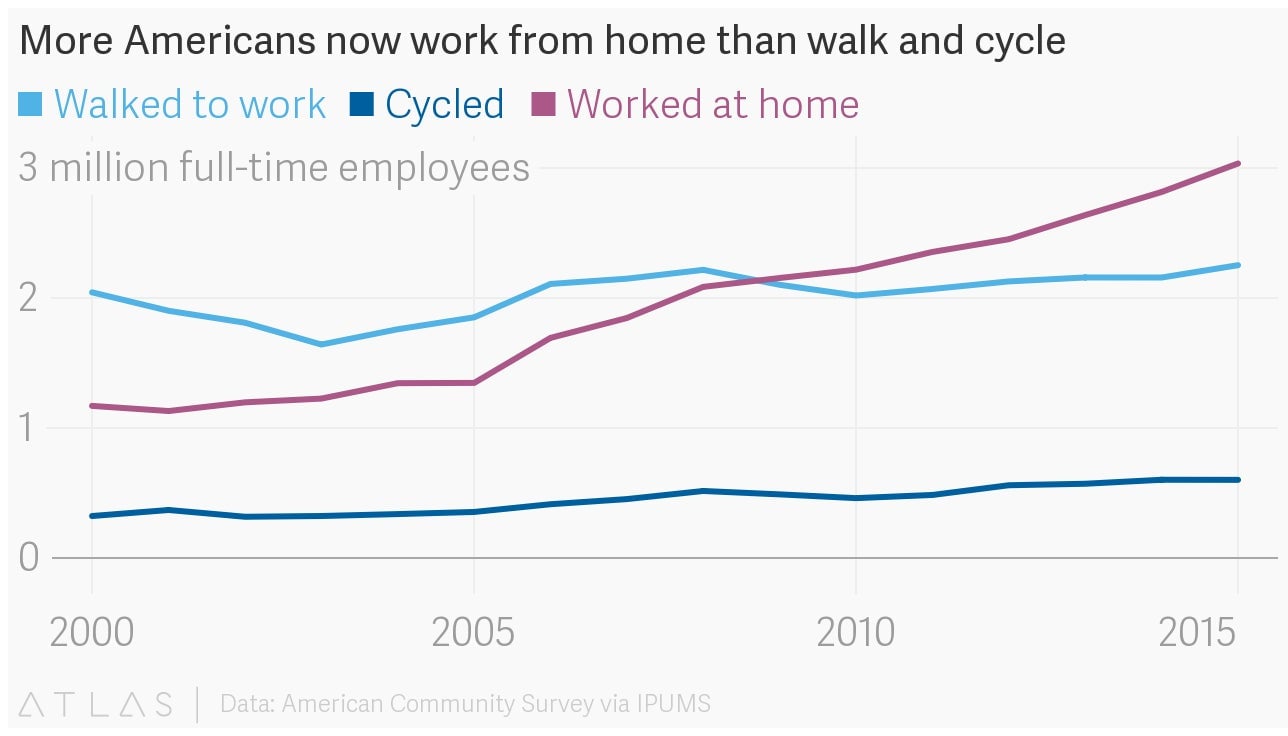
In the United States, the past decade has been marked by booming cities, soaring rents, and a crush of young workers flocking to job-rich downtowns. Although these are heady days for pavement-pounding urbanists, a record 2.6% of American employees now go to their jobs without ever leaving their houses. That’s more than walk and bike to work combined.
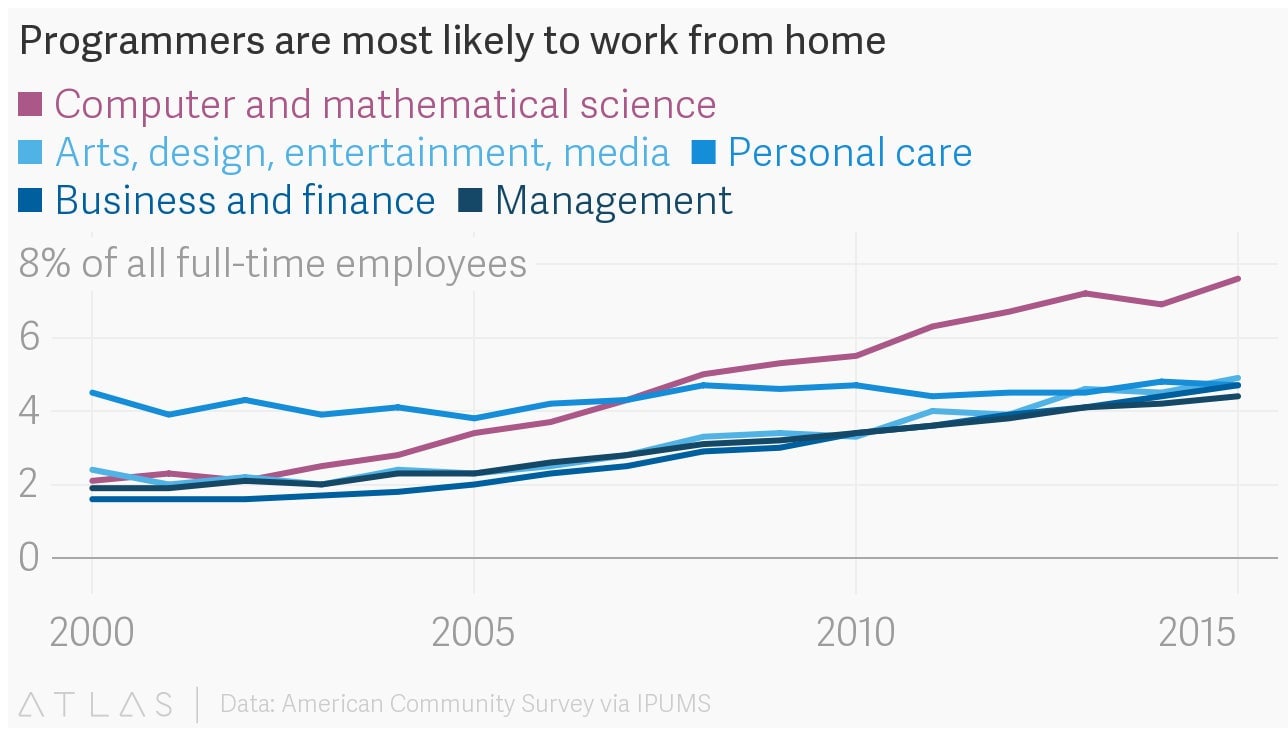
Slack, Skype, Google Hangouts, Basecamp, BlueJeans. Over the past decade, designers and engineers have invented dozens of new tools to keep us connected to the office without actually going there. Unsurprisingly, those same engineers have been among the first to start using them in large numbers. More programmers are working from home than ever and, among the most experienced, some are even beginning to demand it.
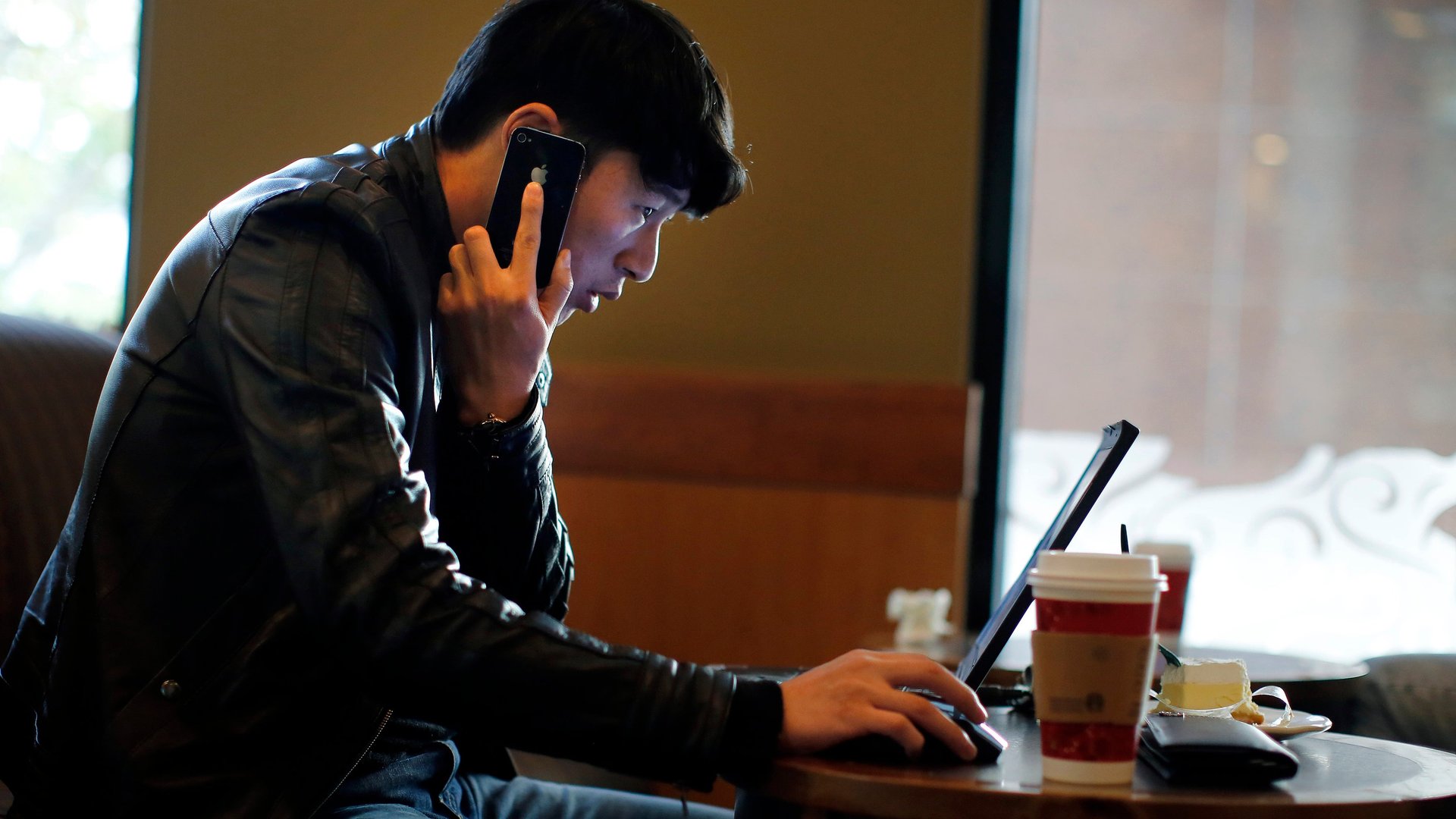
The internet is a messy, tangled place. Your data bounces unpredictably from country to country, inviting someone to snoop on it. If you’re an American, you don’t even need to wait for a hacker to single you out, however. Thanks to the US Congress recently overturning an Obama-era privacy rule, your browsing history can once again be sold to the highest bidder.

As the Rust Belt stagnated, coastal metropolises thrived. As Appalachia sputtered, shale country boomed. As Southern manufacturing centers shut their doors, neighboring research hubs opened theirs.
There’s one group that clearly comes out way ahead under the Donald Trump-backed health-care overhaul that could leave 24 million people without coverage—young millennials earning much more than the national average.

Illegal fishing damages economies and endangers ocean ecosystems. Despite decades of effort, as much as 20% of all fish caught is hauled from the water illegally. That’s in part because it’s almost impossible to prevent illegally caught fish from getting mixed in with legal catch. Even when port security is operating perfectly, it’s always possible for fishing boat to transfer its illicit cargo to a refrigerated vessel, or “reefer,” while at sea. Through such transshipments, illegal fish gets to your dinner table.
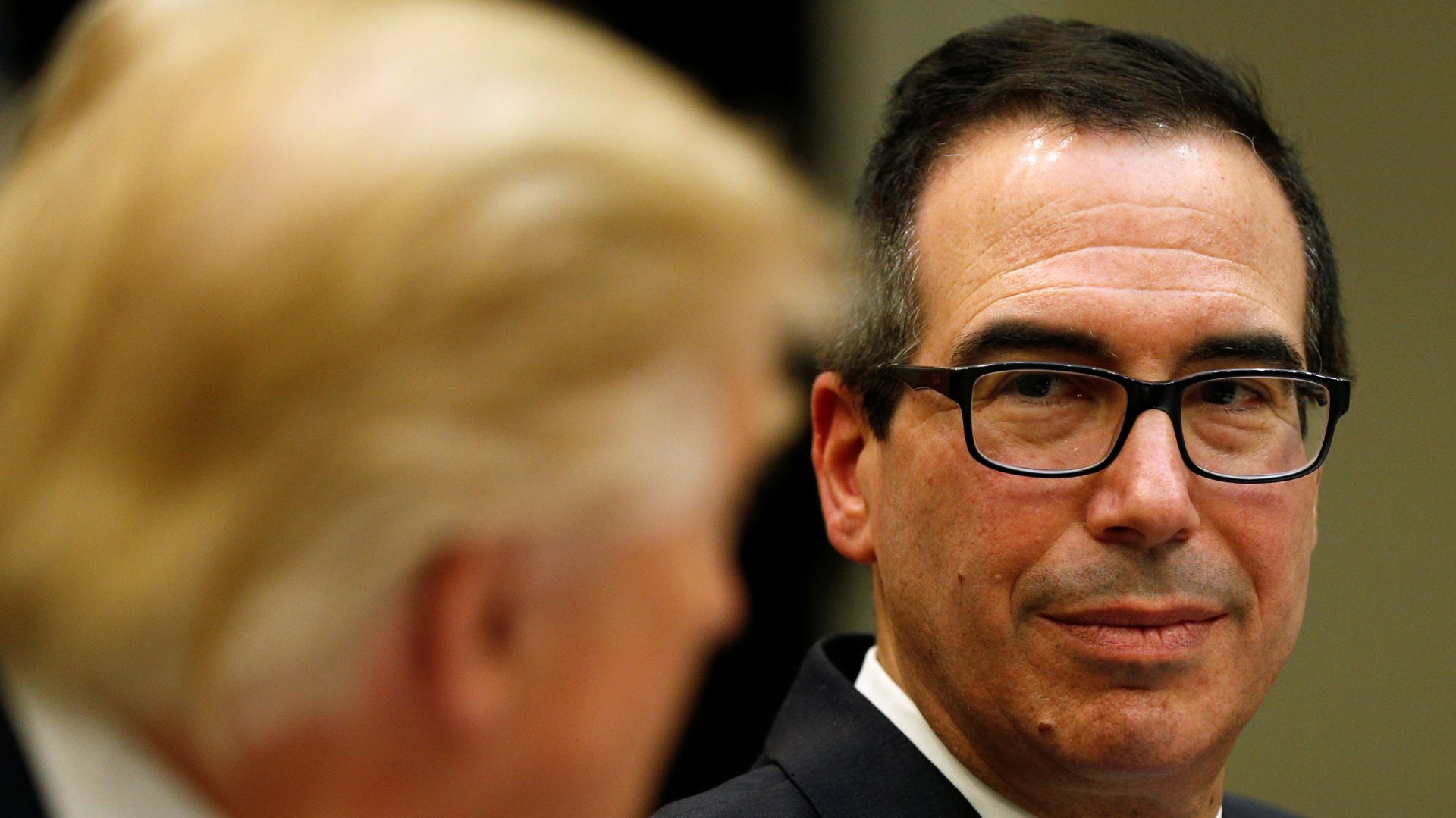
US entitlement programs, specifically Social Security and Medicare, have been political hot buttons for years and president Donald Trump has pledged to keep them. Many projections suggest that as baby boomers retire, such programs will become so costly—mainly to millennials who will have to support them—that they will need to be curtailed.
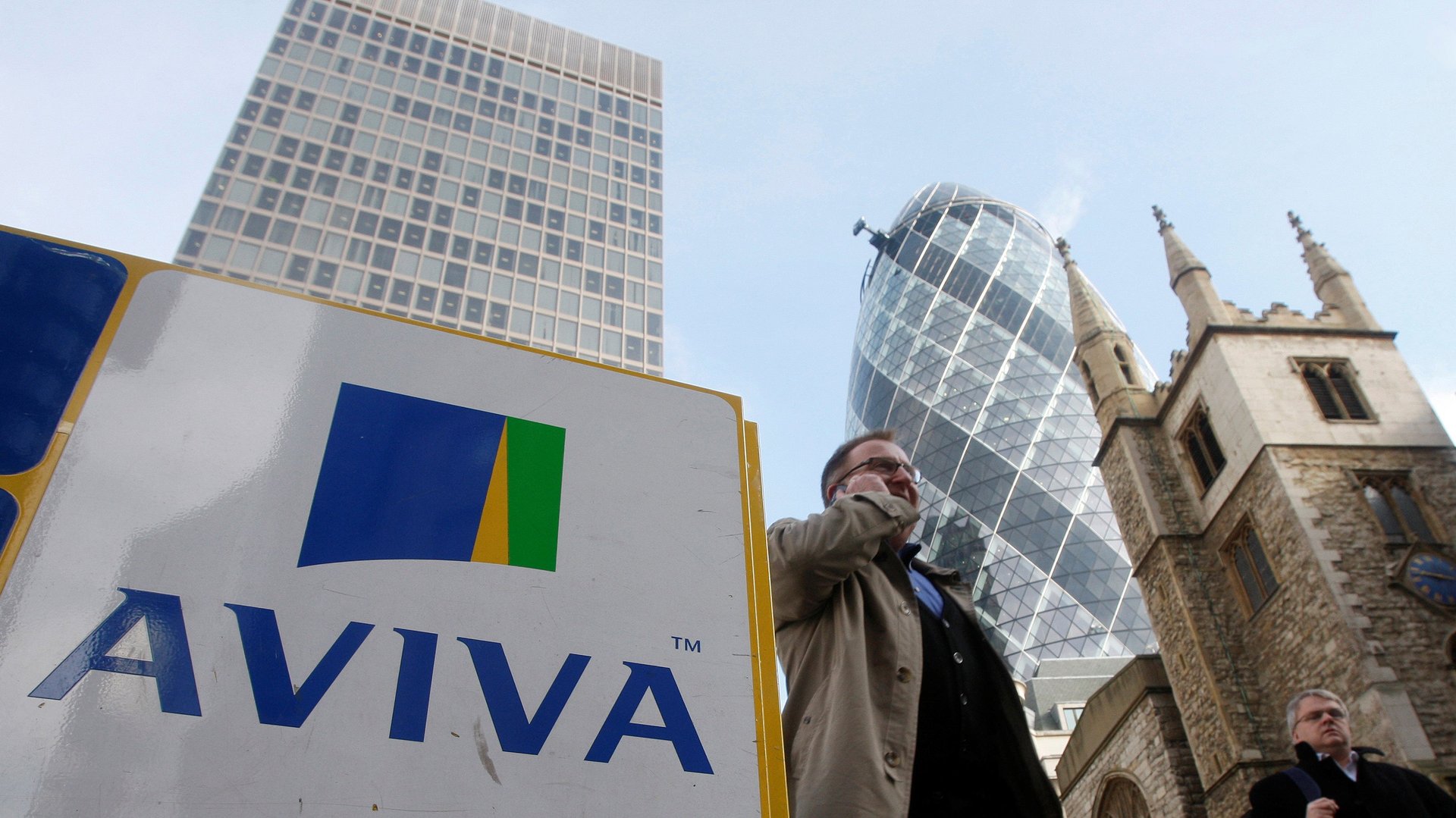
Could your job be done better by a robot? That’s the question posed to 16,000 employees by British insurance company Aviva. If you think anyone would be crazy to tell their employer ”yes, I’m obsolete,” consider this: According to the Sunday Times (paywall), Aviva is offering to train employees for alternative jobs in the company for those who admit their job could be automated.
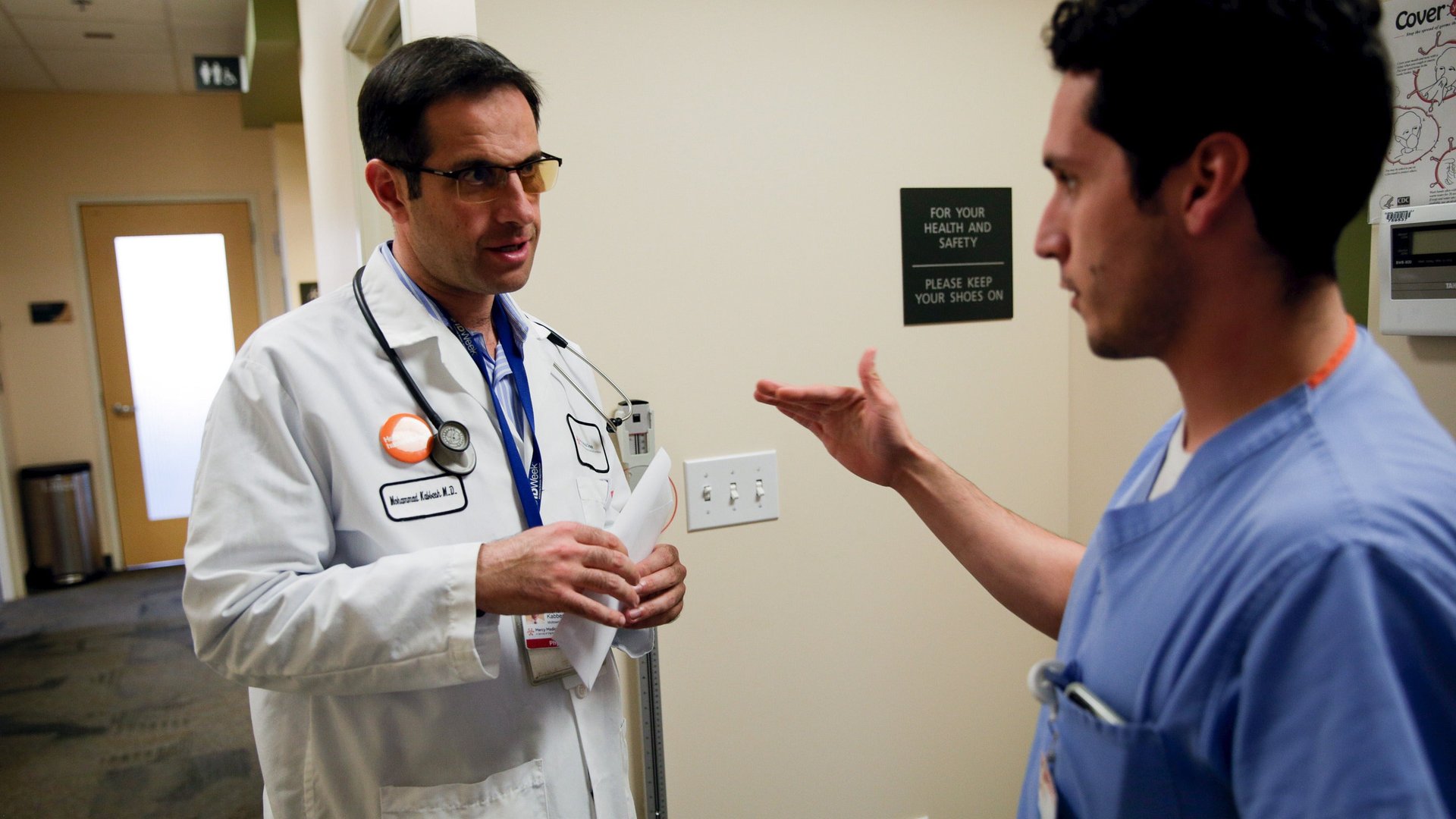
US president Donald Trump’s executive order temporarily banning entry to the US from seven majority-Muslim countries has unsettled industries that rely on immigrants for skilled labor. The loudest opposition has come from Silicon Valley, which employs thousands of foreign workers, though other industries are likely to be even harder hit. The problem may be most acute in healthcare.
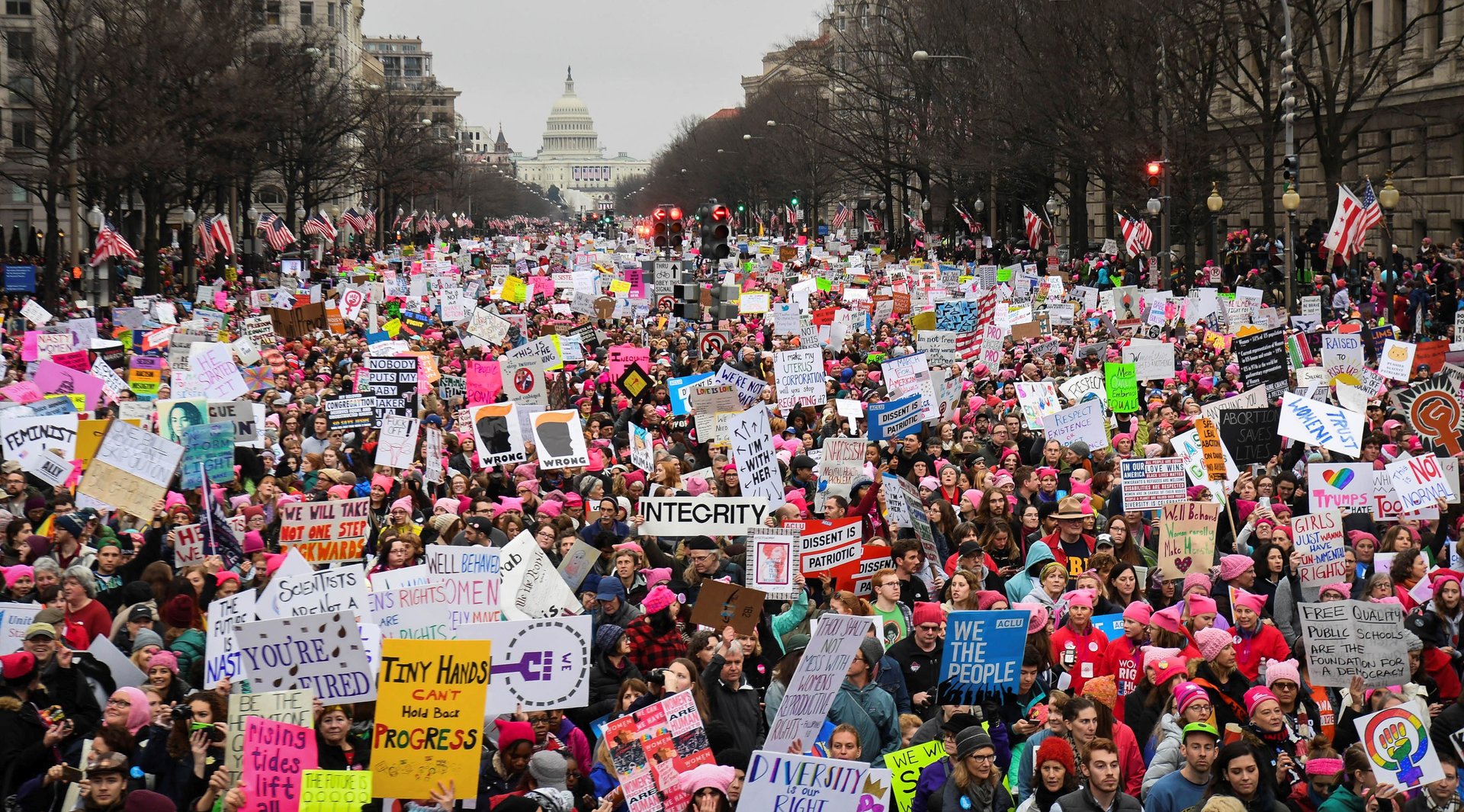
On Jan. 21, an estimated 3.2 million Americans took to the streets for Women’s March protests. Given the sheer scale of the protests, it would be reasonable to assume they led headlines across the US. In reality, a significant number of American newspapers chose not to feature the story on their Sunday front pages—a striking illustration of how ”alternative facts” reach far beyond White House press briefings.
On Saturday (Jan. 21), Women’s March protests flooded public spaces in hundreds of cities across the US. The size of the demonstrations, which appear to have been uniformly peaceful, was a surprise even to organizers. In Washington, DC, estimates range from 500,000 to 1 million people attended—so many that the march itself became impractical and was converted to a rally.
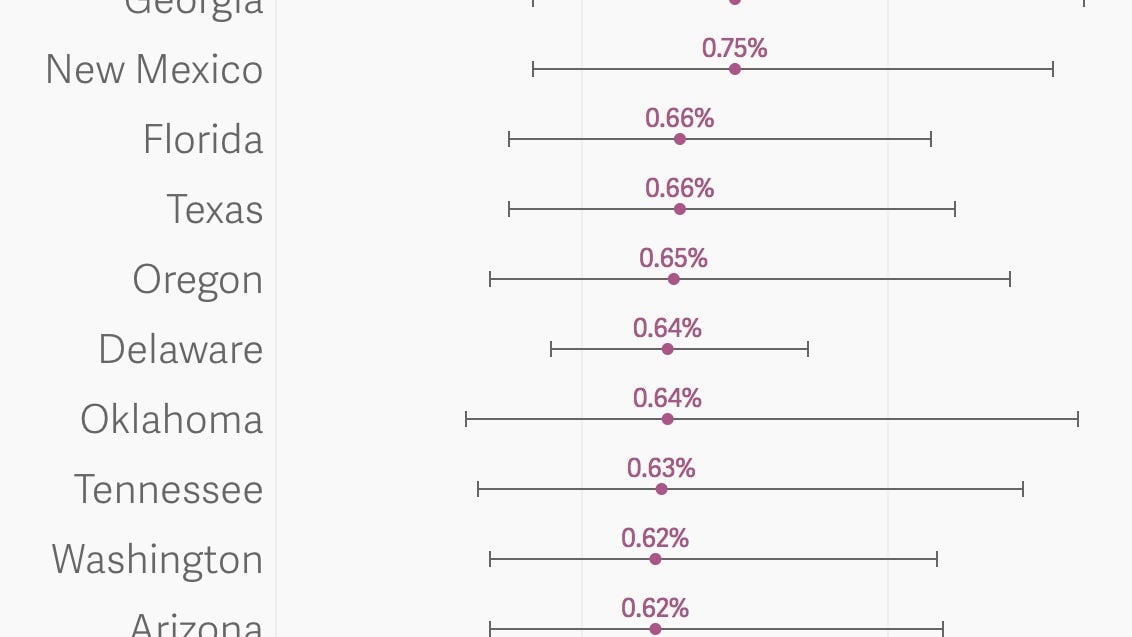
On Jan. 5, Texas lieutenant governor Dan Patrick unveiled a bill that would require Texas residents to use the bathroom assigned to their gender at birth. The bill, officially known as Senate bill 6 (pdf), is nearly identical to another ”bathroom bill” passed last year in North Carolina.
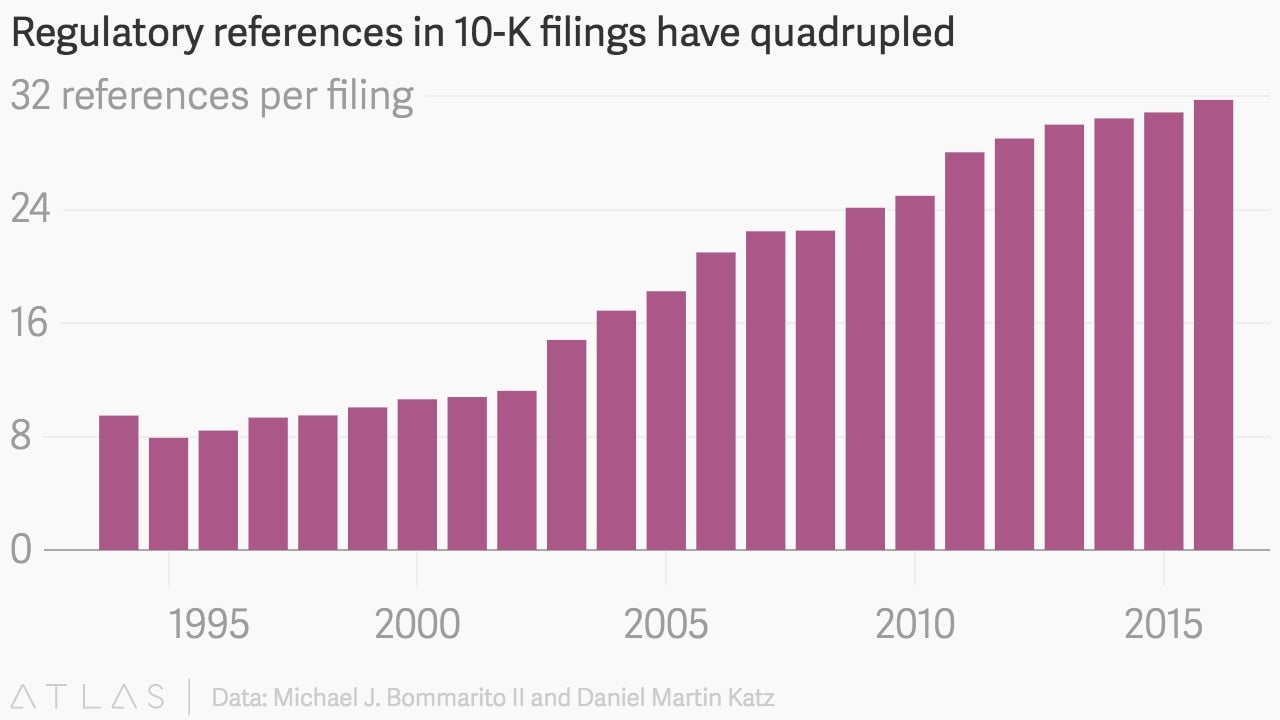
There are few more rancorous political debates in business than the role of government regulation. Big regulatory shifts are often sparked by disasters: A mine caves in for lack of basic safety precautions, or, most recently, the over-leveraged finance industry takes down the global economy. Rarely does anyone measure the impact of new regulations on the companies they affect.
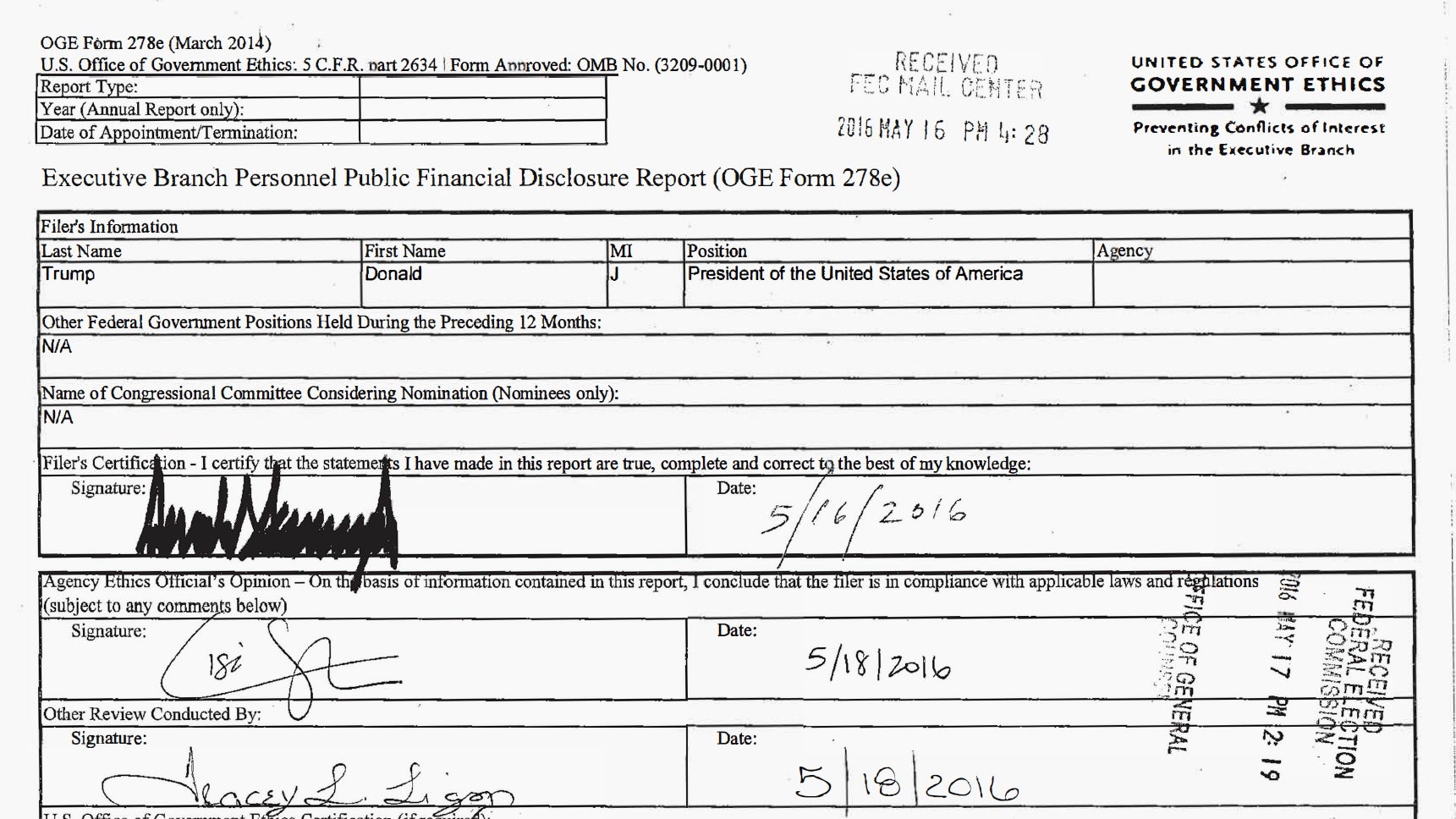
After spending his first weeks as US president-elect getting pounded with criticism about his potential conflict of interests, Donald Trump announced that Dec. 15 will bring a big reveal: Legal agreements freeing him from his companies—and ostensibly all the attendant ethics problems—are finally going to be made public.
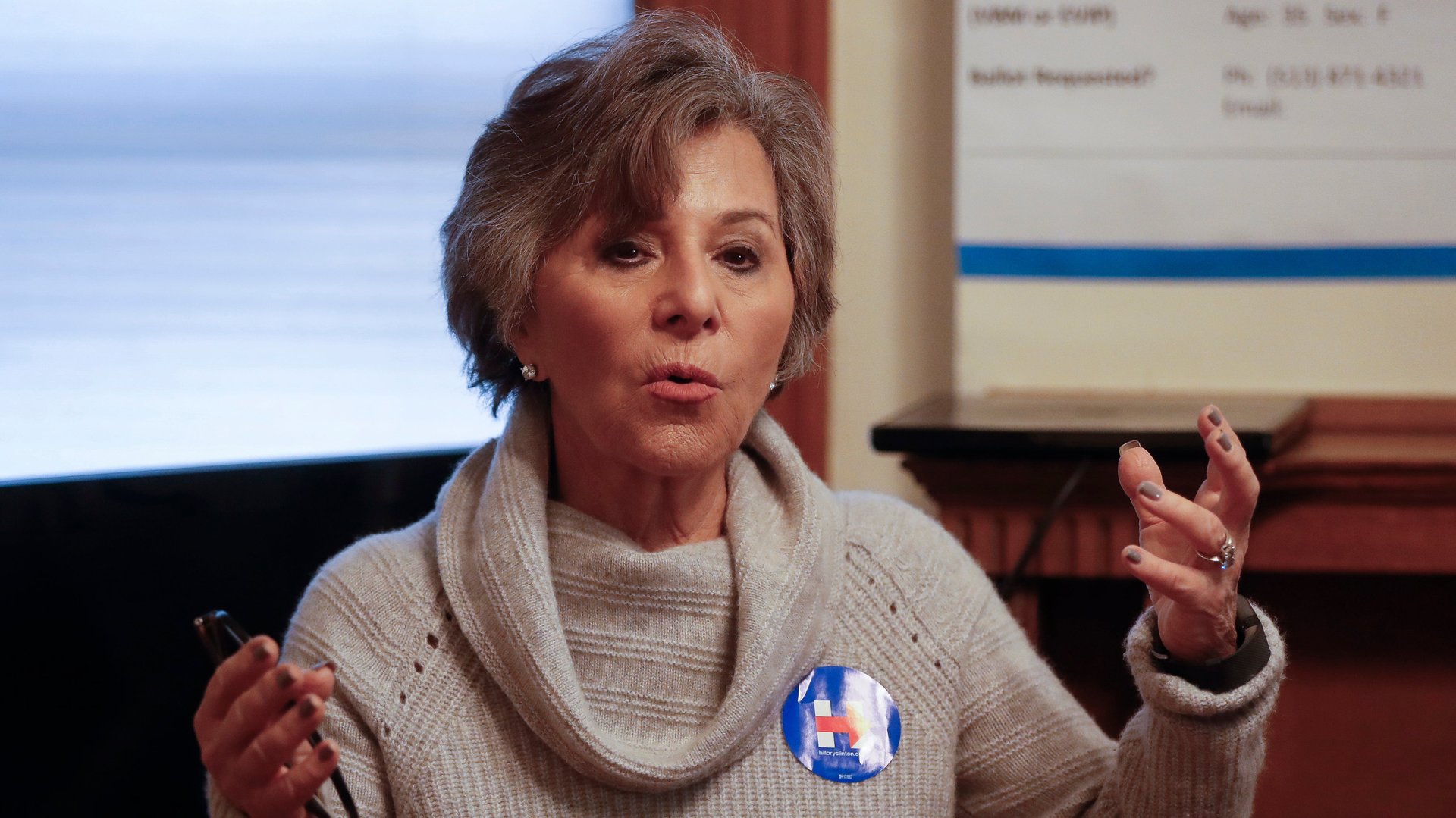
A week after America voted Donald Trump into the White House, California senator Barbara Boxer introduced a bill to abolish the Electoral College, the system by which states allocate votes to presidential candidates. The College, long an unpopular feature of American politics, was decisive in the election of Trump, who lost the popular vote to Hillary Clinton.
In the quaint old days when you had to turn a dial to change channels, Americans depended on the nightly news to make sense of the political landscape. But if that was your primary source of information this election cycle, you got shortchanged on information about the issues.
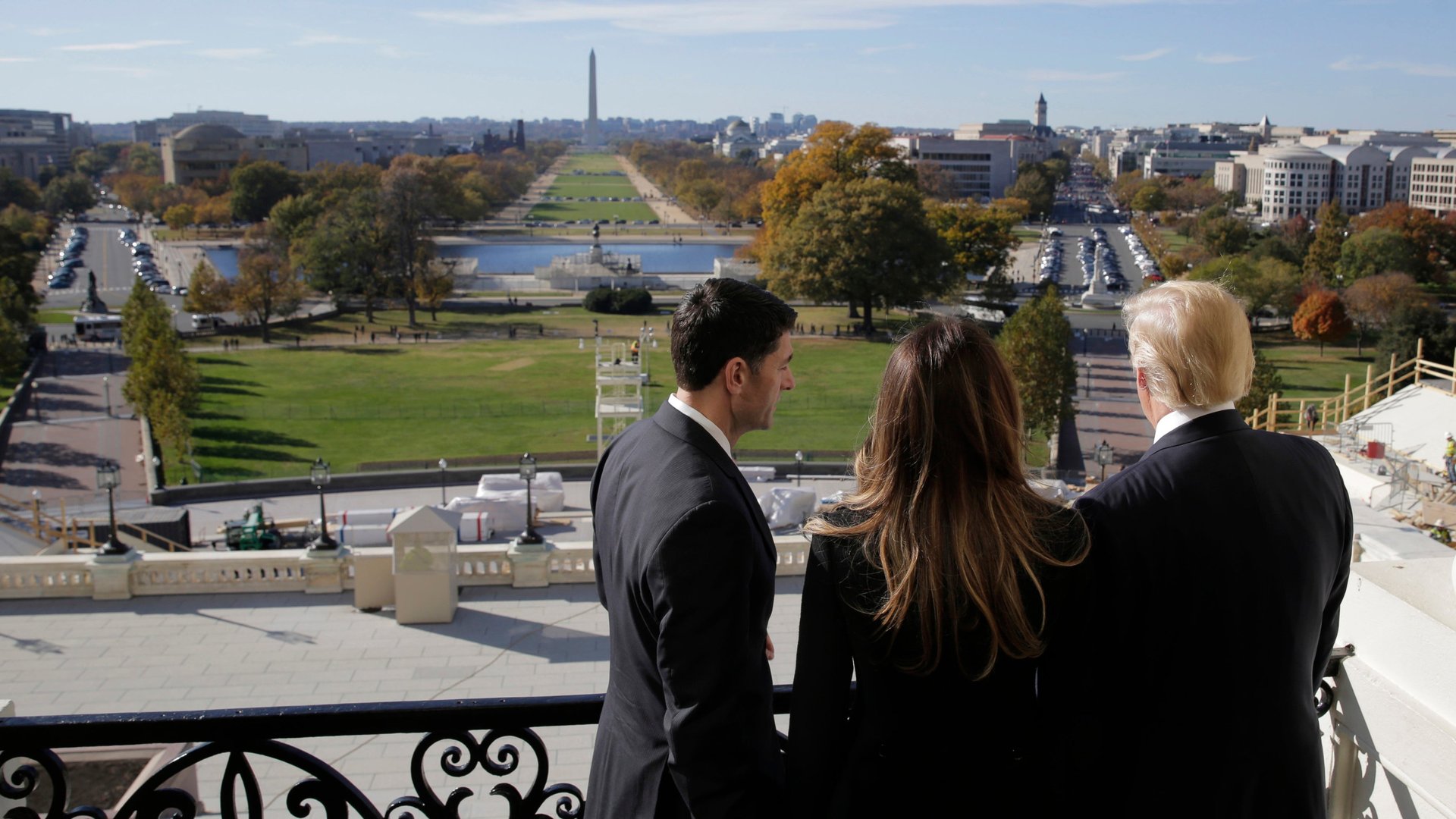
On Thursday, president-elect Donald Trump celebrated his victory by ditching his press pool—twice. It was a troubling but unsurprising start for a president elected over the almost-uniform dissent of his country’s press. Impassioned editorials, exhaustive critiques, and endless summaries of Trump’s invective were not enough to persuade a decisive majority of Americans to vote for Hillary Clinton instead.
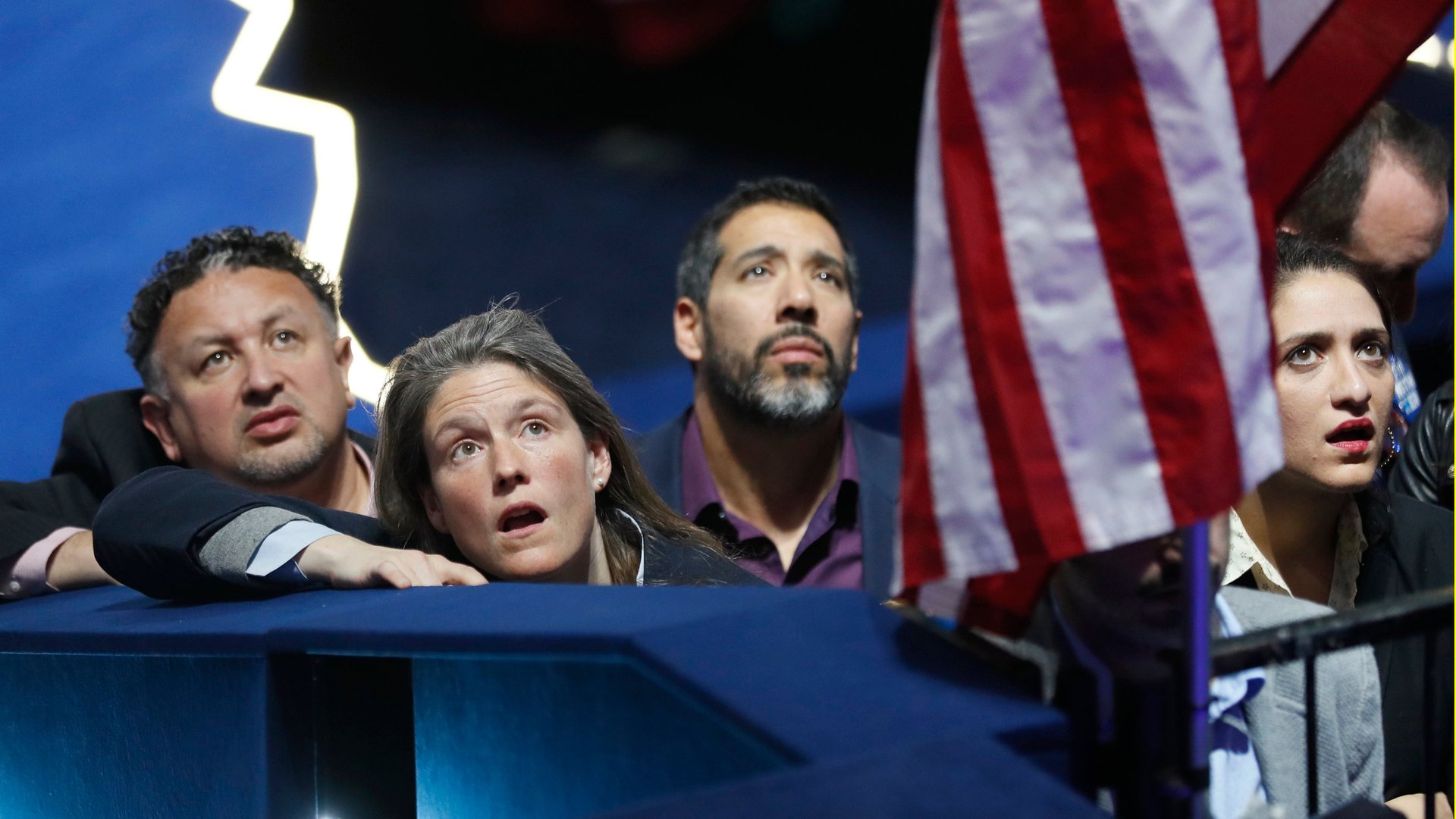
As he introduced Hillary Clinton’s concession speech today, Tim Kaine congratulated the Democratic nominee for having “won” the popular vote in yesterday’s US presidential election. In fact, not all the votes have been counted, but it appears very likely that on Nov. 8, 2016, more Americans voted for Hillary Clinton than Donald Trump.
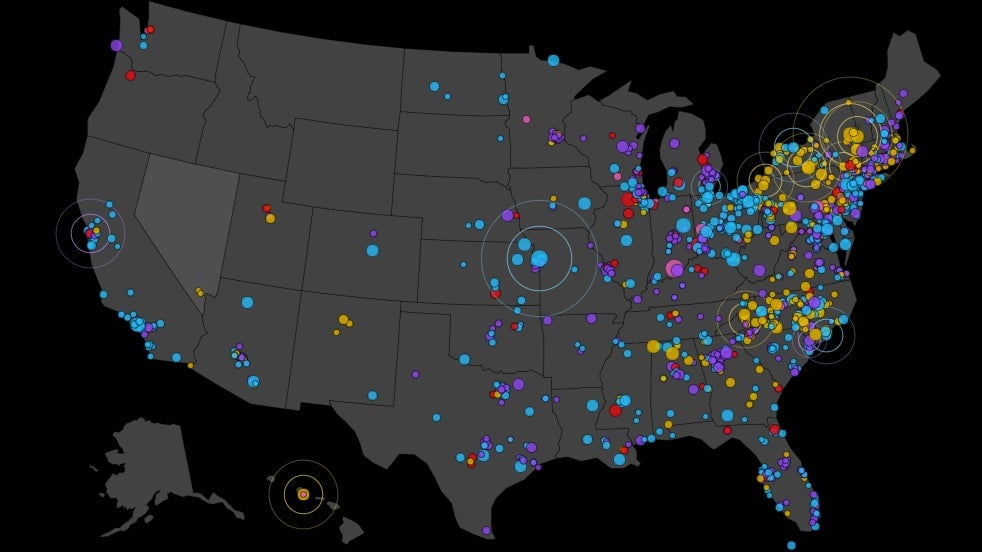
In New York City and around the country, an unprecedented gathering of journalists will be monitoring for voting problems that crop up on presidential election day in the US. The first-of-its-kind project, called Electionland, is led by the nonprofit news organization ProPublica. The news outlet, along with more than two-hundred partner newsrooms, will take phone calls and monitor social media for problems with voting machines, provisional ballots, long lines, and more.
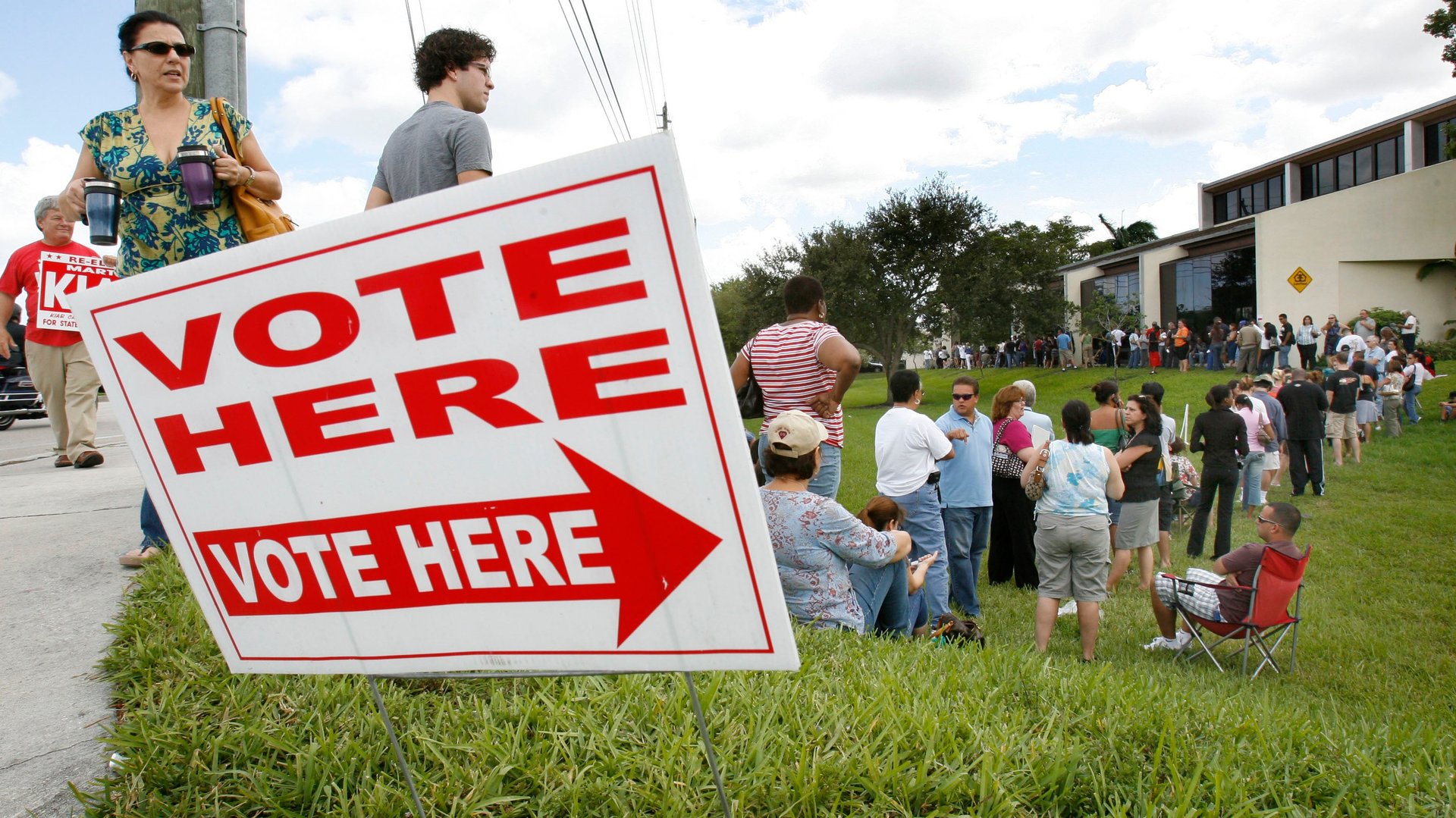
On Nov. 8th Americans will vote in one of the most contentious presidential elections in US history. Republicans are worried that the election is rigged. Democrats are worried that Republicans will suppress the vote. Both are worried about problems at polling places on election day.