Imagine if poring over your finances were as easy as using your favorite app, or smartphone—or any of today’s crisply designed technologies that make life easier, smarter and more efficient.

Imagine if poring over your finances were as easy as using your favorite app, or smartphone—or any of today’s crisply designed technologies that make life easier, smarter and more efficient.

Here’s a stellar example of how to keep your enemies close: a multi-billion dollar division of Samsung that makes “logic integrated circuits”—basically, the brains of all mobile devices and PCs—is almost entirely propped up by business from Apple, reports Digitimes Research.

Hollywood has lately been catering to Chinese audiences, as well as China’s government, which only allows 34 foreign films into the country every year, privileging those that fit its ideology or incorporate Chinese actors and locations in China.

Dennis Woodside, CEO of Motorola, Google’s wholly owned phone-making subsidiary, walked onto a stage yesterday with the company’s rumored new superphone, and while he refused to take it out of his pocket, he confirmed that it’s real and that it’s launching in October of this year.

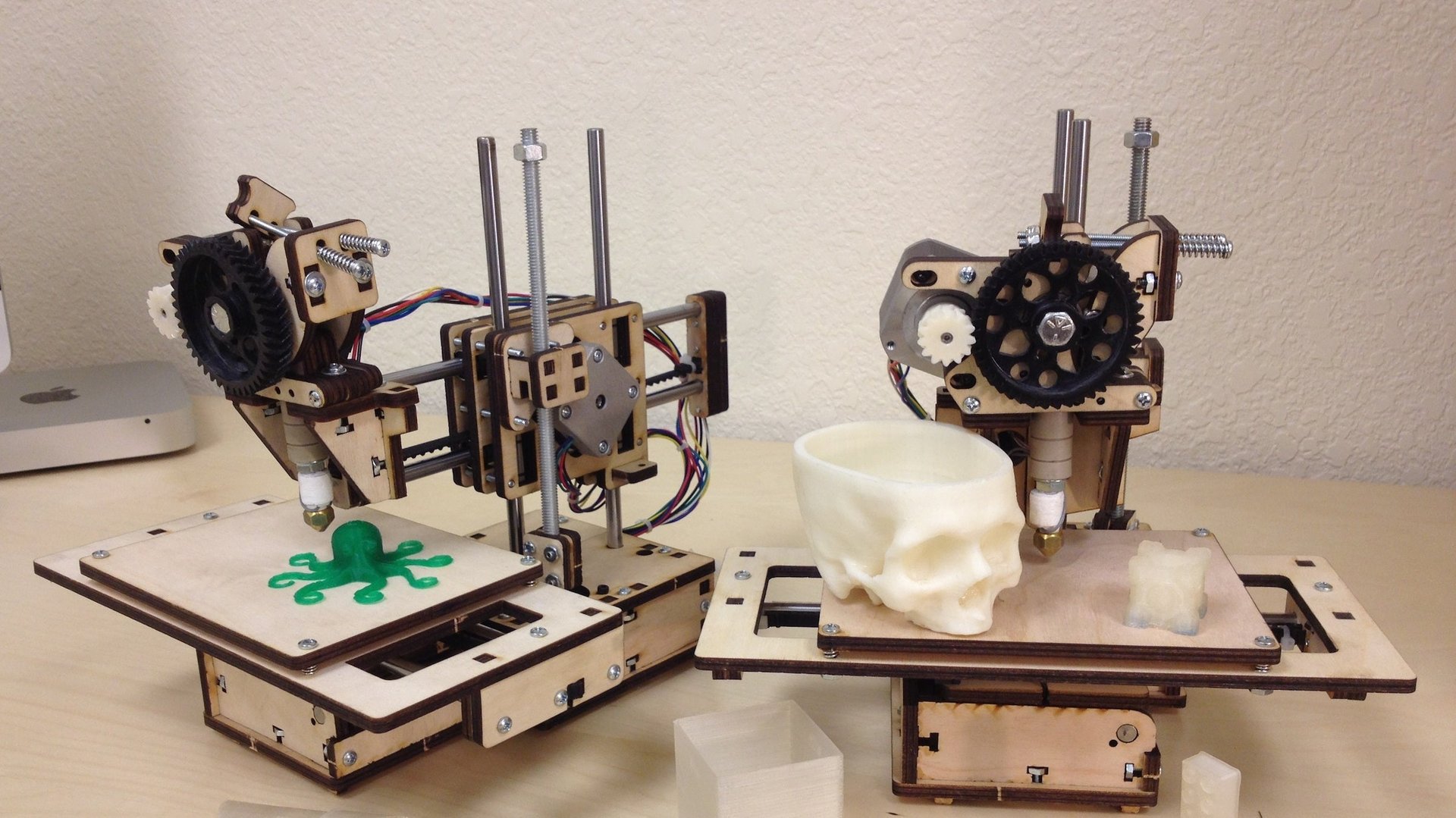
Meet the Replicator 2. She’s top of the line, for home 3D printers, and she’ll cost you $2,200, not including shipping.

In its current state, the iPhone is Apple’s diligent attempt to create the Platonic ideal of smartphones, says mobile analyst Horace Dediu. This was Dediu’s observation regarding a question asked of Tim Cook: why does Apple only make one model of smartphone, as opposed to competitors like Samsung, which make dozens of models? Apple’s engineers and designers haven’t wanted to create a device that would involve what Cook calls “tradeoffs.” Those tradeoffs would include, say, sub-optimal battery life, a less attractive screen or a more breakable phone.

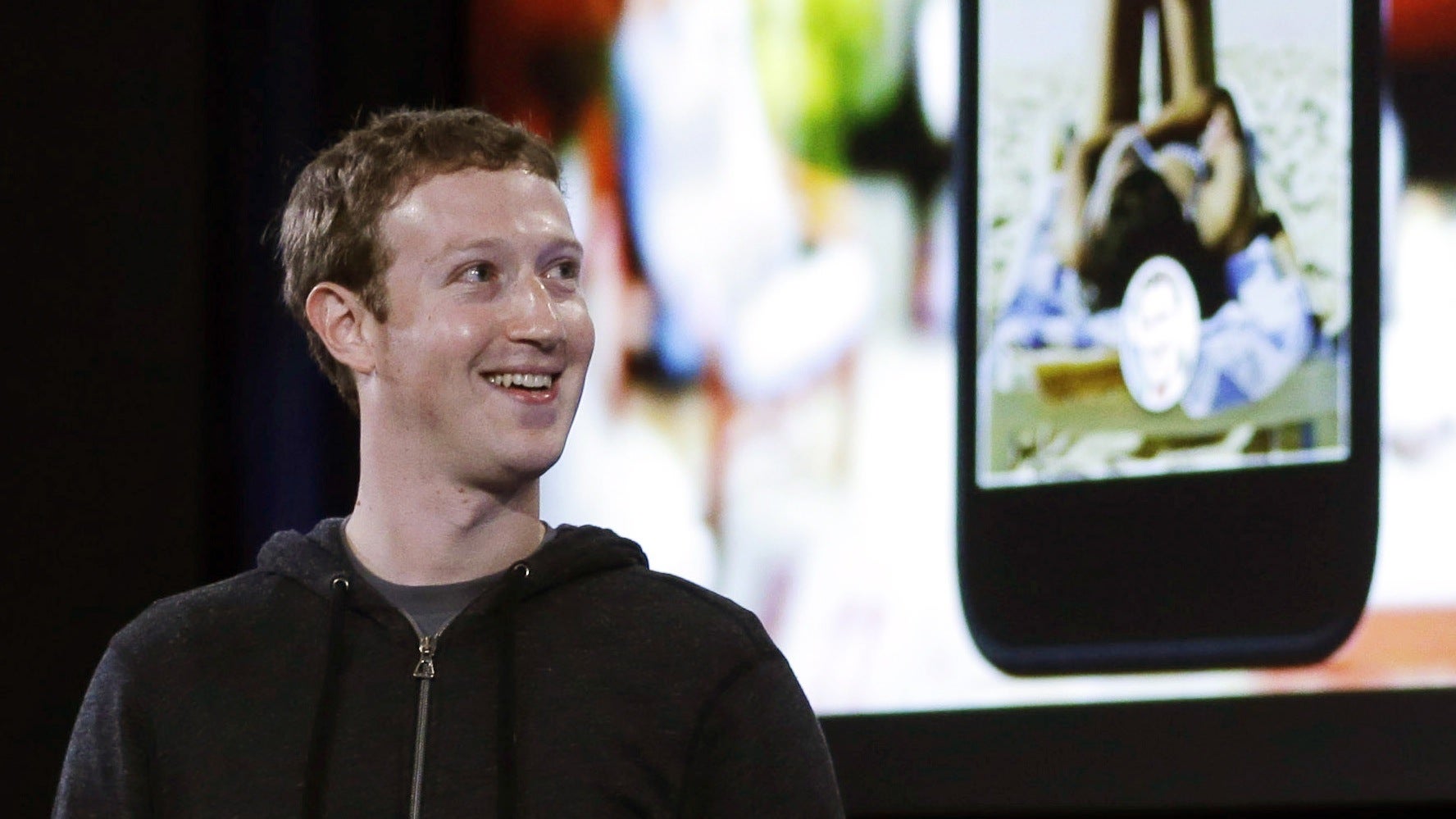
Facebook’s stock price is at a six month low, and it’s all Mark Zuckerberg’s fault—just not in the way you think. Let’s start with the usual sell signals: missed targets, bad management, dodgy acquisitions. For Facebook, none of those apply. And as for Facebook’s last quarter, the company managed to hugely expand both its user base and revenue, and especially its all-important revenue from mobile.

For $90 million, Intel just acquired the whole of ST-Ericsson’s unit responsible for creating microchips that allow navigation via GPS satellites. It’s the first acquisition for Intel’s new CEO, Brian Krzanich, who has only been on the job for 12 days.

I know what you’re thinking: Why do we need yet another blogging platform? Especially in light of the failure of blogging platform Posterous, the acquisition of Tumblr by Yahoo, and the ten year anniversary of WordPress, which is already powering around 20% of the sites on the web and shows no signs of slowing.

Yahoo’s recent acquisition of youth-centric site Tumblr grabbed all the headlines. But for anyone who wants to understand Yahoo’s strategy—and “Web 3.0” in general—it’s the company’s recent bid for video streaming site Hulu, reportedly worth $600-$800 million, that matters more.

Anjan Contractor’s 3D food printer might evoke visions of the “replicator” popularized in Star Trek, from which Captain Picard was constantly interrupting himself to order tea. And indeed Contractor’s company, Systems & Materials Research Corporation, just got a six month, $125,000 grant from NASA to create a prototype of his universal food synthesizer.

Tablet computers are growing so fast that it looks like 2014 or 2015 will be the year sales of tablets eclipse sales of PCs.

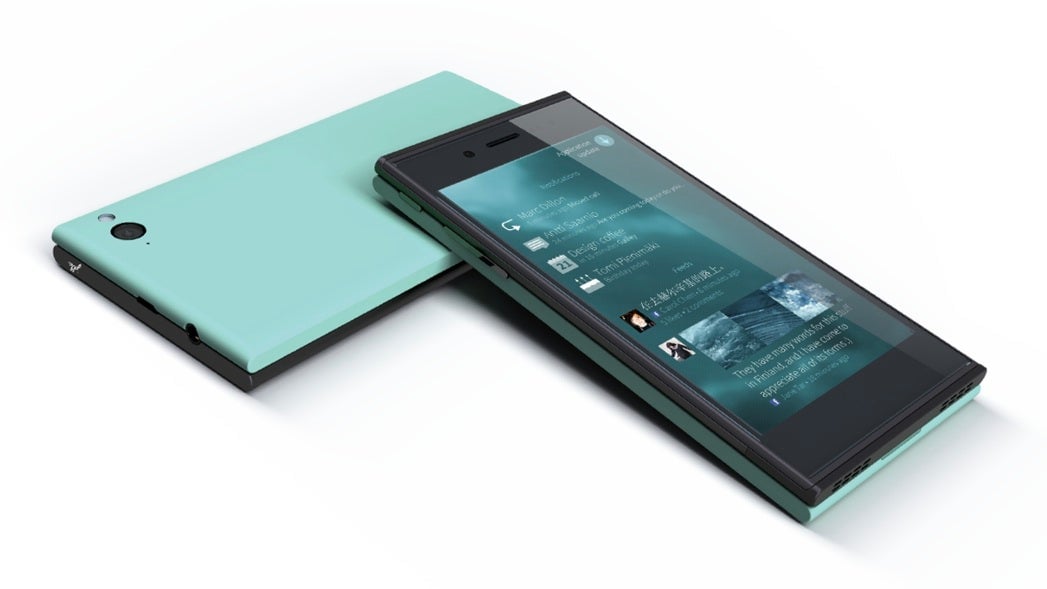
It wasn’t supposed to be like this. When the Jolla team—comprised of 70 or so ex-Nokia engineers—first announced a smartphone operating system slated to be the first real alternative to Google’s Android and Apple’s iOS, they emphasized versatility. The OS, they said, would run on anything from high-end models to cheap hardware designed for emerging markets, especially Asia.

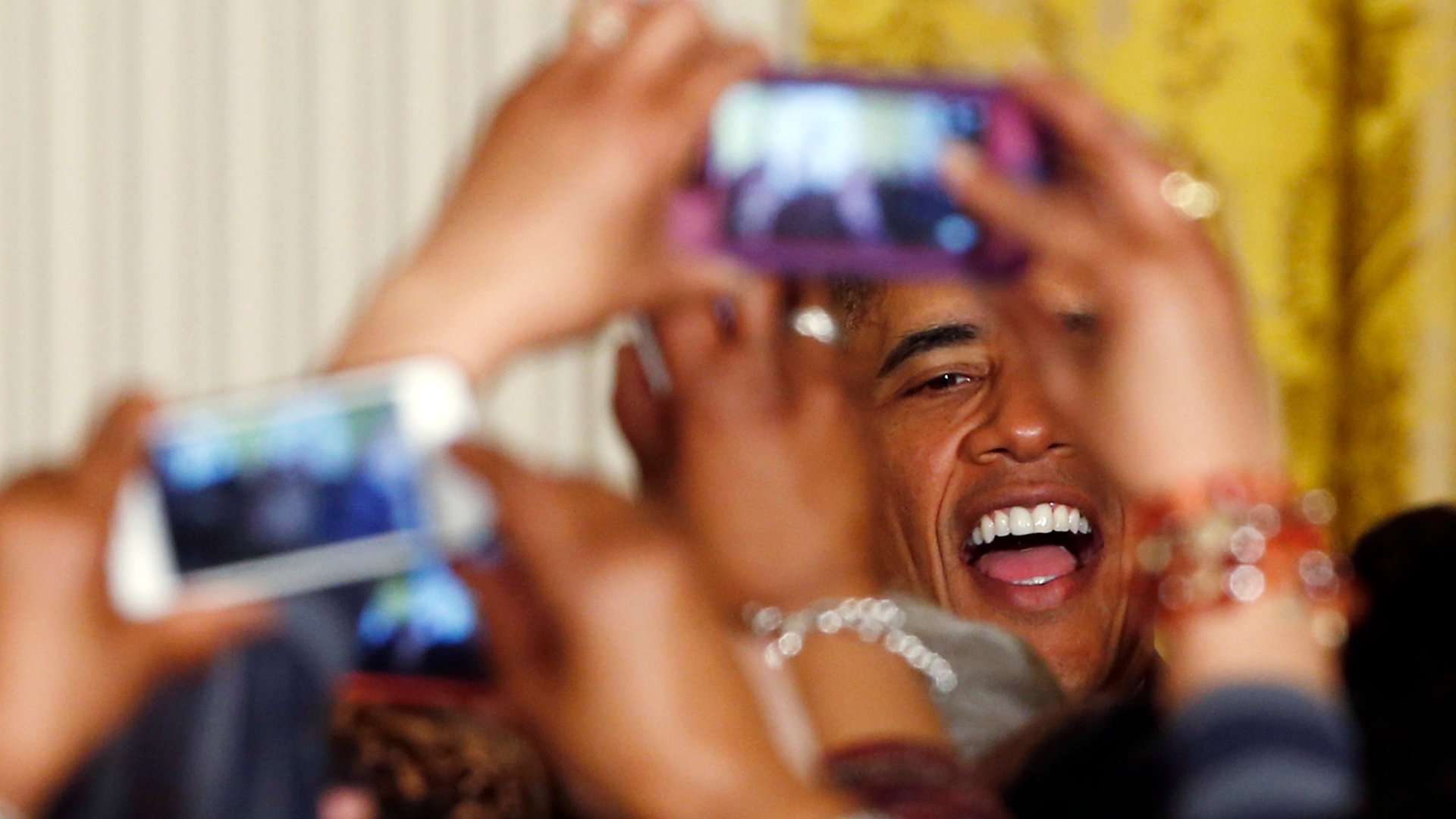
If you’ve tried to look at something exciting in public lately, you may have noticed that there were some objects in the way. Maybe you were at a concert. Or perhaps it was your one chance in life to meet the president.

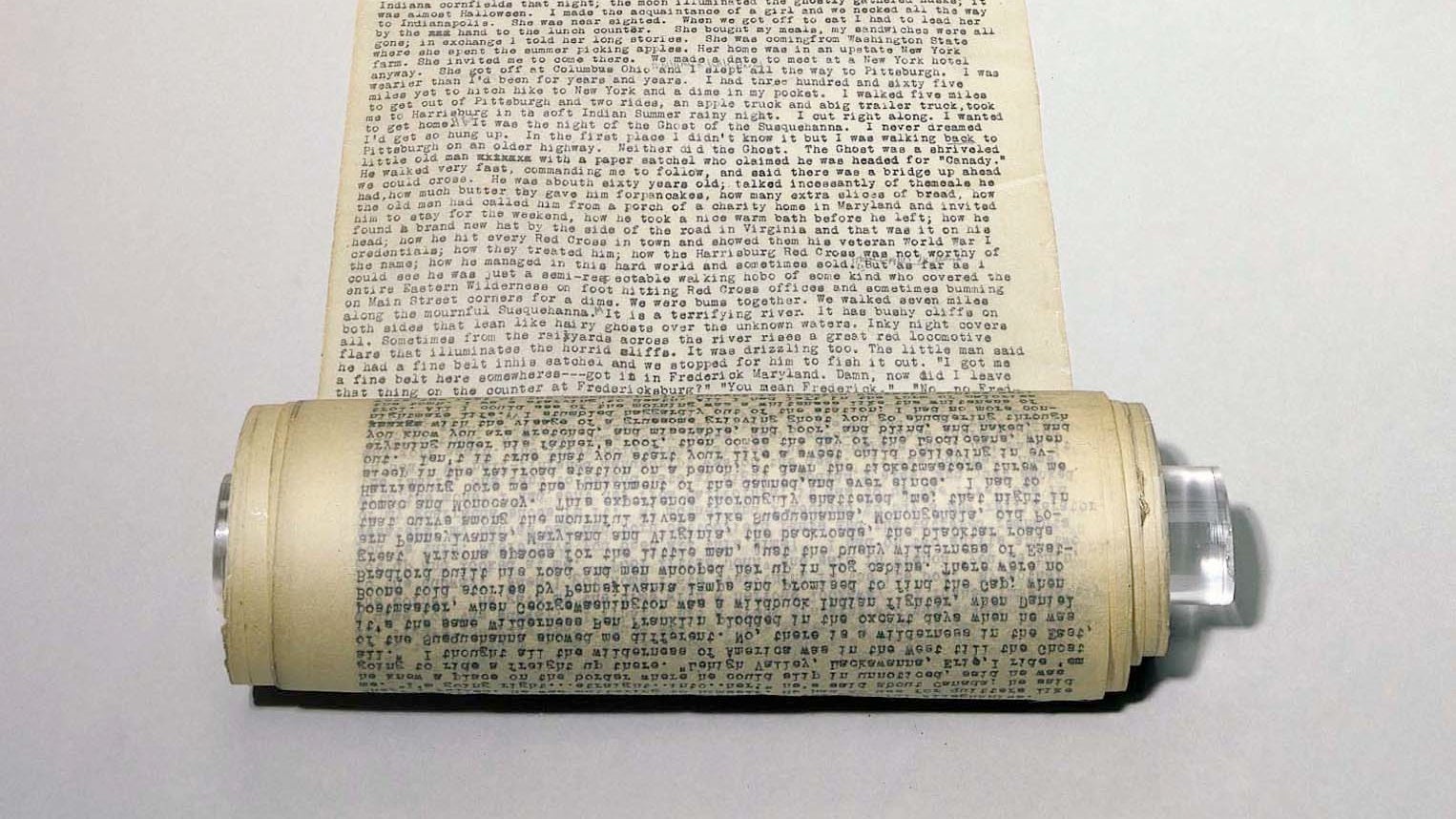
Ted Nelson, the American academic who in 1963 coined the term hypertext, and is therefore viewed as one of the World Wide Web’s founding fathers, just released a 12-minute video with a big reveal at the end: The inventor of bitcoin, says Nelson, is probably Japanese mathematician Shinichi Mochizuki.

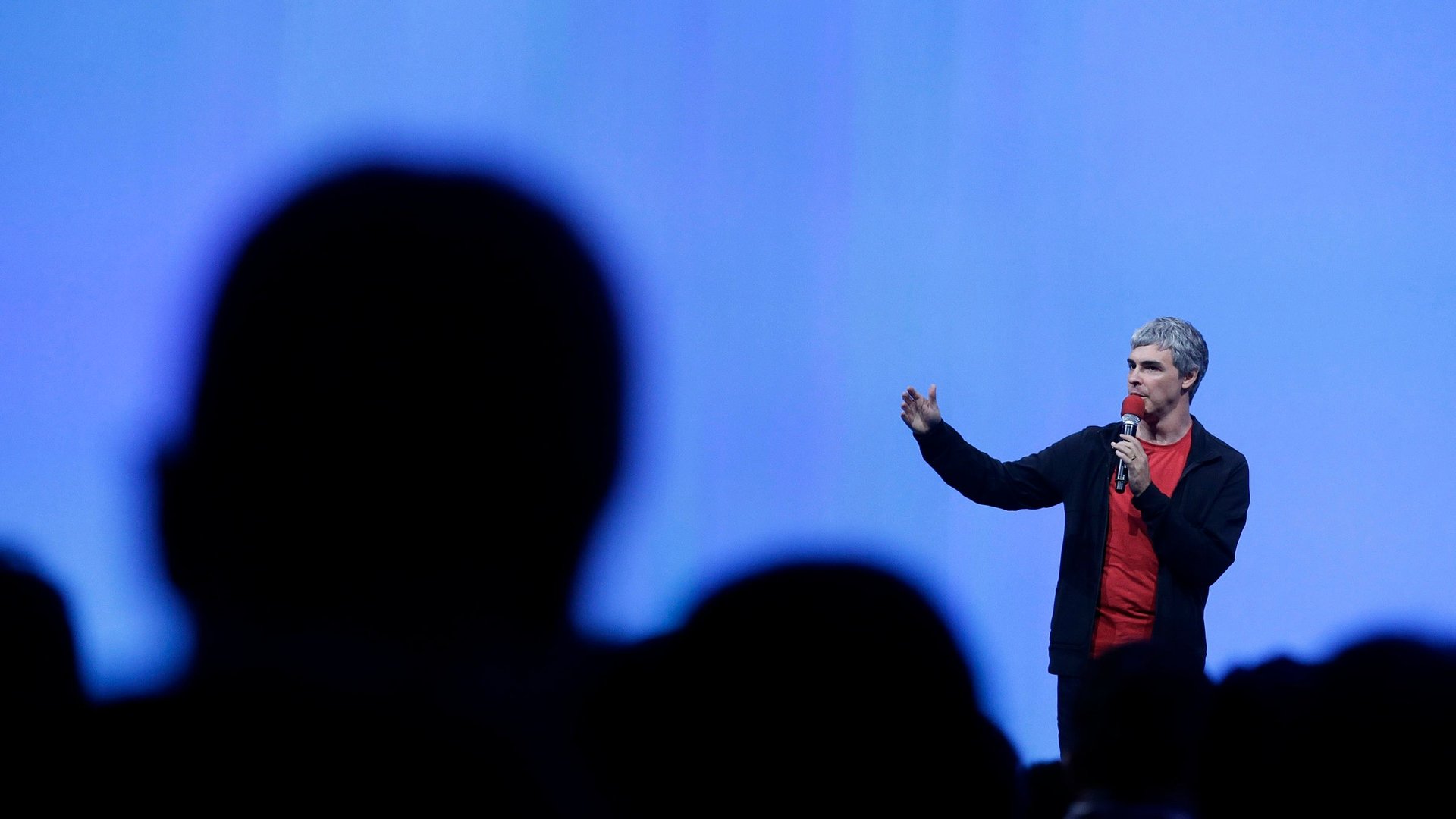
Yesterday Google CEO Larry Page said it would be nice if there were some part of the world that were free of regulation so that companies like Google could experiment without fetter. He cited Burning Man, the drug-fueled quasi-anarchist arts festival that Page has been known to attend, as an example of such a place, but in reality it might look more like special economic zones like the one in Honduras.

This is James. He’s on Facebook. He has no idea what Facebook is. Because he’s a dog.

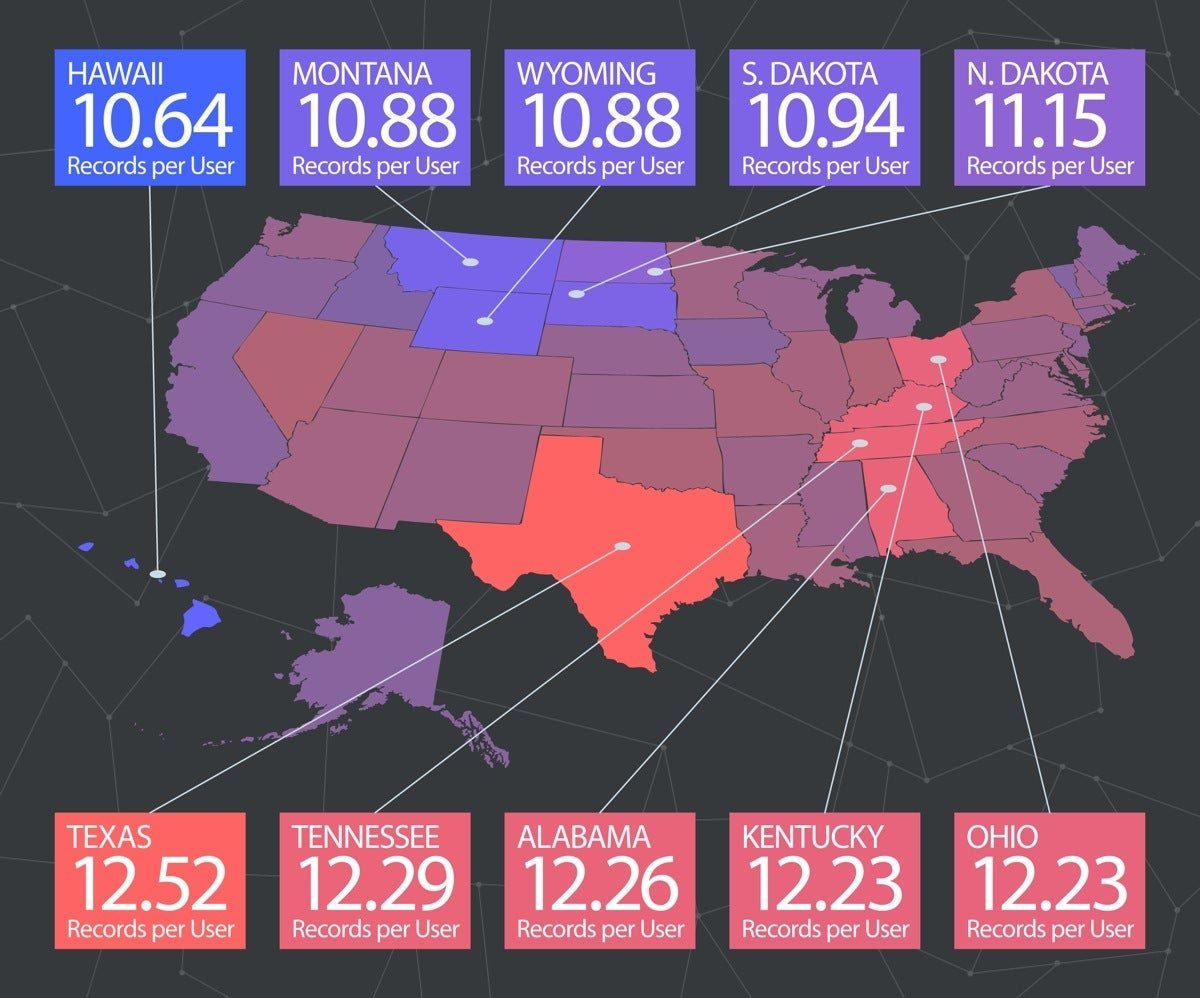
Safe Shepherd is a company that searches the web for all the public records available on Americans, and then presents them in a dashboard. Try it for yourself—it’s free—and the results are almost guaranteed to be unnerving. The information is mostly innocuous, and includes your address, phone number and email, but the fact that it’s public is more than enough to create a healthy stream of business for Safe Shepherd, which, according to founder Robert Leshner, is “lightly profitable.”

One of the few bright spots in Facebook’s last quarterly report was a modest increase in how much money the company makes from payments (as opposed to the company’s primary source of revenue, advertising). Payments were up about 15% from a year ago, mostly due to Facebook Credits purchased to play games on Facebook.

Cheap labor and a bevy of strong suppliers have been the hallmarks of success for Chinese electronics maker Foxconn. But lately, some of its disciples have been hopping the nearest strait to Taiwan, where a company called Pegatron will give up almost all of its profits in exchange for the privilege of manufacturing your next iPad Mini or Microsoft Surface.

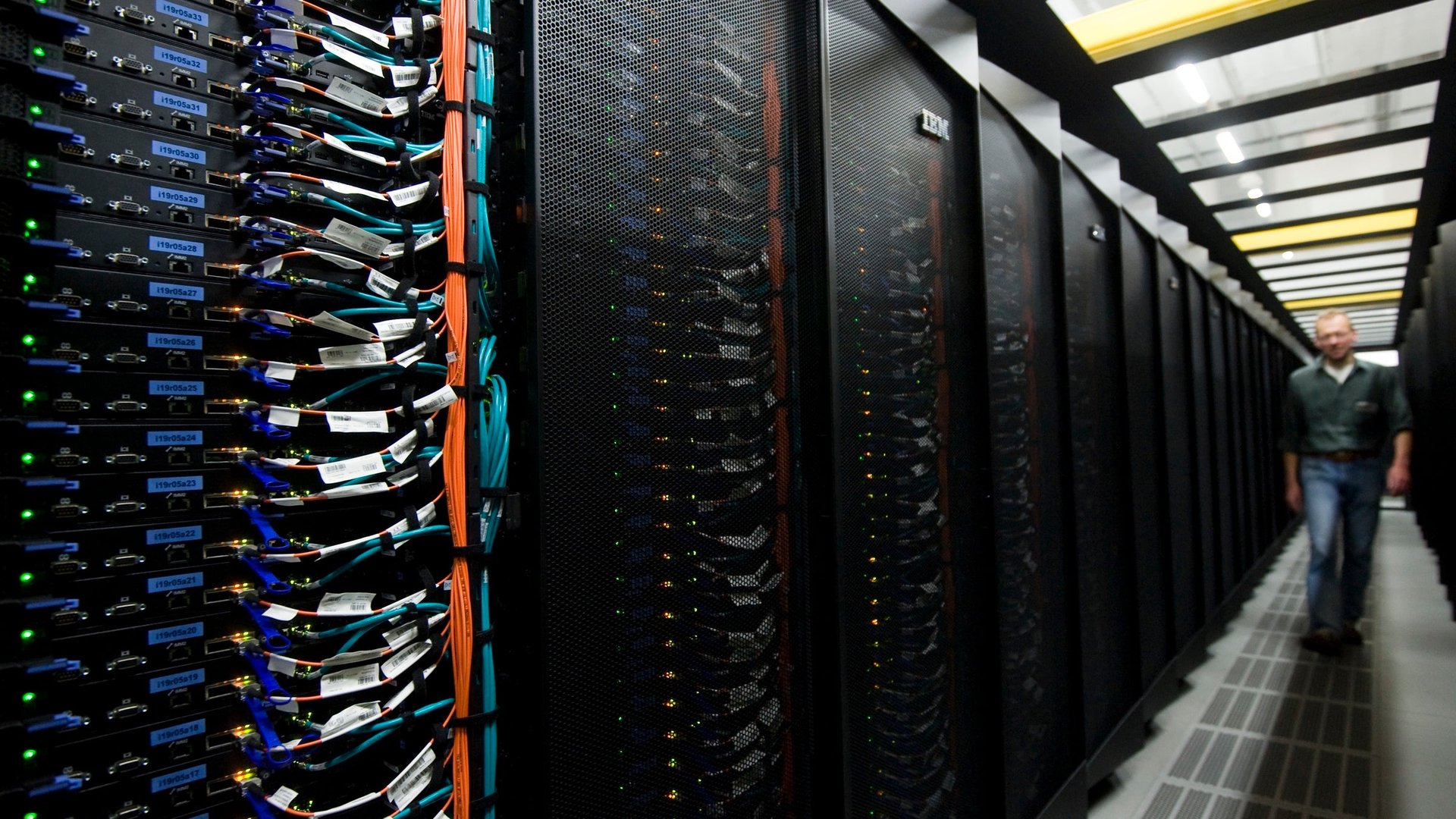
Add up the combined computing power of the 500 fastest supercomputers in the world—that’s billions upon billions of dollars worth of hardware—and stack it up against to the raw processing power of every computer currently producing the alternative currency bitcoin, and what do you get?

Bonus: here’s the overall trend in GDP contribution—i.e. the percentage of global GDP generated—from emerging markets, as compared to rich countries. Note that 2012 is the year they reached parity. All data in this post are courtesy the international market research firm Euromonitor.

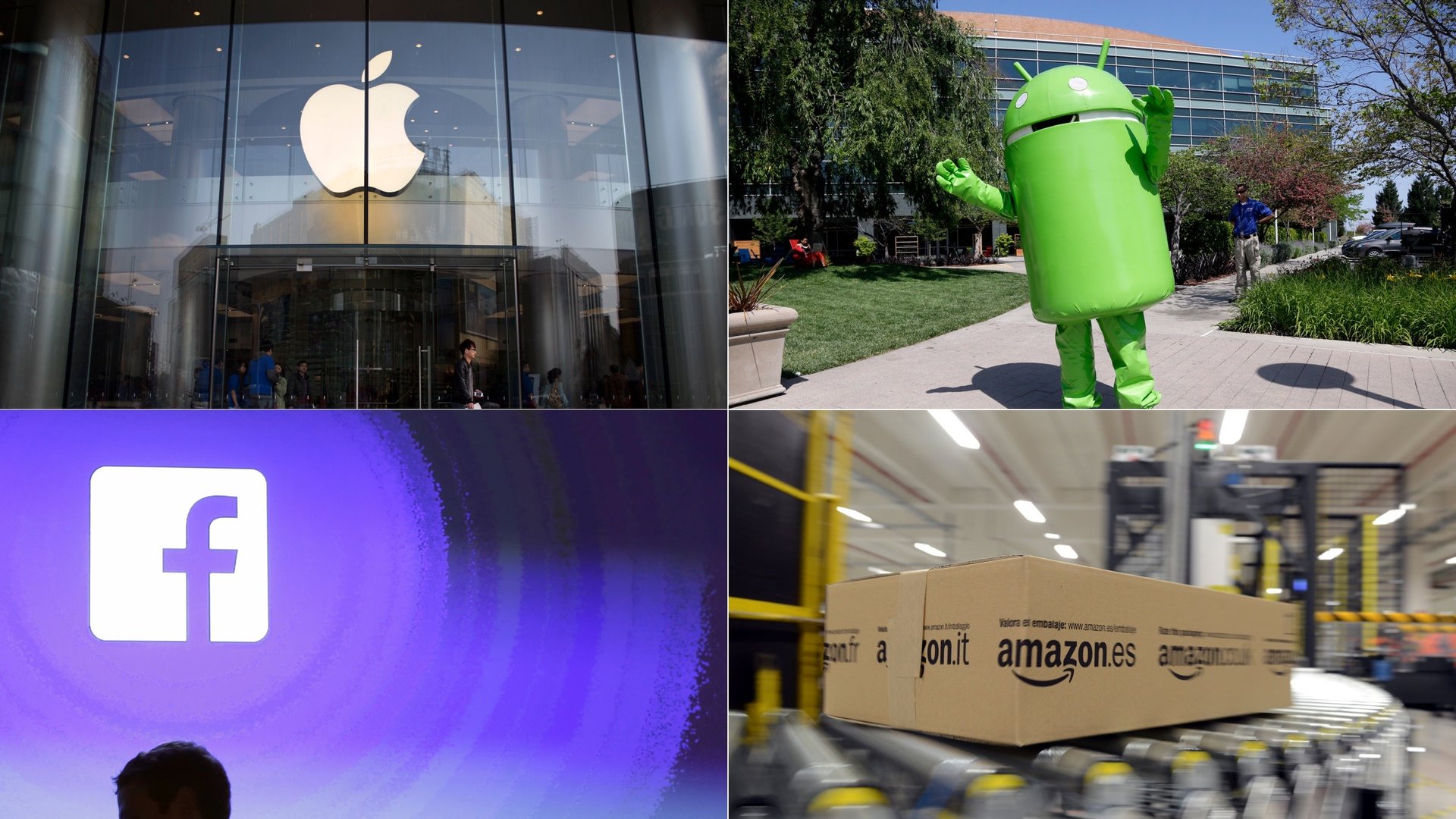
Who will be the sole provider of all that you desire? Which company’s services will you “hire” to address your every internet-enabled whim? It sounds absurd, but this is the essence of the battle between the big four tech giants—oh and Microsoft too, but these days Microsoft is mostly an enterprise company.

Facebook is now a mobile advertising company, and not a social network. Sure, you’ve heard this before, but it’s a theme worth repeating. That’s especially true in light of Facebook’s rumored upcoming $1 billion acquisition of Israel-based mapping and navigation company Waze, notes tech journalist (and Waze superfan) Hillel Fuld.