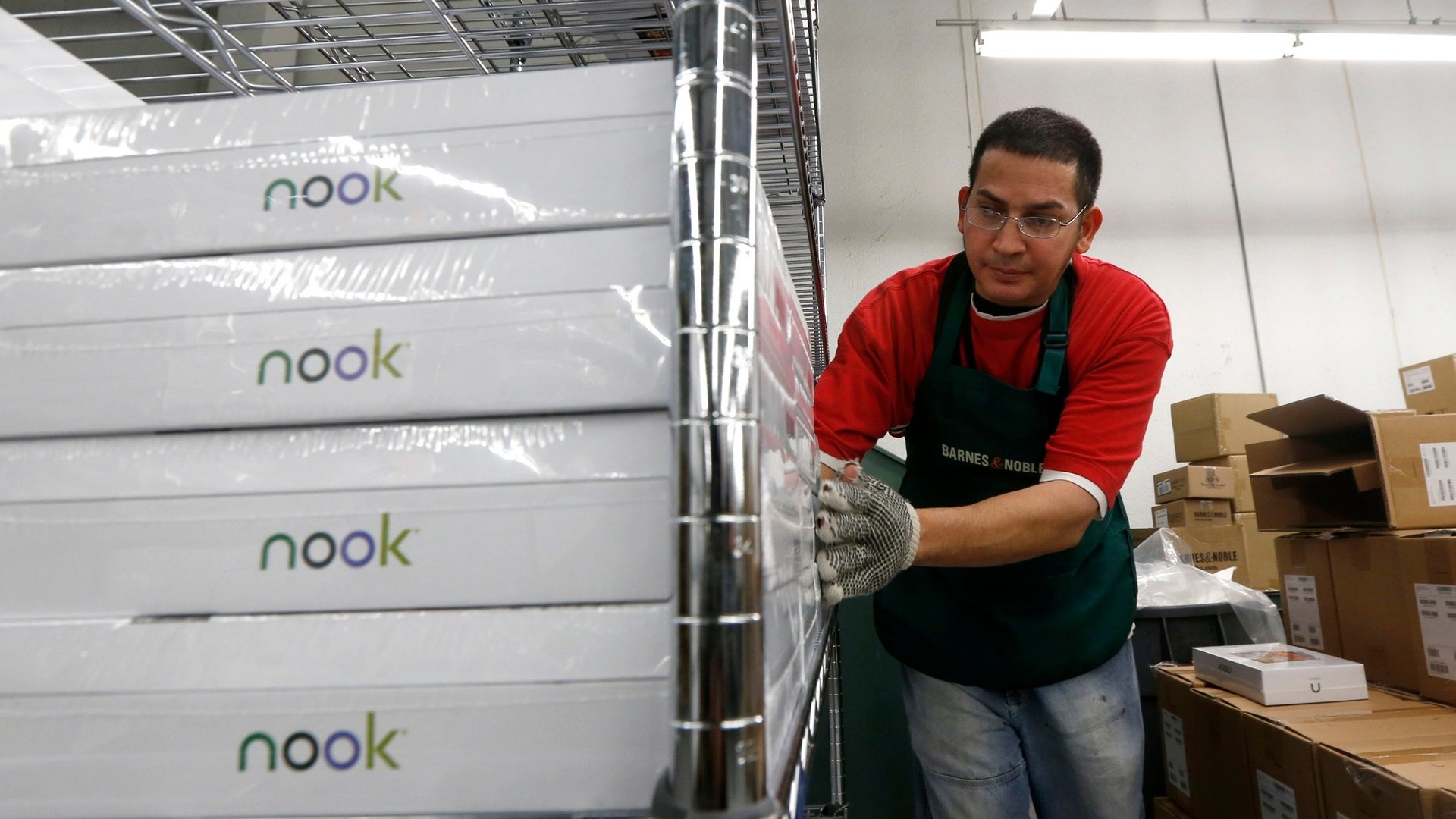
Microsoft has poured a lot of money into Nook Media, the publishing company that Barnes and Noble spun out in October, 2012—$300 million. Now Microsoft is rumored to be buying the entire company, for $1 billion.

Microsoft has poured a lot of money into Nook Media, the publishing company that Barnes and Noble spun out in October, 2012—$300 million. Now Microsoft is rumored to be buying the entire company, for $1 billion.

Despite what you may have read, New Zealand is not “banning” software patents. Indeed, the country has never explicitly allowed the patenting of software in the first place, and excluding software from patentability would violate New Zealand’s international patent obligations. Instead, today’s amendment to the country’s in-progress patents bill (pdf) skirts international law in a creative way: the country’s government will instead declare that software is simply not an invention in the first place.

Groupon’s quarterly results are out, and they’re surprisingly good—$601.4 million in revenue compared to expectations of $588.9 million, and net operating income up $34 million compared to last quarter. In its release, Groupon highlighted what seems to be the company’s new strength: mobile. “We had record mobile performance as 45% of our North American transactions came from mobile in March, and more than 7 million people downloaded our apps in the quarter,” said CEO Eric Lefkofsky in a prepared statement.

As if we needed more evidence that we have more technology than we know what to do with, a collaboration between an artist and an engineer has yielded something both whimsical and potentially useful. It gives houseplants autonomy.

Do you have a Klout score—which measures your influence on social networks like Facebook and Twitter—greater than 55? Then you are now eligible to hang out once, for free, in American Airline’s business class Admiral’s Lounge in 40 different airports. Even if you’re not flying American.

Today is May 7, the day that Anonymous and various explicitly anti-USA and anti-Israel hacking groups promised to take down the websites of the Pentagon, White House, FBI, Bank of America, Chase bank, and all the other usual symbols of oppression. Except the attacks appear to be a complete failure. All the sites on the group’s #OpUSA target list seem to still be up and running. If these sites are under fire—via a flood of nonsense traffic known as a Distributed Denial of Service attack—they are absorbing it with no apparent interruption to their service.

Adobe yesterday said it would no longer sell its software, including Photoshop and other elements of its wildly popular Creative Suite, the old-fashioned way. Instead, you’ll have to buy a subscription.

Quarter after quarter, Intel has been pumping out products consumers don’t want and watching its revenue shrink—making comparisons to ailing smartphone maker Blackberry seem apt. But at the same time, Intel has been hard at work developing the chips that could save the company: super fast, power-efficient CPUs for mobile phones that could sweep aside competing processors made by rivals like Qualcomm, Samsung and Apple. (All of which start with designs from current superstar ARM.) With these new chips, the next two years could see manufacturers climbing over each other to offer consumers phones and tablets that are as fast as notebook computers are today.

Big data! If you don’t have it, you better get yourself some. Your competition has it, after all. Bottom line: If your data is little, your rivals are going to kick sand in your face and steal your girlfriend.

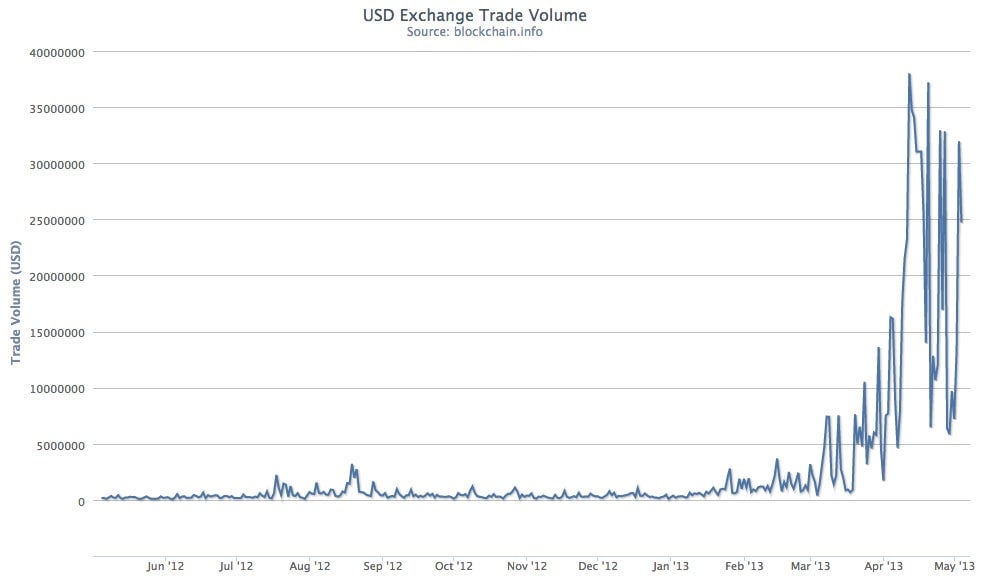
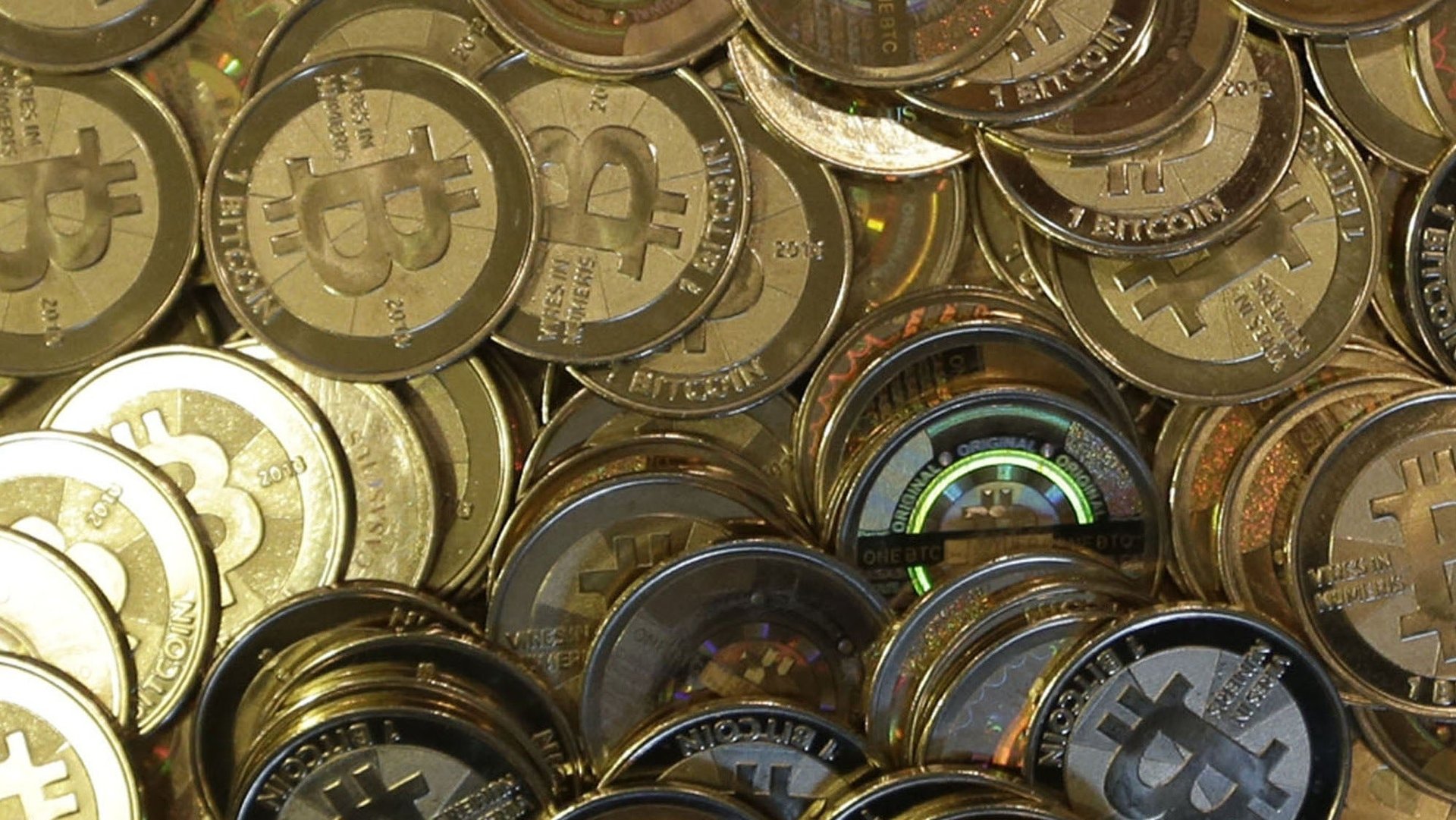
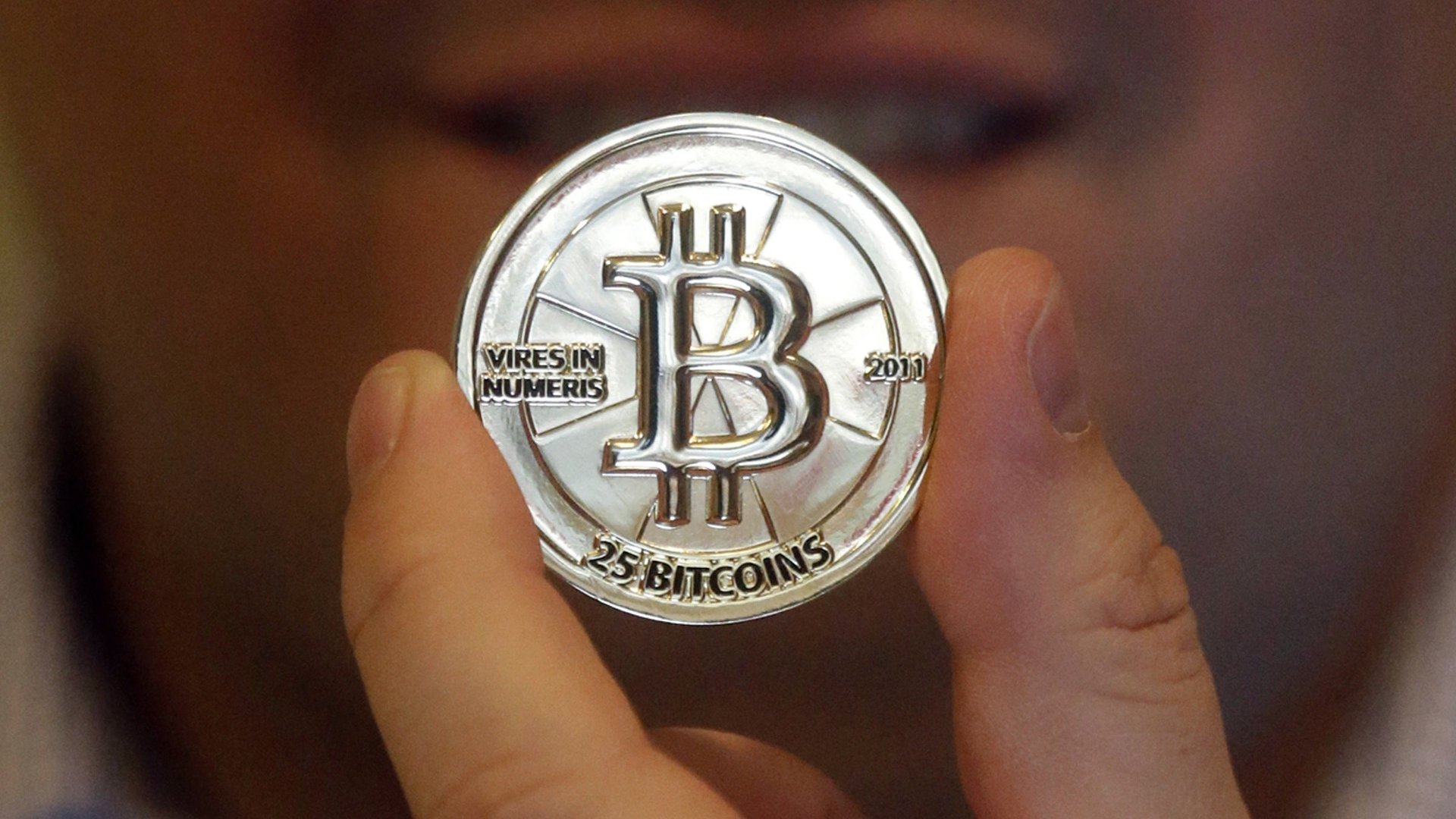
In April, $1 billion worth of bitcoins was traded across all exchanges, according to an aside in the complaint bitcoin startup Coinlab just filed against the world’s largest bitcoin exchange, Mt.Gox. Just a month prior, only $60 million in bitcoin was traded, estimates Jeremy Liew, a managing director at Lightspeed Venture Partners.

Coinlab, one of the best-funded bitcoin startups in the US, is suing Mt.Gox, the world’s largest exchange for bitcoin, for $75 million. According to estimates, that’s several times more than Mt. Gox’s entire annual revenue, which The Verge pegs at about $22 million a year. (My own calculations, based on periodic reports issued by Mt.Gox itself, suggest this is a reasonable estimate.)

Good morning, Quartz readers!

Sticking with tradition, Intel has chosen an insider to be its next CEO—current chief operating officer Brian Krzanich. This might seem an unwise choice for a company whose last insider CEO led it over something of a cliff; sales shrank for the past two quarters and profits, while still a healthy 57%, continue to decline.

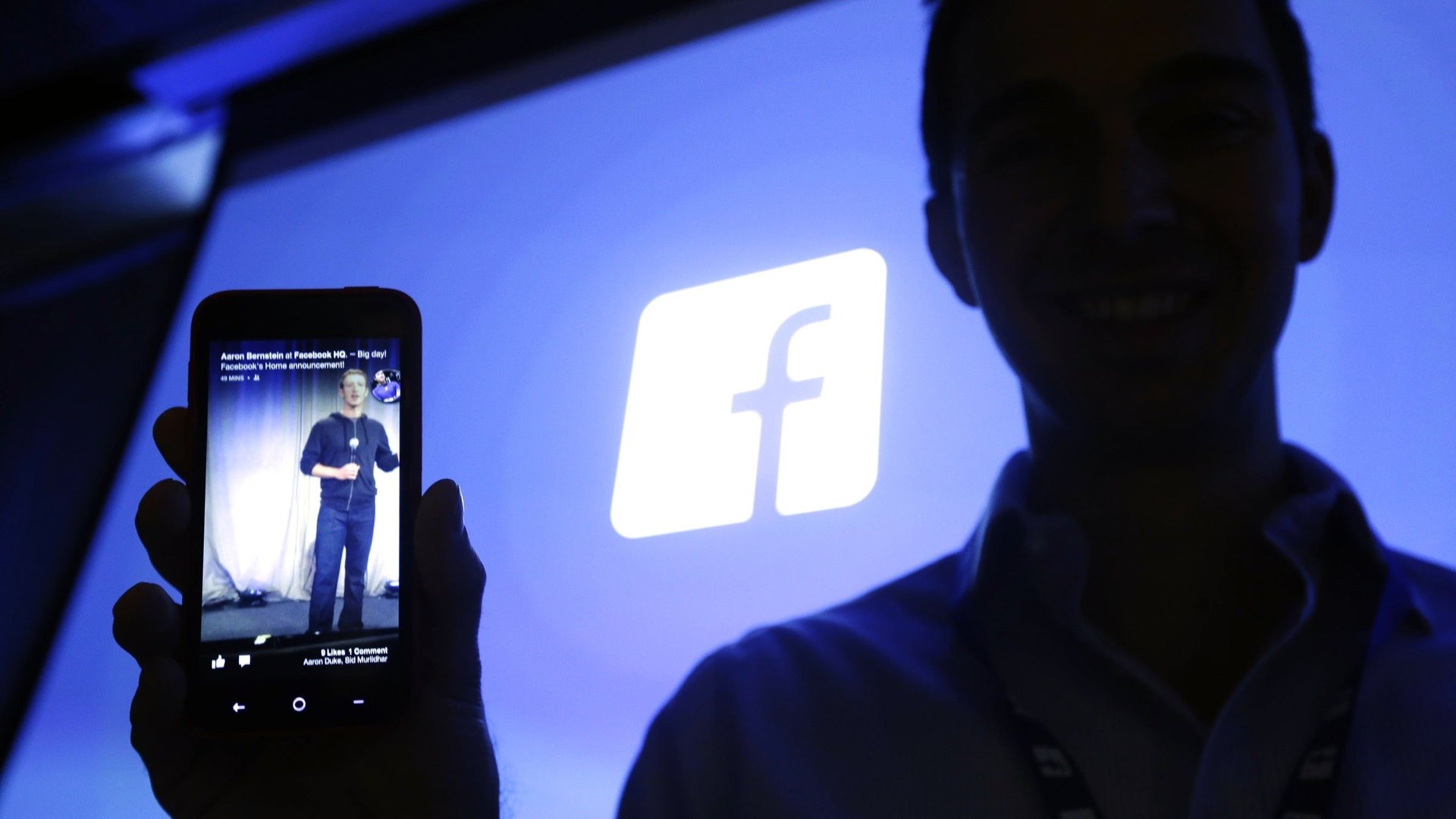
Facebook’s revenue is up 38% from a year ago, to $1.46 billion. But that hardly matters because the company still doesn’t appear to know how to really boost its profits—net income is more or less the same as it always was. (Which also means it’s a smaller proportion of revenue than ever.)

Good morning, Quartz readers!

Good morning, Quartz readers!

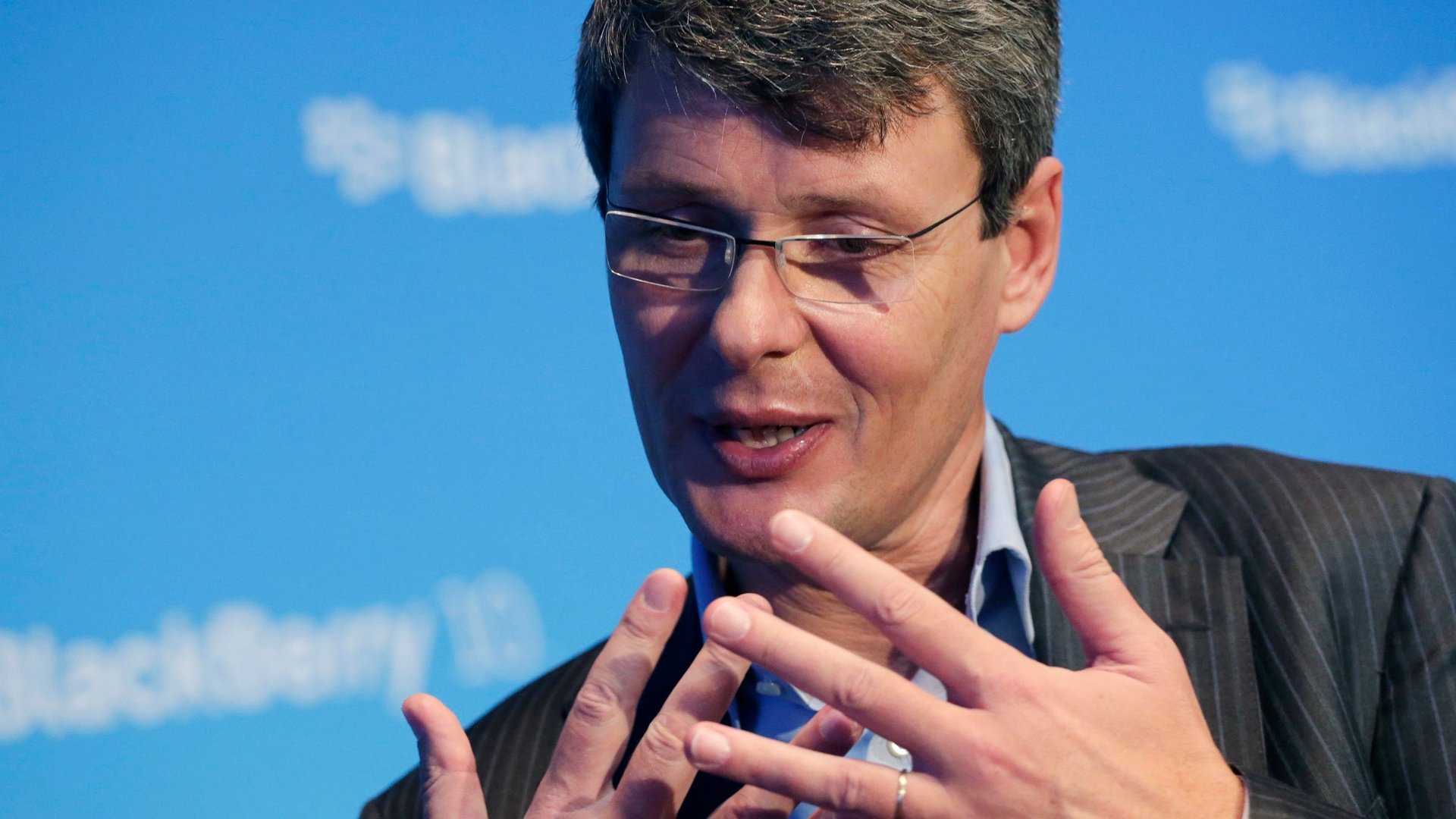
If you think PC manufacturers are hurting as consumers opt for tablets and other devices, what’s to stop the same downward spiral of razor-thin margins from destroying the fortunes of tablet makers, as well? That appears to be the logic of BlackBerry CEO Thorsten Heins, who told Bloomberg today that his company is not going to make another tablet unless it can justify the launch with sufficient profit.

“I find it really hard to believe that we cannot collectively beat a company that sells books,” said Carl Eschenbach, the chief operating officer of VMWare, at the company’s recent annual confab with its partners and resellers. VMWare competes with Amazon to provide businesses with computing and IT services in the cloud and—I’m sorry to say to Eschenbach—he might soon have to suspend his disbelief.

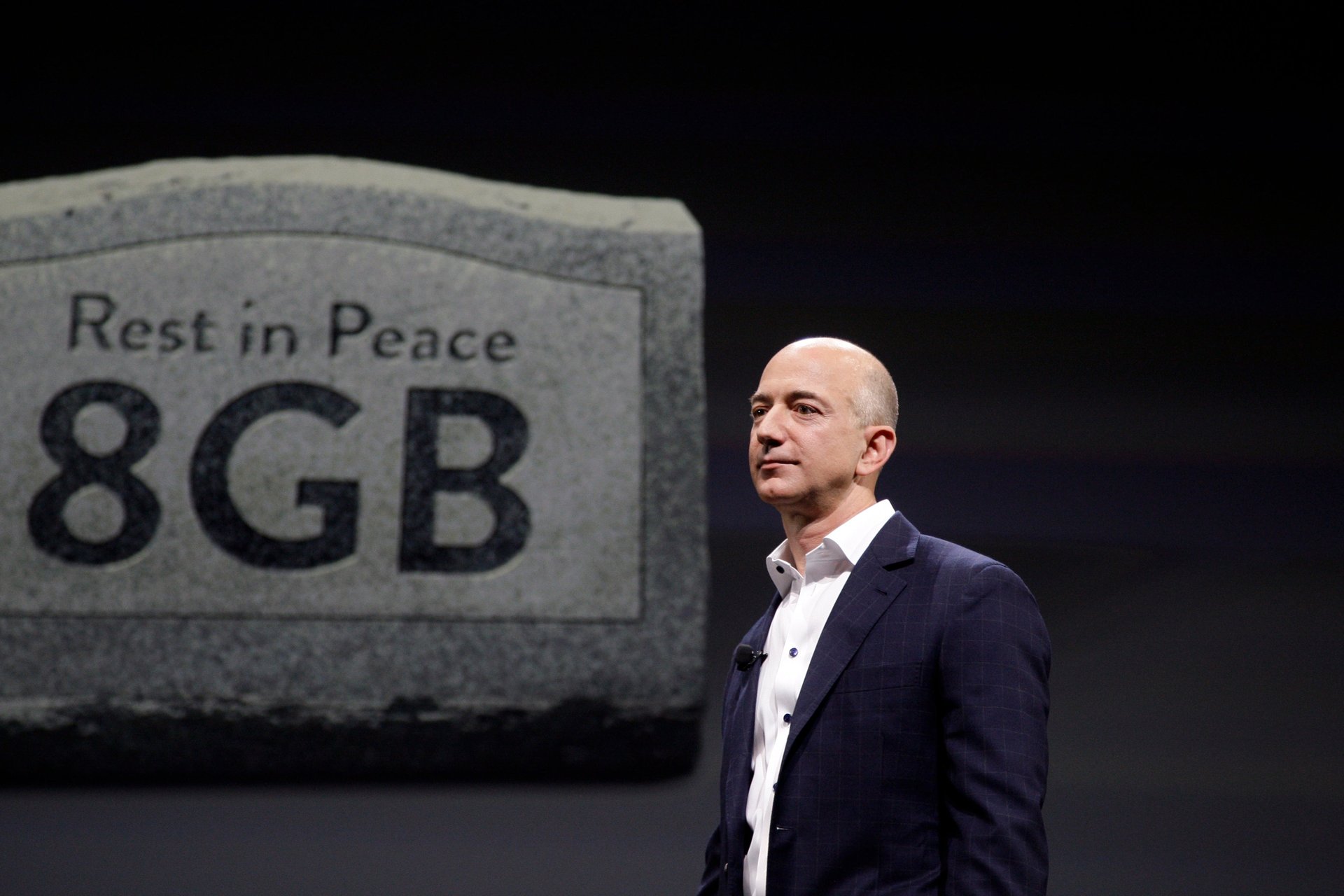
Amazon is famously reticent about sales figures, dribbling out clues without revealing actual numbers. But it appears the company has left enough hints to, finally, discern how much revenue it makes on its cloud computing business, known as Amazon Web Services, which provides the backbone for a growing portion of the internet: about $2.4 billion a year.

“Having technology on you, around you, inside you 24/7 is going to be totally commonplace,” says Rebecca (Becky) Stern, a director of wearable electronics at Adafruit Industries, in this excellent, highly watchable introduction to wearable technology.

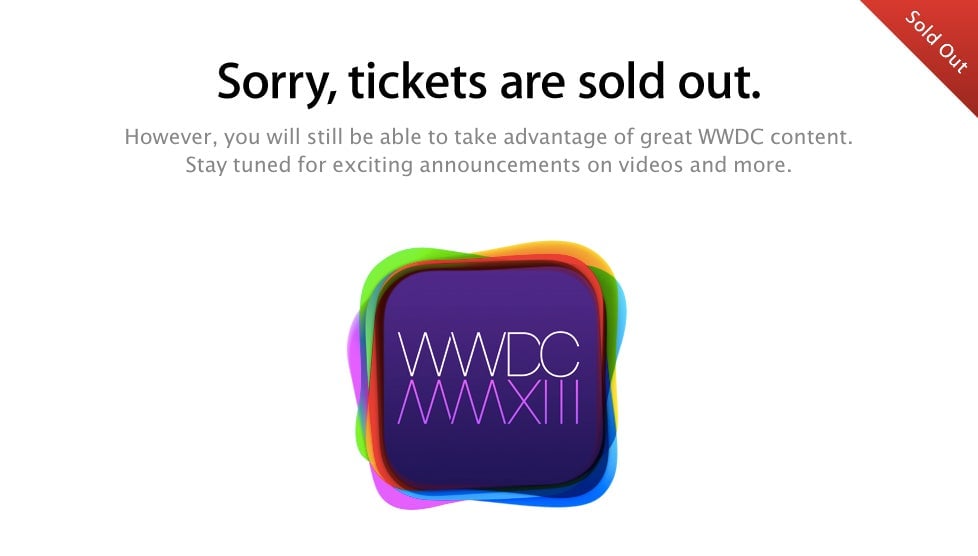
One minute after they went on sale, the hottest tickets in Silicon Valley, released at 10 a.m. EST this morning, are all gone. There were 5,000 tickets available for Apple’s World Wide Developer Conference, which takes place June 10-14 in San Francisco, and at $1,599 apiece, they weren’t exactly an impulse buy.

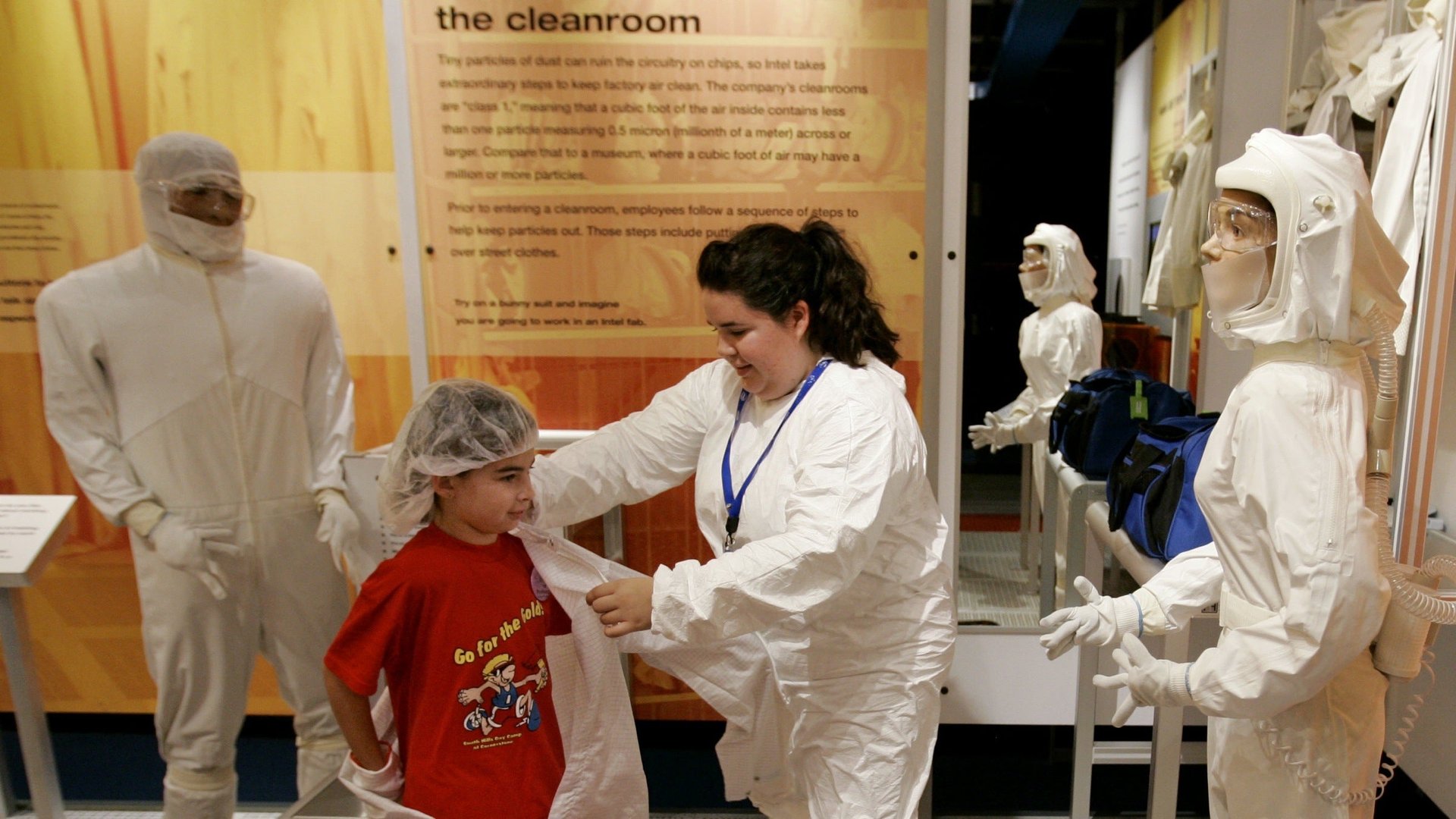
Making advanced microchips has always been hard. But it’s now so difficult that the number of companies with the knowledge and cash to do it is about to shrink to precisely four.

A funny thing just happened: virtual currency bitcoin has now passed the first round of approval required to become a standard for the web, alongside other familiar “schemes” which allow elements on a webpage to, for example, open your email application when you click on an email address on a webpage. This is the first time a payment system has ever been legitimized in this way.

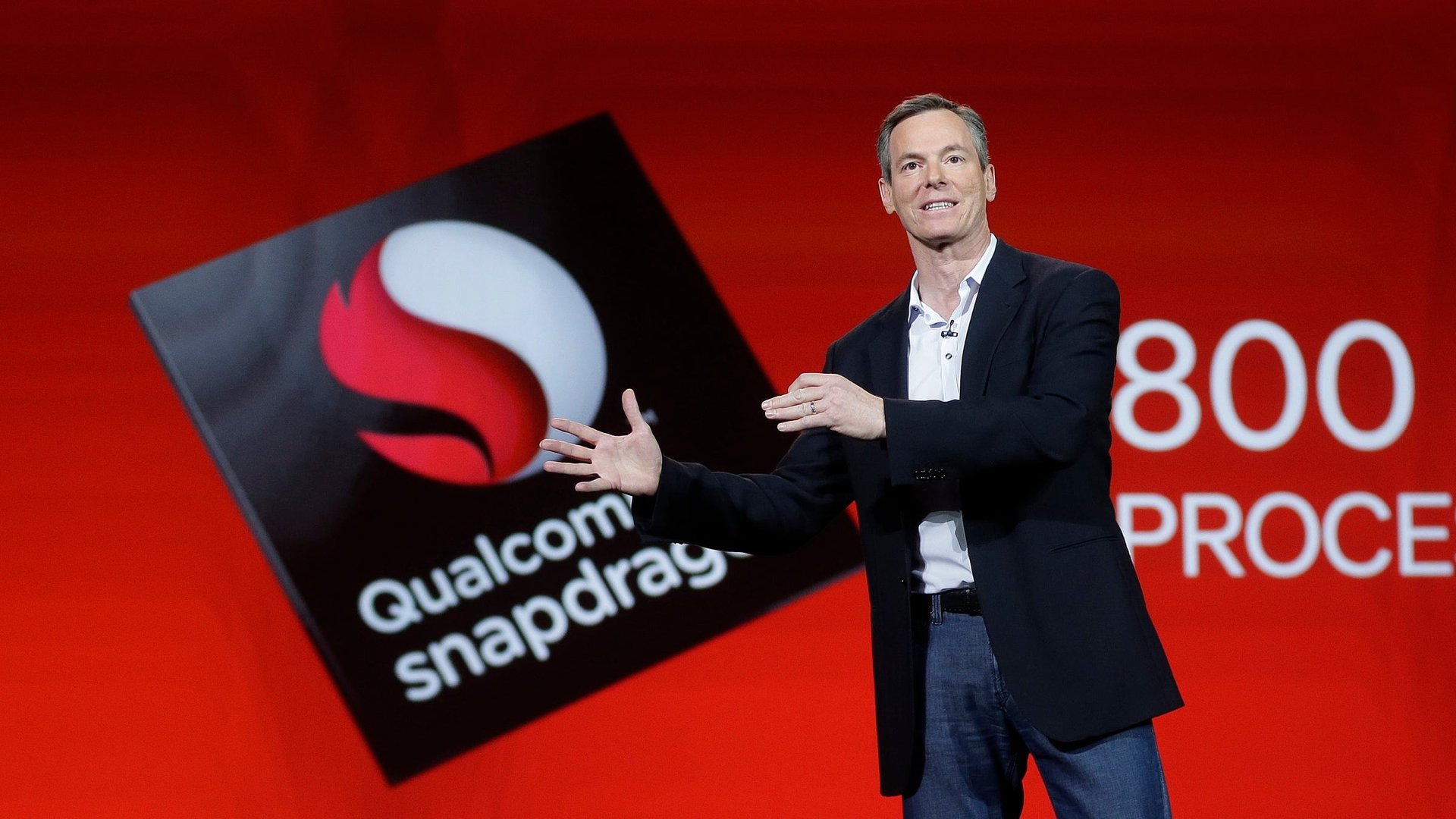
Qualcomm, maker of many of the microprocessors that power mobile phones and especially smartphones, released earnings on April 24, and they showed impressive growth considering that the company is already the third-largest microchip manufacturer in the world. Revenue was up 24% compared to a year earlier, and shipments of microchips rose 14%.