Why did Apple give so much time in its announcement of the new iPhone 5S to a demo of a game, Infinity Blade 3, when the primary consumers of a phone as pricey as the new iPhone 5S are likely to be adults?

Why did Apple give so much time in its announcement of the new iPhone 5S to a demo of a game, Infinity Blade 3, when the primary consumers of a phone as pricey as the new iPhone 5S are likely to be adults?

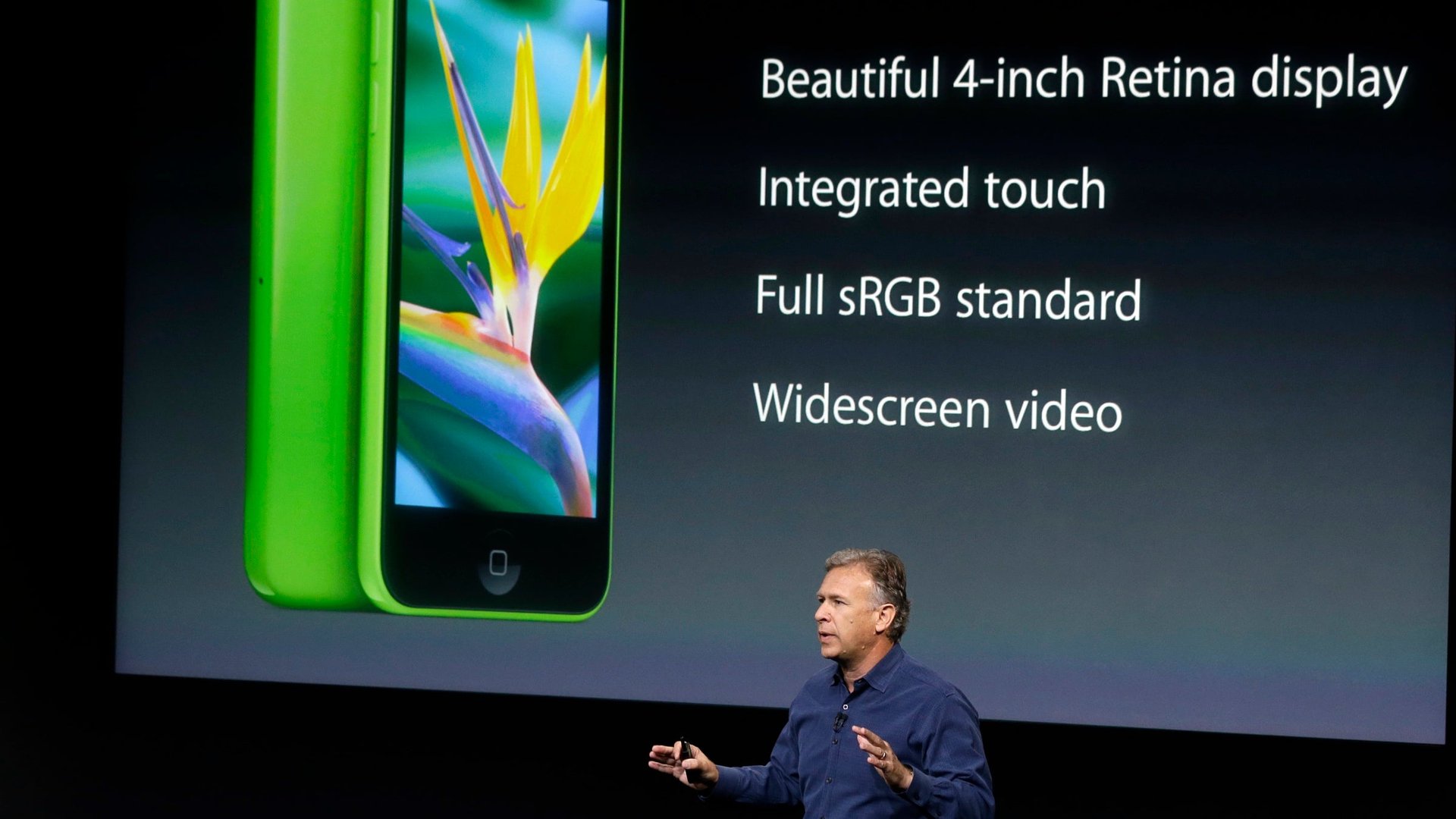
Most analysts thought that the new, “cheaper” iPhone 5C would be priced to move in emerging markets, where $400 and up is out of reach of all but the richest consumers. But Apple stayed true to its roots and priced the cheapest new iPhone 5C at $549 without a mobile plan in the US, and a painful 4,488 RMB, or $733 in China.

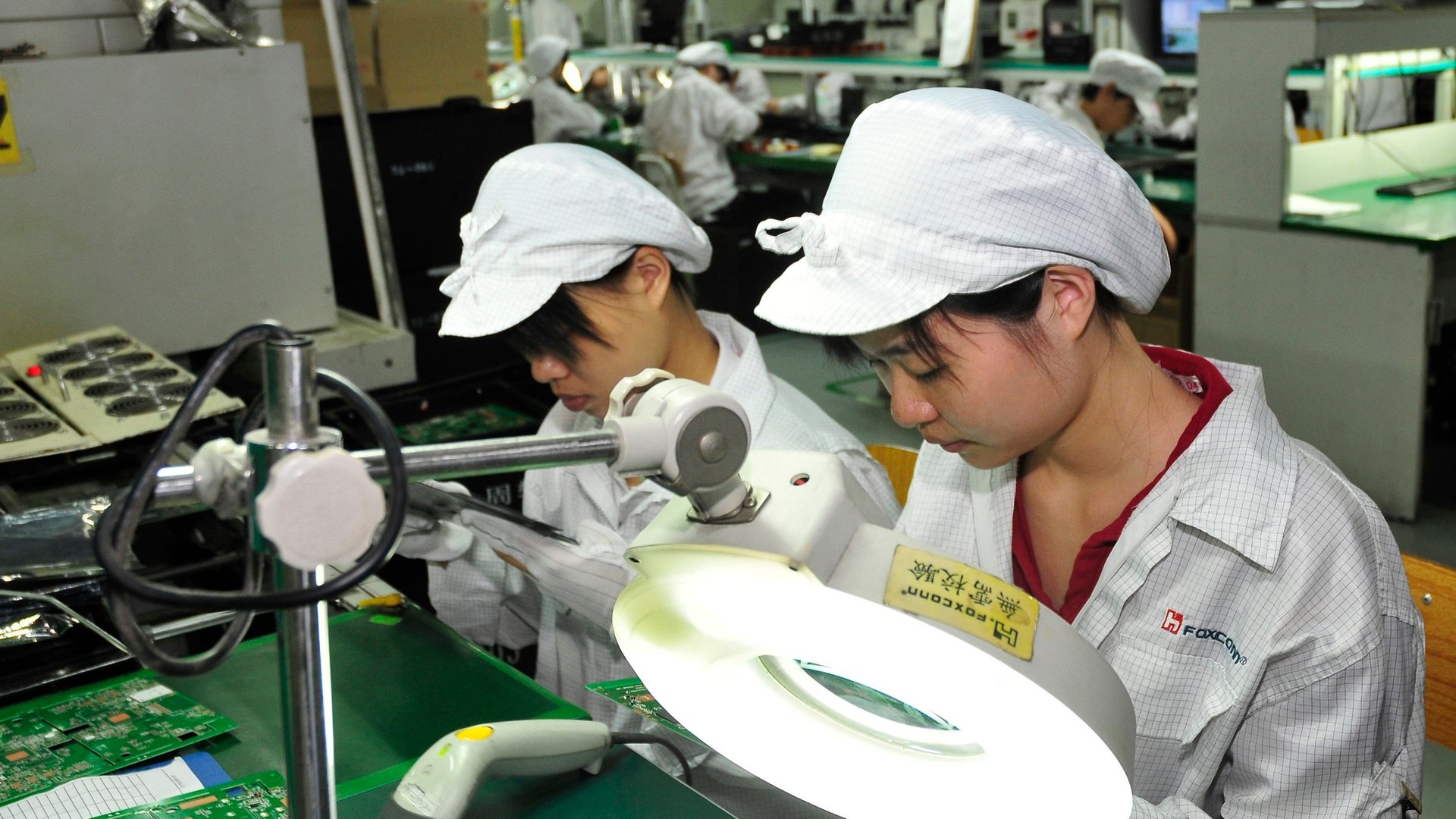
Apple has taken strides to improve the conditions of the workers who manufacture its gadgets; the company touts the fact that it is the first and only technology company to join the Fair Labor Association, a coalition of non-profits, universities and corporations “dedicated to protecting workers’ rights,” and it regularly dispatches inspectors to its subcontracting manufacturers in Asia, to keep them up to snuff with its labor standards. Often, by the company’s own admission, they are not.

Apple is not only making a cheaper iPhone 5C, but with its launch, for the first time, Apple phones will be offered by China Mobile, reports the Wall Street Journal. China’s largest carrier has 700 million subscribers.

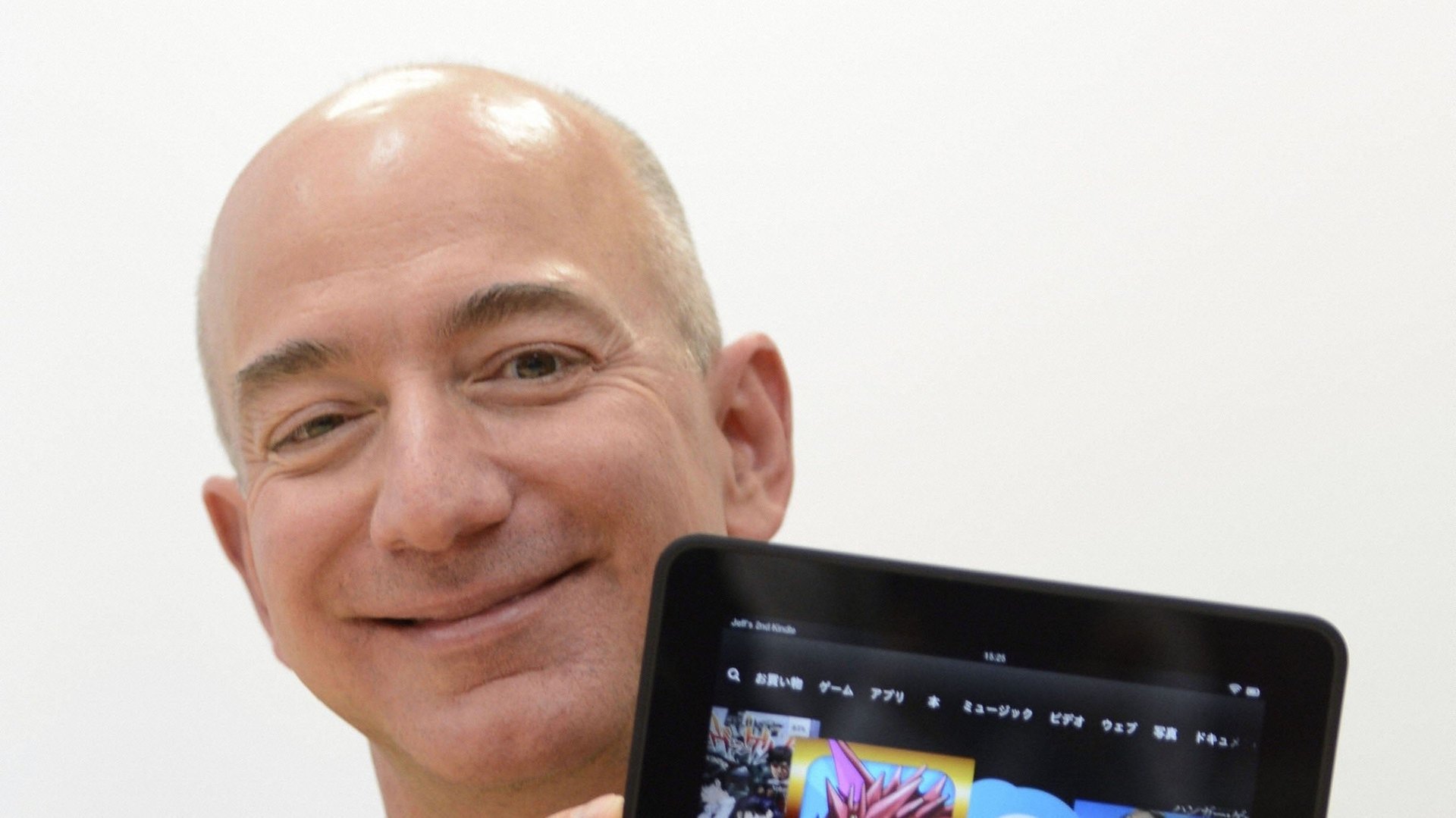
Amazon isn’t just working on a phone, but the company is considering giving it away, anonymous sources have told ex-Wall Street Journal reporter Amir Efrati. The same sources say that Amazon’s plan to give away phones is unlikely, but the fact that Amazon is even thinking about such a plan is indicative of the company’s long-term strategy, which is to give away hardware while making money on content and advertising.

Sales of PCs continue to decline, and that’s forcing PC makers to get creative. The latest example is an attempt by Acer, currently the number four maker of PCs in the world by market share, to replace the PC forever—with the smartphone.

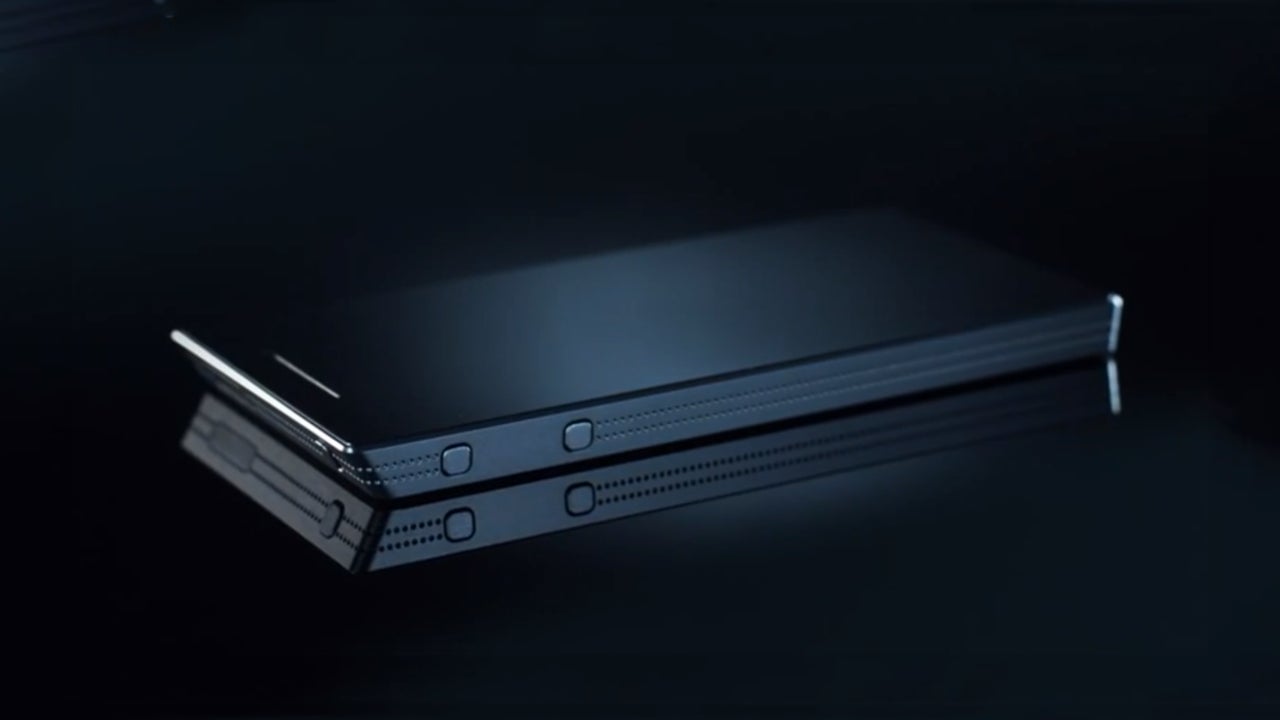
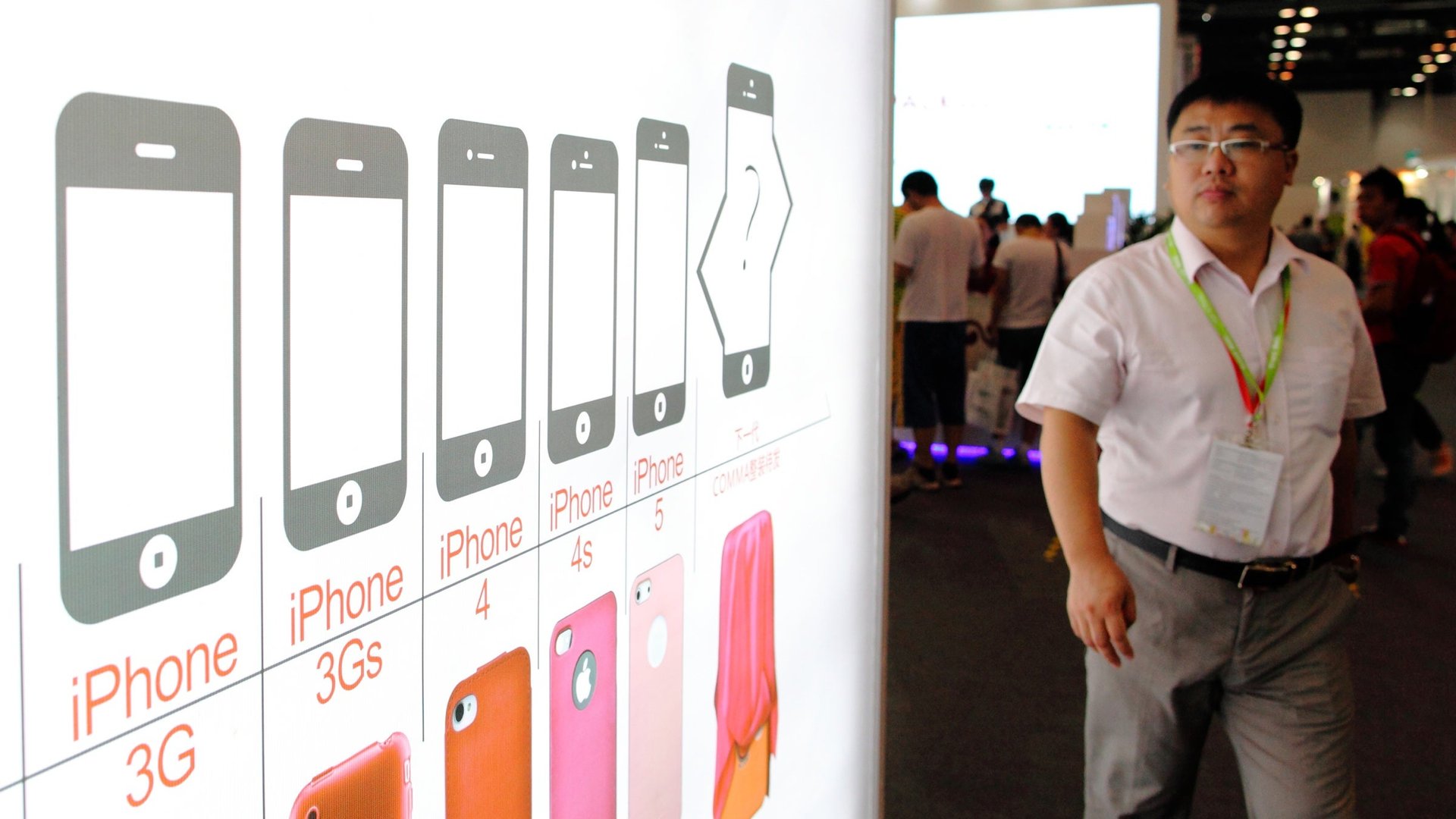
On Sept. 10, Apple is expected to announce a new iPhone and a (rumored, but essentially confirmed) “cheap” iPhone 5C. The price of the forthcoming “iPhone 5C” will determine its success in both the US and China, and will tell us a great deal about which market Apple is prioritizing, says mobile analyst Benedict Evans.

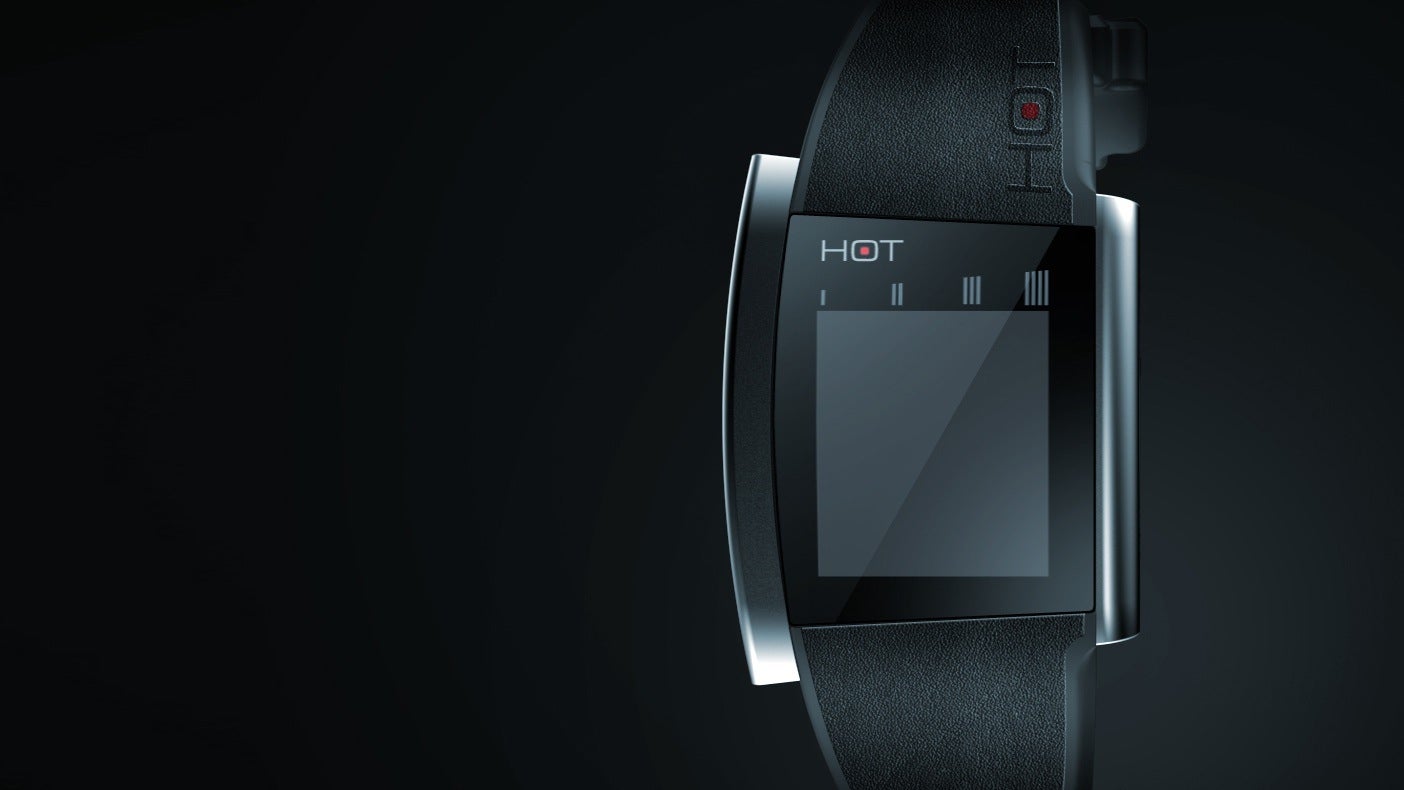
The design of Samsung’s new smart watch suggests that the company has yet to answer the fundamental question of what a smart watch is for. But Dallas, Texas-based PHTL seems to have answered that question. In PHTL’s vision, articulated in the company’s promotional video for its forthcoming HOT Watch, the purpose of a smart watch is to keep your expensive and increasingly bulky smartphone in your pocket by allowing you to make calls from your wrist. Samsung’s Gear is also supposed to have this feature, but reviewers report that the Gear’s speaker is too quiet to make phone calls a realistic endeavor outside of quiet environments. PHTL appears to have solved this issue in a unique way.

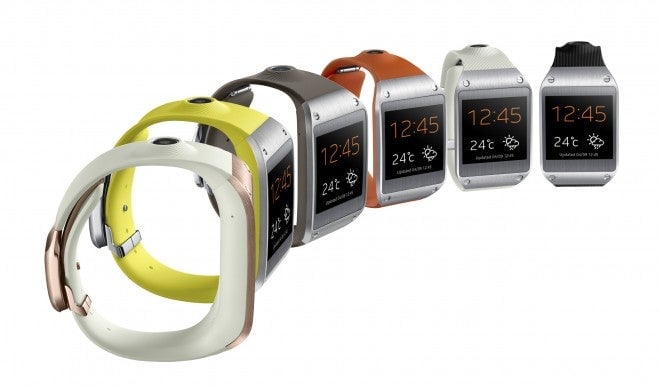
Samsung just unveiled its new, $300 Galaxy Gear smart watch, and its long list of features is impressive. Here are the ones that differentiate it from other smart watches, which have so far been mostly disappointments:

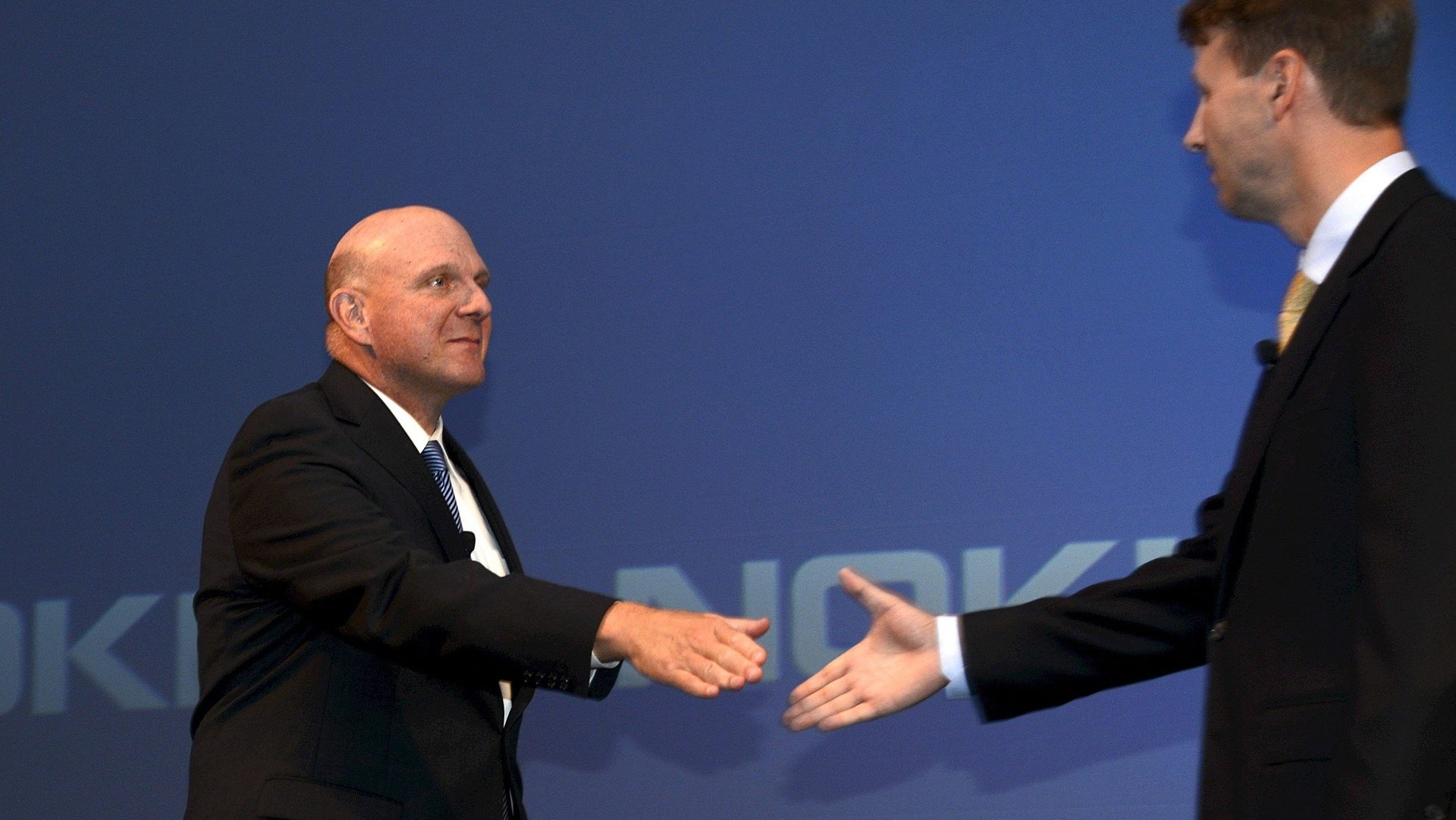
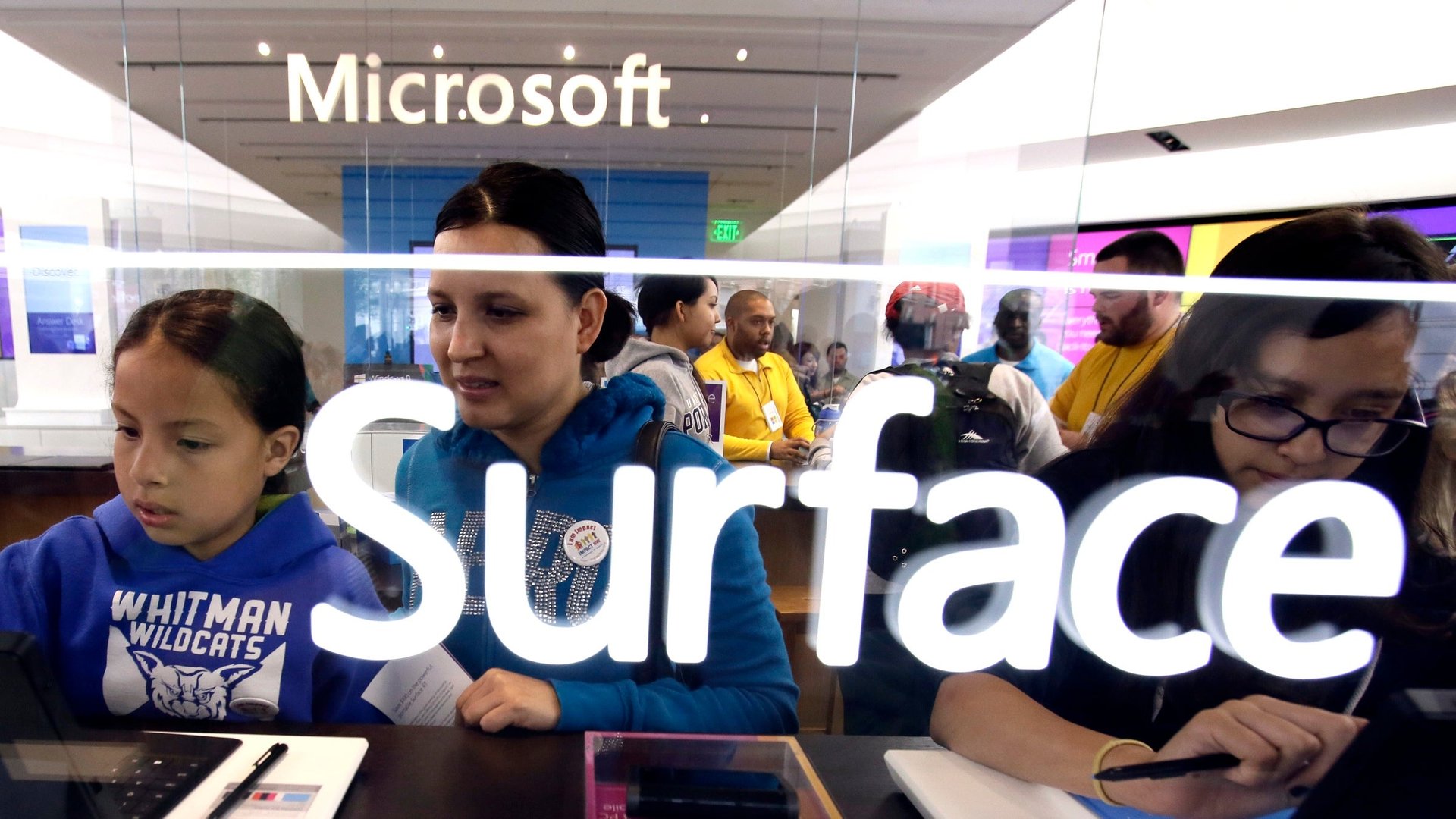
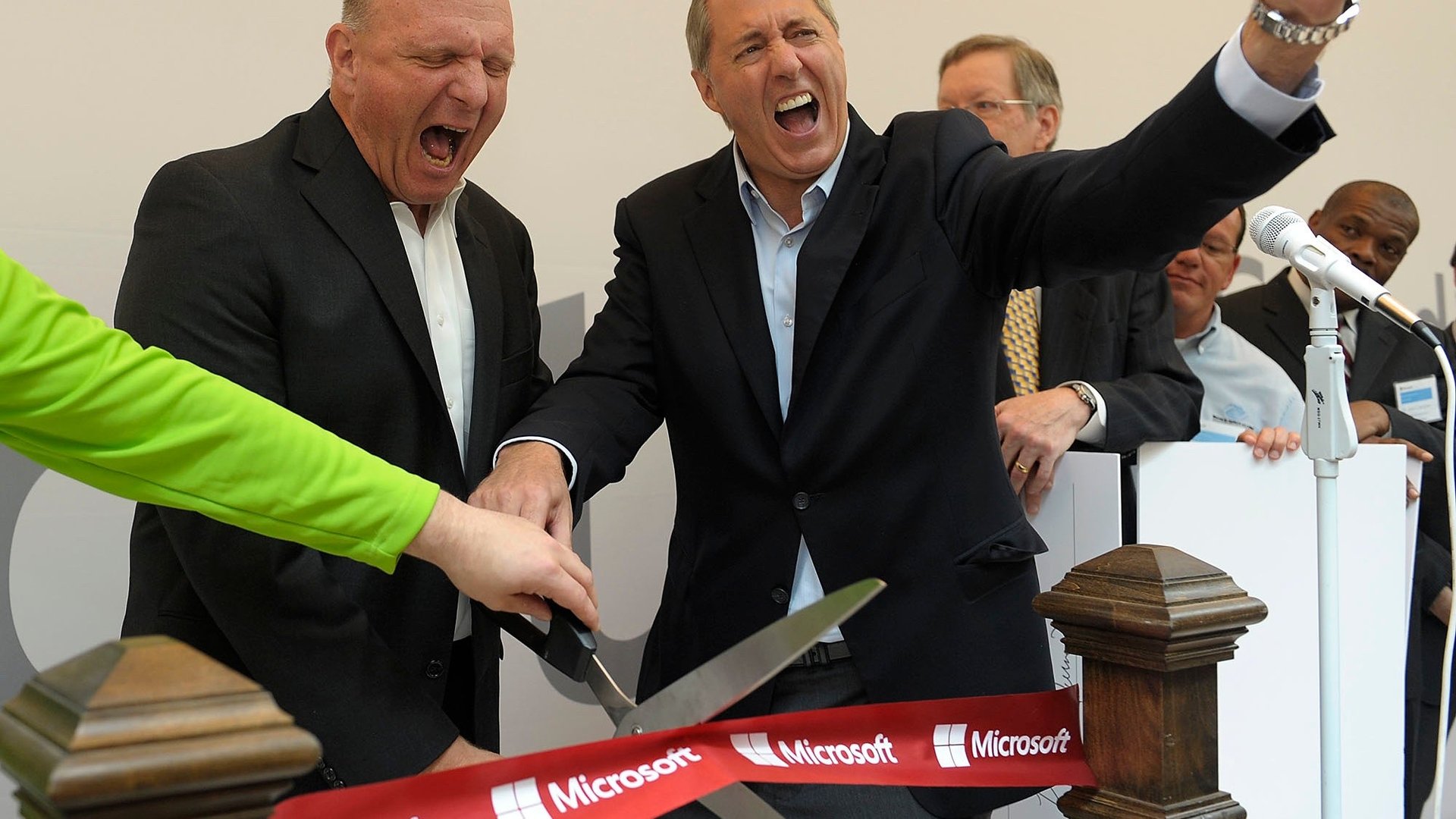
Microsoft just bought Nokia’s smartphone business for $7.2 billion. No matter how this turns out, the implications for both companies, and for the fortunes of other smartphone makers, especially in emerging markets, could be huge.

Robotics engineer Taylor Alexander needed to lift a nuclear cooling tower off its foundation using 19 high-strength steel cables, and the Android app that was supposed to accomplish it, for which he’d just paid a developer $20,000, was essentially worthless. Undaunted and on deadline—the tower needed a new foundation, and delays meant millions of dollars in losses—he re-wrote the app himself. That’s when he discovered just how hard it is to connect to sensors via the standard long-distance industrial wireless protocol, known as Zigbee.

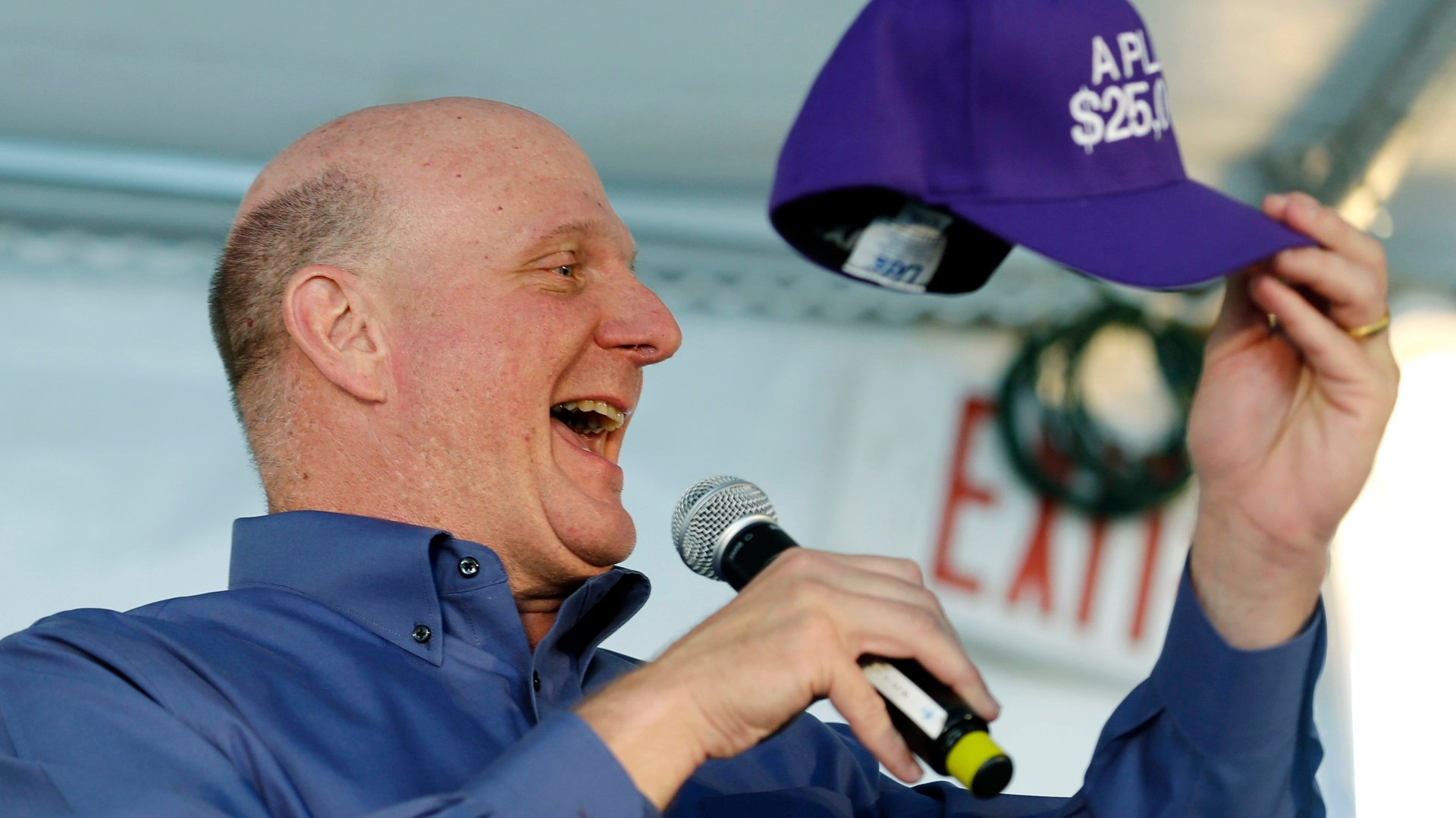
The deeper you dig into the causes of Microsoft’s decade of stagnation and the departure of CEO Steve Ballmer, the more apparent it is that the problems Microsoft faced affect all large companies, to one extent or another. Fortunately for the world (and unfortunately for Microsoft) the company’s dysfunction drove away so many talented engineers and managers that they are practically climbing over one another to recount what went wrong in Redmond.

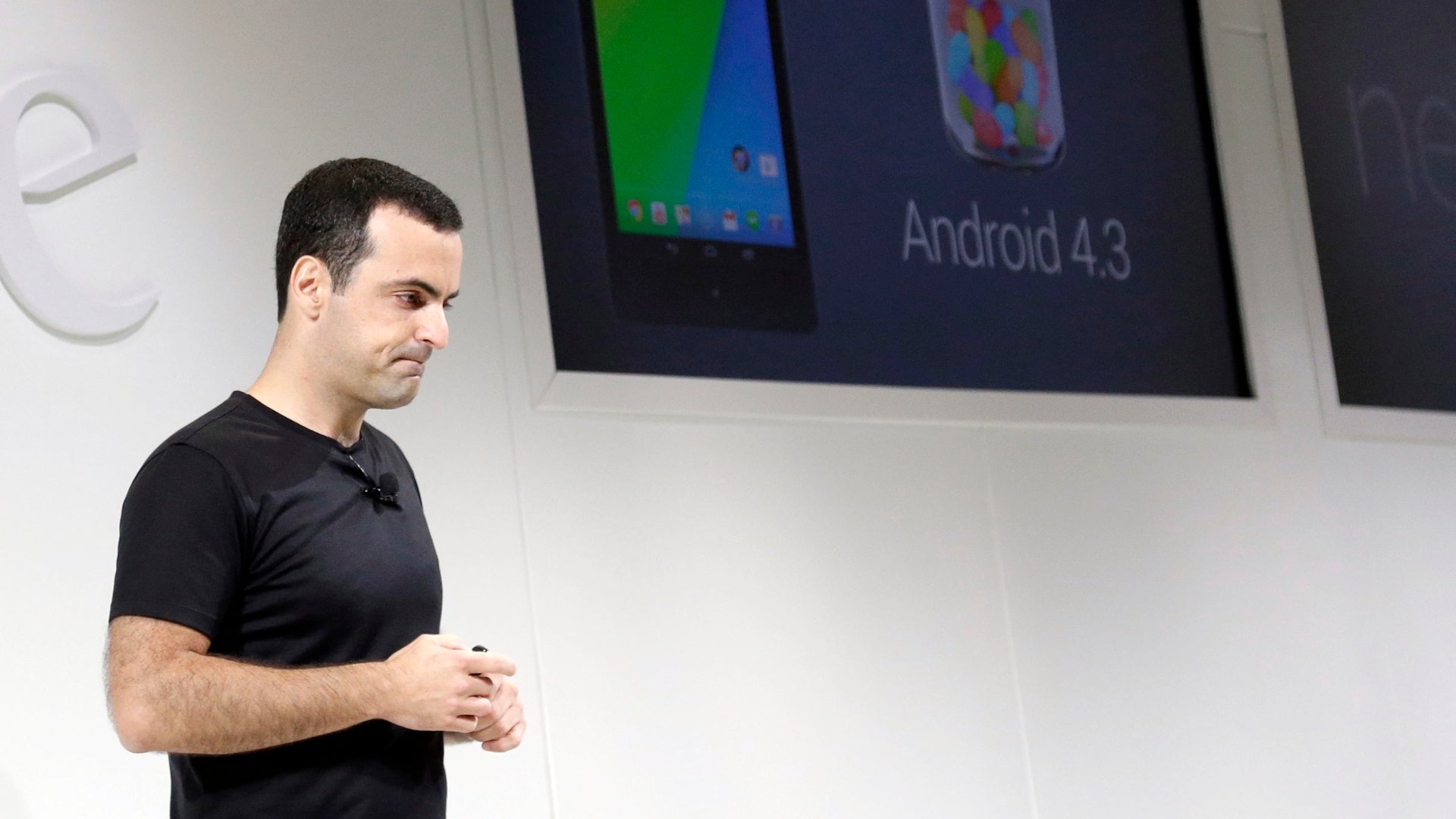
Hugo Barra was the guy in charge of the day to day Android operations at Google. But suddenly he’s leaving for Xiaomi, popularly known as the “Apple of China,” which has grown astronomically into a major manufacturer of Android-based smartphones that is now worth more than Lenovo, the world’s largest PC maker.

What do you do when you’re a small country with a technology industry convinced that innovation requires the banning of software patents, but you’ve signed an international treaty that in theory obliges you to make software patentable? If you’re New Zealand, you simply declare, in a historic and long-debated bit of just-passed legislation, that software isn’t an invention in the first place.

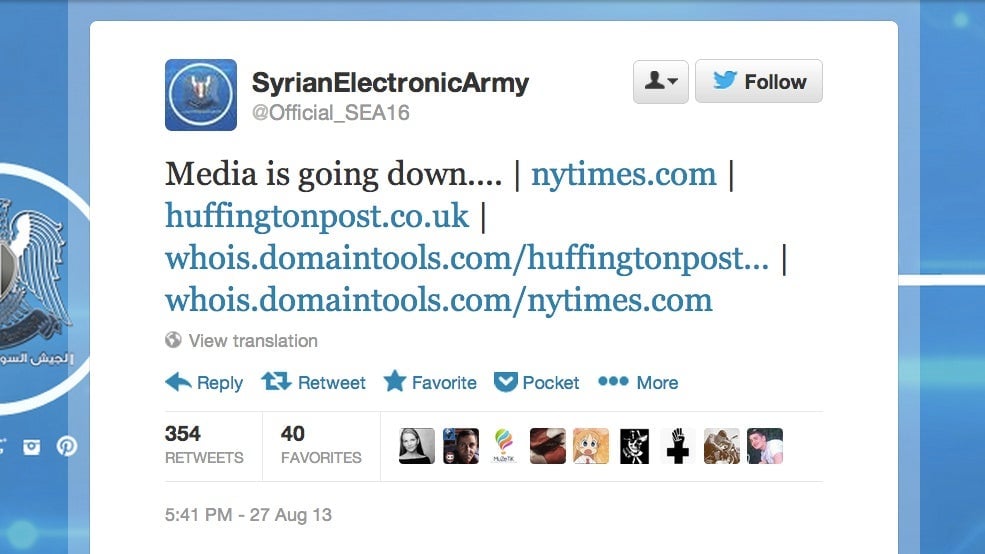
As of this moment, the website of the New York Times is inaccessible to many people. It’s apparently the victim of an attack by the Syrian Electronic Army (SEA), the group of hackers that supports Syrian president Bashar al-Assad and who started out by hacking their ideological foes before it occurred to them they’d get more press by going after more visible targets.

Yesterday Quartz outlined the reasons for Microsoft’s “lost decade.” But now that CEO Steve Ballmer is on his way out, it’s time to talk about the way forward.

Mark Zuckerberg just elaborated on his plan to create a consortium of tech companies to bring internet access to the billions of poor people on earth who lack it, answering critics who charged that the plan, Internet.org, is just a cynical plot to increase Facebook’s profits. In an interview published by Wired, Zuckerberg called those accusations “crazy,” because the people being targeted have too little money for the program to be anything more than philanthropic. “The billion people who are already on Facebook have way, way more money than the next 6 billion people combined,” he told interviewer Steven Levy.

Wall Street is starting to wake up to the potential of 3D printing. This morning Citi analyst Kenneth Wong released a bullish note projecting that the market for 3D printing and related services will triple by 2018, citing the leading companies in this area, Stratasys and 3D Systems. (Granted, such rapid growth is possible partly because the industry is still tiny, just $1.7 billion in 2011, with the market for 3D printed parts accounting for about half of that.)

It’s possible, even likely, that Microsoft is about to enter the darkest period in the firm’s history. Darker, even, than July 2000, when it seemed the US government might dissolve the house that Bill built, and force the company to be split into two different companies.

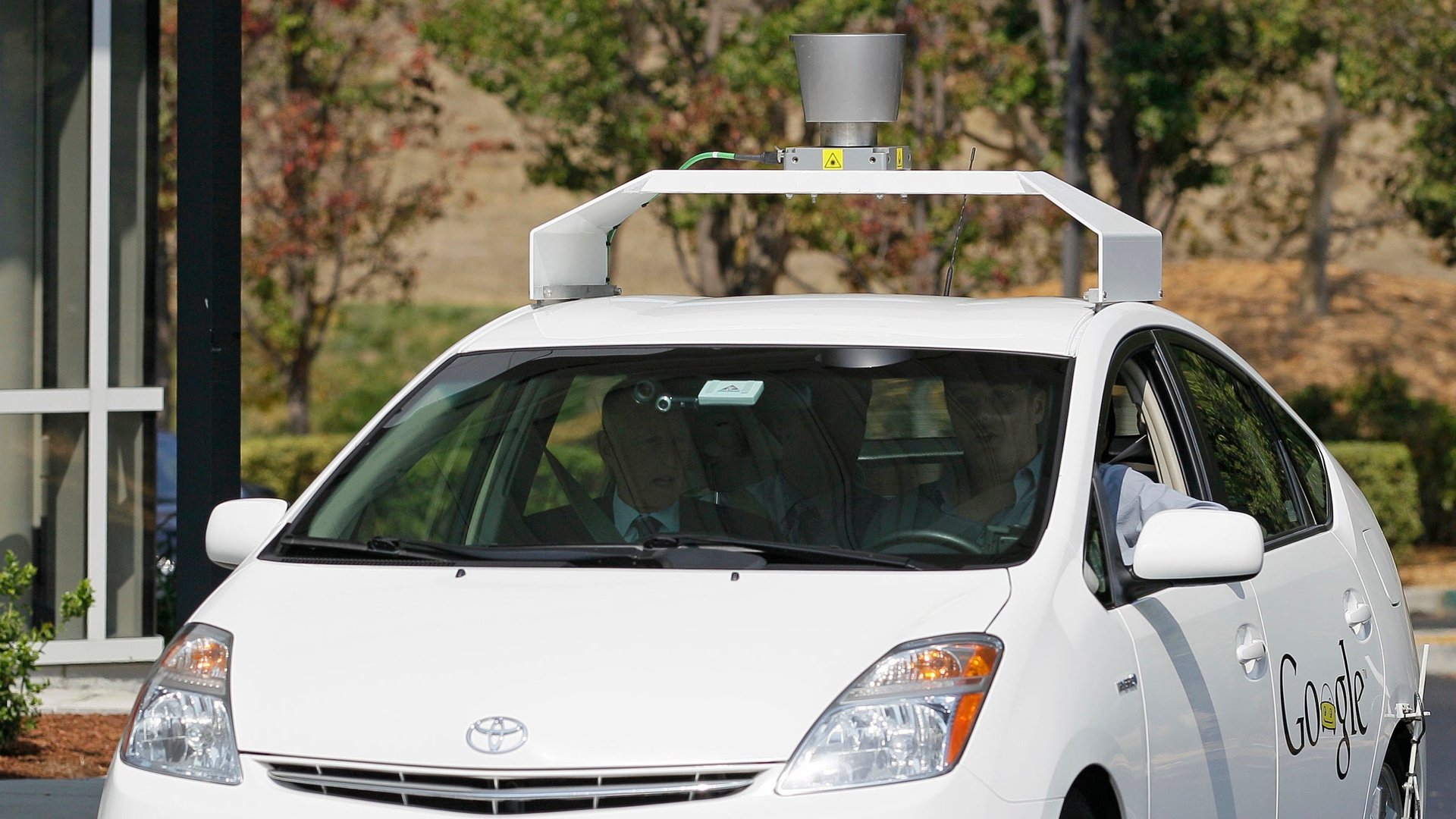
Once again, Google is apparently working on its own version of hardware at the same time that it’s partnering with mainstream manufacturers of the same kind of device. But this time, it’s a car.

Here’s the thing you’d never know about Microsoft under the 13-year reign of Steve Ballmer: Microsoft remains, just barely, an amazing company. Not “amazing” in the sense of ambitious or unique, which it is, or particularly well-run, which it isn’t. But “amazing” in the one sense that counts at a technology company: Microsoft is able to hire, or simply acquire, extremely talented people.

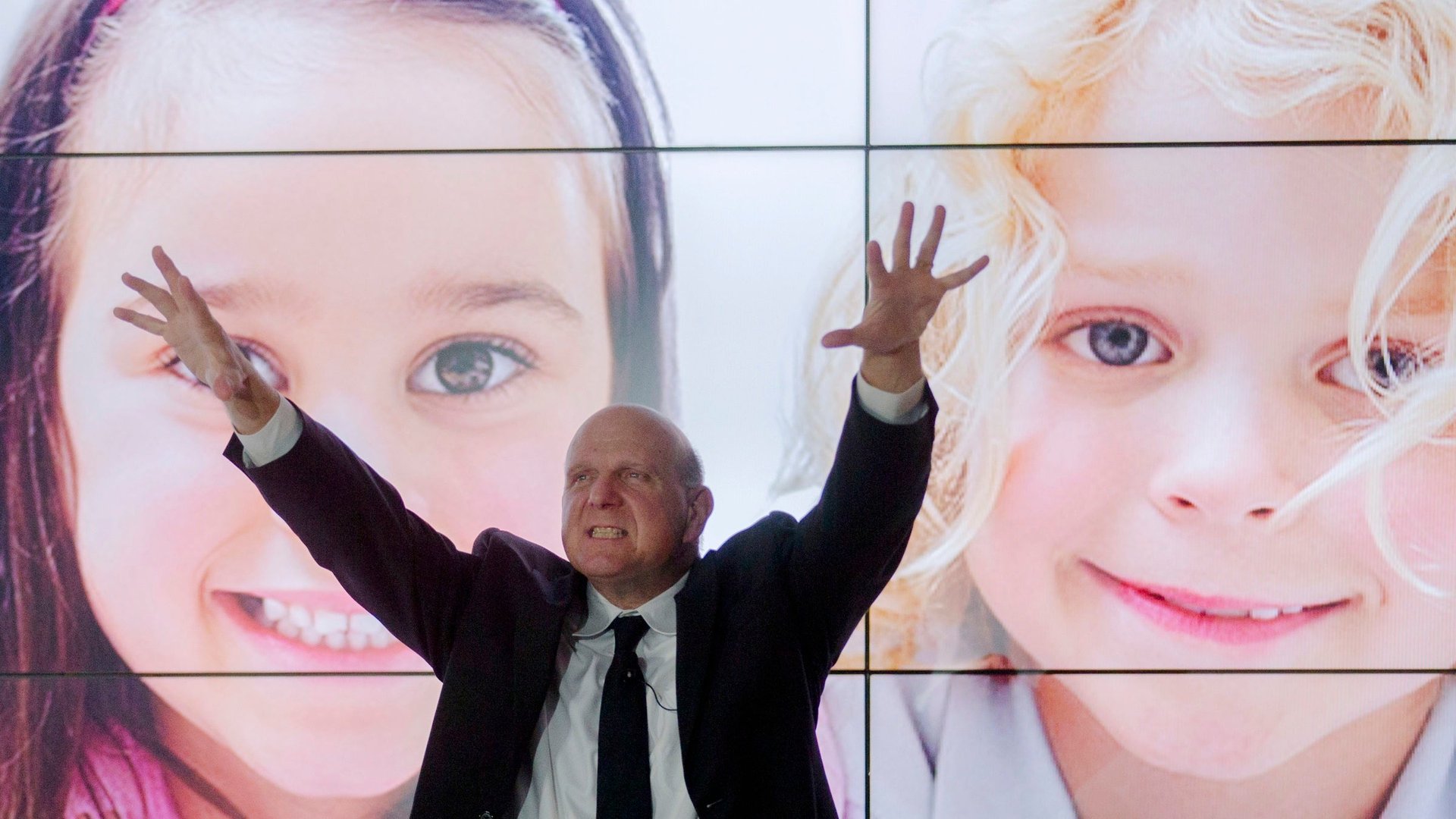
Since Steve Ballmer’s announcement this morning that he’s stepping down as CEO of Microsoft in the next 12 months, the company’s stock has popped more than 8%. Ballmer is Microsoft’s second-largest individual shareholder, with 333,252,990 shares, which means his $16 billion net worth just appreciated $625 million. Bill Gates, Microsoft’s largest individual shareholder, just added $741 million to his $71.3 billion kitty.

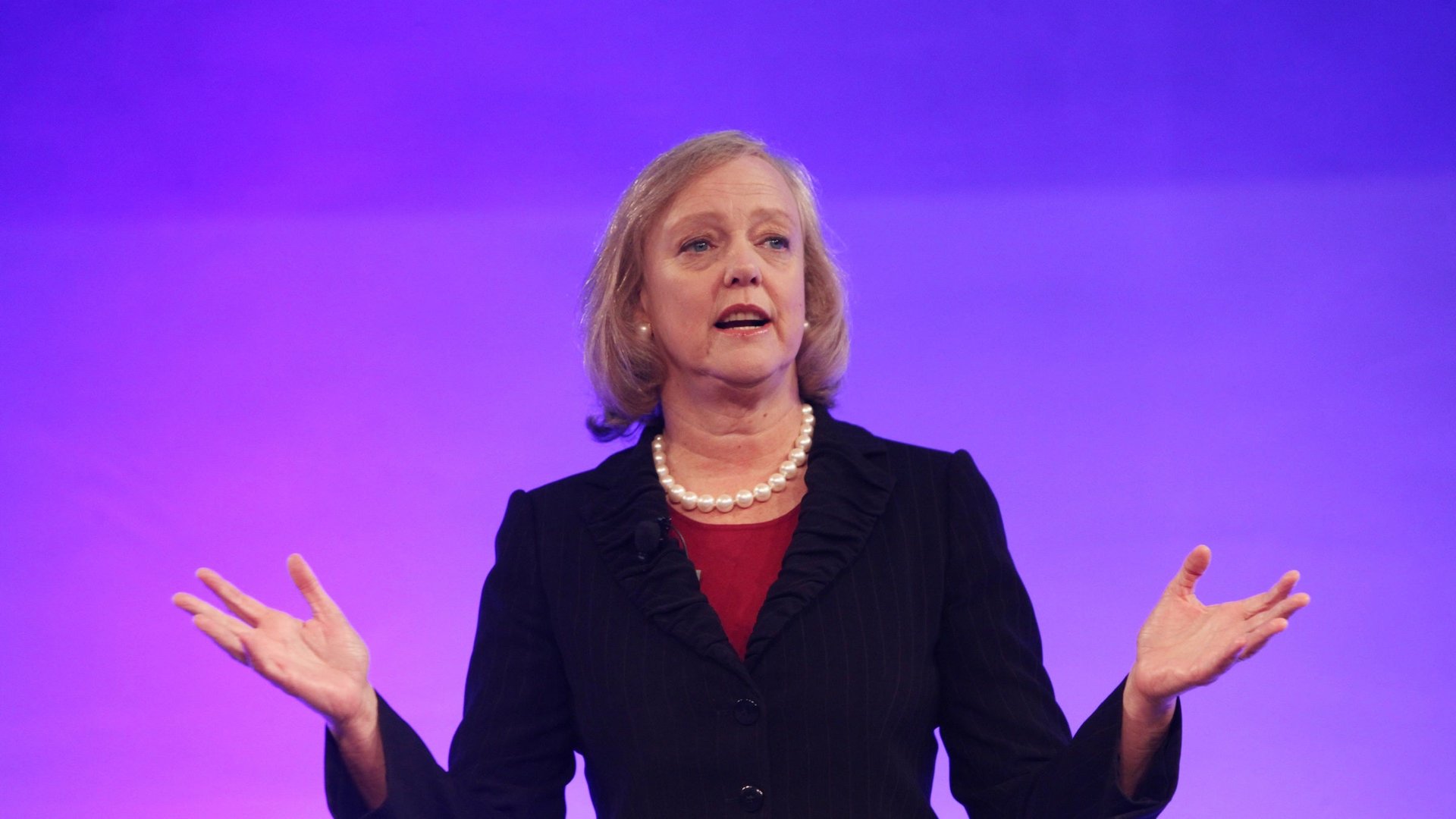
Something that didn’t make it into the official transcript of yesterday’s earnings call with Hewlett-Packard CEO Meg Whitman was her enthusiasm for HP’s recently rolled out “Instant Ink” program. Instant Ink is HP’s effort to get people to subscribe to printer ink, thus locking consumers into making a purchase every month by default. Printing is still 22% of HP’s revenue, and Whitman has said that the company needs to increase revenue in this area.

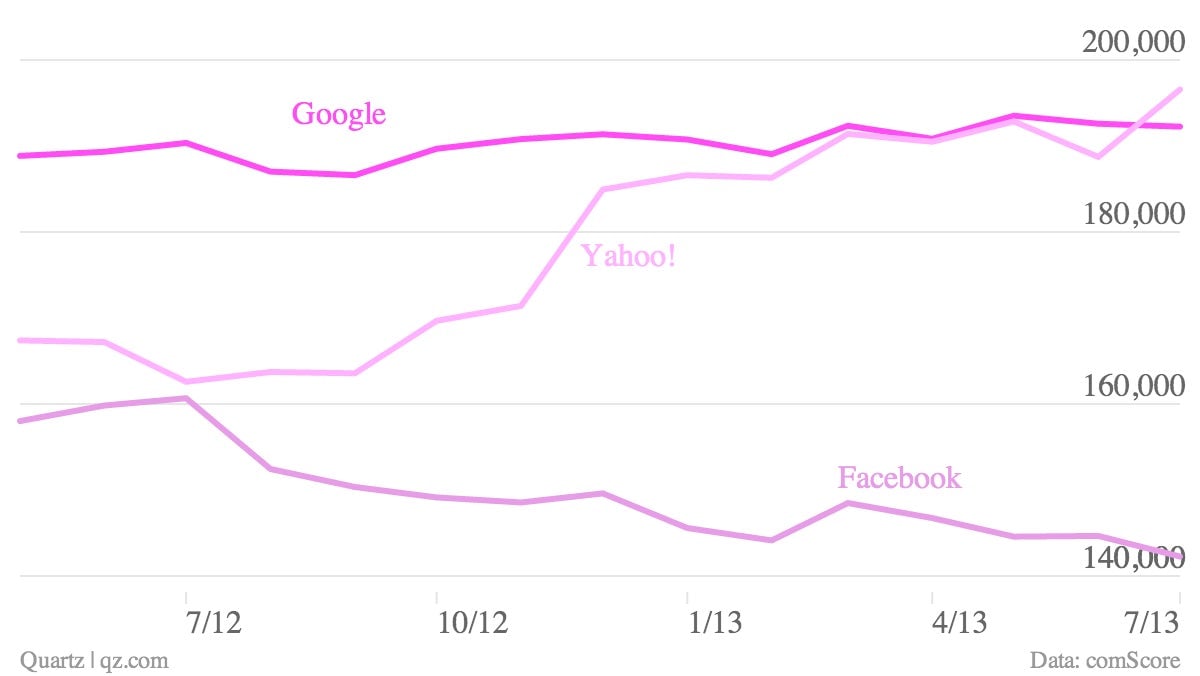
Yahoo’s homepage drew more visitors than Google in July, says comScore. This could be a sign that Yahoo is winning over new users. But it’s more likely a sign that Yahoo is losing the larger battle for where users are going next: mobile. That’s because the much-ballyhooed numbers from comScore only look at people visiting Yahoo’s homepage from a desktop or notebook PC, and exclude people using smartphones or other mobile devices.