
Tech & Innovation
Alphabet DeepMind is inviting developers into the digital world where its AI learns to exploreEven a fledgling AI needs a place to play.
Updated July 21, 20222 min read
Even a fledgling AI needs a place to play.
Artificial intelligence (AI) is usually built into the software we use, from automatic tagging on Facebook to chatbots in Google and Apple’s mobile operating systems. Instead of injecting AI into software, a new tool from OpenAI teaches algorithms to control a computer the way a human would: by looking at pixels and using a virtual keyboard and mouse.
Facebook’s head of AI research doesn’t think that filtering fake news on Facebook is a technological problem, but an ethical one.
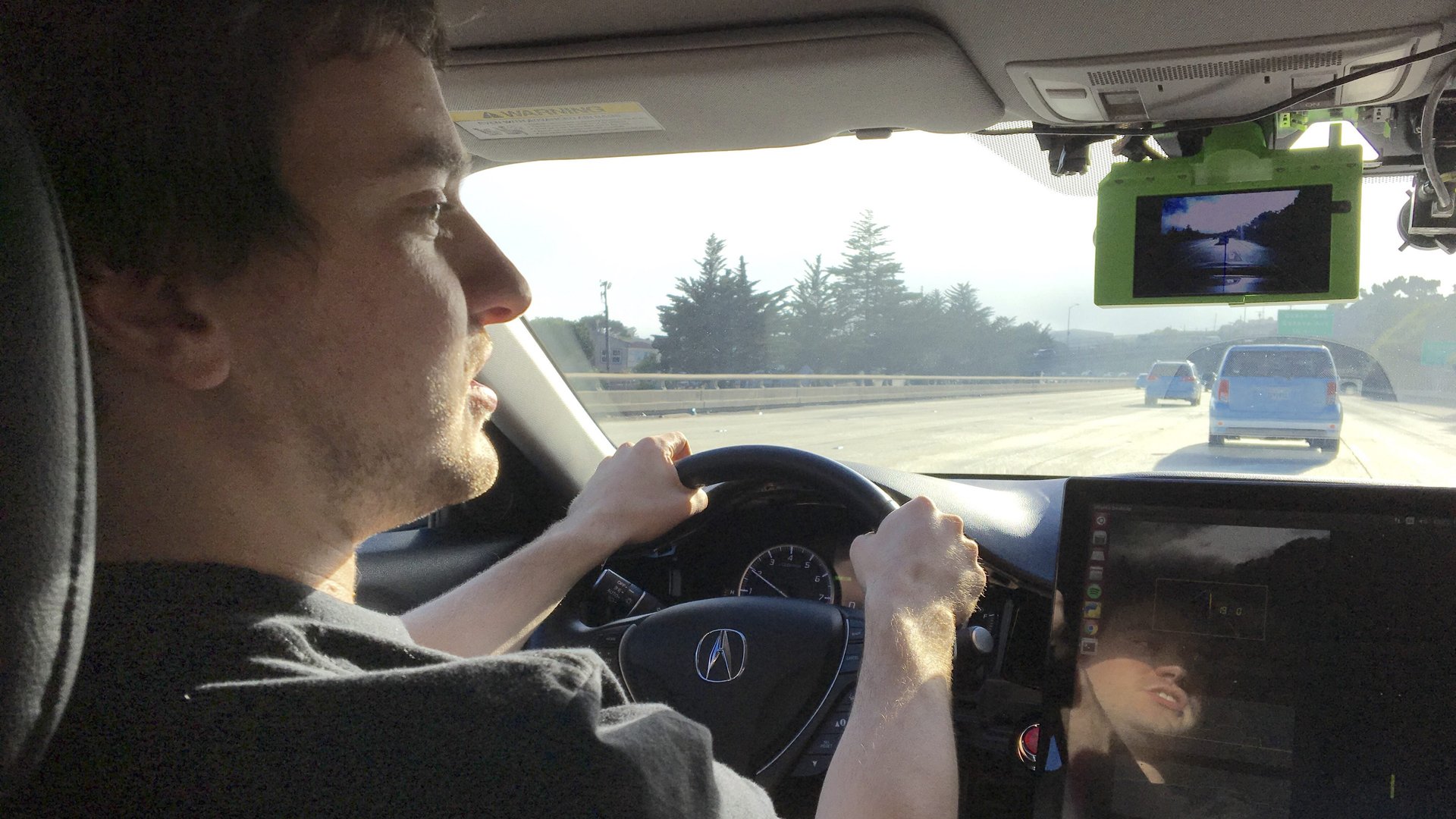
George Hotz, the well-known hacker and founder of the self-driving car startup Comma.ai, is a man of surprises.
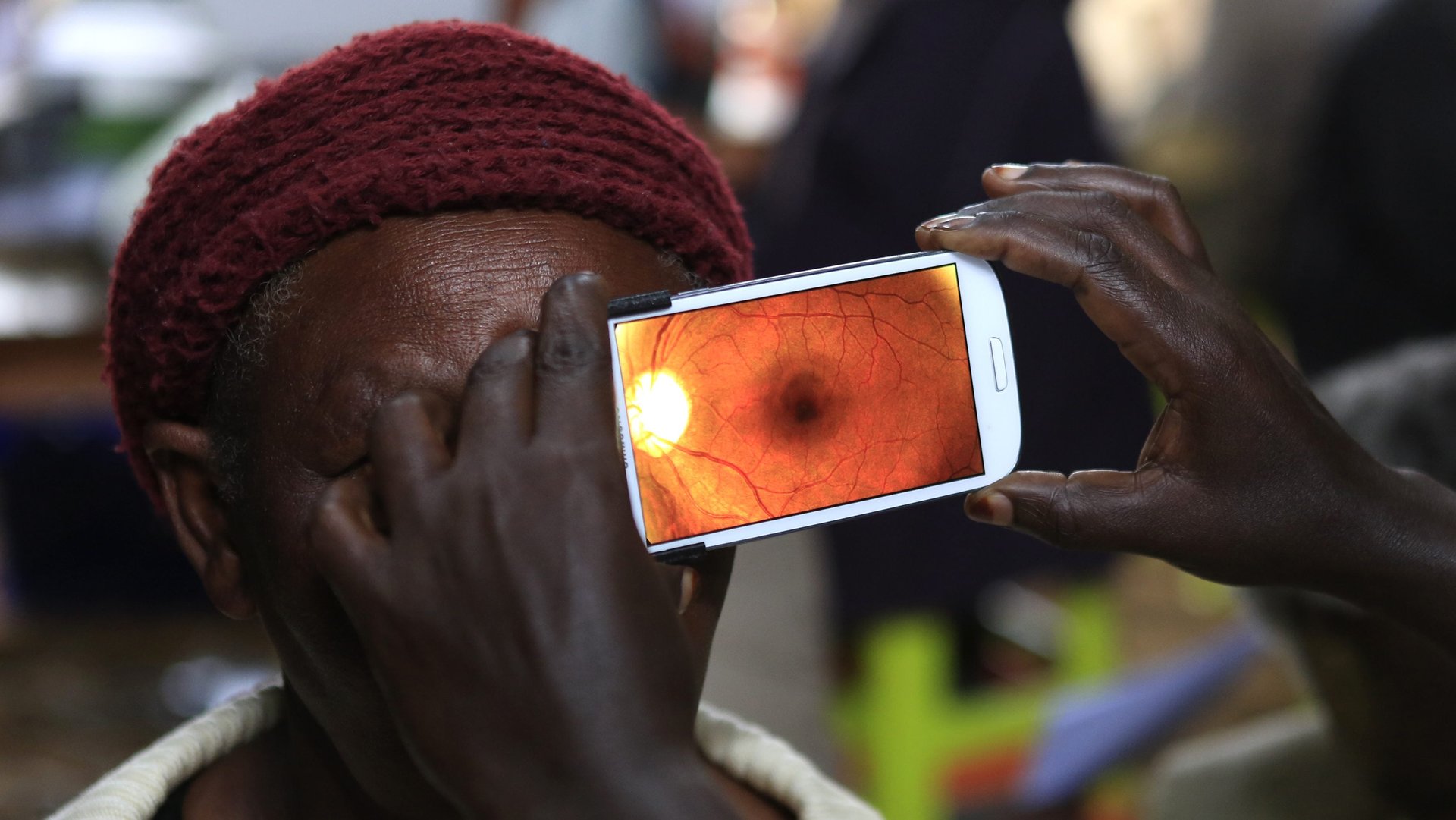
A doctor’s work isn’t all done in examination rooms. Many specialists spend lots of time alone with the lights out, examining photographs that reveal their patients’ internal workings.

In the age of the internet, file size is key: Compressed documents, images, and videos take up less space than uncompressed ones, and can also be transmitted more quickly. That’s good news for server space and hard drive capacity, not to mention the storage on your average smartphone.

Black Friday is a great way for manufacturers to get rid of inventory—it’s like a great end-of-year purge, before the new year’s gadgets are revealed at the Consumer Electronics Show (CES) in January.

It’s become clear that the algorithms Facebook and Google designed to deliver news to their users have failed. But while fake news is a headache for those tech giants right now, the underlying research question—whether and how machines tell truth from lies on the internet—is one that will persist as long as the world wide web stays an open forum.
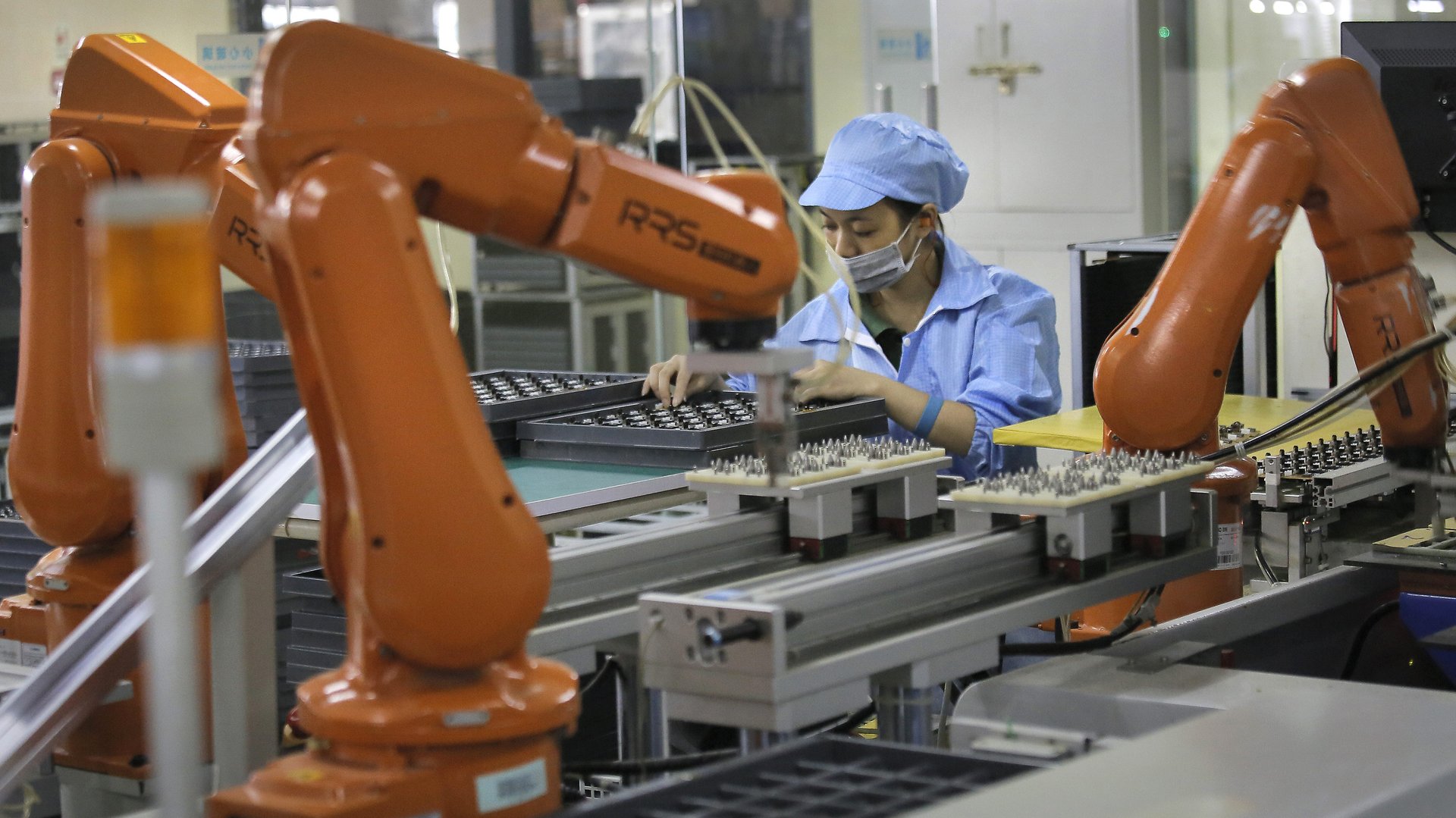
The next decade will be marked by a major shift in how businesses operate: Chatbots could send receptionists the way of telephone operators, self-driving cars could replace truckers, and robot could gain more floorspace in factories. Researchers at Oxford estimate that about 47% of American jobs are at risk for eventual automation (pdf).

As Donald Trump inches closer to assuming the role of president of the United States, Hillary Clinton supporters and pundits alike are reeling, trying to figure out what went wrong.

While Dow Jones Industrial Average futures are down 750 points, bitcoin is surging. The cryptocurrency climbed above $732 after midnight (Oct. 9) on the East Coast, up 3.4% from two hours prior. A month ago, bitcoin traded at $614.62.
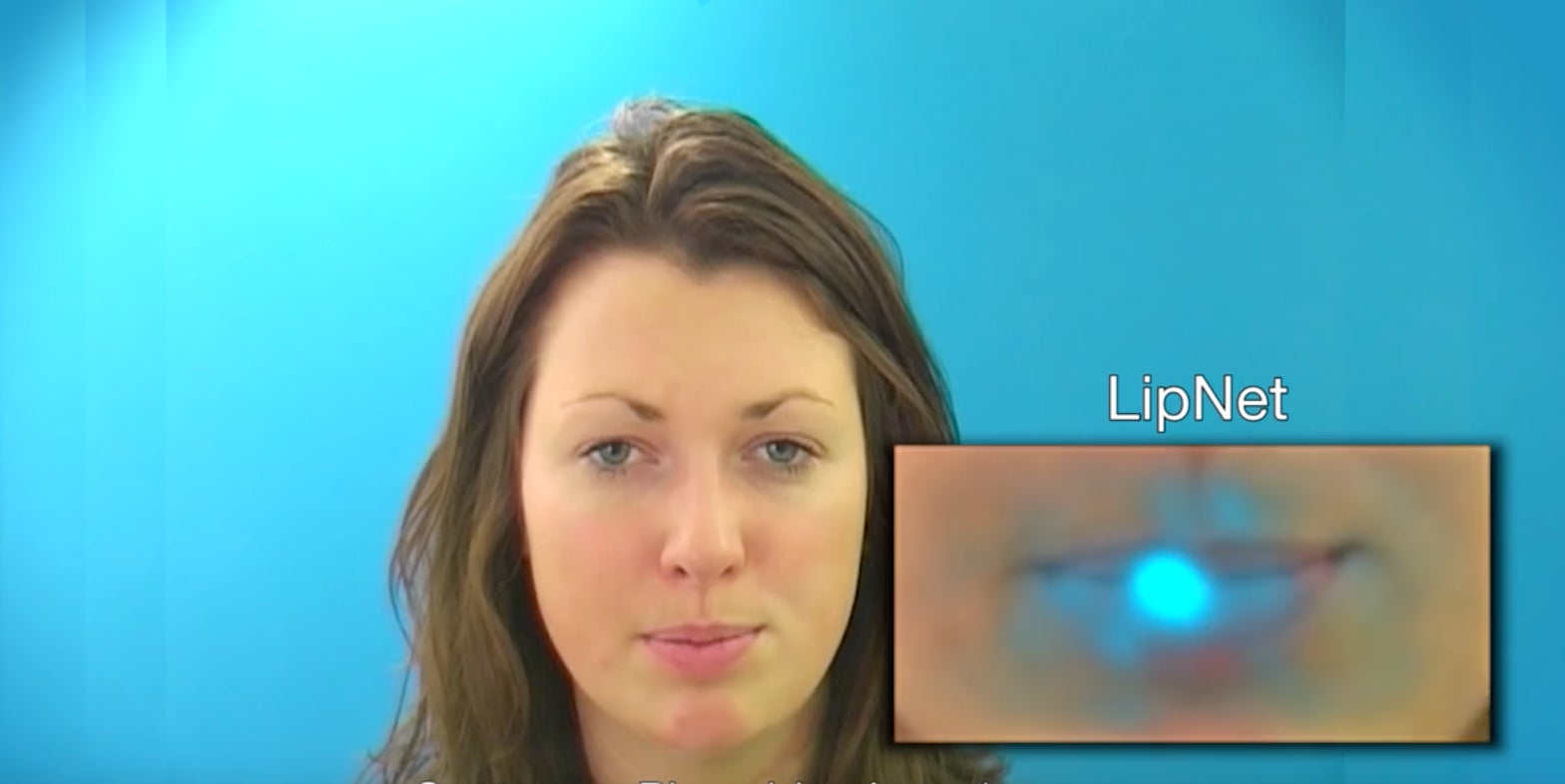
Even professional lip-readers can figure out only 20% to 60% of what a person is saying. Slight movements of a person’s lips at the speed of natural speech are immensely difficult to reliably understand, especially from a distance or if the lips are obscured. And lip-reading isn’t just a plot point in NCIS: It’s an essential tool to understand the world for the hearing-impaired, and if automated reliably, could help millions.
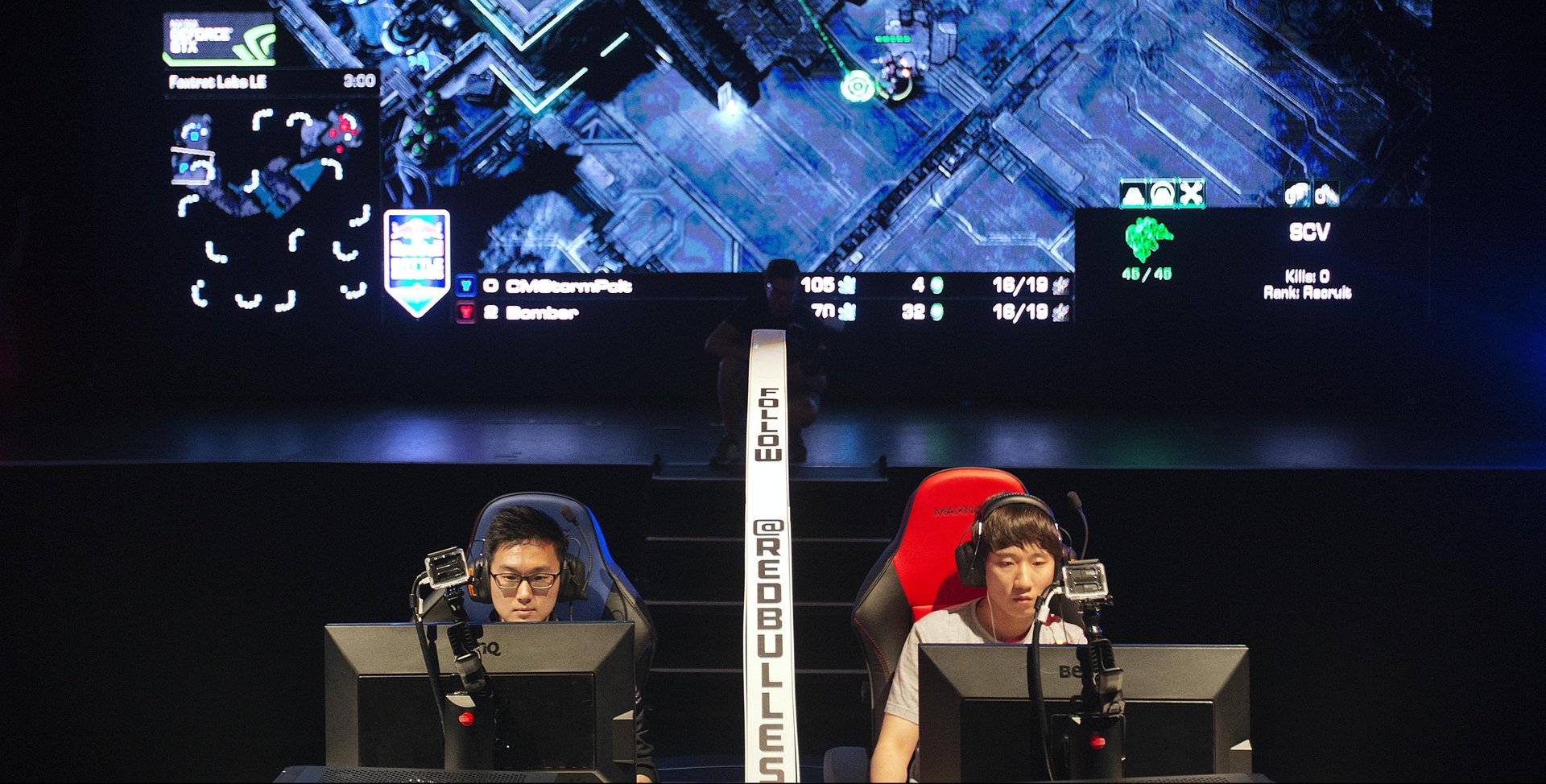
First, chess fell to AI. Then Atari, and soon after, the ancient Chinese board game Go. Now, it looks like StarCraft is the next to be dominated by self-learning machines.

When it comes to mobile, there’s no bigger story than Facebook.
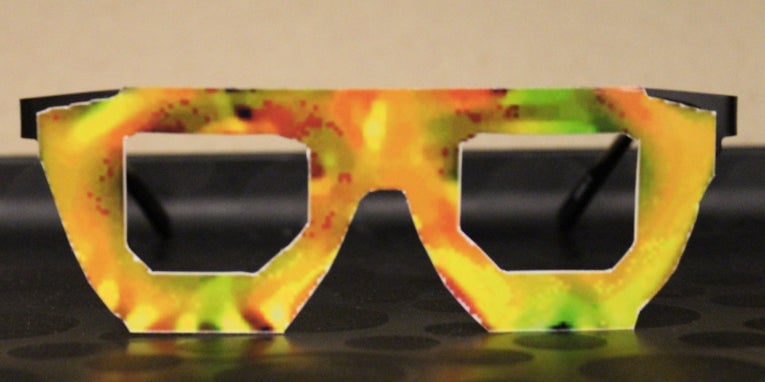
Your face is quickly becoming a key to the digital world. Computers, phones, and even online stores are starting to use your face as a password. But new research from Carnegie Mellon University shows that facial recognition software is far from secure.
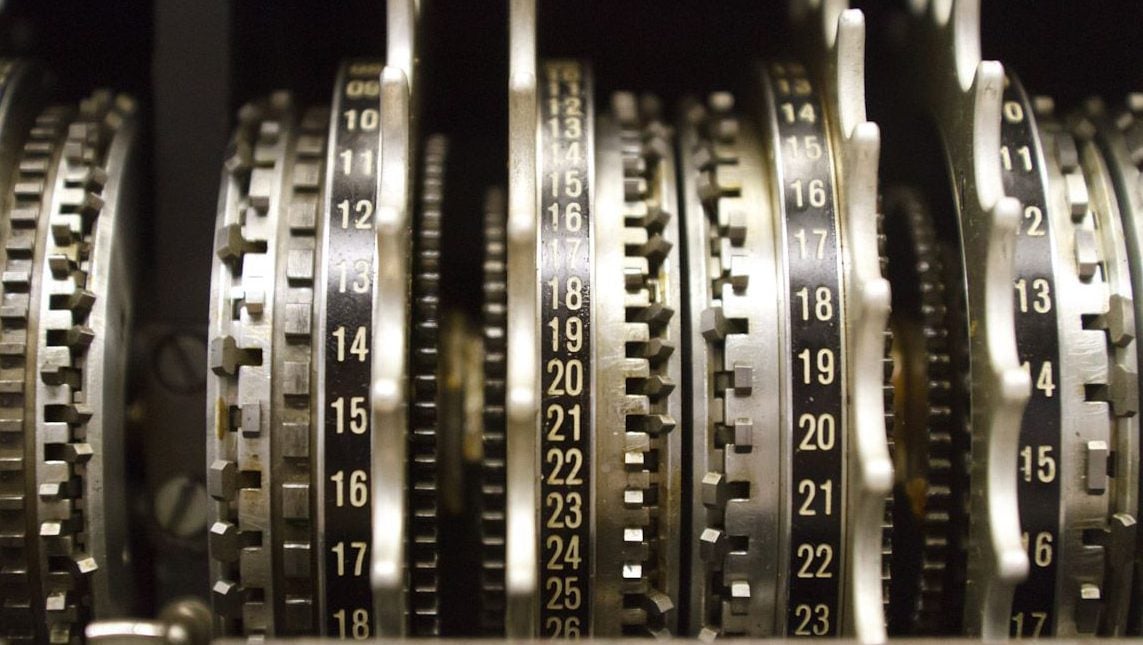
A team at Google has built a system to show that artificial intelligence can build its own form of encryption. While not very complex currently, this research could set the table for encryption that gets stronger as hackers attempt to crack it.
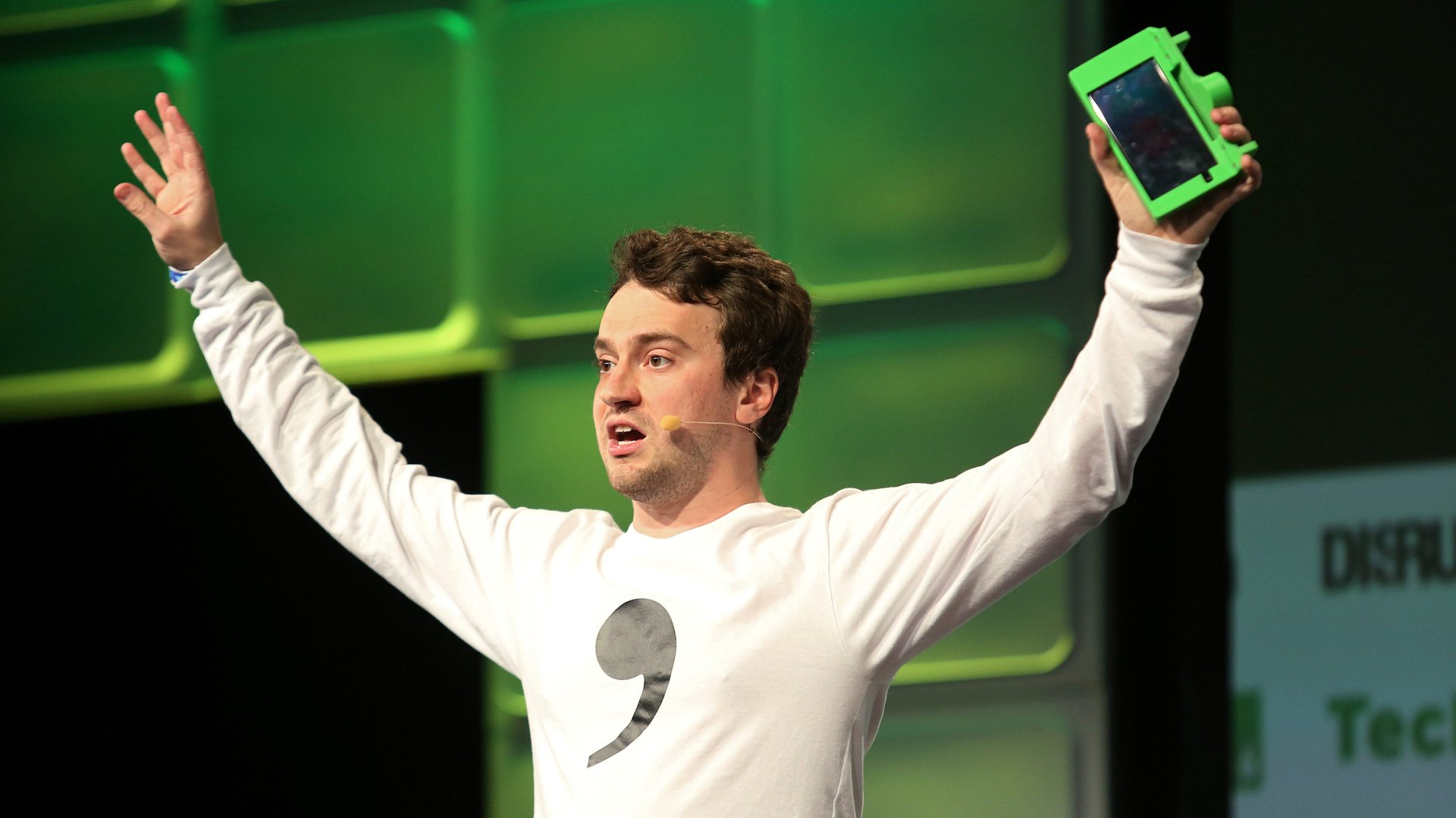
A warning to all self-driving car startups: You might have to deal with the government.
Someday, Alphabet may have to answer for all the money being sunk into its many moonshots. Today is not that day.
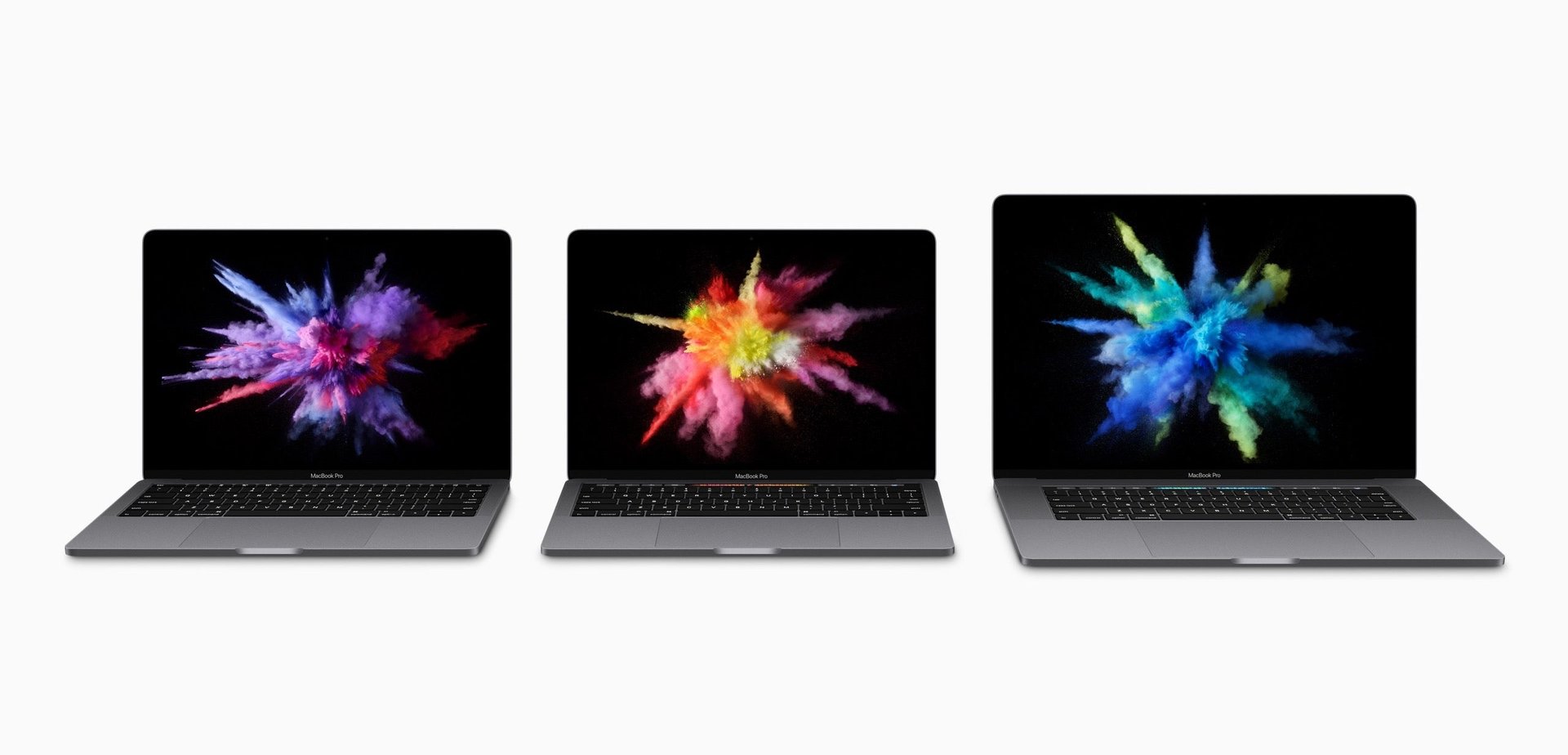
At its headquarters in Cupertino, California, Apple unveiled a slew of new laptops and a few other minor updates on Oct. 27. The company hasn’t updated some of its computers in years, and some were long overdue for a refresh. However, Apple kept us waiting on information about its desktop computers.

It looks like Vine’s six seconds are up.
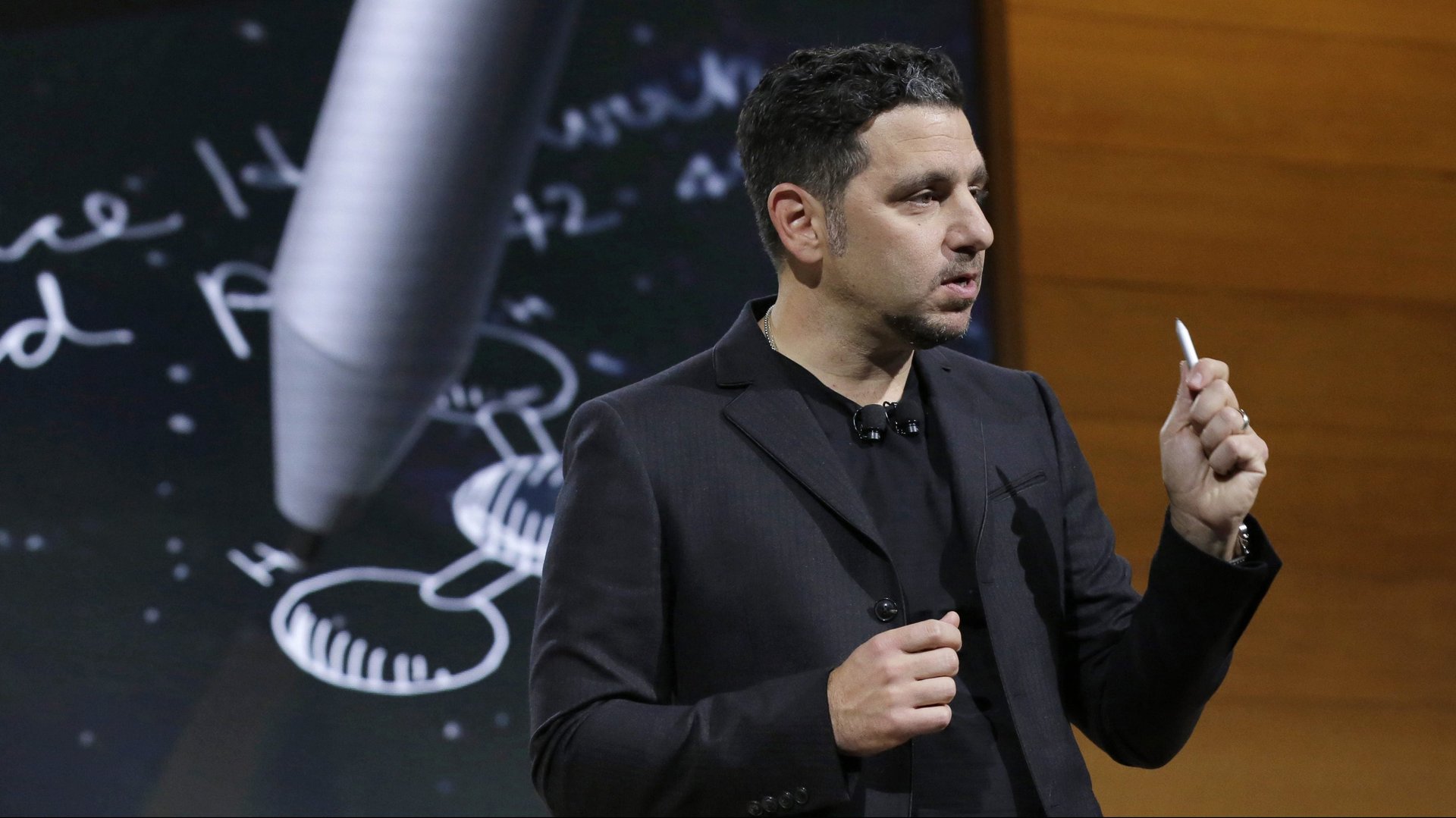
For a firm that makes most of its money selling software and cloud services, Microsoft sure wants to look like a hardware company. Alongside new features for Windows 10, Microsoft execs spent more than an hour of the company’s event on Oct. 26 pitching new computers, VR headsets, and accessories focused on artists and designers.
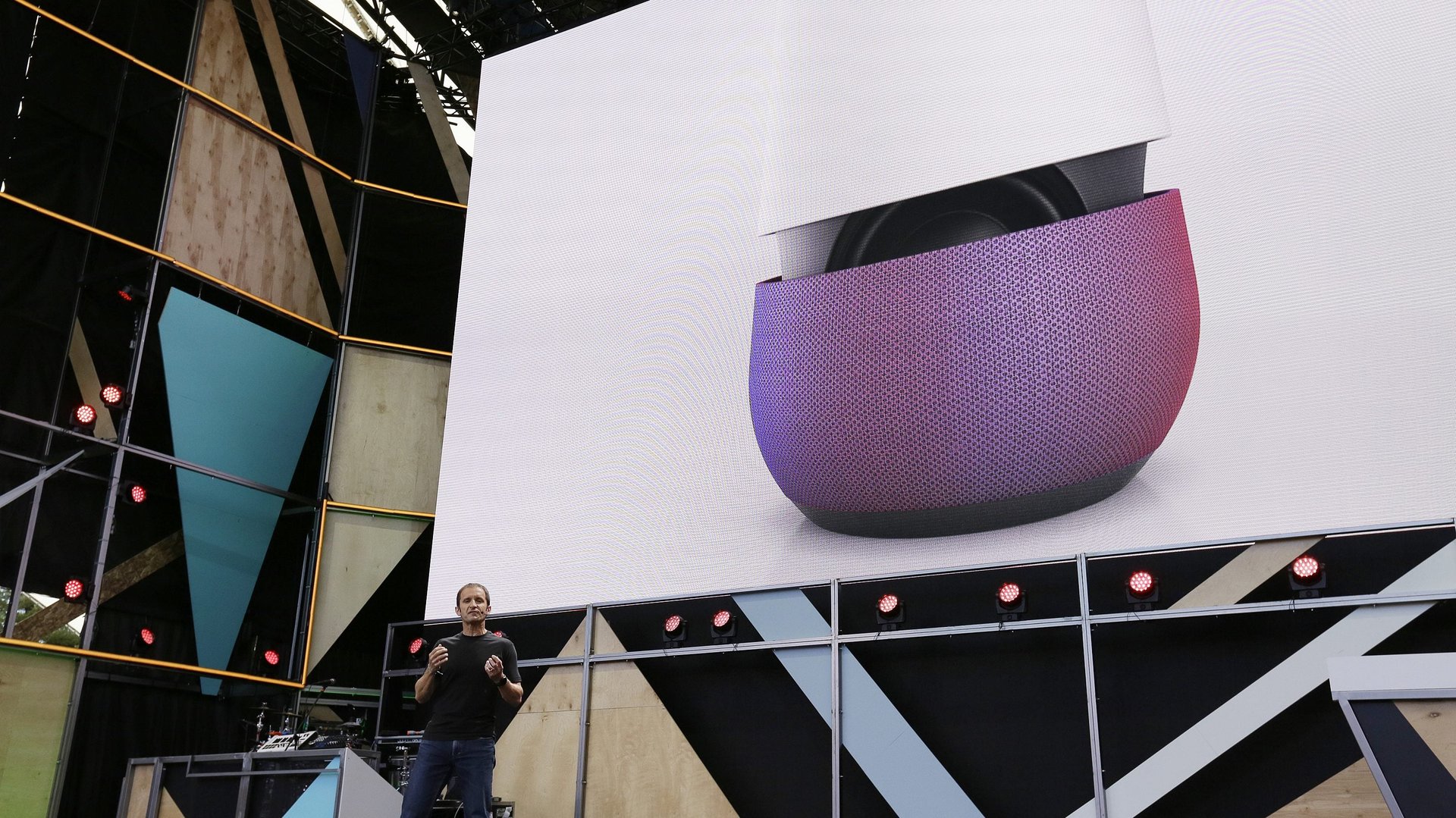
The Amazon Echo and Google Home are being touted as the next big thing in personal computing. But Apple CEO Tim Cook isn’t convinced.
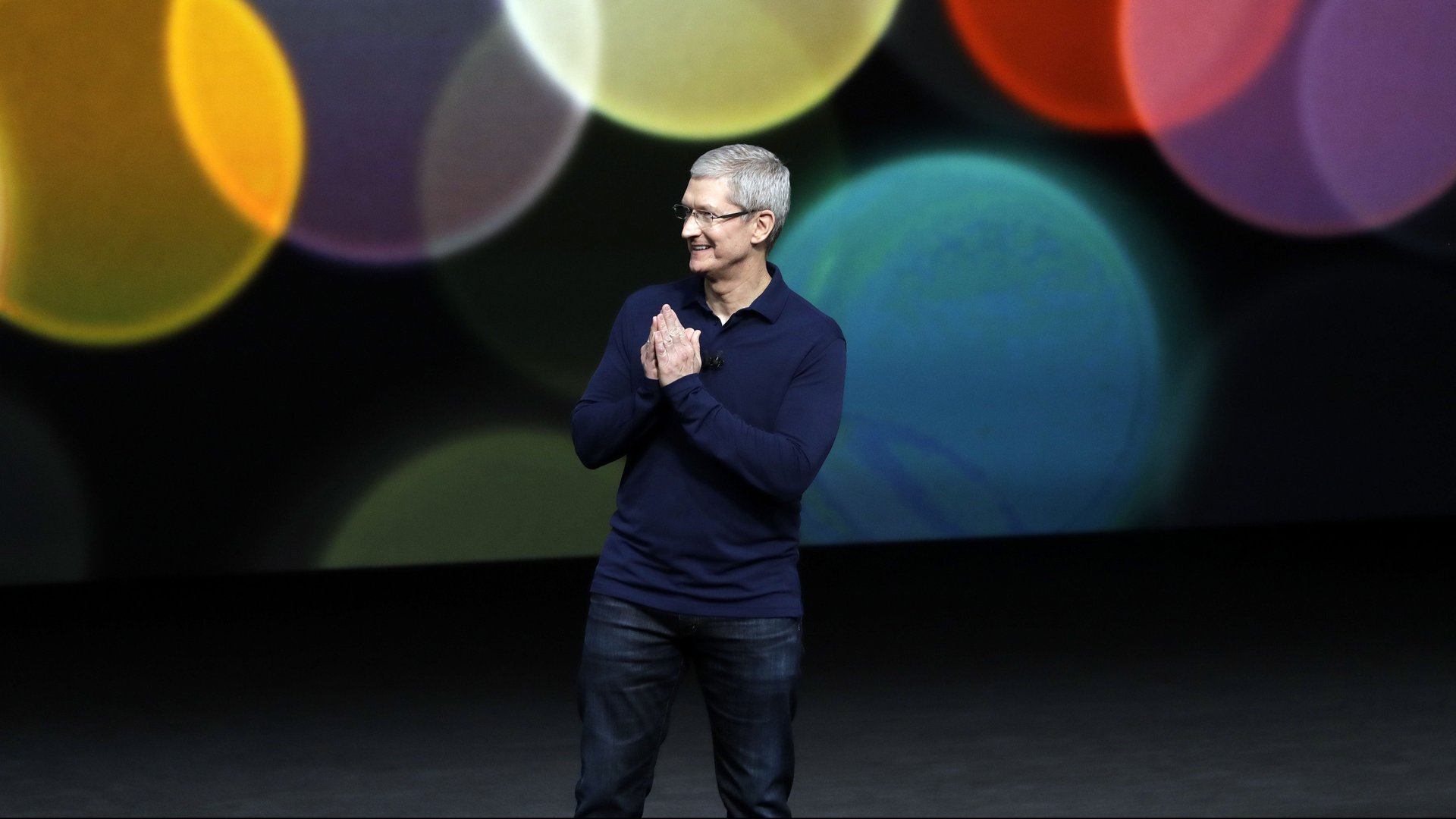
Apple CEO Tim Cook doesn’t think the future of artificial intelligence will infringe on users’ privacy, the way it does now. Responding to a question about Apple’s virtual assistant Siri on a call to discuss the company’s latest quarterly earnings, Cook said:
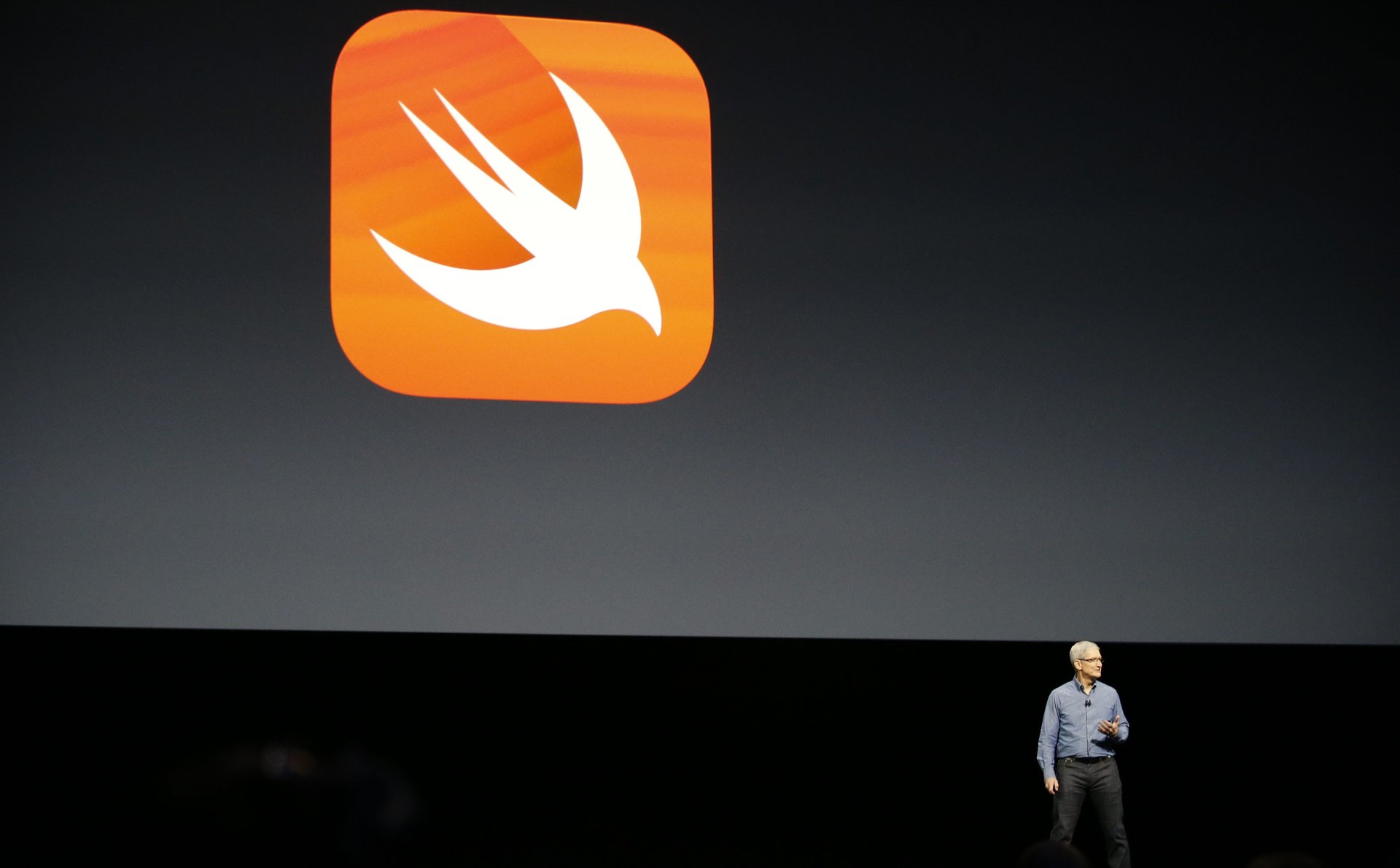
Apple’s meteoric rise in the last 15 years has been punctuated by devices that changed the landscape of personal computing: the iPod, iPhone, and iPad.