

Tech & Innovation
The iPhone 7 Plus’ portrait mode still needs some workiPhone 7 Plus users are getting an extra treat when they update their operating systems today: portrait mode.
Updated July 21, 20222 min read
iPhone 7 Plus users are getting an extra treat when they update their operating systems today: portrait mode.

MIT’s latest project toes the line between ”could” and ”should.”

AI, like all software, isn’t immune to being hacked. In recent months, security researchers have shown that machine learning algorithms can be reverse-engineered and made to expose user data, like personal photos or health data.

If you’re an adult in the United States, there’s a 50/50 chance that you’re in a government facial recognition database.
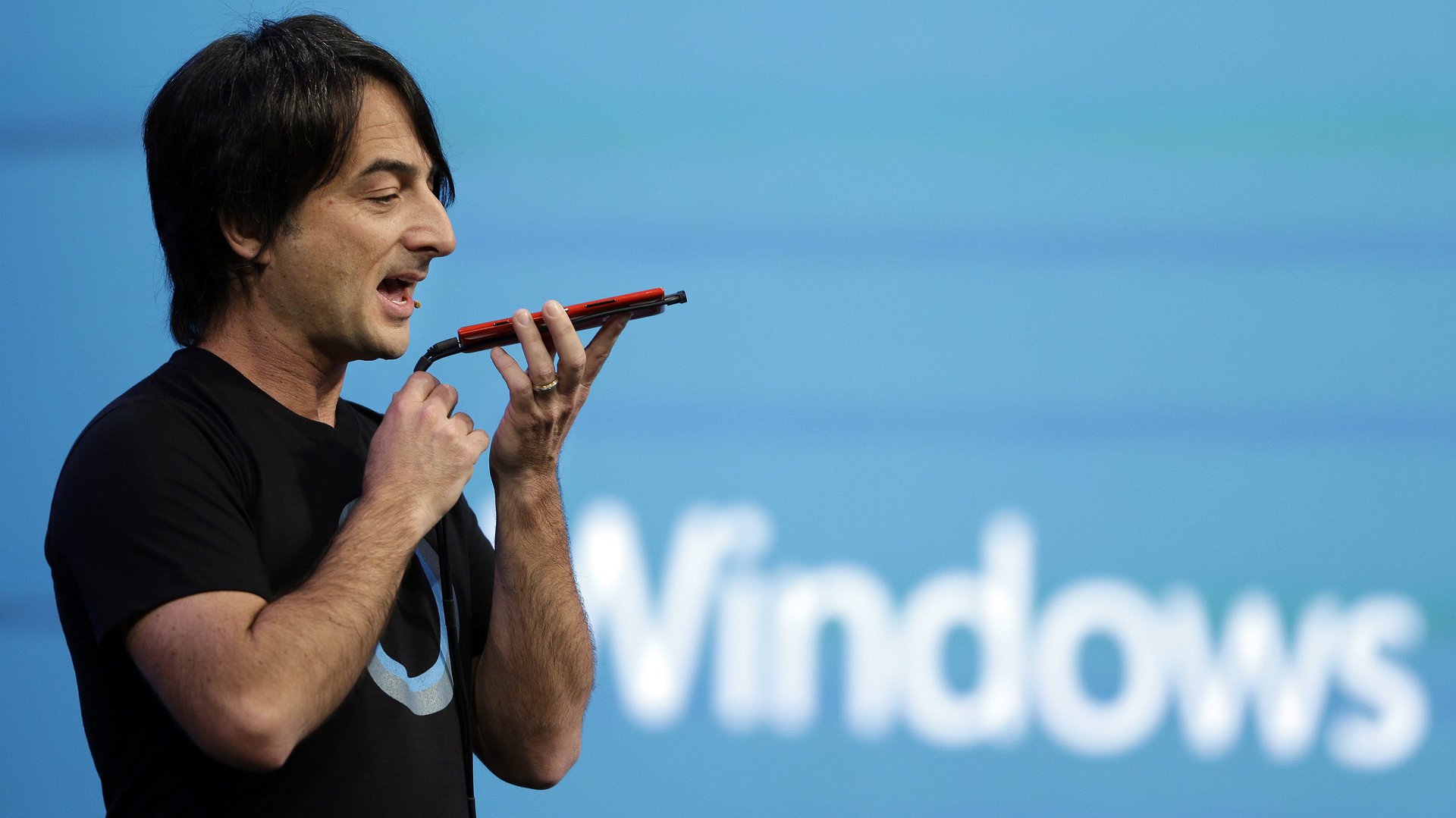
Transcribing a conversation between two humans is one of those tasks that’s deceptively difficult for machines to tackle. Even if the audio file is high quality and doesn’t have any background noise, the algorithm needs to contend with different voices, interruptions, hesitations, corrections, and a litany of common conversational nuances.

The best television characters have already been immortalized on screen, given reruns and our ability to stream our favorite episodes on demand. Now early research at University of Leeds is attempting to give these characters new life, by building digital recreations that can appear in new episodes or even take over for Siri on your smartphone.
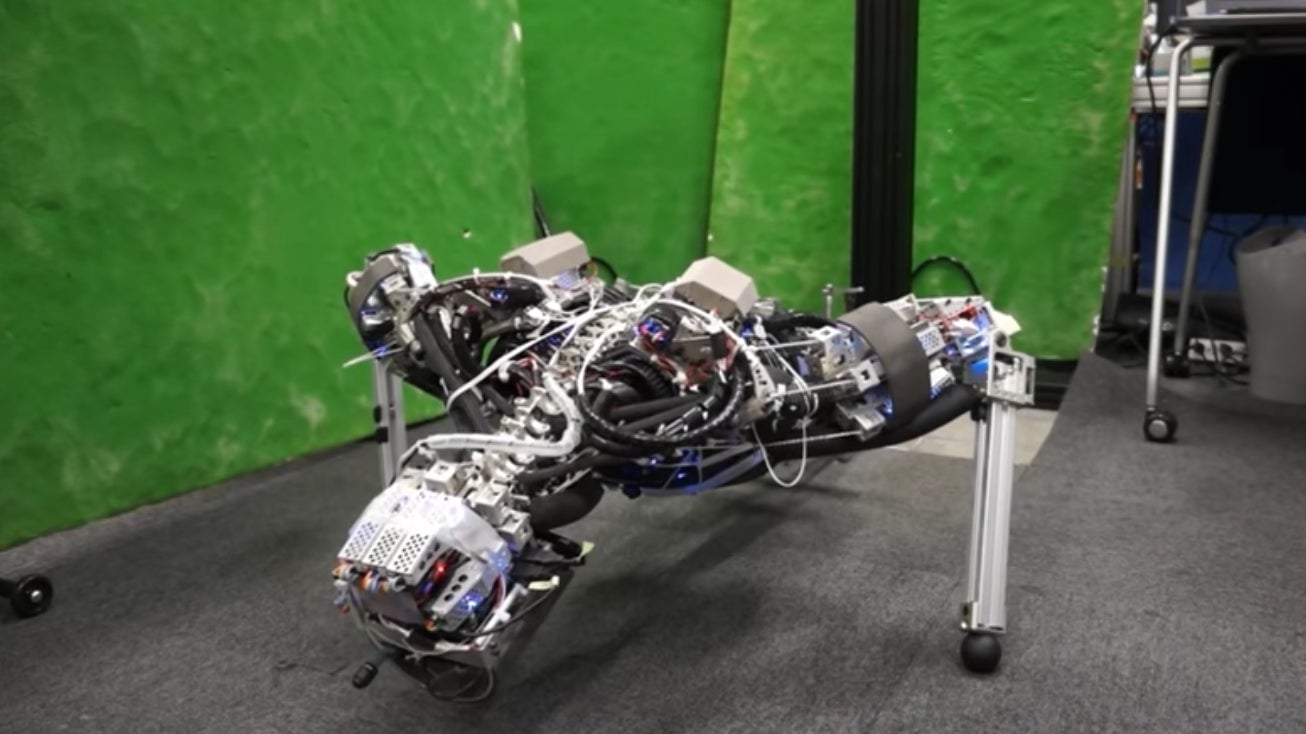
Just like human muscles, the motors that drive a humanoid robot generate a lot of heat. But unlike humans, robots haven’t had the chance to evolve cooling mechanisms like sweat—until now.

The US government is taking a hardline stance on bringing exploding phones onto airplanes.

Rumors have swirled for weeks that Disney, Google, and Salesforce were exploring bids to acquire Twitter.
Social media is trying to stamp out its terrorism problem. Twitter has become bullish on deleting terrorist accounts in recent months, and now it seems Facebook is ramping up its strategy to prune extremists from its platform.

While the future of artificial intelligence is probably going to be driven by Silicon Valley, the folks in Washington DC want their say about how it will work, too.

While a little profanity never hurt anyone, the autocorrect czars over at Apple have made it maddeningly difficult to swear on the iPhone.
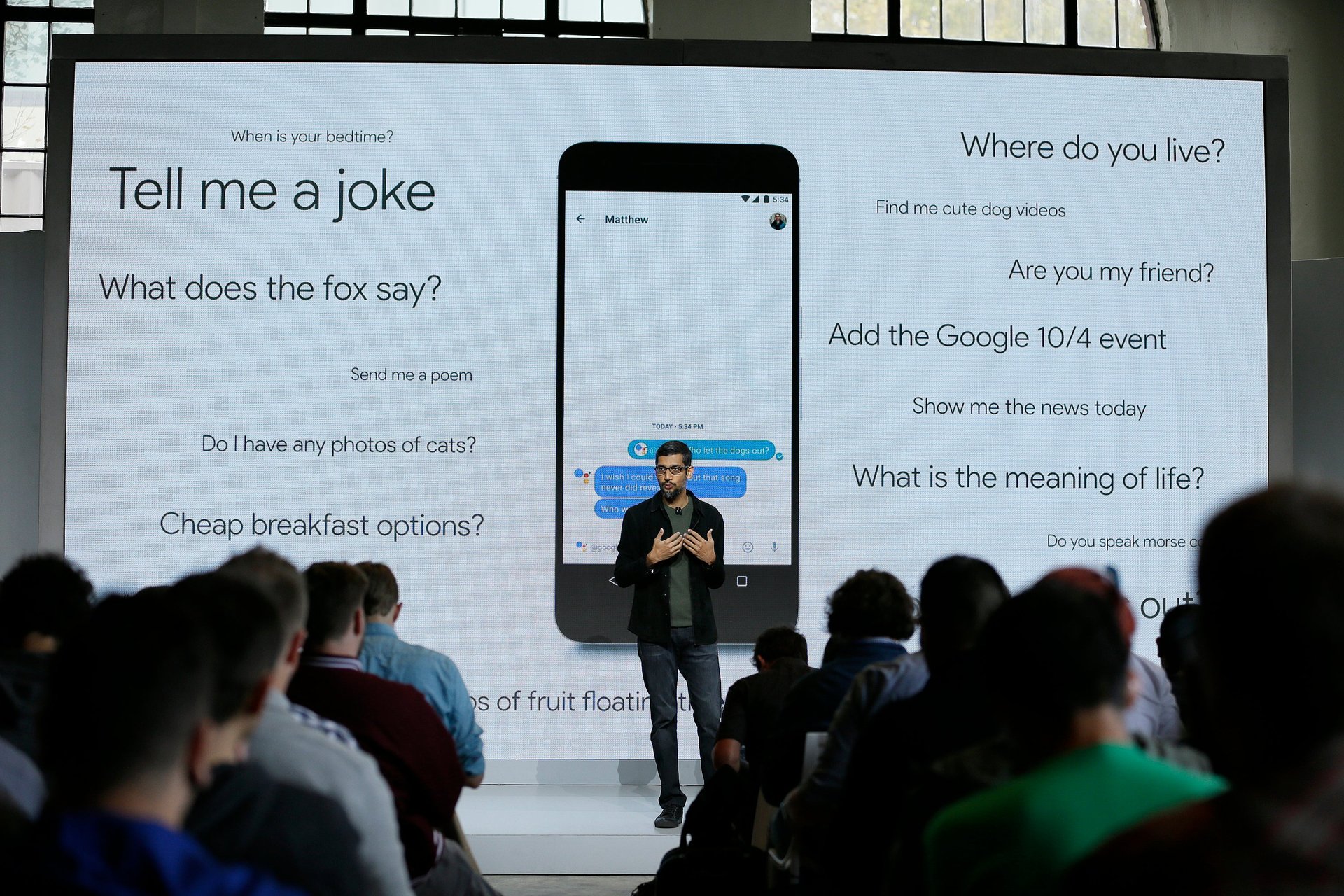
By acquiring the Viv virtual assistant from the makers of Apple’s Siri, Samsung has joined the AI smartphone wars.
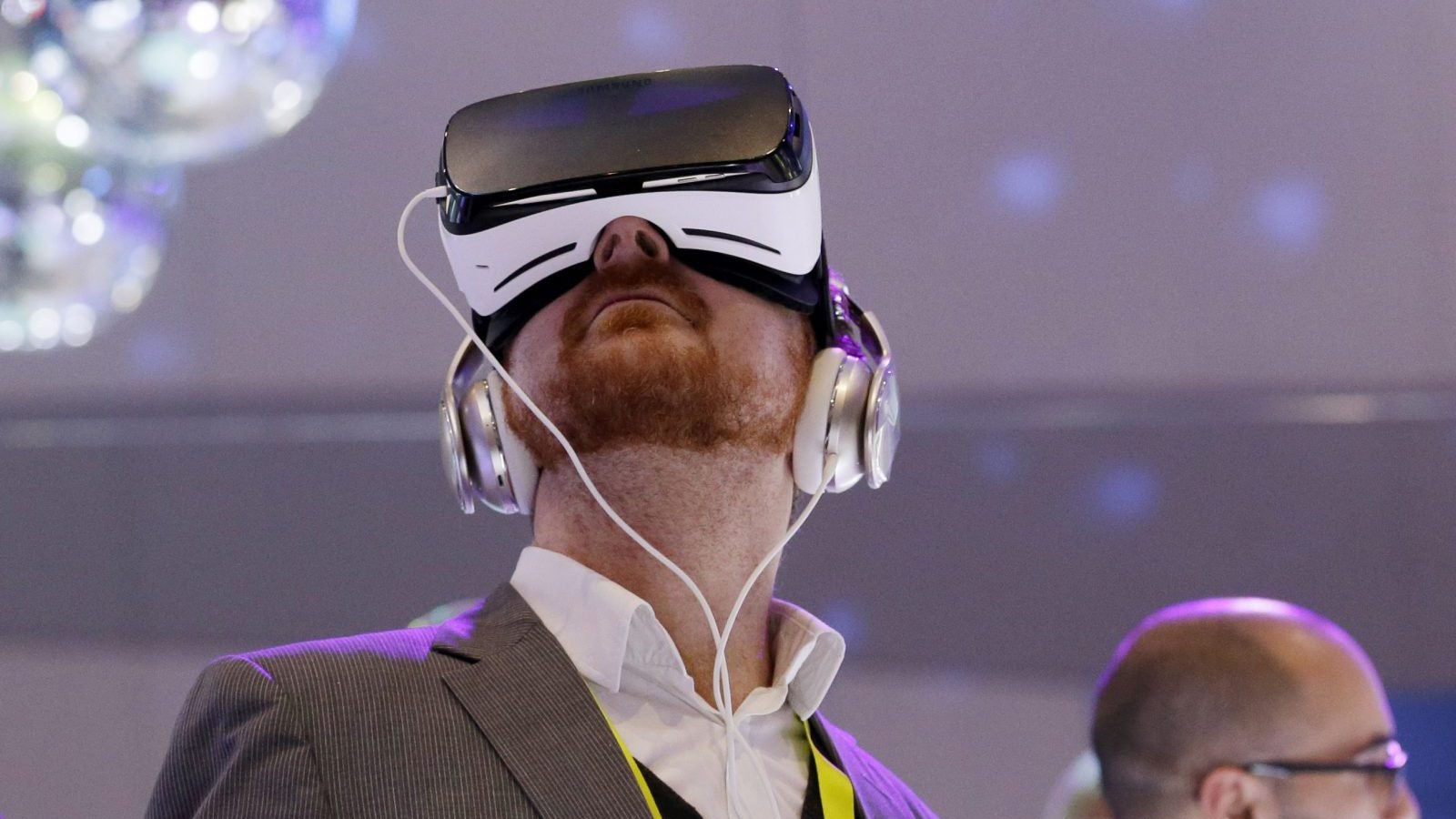
Facebook clearly thinks virtual reality is the future, but it’s running into a problem: It need more things for people to do with it.
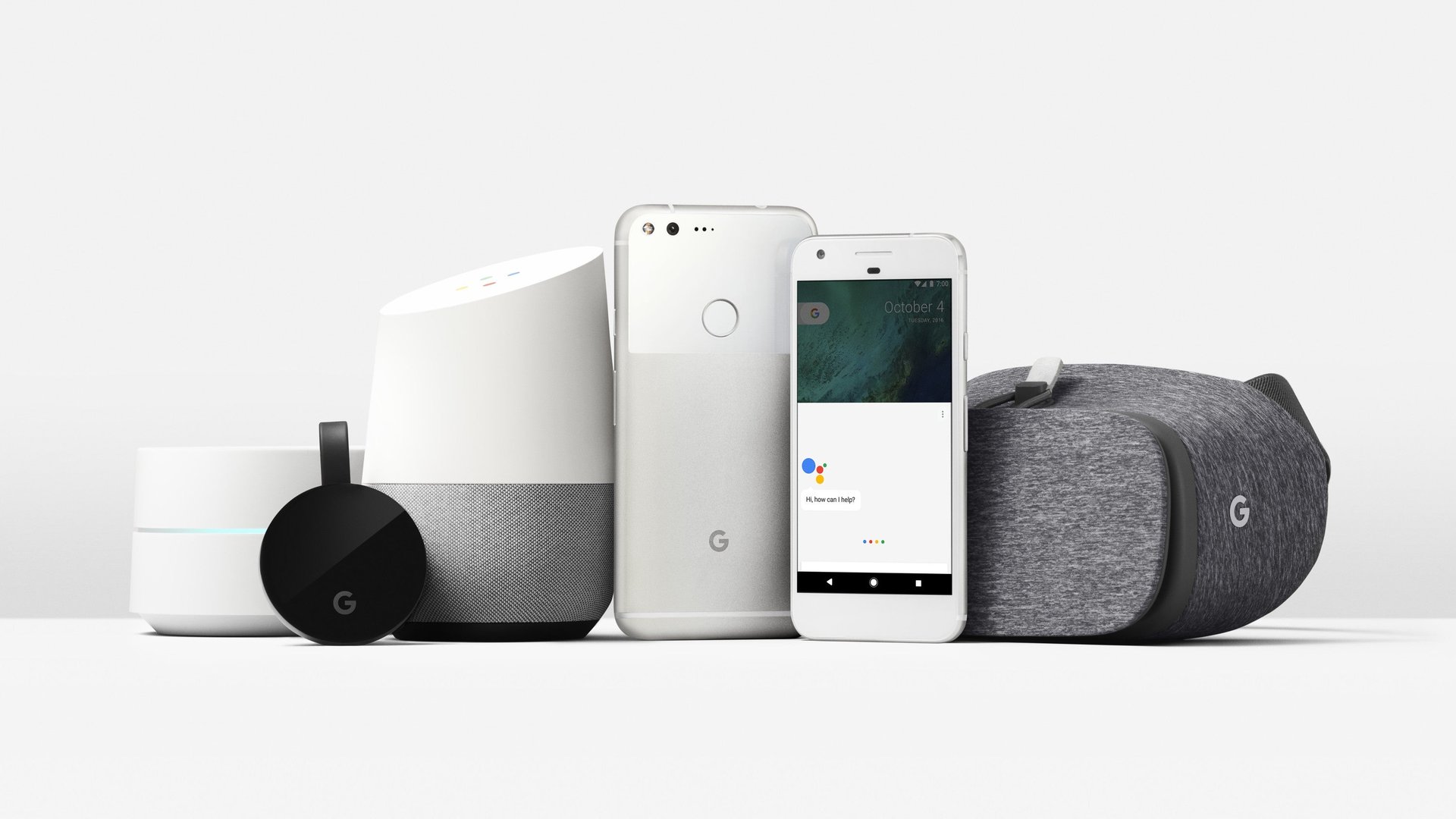
Google on Oct. 4 unveiled a wide range of new devices and services at an event in San Francisco, in what the company is calling the largest hardware announcement in its history. The new devices seemingly put Apple’s iPhones and Amazon’s Echo home hub right in the company’s sights.

This article was written using Baidu’s voice recognition keyboard—the raw transcript is under each paragraph, designated by pink type. The final version has also been only very lightly edited in order to most accurately show the efficacy of Baidu’s software.
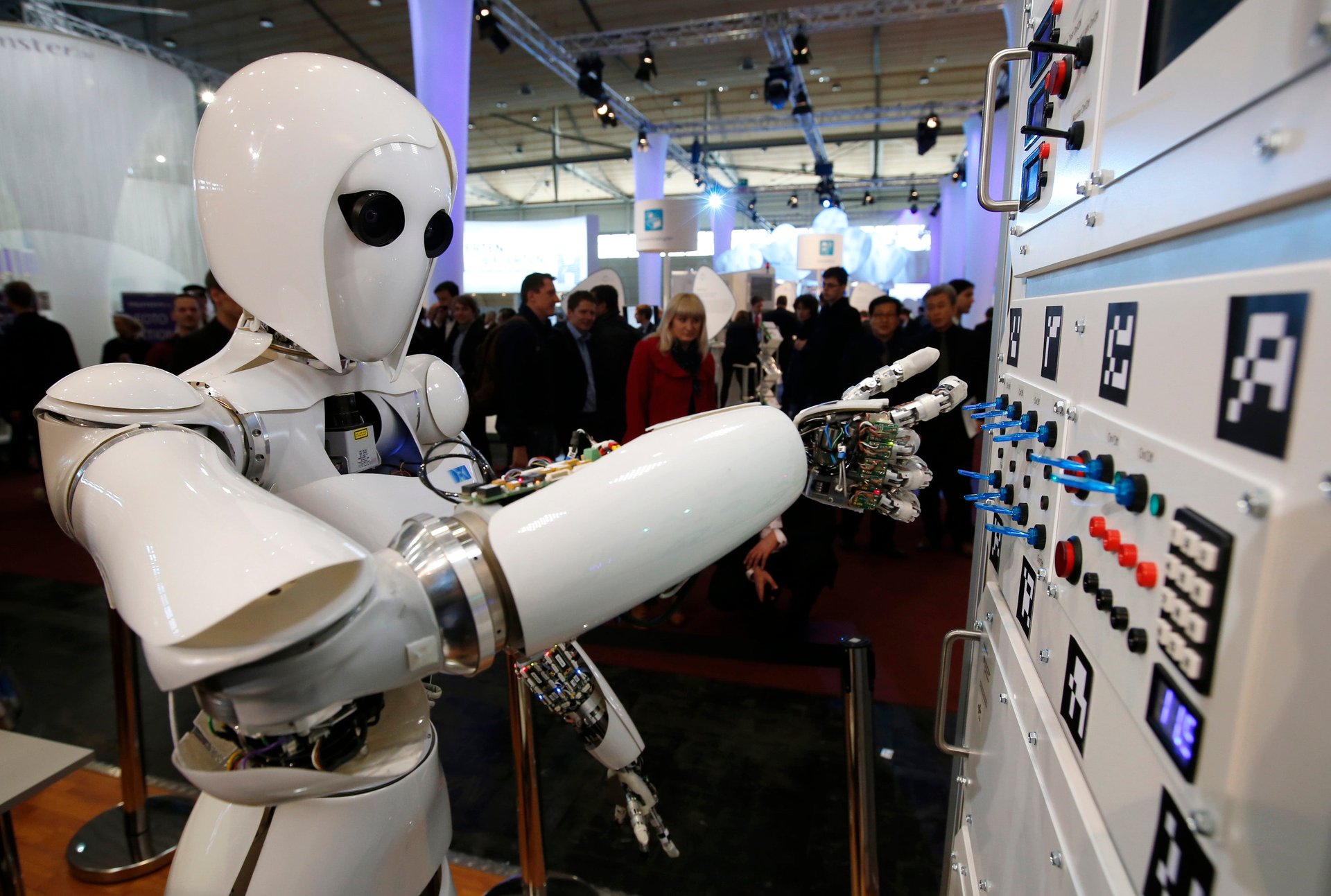
The Justice League of artificial intelligence is finally here.
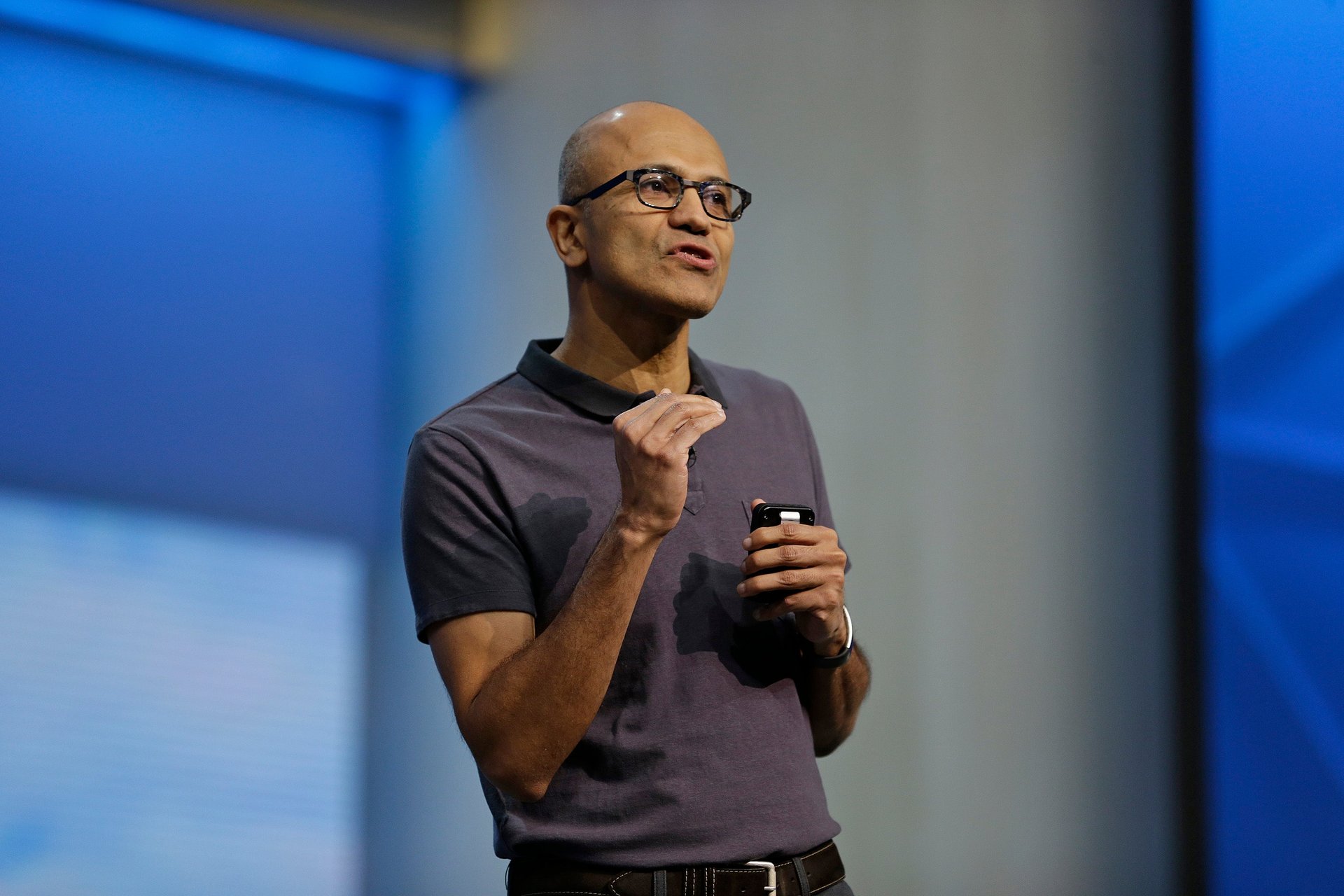
Microsoft is quickly pivoting to position itself as a leader in artificial intelligence. In his second keynote on the subject this year, CEO Satya Nadella yesterday (Sept. 26) stood in front of IT professionals and reiterated the company’s commitment to infuse every part of Microsoft’s business, from cloud services to Microsoft Word, with some kind of AI. Quartz caught up with Nadella after he hopped off stage, to talk about the progress of his quest to make machines that assist humanity in a transparent way.

Say hello to the new Google Translate.
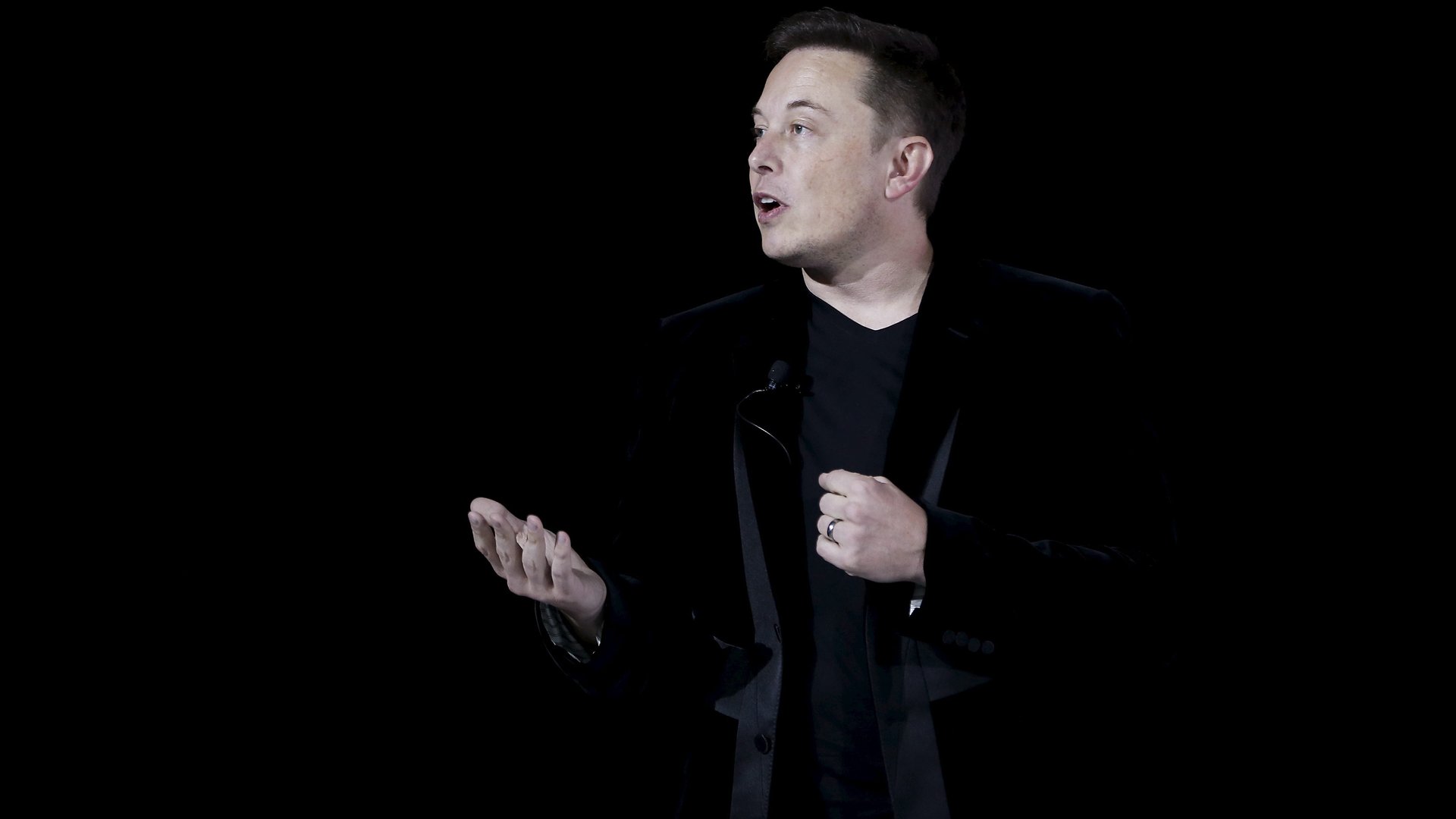
Even today, a hacker with a command of artificial intelligence may be able to force a self-driving car to miss a stop sign, or a facial recognition system to believe it’s seeing a completely different person in a security setting. Researchers have shown that virtual personal assistants like Siri or Google Now can be tricked into visiting potentially malicious websites by audio that sounds like white noise to humans.

It’s pretty much universally agreed that we shouldn’t give AI-powered robots rocket launchers and set them loose to battle each other to the death. Luckily, we can recreate that in a video game.

Billions of dollars are being poured into building sophisticated artificial intelligence algorithms. But they could all be snatched away if even a tiny door is left open.
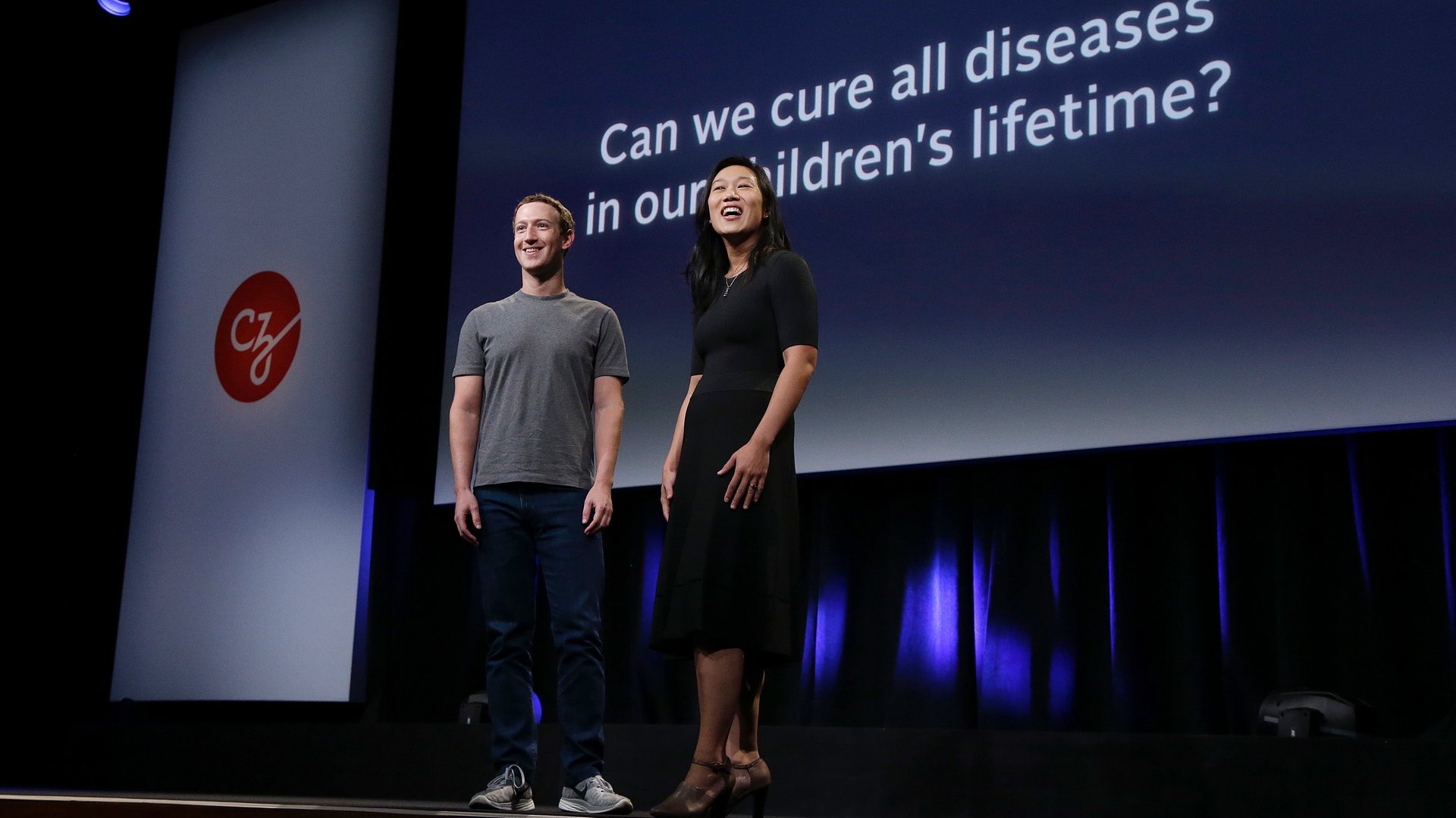
Mark Zuckerberg is launching the first phase of his attempt to cure all disease during his infant daughter’s lifetime: a $3 billion funding pledge, spread out over the next decade.

Google Scholar is an easy way to scour scientific papers, conference proceedings, and books—but it’s not always accurate.