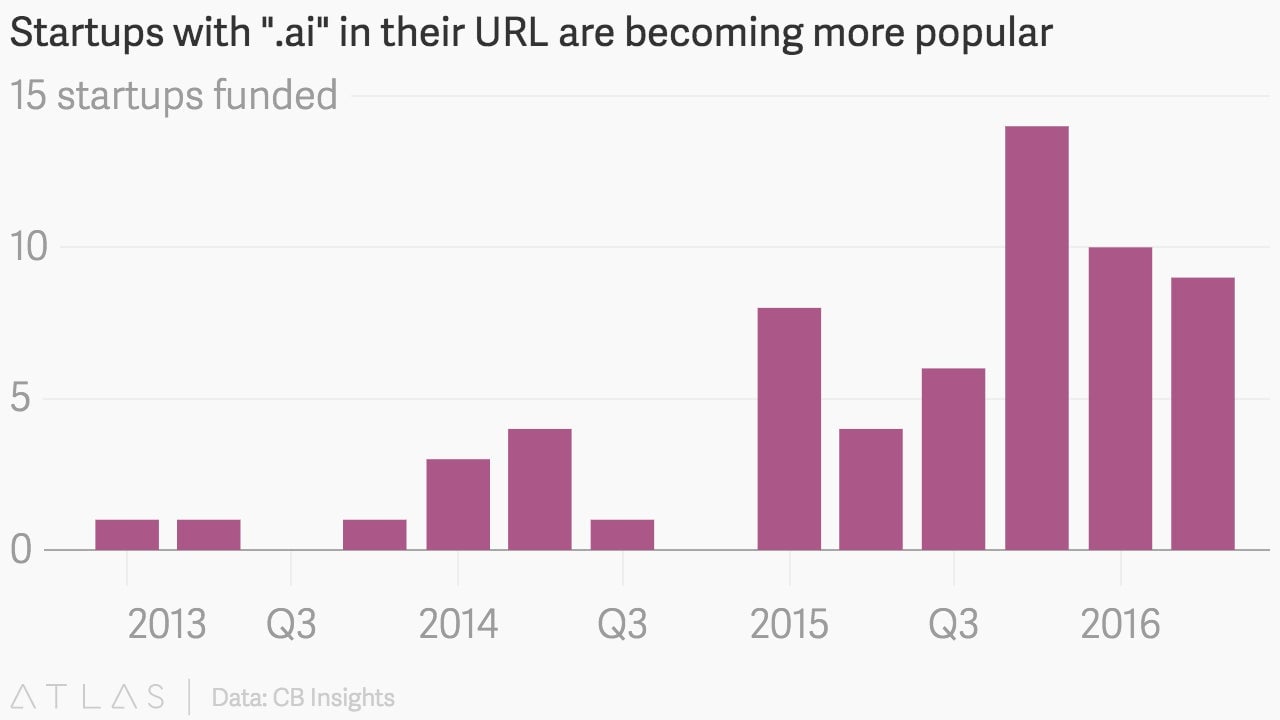
You’re not imaging the AI craze: The number of successfully funded startups with “.ai” in their URL has skyrocketed in 2015 and 2016, according to CB Insights, a venture capital research firm.

You’re not imaging the AI craze: The number of successfully funded startups with “.ai” in their URL has skyrocketed in 2015 and 2016, according to CB Insights, a venture capital research firm.

Algorithms are unseen forces that dictate much of our life on the internet: Google search results,what we see on Facebook, and even spam filtering in email. And these algorithms are getting smarter thanks to improving artificial intelligence. To do so, they need to learn from more and more information. More often than not, the data these machines learn from comes from humans; Google’s algorithms, for example, learn to recognize speech by listening to tons of Google voice searches performed by humans. AI researchers need to be careful that these data accurately reflect the real word—because, like humans, algorithms can learn to be biased based on what information they get. Spare5, an AI training data service, recently learned this lesson in probably the most adorable way possible.

Apple has won a lot of fights. It set the standard for the modern smartphone and tablet, reinvented the way we consume music, and killed disk drives for laptops (hard, compact, or floppy, take your pick).

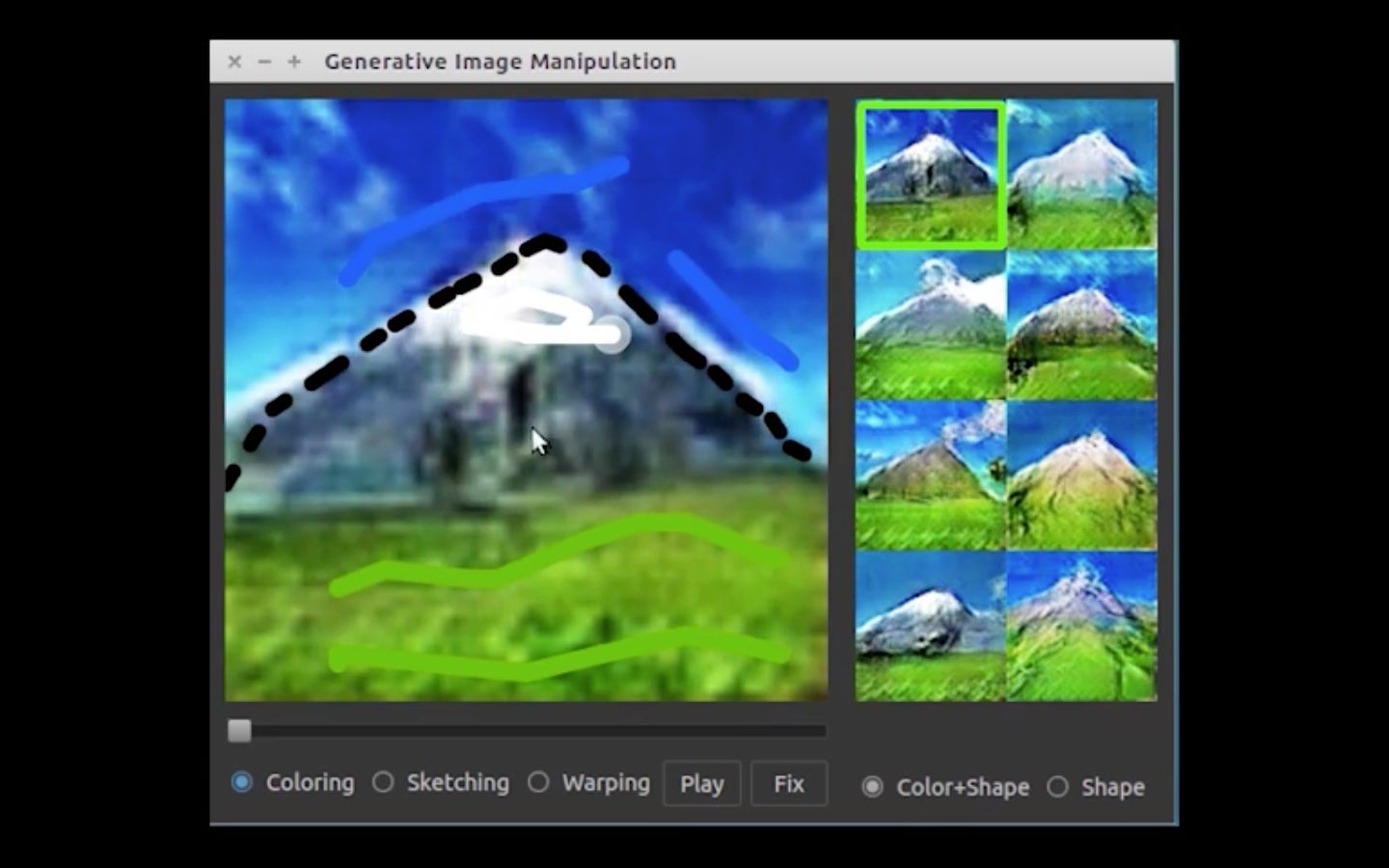
Digital paintbrushes in Microsoft Paint or Adobe Photoshop work a lot like they do in real life: you pick a color and drag the brush along the canvas to apply paint. New research from Adobe and the University of California, Berkeley envisions the paintbrush as much more: a collaborative tool between human and machine.

In preparation for the new iPhone 7, Apple has finally released the newest version of its mobile operating system, iOS 10.

It’s becoming much easier to crack internet privacy measures, especially blurred or pixelated images. Those methods make it tough for people to see sensitive information such as obscured license plate numbers or censored faces, but researchers from University of Texas at Austin and Cornell University say that the practice is wildly insecure in the age of machine learning.

If you want to talk about something important or sensitive, odds are that conversation will happen over the phone rather than email or text. The sound of someone’s voice is an important part of trusting them—but the ability to trust the voice on the other end of that call is human might change.

For those who have longed to feel the steely touch of a naked iPhone, yet never dared to go case-less, this one is for you.

Apple’s design philosophy is simple: Strip away everything but the essentials, then pare off a little more.

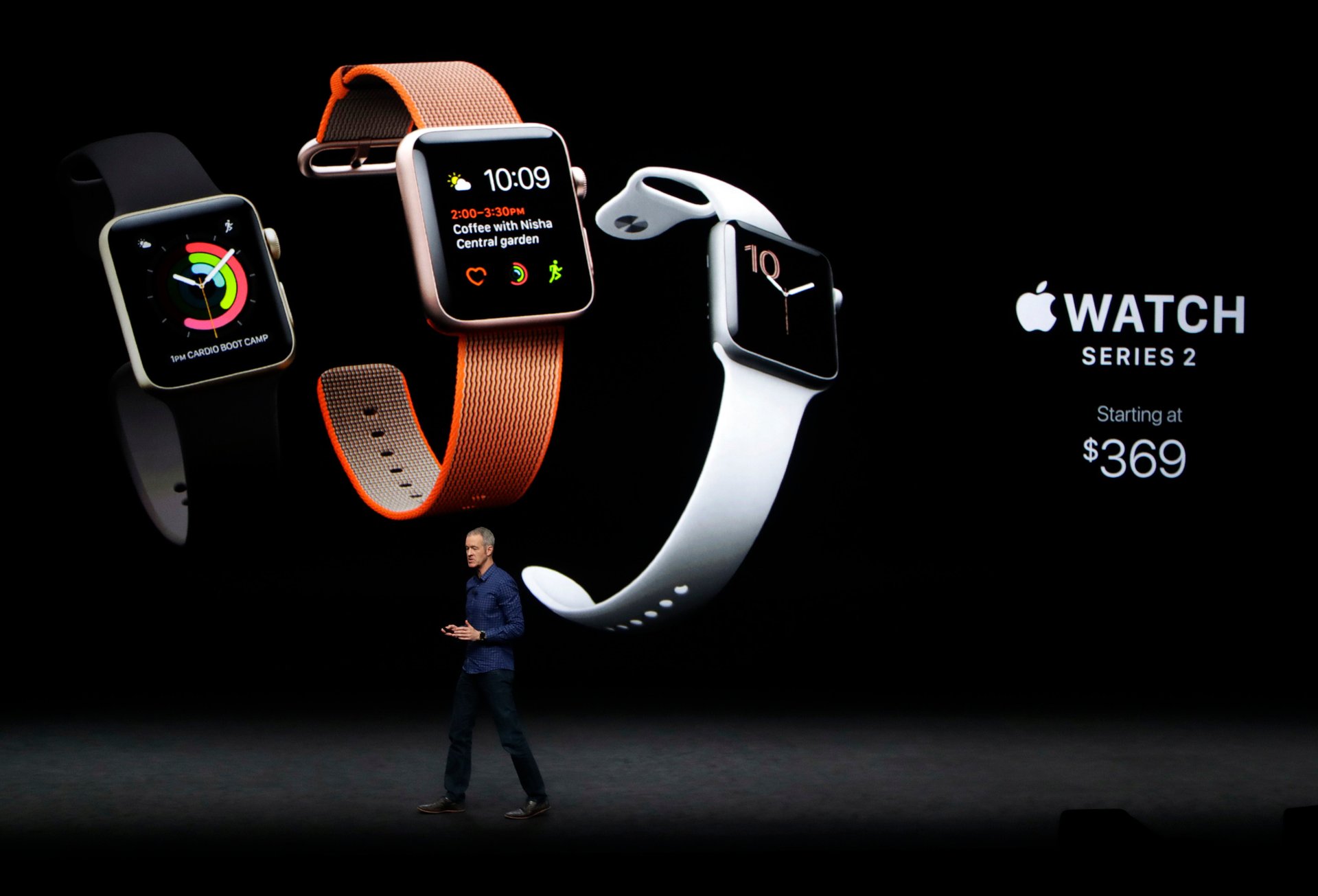
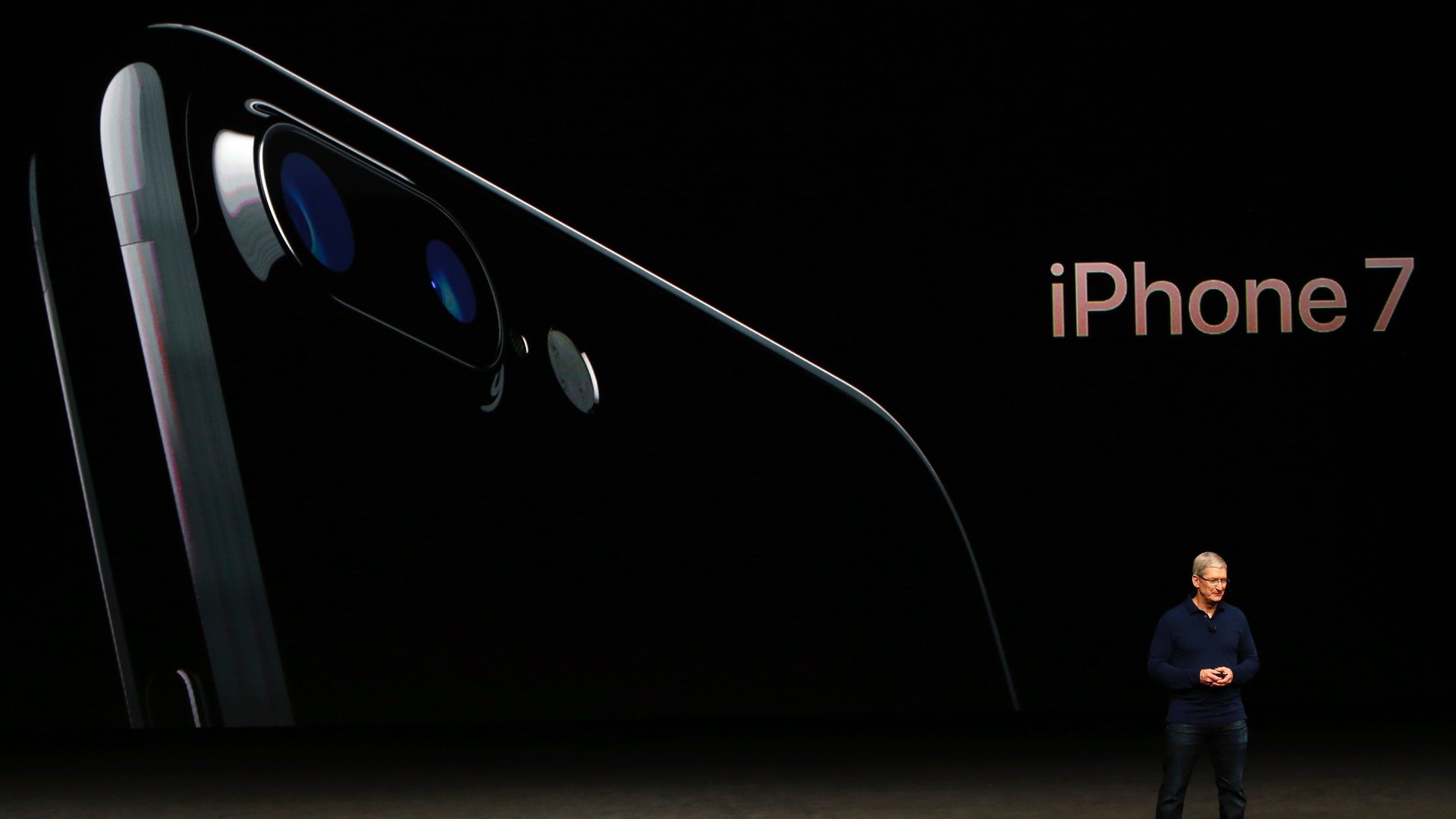
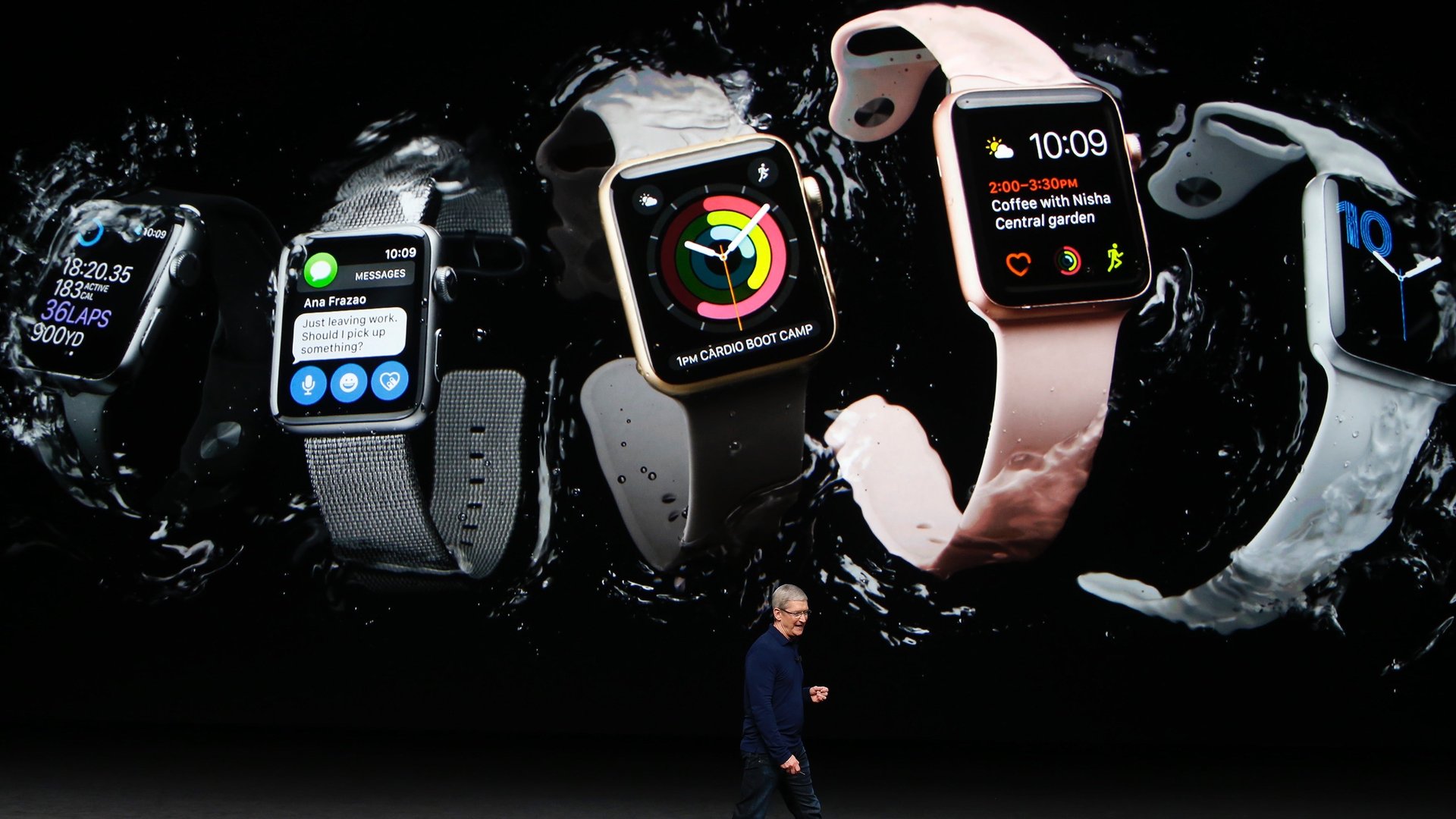
At a packed Bill Graham Civic Auditorium in San Francisco today (Sept. 7), Apple announced its latest array mobile devices, including two new iPhones, an updated Apple Watch, and a new set of wireless headphones called AirPods.

Apple unveiled a series of much anticipated products today (Sept. 7) at a media event in San Francisco. No iPad or Mac news, but it launched the next generation of the iPhone and Apple Watch. Here are the biggest announcements from the keynote event:

As humans cede more and more control to algorithms, whether in the courtroom or on social media, the way they are built becomes increasingly important. The foundation of machine learning is data gathered by humans, and without careful consideration, the machines learn the same biases of their creators.

It’s easy to think of Silicon Valley’s artificial intelligence giants as superheroes: Each wields immense power, claims to work toward a better world, and terrifies the government in the speed and scale at which they work.

In 2014, Stanford University launched the One Hundred Year Study, a long-term look into the future of artificial intelligence set to publish a paper every five years.

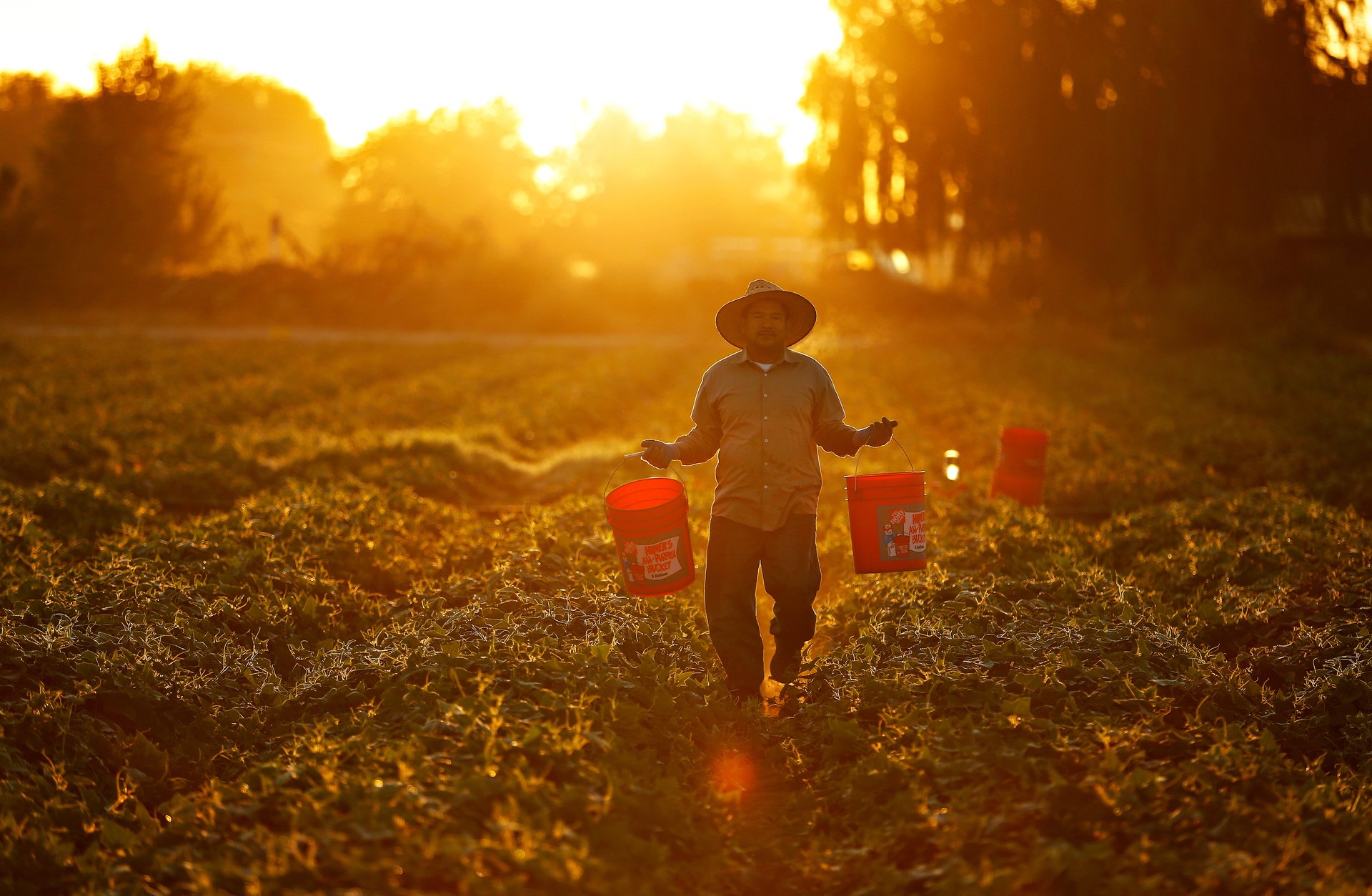
Farming in Japan is different than the United States. The average Japanese farm is just 4.8 acres, and more than 1.5 million small-scale food producers punctuate Japan’s mountainous islands. In contrast, the average US farm size is 434 acres.

With its human editors out the door, Facebook is letting the inmates run the asylum.

We won’t have robot doctors for a long time, but the human doctors we have now are beginning to lean on specialized artificial intelligence to help save time.

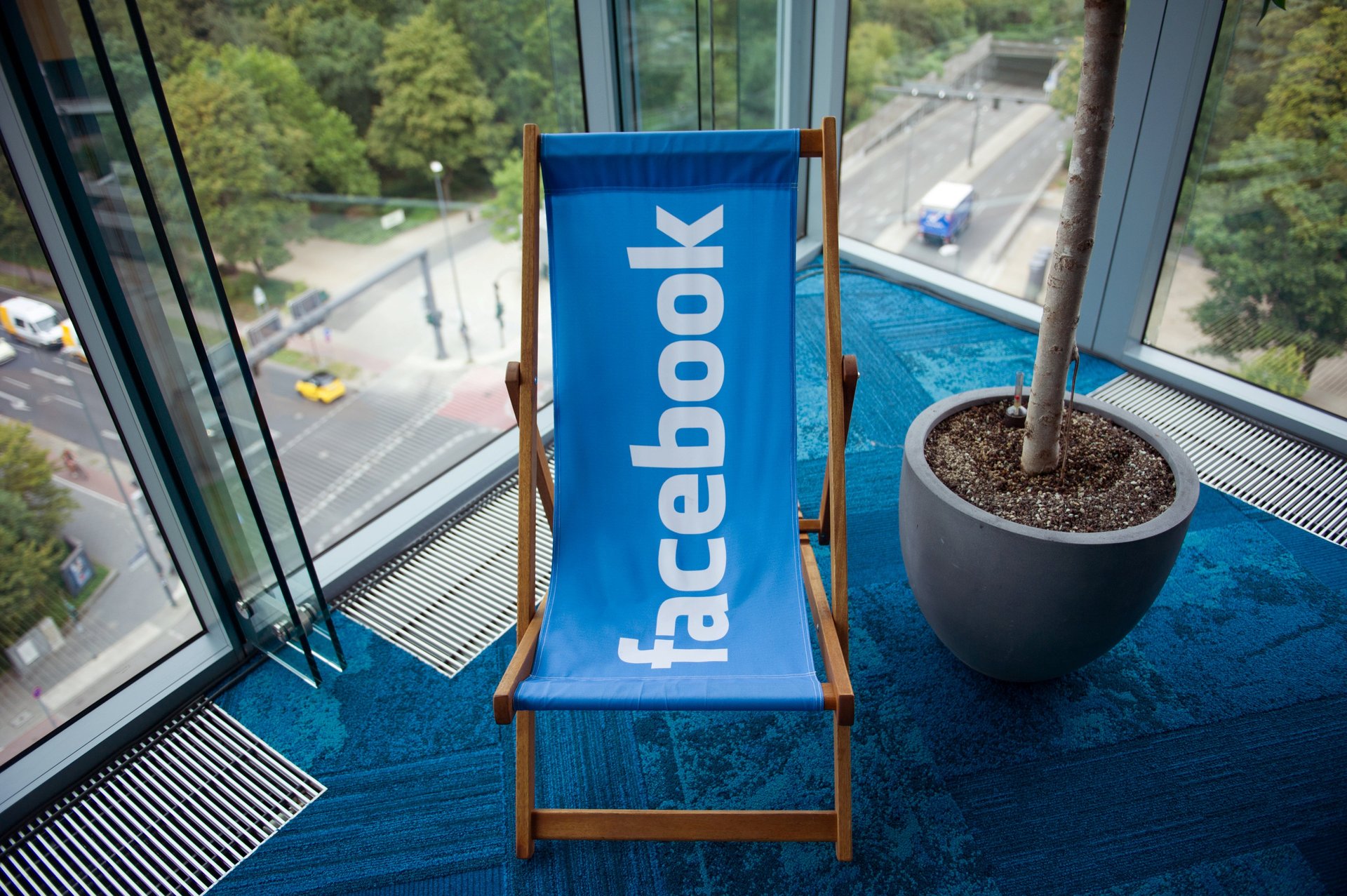
After firing 26 contractors tasked with curating the world’s news for Facebook users, the social media company is now relying on an algorithm do their jobs. Algorithms run most of Facebook already: They individually populate each user’s News Feed, assist with search, and automatically tag photos.

Facebook will no longer employ humans to write descriptions for items in its Trending section, which attracted controversy over allegations of political bias in May. Topics appearing in the Trending section will now appear solely as a short phrase or single word, with an indication of the number of people discussing it on the social network.

Human-robot strike teams, autonomous land mines, and covert swarms of minuscule robotic spies: the US Department of Defense’s idea of the future of war seems like a sci-fi movie.

In artificial intelligence research, free code garners goodwill from the community, talent, and bragging rights. So it’s no surprise that many of the companies investing in AI, like Facebook and Google, are racing to make their code open source early and often.

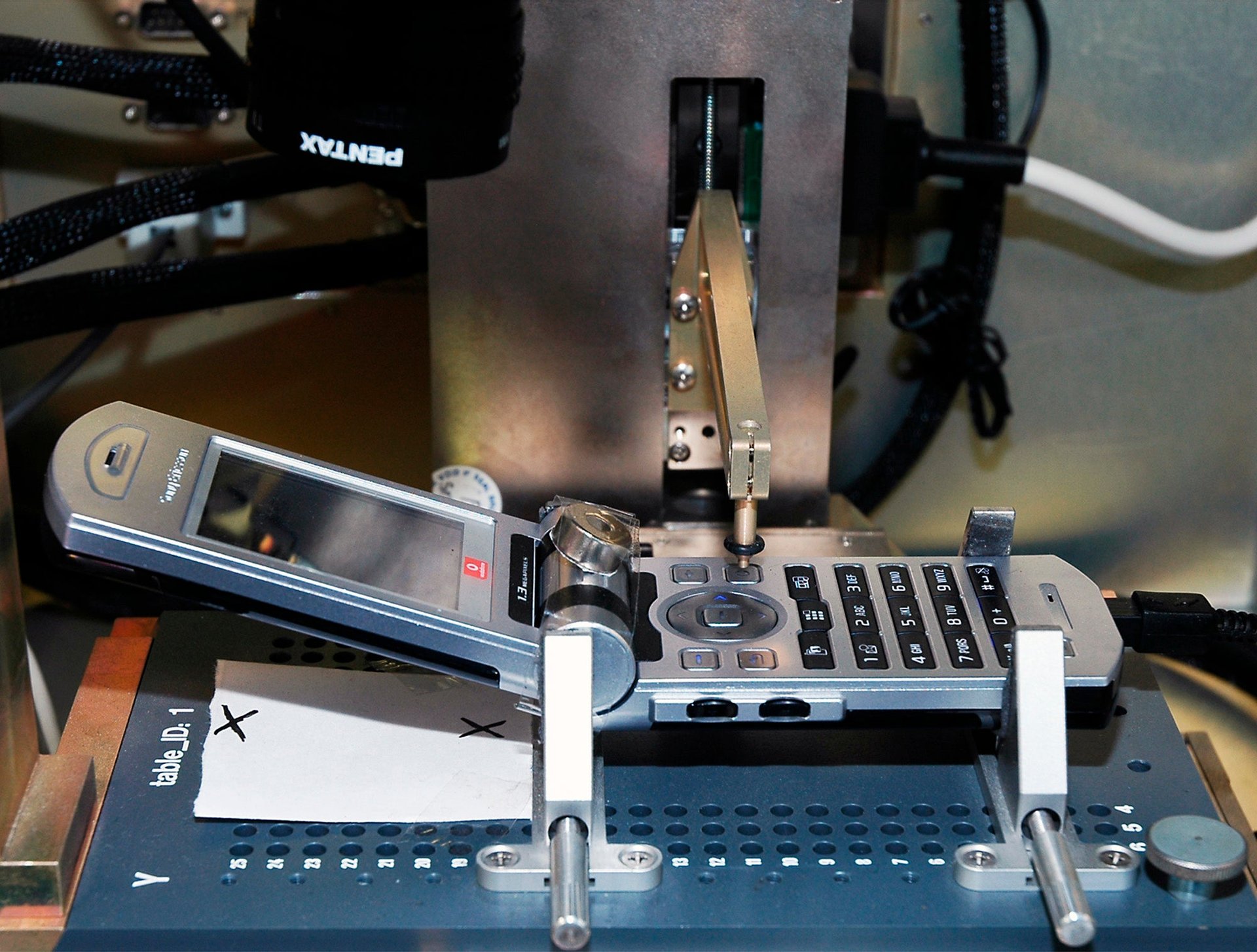
Sometimes the most prodigious research institutions in the world need to study something obvious: Talking is faster than typing on your phone.

It’s not middle-out compression, but it’s the next best thing.