
Tech & Innovation
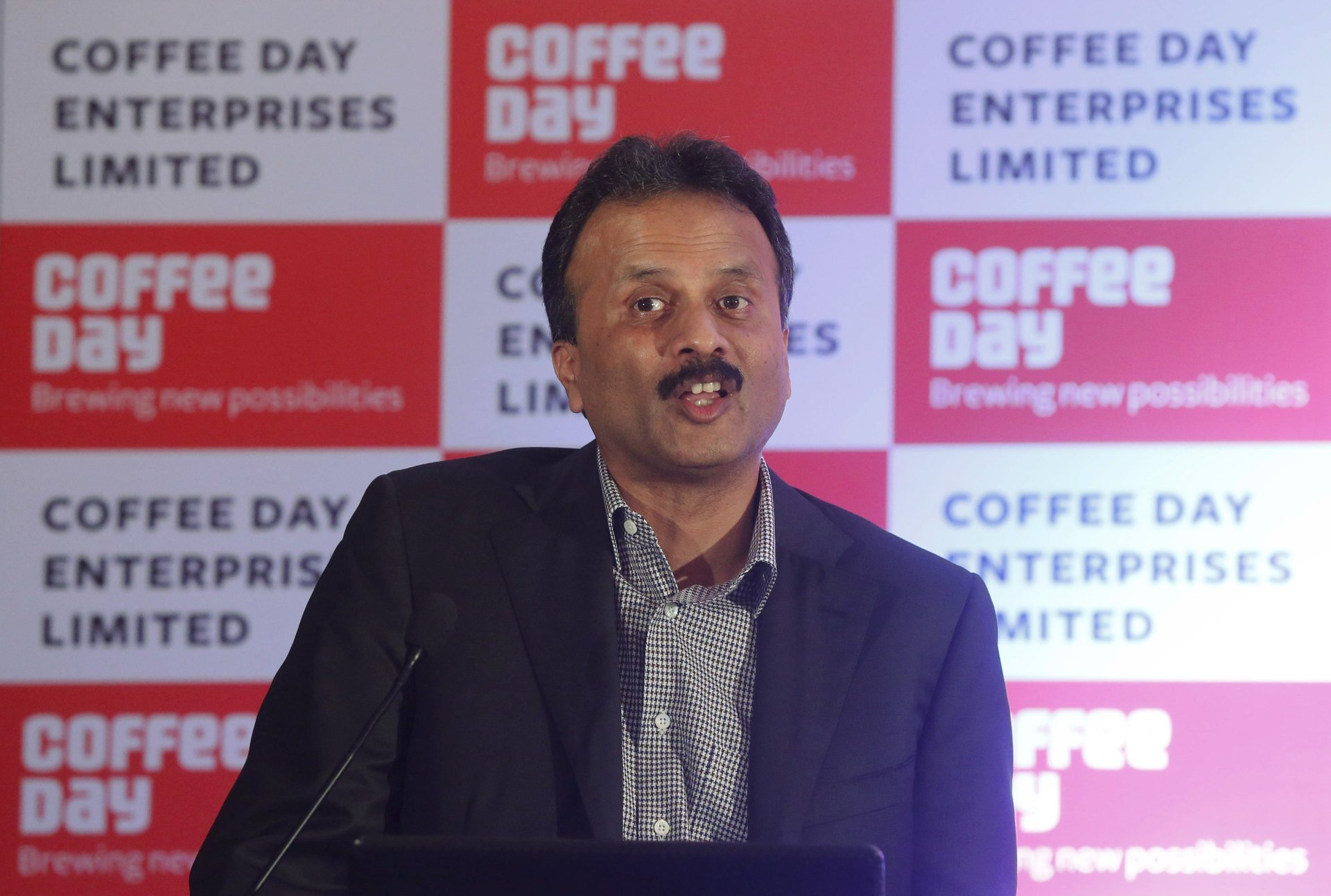
Tax authorities foil Indian coffee baron’s bid to sell his stake in a tech firmIndia’s biggest coffee baron is currently brewing drama at mid-sized IT outsourcing firm Mindtree.
Updated July 21, 20223 min read
India’s biggest coffee baron is currently brewing drama at mid-sized IT outsourcing firm Mindtree.

Regional Indian languages are finally getting their due on the internet.

It’s not every day that one gets to learn the inner workings of an entrepreneurial mind.
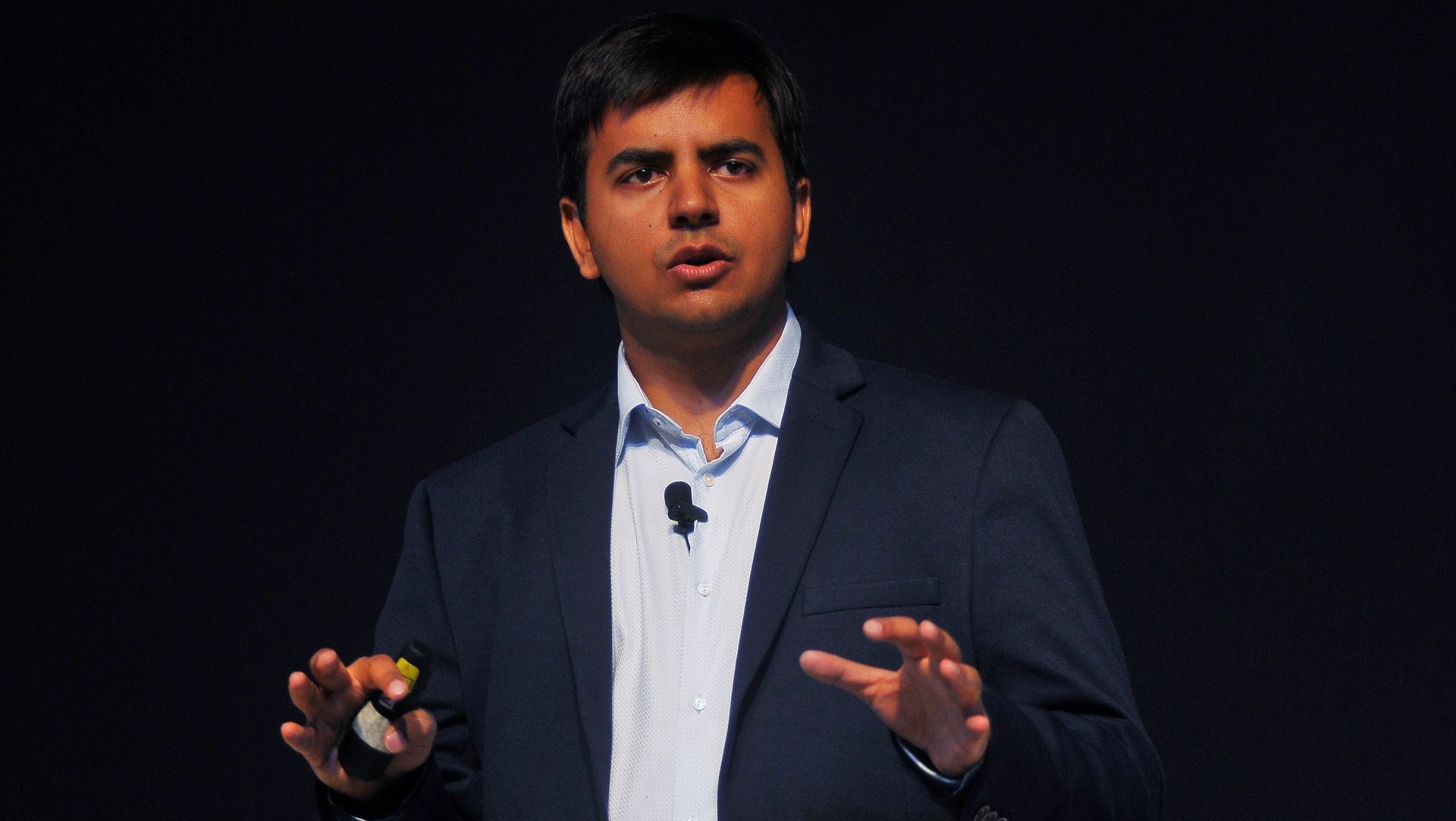
At just 33, Bhavish Aggarwal is counted among the most successful Indian tech entrepreneurs of recent times.

India has emerged as the innovation backbone for Uber’s global operations in a little over two years after it set up its engineering team here.
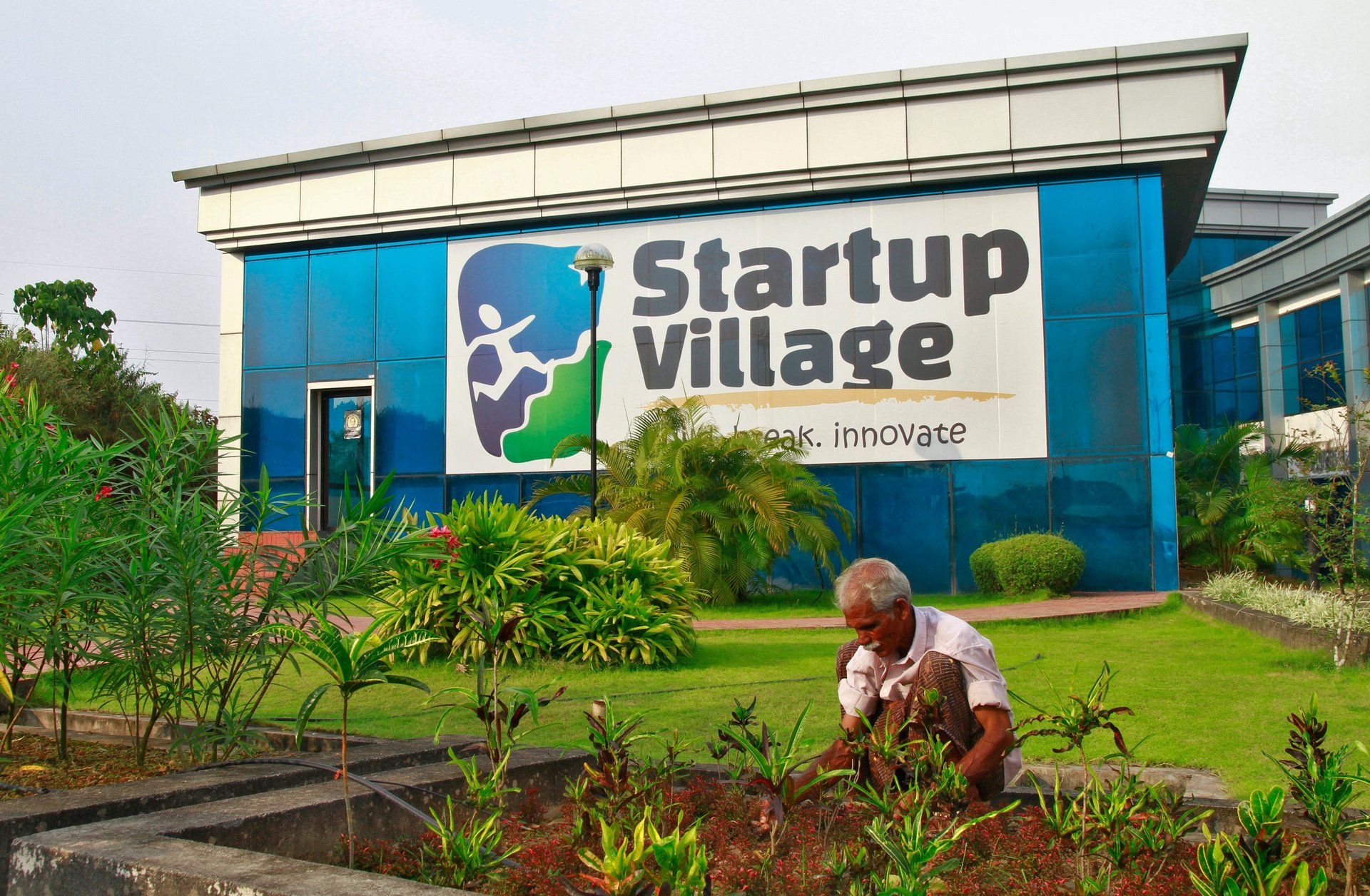
The Narendra Modi government may have finally extended some relief to India’s startup community, simmering with anger and tension over the imposition of angel tax. But the move will hardly protect companies from tax harassment.

India’s new foreign direct investment (FDI) rules for the e-commerce industry could result in a massive set back for existing players.

India’s largest homegrown ride-hailing venture, Ola, has found a new backer in one of the country’s most celebrated entrepreneurs, Sachin Bansal.
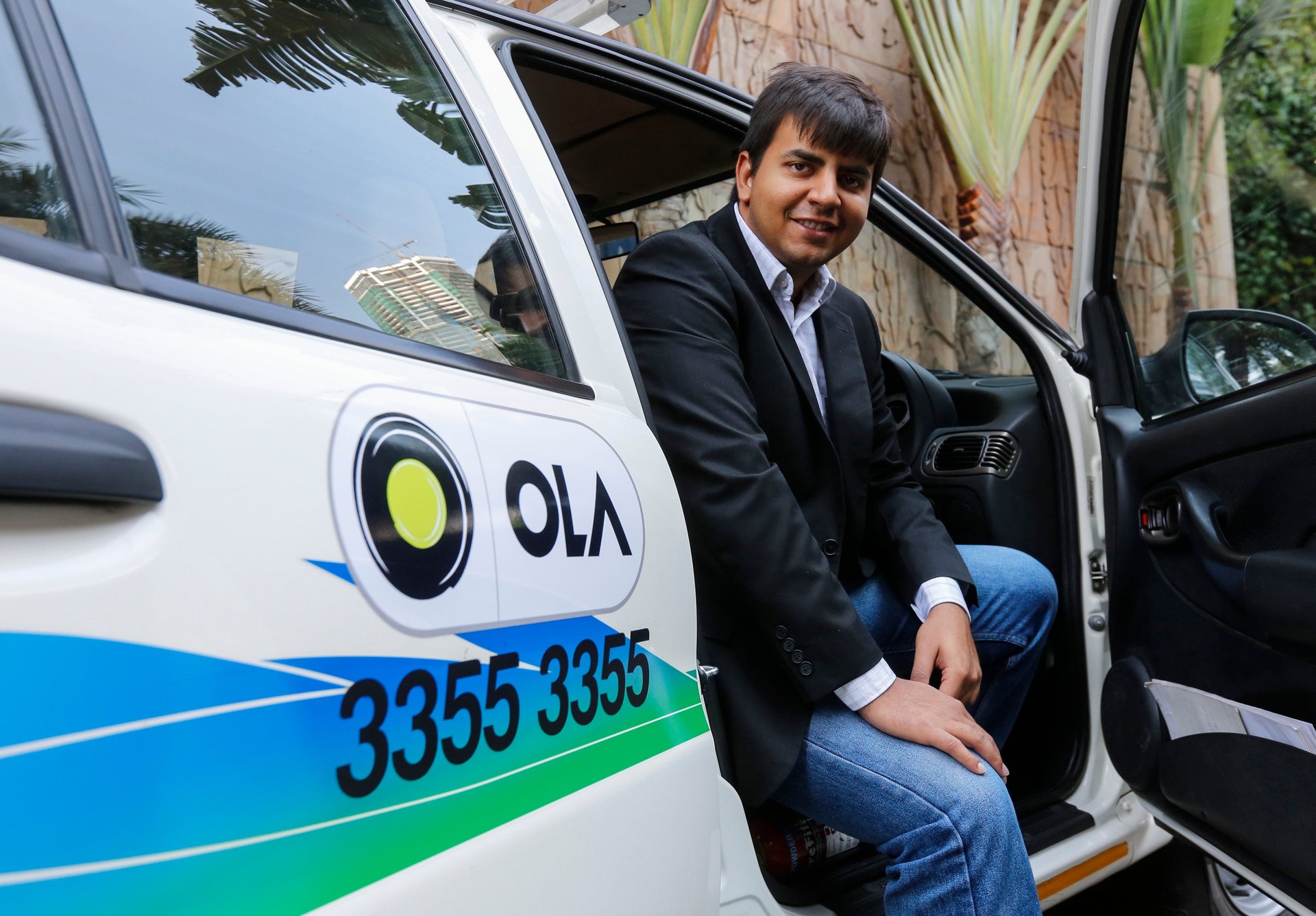
India’s largest homegrown mobility firm Ola, which saw its valuation erode significantly in 2017, has now regained lost ground. In fact, it has even surpassed its peak valuation of $5 billion reached in 2015, according to newspaper reports.

2018 was not a great year for startup funding in India. But that’s not what’s worrying entrepreneurs the most.
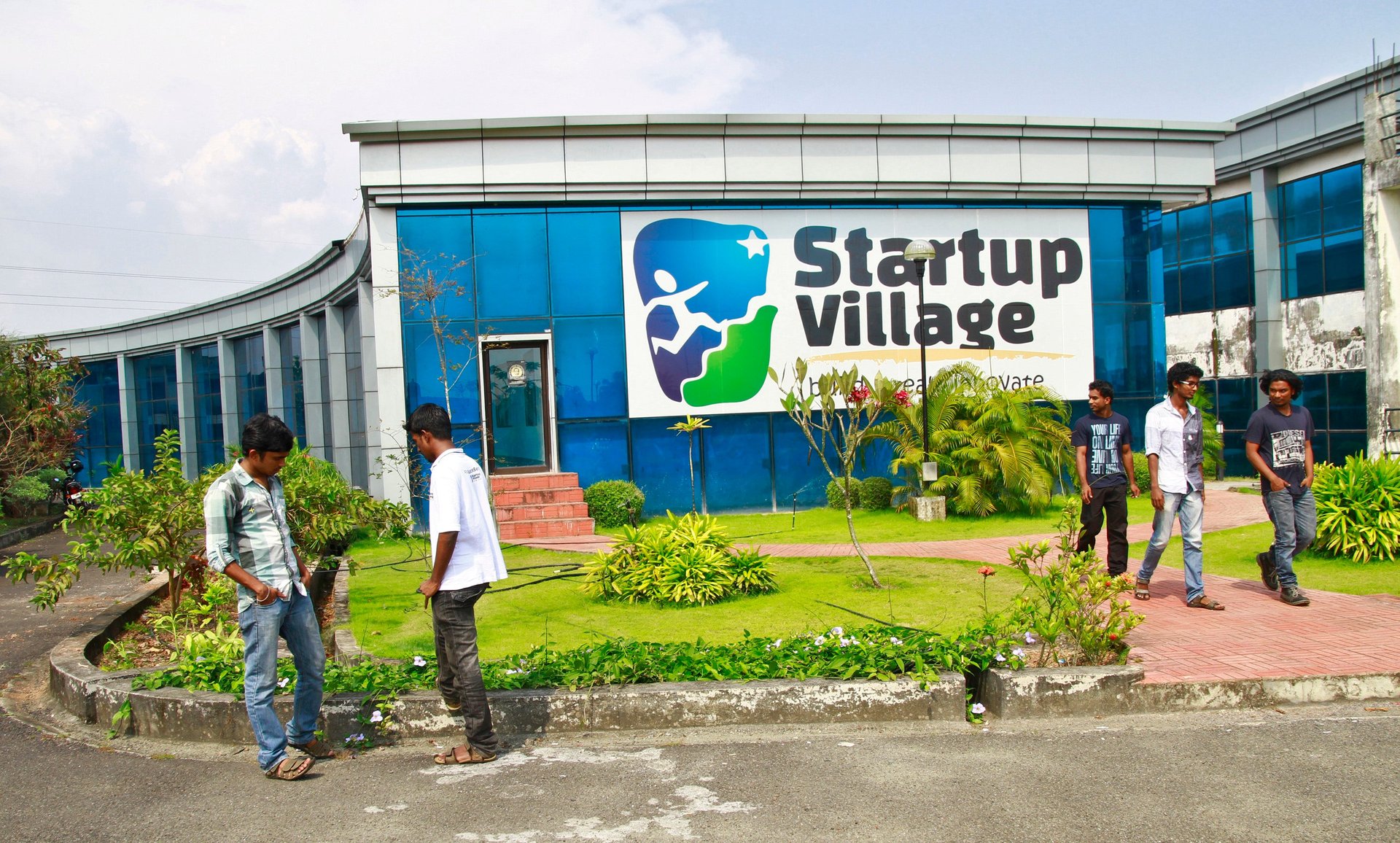
2018 was not a great year for tech startup funding in India—except for the unicorns (startups valued at over $1 billion or Rs7,040 crore).

India has around 75% more two-wheelers than cars, analysts estimate. Yet, the country has not seen a single bike-taxi startup thrive even as homegrown cab-hailing venture Ola is now valued at over $4.3 billion (Rs29,988 crore).

Multi-million dollar funding rounds aside, food-delivery startups are facing regulatory heat in India—but no one’s really complaining.
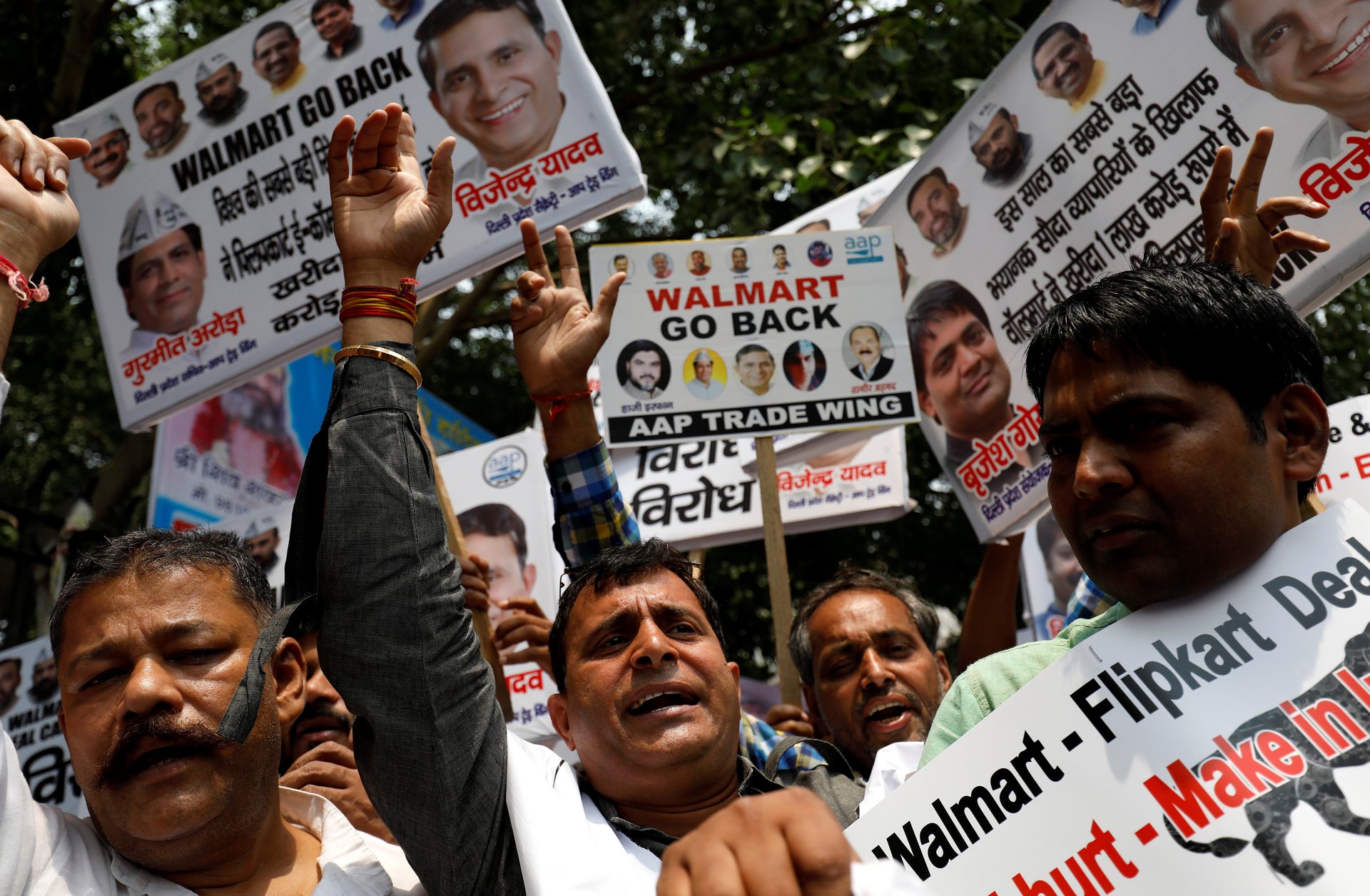
The year 2018 is ending on a terrible note for India’s e-commerce industry.

Swiggy was one of India’s biggest startup success stories of 2018.

After tepid job creation in 2017 and 2018, India’s IT industry may be back in the market hunting for talent next year.

Amazon’s focus on original Indian content seems to be doing wonders for the e-commerce giant, not just locally but even in the US.
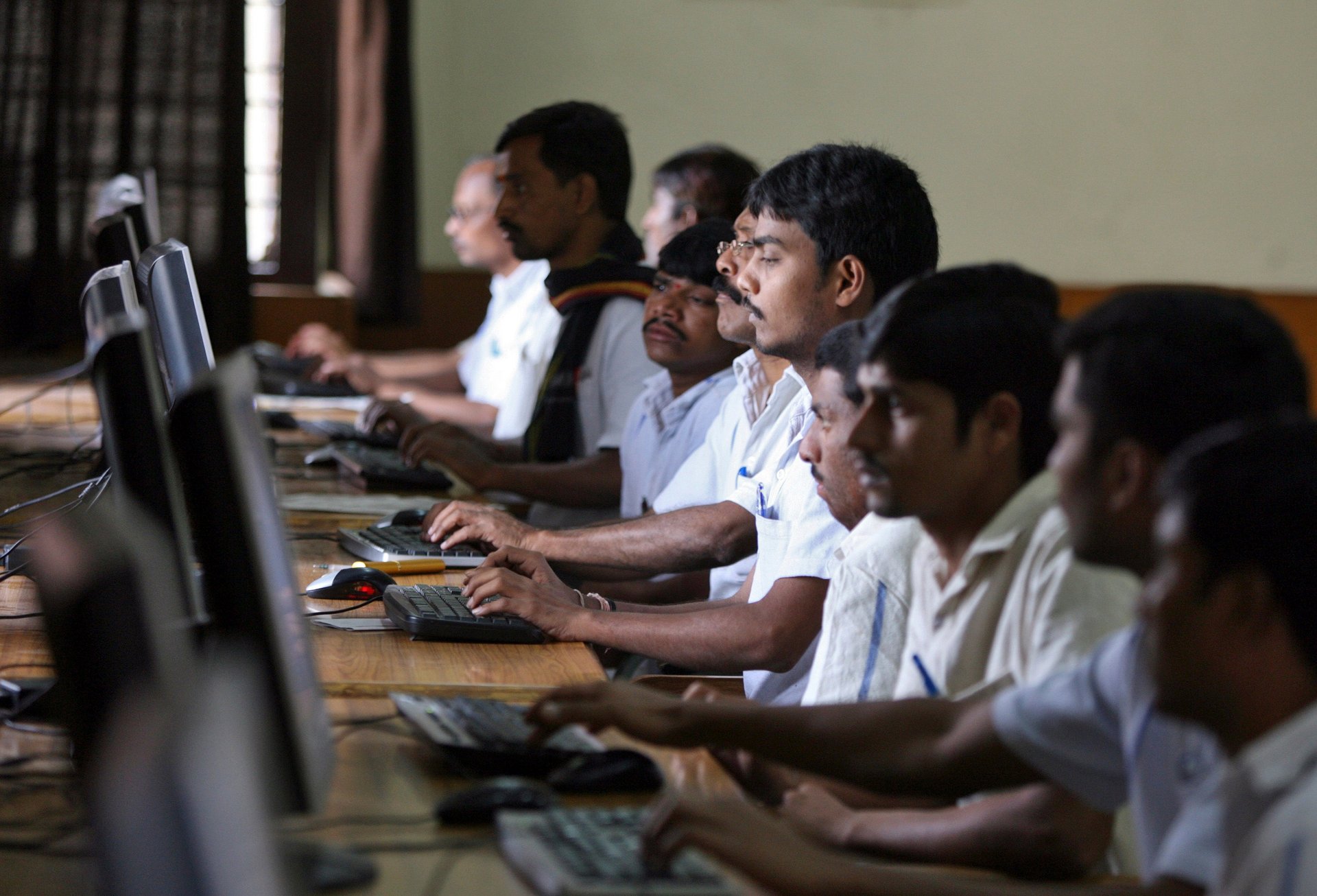
Educational apps are finding several takers across age groups in India.

One of India’s newest unicorns—startups valued at over $1 billion (over Rs7,000 crore)—is unstoppable.

Once a leader in employment generation, the Indian IT industry is now at the bottom.

Indians can’t purchase medicines online legally anymore.

“Founders first,” reads a poster at venture capital (VC) firm Matrix Partners India’s office. The company says that is its motto.
Early-stage startups, rearing to grow, often hit a wall when it comes to raising money for their working capital needs. Unable to grow on their own dime, most founders are dragged into selling a part of their stake to equity investors (equity financing).
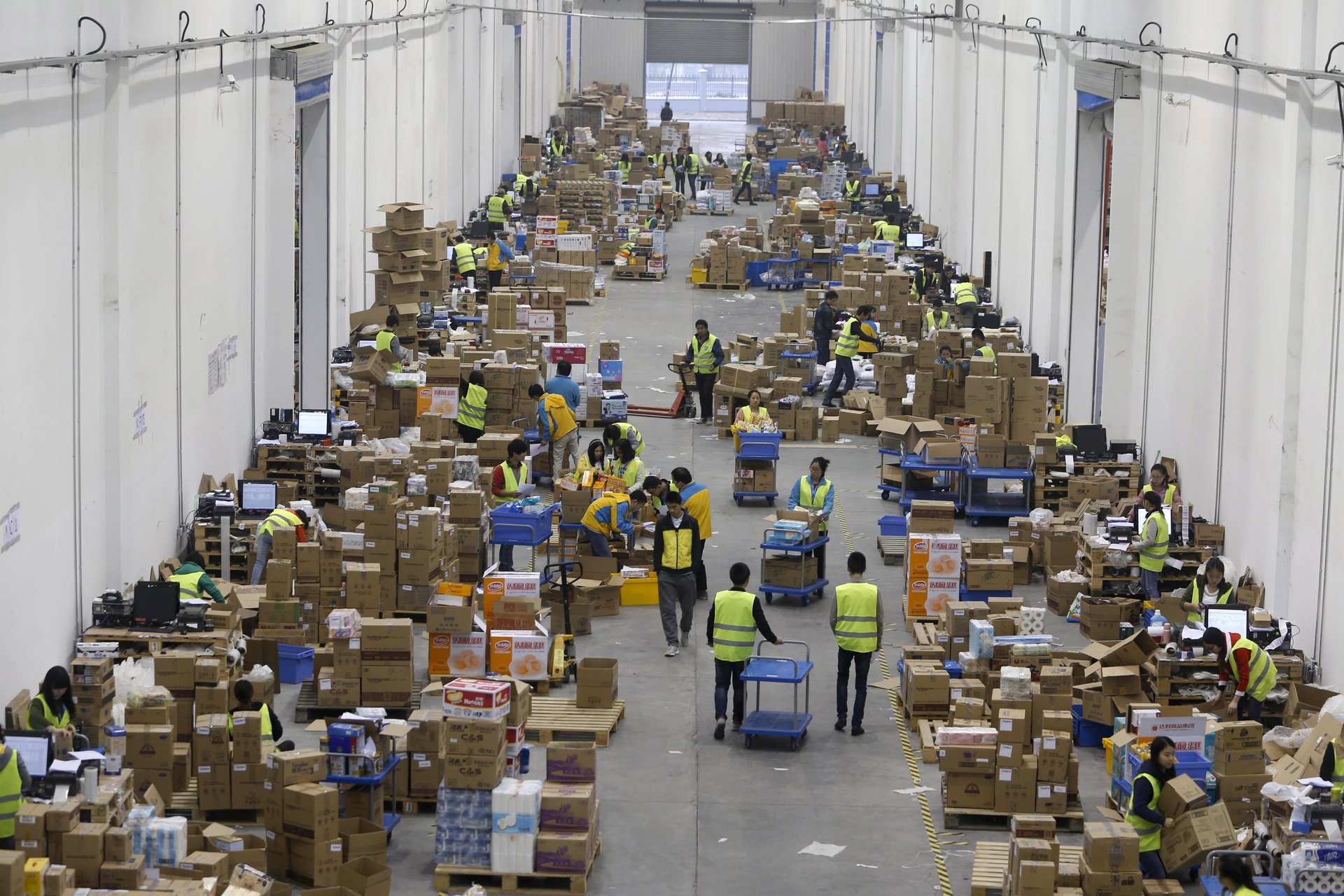
Like in the past several years, e-commerce companies in India broke many records during the festive season sales this time, too.