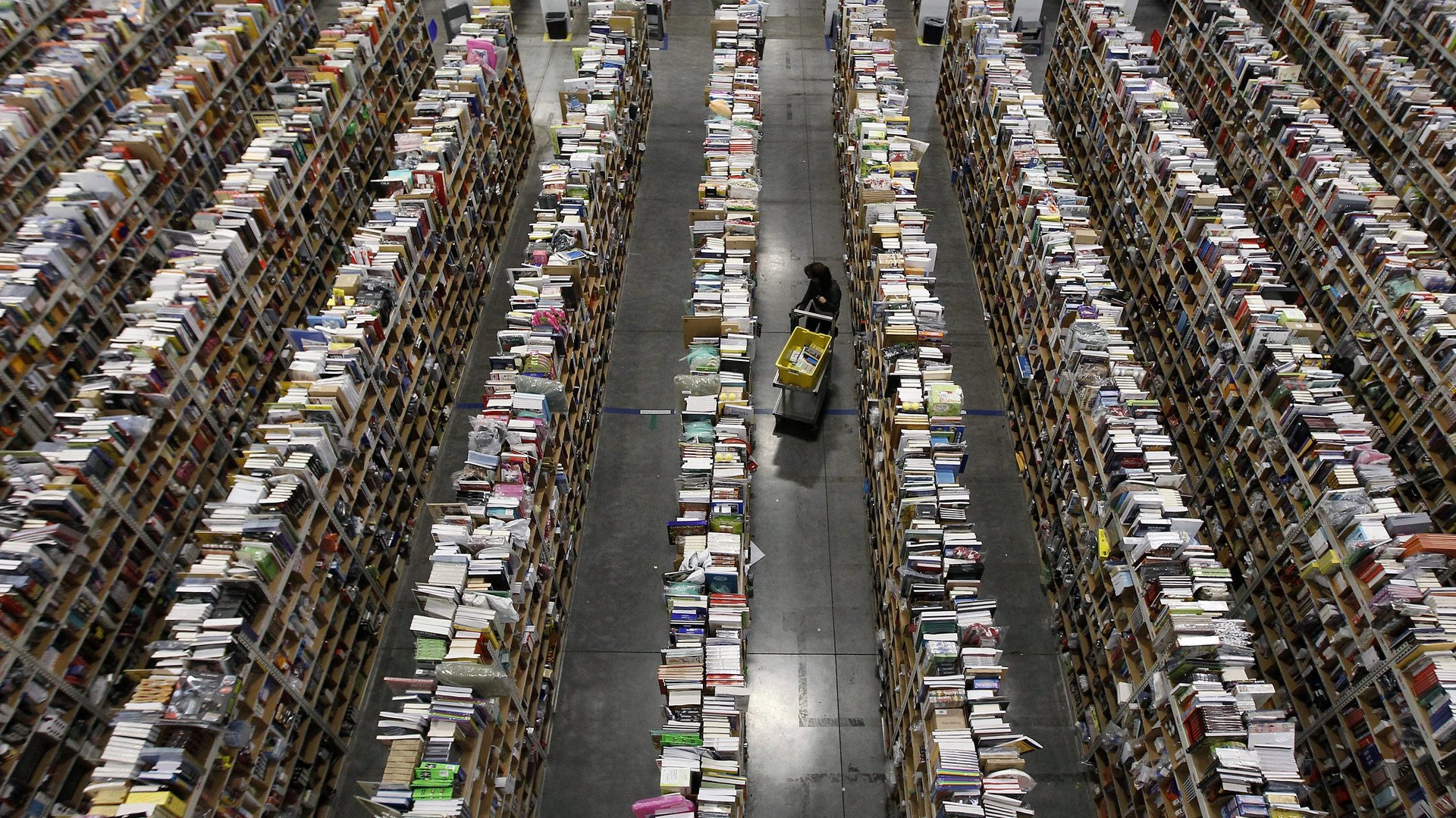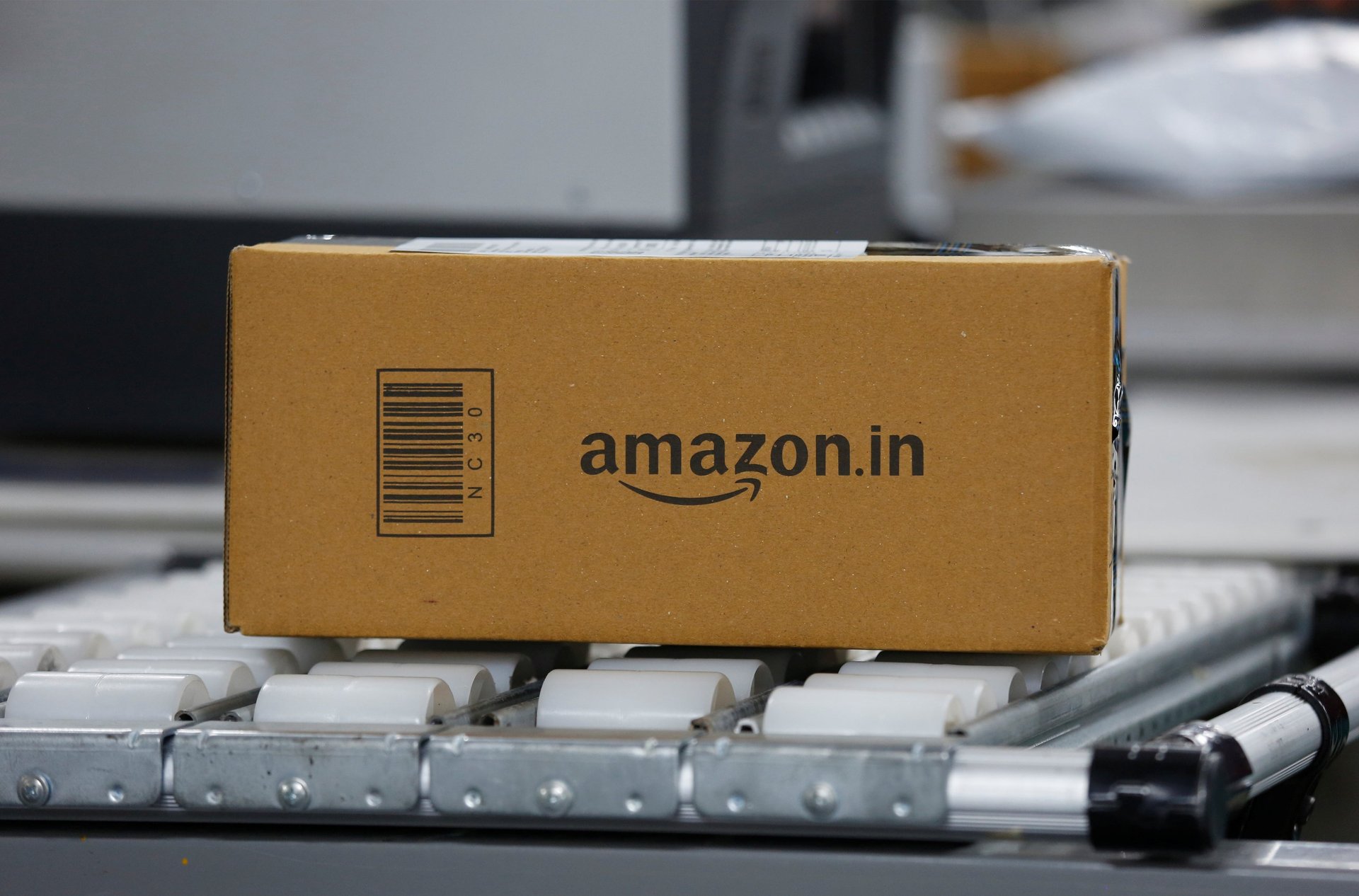
The world’s largest e-commerce firm, Amazon, is selling more products in India than local rival Flipkart. Yet, it is pocketing less money.

The world’s largest e-commerce firm, Amazon, is selling more products in India than local rival Flipkart. Yet, it is pocketing less money.

It’s easier to be an entrepreneur in India than an investor, says a 35-year-old startup industry veteran who has tried his hand at both over the past decade.

In just around six months after Walmart acquired a controlling stake in Flipkart for a record $16 billion, India’s largest homegrown e-commerce firm is going through a big shakeup.

Just a month after it became India’s latest unicorn (a startup valued at over $1 billion), hotel-room aggregator OYO has hired a professional with an ace track record to head its business in its largest markets—India and Nepal.

Uber has come up with an innovative solution to make its life easier in India.

Six months after Flipkart, India’s largest homegrown e-commerce firm was acquired by the world’s largest retailer, Walmart, both its founders have left the building—one more unceremoniously than the other.

Ola is replicating its tried and tested formula from its home country, India, in international markets: underwriting customers, incentivising drivers.

Until two years ago, Roshan Baid did not know that eight PET bottles of fizzy drinks can be turned into one sports t-shirt.

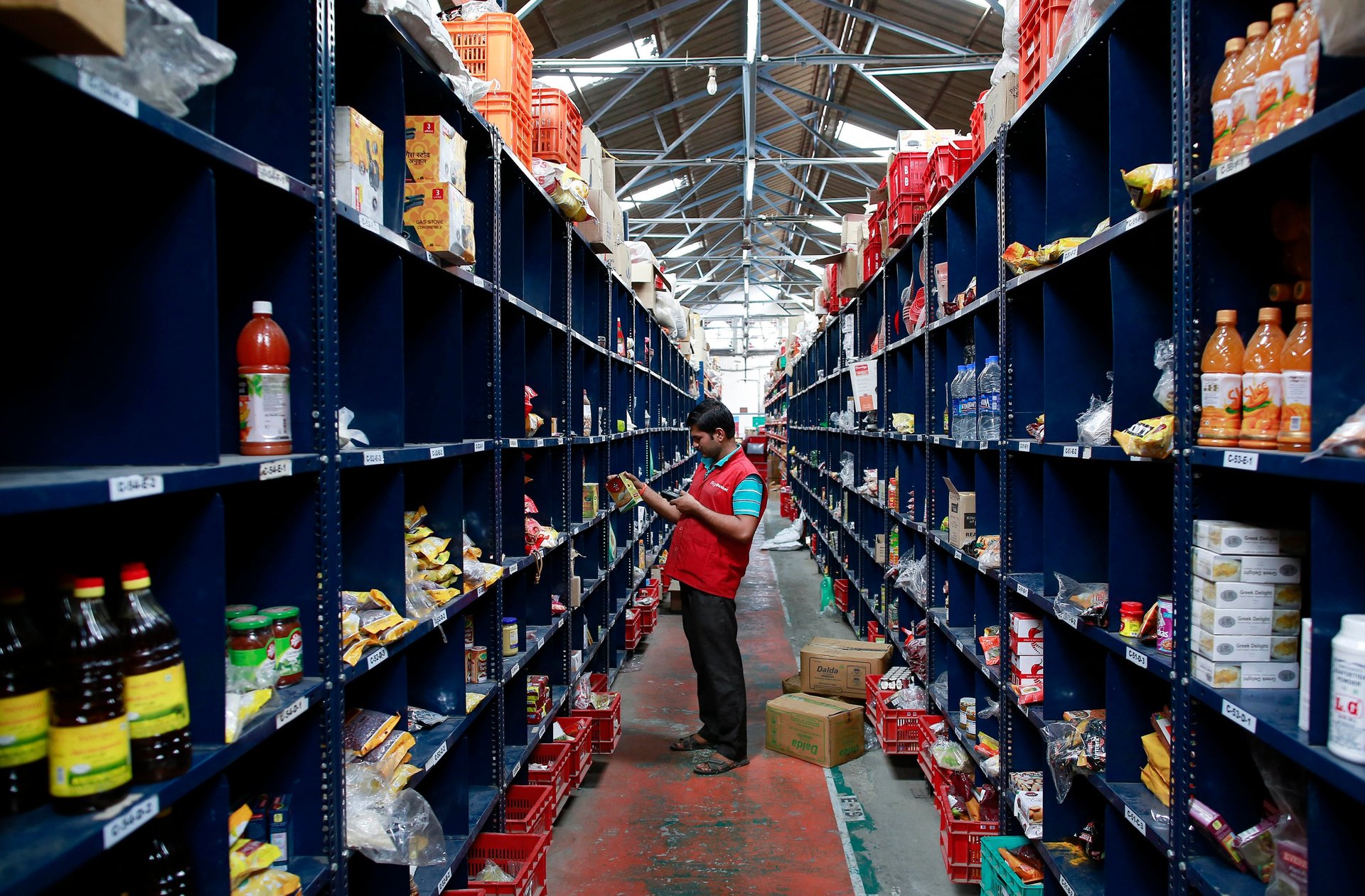
Amazon and Flipkart are making life hard for the smaller Indian online grocery retailers.

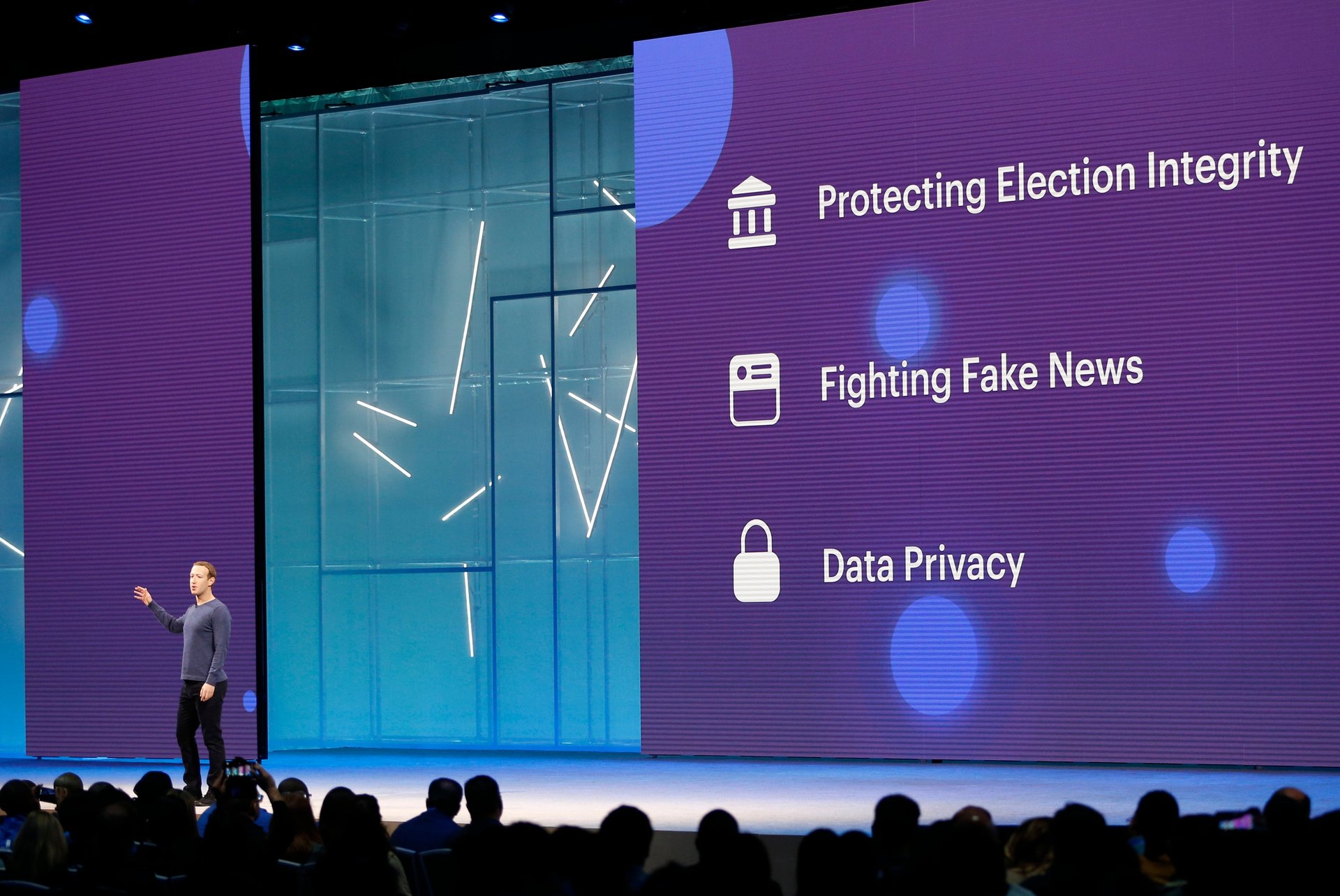
Are you baffled by your posts vanishing at random from Facebook recently? Or by entire accounts getting deleted or suspended?

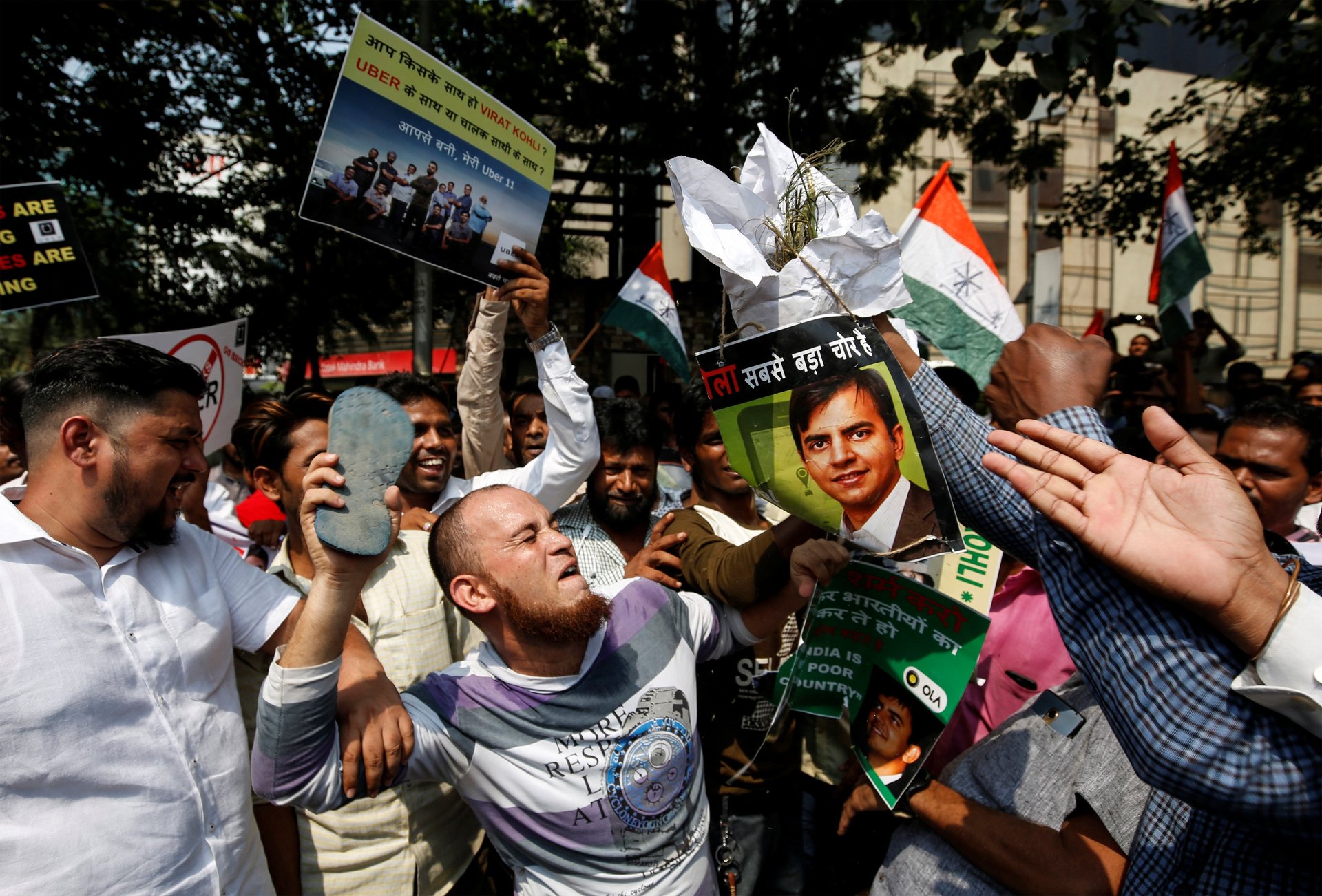
A standoff between the taxi drivers’ association and ride-hailing companies Ola and Uber has crippled India’s financial capital, Mumbai.

After a brief slowdown, investors are once again flocking to Indian startups—but only to the big boys.

Oncology has evolved over the years in India. But, the term cancer still evokes shock and fear.

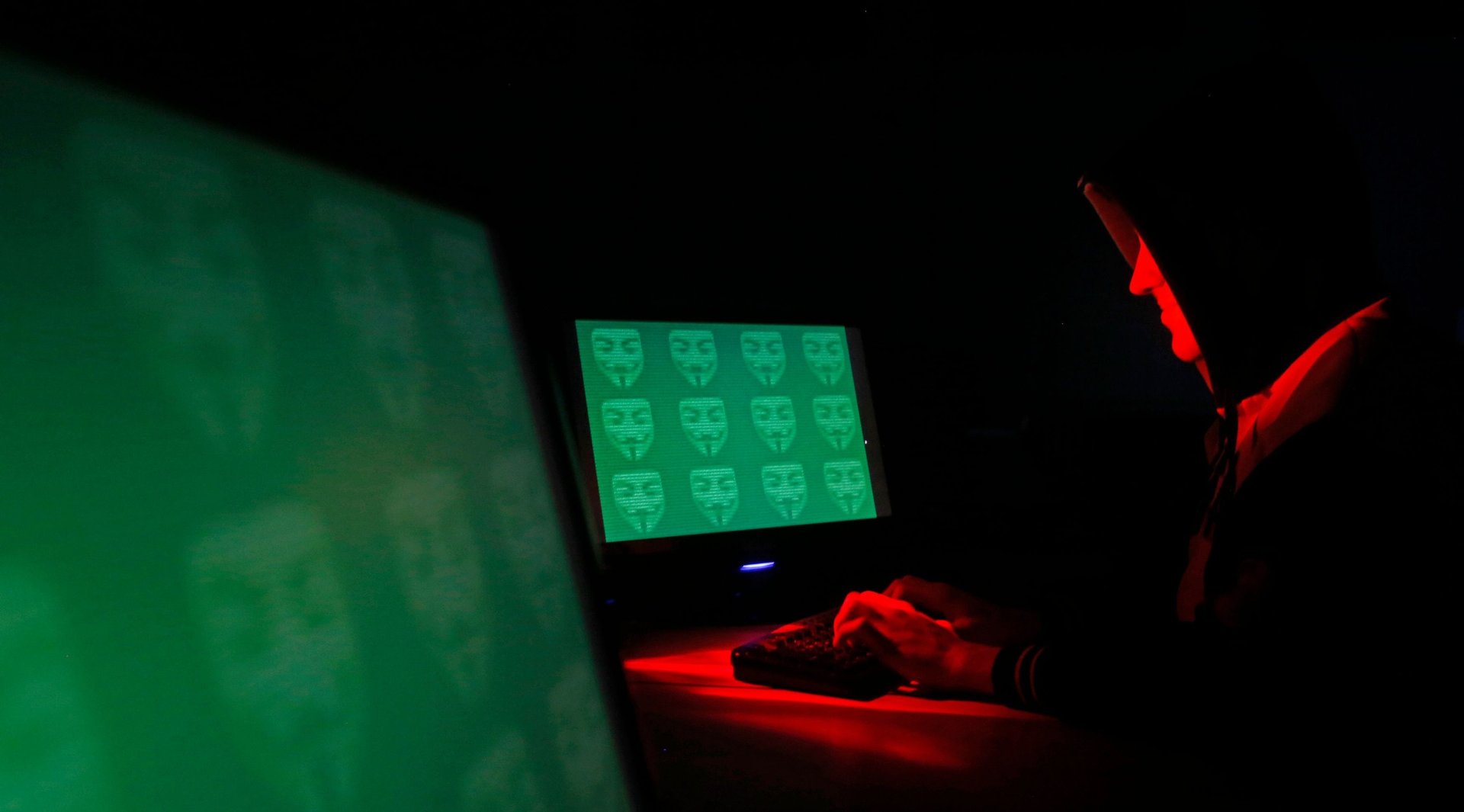
India seems to be a land of online bullies.

The Indian information technology (IT) industry seems to be getting its mojo back.

India’s largest homegrown mobility firm is betting on a dead company to strengthen its food-delivery business.

Bryan Adams is coming to India—once again. The 58-year-old rocker, who has toured the nation four times since 1994, is returning to sing his golden oldies Summer of 69, 18 Till I Die, and (Everything I Do) I Do It For You, among other songs. His five-city tour begans in Ahmedabad on Tuesday (Oct. 09), before moving to Hyderabad, Mumbai, Bengaluru, and ending in New Delhi.

It sat out the Indian e-commerce game for nearly a year. Now, Snapdeal wants to make a comeback.

Festival season is battle season in India for online retailers.

After Walmart-Amazon, India is all set to become the battleground for two more American companies.

Amit Pasricha’s lens looks at India the way few others do. One of the foremost panoramic photographers in the country, he uses a technique that stitches together multiple images to create a single image that is far larger or wider than a camera can capture, or indeed the human eye can take in at a glance.

Tucked inside the Institute of Cultural Research in Kankurgachi, a neighbourhood in northeastern Kolkata, is one of the most unique museums in the country—one that showcases 46 models of boats that are native to Bengal, and through them reflects an aspect of the region’s heritage that is fast disappearing.

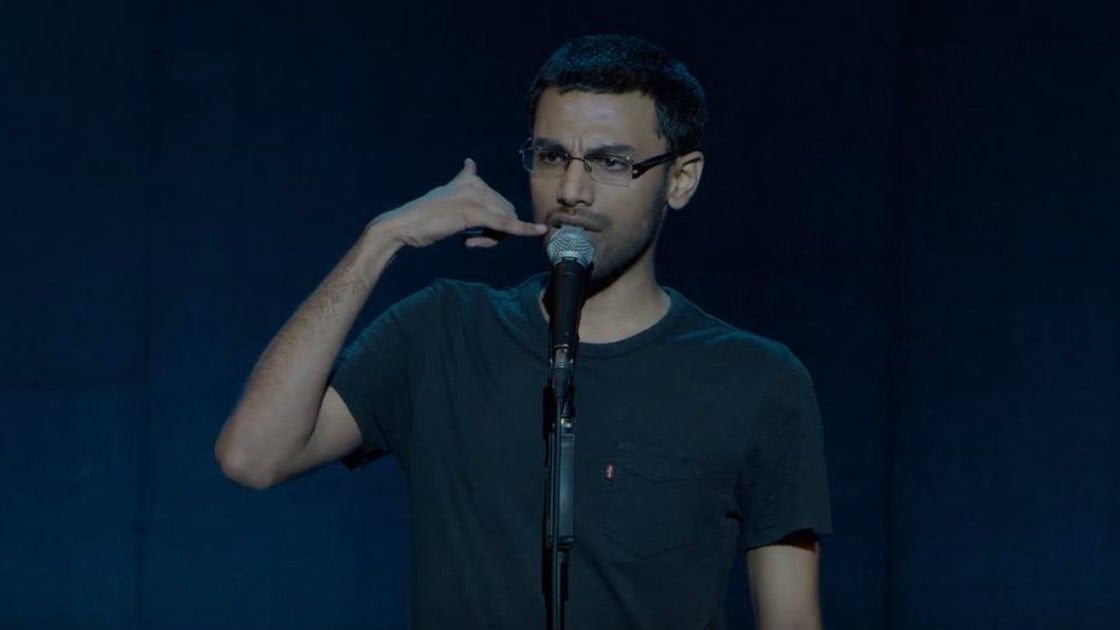
This was an important year for Indian stand-up comedy in terms of numbers—14 stand-up specials were released on Amazon Prime Video, three stand-up artists made their debuts as show writers exploring genres beyond comedy, and, on Netflix, the first Indian female comedian made her debut with a stand-up special.

I recently had coffee with a young professional who wanted advice about how to get a job in policy. Every morning, for months, he had been monitoring Capitol Hill’s version of the classified ad board for job opportunities, the Congressional placement office’s jobs bulletins. He had submitted dozens of applications, applying to jobs where he thought his skills closely matched or surpassed the requisite qualifications, only to receive no reply. “At times, I felt so frustrated that I wanted to give up the search altogether,” he told me.