In November 2007, the US Federal Reserve Bank began publishing quarterly forecasts for GDP growth. Since then, every single one of its projections has been too optimistic about the US economy.

In November 2007, the US Federal Reserve Bank began publishing quarterly forecasts for GDP growth. Since then, every single one of its projections has been too optimistic about the US economy.

Recessions always hit the poor hardest. Not only do low-income families have the tightest budgets, their incomes are also more precarious during downturns. In each of the past four recessions in the US, the lowest 20% of earners fared far worse, relatively speaking, than the average American.

New York’s Metropolitan Museum of Art is experiencing a level of administrative turmoil unmatched in its recent history. In February, Met director Tom Campbell resigned under a cloud of accusations about how his personal relationships impacted his management. The museum is also facing a budget deficit of up to $40 million, and has laid off employees to cut costs.

The demographics of the United States are changing quickly, and there is no simpler way to understand that than to look at the most common age of each race and ethnic group.

There are a lot of jobs that can only be completed with significant training, but don’t involve much critical thinking once the skill is learned—machine operators and office clerks, for examples. And in rich countries, they are on the cusp of becoming endangered.

Time with friends, colleagues, siblings, and children diminishes over the course of a lifetime. The older we get, the person we spend the most time with is the one we see in the mirror.

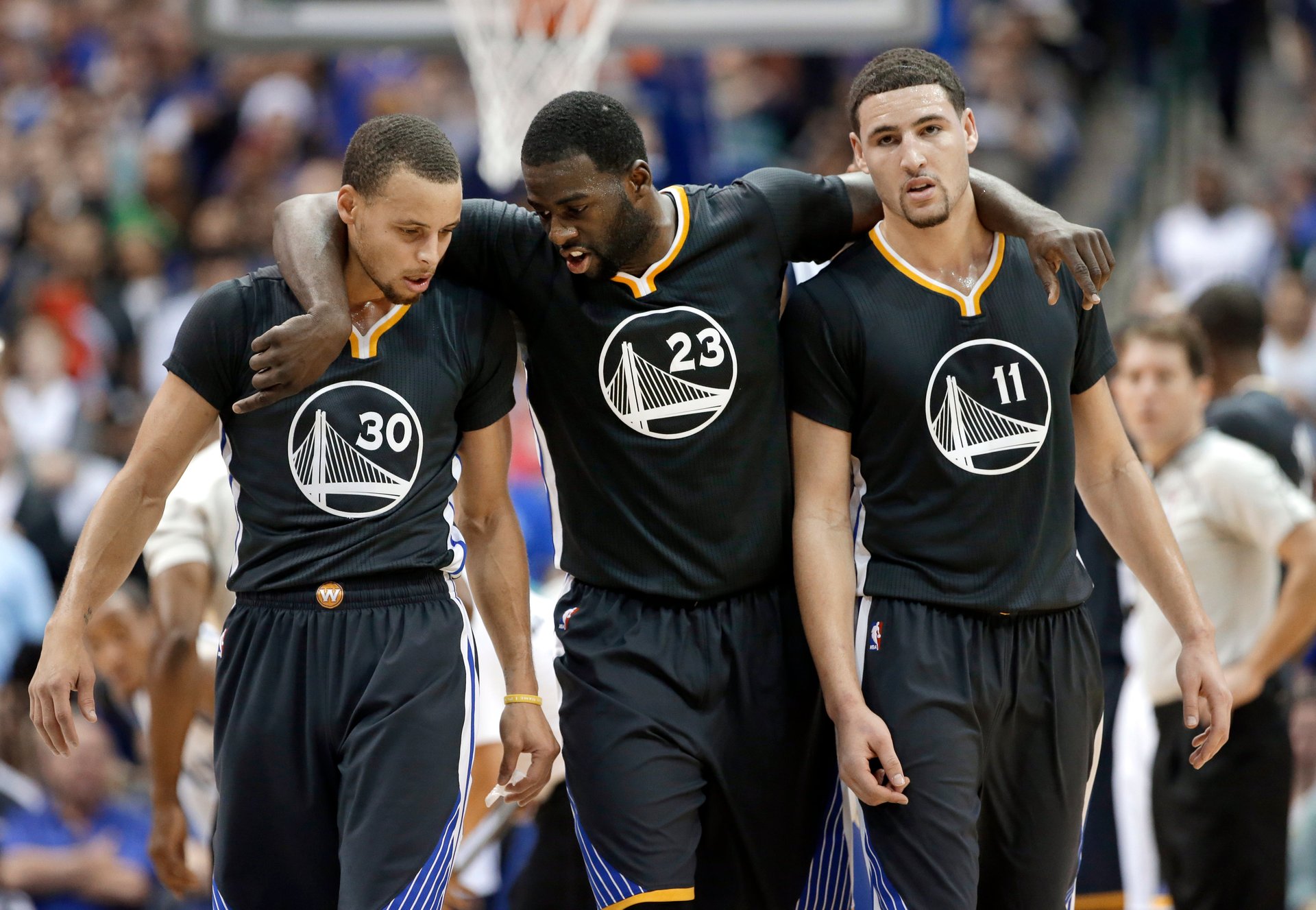
There’s one thing that sets the Golden State Warriors apart as the reigning NBA champions, even among the champions of the past—and there’s data to prove it.

Europeans like to stay home, thank you very much.

On June 10, 2007, the statistician and developer Hadley Wickham officially released ggplot2, a chart-making system for the statistical programming language R. It would alter the course of his life and the future of data visualization.

The big story in the US labor market over the past 40 years is the fall of manufacturing jobs and the rise of service-sector work in industries like health care and education.

During the 2016 US presidential campaign, Democratic nominee Hillary Clinton called for increasing the number of Syrian refugees taken into the US by 65,000. Donald Trump, Clinton’s Republican opponent, thought this was a terrible idea, in large part, because of its financial costs.

As nearly everybody expected, the US Federal Reserve raised the federal funds rate by 0.25 percentage points today.

Microsoft cofounder and billionaire philanthropist Bill Gates believes chickens are an important tool to fight global poverty. He donated 100,000 of the birds to poor rural families in developing countries last year. Gates argues that giving chickens to the poor is a good investment because they are easy to take care of, reproduce quickly, and provide a crucial source of nutrition. Gates’s long-term goal is to “help 30 percent of the rural families in sub-Saharan Africa raise improved breeds of vaccinated chickens, up from just 5 percent now.”

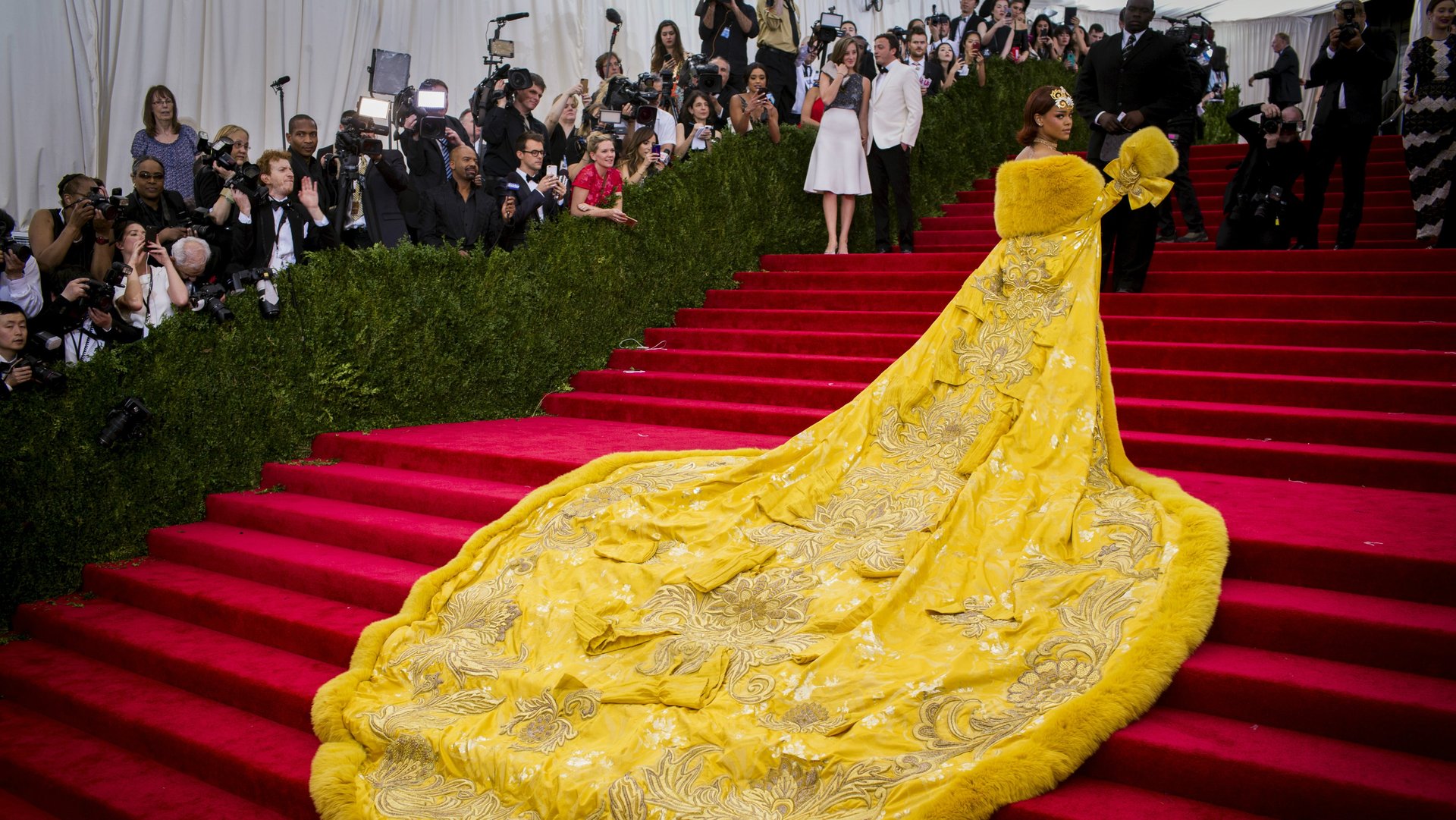
Being wealthy has become so passé that rich people are increasingly choosing not to display that wealth—that’s the theory behind a new book exploring the changing consumption habits of rich people in the West.

In his inaugural address, US president Donald Trump listed out the problems he saw in a declining America. At the top of his list: “Mothers and children trapped in poverty in our inner cities.” It was not the first time Trump had spoken of urban poverty. “Our inner cities are a disaster,” Trump said in the third presidential debate of 2016. “You get shot walking to the store. They have no education. They have no jobs.”

Universal Basic Income (UBI) is a hot idea in economic policy circles. Supporters of the idea, an unconditional cash payment given to everyone in a country instead of tax benefits, grants, or other social programs, include Elon Musk and Mark Zuckerberg. They see it as an effective way to fight rising inequality and protect workers in an increasingly automated and unstable labor market.

The San Francisco Bay Area has a serious housing shortage. It also has a daunting displacement problem. For Sonja Trauss, director of the San Francisco Bay Area Renters Federation, the two are connected.

The 2017 NBA Finals is the seventh consecutive championship series in which LeBron James has appeared. It’s a herculean feat that hasn’t been accomplished in over 50 years.

In the late 19th century, immigrants came to the United States in droves. The absolute number of immigrants in the country rose from less than 2.5 million in 1850 to more than 13.5 million in 1910. That boosted immigrants as a share of the population to 15%, from 10%, over the period.

Bank robberies are great case studies for the economics of crime. They’re premeditated affairs in which a perpetrator has evaluated (consciously or not) the rationality of proceeding. The gains are quantifiable. They also come with a built-in dilemma: every minute a robber stays in the bank increases both the haul and the chance of getting caught.

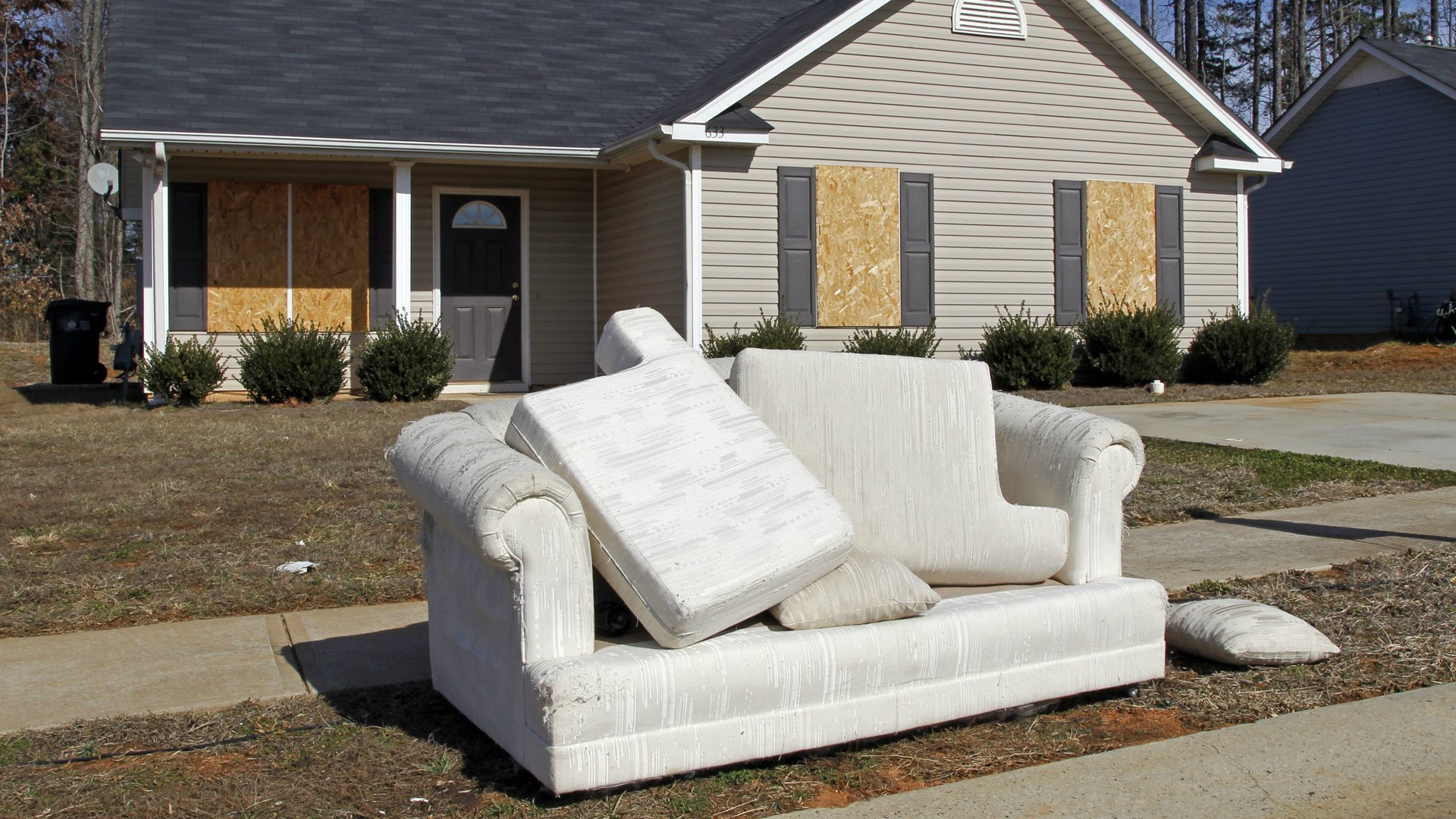
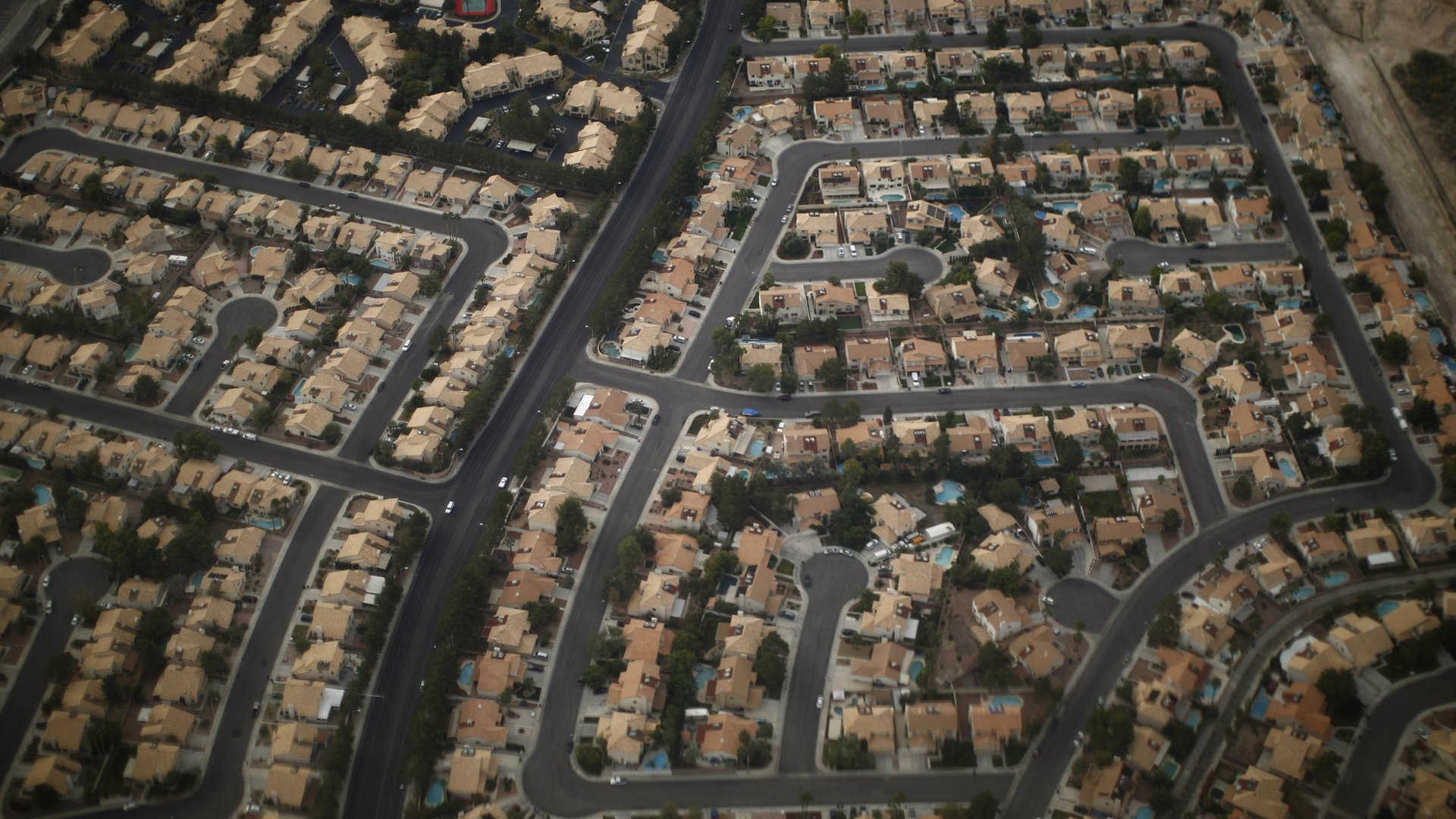
The single-family home has for almost a century been at the core of American life. Perhaps not for much longer.

People’s appetite and eagerness to move varies hugely across the world. Finns are nearly 10 times more likely to change their address in any given year than Russians. People in the US and South Korea are at least five times more likely to move in a five-year period than their counterparts in Spain and India.

Bangladesh’s population of 160 million is as big as France, Germany, and the Netherlands combined. The country is also easily the poorest of the world’s 10 most populous. Given its size and the depth of its poverty, the country’s recent economic boom must rank as one of the world’s happiest economic stories right now.

Politicians may be concerned about economic inequality, but that doesn’t mean they should talk about it so much.