The 2019 Nobel Prize has been awarded to three scholars for pioneering recent attempts to answer microeconomic issues in development using randomized experiments.

The 2019 Nobel Prize has been awarded to three scholars for pioneering recent attempts to answer microeconomic issues in development using randomized experiments.

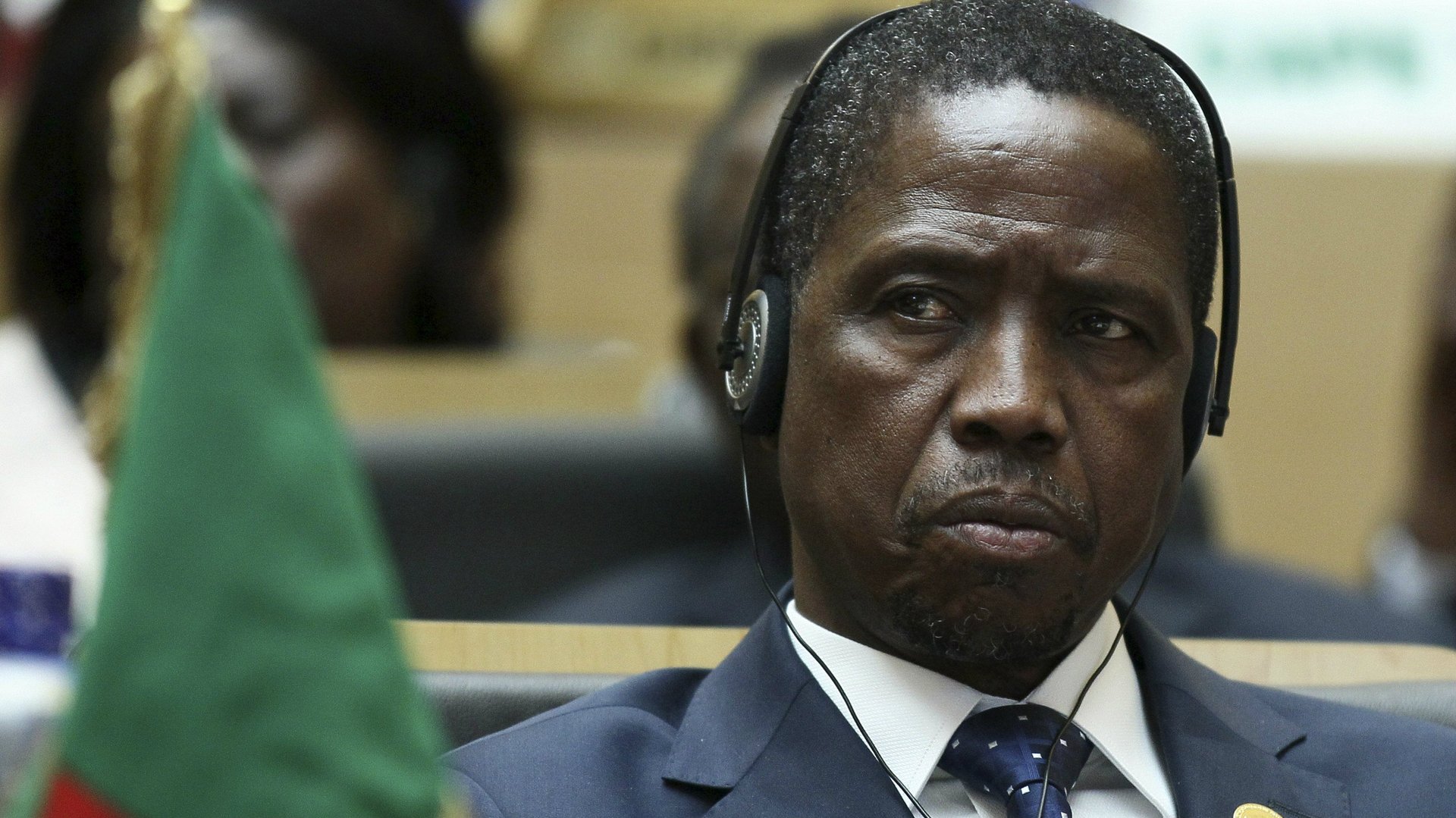
It has been a tough couple of months for Edgar Lungu, Zambia’s relatively new president. Mr. Lungu was elected on a slim margin in a presidential by-election in January following the death of Michael Sata. In the nine months or so he’s been in charge, the Kwacha (Zambia’s currency) has depreciated by about 80% to the dollar, making it the world’s worst performing currency according to Bloomberg.

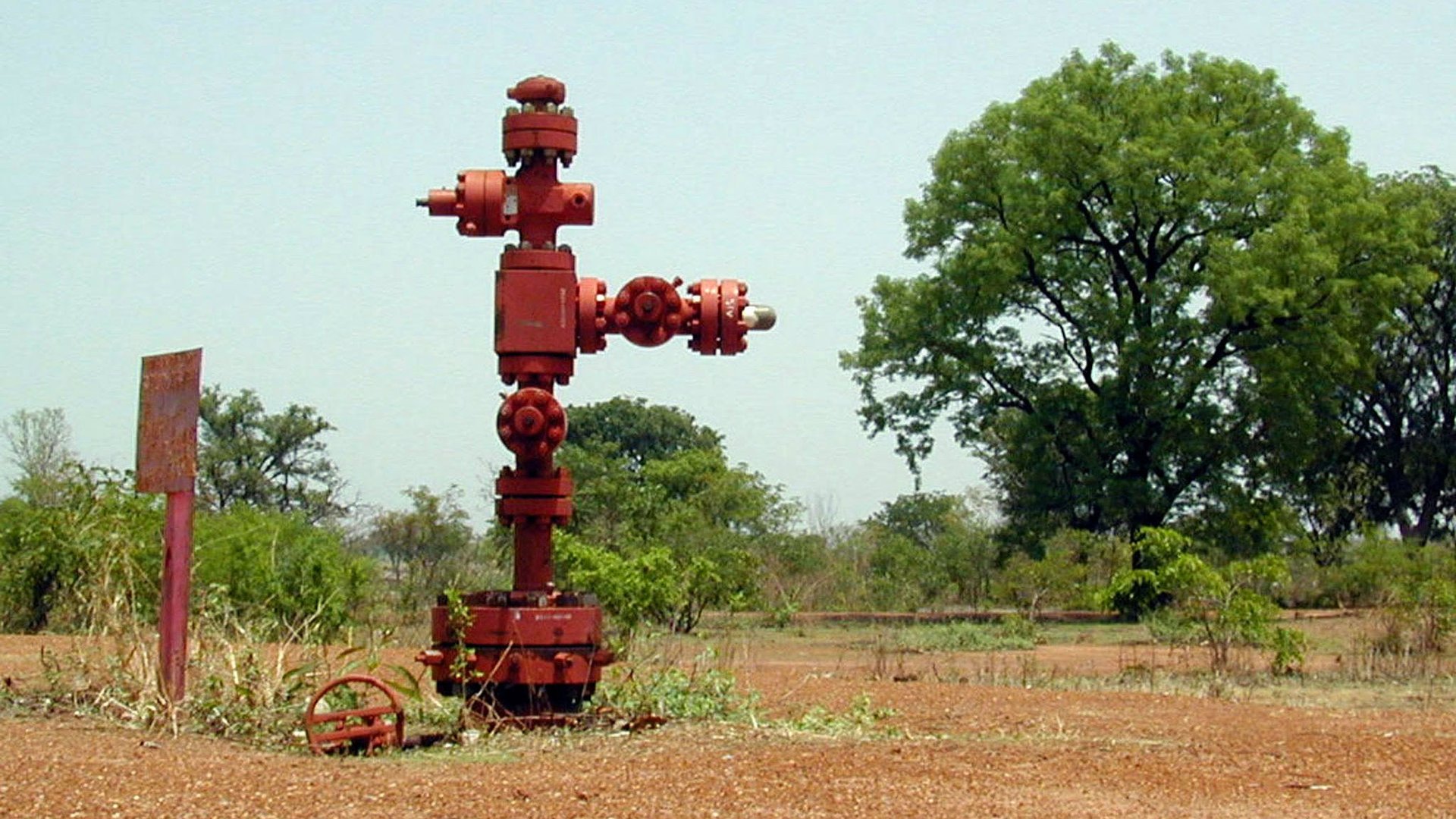
This past month it was announced that Chad was seeking to reschedule payments on a $1.5 billion oil-backed loan. The money was borrowed in 2014 from a consortium led by Glencore, the giant Swiss-based commodities trader, to finance Chad’s acquisition of Chevron assets in the country. The request to reschedule comes in the wake of the fall in global oil prices since repayments on the loan were linked to revenues from future oil exports. The price of oil has fallen rather steeply (by about 46%) since the financing deal was announced in the middle of 2014 (see chart). According to Bloomberg, rescheduling of payments on the loan will give the government some fiscal space given the sheer size of the loan relative to the country’s gross domestic product which currently stands at $13.5 billion.

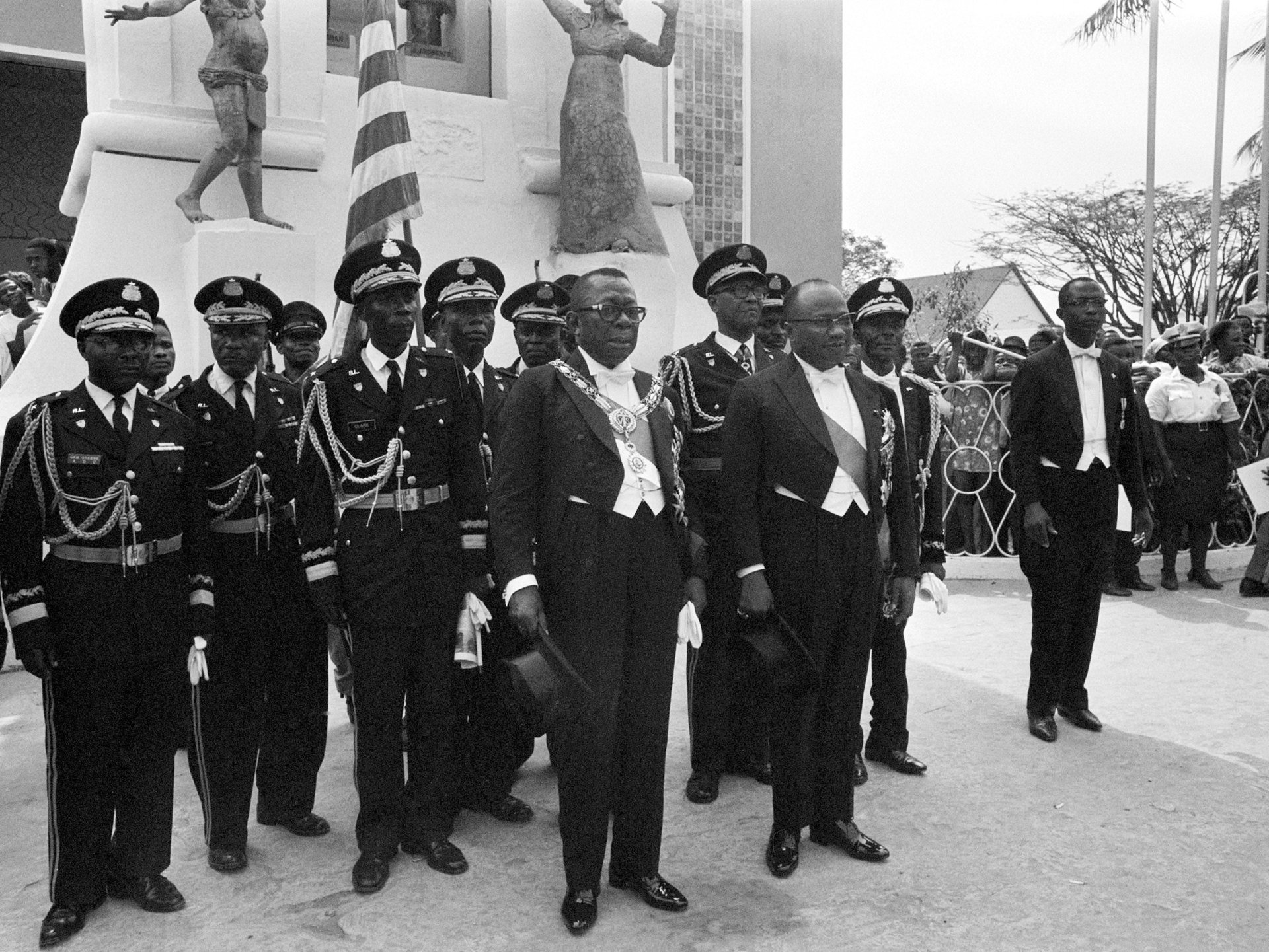
We often like to think about African politics and its governments as being dominated by one ethnic group. The exclusion of some groups then translates into ethnic tensions as groups attempt to wrestle power from one another. For many of us, this narrative seems to make sense. We use it to explain the root cause for the civil wars, revolutions and coups d’état we’ve seen over the last five decades.

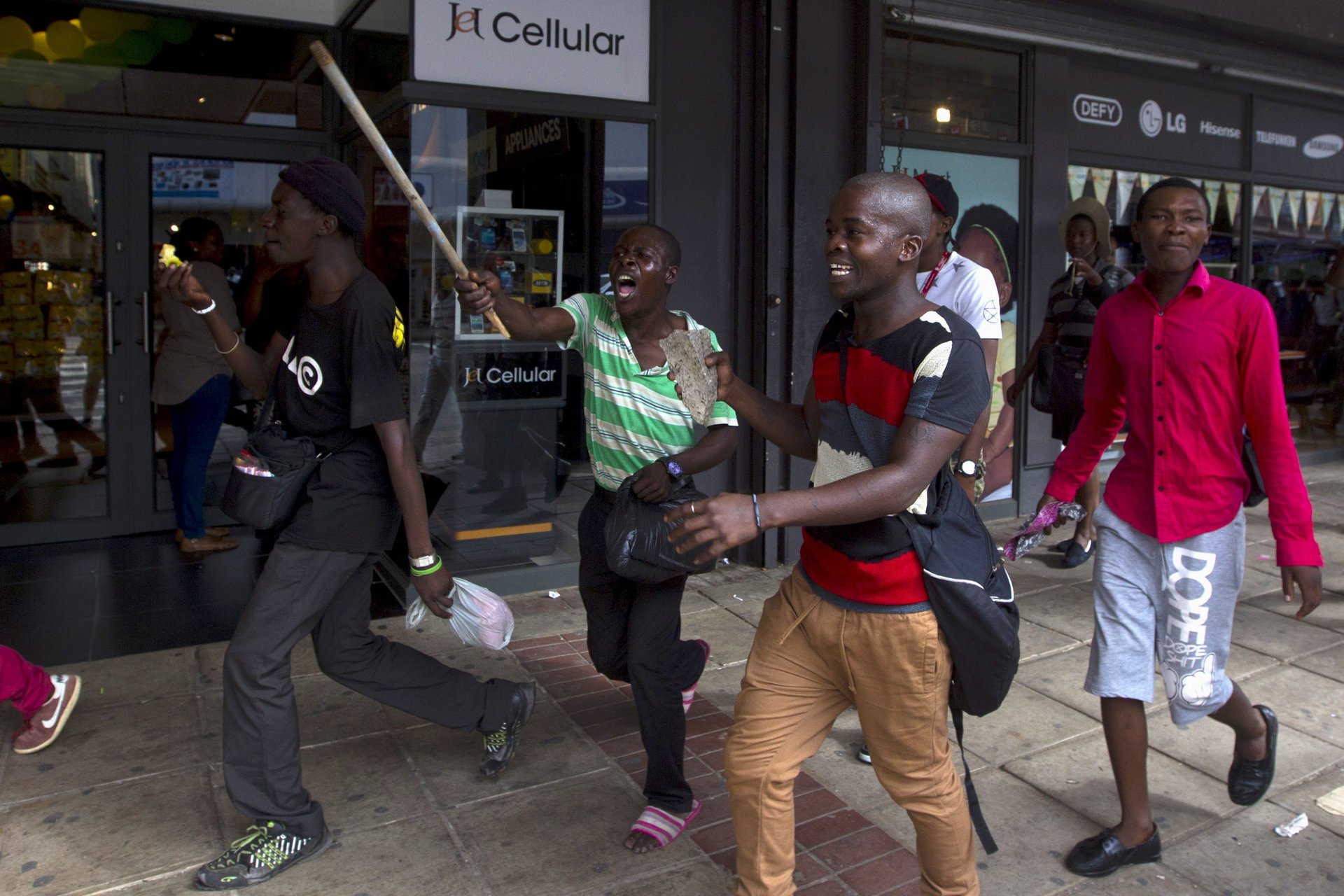
South Africa has over the last week being gripped by a new wave of xenophobic attacks aimed at immigrants from other African countries. The latest wave of attacks are confined to the city of Durban in Kwa-Zulu Natal province with the townships of Umlazi and KwaMashu being the hardest hit. At least four people have died and thousands have been displaced. The latest round of attacks is probably the most significant since the May 2008 attacks that started out in Johannesburg’s Alexandra township and later spread to other parts of the country.