
Tech & Innovation
How to shop without AmazonThere are many reasons you might want to boycott Jeff Bezos’ $900 billion giant.
Updated July 21, 20229 min read
There are many reasons you might want to boycott Jeff Bezos’ $900 billion giant.

Election advertising is increasingly moving online, faster in some places than in others.

Facebook is ramping up efforts against misinformation by expanding its fact-checking program to Instagram. Earlier this year, the image-sharing platform started testing the system in the US, and on Dec. 16, it announced a full, global roll-out.
Leading up to the UK parliamentary elections this week, a staggering number of Facebook campaign ads were deemed misleading by watchdog organizations. This is, in part, due to Facebook’s own policies, which stipulate that the company does not fact-check political advertising.
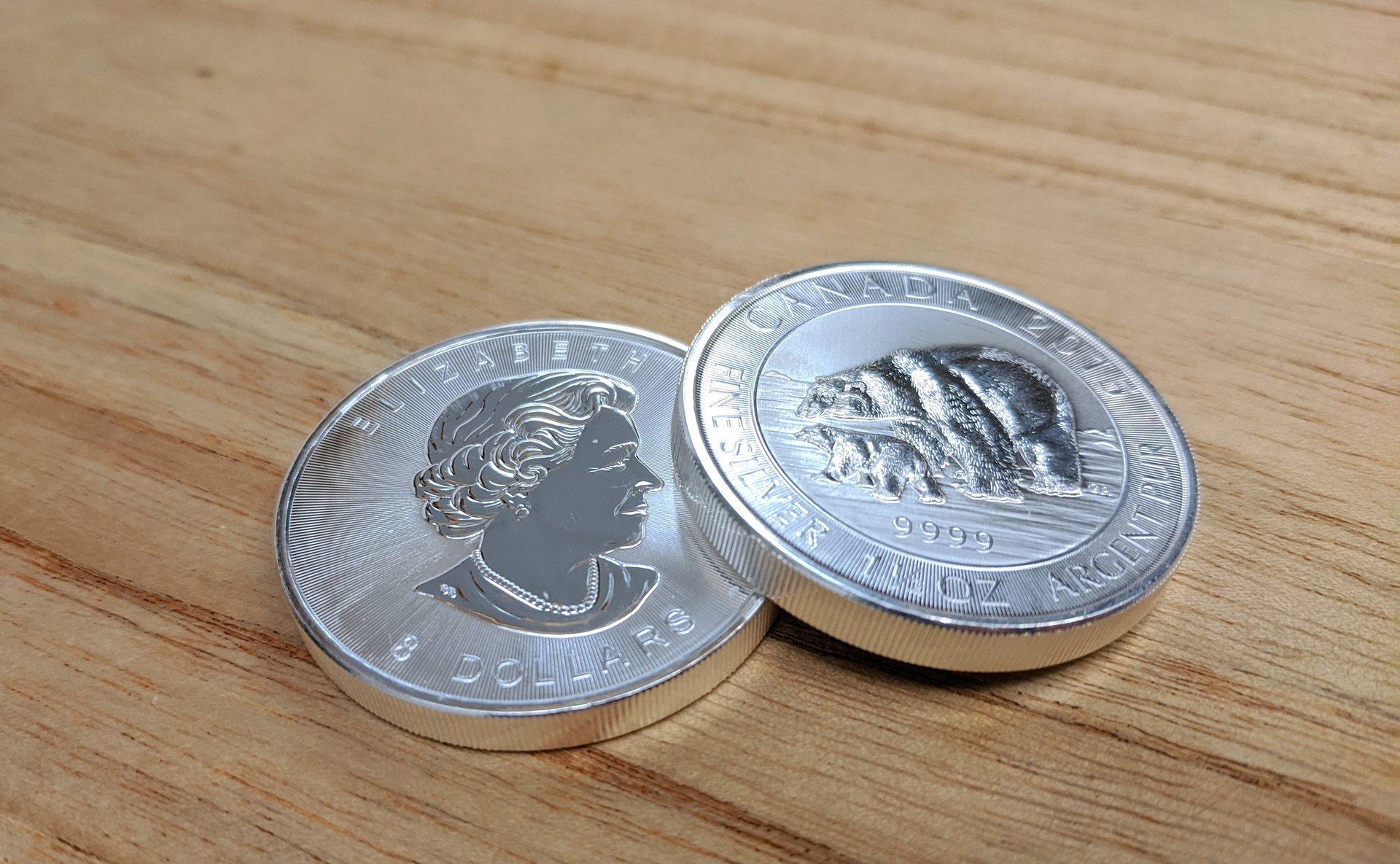
Massachusetts regulators have taken legal action against Metals.com for allegedly convincing seniors to invest millions of dollars of retirement savings into overpriced precious metals.
Part of our series, Mining for Silver on Facebook

Part of our series, Mining for Silver on Facebook
Part two of the series, Mining for Silver on Facebook

While browsing through Facebook one day in 2017, a widow from Kentucky clicked on a series of links that led her to a signup form about buying silver. One of those Facebook pages, she told Quartz, appeared to be associated with Fox News.

Part three in the series, Mining for Silver on Facebook
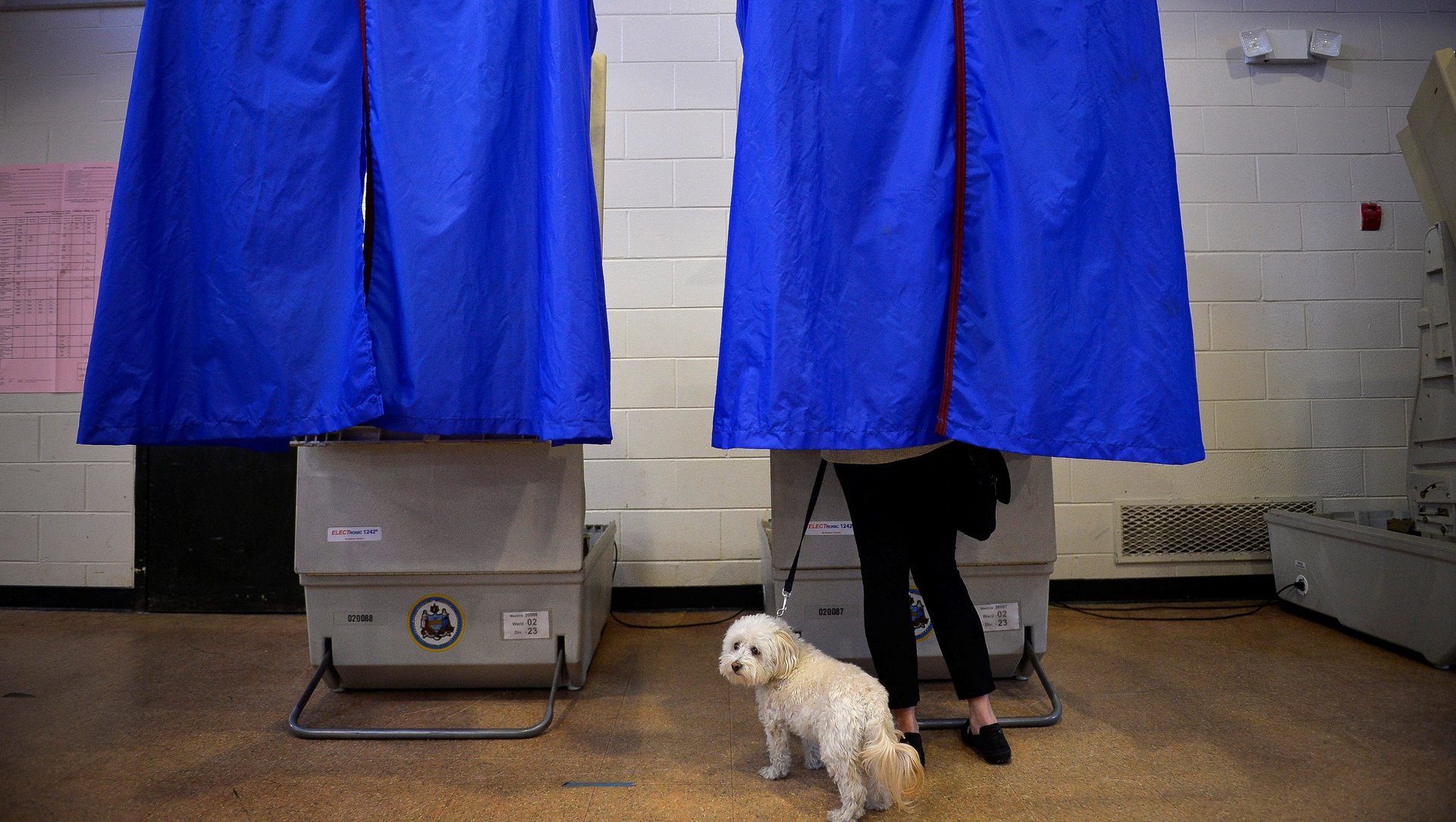
November 5th is Election Day in the United States, with voters heading to the polls for gubernatorial elections in Kentucky and Mississippi, legislative elections in Mississippi, New Jersey, and Virginia, and numerous local races. If recent elections are any indication, Americans should be wary of information about voting that they see online, since there might be actors trying to inappropriately influence the electoral process.
TikTok is all fun and memes, until it isn’t. On Friday (Nov. 1), Reuters reported that the US government opened a probe into the merger that effectively landed the Chinese-owned app in the United States, the $1 billion acquisition of the American app Musical.ly. Earlier this month, US lawmakers called for such an investigation, worried about the country’s cybersecurity, and Chinese censorship on the platform.

These days, a smartphone of a resident of San Francisco or New York might buzz with a notification of a new Instagram post from a friend or a news update about a jump in the stock market. But in between those, a more ominous alert can catch their attention: “1.5 miles away, a woman was shot in her face,” or “0.5 miles away, fire reported on rooftop.”
In a TikTok video captioned “best candidate for 2020,” a young man pretends to gun down the names of Democratic presidential candidates, which show up as text bubbles. He uses finger guns, to the sound of actual gunshots–a fragment of the rapper 3ohBlack’s song “All Talk.” In the end, the only name that remains on screen is “Donald Trump,” and the meme is hashtagged #Trump2020.
Russian actors trying to interfere in the 2020 US election seem to be focusing on Instagram. Facebook announced Monday (Oct. 21) that it had identified several coordinated campaigns on its platforms from Iran and Russia. The Russian effort involved only one Facebook account, but 50 Instagram accounts focused primarily on the US, Facebook said.

Facebook founder and CEO Mark Zuckerberg views Democratic senator and presidential candidate Elizabeth Warren as an existential threat, according to leaked audio from a Q&A session between Zuckerberg and his employees obtained by The Verge.
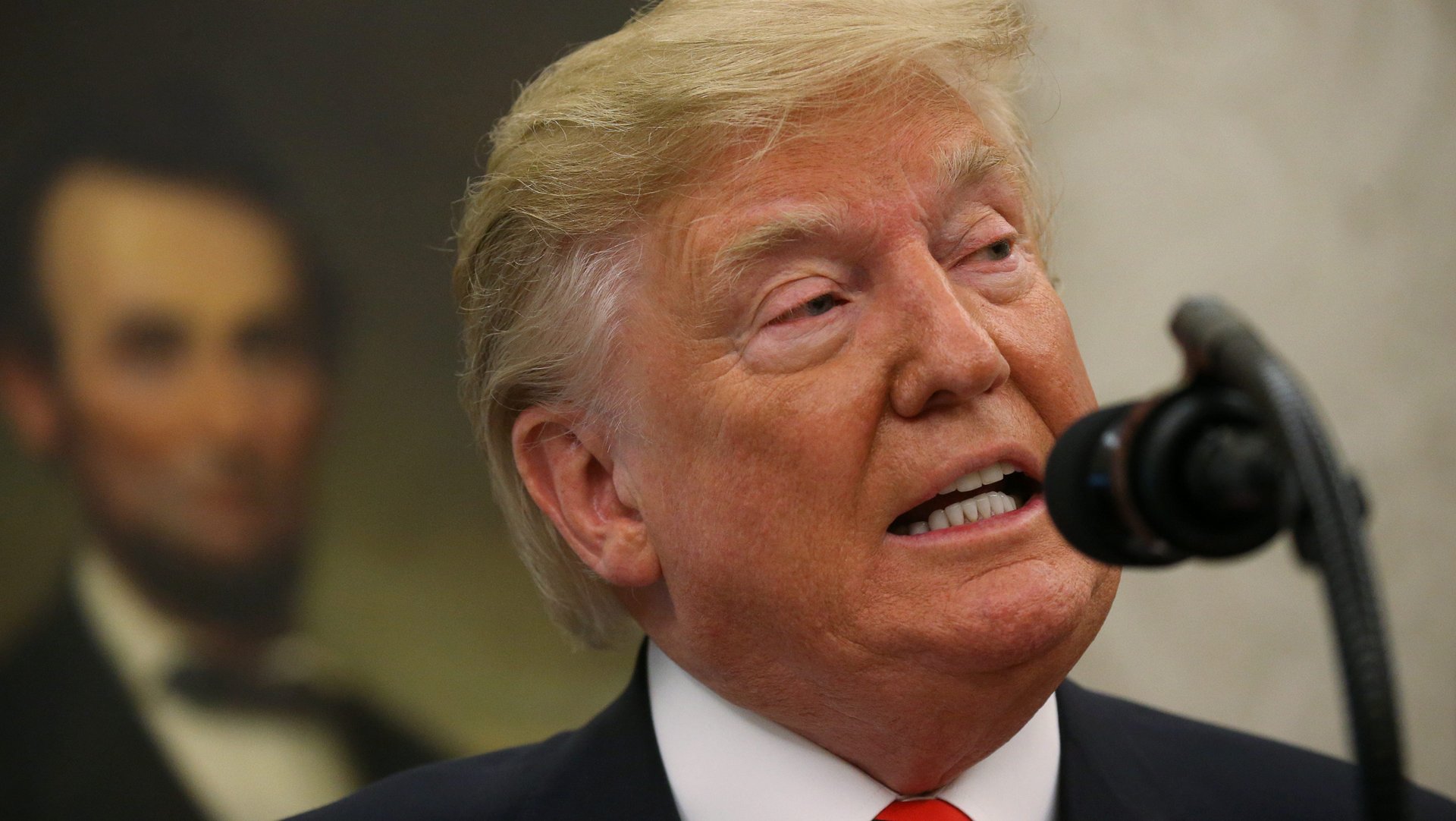
Over the weekend, using his favorite medium, Donald Trump quoted a guest on his favorite TV show, saying that should he be impeached, “it will cause a Civil War like fracture in this Nation from which our Country will never heal.”
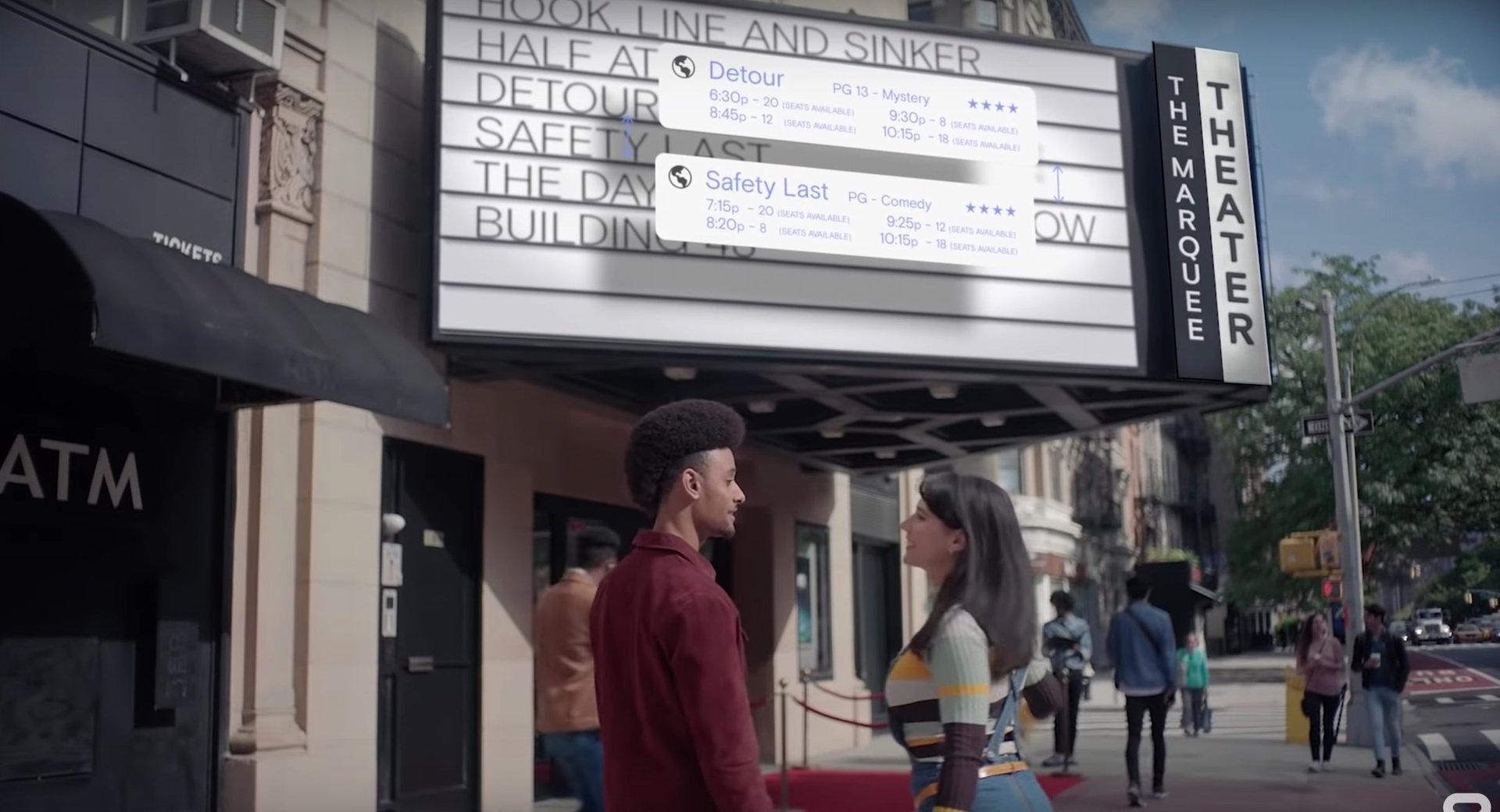
Facebook is working on bringing us into a world we’ve only known from science fiction.
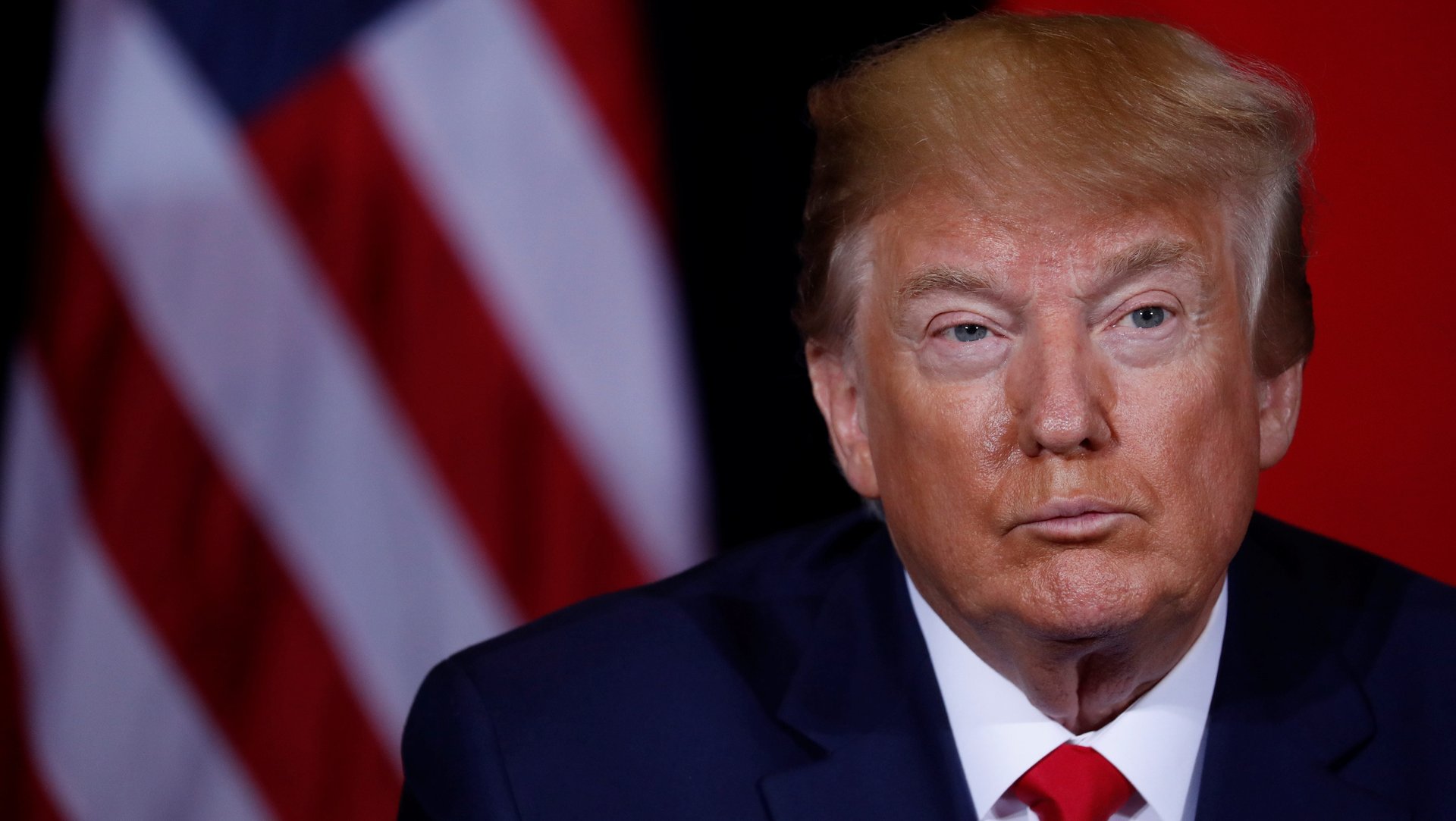
A network of nearly 100 Facebook pages run out of Ukraine recently spread viral content about American politics on Facebook, including one called “I love America,” which had 1.1 million followers and, in the last few weeks, started sharing pro-Trump agitprop. Another was originally devoted to cute animals, but recently began posting memes celebrating Melania Trump.
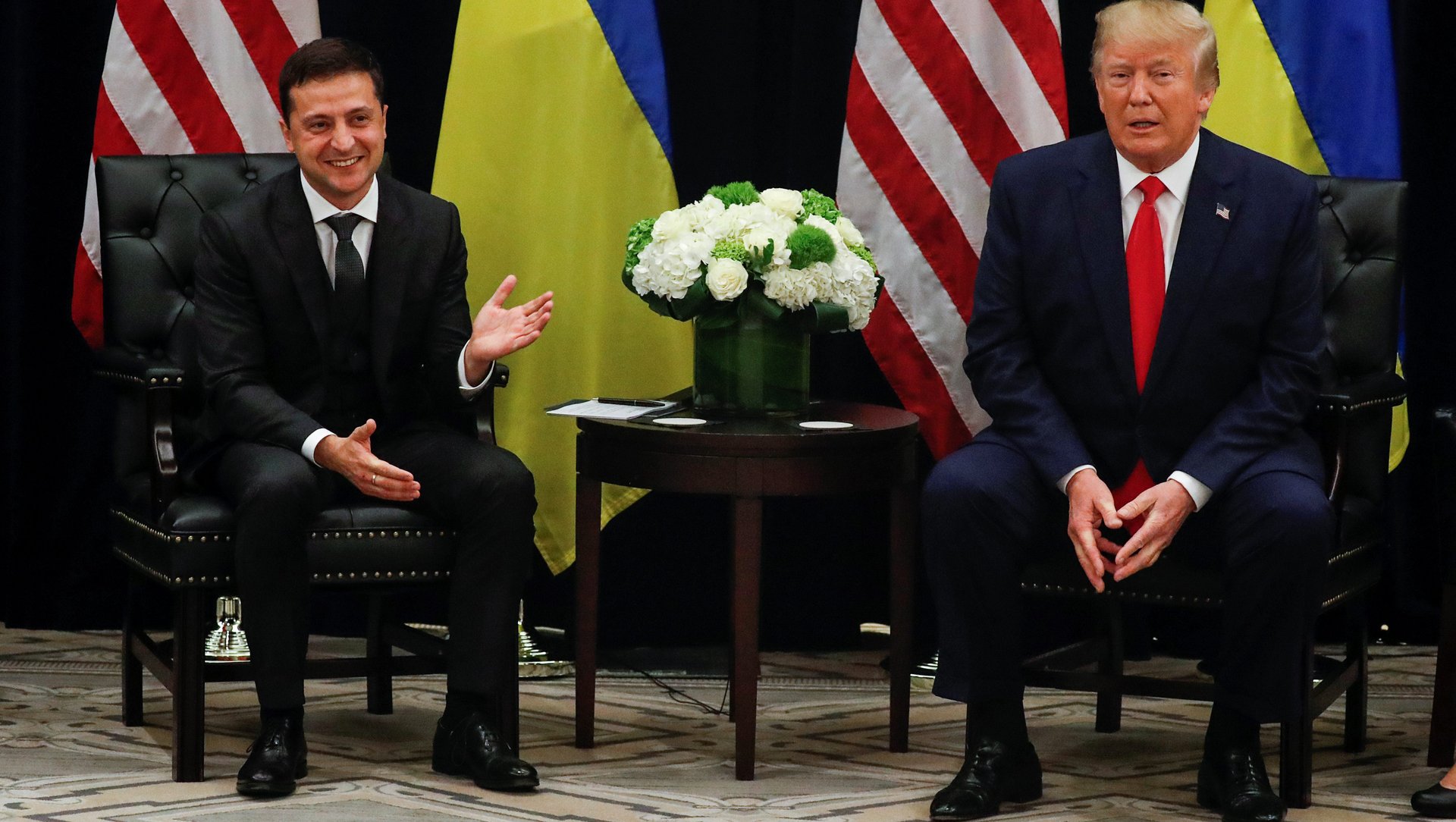
Today the Trump White House finally released notes on the president’s July conversation with his Ukrainian counterpart, in which Trump pressured the newly elected Ukrainian leader and fellow former TV star to investigate his political rival Joe Biden in relation to the former vice president’s son’s business dealings in Ukraine.
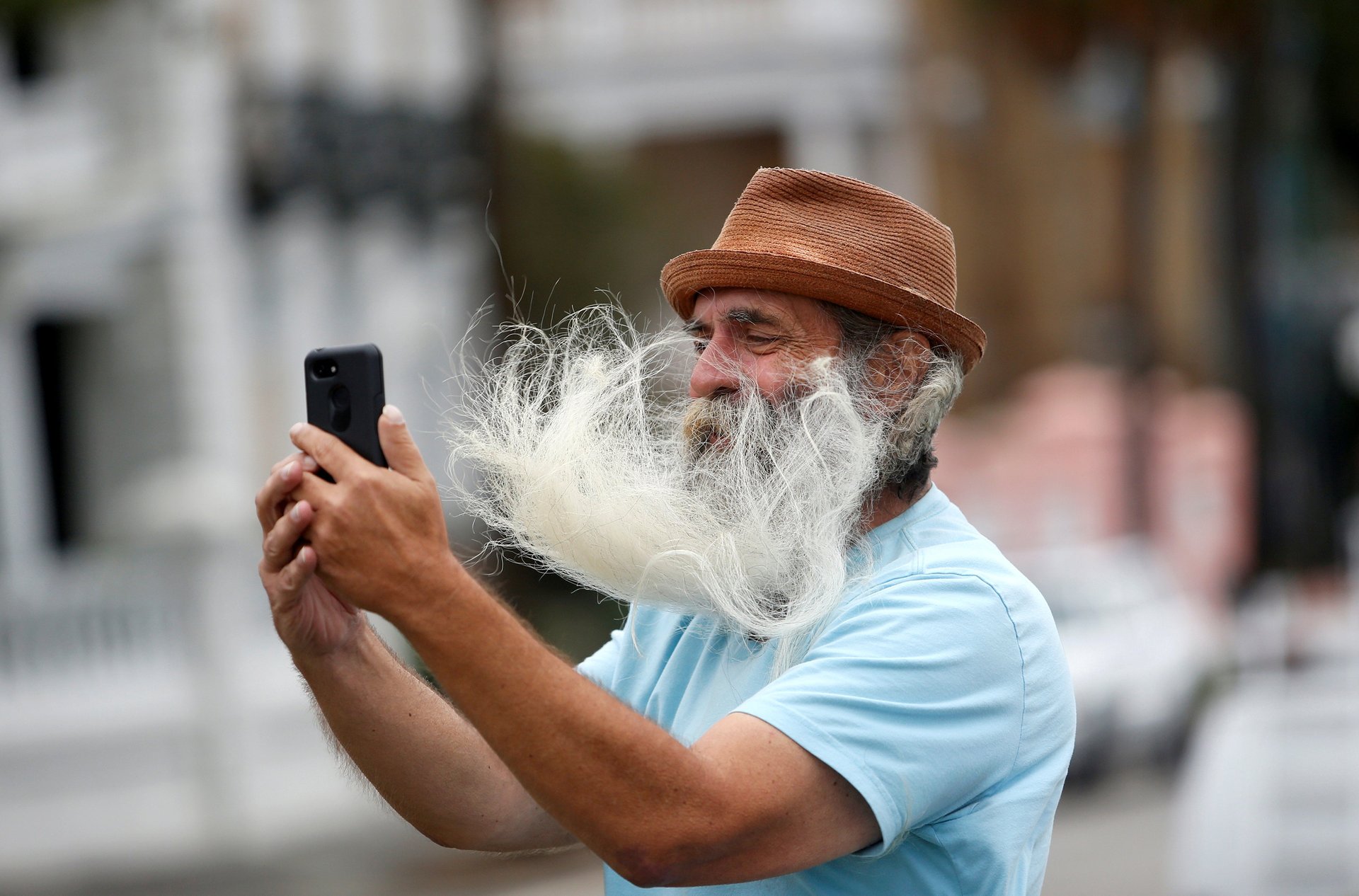
From early on, Instagram has portrayed a world that is slightly altered, depending on the user’s mood. The advent of influencers boosted the app’s highly-edited look, bringing to feeds professional-grade photos, sculpted and meticulously posed. But something is changing.
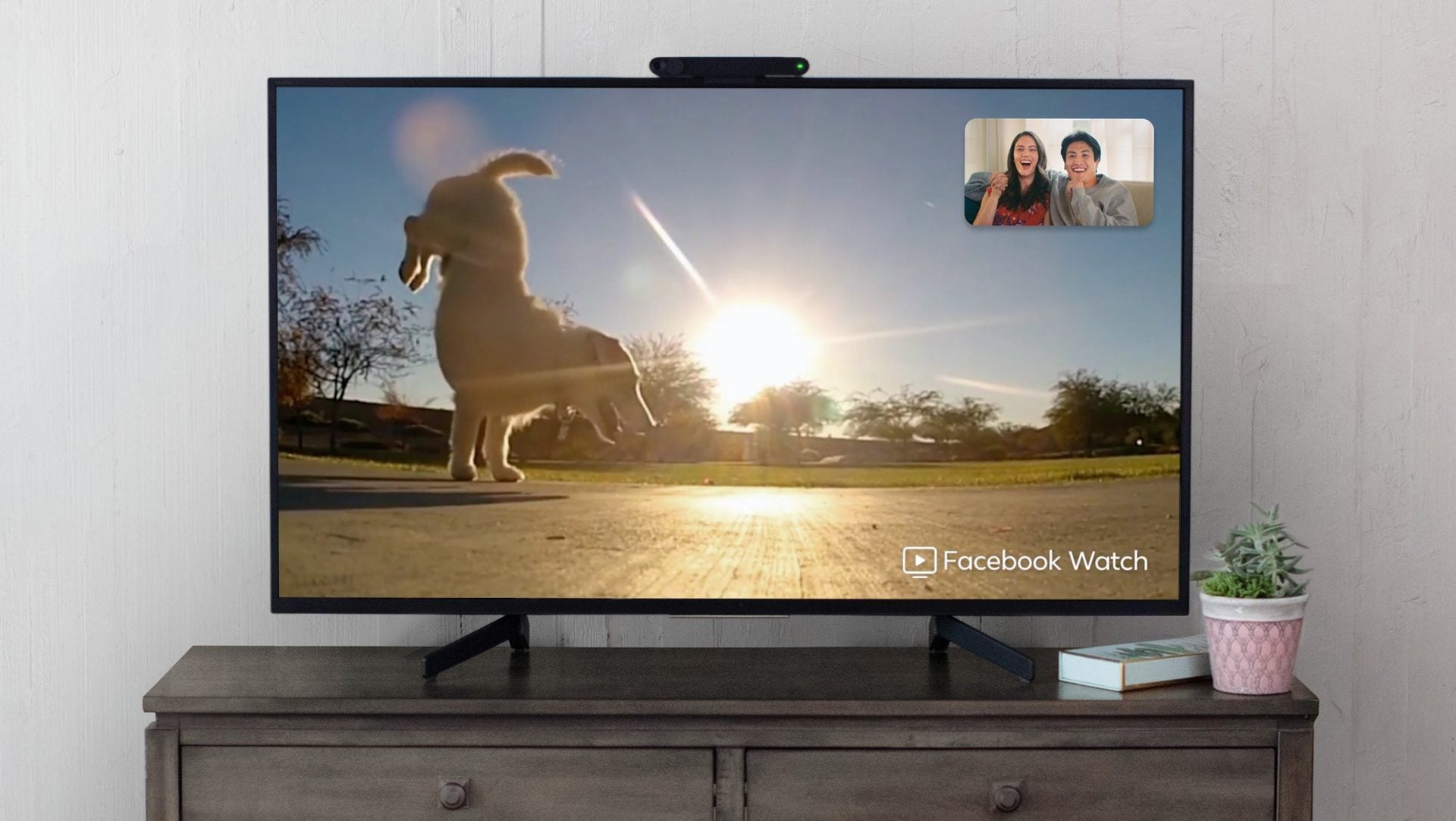
Facebook, which has had a patchy record on user privacy, is launching even more products that require you to have the company’s cameras and microphones in your living room.
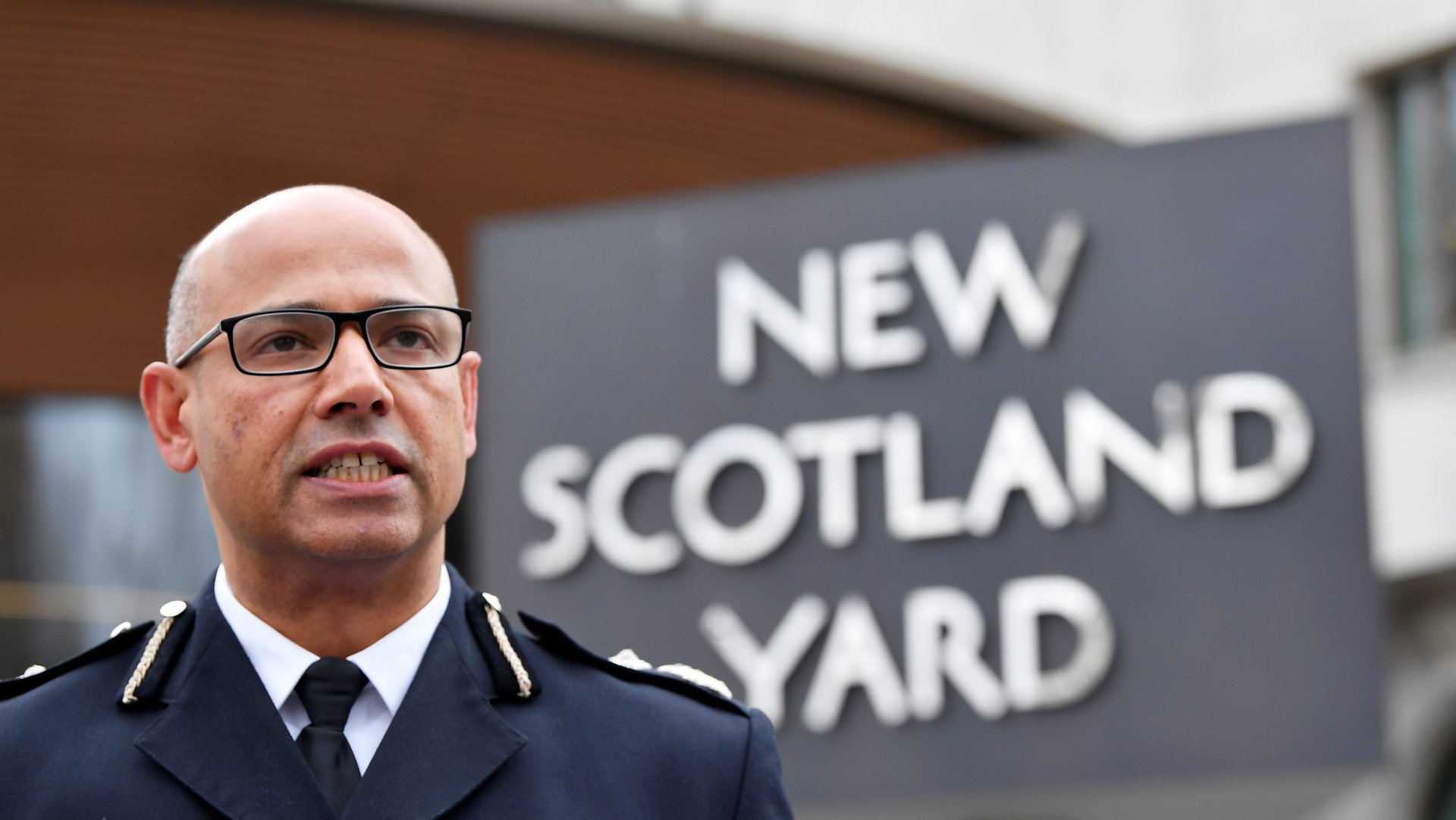
In a world where terrorists plan, explain, and broadcast their attacks on social media, tech platforms are under increasing pressure to do something about it.
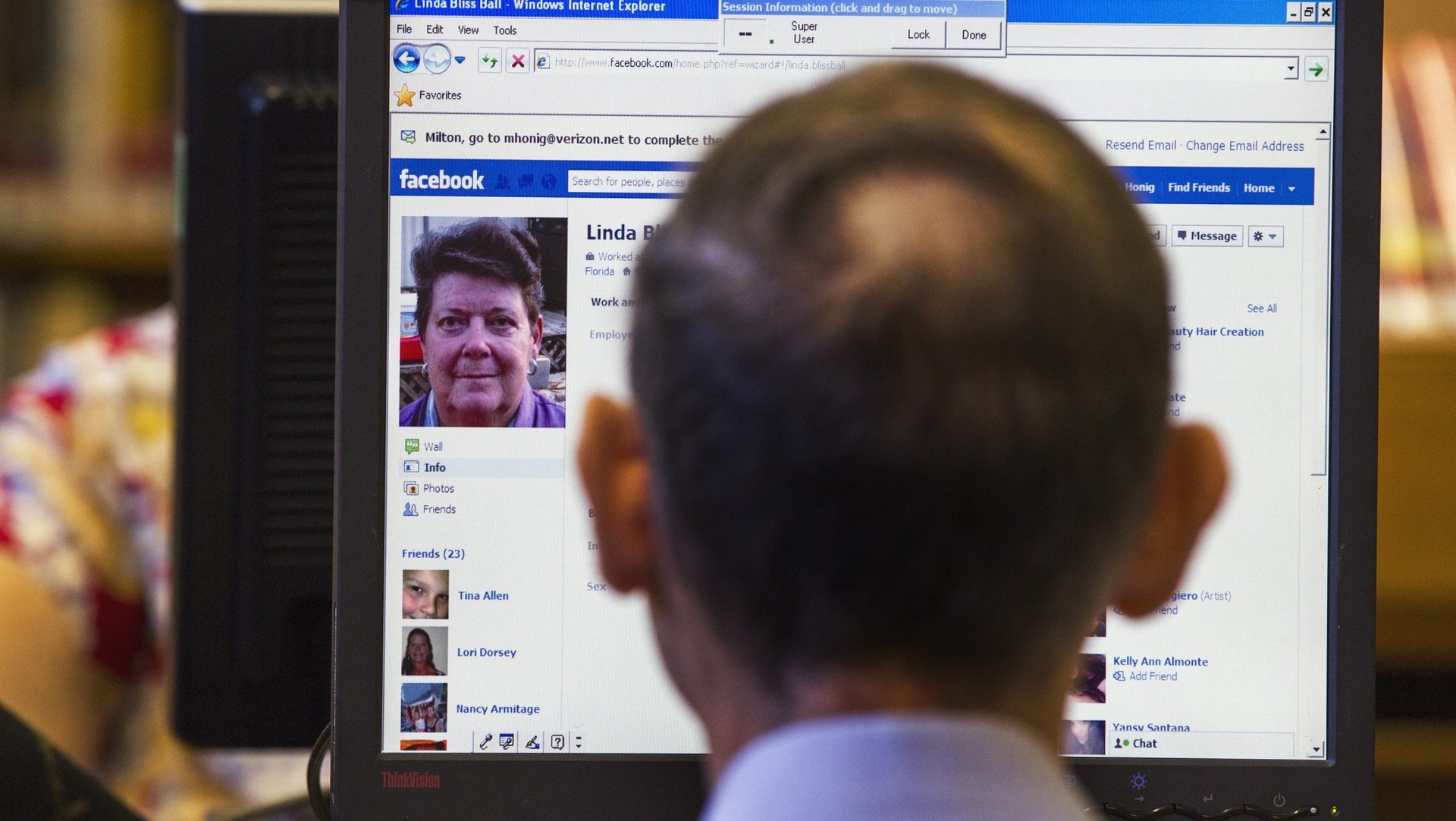
Senior citizens in the US are the fastest growing group of Facebook users, nearly doubling in numbers between 2012 and 2019, a vast shift from the platform’s beginnings as a service for college students.