AI bias is a rapidly changing field. Below you’ll find the people to follow to stay on top of it, along with the books, papers, podcasts, and other resources you need to get up to speed.

AI bias is a rapidly changing field. Below you’ll find the people to follow to stay on top of it, along with the books, papers, podcasts, and other resources you need to get up to speed.

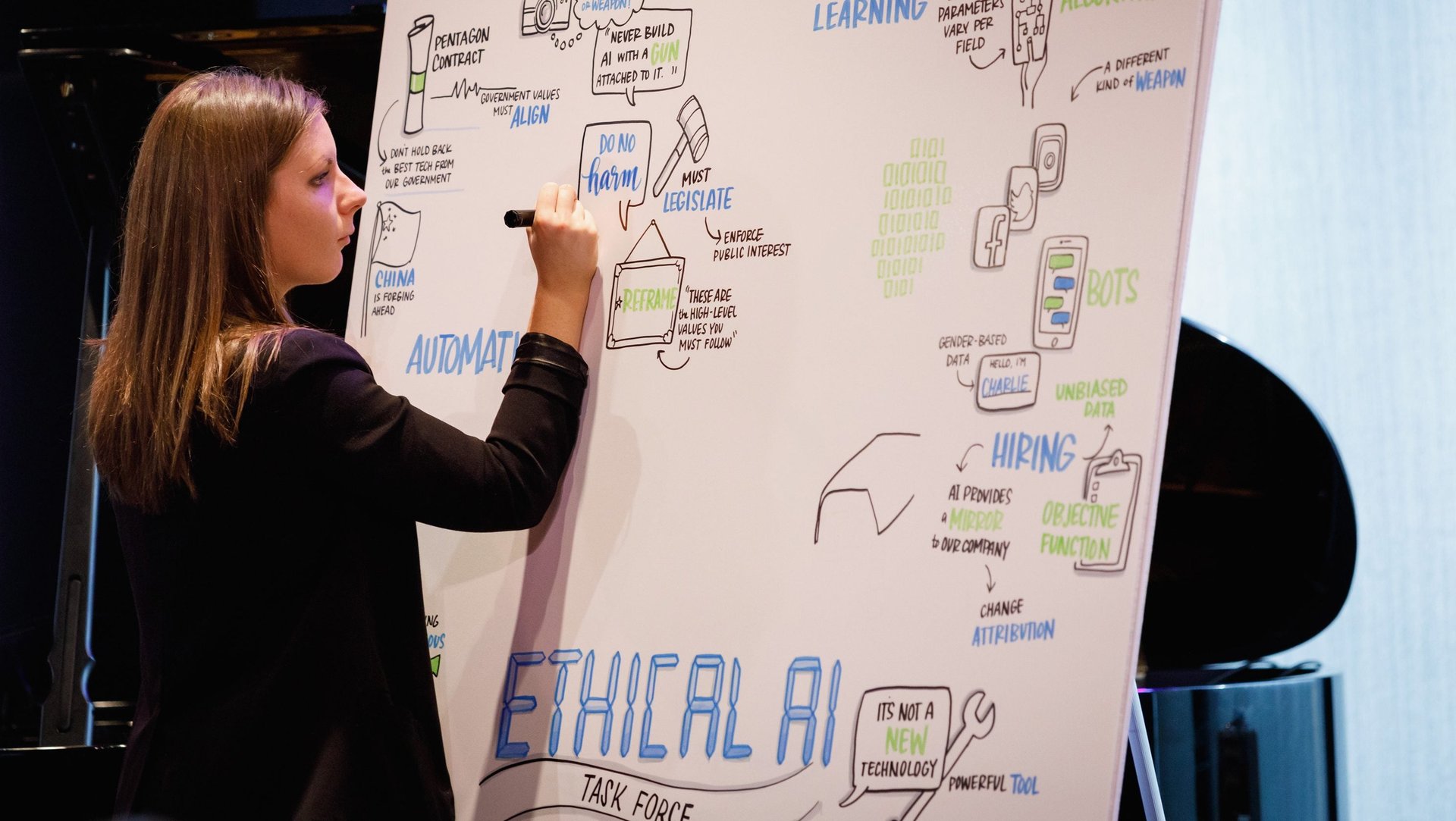
Tech companies, consulting firms, and even the US military are rushing to add ethics boards and hire “AI ethicists.” They’re asking them to think about everything from bias and fairness to the circumstances under which it is acceptable to use autonomous weapons.

Sometimes it takes something unexpected to shift people’s perspectives. That’s what a group of MIT and Harvard Law School researchers were aiming for when they set out to reframe fairness in AI by studying its use on the powerful rather than the powerless. They presented the results of their research in January at the ACM Conference on Fairness, Accountability and Transparency in Barcelona.

In 2016, researchers from Princeton University and the University of Bath made waves in the AI research community with a landmark study. They looked at a common tool used by AI researchers to represent language, derived from a large database of text from the internet, and they found associations that strongly correlated with human biases—including mundane things like the fact that people find flowers more pleasant than bees and that weapons are less pleasant than musical instruments.

What will the next decade look like for venture capital? The VC industry had different drivers over the past five decades—from defense in the 1970s to PCs in the 1980s to dotcom in the 1990s to cloud in the 2000s and mobile in the 2010s. The nature of VC firms has also changed dramatically from small partnerships to large, multi-billion dollar institutions.

Bill.com is a unicorn among unicorns. The company’s IPO filing shows no scandals, no excesses, no exaggerated market sizes, no made-up metrics and no founder control. In comparison to recent unicorn IPO filings such as Uber and WeWork, Bill.com seems pretty unexciting—except that it appears to be a well-run, growing business. In this age when even companies with “Boring” in their name are outlandish, a good, solid, boring business makes Bill.com stand out.

Rich people sweating it out in a virtual competitive bike race in the comfort of home? In what universe did Richard Simmons predict this trend in fitness?

The initial public offering filing of WeWork is the most audacious prospectus that we’ve ever seen. Yes, the company, which this year changed its official name to the We Company, is disrupting a big industry and revenue is doubling each year. But the exposure to economic risk, out-of-whack valuation, and absolute founder control are simply extraordinary.

Slack’s regulatory filings in advance of its public stock offering last week show how successful the messaging company has become since its founding in 2009. Slack’s customers and revenue are growing rapidly, powered by a sales and marketing strategy premised on viral user growth and converting free members to paid subscribers. Companies all over the world have essentially replaced email for many important functions and now depend on Slack for internal communication. There are thousands of outside developers creating applications that work in Slack, making it even more valuable for customers.

Last week, Uber filed its S-1—the regulatory paperwork necessary to go public—and at first glance it looks great. The number of people using the platform is growing, the number of trips is growing, the company’s revenue is growing, and its ride-hailing business was profitable in 2018—if you look at the numbers the way the company wants you to. Below the surface, though, things look a bit different. This raises many questions about the company’s performance during 2018 and the risks that the company is asking investors to take on as part of its IPO. Here are the five biggest risks we think investors should be monitoring closely.

The term “unicorn” has become synonymous with private companies that are worth more than $1 billion. But with so many companies above that valuation, there’s nothing rare about that designation anymore.

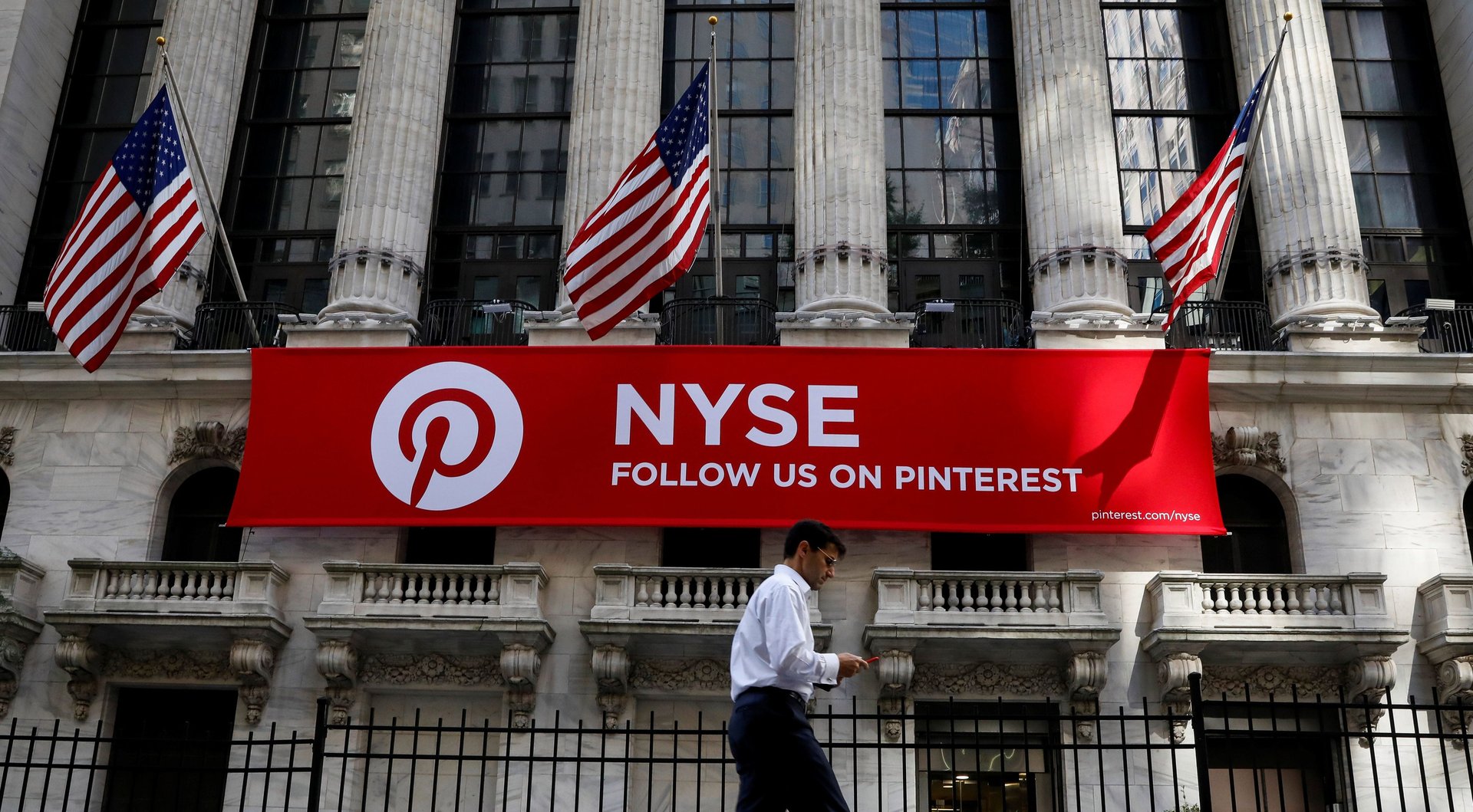
Pinterest is a digital discovery platform that helps its users get stuff done. And, true to form, the company’s IPO filing shows that it’s getting stuff done itself. Pinterest—launched in 2010— has built an enviable audience, has a win/win value proposition for its users and advertisers, and has one of the most impressive AI platforms in the world. It’s accomplished all this while making steady progress toward profitability. Here are the seven things we think investors should consider:

It’s official: Lyft is leading the race among so-called unicorn startups to become a publicly-listed company, having announced its intent to sell shares with an S-1 regulatory filing last week.

It’s anyone’s guess how bad the current US-China trade spat will get. Analysts at UBS have estimated what could happen if the current skirmish becomes an all-out trade war. It’s bad.

Gasoline prices in the US are up around 15% since the start of the year, due to price increases in the global oil market. That equates to an increase of about $30 per month in how much the average American consumer spends on gas, according to Bank of America Merrill Lynch analysts.

Consumer buying behavior is shifting online, driven in part by the availability of products in online stores and convenience of Amazon Prime. A new report by retail-industry analysts at IHL Group found that 55% of American households are now Prime members, along with 69% of households than earn over $100,000. According to the report, Prime members behave differently than consumers who don’t have access to the free, two-day shipping that Prime provides. This is especially true for Prime members who can’t find what they want in a brick-and-mortar store.

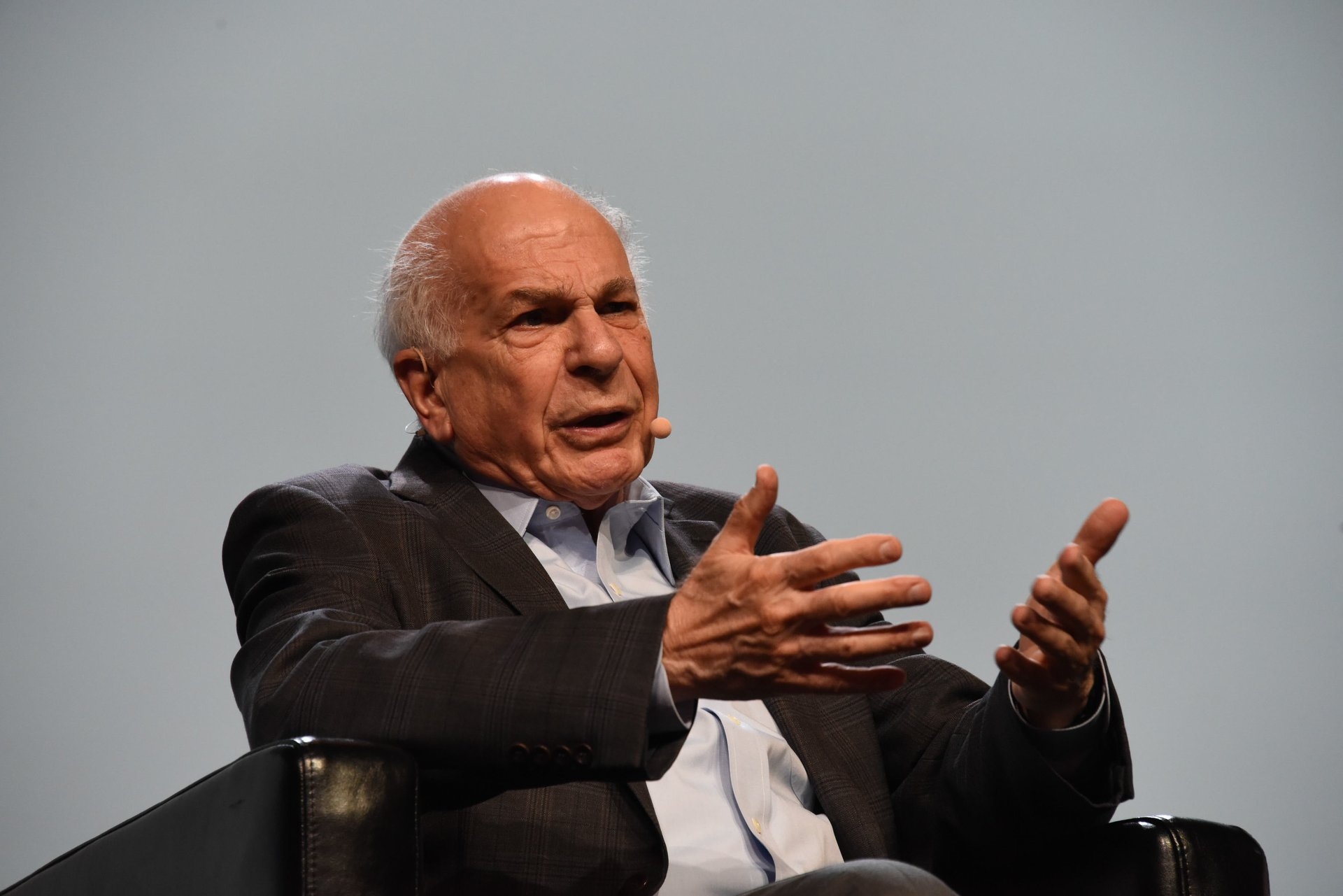
Regret is the biggest danger to financial health, according to Daniel Kahneman, a Nobel Prize-winning psychologist and author of the book, “Thinking, Fast and Slow.”

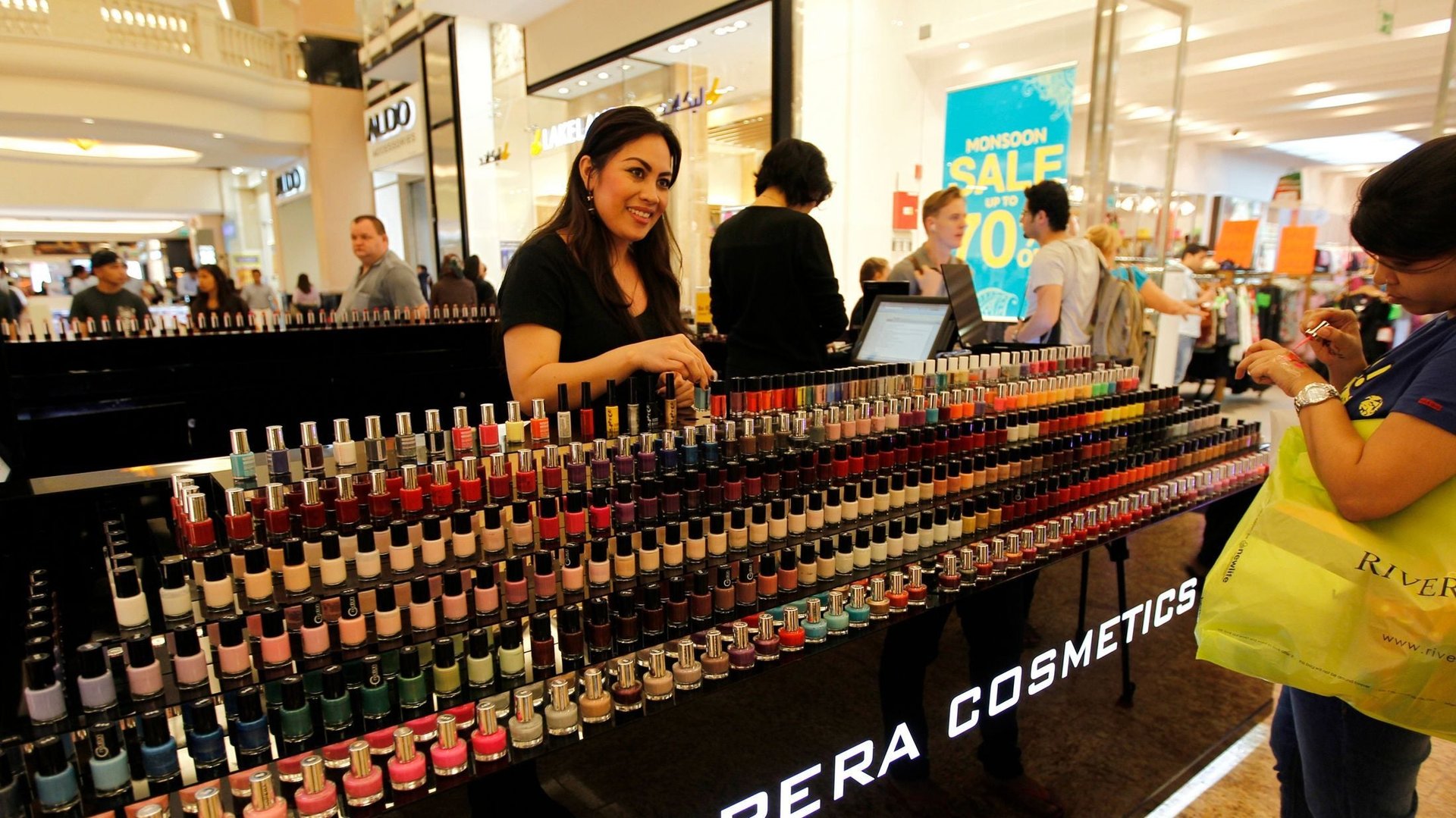
Amazon is becoming one of the most important channels in beauty.

While producing cars and components is still expected to be a good business once cars are autonomous, providing the driving experience is seen to be the biggest and best opportunity. New research from UBS predicts that US autonomous-vehicle revenue will reach $2.3 trillion by 2030—and 70% of the estimated is expected to come from selling experiences to the former drivers.

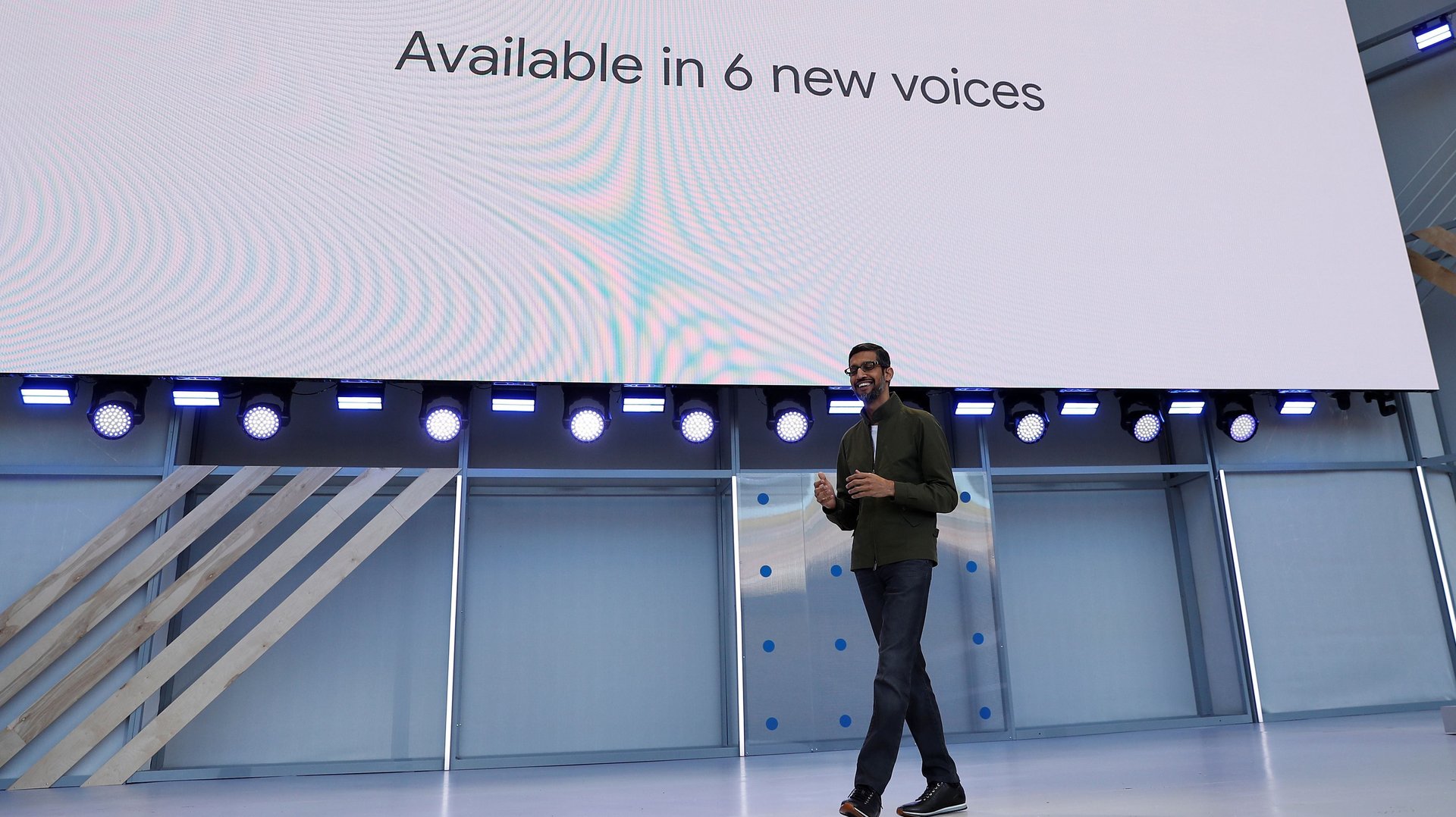
Last week, Google unveiled Google Duplex, a new technology for conducting natural conversations to carry out “real-world” tasks over the phone. For specific tasks, such as scheduling certain types of appointments, the system allows people to speak normally, like they would to another person.

There is a risk that oil prices could hit $100 per barrel next year for the first time since 2014, according to new research from Bank of America Merrill Lynch. It’s primarily an old-fashioned case of more demand, less supply.

For the first three months of 2018, the US Postal Service reported a $1.3 billion loss, up from $562 million a year ago.

Over the past one, three, and five years, hedge funds have underperformed the overall stock market, providing 53-73% of the returns over those periods. Not anymore.

This week, at the Google I/O developers conference, there was a consistent message about Google’s AI from a cast of Google executives: Our AI will not be evil.